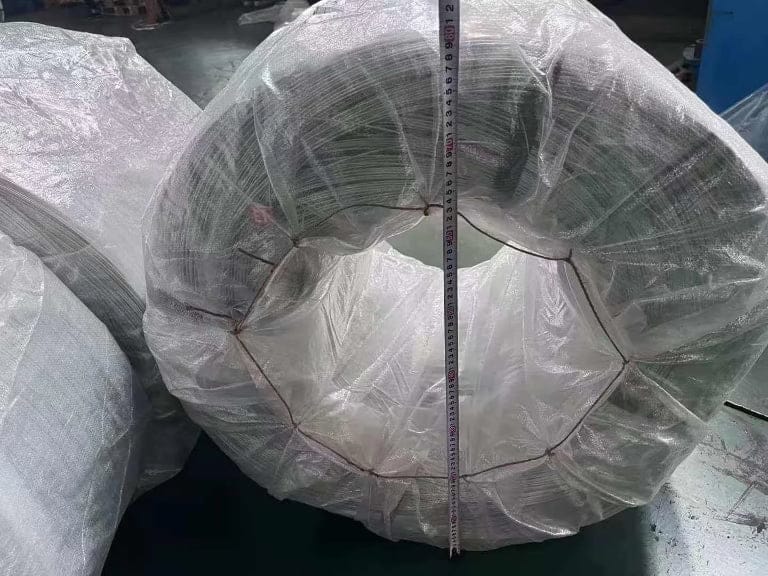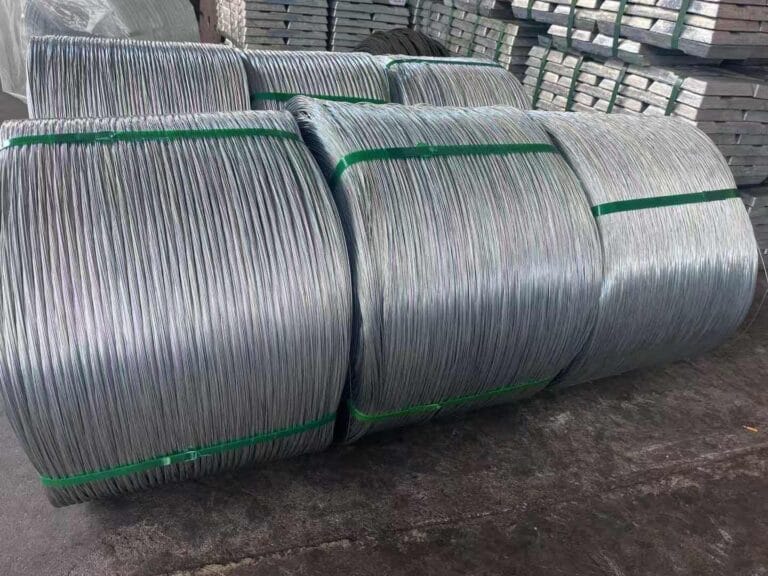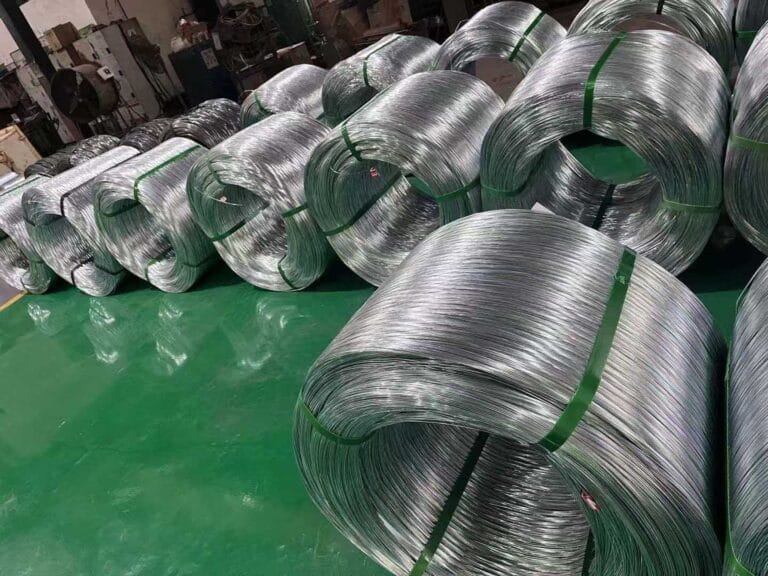



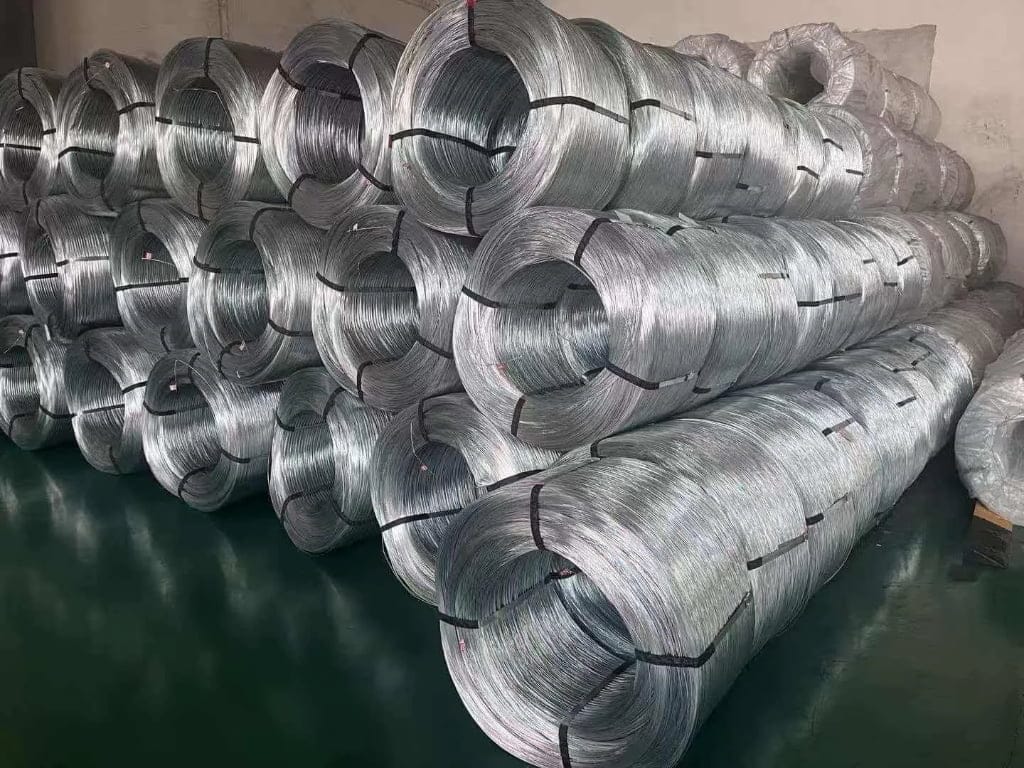
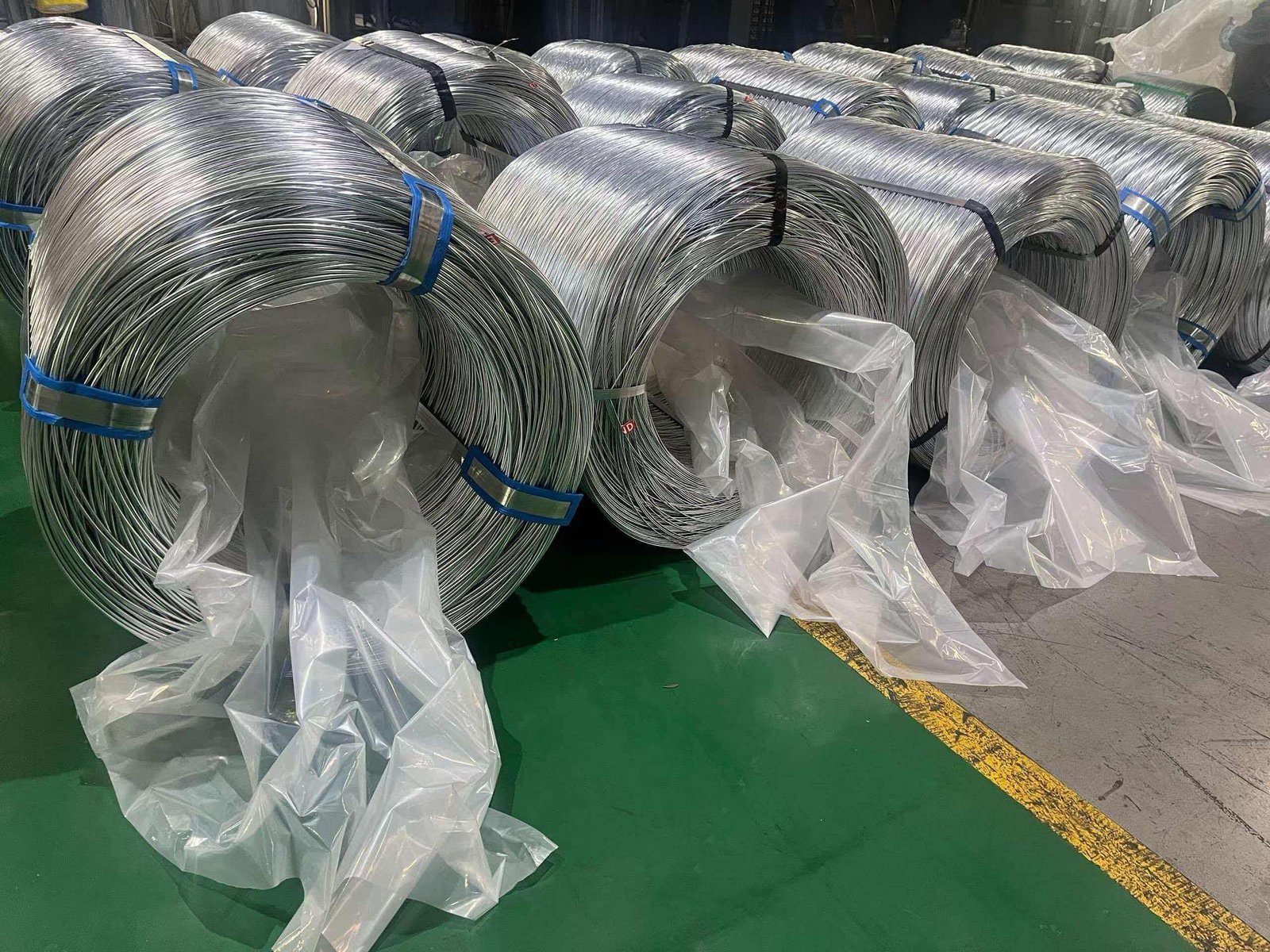
For Zambian importers and contractors looking to understand the full cost of bringing binding wire into the country, knowing the customs duty structure and proper HS code classification is essential. Those interested in galvanized binding wire for Zambia should factor in all tax components before placing their orders.
I've watched too many buyers get blindsided by unexpected customs charges when importing binding wire into Zambia. You think you've negotiated a great Free On Board (FOB) price from your Chinese supplier, the container arrives at Dar es Salaam, and then your clearing agent hits you with a tax bill that doubles your landed cost. Last month, a Lusaka-based contractor friend of mine nearly lost a tender because he underestimated his import duties by 15%. The difference between profit and loss in the Zambian construction materials business often comes down to understanding one thing: how customs classifies your binding wire and what tax you actually pay.
Zambia's import duty on binding wire ranges from 5% to 25% depending on product classification, plus 16% Value Added Tax (VAT) on the Cost, Insurance, and Freight (CIF) value plus duty. The total tax burden typically falls between 22% and 45% of your CIF cost. Smart buyers save thousands by ensuring correct Harmonized System (HS) code classification, understanding duty calculation methods, and working with experienced clearing agents who know how to present documentation for construction-grade wire versus general steel wire.
Here's what frustrates me: most Chinese suppliers don't understand Zambian customs procedures, and most Zambian buyers don't ask the right questions until it's too late. I'm going to walk you through exactly how Zambia calculates import duty on binding wire, what affects your final tax bill, and the specific documentation tricks that can legally reduce your customs costs by 30% or more.
How Does Zambia Calculate Import Duty on Binding Wire?
Most buyers think customs duty is just a simple percentage. It's not. Zambia uses a layered calculation system that catches newcomers off guard.
Your total import tax bill has three main components: basic import duty (the tariff rate), VAT, and sometimes excise duty. For binding wire, excise duty doesn't apply, but the first two will take a significant bite out of your budget.
The Three-Step Calculation Process
Step 1: Establish your CIF value (Cost + Insurance + Freight to first Zambian port of entry). This becomes your dutiable value base.
Step 2: Apply the basic customs duty rate based on HS code classification. This ranges from 0% to 25% for different wire categories.
Step 3: Calculate VAT at 16% on the sum of (CIF value + customs duty paid).
Let me show you a real example. Say you're importing 20 tons of galvanized binding wire:
- FOB Tianjin: $760/ton = $15,200
- Sea freight to Dar + inland transport to Lusaka: $150/ton = $3,000
- Insurance: 0.5% of FOB = $76
- CIF value: $18,276
If your wire gets classified as general steel wire (HS 7217.10) at 25% duty:
- Customs duty: $18,276 × 25% = $4,569
- Subtotal: $18,276 + $4,569 = $22,845
- VAT: $22,845 × 16% = $3,655
- Total tax: $8,224 (45% of CIF)
But if properly classified as construction binding wire (HS 7314.20) at 10% duty:
- Customs duty: $18,276 × 10% = $1,828
- Subtotal: $18,276 + $1,828 = $20,104
- VAT: $20,104 × 16% = $3,217
- Total tax: $5,045 (27.6% of CIF)
That's $3,179 saved on a single container—just by getting the classification right. Over a year of monthly imports, that's $38,148 in your pocket instead of the government's.
Common Calculation Mistakes I See
Using FOB instead of CIF for duty calculation. Zambia Revenue Authority (ZRA) always calculates on the landed cost, not ex-works or FOB. I've seen buyers get nasty surprises when customs adds freight and insurance they forgot to account for.
Forgetting that VAT applies to the duty-inclusive amount. New importers often calculate VAT on just the CIF value and miss that it's actually charged on CIF plus duty. This adds another 3-4% to your effective rate.
Not including inland transport to first entry point. If you're using Dar es Salaam port but your first Zambian customs clearance is at Nakonde border, you need to include the Dar-to-Nakonde truck cost in your CIF calculation. ZRA can challenge your declared value if they think you've understated it.
I keep a spreadsheet with different HS code scenarios and actual paid duties from my clearing agent. It's the only way to accurately forecast landed costs when comparing supplier quotes.
What HS Code Classification Applies to Binding Wire in Zambia?
This is where your clearing agent's expertise matters more than anything else. The Harmonized System (HS) code determines your duty rate, and binding wire can fall into several different categories depending on how it's described and what documentation you provide.
The key codes for binding wire imports are:
| HS Code | Description | Zambian Duty Rate | Typical Application |
|---|---|---|---|
| 7217.10 | Wire of iron or non-alloy steel, not plated or coated | 25% | Generic description catch-all |
| 7217.20 | Plated or coated with zinc (galvanized wire) | 15% | Galvanized wire generally |
| 7314.20 | Grill, netting and fencing, of iron or steel wire | 10% | Construction mesh and binding wire |
| 7313.00 | Barbed wire and twist wire for fencing | 5% | Specialized fencing wire |
The difference between 25% and 10% can make or break your competitiveness in the Zambian market. I learned this the hard way two years ago when a shipment got hit with the 25% rate because my Chinese supplier wrote a vague description.
How Product Description Affects Classification
Customs officers aren't wire experts. They classify based on what your invoice and packing list say. The exact wording matters enormously.
Generic descriptions that trigger high duty:
- "Steel wire"
- "Galvanized wire"
- "Iron wire products"
- "Metal wire coils"
These vague descriptions default to HS 7217 series with 15-25% duty rates because the officer has no specific context about end use.
Specific descriptions that justify lower duty:
- "Galvanized binding wire for construction reinforcement"
- "Annealed iron wire for tying rebar"
- "Black annealed binding wire for building sites"
- "Soft black wire for construction applications"
The phrase "for construction" is your magic ticket. It allows classification under HS 7314.20 (construction-related wire products) at 10% instead of general wire categories.
Documentation That Supports Favorable Classification
I always provide my clearing agent with three supporting documents beyond the commercial invoice:
1. Mill Test Certificate (MTC) showing the wire meets construction material standards. Even though Zambia doesn't require Pre-Export Verification of Conformity (PVoC), having technical specs establishes the wire as a construction product, not general hardware.
2. Product catalog or spec sheet with photos showing the wire on construction sites or packaging labeled for building applications. Visual evidence helps the customs officer understand the intended use.
3. Purchase order or sales contract from my Zambian buyer showing the wire is being sold to construction companies or building material dealers. This proves end-use intent.
One buyer I know includes photos of the wire packaging with "CONSTRUCTION USE ONLY" printed on the labels. It sounds gimmicky, but it's worked consistently for him at Nakonde border post.
Regional Variations in Classification
Here's something most guides don't mention: different border posts in Zambia apply classifications with varying strictness.
Nakonde (Tanzania border): Officers here see high volumes of Chinese construction materials. They're generally reasonable if your paperwork is clear and you're using an established clearing agent they know.
Chirundu (Zimbabwe border): More bureaucratic, stricter interpretation of codes. I've had shipments questioned here that sailed through Nakonde without issue.
Kasumbalesa (DRC border): Less experienced officers, more likely to need education on wire product differences. Bring physical samples if possible.
JNIA (Lusaka airport): Small volumes only, but officers here are meticulous. Perfect documentation required.
My strategy: if I'm doing regular monthly imports, I stick with one border post and build a relationship with a clearing agent who knows the officers there. Consistency in classification comes from consistent relationships.
What If You Get the Wrong Classification?
If customs assigns you to HS 7217 at 25% and you believe 7314 at 10% is correct, you have two options:
Option 1: Challenge before payment by providing additional documentation to the assessing officer. This requires your clearing agent to negotiate directly. Success rate depends heavily on their relationship and persuasiveness.
Option 2: Pay under protest and appeal to ZRA's Technical Services Department. You'll need to submit a formal appeal with supporting evidence within 30 days. I've seen appeals succeed, but it takes 2-3 months to get refunds processed. Not practical if you need to release goods quickly.
The lesson: get classification right from the start by controlling your product descriptions and documentation before the container even ships from China.
Are There Import Tax Exemptions for Construction Materials in Zambia?
This is the question every buyer asks, hoping for a magic loophole. I hate to disappoint you, but for commercial binding wire imports, exemptions are rare and highly specific.
Zambia's tax exemption regime focuses on encouraging local manufacturing and large-scale development projects, not routine commercial imports. However, there are scenarios where you might qualify for reduced or zero duty.
Government Projects and Donor-Funded Work
If you're supplying binding wire for a project funded by the World Bank, African Development Bank, or bilateral aid agencies, you may qualify for duty exemption under project-specific agreements.
Requirements:
- Project must have a registered Project Implementation Unit (PIU)
- Wire must be imported directly by the PIU or a contractor with exemption authorization
- Quantities must match approved project Bills of Quantities (BOQs)
- ZRA must receive advance notification from Ministry of Finance
I worked with a road contractor on a USAID-funded project who got full duty exemption on 150 tons of binding wire. But the paperwork took three months to process, and the exemption certificate was project-specific—he couldn't use it for commercial sales.
Reality check: If you're a commercial buyer selling to general market, this doesn't apply to you. These exemptions are reserved for goods that won't compete with local market supplies.
Manufacturing Under Bond
If you're setting up a manufacturing operation that uses binding wire as a raw material (for example, producing gabion boxes, welded mesh panels, or reinforcement cages), you can apply for bonded warehouse status.
This allows you to import wire duty-free or duty-deferred, with duty only paid when finished goods enter the Zambian market for consumption. You're essentially converting imported wire into higher-value products.
Requirements:
- Registered manufacturing company with ZRA
- Approved bonded warehouse facility
- Separate accounting for bonded vs. domestic stock
- Regular stock reconciliation reports to ZRA
This works if you have the capital and capability to set up manufacturing. For most wholesalers and traders, it's not practical.
Small Quantities and Personal Use
Technically, personal imports under $500 value may qualify for simplified clearance with reduced duty. But I've never seen this work for binding wire because:
1. Wire is considered commercial goods by nature—nobody imports 2 coils for personal construction 2. Even small quantities trigger questions about resale intent 3. Border officers default to commercial classification to avoid abuse
Don't try to game the system by splitting shipments. ZRA tracks importer history, and if you're bringing in "personal use" wire every month, you'll get flagged for tax evasion investigation.
Common Myths About Tax Exemptions
Myth 1: "Construction materials get automatic duty reductions" False. Standard duty rates apply to imported wire regardless of what industry buys it. The buyer's industry doesn't affect import duty—only the product classification (HS code) matters.
Myth 2: "Small importers pay less tax than big companies" False. Duty rates are the same for everyone. If anything, small importers pay more because they lack negotiating power with clearing agents and don't have bonded warehouse options.
Myth 3: "I can avoid VAT by registering as VAT vendor" Partially true, but misleading. VAT-registered businesses still pay 16% VAT on imports. The difference is you can claim input VAT credit against your output VAT on sales. This helps cash flow if you're selling VAT-inclusive, but you still need the cash upfront to clear customs.
The harsh truth: plan on paying the full duty and VAT. Any reduction is a bonus, not something to build your pricing model around.
How Do Clearing Agent Fees Impact Total Import Cost?
The duty and VAT are just the government's cut. Your clearing agent wants their piece too, and their fees can add another 5-10% to your landed cost if you're not careful.
I've dealt with clearing agents who were transparent and professional, and I've dealt with ones who buried surprise charges in vague line items. The difference between good and bad agents is worth thousands of dollars per year.
Standard Clearing Agent Fee Structure
A typical clearing agent in Zambia charges several components:
1. Agency fee (flat rate): Usually $150-$300 per shipment regardless of value. Covers their basic service and paperwork processing.
2. Customs processing fee (percentage): 1-3% of CIF value. Supposedly covers liaison with ZRA, document preparation, and system entries.
3. Transport and handling: If they arrange pick-up from port or border, expect $0.50-$2 per km depending on distance and road conditions.
4. Storage charges: If your container sits at the port/border more than the free days (usually 3-5 days), storage adds up fast—$20-50 per day.
5. Miscellaneous charges: Scanning fees, document courier, border gate fees, and the infamous "facilitation" charges that nobody explains clearly.
On a 20-ton container with $18,000 CIF value, total clearing fees typically run $700-$1,200 depending on complexity and border location.
Red Flags in Clearing Quotes
I've learned to watch for these warning signs when a clearing agent sends me a quote:
Vague line items like "Government charges" or "Processing fees" without breakdowns. Professional agents itemize every ZRA official fee separately from their service fees.
Percentage fees applied to duty-inclusive value instead of CIF value. Some agents calculate their 2% fee on (CIF + duty + VAT), effectively charging you commission on taxes you paid.
"Variable charges subject to actual" disclaimers. While some costs genuinely vary (storage, scanning), a good agent gives you realistic ranges based on experience, not blank checks.
Unusually low quotes that later explode with "unforeseen" costs. If someone quotes $400 for full clearing when everyone else says $900, they're lowballing to win the contract then hitting you with extras you can't refuse once your goods are in their custody.
I had one agent quote me $650 all-in. When I got the final invoice, it was $1,430 with $780 in "additional charges" including a $200 "express processing fee" I never authorized. I paid because my buyer was waiting, but I never used that agent again.
How to Negotiate Better Rates
Volume commitment matters. Once I hit 10+ containers per year with an agent, I negotiated their percentage fee down from 3% to 1.5%. They want reliable repeat business—use that leverage.
Pay promptly. Agents in Zambia deal with cash flow problems from slow-paying clients. I pay within 24 hours of receiving goods. In return, my agent sometimes absorbs small overages and prioritizes my clearances.
Build relationships with border officers—through your agent. I don't mean bribes. I mean having an agent whose name customs officers recognize and trust. It speeds processing and reduces likelihood of classification disputes.
Handle your own transport if possible. Clearing agents mark up transport significantly. If you have your own truck or relationship with a haulage company, you save 30-40% on that component.
Provide perfect documentation. Every time your agent has to go back to you for corrected invoices, missing certificates, or clarified descriptions, it adds delays and gives them justification to charge extra processing fees.
In-House Clearing vs. Agent Services
For regular importers doing 6+ containers per year, hiring an in-house customs clerk might make financial sense. But for most buyers, professional clearing agents provide value that outweighs their fees—if you choose the right one.
The key is understanding that you're paying for their relationships and knowledge, not just paperwork processing. A good agent knows which officers are approachable, what documentation triggers scrutiny, and how to present your wire in the most favorable light for classification.
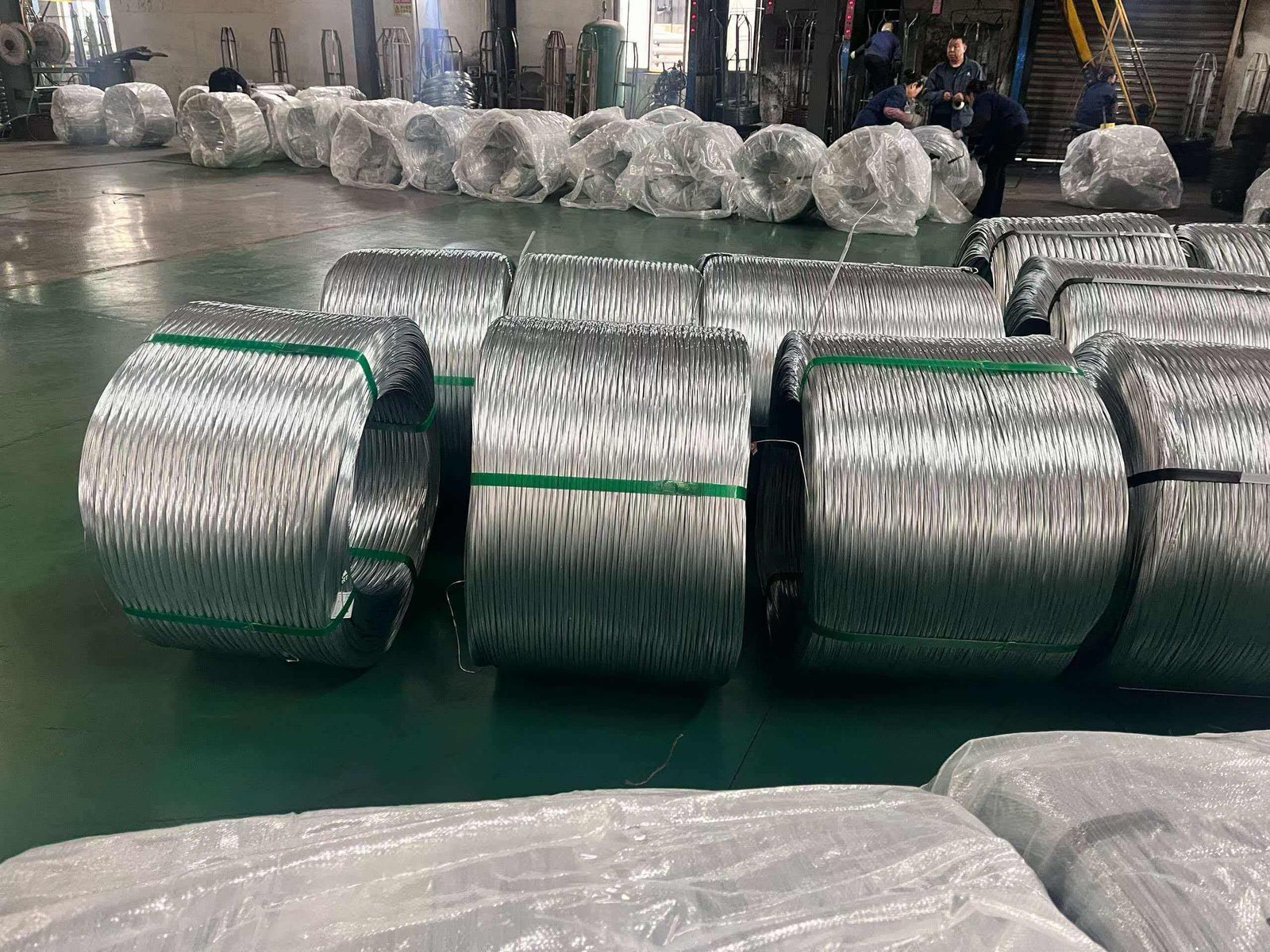
We provide full MTC (Mill Test Certificate) and Certificate of Origin with every shipment. We offer a full range of construction binding wire for African projects, including galvanized iron wire, black annealed iron wire, and 201 stainless steel wire, with mix container loading supported. If you are sourcing construction binding wire for Zambia or any African market, we are happy to provide a specification-based quotation. Contact us via WhatsApp: +86 15383180672.
FAQ: Zambia Binding Wire Import Duty and Customs
Q1: What is the correct HS code for galvanized binding wire imported into Zambia, and what duty rate applies?
A1: The most favorable HS code for construction binding wire is 7314.20 (grill, netting and fencing of iron or steel wire), which carries a 10% import duty. However, many suppliers incorrectly use 7217.20 (plated or coated wire) at 15% or 7217.10 (uncoated wire) at 25%. To qualify for the 10% rate, your documentation must clearly describe the wire as "for construction" or "for building reinforcement" rather than generic "steel wire." The difference between 10% and 25% can save over $3,000 on a standard 20-ton container.
Q2: How is Zambia's import duty on binding wire calculated—what formula does ZRA use?
A2: ZRA calculates duty using this three-step formula: Step 1: Establish the CIF value (Cost + Insurance + Freight to first Zambian port of entry). Step 2: Apply the basic customs duty rate based on HS code classification (5-25%). Step 3: Calculate VAT at 16% on (CIF value + customs duty paid). Common mistakes include using FOB instead of CIF, forgetting that VAT applies to duty-inclusive amounts, and excluding inland transport to first clearance point. Total tax typically falls between 22% and 45% of CIF value.
Q3: Are there any tax exemptions or duty reductions available for construction binding wire imports to Zambia?
A3: Exemptions are rare for commercial imports. Government and donor-funded projects (World Bank, AfDB, USAID) may qualify for duty exemption with advance Ministry of Finance approval and registered Project Implementation Units. Manufacturers using binding wire as raw material can apply for bonded warehouse status, deferring duty until finished goods enter the market. Small personal imports under $500 may qualify for simplified clearance, but this doesn't apply to commercial wire shipments. For standard commercial buyers, plan on paying full duty and VAT—any reduction is a bonus, not guaranteed.
Q4: What documentation should I prepare to minimize customs charges on binding wire imports to Zambia?
A4: Provide these three supporting documents beyond the commercial invoice: (1) Mill Test Certificate (MTC) showing wire meets construction material standards, establishing it as a construction product, not general hardware; (2) Product catalog or spec sheet with photos showing construction applications; (3) Purchase order or sales contract demonstrating end-use by construction companies. Use specific descriptions like "galvanized binding wire for construction reinforcement" rather than generic "steel wire" to justify the 10% HS 7314.20 classification instead of higher-duty alternatives.
Q5: What are typical clearing agent fees for binding wire shipments to Zambia, and how do they affect total landed cost?
A5: Total clearing fees for a 20-ton container with $18,000 CIF value typically range from $700-$1,200, including agency fee ($150-$300), customs processing fee (1-3% of CIF value), transport/handling, storage charges (if beyond free days), and miscellaneous charges. Good agents provide itemized breakdowns; watch for vague line items, percentage fees applied to duty-inclusive values, and unusually low quotes that later explode with "unforeseen" costs. For regular importers doing 6+ containers annually, consider hiring an in-house customs clerk or negotiating volume discounts.