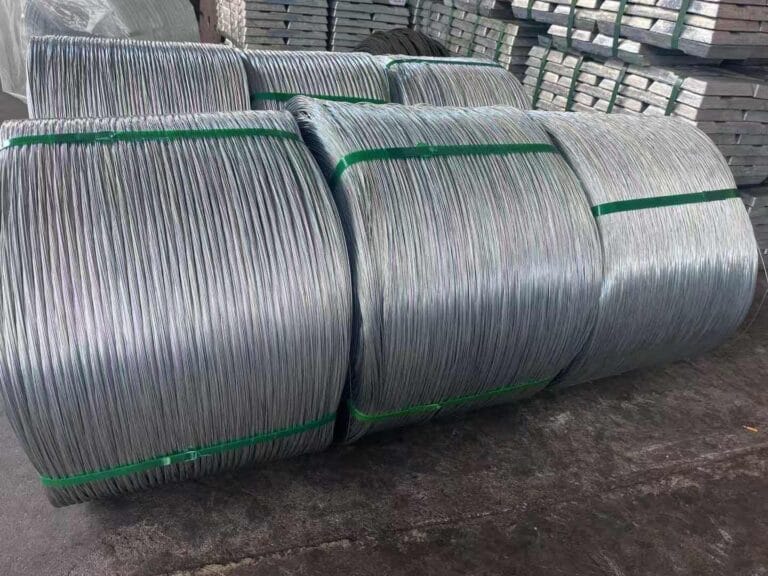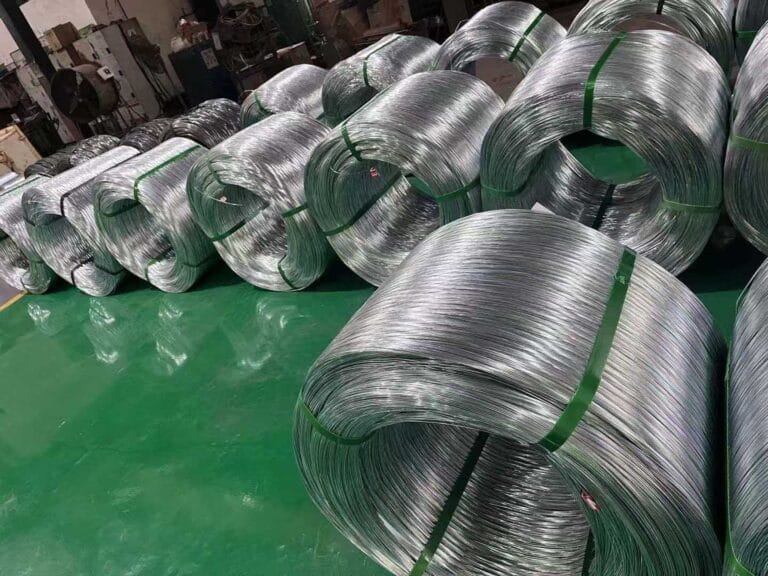



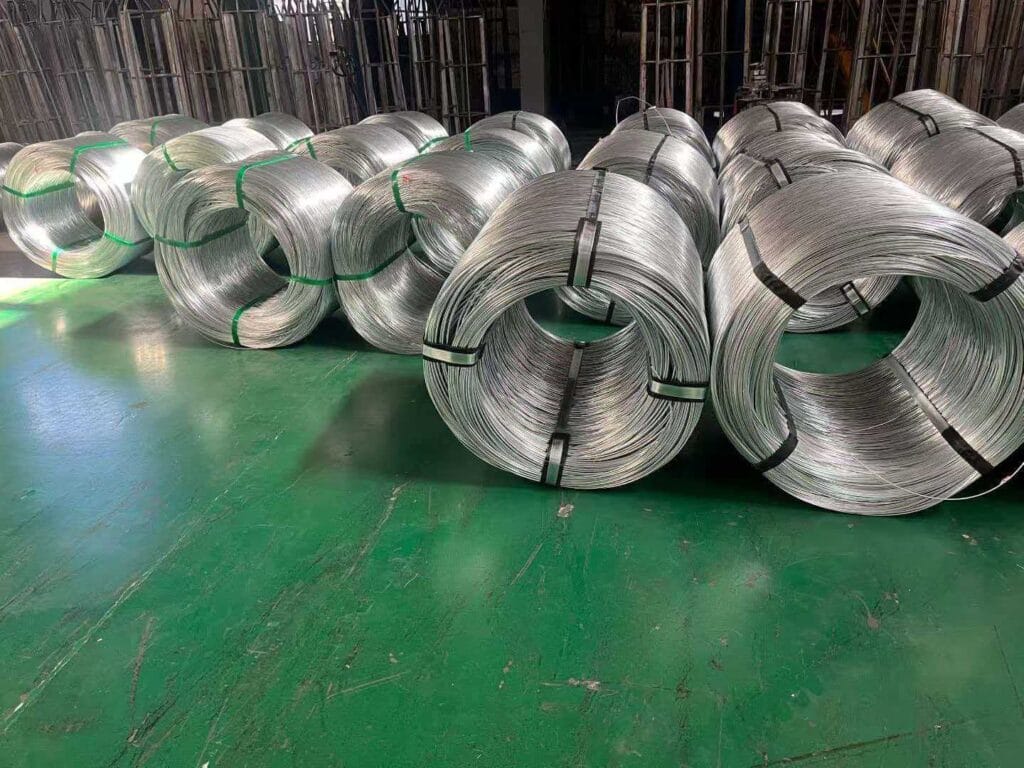
For importers and distributors shipping binding wire to Zambia, pre-shipment quality testing is essential to prevent costly disputes and ensure customers receive the right product. Those looking to source galvanized binding wire for Zambia should establish clear inspection protocols with their suppliers before container loading.
I still remember the frantic WhatsApp call I got from Kabwe in September 2025. He'd just opened a 20-ton container of binding wire at his Lusaka warehouse, and roughly 15% of the packages were damaged. Worse, the outer coils showed rust spots. His supplier blamed the shipping company. The shipping company said the goods were loaded damaged. Kabwe had no proof either way, so he ate the loss — thousands of dollars gone because nobody documented quality before the container left China. That conversation changed how I approach quality control for every African client.
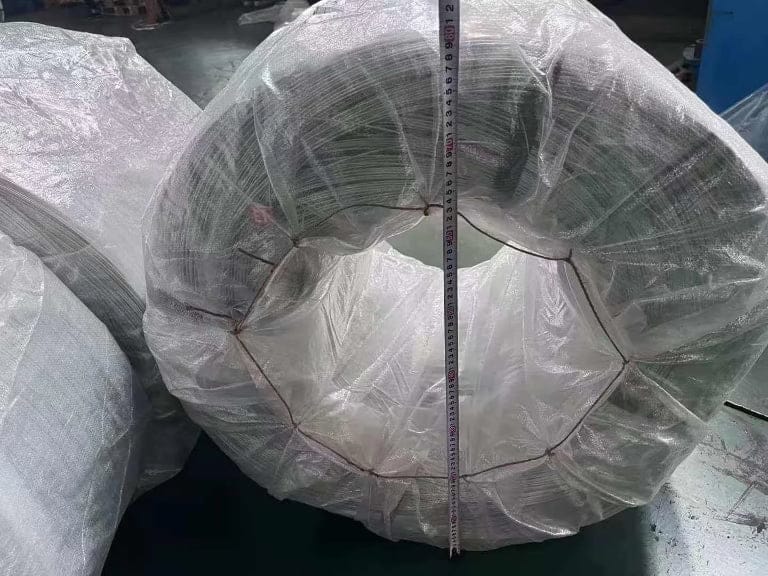
Testing binding wire quality before shipping isn't about filling out paperwork — it's about creating photographic proof at every stage: packaging integrity checks, random coil surface inspections for rust or coating defects, and label-to-MTC (Mill Test Certificate) batch number verification. These three steps, documented with timestamped photos before container loading, protect both supplier and buyer from shipping disputes and ensure your Zambian customers receive exactly what they paid for.
After Kabwe's disaster shipment, he implemented a strict pre-shipment verification protocol with our factory. By February 2026, his second order arrived in Lusaka with 100% intact packaging, zero rust issues, and perfect traceability. He told me: "Before, I only checked weight and price. Now I know pictures are proof — everything else is just promises." Let me walk you through the exact quality testing system that saved his business and how you can demand the same standards from your Chinese suppliers.
Why Do Binding Wire Quality Issues Happen During Shipping to Zambia?
Every importer I work with in Zambia has suffered at least one "mystery damage" situation. You order galvanized binding wire that looks perfect in factory photos, but it arrives at Dar es Salaam port with rust blooms, broken packages, or diameter inconsistencies. The supplier points at the freight forwarder. The forwarder points at port handling. You're left holding inferior goods and angry customers on construction sites.
Binding wire quality problems during Zambia shipments typically stem from three preventable causes: inadequate moisture protection during the 30–45 day sea voyage to East African ports, rough handling at transshipment points in Dar es Salaam or Mombasa, and insufficient factory quality control that allows defective coils to enter containers in the first place.
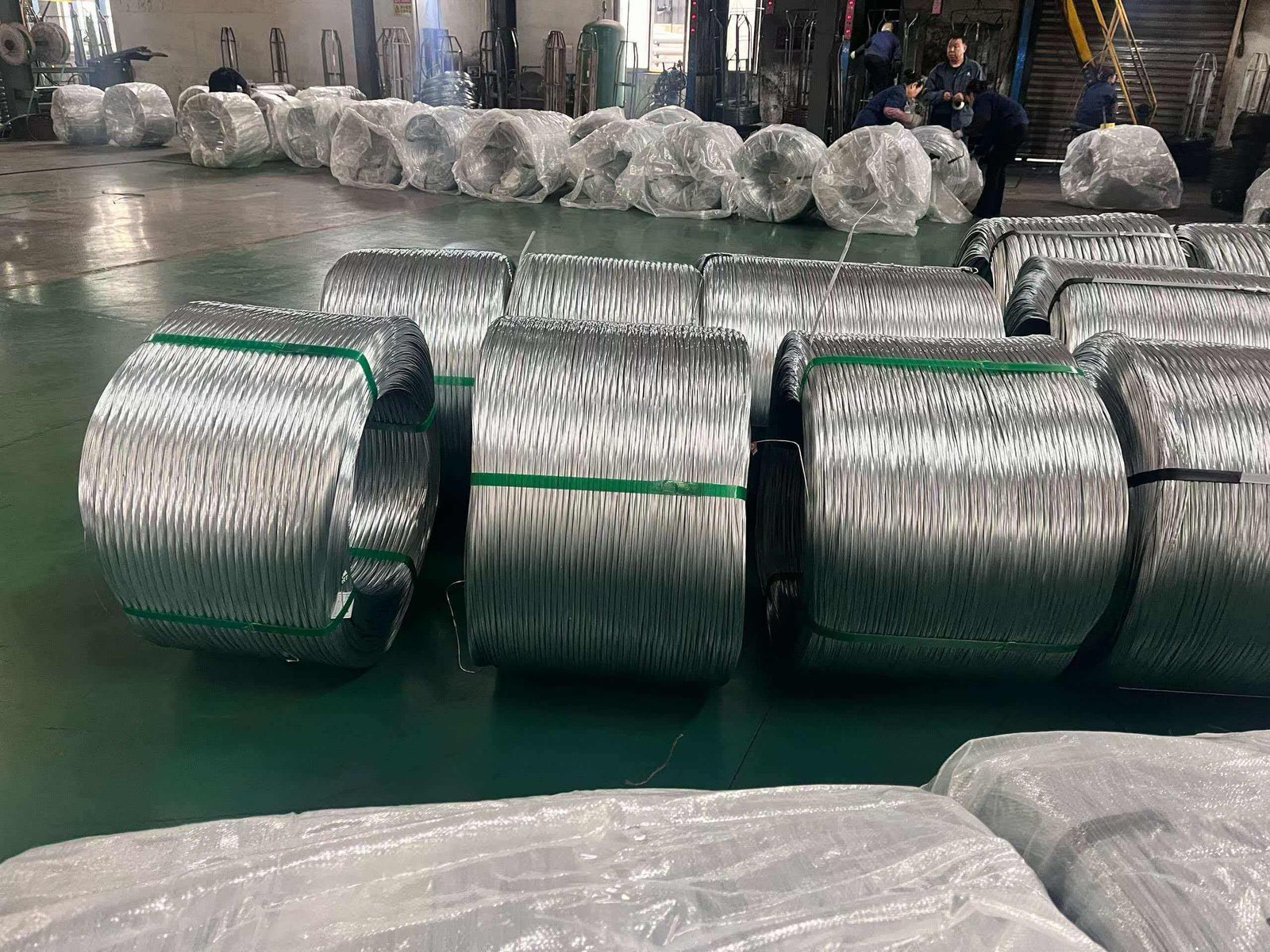
The root issue is the long supply chain from Chinese factories to Zambian construction sites. Your wire travels by truck to Shenzhen or Shanghai port, sits in a container yard (sometimes for weeks during peak season), endures 30–45 days at sea with temperature swings and humidity, gets unloaded at Dar or Mombasa, waits in another container yard, then travels 1,500+ km by road on rough inland highways. Each transition point is a risk.
The Zambia-Specific Shipping Challenges
Landlocked countries face unique logistics hurdles. Unlike coastal importers who clear goods directly at arrival ports, Zambian buyers depend on transit corridors through Tanzania or Kenya. This adds:
- Extra handling touchpoints — your container gets unloaded at Dar, transferred to a bonded truck, driven across borders, possibly transferred again at inland depots
- Extended exposure time — instead of 30 days from factory to customer, it's often 45–60 days including inland transit delays
- Higher pilferage risk — binding wire is valuable and easy to resell; unsealed or poorly documented containers are targets
- Climate challenges — the route from coastal humidity to Zambian altitude creates condensation inside containers, accelerating rust on improperly packaged wire
I've seen entire shipments ruined because the factory used thin plastic wrapping that tore during the first truck transfer in Dar. The wire coils rubbed against container walls for 1,800 km, stripping off zinc coating. By the time Kabwe opened the container in Lusaka, half the product was unsellable.
What Chinese Factories Often Skip
Most small-to-medium factories I work with in Hebei have zero understanding of African logistics. Their domestic customers pick up orders within 2–3 days, so they package for short-haul transport — thin plastic, minimal strapping, no moisture barriers. When those same packages spend six weeks in a sealed container crossing the Indian Ocean, disaster strikes.
The quality gaps I see repeatedly:
- No pre-shipment inspection — factory workers load whatever came off the production line that day, assuming it's all good
- Inconsistent zinc coating — batch variations mean some coils have thick protective layers, others barely any
- Poor coil winding — loose winds mean wires rub together during transport, damaging surfaces
- Generic packaging — same plastic wrapping for a 3-day domestic delivery and a 45-day sea voyage
Kabwe's first supplier never sent loading photos. They just emailed a generic packing list and bill of lading. When problems arose, there was zero evidence of what actually went into that container.
What Pre-Shipment Quality Tests Should Your Supplier Perform?
After Kabwe's losses, I created a mandatory pre-shipment checklist for all my Zambian customers. It's not complicated — just systematic documentation that takes 2–3 hours per container but prevents 90% of shipping disputes.
A comprehensive pre-shipment test for binding wire to Zambia must include physical inspections (wire diameter, tensile strength, zinc coating thickness), visual surface checks (rust, oil residue, winding tightness), and packaging integrity verification (moisture barriers, strapping security, label accuracy). Each test should be photo-documented with batch numbers visible.
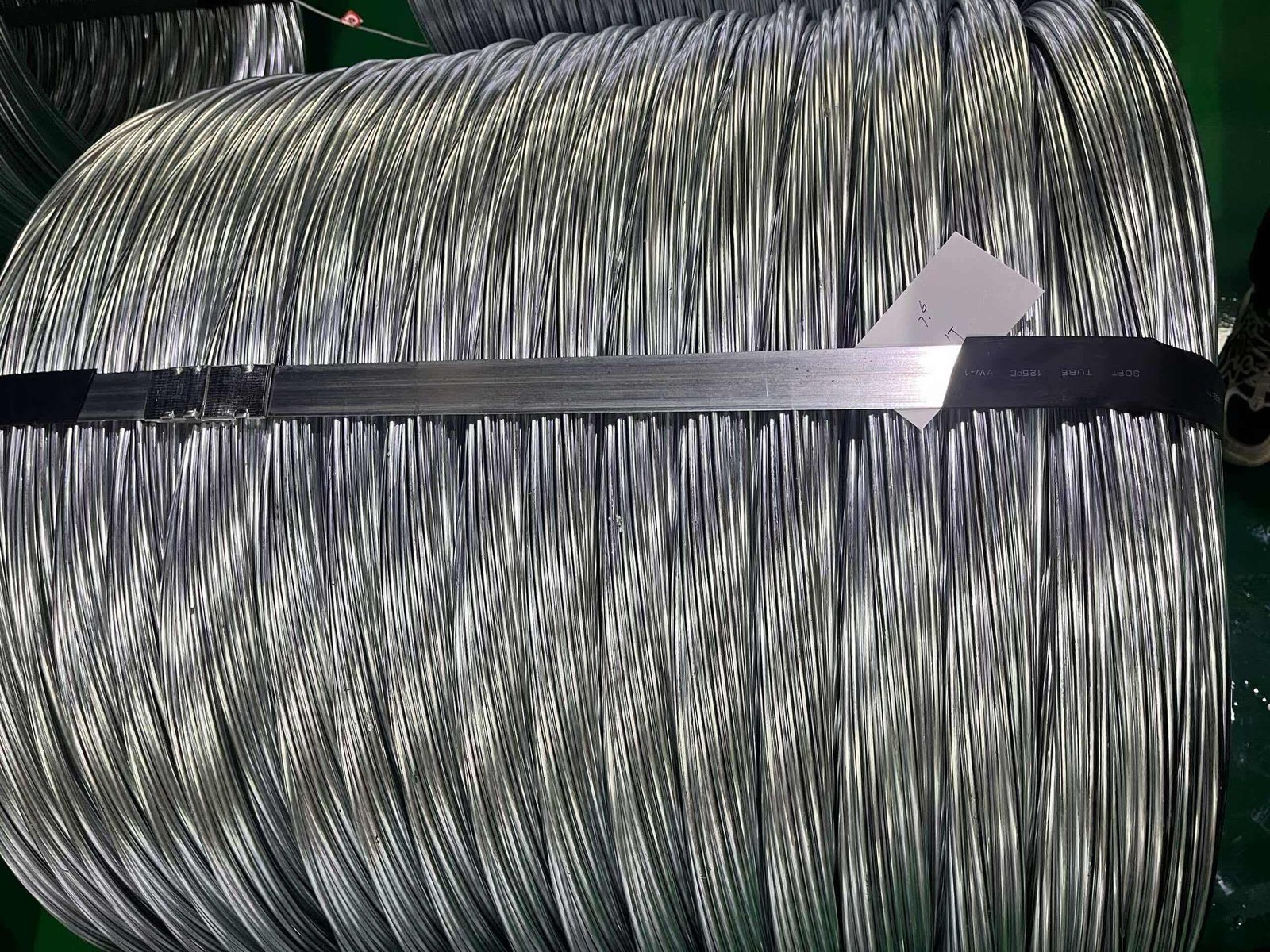
The goal is creating an unbreakable chain of evidence. If something goes wrong during shipping, both parties can refer back to timestamped photos showing exactly what left the factory. No more "he said, she said" arguments about whether rust was pre-existing or occurred in transit.
The Three-Level Inspection System
I break quality testing into three checkpoints:
Level 1: Production Line Sampling (During Manufacturing)
This happens while workers are still winding wire onto coils. Randomly select 3–5 coils per batch and test:
- Wire diameter with digital calipers (measure 10 spots per coil, record min/max/average)
- Tensile strength with a testing machine (for binding wire, aim for 350–450 Megapascals (MPa))
- Zinc coating weight with coating thickness gauge (minimum 20g/m² for mild outdoor exposure)
- Surface condition under 10x magnification (check for cracks, uneven coating, oil contamination)
These tests catch factory errors before hundreds of coils are produced. If batch #20250301 fails diameter tolerance (say it's 0.9mm instead of specified 1.0mm), you stop production immediately, not after 50 tons are finished.
Level 2: Packaging Quality Check (After Wrapping, Before Loading)
This is where most factories get lazy. They wrap coils in whatever plastic is handy and consider it done. For Zambia shipments, I require:
- Moisture barrier integrity — packages must have minimum two layers: inner VCI (vapor corrosion inhibitor) plastic touching the wire, outer heavy-gauge plastic or woven bags
- Strapping security — at least three steel or plastic straps per coil, tight enough that packages don't shift but not crushing the wire
- Label accuracy — each package needs a printed label showing batch number, production date, wire specifications, gross/net weight, and factory logo
Take close-up photos of at least 10 packages showing intact wrapping, secure strapping, and clear labels. If the supplier says "all packages look the same," insist on individual photos anyway — this prevents last-minute substitutions with inferior stock.
Level 3: Container Loading Verification (As Goods Enter Container)
This is your final checkpoint. I've caught defective goods at this stage that somehow passed earlier inspections (usually because someone tried to sneak old inventory into the shipment).
Loading day protocol:
- Random package selection — before loading, pull 5–10 packages from different pallets and open them
- Inner coil inspection — unwrap the package completely, check both outer loops and center wire for rust, coating uniformity, and surface defects
- Batch traceability — photograph the batch number on the coil label alongside the corresponding MTC entry
- Container condition check — document that the container interior is dry, clean, and undamaged before loading begins
- Loading arrangement photos — show how packages are stacked (proper stacking prevents shifting and damage)
When Kabwe implemented this for his February 2026 order, we found two packages with surface rust during the random opening. We replaced them immediately, and the rest of the shipment was perfect.
Documentation That Protects You
The inspection itself is worthless without proper records. For every test, I require:
- Timestamped photos (use a smartphone with GPS metadata enabled)
- Measurement logs in a spreadsheet (not handwritten notes that can be altered)
- Inspector signatures on printed reports (ideally a third-party Quality Control (QC) company, but factory QC manager is acceptable if you trust them)
- Video walkthroughs of the loading process (5–10 minute video showing packages going into the container)
Send all documentation via WeChat or WhatsApp before final payment. If the factory refuses or "forgets" to send photos, delay payment until you receive proof. This is standard practice for serious buyers — any supplier who pushes back is hiding something.
How Can You Verify Packaging Integrity Before Container Sealing?
I learned this lesson the hard way before Kabwe's case. In 2024, I had a client in Malawi receive a shipment where 30% of packages had torn plastic and water damage. The factory insisted everything was perfect at loading. We had no proof either way. That's when I started requiring what I call the "Packaging Audit Trail."
Verifying binding wire packaging before container sealing requires three steps: individual package inspection with photo documentation of all four sides showing intact wrapping and secure strapping, random package opening to check inner coil condition, and container interior prep verification to ensure a dry, debris-free environment. This documentation must happen within 24 hours of loading, not days earlier.
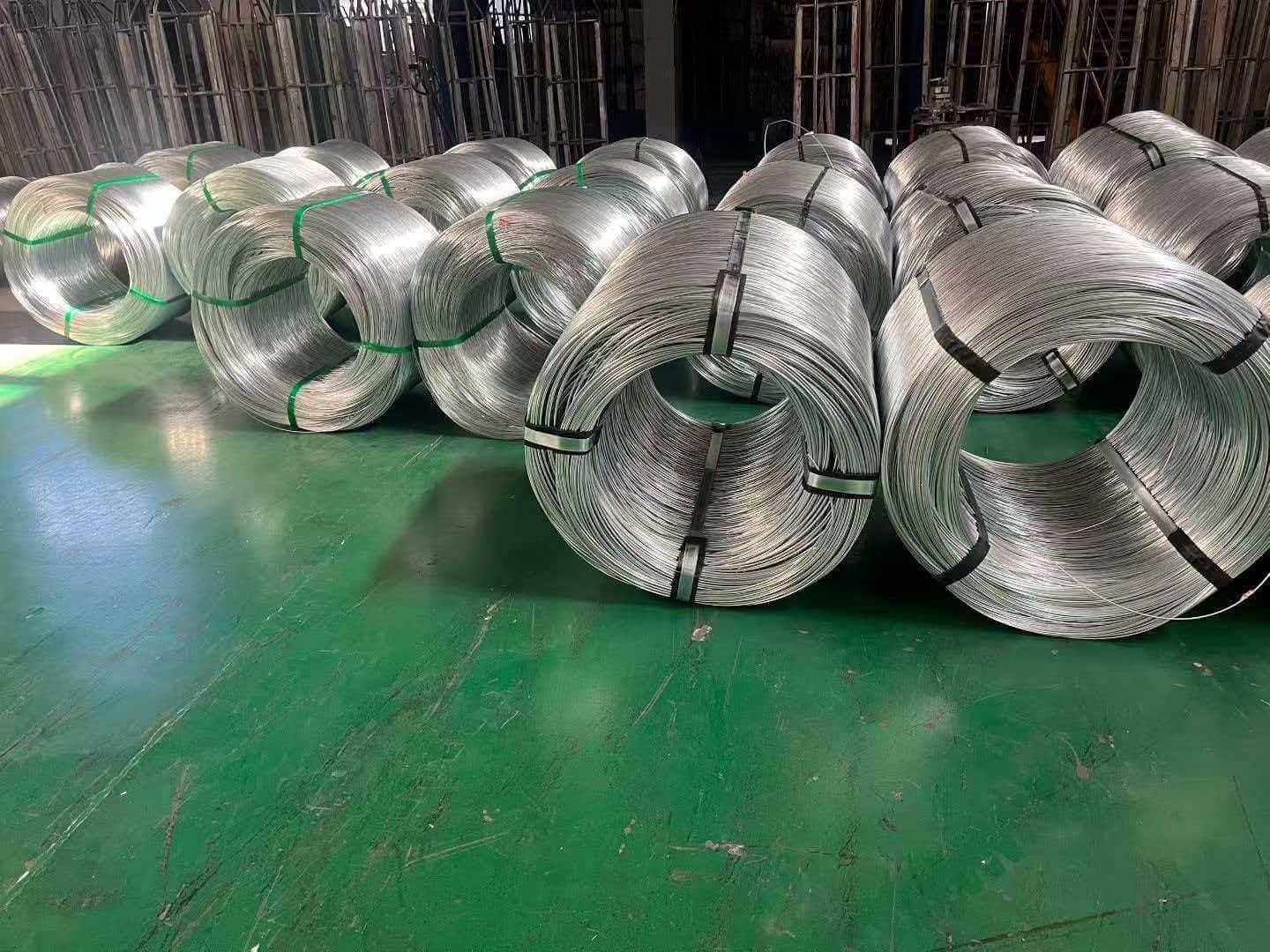
The reason I stress "24 hours before loading" is simple: factories sometimes stage nice-looking packages for inspection photos, then swap in inferior stock during actual loading. If your QC inspector visits Monday, takes pictures, and the container loads Friday, those photos prove nothing. Either be present during loading or hire a third-party service that inspects and loads on the same day.
The Four-Side Package Check
Every package going into your Zambia-bound container should be photographed from four sides:
- Top view — shows the coil diameter, label placement, and strapping configuration
- Side view 1 — captures the winding tightness (loose coils will have visible gaps between wraps)
- Side view 2 — opposite side, checking for damage or exposed wire
- Bottom view — often skipped but critical, as bottom moisture damage is common in transit
I don't expect factories to photograph literally every package in a 20-ton shipment (that's 400+ packages). But at minimum, document 20–30 packages randomly selected across different pallets. This sampling approach catches systemic issues. If 10% of your sample has torn plastic, assume 10% of the full shipment does too.
What "Intact Packaging" Actually Means
When I tell suppliers "packaging must be intact," I've learned to be very specific:
| Feature | Acceptable | Unacceptable |
|---|---|---|
| Plastic wrapping | Two layers, no holes, tight coverage | Single layer, tears >2cm, loose wrapping |
| Strapping | 3+ straps, evenly spaced, no slack | 1–2 straps, bunched together, sagging |
| Labels | Securely attached, fully legible | Taped loosely, smudged text |
| Coil winding | Tight, uniform loops | Loose coils with >5mm gaps |
If your supplier doesn't understand these standards, send them reference photos of acceptable vs. unacceptable packaging. I keep a Google Drive folder of good and bad examples to share with new factories.
Random Unwrapping Protocol
This is the most important step Kabwe added after his first disaster. Before the container is sealed:
- Select 3–5 packages from different production batches (check batch numbers on labels)
- Completely unwrap each package in front of a camera
- Inspect the outer 5 loops of wire — check for rust spots, uneven zinc coating, oil residue
- Pull out the center 3 loops — check if inner wire has the same quality as outer wire (some factories use good wire on the outside, inferior wire inside)
- Measure wire diameter at 5 random spots on each inspected coil
- Take close-up photos showing batch label + wire surface + measurement tool together in frame
If any of these random samples fail inspection, delay shipment and inspect 20% of all packages. If the failure rate is >5%, reject the batch entirely.
Why Does Batch Number Matching Matter for Zambian Imports?
Most new buyers ignore batch numbers completely. They assume "binding wire is binding wire" — if it's the right diameter and roughly the right price, ship it. Then they wonder why customer A loves their wire and customer B complains it breaks during use, even though both orders came from the same supplier.
Batch number traceability is critical for Zambian binding wire imports because it links each physical coil to its corresponding Mill Test Certificate (MTC), enabling you to verify chemical composition, mechanical properties, and production date. This documentation is required for project inspections, insurance claims, and holding suppliers accountable if quality issues arise months after delivery.
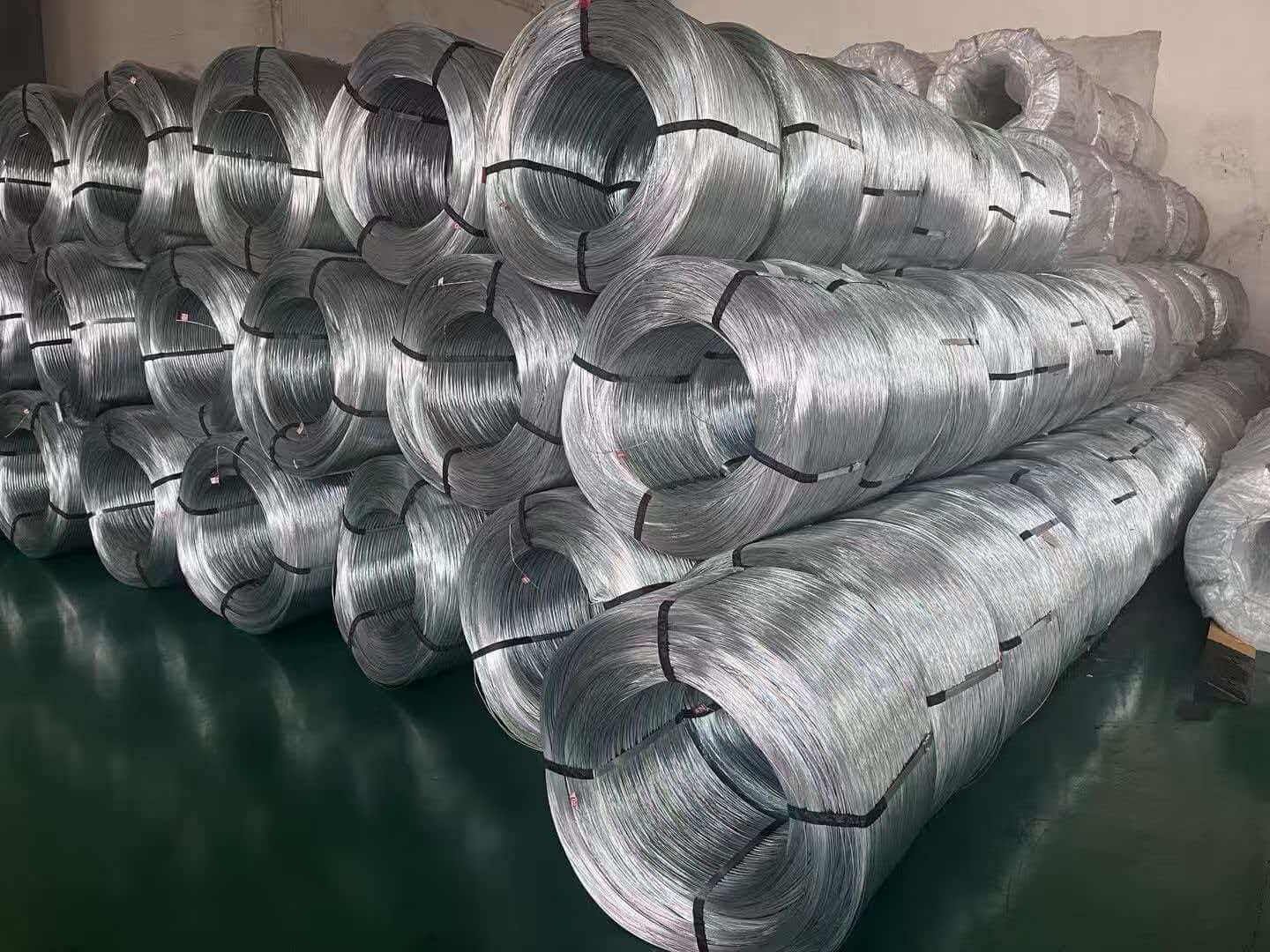
The batch number is your quality fingerprint. Every reputable wire factory assigns a unique identifier to each production run (e.g., "20250301-GBW-1.0" means March 1, 2025, galvanized binding wire, 1.0mm diameter). That batch number appears on the coil label, the package label, and the MTC. If these three don't match, somebody mixed up orders or is trying to substitute inferior material.
How to Read a Binding Wire Batch Number
Most Chinese wire factories use this format:
YYYYMMDD-Product-Spec-Shift
- YYYYMMDD = Production date (e.g., 20250301 = March 1, 2025)
- Product = GBW (galvanized binding wire), ABW (annealed binding wire), etc.
- Spec = Wire diameter in mm (1.0, 1.2, 1.6, etc.)
- Shift = Production shift if factory runs 24/7 (A/B/C or 1/2/3)
Example: 20250301-GBW-1.2-A means this wire was produced on March 1, 2025, morning shift, galvanized binding type, 1.2mm diameter.
Some factories add their own codes. Before you finalize your order, ask: "What batch numbering system do you use, and will it appear on all coils, packages, and the MTC?" If they say "we don't use batch numbers," find a different supplier — that's a red flag for poor quality control.
The MTC Verification Process
The Mill Test Certificate should be issued before shipment, not weeks later. It's a one-page document listing:
- Batch number(s) covered by the certificate
- Production date
- Chemical composition (carbon %, manganese %, etc.)
- Mechanical properties (tensile strength, elongation)
- Zinc coating weight (for galvanized wire)
- Factory stamp and authorized signature
Before I allow a container to load, I require:
- Digital MTC sent via email or WeChat
- Physical MTC placed inside the container (usually taped to the container door)
- Batch number photos showing coil labels that match the MTC batch numbers
If the MTC lists batches 20250301 through 20250305, but your loading photos show coils labeled 20250310, somebody is shipping wire from a different (possibly untested) batch. Halt loading immediately and demand explanation.
What to Do When Batch Numbers Don't Match
Kabwe encountered this exact issue during his third order from a different supplier. The MTC listed three batches, but random package checks revealed two coils with batch numbers not on the certificate. The supplier claimed "it's from the same production week, no problem." Kabwe held firm — he refused the shipment until the supplier agreed to inspect and replace those coils with documented batch numbers.
The supplier eventually complied, and Kabwe received a shipment with full traceability. He told me: "The supplier thought I was being difficult. But if I had accepted that container, I'd have no idea what quality was actually inside. Now I sleep better knowing every coil is documented."
We provide full MTC (Mill Test Certificate) and Certificate of Origin with every shipment. We offer a full range of construction binding wire for African projects, including galvanized iron wire, black annealed iron wire, and 201 stainless steel wire, with mix container loading supported. If you are sourcing construction binding wire for Zambia or any African market, we are happy to provide a specification-based quotation. Contact us via WhatsApp: +86 15383180672.
FAQ: Pre-Shipment Quality Testing for Binding Wire to Zambia
Q1: What are the three most important pre-shipment tests for binding wire going to Zambia?
A1: The three critical tests are: (1) packaging integrity verification — checking moisture barriers, strapping security, and label accuracy with timestamped photos; (2) random coil surface inspection — unwrapping 3-5 packages per batch to check for rust, coating defects, and winding tightness; and (3) batch number-to-MTC verification — ensuring every coil label matches the Mill Test Certificate. These tests take 2-3 hours but prevent 90% of shipping disputes.
Q2: How do I verify packaging quality without visiting the factory in China?
A2: Establish a photo documentation protocol requiring your supplier to send timestamped images of: all four sides of 20-30 randomly selected packages, unwrapped coils showing surface condition, and container loading arrangement. For high-value shipments, hire a third-party inspection service like SGS or Bureau Veritas ($200-300 per container). This creates independent evidence of what actually went into the container.
Q3: What should I do if my supplier can't provide batch numbers that match the MTC?
A3: Refuse shipment until the supplier resolves the discrepancy. Batch number matching is non-negotiable because it ties each coil to documented quality data. If the MTC lists one set of batch numbers but your loading photos show different numbers, the supplier may be substituting inferior material. Request that the supplier inspect and replace coils with documented batch numbers before loading.
Q4: How does batch number traceability protect me as a Zambian importer?
A4: Batch number traceability enables you to verify that every coil meets your specified standards, provides documentation required for project inspections and insurance claims, and holds suppliers accountable if quality issues arise months after delivery. Without batch numbers, you have no proof of what was actually shipped — leaving you vulnerable to "he said, she said" disputes with suppliers, freight forwarders, and customers.