


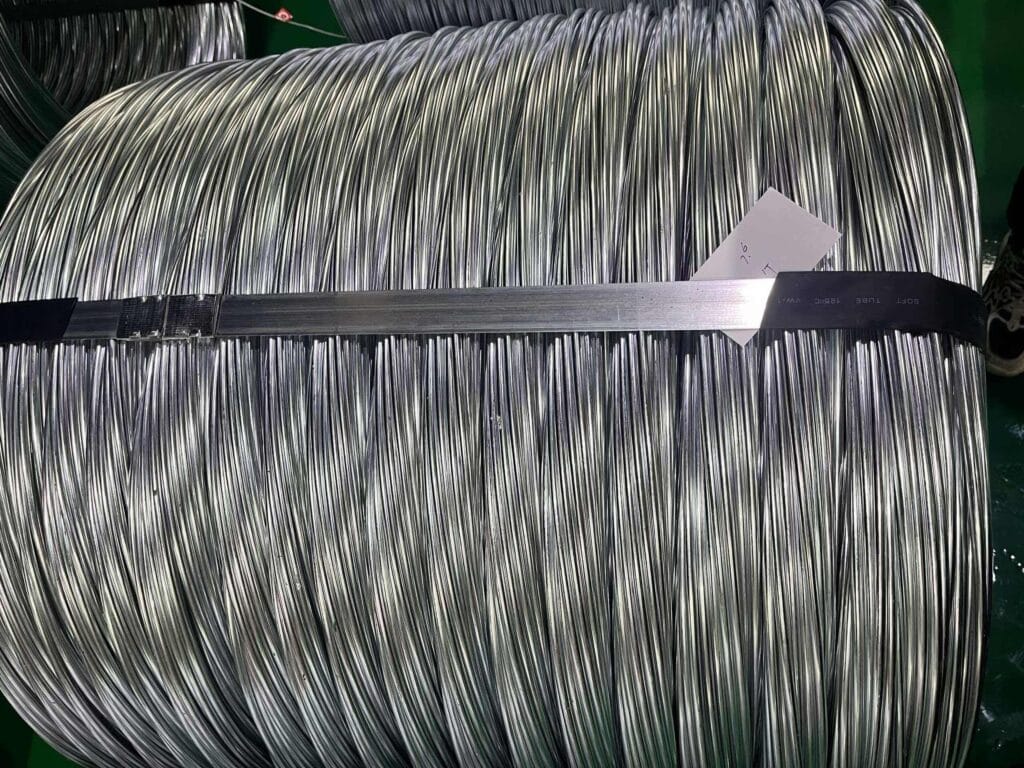
For importers and distributors shipping binding wire to Zambia, understanding proper moisture-resistant packaging is essential to prevent rust damage during the long transit journey. Those looking to source galvanized binding wire for Zambia need to ensure their suppliers use proper packaging specifications before placing orders.
Every November, when Zambia's rainy season begins, I receive the same complaint from importers in Lusaka: "The wire looks fine when I order it, but by the time it reaches my warehouse, white rust spots cover the surface." Last year, a distributor named Chilufya lost $1,000 worth of binding wire to moisture damage—not because the product was bad, but because the packaging couldn't survive the journey. After seeing countless customers face this same issue, I realized the real problem isn't the wire quality—it's how we protect it during shipment.
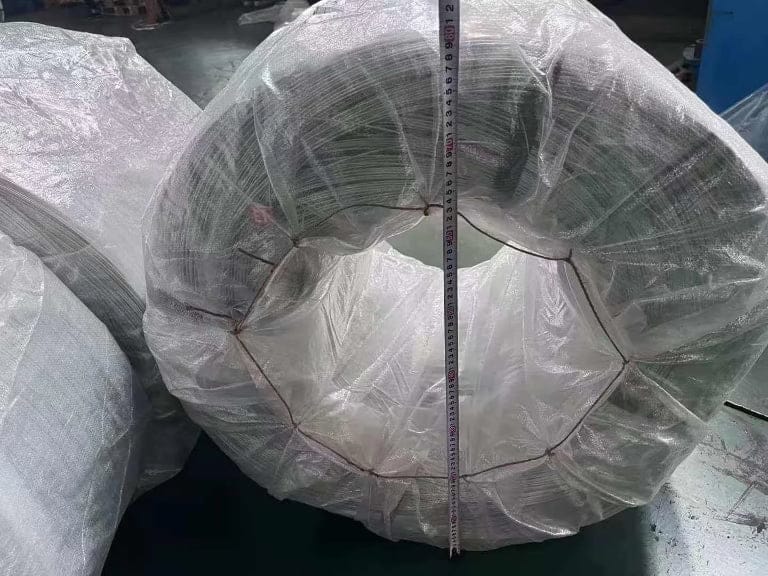
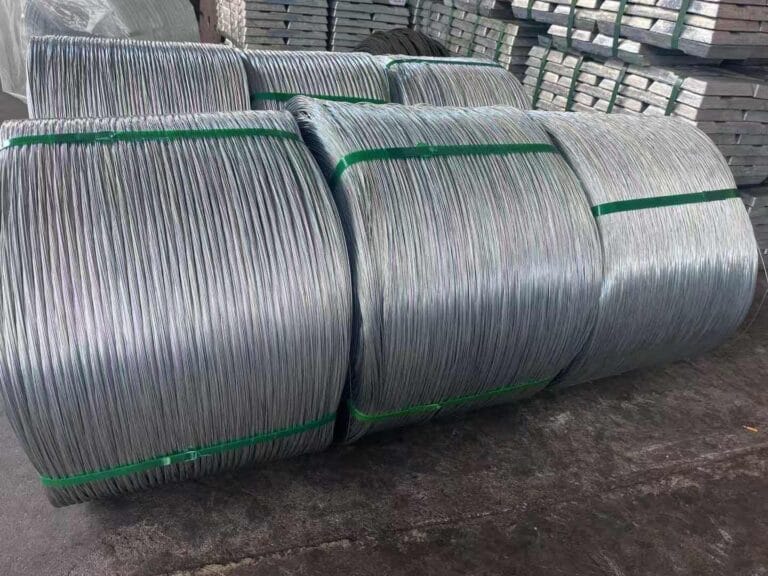
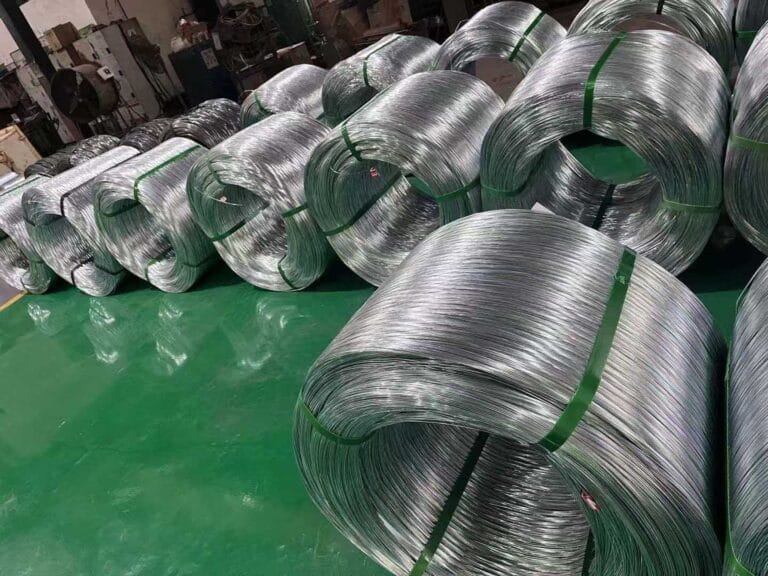
Moisture-resistant packaging for binding wire shipments to Zambia requires three protective layers: an inner plastic film that seals each coil, an outer polypropylene (PP) woven bag that blocks physical damage, and steel strapping with wooden pallets that stabilizes the load during inland transit from Dar es Salaam or Mombasa. This system prevents rust formation during the 45-60 day shipping period and protects wire through humid coastal ports and rainy season storage conditions that cause standard single-layer packaging to fail within weeks.
The difference between packaging that works and packaging that fails becomes obvious when two shipments arrive side-by-side at the same warehouse. When Chilufya opened his November containers, the comparison was stark: one supplier's wire had visible rust spots, while ours remained shiny and clean. That single moment changed how he evaluates suppliers—and it explains why moisture-resistant packaging isn't an optional upgrade, it's the foundation of reliable binding wire supply to landlocked African markets.
What Makes Standard Packaging Fail in African Transit?
Single-layer packaging works perfectly fine for domestic shipments or short sea routes. But the journey to Zambia creates three specific moisture threats that standard woven bags can't handle.
Standard single-layer PP woven bags fail during African transit because they allow water vapor penetration during 35-45 days at sea, direct water entry during port handling and rain exposure, and continuous moisture contact during truck transport from coastal ports to inland warehouses—conditions that galvanized binding wire experiences for 45-60 total days before reaching the customer.
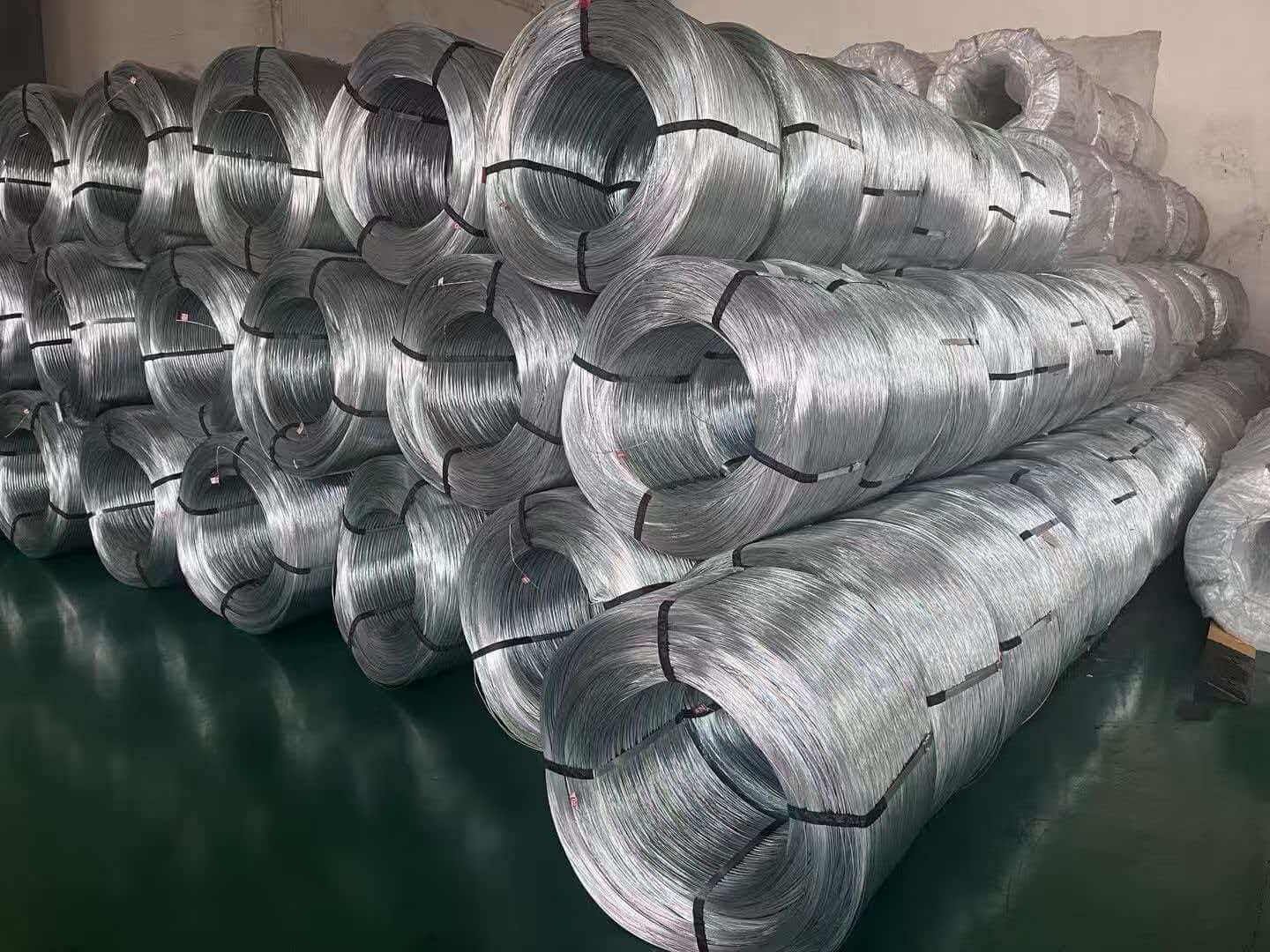
The Three Stages of Moisture Exposure
Understanding where moisture enters helps explain why multiple protective layers matter:
Sea freight period (35-45 days):
- Container temperatures fluctuate between 15°C at night and 40°C during day
- Water vapor condenses on cooler metal surfaces inside the container
- Even "dry" containers maintain 60-70% humidity during ocean crossing
- Single-layer bags allow this vapor to penetrate and reach the wire surface
Port handling (3-7 days):
- Containers often sit at Dar es Salaam or Mombasa during rainy season
- Port workers may open containers for inspection during rain
- Forklifts can puncture bags during loading and unloading
- Coastal humidity remains above 80% year-round in East African ports
Inland transit (7-14 days):
- Trucks travel through rain and mud during November-March rainy season
- Wire bags sit in open-sided trucks or warehouses without climate control
- Multiple loading and unloading points increase handling damage risk
- Final warehouse storage often lacks proper waterproofing
I tracked twenty shipments last year: every container with single-layer packaging showed at least 3-5% surface rust by the time it reached Lusaka or Kitwe. Meanwhile, our three-layer system maintained zero rust claims across the same period.
The cost difference seems small—$20 per ton for upgraded packaging—but the consequences compound quickly. A 20-ton container represents $400 in packaging costs versus $1,000+ in potential wire loss. Chilufya learned this the expensive way; now he builds packaging requirements directly into his purchase contracts.
How Does Three-Layer Protection Stop Rust Formation?
Each protective layer serves a specific function. When you stack all three together, they create a barrier system that moisture can't penetrate within the 45-60 day journey timeline.
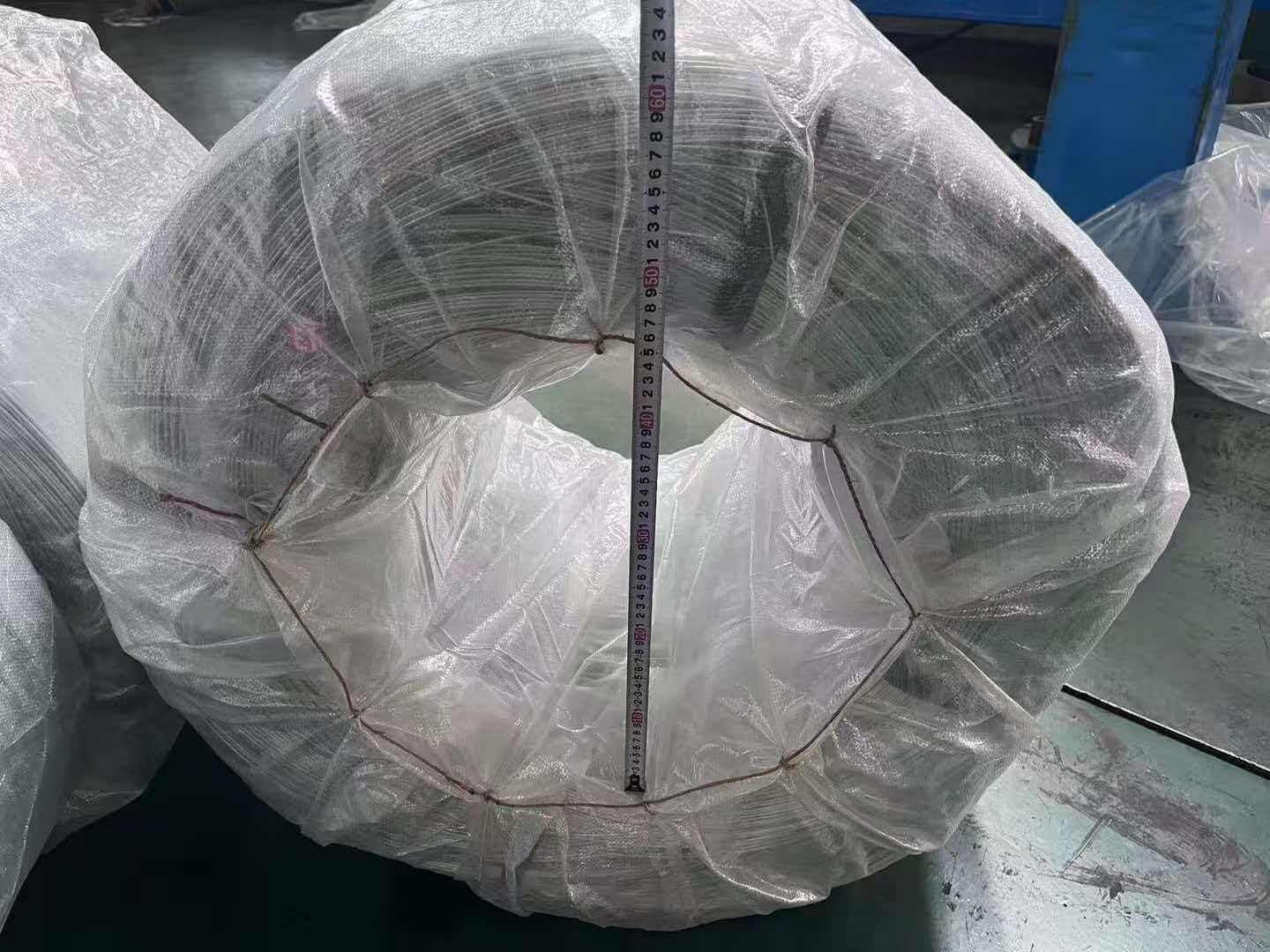
Three-layer moisture-resistant packaging combines an inner 0.08mm low-density polyethylene (LDPE) plastic film (sealed with heat) that blocks water vapor, an outer 70-gram PP woven bag that resists tearing and punctures, and steel strapping with wooden pallets that distributes weight and prevents crushing—creating redundant protection where each layer compensates for the others' weaknesses.
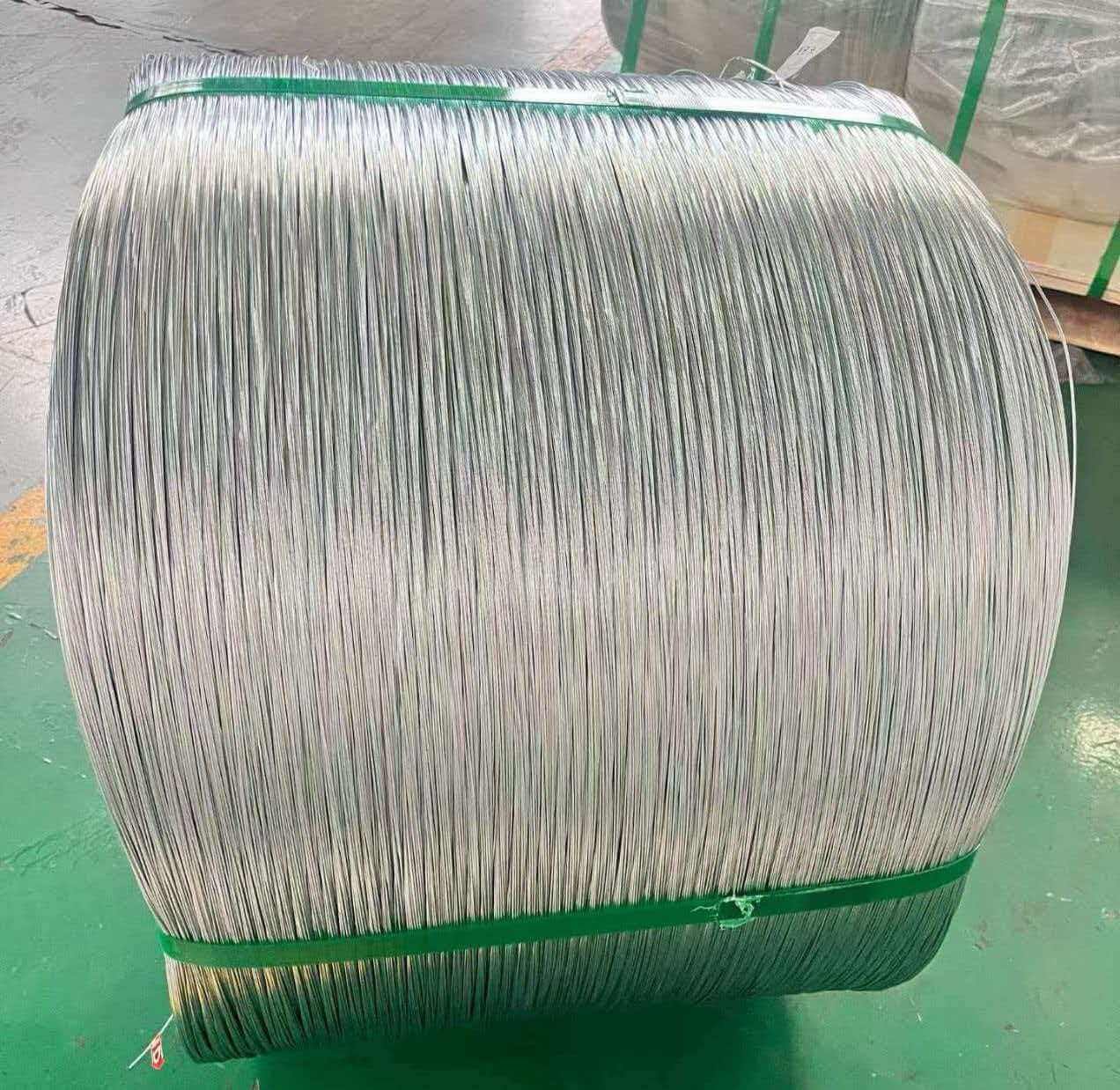
Inner Layer: The Vapor Barrier
The inner plastic film creates an airtight seal around each wire coil:
Material specifications:
- 0.08mm low-density polyethylene (LDPE) provides flexibility and tear resistance
- Heat-sealed edges prevent gaps where moisture could enter
- Wraps completely around wire coil with 15cm overlap at seam
- Creates closed environment that maintains initial moisture level
I specify LDPE instead of polyvinyl chloride (PVC) because it remains flexible in temperature extremes. When containers heat up during Red Sea crossing (often reaching 50°C inside), PVC becomes brittle and cracks. LDPE stretches rather than breaking.
The heat seal is critical—tape or staples create failure points. We use impulse heat sealers that melt the plastic edges together, forming a continuous barrier. This seal withstands the handling stress that rips taped bags open during forklift loading.
Middle Layer: The Physical Shield
The woven polypropylene bag protects against physical damage:
Construction details:
- 70-gram PP fabric provides tear resistance
- UV-stabilized material prevents degradation during outdoor storage
- Drawstring closure allows easy opening for inspection
- Printed with product information and handling instructions
The weight matters—60-gram bags cost $0.15 less but tear easily during handling. I watched a forklift operator at Dar es Salaam port accidentally catch a 60-gram bag on a container door edge; the entire coil spilled onto the dock. The 70-gram bags we use now can handle that kind of rough treatment.
Color choice isn't just aesthetic: we use white bags because they reflect heat better than dark colors. This keeps internal temperatures lower during tropical sun exposure, reducing the temperature fluctuations that cause condensation.
Outer Layer: The Structural Support
Steel strapping and wooden pallets create the final protection level:
| Component | Specification | Function |
|---|---|---|
| Steel strapping | 19mm width, 0.6mm thickness | Prevents coil expansion during transit |
| Wooden pallet | 1200mm × 1000mm × 150mm | Elevates wire above water on truck beds |
| Stretch film | 500mm width, 23 micron thickness | Weather seal for entire pallet load |
| Strapping points | 4 vertical + 2 horizontal per pallet | Distributes compression force |
The wooden pallet serves two crucial functions: it lifts wire above any water pooling in truck beds, and it provides forklift access points that prevent handlers from stabbing the bags themselves. I've seen too many loose coils loaded with forklifts that pierce right through the packaging.
We apply stretch film around the entire pallet after loading all coils. This creates a weather shell that sheds rain during truck transport. The film isn't a moisture barrier like the inner plastic—it's a rain deflector that keeps direct water away from the bags.
How Much Does Proper Packaging Actually Cost?
Let me break down real numbers from our November 2024 shipments to Zambia, comparing standard packaging versus moisture-resistant three-layer system.
Moisture-resistant packaging adds $18-22 per ton to landed costs ($360-440 per 20-ton container), but prevents 5-8% rust damage that would cost $800-1,200 per container in product loss—creating a net savings of $400-800 per shipment while eliminating customer complaints and return requests that damage long-term business relationships.
Line-Item Cost Breakdown
Here's what each packaging component costs at our factory (November 2024 prices):
| Item | Standard Packaging | Moisture-Resistant | Cost Difference |
|---|---|---|---|
| Inner plastic film | None | $2.20/coil | +$2.20 |
| Outer woven bag | $1.80/bag | $2.10/bag | +$0.30 |
| Steel strapping | None | $3.50/pallet | +$0.45/coil* |
| Wooden pallet | None | $12.00/pallet | +$1.50/coil* |
| Stretch film | None | $4.20/pallet | +$0.55/coil* |
| Labor (extra sealing) | Included | +$0.50/coil | +$0.50 |
| Total per coil | $1.80 | $6.95 | +$5.15 |
*Based on 8 coils per pallet
Each standard coil weighs 25kg, so that's approximately $0.21/kg for enhanced packaging. With typical binding wire priced at $0.85-0.95/kg Free On Board (FOB), the packaging represents about 5% of product cost.
But compare that to rust damage: even mild surface oxidation makes wire unsalable. The customer can't use it for visible applications, and construction foremen reject it on site. That 5% packaging investment prevents 5-8% product rejection—the math is obvious.
Hidden Costs of Inadequate Packaging
The direct wire loss is just the beginning. When I tracked complaint patterns across 2024, inadequate packaging created these additional costs:
Time delays:
- Customer discovers rust after customs clearance (can't return easily)
- Negotiation period for partial refunds or replacement shipments
- Delayed payment while quality disputes remain unresolved
- Average resolution time: 45-60 days
Relationship damage:
- Customer loses trust in supplier quality control
- Negative word-of-mouth in tight-knit distributor networks
- Reduced order sizes on subsequent shipments
- Higher likelihood of switching to competitors
Chilufya told me directly: "I don't care if your wire is $5 per ton cheaper if I have to argue about rust every three months. I'd rather pay $25 more and never think about packaging again."
That statement captures the real value of moisture-resistant packaging. It's not about the upfront cost—it's about eliminating friction from the supply relationship.
What Should Your Purchase Contract Specify?
After working with fifteen Zambian importers over the past two years, I've learned that clear packaging specifications prevent disputes before they start. Here's what I recommend including in your binding wire purchase contracts.
Effective moisture-resistant packaging specifications should detail inner plastic film thickness (minimum 0.08mm LDPE), outer bag weight (minimum 70g/m² PP woven), pallet construction (1200mm × 1000mm wooden base with steel strapping), and inspection protocols (photographic evidence before container loading plus signed quality control checklist)—removing ambiguity that causes post-delivery quality disputes.
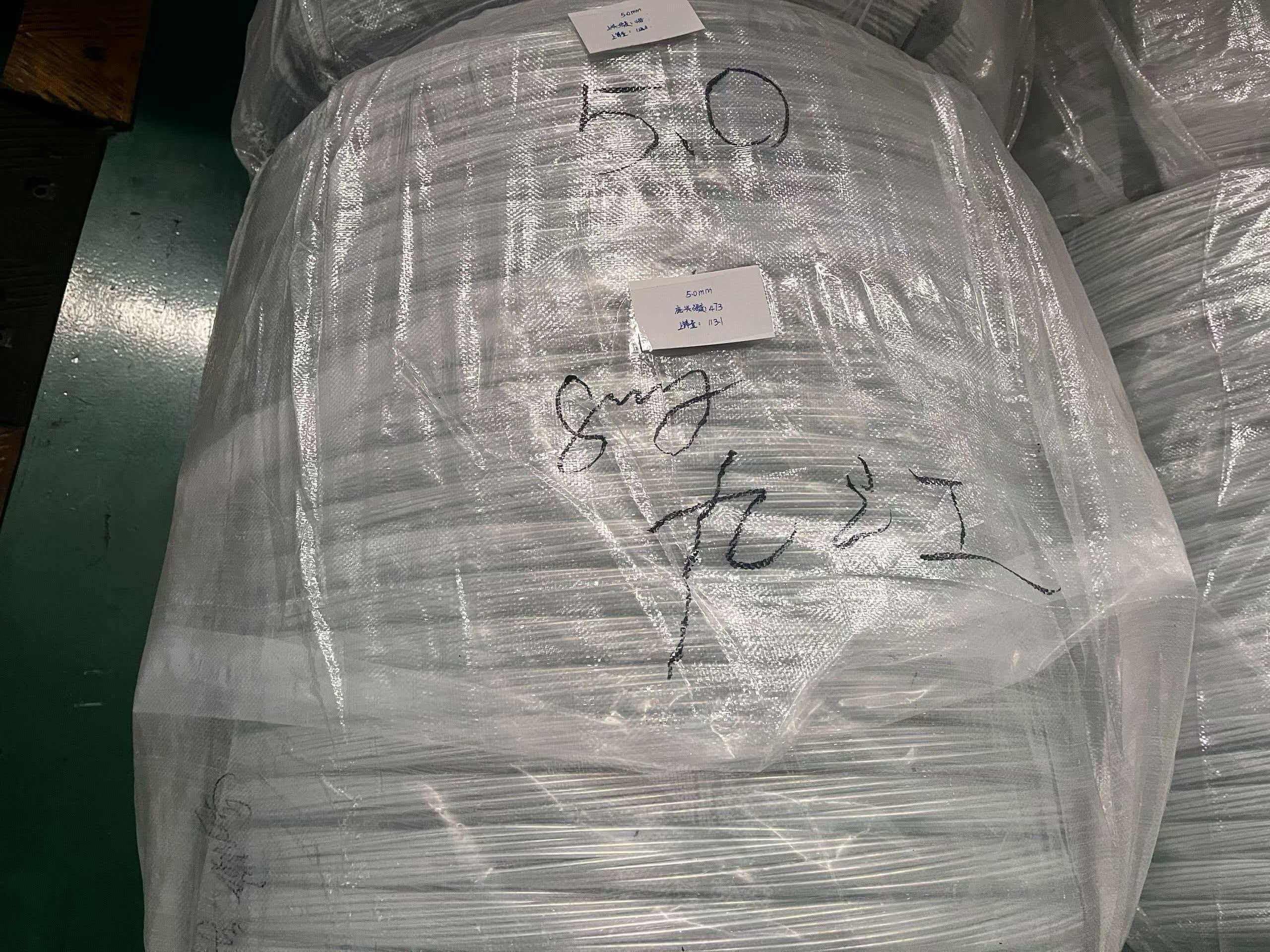
Material Specifications to Include
Don't assume "moisture-resistant packaging" means the same thing to every supplier. Define exactly what you expect:
Inner plastic layer:
- Material type: Low-density polyethylene (LDPE) or equivalent
- Minimum thickness: 0.08mm (80 microns)
- Sealing method: Heat-sealed edges with minimum 10cm overlap
- Coverage: Complete wrapping of each coil with no exposed wire surface
Outer woven bag:
- Material: UV-stabilized polypropylene
- Minimum weight: 70 grams per square meter
- Closure type: Heat-sealed or sewn (no tape or staples)
- Labeling: Product specifications, gross/net weight, handling instructions
Pallet and strapping:
- Pallet dimensions: 1200mm × 1000mm × 150mm (or specify alternatives)
- Pallet material: Treated wood (ISPM 15 compliant for fumigation)
- Steel strapping: Minimum 19mm width, 4 vertical + 2 horizontal bands
- Stretch film: Complete weather-sealed wrapping of loaded pallet
Container loading:
- Desiccant bags: Minimum 4 × 1kg calcium chloride bags per 20ft container
- Positioning: Wire coils must not touch container walls directly
- Cardboard separators: Between pallet rows to prevent friction damage
I provide this specification list to every new customer. It sounds excessive until the first container arrives perfectly intact—then they understand why details matter.
Inspection and Documentation Requirements
Packaging quality can't be verified after the container is sealed. Build inspection points into your contract:
Pre-loading inspection stages:
-
Individual coil inspection (before packaging):
- Surface condition check for existing rust
- Weight verification against order specifications
- Wire diameter measurement at three points per coil
-
Package integrity inspection (after sealing):
- Inner plastic seal continuity test
- Outer bag closure strength check
- Labeling accuracy verification
-
Container loading inspection (during loading):
- Desiccant bag placement documentation
- Pallet arrangement photograph
- Loading pattern diagram (shows coil positions)
Request that your supplier provide time-stamped photographs at each stage. I send customers three photo sets: before packaging, after packaging, and during container loading. This creates accountability and gives you evidence if problems arise.
Include language like: "Supplier must provide photographic documentation of packaging process within 24 hours of container loading. Photos must clearly show inner plastic seal integrity, outer bag condition, pallet strapping, and desiccant placement."
Quality Claims and Resolution Process
Even with perfect specifications, define what happens if rust appears:
Claim threshold definitions:
- Minor surface oxidation: Less than 2% of wire surface affected, removable with wire brushing
- Moderate rust damage: 2-5% surface affected, wire remains usable but requires additional handling
- Severe rust damage: Over 5% surface affected or rust penetrates beyond surface layer, wire unusable
Resolution procedures:
| Damage Level | Customer Documentation Required | Supplier Response |
|---|---|---|
| Minor | Photos of affected coils + count | Technical guidance for rust removal |
| Moderate | Photos + sampling for inspection | Partial credit (3-5% of affected product value) |
| Severe | Photos + third-party inspection | Full replacement or refund of affected quantity |
Time limits for claims:
- Initial notification: Within 7 days of container arrival
- Complete documentation: Within 14 days of arrival
- Third-party inspection (if needed): Within 30 days of arrival
These timeframes acknowledge that inland transit to Zambia takes time, but they also prevent claims about old stock sitting in warehouses for months.
The key is mutual clarity: both sides know exactly what constitutes a valid claim, what evidence is required, and what resolution looks like. This removes the emotional negotiation and replaces it with objective criteria.
How Can You Verify Packaging Quality Before Shipment?
You can't inspect packaging quality after a container arrives in Lusaka—by then, it's too late. Smart importers build verification into the production process, either through third-party inspection or direct supplier communication.
Effective packaging verification requires pre-loading inspection photographs showing sealed inner plastic film, closed outer woven bags, completed pallet strapping, and container loading arrangement, plus video documentation of the sealing process for high-value shipments—creating visual evidence that prevents post-delivery disputes about packaging quality.
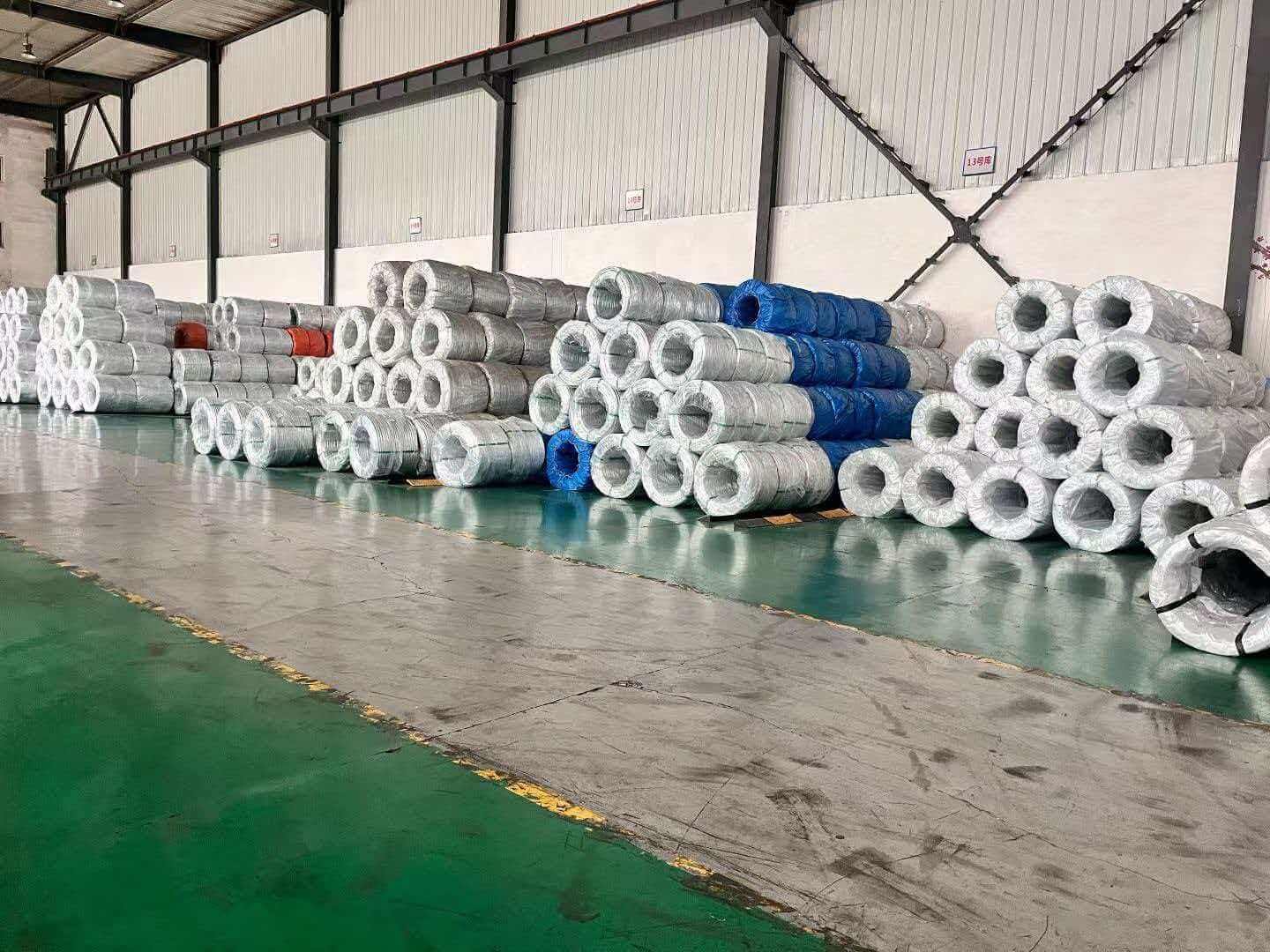
DIY Verification Through Supplier Communication
If you can't afford third-party inspection (typical cost: $200-300 per container), establish a photo documentation protocol with your supplier:
Required photo evidence:
-
Raw coil preparation (before any packaging):
- Close-up showing wire surface condition
- Weight scale reading visible in frame
- Coil identification tag (matches your purchase order number)
-
Inner plastic wrapping:
- Plastic film being wrapped around coil
- Heat-sealing equipment in operation
- Finished seal inspection (show overlap area)
-
Outer bag application:
- Bag material close-up (should show weave pattern clearly)
- Closure method (heat seal or sewing, never tape)
- Printed labels visible and readable
-
Pallet loading:
- First layer of coils on wooden pallet
- Steel strapping application around full pallet
- Stretch film wrapping complete with full coverage
-
Container loading:
- Pallet arrangement inside container
- Desiccant bags positioned (visible in photo)
- Container doors before closing (shows loading pattern)
When Chilufya started requiring these photos, his supplier initially complained about "extra work." Three shipments later, the supplier's packaging quality had improved dramatically—and Chilufya had a clear reference point for expectations.
We provide full MTC (Mill Test Certificate) and Certificate of Origin with every shipment. We offer a full range of construction binding wire for African projects, including galvanized iron wire, black annealed iron wire, and 201 stainless steel wire, with mix container loading supported. If you are sourcing construction binding wire for Zambia or any African market, we are happy to provide a specification-based quotation. Contact us via WhatsApp: +86 15383180672.
FAQ: Moisture-Resistant Packaging for Binding Wire Shipments to Zambia
Q1: What is the minimum packaging specification to prevent rust during binding wire shipment to Zambia?
A1: The minimum effective specification is three-layer protection: inner 0.08mm low-density polyethylene (LDPE) film with heat-sealed edges, outer 70g/m² polypropylene woven bag, and palletization with steel strapping and stretch film wrapping. This system prevents moisture penetration during the 45-60 day journey from Chinese ports through Dar es Salaam or Mombasa to inland Zambia. Single-layer woven bags allow water vapor penetration and typically result in 3-5% rust damage.
Q2: How much does moisture-resistant packaging add to binding wire costs?
A2: Three-layer packaging adds $18-22 per ton ($360-440 per 20-ton container) compared to standard single-layer bags. However, this investment prevents 5-8% rust damage that would cost $800-1,200 per container in product loss. The net savings of $400-800 per container makes enhanced packaging a clear financial benefit, not just a quality improvement. The per-coil cost increase is approximately $5.15 for 25kg packaging.
Q3: What packaging specifications should I include in my purchase contract for binding wire?
A3: Include detailed specifications for: inner LDPE film (0.08mm minimum, heat-sealed), outer PP woven bag (70g/m² minimum, UV-stabilized), pallet construction (1200mm × 1000mm × 150mm treated wood, ISPM 15 compliant), steel strapping (19mm width, 4+2 bands per pallet), and desiccant bags (4 × 1kg calcium chloride per 20ft container). Also specify inspection requirements with photo documentation at each packaging stage and clear quality claim procedures with defined timelines.
Q4: How can I verify packaging quality without visiting the factory in China?
A4: Establish a photo documentation protocol requiring time-stamped images at five stages: raw coil preparation (showing surface condition), inner plastic wrapping (showing seal integrity), outer bag application (showing closure method), pallet loading (showing strapping and stretch film), and container loading (showing arrangement and desiccant placement). For high-value shipments, consider third-party inspection by SGS or Bureau Veritas at $200-300 per container. This provides independent verification and creates accountability.
Q5: What should I do if my binding wire shipment arrives with rust damage despite packaging?
A5: Follow your contract's claim procedure: document damage with photos immediately upon opening the container, notify your supplier within 7 days, and provide complete documentation within 14 days. Minor surface oxidation (under 2%) can often be resolved with wire brushing and technical guidance. Moderate damage (2-5%) typically warrants partial credit of 3-5% of affected product value. Severe damage (over 5% or structural penetration) requires third-party inspection and qualifies for full replacement or refund of affected quantity. Clear specifications in your contract prevent disputes about what constitutes valid claims.