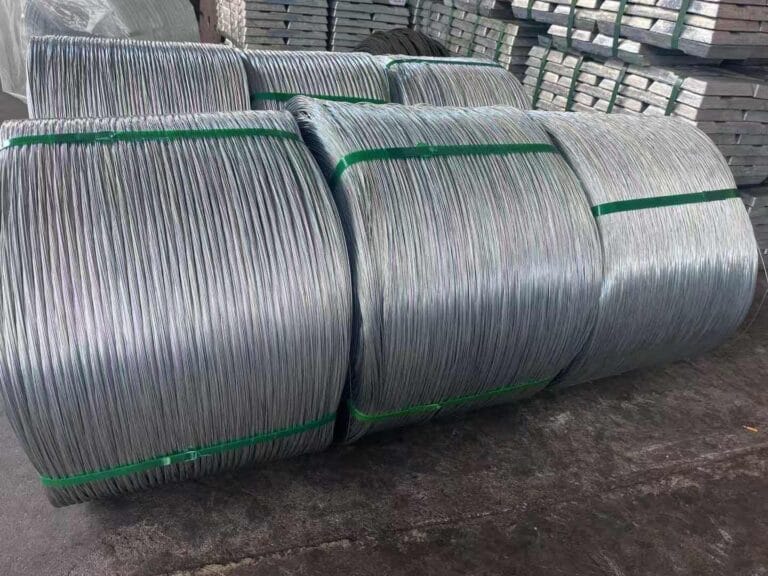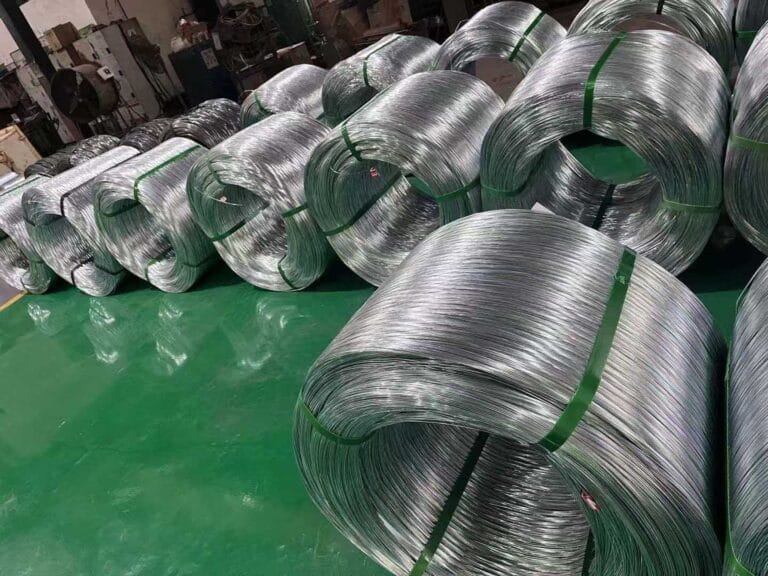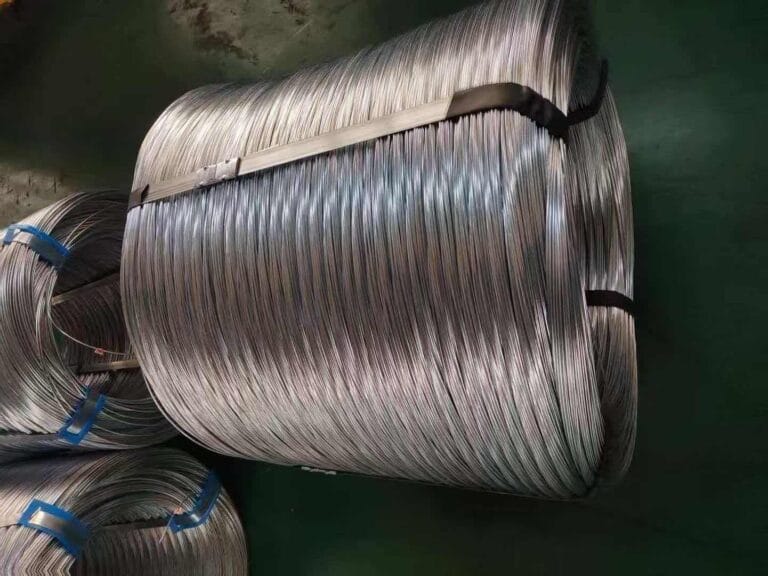



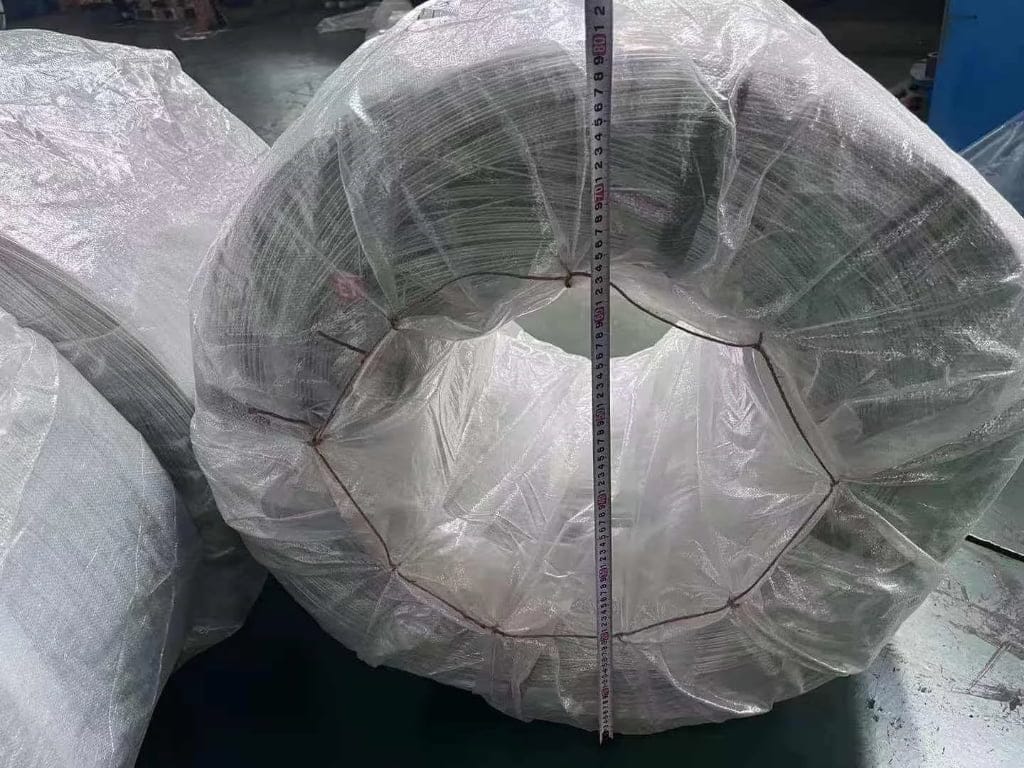
Mwansa's first call to our factory in November 2025 taught me exactly what Zambian importers need to know about factory-direct sourcing. For those looking to source galvanized binding wire for Zambia, direct factory connections offer significant cost advantages.
I remember November 2025 when Joseph Mwansa from Lusaka first called our factory. He had been importing building materials for five years, always buying from South African traders. His voice carried frustration when he explained how his binding wire costs always ran higher than his competitors'. That conversation changed his business trajectory—and taught me exactly what Zambian importers need to know about factory-direct sourcing.
Factory-direct binding wire sourcing cuts costs for Zambia importers by 20-30% compared to trading through South African middlemen. By connecting directly with Chinese manufacturers, importers eliminate markup layers, access wholesale Free On Board (FOB) pricing ($850-950/ton), and control quality specifications. The process requires learning import procedures, but landing costs of $965-985/ton versus $1,045+/ton through traders justify the three-month learning curve.
Mwansa's story isn't unique. Across Lusaka's construction materials market, savvy importers are realizing that the "security" of middlemen costs them thousands of dollars monthly. The transition feels intimidating at first—terms like FOB, Letter of Credit (L/C), and Mill Test Certificate (MTC) sound like foreign language. But the math speaks clearly: three months of learning versus years of overpaying makes factory-direct sourcing the obvious choice.
Why Do South African Traders Charge So Much More?
Every layer in a supply chain adds cost. When Zambian importers buy from South African traders, they're paying for the trader's purchase price, warehousing, staff salaries, marketing, and profit margin.
South African traders typically add 15-25% markup to their Chinese factory purchase prices. For binding wire, this means Zambian importers pay $1,045-1,100/ton for products that leave Chinese factories at $850-950/ton FOB. The trader covers their overhead—warehouse rent in Johannesburg, sales team salaries, inventory risk—but that security costs importers approximately $150-200 per ton.
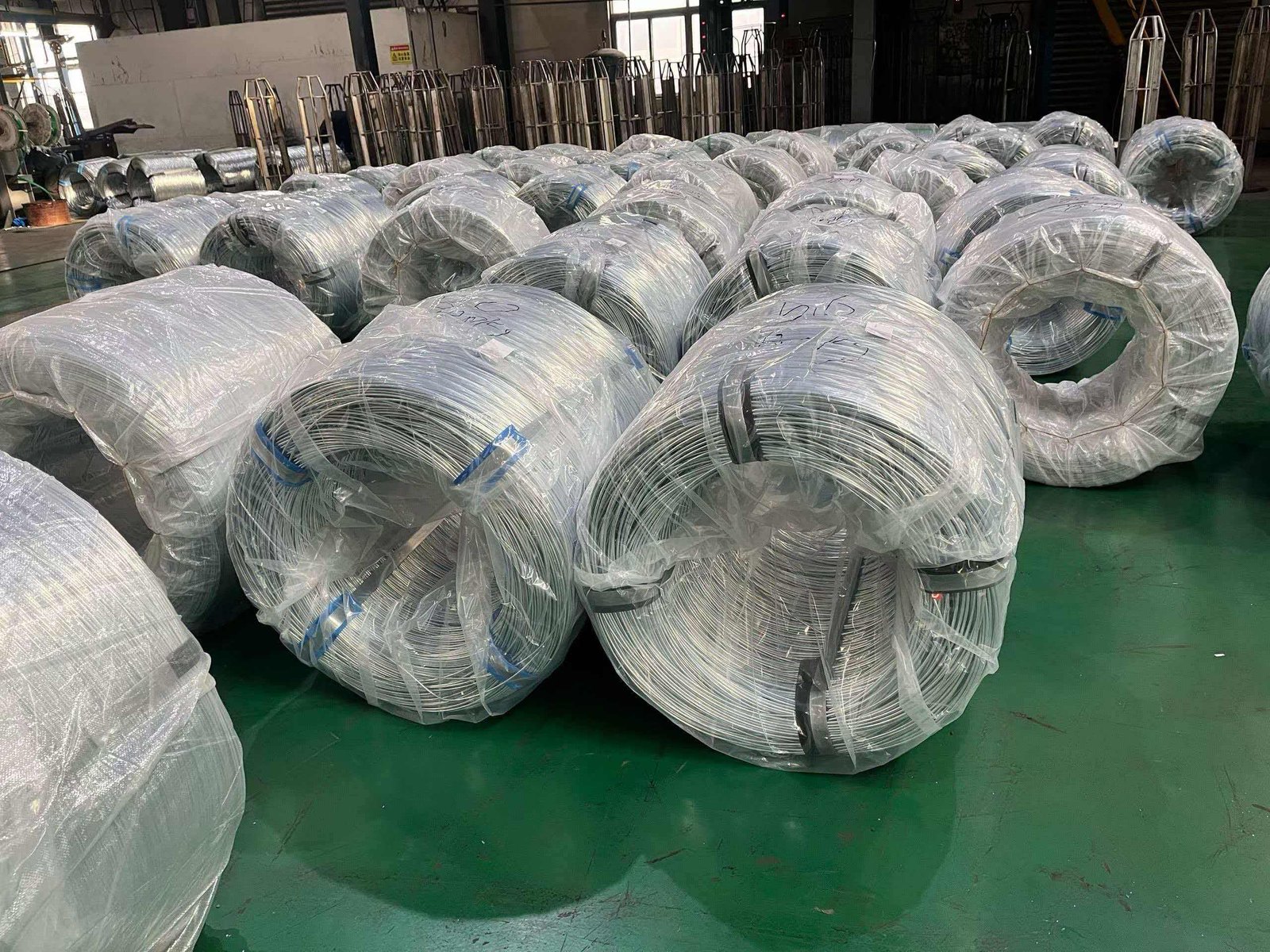
The Hidden Costs in Traditional Trading
When I analyzed Mwansa's old invoices, I discovered costs beyond the obvious markup:
- Limited specification flexibility: Traders stock standard sizes (usually 0.7mm, 0.8mm, 1.0mm). Custom diameters require minimum order quantities that small importers can't meet.
- Quality inconsistency: Traders source from multiple factories. One shipment might have excellent zinc coating; the next batch comes from a different supplier with thinner coating.
- Slower response to market changes: When steel prices drop, factories adjust within weeks. Traders hold inventory for months, so price reductions reach end-buyers slowly.
- No direct communication: When quality issues arise, information passes through multiple people—importer to trader to trader's Chinese agent to factory—creating delays and misunderstandings.
I've seen importers wait four weeks for quality clarifications that would take two days with direct factory contact. Time delays during construction projects translate into penalty fees that dwarf the initial cost savings from "convenient" trader sourcing.
Why Factories Prefer Direct Relationships
From our factory perspective, working directly with serious importers benefits both parties:
Production efficiency: When we know an importer's exact specifications and monthly volume, we schedule production runs efficiently. Mwansa orders 50-100 tons monthly. We plan his production during our low-season weeks when equipment availability is high.
Quality consistency: Direct communication eliminates the "telephone game" problem. Mwansa knows to tell us "construction binding wire, medium tensile strength, 15-18 kg/coil" rather than the vague "standard binding wire" orders we receive from traders.
Payment terms improvement: After three successful shipments, we extended Mwansa's payment terms from 30% deposit to 20% deposit. Trust builds faster in direct relationships.
What Does the Factory-Direct Learning Curve Actually Look Like?
Mwansa's first phone call revealed his biggest concern: "I don't even know what FOB means." Three months later, he was confidently negotiating container loading plans and discussing zinc coating thickness in microns. The learning curve is real but manageable.
The factory-direct learning curve spans approximately 12 weeks from first inquiry to first shipment arrival. Importers must learn: international trade terms (Free On Board, Cost and Freight, Cost, Insurance and Freight), payment methods (Telegraphic Transfer, Letter of Credit), quality specifications (wire diameter tolerance ±0.02mm, zinc coating 8-12g/m²), documentation requirements (commercial invoice, packing list, MTC), and basic logistics coordination (booking, Bill of Lading release, customs clearance). Each shipment reinforces knowledge, so the second order takes half the time to process.
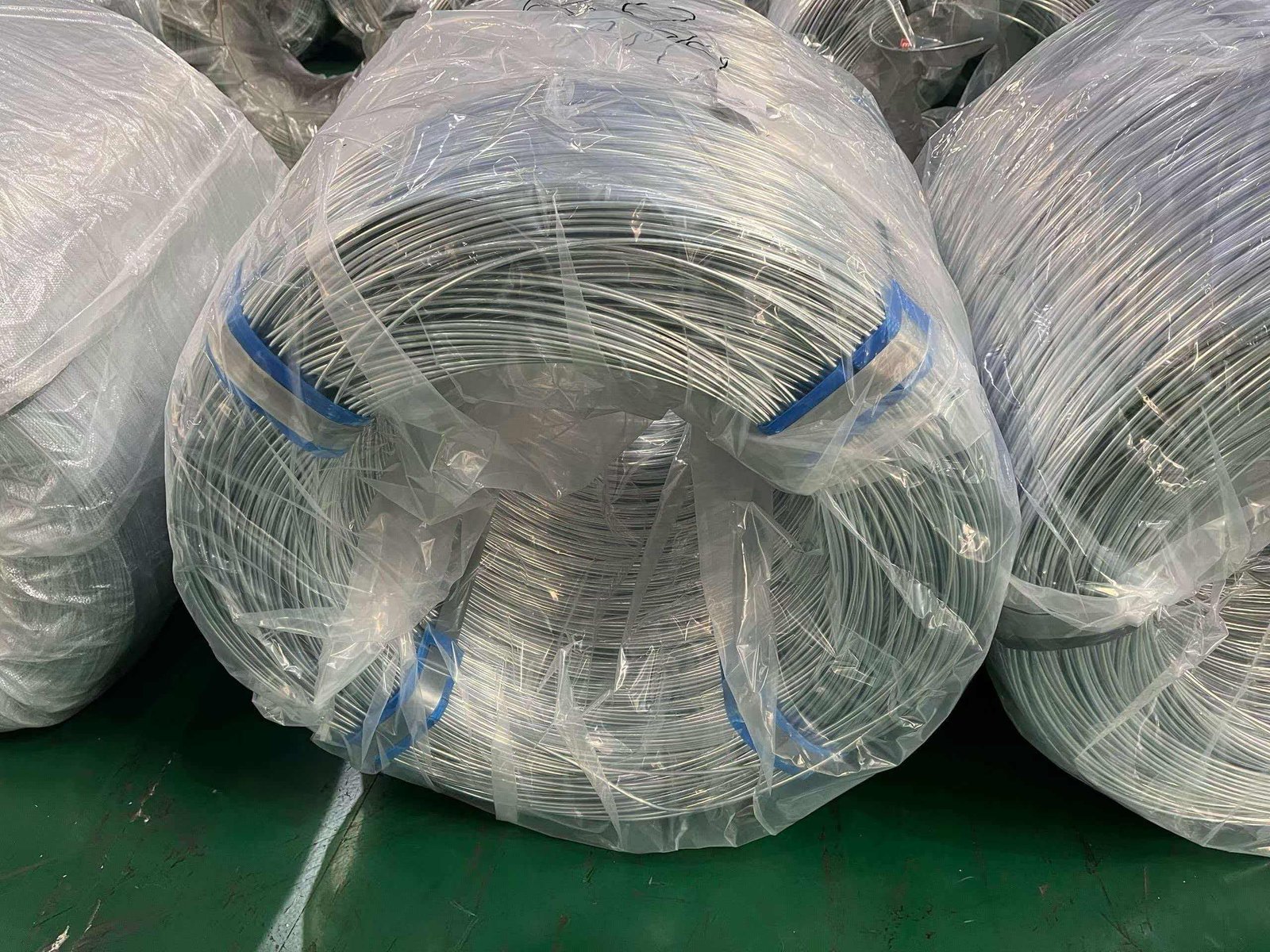
Week 1-2: Understanding Basic Terms
I sent Mwansa a simple glossary covering essential terms:
- Free On Board (FOB): We load the container at Chinese port. He pays ocean freight from China to Dar es Salaam.
- Incoterms: Rules defining who pays for what in international shipping.
- Mill Test Certificate (MTC): The material quality document from our factory showing chemical composition and mechanical properties.
- Container types: 20ft container (holds 20-22 tons), 40ft container (holds 25-27 tons).
These basics took two phone calls and three email exchanges to clarify. I've learned that patience during this stage builds confidence that carries through the entire relationship.
Week 3-4: Specification Confirmation
The specification discussion determines everything downstream. I asked Mwansa detailed questions:
| Specification Item | Questions I Asked | Mwansa's Answers |
|---|---|---|
| Wire diameter | What sizes do construction sites use most? | 0.7mm, 0.8mm, 1.0mm |
| Wire type | Galvanized or black annealed? | 70% galvanized, 30% black annealed |
| Coil weight | What can workers handle easily? | 15-18 kg per coil |
| Packing | Indoor or outdoor storage? | Outdoor, needs waterproof |
| Tensile strength | Hard or soft wire preference? | Medium soft, easy to twist |
These details prevent expensive misunderstandings. I once shipped hard spring wire to a Ugandan importer who needed soft annealed wire—the entire container sat unused for months until we replaced it.
Week 5-6: Quotation and Negotiation
I provided Mwansa with a detailed quotation breakdown:
Product: Galvanized Binding Wire, 0.8mm diameter
Specification: Zinc coating 8-12g/m², tensile strength 350-400 N/mm²
Packing: 18kg/coil, 8 coils/carton, waterproof woven bags
Container Loading: 26 tons in 40ft container
FOB Price: $920/ton
Payment Terms: 30% Telegraphic Transfer (TT) deposit, 70% before shipment
Production Time: 15 days after deposit
Port: Qingdao, China
Mwansa negotiated for two days, asking if we could reduce to $900/ton for his trial order. I explained that our margin on first orders is already thin—we're investing in the relationship. He appreciated the transparency.
Week 7-8: Contract, Deposit, and Production
After signing the proforma invoice, Mwansa paid the 30% deposit ($7,176 for his 26-ton trial order). I sent him daily production updates with photos:
- Day 3: Raw material prepared, wire drawing begins
- Day 7: Wire drawing complete, galvanizing in process
- Day 11: Galvanizing complete, coiling and packing started
- Day 14: Packing complete, ready for container loading
These updates addressed his primary anxiety: "How do I know you're actually making my order?" Visual confirmation built trust faster than any words could.
Week 9-10: Shipping and Documentation
Our shipping coordinator handled the logistics while keeping Mwansa informed:
- Container booking: We booked with COSCO, transit time 28 days to Dar es Salaam
- Loading supervision: I sent Mwansa photos of the container loading process
- Document preparation: Commercial invoice, packing list, MTC, fumigation certificate
- Bill of Lading (B/L) release: Original B/L sent via courier to Mwansa's office
The most valuable lesson here: Mwansa learned to verify every document detail before accepting the B/L. One wrong digit in the container number causes nightmares at customs.
Week 11-12: Arrival and Clearance
The container arrived at Dar es Salaam port on schedule. Mwansa hired a clearing agent (recommended by another importer he knew) who handled:
- Port charges and Terminal Handling Charges (THC)
- Customs declaration with commercial invoice and packing list
- Import duty calculation (Zambia charges 15% on binding wire)
- Arrange trucking from Dar es Salaam to Lusaka
Total landed cost calculation:
- FOB price: $920/ton × 26 tons = $23,920
- Ocean freight: $1,650 (40ft container to Dar es Salaam)
- Port charges: $420
- Trucking to Lusaka: $2,100
- Import duty (15%): $3,588
- Clearing agent fee: $350
- Total: $32,028 for 26 tons = $1,232/ton
Wait—that's higher than the South African trader's price! This shocked Mwansa initially. But I walked him through the reality:
How Does the Cost Actually Break Down on Second and Third Orders?
Mwansa's first shipment landed at $1,232/ton—disappointing compared to his trader's $1,045/ton. But I explained that first orders carry learning costs that disappear on subsequent shipments.
Factory-direct binding wire costs decrease significantly after the first shipment as importers optimize logistics and scale up volumes. Mwansa's third shipment (March 2026) landed at $965/ton—$80 cheaper than his previous South African source—through three improvements: negotiating better ocean freight rates ($1,300 vs $1,650), increasing to full container loads (27 tons vs 26 tons), and finding a more efficient clearing agent ($280 vs $350). The learning investment in shipment one pays dividends for years.
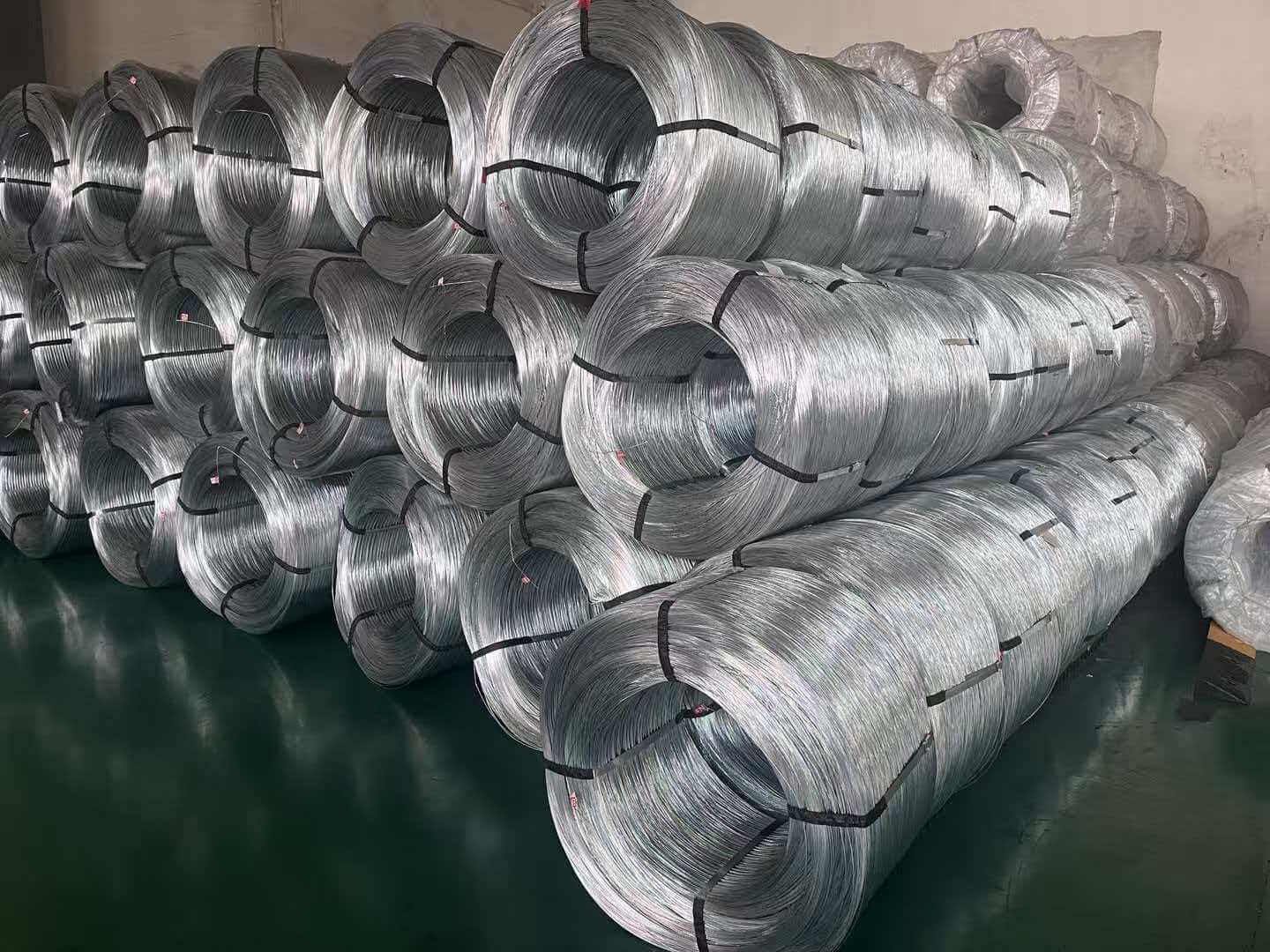
Shipment One: Learning Costs
Mwansa's first container included inefficiencies that we addressed together:
Logistics learning: His shipping agent quoted high because Mwansa didn't know market rates. Ocean freight from Qingdao to Dar es Salaam should cost $1,200-1,400 for 40ft containers, not $1,650.
Loading inefficiency: We only fit 26 tons in the 40ft container. With optimized packing (smaller carton dimensions), we later fit 27 tons—a 3.8% improvement that directly reduced per-ton costs.
Clearing agent markup: The first clearing agent charged $350. After connecting with other importers through Lusaka building materials WhatsApp groups, Mwansa found an agent charging $280 for identical service.
These weren't mistakes—they were tuition fees for building expertise.
Shipment Two: First Optimizations
By his second order (January 2026), Mwansa implemented improvements:
Better freight rates: He contacted three shipping lines directly, eventually booking with COSCO at $1,400 for a 40ft container—$250 savings.
Volume increase: Confident in product quality, he ordered 54 tons (two 27-ton containers) instead of one 26-ton container. Economies of scale reduced admin overhead per ton.
Documentation efficiency: He now understood every document requirement, so clearing took 3 days instead of 7 days—reducing port storage fees by $180.
Landed cost for shipment two: $1,048/ton—nearly matching his trader's price but with better quality control and specification consistency.
Shipment Three: Full Optimization
March 2026 marked Mwansa's breakthrough shipment. His landed cost hit $965/ton:
| Cost Component | Shipment 1 | Shipment 3 | Improvement |
|---|---|---|---|
| FOB Price | $920/ton | $905/ton | Factory discount for repeat customer |
| Ocean Freight | $1,650/40ft | $1,300/40ft | Better carrier negotiation |
| Port Charges | $420 | $400 | Faster clearance = lower storage |
| Trucking | $2,100 | $2,000 | Regular trucker relationship |
| Loading Efficiency | 26 tons | 27 tons | Optimized packing |
| Clearing Agent | $350 | $280 | Competitive shopping |
The $80/ton savings versus his South African source ($1,045/ton) translated into $2,160 profit improvement per container. At his monthly volume of two containers, that's $51,840 additional profit annually.
What About Payment Security and Quality Control?
Every importer worries: "What if I pay the deposit and receive poor quality—or nothing at all?" Mwansa asked me this directly on our second phone call. I don't blame him—international trade carries real risks.
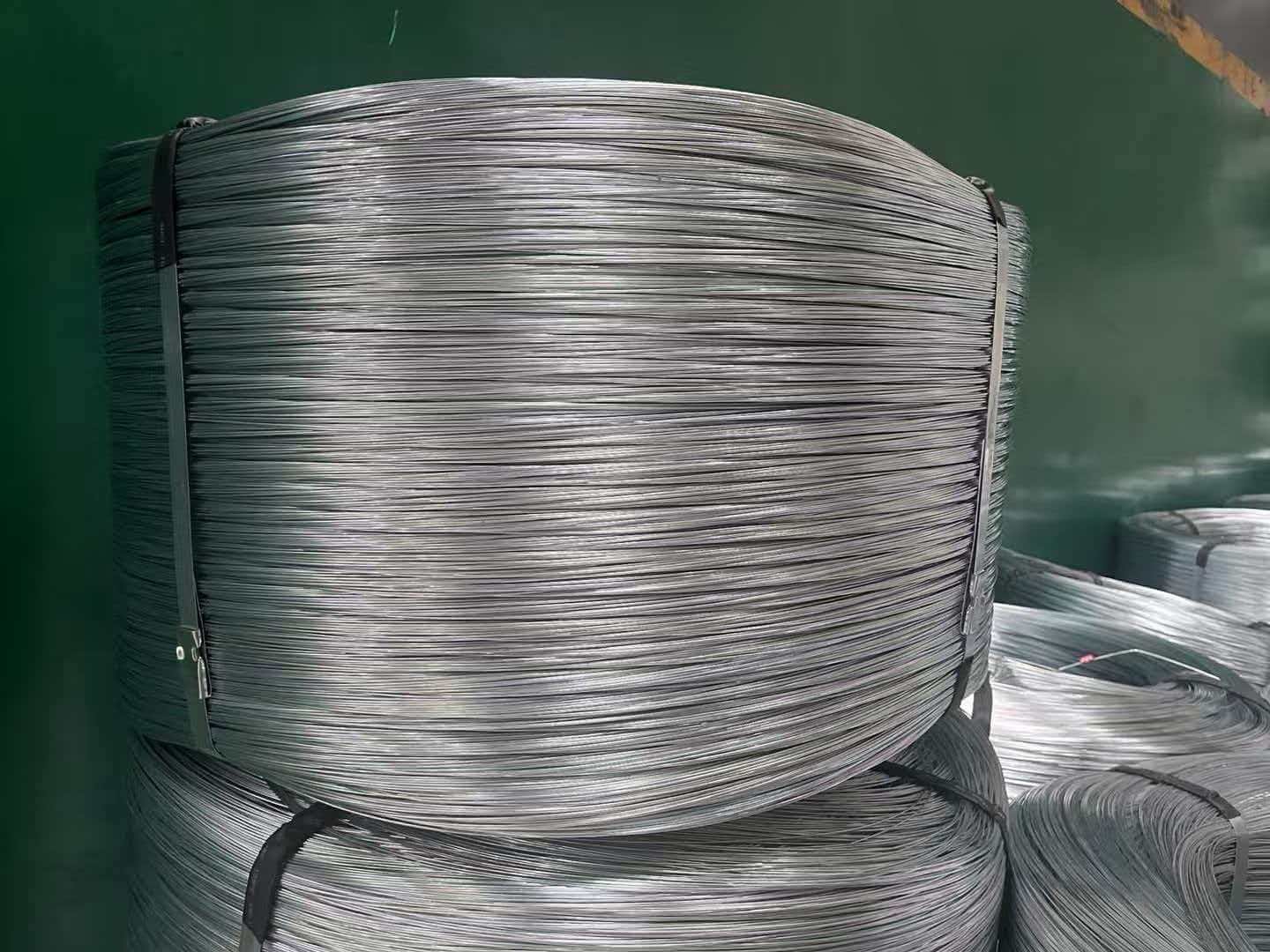
Payment security in factory-direct sourcing relies on three pillars: verified supplier credentials, structured payment terms (30% deposit, 70% before shipment), and third-party inspection before balance payment. Quality control involves clear specification agreements, production monitoring through photos/videos, and pre-shipment inspection by agencies like SGS or Bureau Veritas. These safeguards cost $300-500 per shipment but prevent $20,000+ losses from quality failures.
Verifying Factory Legitimacy
Before Mwansa sent his first deposit, I provided him with verification materials:
Business license: Our company registration with the Chinese government, showing 25 years of operation history.
Factory photos: Current pictures of our production lines, warehouse, and office—not stock photos from the internet.
Previous customer references: Contact information for three Ugandan and Rwandan importers who agreed to speak with new customers.
Video call factory tour: I walked Mwansa through our workshop via WhatsApp video, showing wire drawing machines in operation.
Legitimate factories welcome these requests. Scammers avoid verification that creates evidence trails. Mwansa spent two hours on verification calls with previous customers—time that bought him confidence worth thousands.
Structured Payment Terms
The standard factory-direct payment structure protects both parties:
30% deposit payment: This commits the importer and covers our raw material purchase. We don't start production until deposit confirms in our bank account.
70% balance before shipment: The importer pays after production completes but before container loading. This timing allows for:
- Pre-shipment inspection: Importer hires an inspection company (SGS, Bureau Veritas) to verify quality before paying balance
- Production evidence: We provide photos and videos showing finished goods packed and ready
- Specification verification: Inspector measures wire diameter, zinc coating thickness, tensile strength, and packing details
For Mwansa's first order, he hired Bureau Veritas for $380 to inspect the 26 tons before he paid the $16,744 balance. The inspector found one small issue—five cartons had moisture-damaged outer packaging. We replaced those cartons the same day.
The Third-Party Inspection Process
Many importers skip inspection to save $300-400. This penny-wise, pound-foolish thinking leads to expensive problems:
What inspectors verify:
- Wire diameter tolerance (should be ±0.02mm from specification)
- Zinc coating thickness (8-12g/m² for standard galvanized)
- Tensile strength (we provide test reports; inspector spot-checks)
- Coil weight accuracy (should match 15kg, 18kg, or specified weight)
- Packing quality (waterproof wrapping, sturdy cartons, proper labeling)
- Loading supervision (ensures correct quantity loaded in container)
Inspection timeline: The inspector schedules 1-2 days before planned shipping date. If issues emerge, we have time to correct before container loading. The inspector sends the report to the importer within 24 hours.
Mwansa told me the $380 inspection fee was the best money he spent—it proved to his Lusaka customers that he sourced serious quality, not cheap junk. He uses inspection certificates in his marketing materials.
Building Long-Term Trust
After three successful shipments, trust evolved naturally. Mwansa now:
- Pays 20% deposit (down from 30%) because he's proven reliable
- Receives production video updates without asking
- Gets priority scheduling when capacity is tight
- Receives market intelligence about price trends before general announcements
We provide full MTC (Mill Test Certificate) and Certificate of Origin with every shipment. We offer a full range of construction binding wire for African projects, including galvanized iron wire, black annealed iron wire, and 201 stainless steel wire, with mix container loading supported. If you are sourcing construction binding wire for Zambia or any African market, we are happy to provide a specification-based quotation. Contact us via WhatsApp: +86 15383180672.
FAQ: Factory-Direct Binding Wire Sourcing for Zambia Importers
Q1: Is factory-direct sourcing cheaper than buying from South African traders?
A1: Yes, significantly. After the learning curve (approximately three shipments), landed costs typically reach $965-985/ton compared to $1,045-1,100/ton through traders. The savings come from eliminating trader markups (15-25%), negotiating better freight rates, and scaling up to full container loads. Mwansa saved $80/ton by his third shipment, translating to $2,160 per container and over $50,000 annually at two containers per month.
Q2: What documents do I need for first-time factory-direct import to Zambia?
A2: You need the commercial invoice from the factory, detailed packing list, Mill Test Certificate (MTC) showing chemical composition and mechanical properties, and the original Bill of Lading (B/L). For Zambia customs, ensure your product description matches exactly on all documents—discrepancies cause clearance delays. Also obtain Certificate of Origin from China for duty calculation and customs preference.
Q3: How can I verify a Chinese supplier is legitimate before sending payment?
A3: Request their business license (showing registration with the Chinese government), current factory photos (not stock images), previous customer references you can contact directly, and schedule a video call factory tour. Legitimate factories welcome these verification steps—scammers avoid them. For Mwansa's first order, he spent two hours on verification calls with previous customers in Uganda and Rwanda.
Q4: What's the learning curve like for first-time direct importers, and how do I get started?
A4: The learning curve spans approximately 12 weeks from first inquiry to first shipment arrival. You'll learn international trade terms (FOB, CNF, CIF), payment methods (TT, L/C), quality specifications (wire diameter tolerance ±0.02mm, zinc coating 8-12g/m²), documentation requirements, and basic logistics coordination. Each shipment reinforces knowledge, so the second order takes half the time. Start with a trial order of 20-26 tons (one 20ft or 40ft container) and hire a clearing agent in Dar es Salaam for your first clearance.