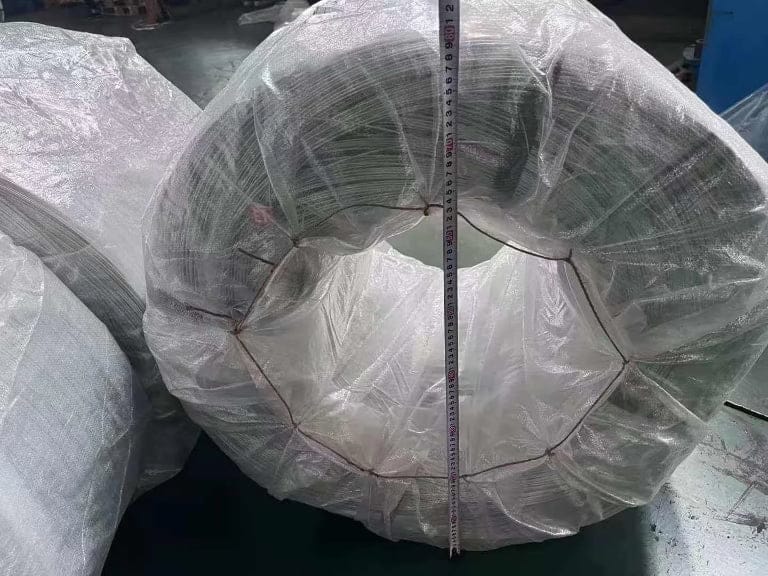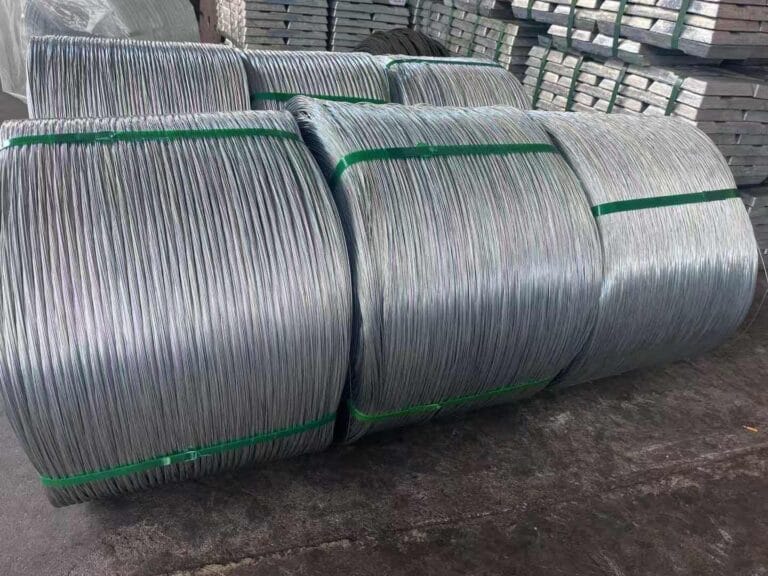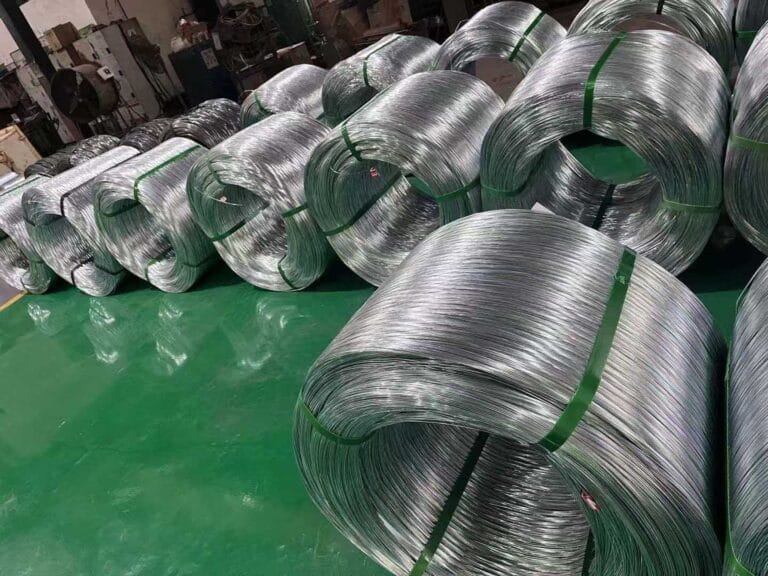



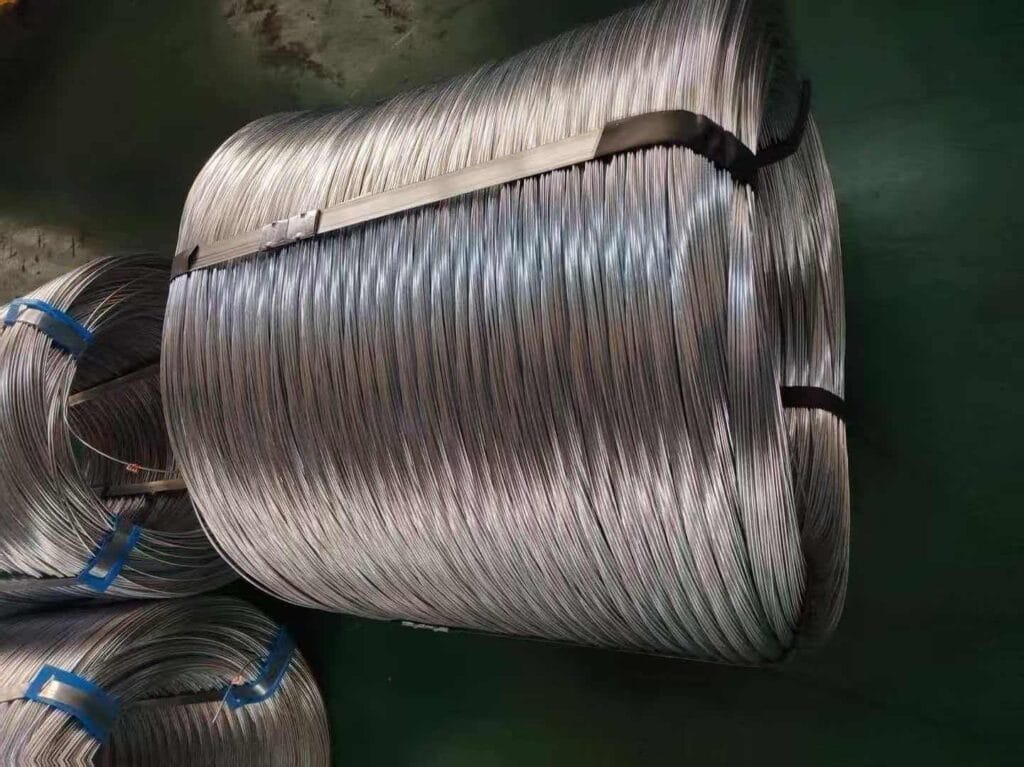
For Zambian contractors looking to reduce their binding wire costs, understanding the full supply chain and direct procurement options is essential. Those interested in galvanized binding wire for Zambia can benefit from a complete cost analysis before making their next purchase.
Every month, I see Zambian contractors paying 10-15% more than they should for binding wire. The problem isn't quality — it's the supply chain. Most contractors buy from local traders who add layers of markup. The agitation comes when you realize these margins eat directly into your project profits. The solution? Understanding where your money goes and taking control of procurement.
Direct factory procurement can cut binding wire costs by $75-120 per ton for Zambian contractors. By eliminating trader margins, optimizing container loads, and choosing the right shipping routes through Dar es Salaam or Mombasa, construction companies purchasing 100+ tons annually can save $8,000-12,000 per year without compromising quality or delivery reliability.
I've helped dozens of African contractors navigate this transition over the past few years. The savings are real, but only if you understand the complete cost structure. Let me break down exactly where your money goes and how to keep more of it in your pocket.
What Makes Up the True Cost of Binding Wire in Zambia?
Most contractors I talk to only think about the per-ton purchase price. That's like judging a car by its sticker price without considering fuel, insurance, and maintenance.
Your true landed cost includes seven distinct components, and understanding each one is crucial for meaningful cost reduction.
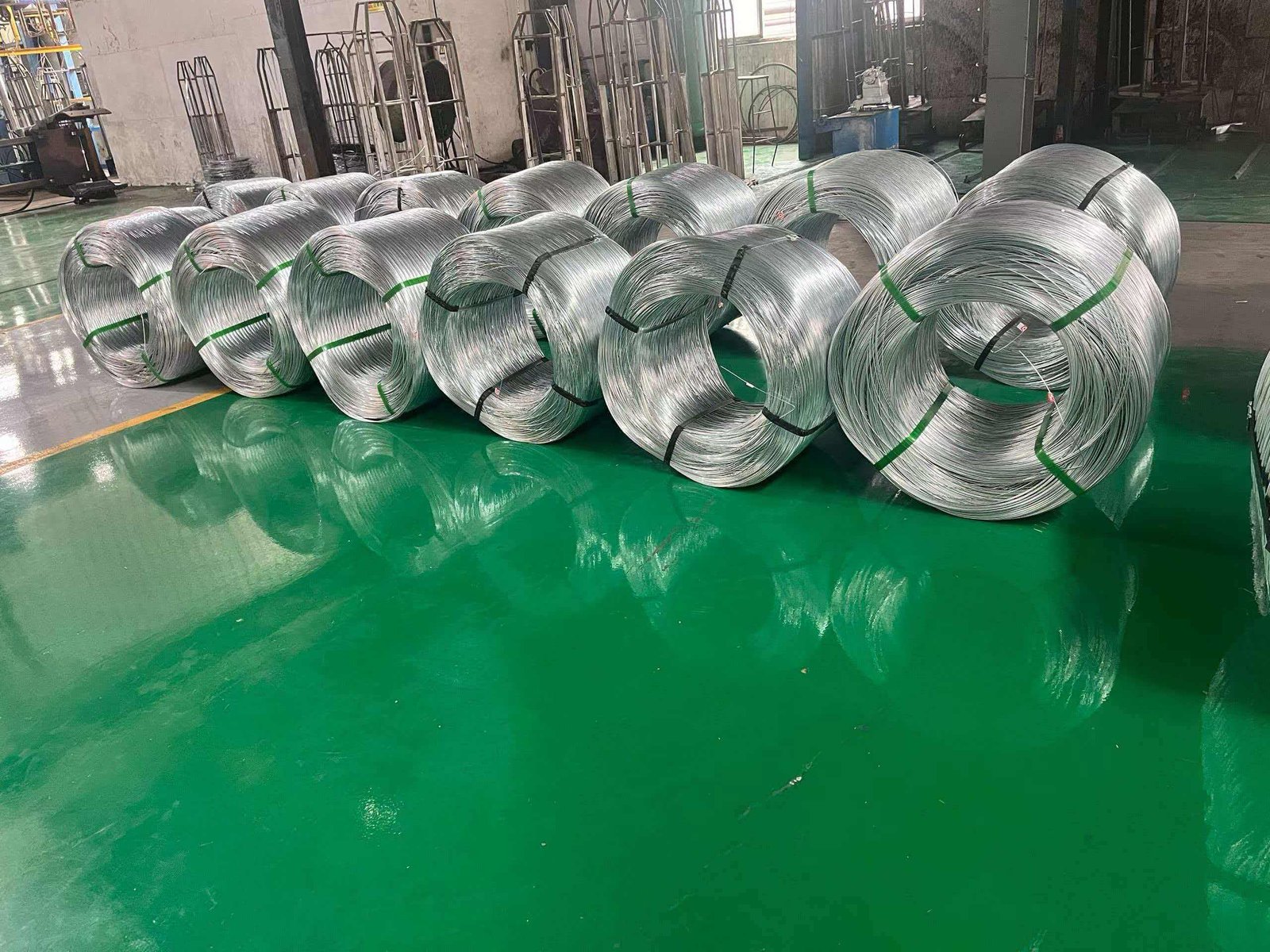
The Seven Cost Components You're Actually Paying
When I helped Joseph, a Lusaka-based materials trader, analyze his procurement costs in 2024, we discovered he was tracking only three of the seven actual cost components. No wonder he couldn't figure out where his margins were leaking.
Here's the complete breakdown based on current 2025 pricing for galvanized binding wire shipped to Zambia:
| Cost Component | Typical Amount (USD/ton) | What It Covers | Negotiation Potential |
|---|---|---|---|
| Factory Free On Board (FOB) Price | $750-850 | Wire production, quality control, Chinese port loading | High (15-20%) |
| Sea Freight | $80-95 | Container shipping to Dar es Salaam or Mombasa | Medium (10-15%) |
| Port Charges | $25-35 | Port handling, terminal fees, documentation | Low (5%) |
| Zambia Import Duty | $85-95 | 10% customs duty on Cost, Insurance, and Freight (CIF) value | Fixed |
| Clearing Agent Fees | $120-150 | Customs clearance, paperwork processing | Low (5-10%) |
| Inland Transport | $40-55 | Trucking from port to Lusaka/Ndola | Medium (10-15%) |
| Trader Markup | $80-150 | Local distributor profit margin | Complete (100% if you go direct) |
The last line is where your biggest opportunity sits. That $80-150 per ton trader markup represents 8-14% of your total cost — pure margin you're paying for convenience.
Let me give you a real example. In August 2025, I met David, a contractor in Lusaka who had been buying from three different local traders. When he pulled out his purchase records from the past two years, we found something shocking.
He'd bought approximately 120 tons of binding wire at an average price of $1,060-1,100 per ton. Meanwhile, the Chinese factory FOB price during that same period averaged $760-810 per ton. Even after adding all legitimate costs — shipping, duty, clearing, transport — his true landed cost should have been around $975-985 per ton.
David was paying $80-120 per ton in unnecessary markup. Over 120 tons, that's nearly $10,000 in pure margin going to middlemen.
Why Traditional Procurement Routes Cost More
The typical supply chain for binding wire in Zambia looks like this: Chinese factory → Chinese export agent → International trader → Local Lusaka distributor → You.
Each link adds 5-10% margin. By the time the wire reaches your site, you've paid 3-4 layers of markup.
Local distributors provide genuine value — they hold inventory, offer credit terms, deliver small quantities, and handle all import headaches. But if you're consuming 100+ tons annually and can manage basic logistics, you're paying for services you don't need.
How Much Can You Actually Save Through Direct Importing?
The answer depends on your annual volume, payment capabilities, and willingness to handle logistics. But based on our factory's direct dealings with Zambian contractors, I can give you specific numbers.
For contractors purchasing 100-150 tons annually, realistic annual savings range from $8,000 to $12,000. That's enough to fund an additional project or upgrade equipment.
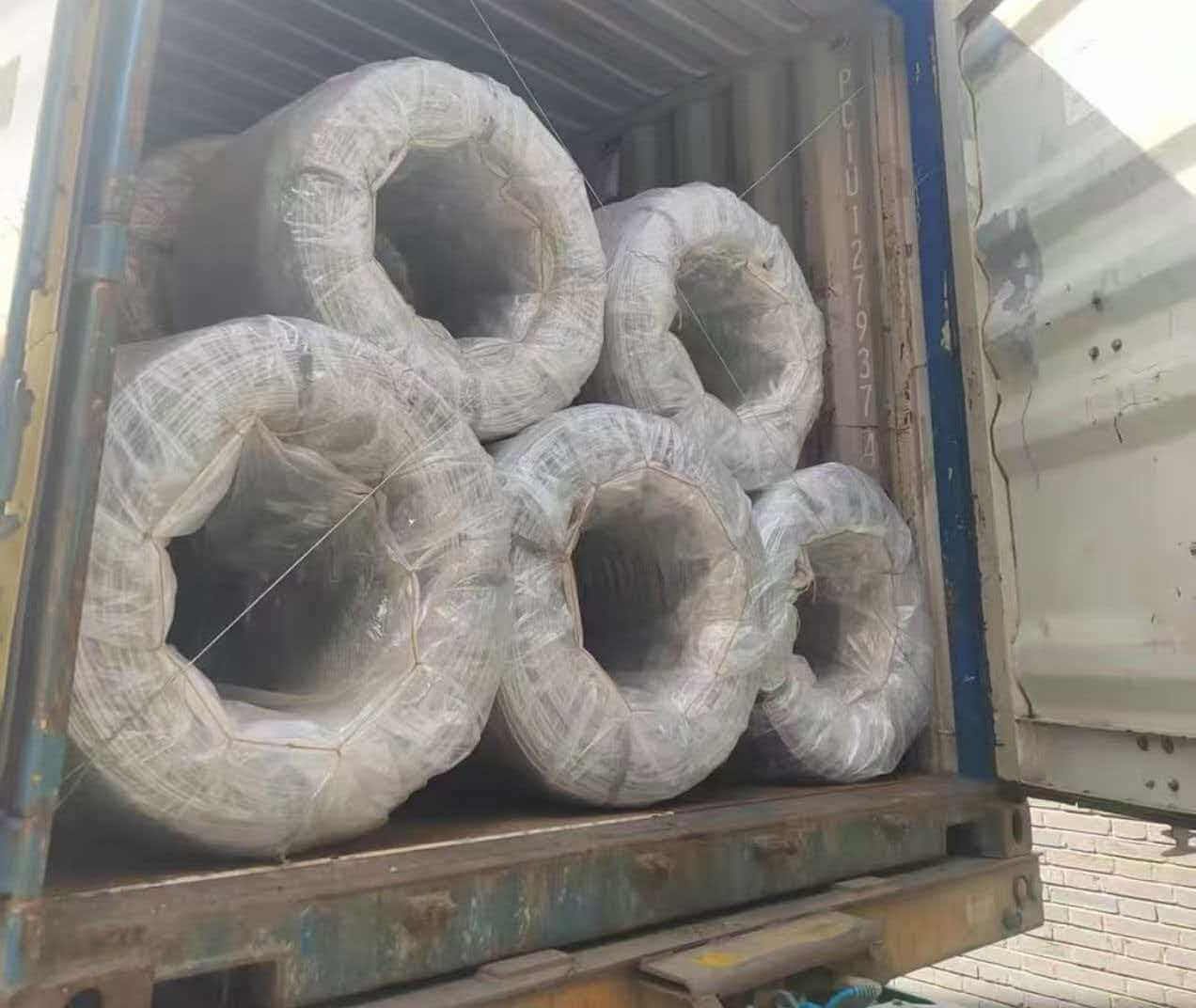
Real Case Study: David's Three-Month Import Test
Let me walk you through David's actual experience. After our initial conversation in August 2025, he decided to test direct importing with a small 20-ton order.
David's Previous Trading Pattern:
- Annual consumption: 120 tons
- Purchase method: As-needed purchases from three Lusaka traders
- Average price: $1,080 per ton
- Annual spend: $129,600
David's Direct Import Test (December 2025):
- Order size: 20 tons (one full container)
- Factory FOB price: $760 per ton
- Sea freight to Dar es Salaam: $85 per ton
- Zambian import duty (10%): $85 per ton
- Clearing agent fees: $130 per ton
- Inland transport to Lusaka: $45 per ton
- Total landed cost: $985 per ton
The savings? $95 per ton, or $1,900 on his 20-ton test shipment.
David spent about 15 hours total managing this first shipment — researching suppliers, requesting samples, coordinating shipping, and working with his clearing agent. He told me: "I thought direct importing would be complicated. Really, it was just more phone calls and WhatsApp messages upfront. Once the container shipped, everything ran automatically."
Projecting Annual Savings at Different Volume Levels
Based on data from contractors we work with across East Africa, here's what direct importing can realistically save you at different annual volumes:
| Annual Volume | Cost per Ton (Trader) | Cost per Ton (Direct) | Savings per Ton | Annual Savings |
|---|---|---|---|---|
| 50 tons | $1,080 | $985 | $95 | $4,750 |
| 100 tons | $1,070 | $980 | $90 | $9,000 |
| 150 tons | $1,060 | $975 | $85 | $12,750 |
| 200 tons | $1,050 | $970 | $80 | $16,000 |
Notice how per-ton savings increase with volume? That's because you gain negotiating power with factories and can optimize full container loads. The $200 in fixed costs per shipment (documentation, courier fees, bank charges) gets distributed across more tons.
The Break-Even Volume Question
Several contractors have asked me: "What's the minimum volume where direct importing makes sense?"
My honest answer: 80-100 tons annually, assuming you can handle 20-ton full container orders.
Below 80 tons yearly, the time investment and working capital requirements often outweigh the cost savings. You're better off negotiating harder with local traders or forming a buying consortium with other contractors.
Above 100 tons yearly, direct importing becomes a no-brainer financially. The question shifts from "Should I?" to "How do I set this up properly?"
What Are the Hidden Costs Everyone Forgets?
I need to be straight with you about costs that aren't obvious when you first consider direct importing. These won't kill your savings, but ignoring them leads to budget surprises.
Over the past two years, I've watched contractors underestimate three specific cost categories. Let me save you from the same mistakes.
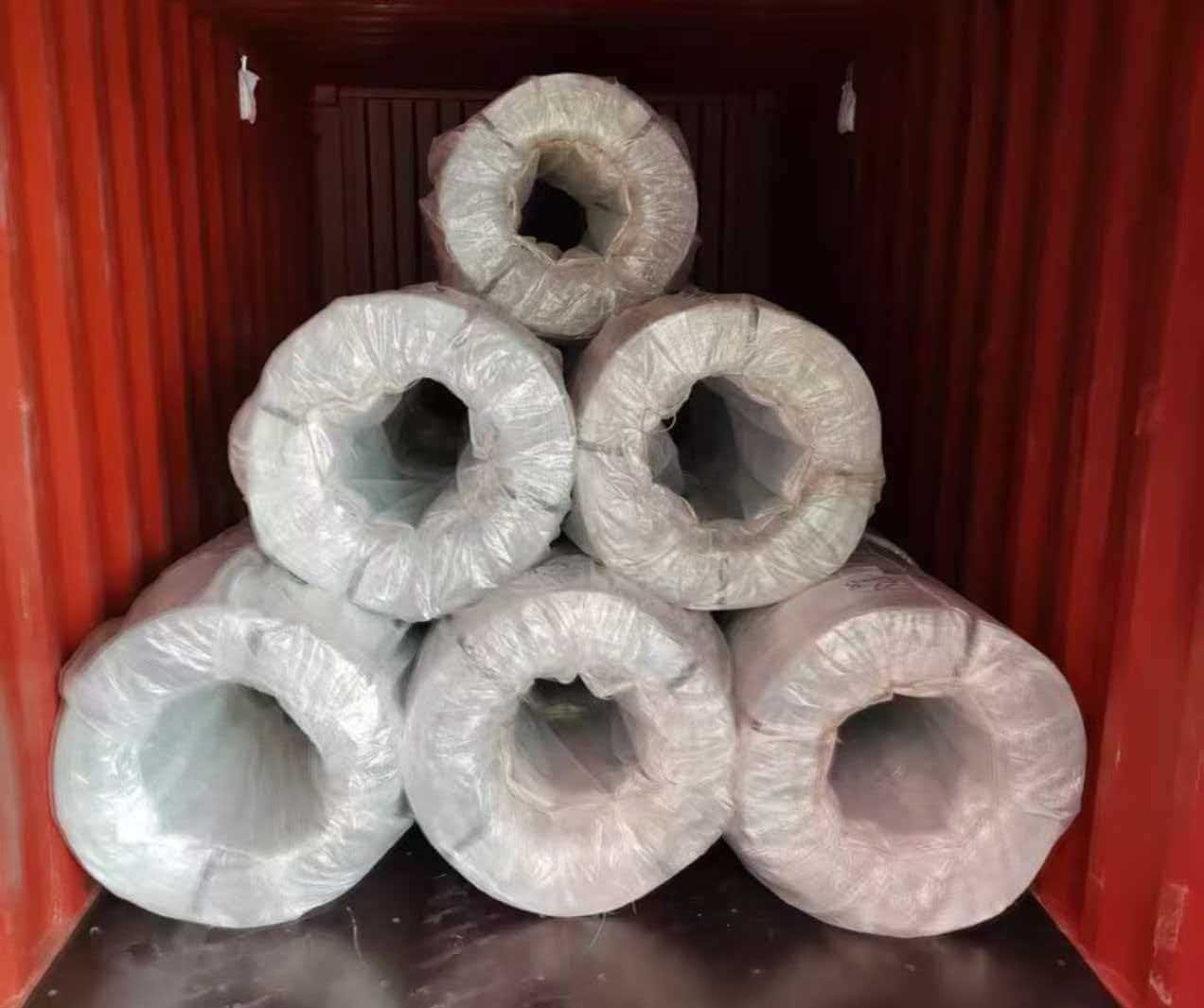
Working Capital Requirements
This is the big one. When you buy from local traders, you might negotiate 30-day payment terms. When you import directly, Chinese factories typically require 30-50% deposit before production and balance payment before shipment.
For a 20-ton container at $760 per ton FOB, that means locking up approximately $15,200 for 45-60 days from deposit to delivery. Can your cash flow handle that?
David solved this by timing his first import between two large project payments. He used the deposit from one project to fund the wire purchase, knowing the wire would arrive before he needed it for the next project.
Quality Control and Testing Costs
Before committing to 100+ tons from a new factory, you need to test samples. Smart contractors test three things:
- Wire diameter consistency — Measure 20 random pieces with calipers. Variation should stay within ±0.02mm.
- Tensile strength — Pull test at a local lab. 18-gauge wire should withstand 350-450 Megapascals (MPa).
- Zinc coating weight — Check for 15-25 g/m² minimum coating. This determines rust resistance.
Testing costs run $150-300 total for a thorough evaluation. Some contractors skip this step to save money. Then they get containers of undersized wire that breaks during binding or rusts within weeks.
Testing is insurance. Spend the $200 now or risk losing thousands on unusable wire.
Documentation and Compliance
This confused me when I first started in exports. Why do contractors need to spend $200-400 per shipment on paperwork?
Because Zambian customs requires specific documents, and your clearing agent needs to present a complete file to avoid delays:
- Commercial Invoice — Factory provides this with product details and values
- Packing List — Detailed breakdown of coils per container
- Bill of Lading — Proof of shipment from the shipping line
- Certificate of Origin — Usually Form E for preferential duty treatment
- Material Test Certificate (MTC) — Factory quality documentation
- SABER/Pre-Export Verification — Not required for Zambia, but keep updated on regulations
Your clearing agent typically charges $120-150 to handle this paperwork. Add $40-60 for courier services to move original documents. Factor another $50-80 for bank charges on Telegraphic Transfer (TT) payments and Letter of Credit (L/C) processing.
These costs are fixed per shipment, which is why larger containers provide better economies of scale.
The True Total Cost Formula
When you're calculating whether direct importing makes sense, use this formula:
Total Landed Cost per Ton = (FOB Price × 1.10) + Sea Freight + Port Charges + (Fixed Costs ÷ Container Tonnage) + Inland Transport
The 1.10 multiplier accounts for your 10% import duty. The fixed costs (clearing, documentation, banking) get divided by your container size — which is why 20-ton full containers cost less per ton than 10-ton Less than Container Load (LCL) shipments.
Which Chinese Factories Should Zambian Contractors Work With?
This question keeps me up at night because I see contractors making expensive mistakes here. You're choosing a partner who'll influence your project timelines and quality for years.
I can't recommend specific competitors in this blog, but I can tell you exactly what to evaluate.
The Five Non-Negotiables for Factory Selection
After helping dozens of African contractors vet Chinese suppliers, I've identified five criteria that separate reliable factories from problem suppliers:
1. Production vs. Trading Company Verification
Ask directly: "Are you the factory or a trading company?" Then verify with these requests:
- Factory photos with their products visible
- Business license showing "manufacturing" in the scope
- Production schedule showing your order timeline
Trading companies aren't inherently bad, but they add a markup layer and reduce your control. For binding wire, you want direct factory access.
2. Minimum Order Quantity Flexibility
Most binding wire factories set Minimum Order Quantities (MOQs) of 20-25 tons (one full container). This works for contractors consuming 100+ tons yearly.
But what if you're testing a new supplier? Look for factories willing to accept 10-ton LCL trial orders. Yes, per-ton costs run $15-20 higher on partial containers, but that's cheap insurance for quality verification.
3. Payment Terms and Flexibility
Standard terms from Chinese factories: 30% TT deposit, 70% balance before shipment.
Established factories with confidence in their product might offer more flexible terms after your first successful order. We've moved to 20% deposit, 80% against copy of documents for contractors who've completed 3+ orders with consistent payment.
Never work with factories demanding 100% prepayment unless you have strong referrals. That payment structure signals either desperation or fraud risk.
4. Technical Support and Documentation
Your factory should provide, without hesitation:
- Material Test Certificates (MTC) for each batch
- Detailed packing lists with coil weights and dimensions
- Photo documentation of production and loading
- WhatsApp support for urgent questions (yes, good suppliers use WhatsApp)
Last month, a Ndola contractor contacted me after his previous supplier shipped wire 0.15mm thinner than specified. When he complained, they claimed "industry standard tolerance." They refused to provide the original MTC showing actual measurements.
That's not a supplier. That's a problem waiting to destroy your project timeline.
5. References from Other African Contractors
Ask for customer references specifically from East or Southern Africa. Email or WhatsApp contact is fine — you want to ask them:
- How many orders have you completed?
- Did shipments arrive on time?
- How did the factory handle any quality issues?
- Would you order again?
If a factory can't provide 2-3 African references, that's a red flag. They're either new to your market (higher risk) or previous customers weren't satisfied enough to give referrals (bigger red flag).
Red Flags That Signal Problem Suppliers
Watch for these warning signs during your factory evaluation:
-
Prices significantly below market — If everyone quotes $750-810 FOB and one factory offers $650, something's wrong. Probably undersized wire, thin zinc coating, or bait-and-switch tactics.
-
Unwilling to send samples — Legitimate factories send 1-2 kg samples via courier ($25-40 cost). Refusing usually means their actual product doesn't match their promises.
-
Poor English communication — This isn't about accent or grammar. It's about responsiveness and clarity. If you can't get straight answers during sales, imagine the nightmare during a problem shipment.
-
No production photos — Real factories are proud of their facilities. Stock photos or excuses about "confidentiality" usually mean they're trading companies pretending to be manufacturers.
How to Test a New Factory Relationship
David's approach worked brilliantly: He requested samples from four factories, tested all four, then placed 10-ton trial orders with the top two performers.
This dual-supplier strategy meant slightly higher costs on his trial orders (LCL shipping plus split attention), but it gave him fallback options. When Factory A delivered perfectly and Factory B's wire came undersized by 0.08mm, he knew which relationship to develop.
For his second order, David went with a full 20-ton container from Factory A. By his fourth order, they'd established enough trust that the factory offered improved payment terms and priority production slots.
How Do You Optimize Shipping Routes to Zambia?
Getting your binding wire from Shanghai to Lusaka involves choices that can swing your costs by $40-60 per ton. Most contractors default to whatever their clearing agent suggests. Smart contractors understand the tradeoffs.
Let me walk you through the actual decision tree.
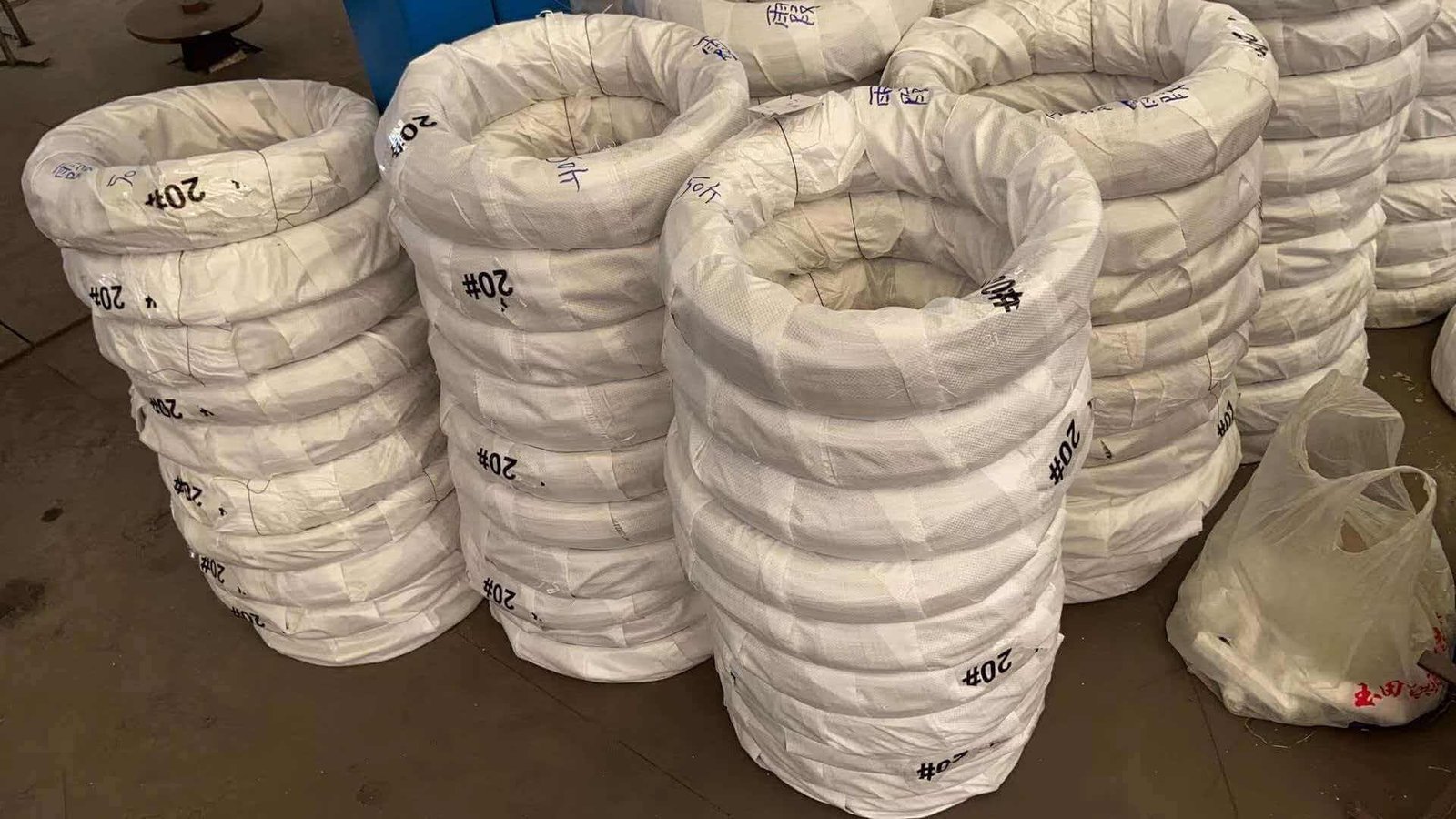
The Two Main Route Options
Zambia is landlocked, so your wire must arrive at an East African port, then truck inland. You have two realistic options:
Option A: Dar es Salaam, Tanzania → Lusaka
- Sea freight: $80-90 per ton
- Transit time: 28-32 days Shanghai to Dar
- Inland trucking: $40-45 per ton
- Border crossing complexity: Medium
- Total port-to-Lusaka: 5-7 days
- Best for: Lusaka and Copperbelt contractors
Option B: Mombasa, Kenya → Lusaka
- Sea freight: $75-85 per ton
- Transit time: 26-30 days Shanghai to Mombasa
- Inland trucking: $50-60 per ton
- Border crossing complexity: Higher (two borders)
- Total port-to-Lusaka: 7-10 days
- Best for: Eastern Province contractors or when Dar is congested
I've seen contractors save $800-1,200 per container by choosing the optimal route based on their location and timing.
Understanding Container Optimization
Binding wire ships in coils, and how you pack your container directly affects your per-ton shipping cost.
We provide full MTC (Mill Test Certificate) and Certificate of Origin with every shipment. We offer a full range of construction binding wire for African projects, including galvanized iron wire, black annealed iron wire, and 201 stainless steel wire, with mix container loading supported. If you are sourcing construction binding wire for Zambia or any African market, we are happy to provide a specification-based quotation. Contact us via WhatsApp: +86 15383180672.
FAQ: Binding Wire Cost Reduction for Zambian Contractors
Q1: How much can I save by directly importing binding wire from China instead of buying from local traders?
A1: Direct factory procurement typically saves $75-120 per ton for Zambian contractors. This means a contractor purchasing 100 tons annually can save $8,000-12,000 per year. The savings come primarily from eliminating trader markup (typically $80-150/ton), which is the largest single cost component in the trader supply chain.
Q2: What annual volume makes direct importing cost-effective for binding wire in Zambia?
A2: Direct importing becomes financially worthwhile at approximately 80-100 tons annually, assuming you can handle 20-ton full container orders. Below 80 tons, the time investment and working capital requirements often outweigh the savings. Above 100 tons, direct importing is a clear financial advantage.
Q3: What are the hidden costs Zambian contractors often overlook when importing binding wire?
A3: The three most commonly overlooked costs are: working capital requirements (30-50% deposit required before production, locking up $15,000+ for 45-60 days), quality control and testing costs ($150-300 per shipment for thorough evaluation), and documentation/compliance fees ($200-400 per shipment for customs paperwork). These costs won't eliminate your savings but must be factored into your total landed cost calculation.
Q4: How do I verify if a Chinese binding wire supplier is legitimate before placing a large order?
A4: Follow the five non-negotiables: verify production vs. trading company status (factory photos, business license), check Minimum Order Quantity (MOQ) flexibility, evaluate payment terms (standard is 30% deposit, 70% before shipment), demand technical support documentation (MTC, packing lists, production photos), and request references specifically from African contractors (2-3 contacts you can verify). Also watch for red flags: prices significantly below market, refusal to send samples, and poor communication.
Q5: Which shipping route is more cost-effective for importing binding wire to Lusaka?
A5: For Lusaka and Copperbelt contractors, Dar es Salaam (Tanzania) is typically preferred, offering lower inland trucking costs ($40-45/ton) and direct border crossing. Mombasa (Kenya) is better for Eastern Province contractors or when Dar es Salaam port is congested. Route choice can save $40-60 per ton, or $800-1,200 per container. Consider both cost and transit reliability when selecting your route.