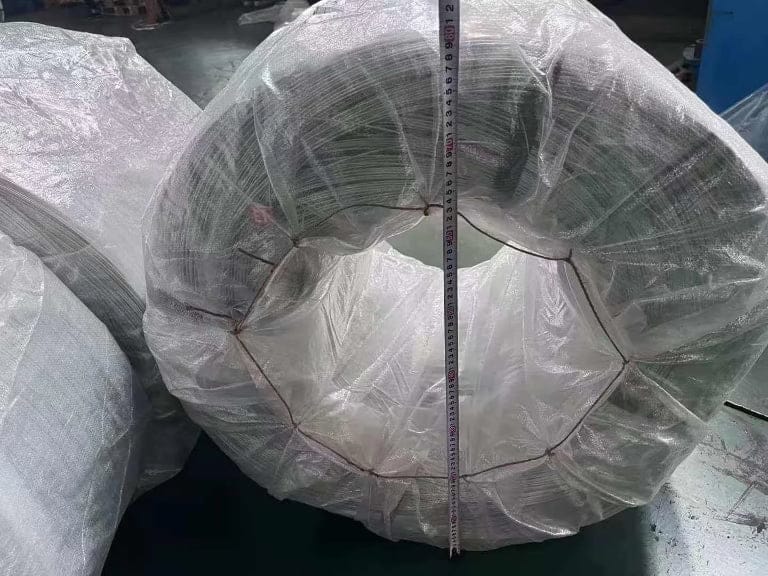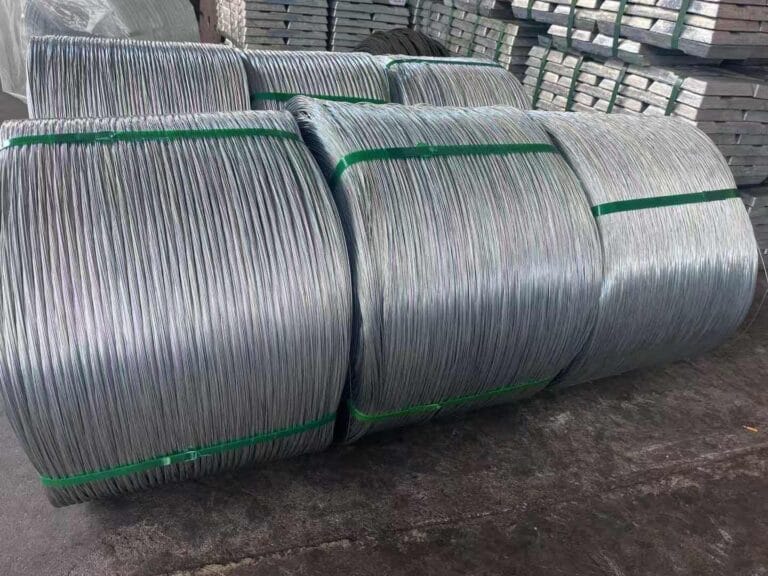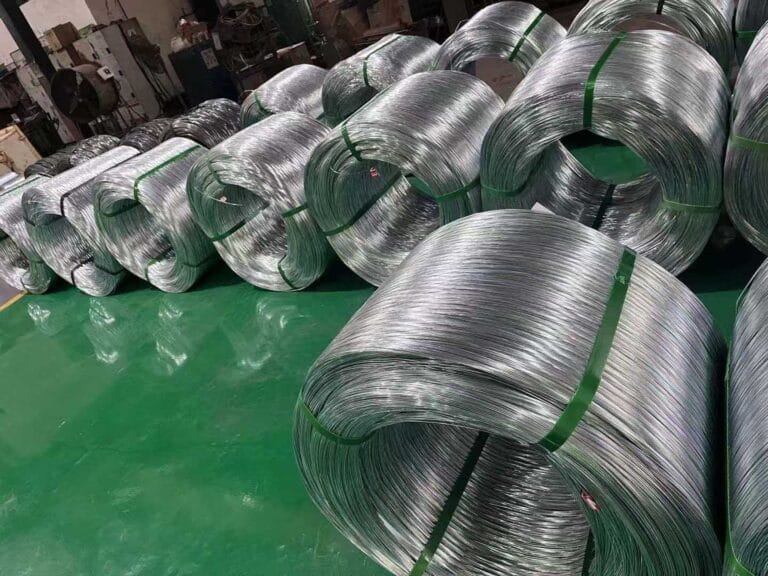



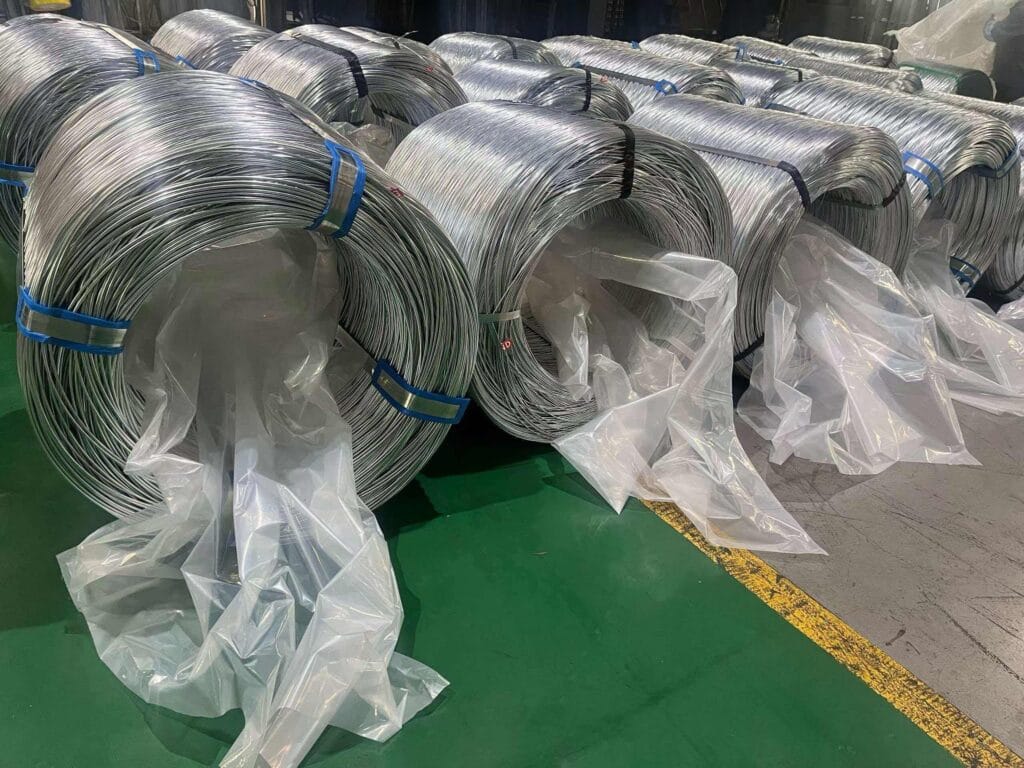
For builders and contractors in the Lusaka construction market, understanding the difference between quality galvanized binding wire and substandard material can be the difference between a smooth project and a costly disaster. Those looking for reliable galvanized binding wire for Zambia need to know exactly what specifications to demand before placing their next order.
I've been supplying binding wire to Zambian construction companies for years now, and I've seen firsthand how a small decision about material quality can make or break an entire project. Just last October, I got an urgent call from a builder in Lusaka who was facing a nightmare scenario — rust appearing on his reinforcement ties mid-construction, threatening his entire timeline and budget. That conversation reminded me why I always emphasize material specifications over rock-bottom prices when talking to contractors in the Lusaka construction market.
Quality binding wire isn't just about holding rebar together temporarily — it's about structural integrity that lasts through decades of tropical weather, corrosion protection that meets engineering standards, and avoiding catastrophic project delays that can bankrupt builders. The difference between proper galvanized binding wire with 40g/m² zinc coating and substandard material can mean the gap between passing inspection smoothly and facing $30,000+ in demolition costs plus month-long delays.
This isn't theoretical — I'm going to walk you through exactly what happened to Mulenga's six-story commercial project, what testing revealed about the "galvanized" wire that failed him, and the specific material standards that Zambian builders need to understand before placing their next order. Whether you're a contractor bidding on government infrastructure or a materials trader serving the local construction market, these details could save you significant time and money.
What Makes Binding Wire "Construction-Grade" in Zambian Projects?
When I meet builders at construction sites around Lusaka, many assume all binding wire is basically the same — just thin wire for tying rebar. This misconception costs them dearly when project engineers start inspecting joints and structural connections.
Construction-grade binding wire must meet three critical specifications: zinc coating thickness of 40-50g/m² for corrosion resistance, tensile strength between 350-550 Megapascals (MPa) for reliable binding without breaking during installation, and consistent diameter tolerance within ±0.05mm so workers can tie joints efficiently. Substandard wire fails on at least one of these dimensions, leading to structural weaknesses or construction delays.
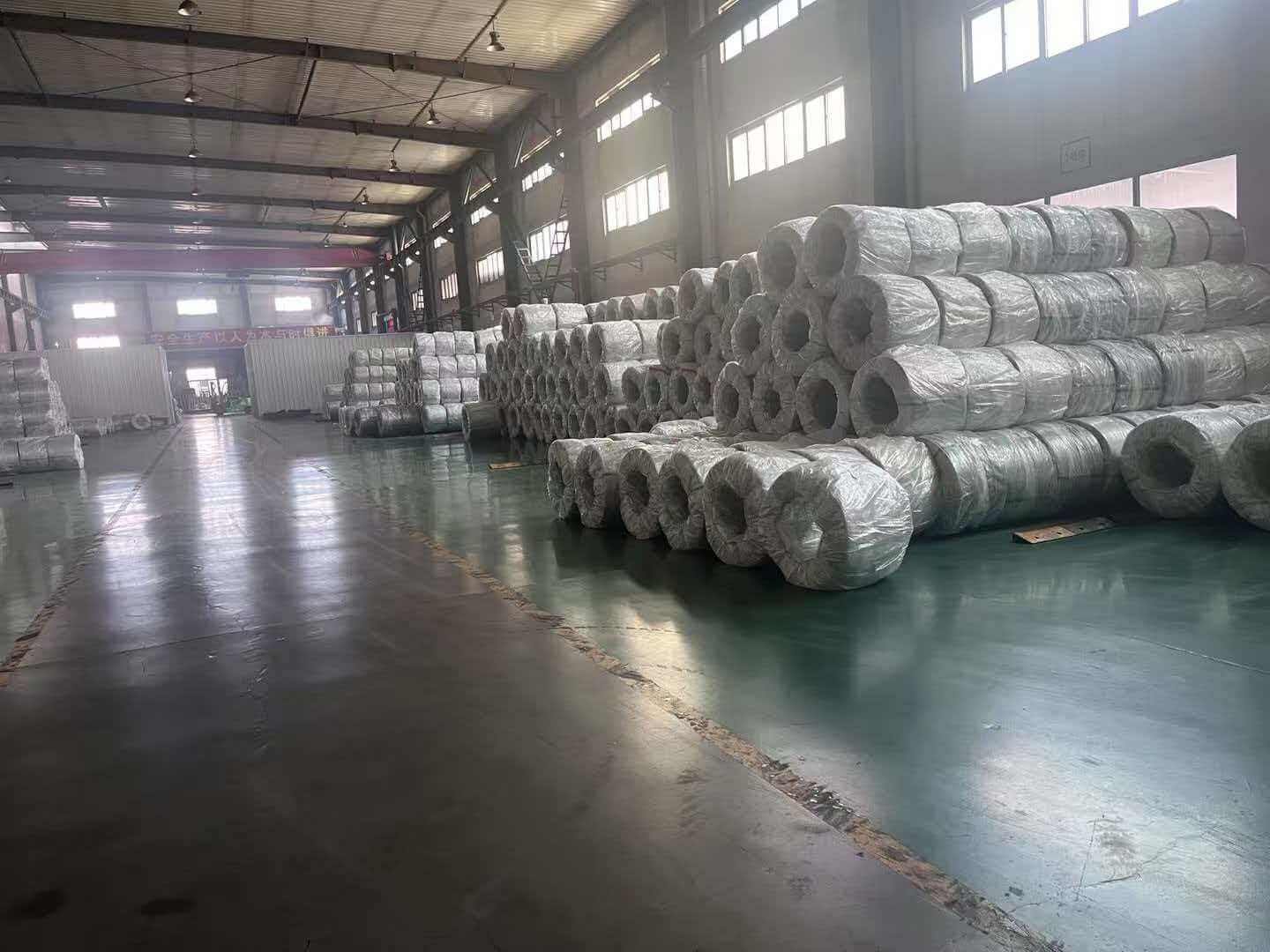
The Three Pillars of Quality Binding Wire
Let me break down each specification and why it matters in real construction scenarios:
Zinc Coating Thickness (40-50g/m²)
The zinc layer protects steel wire from oxidation. Zambia's climate — alternating rainy seasons with high humidity and dry seasons with dust — accelerates corrosion on unprotected steel. International standards (ASTM A641 and EN 10244-2) specify minimum zinc coating for outdoor construction use.
When coating thickness drops below 40g/m², the protection becomes inconsistent. I've tested wire from local traders that measured only 20-28g/m² — barely a thin flash coating. Within six months of exposure to Lusaka weather, rust patches appear at binding points, compromising the rebar connection.
Tensile Strength (350-550 MPa)
Binding wire needs enough strength to hold rebar firmly in position during concrete pouring, yet remain pliable enough for workers to twist by hand. Too soft, and the ties loosen under the weight of concrete. Too hard, and the wire breaks during installation, frustrating workers and slowing productivity.
The 350-550 MPa range hits the sweet spot. Wire in this range typically has 1-2% elongation at break, allowing workers to make tight twists without snapping the wire. I've seen contractors waste hours redoing broken ties when they unknowingly bought wire with tensile strength above 600 MPa — technically "stronger" but practically useless for hand-tying applications.
Diameter Consistency (±0.05mm tolerance)
This sounds technical, but it has immediate practical impact. When wire diameter varies significantly within a coil, some sections become too thin to hold properly, while thick sections resist bending. Workers instinctively notice this inconsistency — they spend extra time fighting with material that doesn't behave predictably.
Quality factories maintain tight diameter control through calibrated drawing dies and regular measurement. When I visit production facilities, I always check their quality control records. Factories that can show consistent diameter measurements across multiple test points are producing wire that will work smoothly on your construction site.
| Specification | International Standard | Why It Matters | Common Failure Point |
|---|---|---|---|
| Zinc Coating | 40-50g/m² (ASTM A641) | Corrosion protection in tropical climate | Suppliers using 20-30g/m² flash coating |
| Tensile Strength | 350-550 MPa | Balance of strength and workability | Wire too hard (>600 MPa) breaks during tying |
| Diameter Tolerance | ±0.05mm | Consistent installation experience | Poor quality control creates thick/thin spots |
| Surface Finish | Smooth, no pits | Prevents hand injuries and wire breakage | Rough surface from corroded wire rod |
How Zambian Climate Accelerates Material Degradation
Lusaka sits at 1,200+ meters elevation with distinct wet and dry seasons. This creates a challenging environment for construction materials:
- November-March wet season: High humidity (70-80%) keeps metal surfaces damp, accelerating electrochemical corrosion
- April-October dry season: Dust and temperature swings create surface abrasion and thermal expansion/contraction cycles
- Ultraviolet (UV) exposure: Strong equatorial sunlight degrades organic coatings and heats metal surfaces
Standard annealed black wire — uncoated soft iron wire — develops visible rust within 2-3 weeks if stored outdoors in Lusaka. Even when encased in concrete, moisture ingress at cracks or joints can reach binding points tied with low-quality wire.
Galvanized binding wire with proper zinc thickness creates a sacrificial barrier. Even if the surface gets scratched during installation, the surrounding zinc corrodes first, protecting the steel core underneath. This is why structural engineers specify minimum zinc coating — it's a calculated buffer against long-term corrosion in Zambian conditions.
Why Did Mulenga's "Galvanized" Wire Fail Mid-Project?
In October 2025, builder Mulenga started construction on a six-story commercial complex in Lusaka. The structural engineer's drawings specified clearly: "All reinforcement binding points must use galvanized binding wire, zinc coating ≥40g/m²."
Mulenga purchased what appeared to be galvanized binding wire from a local materials trader at $920 per ton — about 15% below typical market price. By the third floor, the project supervisor noticed rust stains appearing at binding points. Laboratory testing revealed zinc coating thickness of only 25g/m², far below design requirements. With the ground floor already poured and structural steel in place, the rework cost exceeded $30,000 plus a one-month schedule delay.
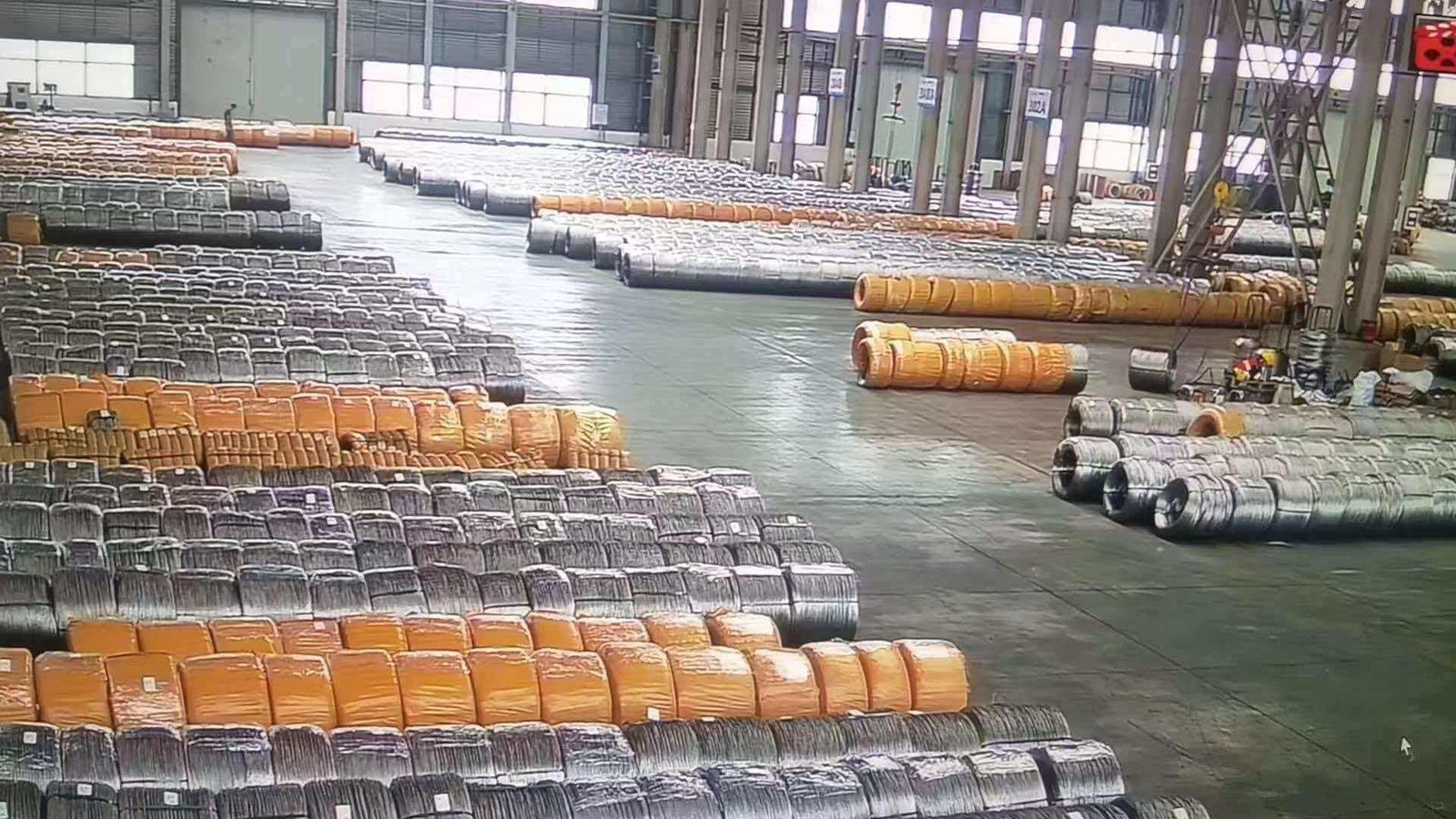
The Warning Signs That Were Missed
Looking back at Mulenga's purchase decision, several red flags should have raised concerns:
Price Substantially Below Market Average
Genuine galvanized binding wire with 40-50g/m² zinc coating costs $1,050-1,150 per ton Free On Board (FOB) China, depending on order quantity. After shipping to Lusaka (approximately $200-250 per ton to Dar es Salaam plus inland transport), clearing costs, and trader margins, the realistic landed price should be $1,400-1,600 per ton.
At $920 per ton, Mulenga's supplier was either selling at a loss (unlikely) or offering material that didn't meet specifications. The price gap of $500+ per ton should have triggered questions about coating thickness or base material quality.
No Material Test Certificate (MTC) Provided
Professional wire manufacturers provide an MTC with every shipment, showing:
- Chemical composition of wire rod (carbon content, trace elements)
- Mechanical properties (tensile strength, elongation, hardness)
- Zinc coating thickness (measured per ASTM B6 or EN ISO 1460)
- Production batch number and date
Mulenga's supplier handed over wire with only a handwritten receipt. No factory documentation, no test results, no traceability. This is standard practice for traders who repackage substandard material or mix lower grades to hit a price point.
Visual Appearance Differences
Workers on site noticed the wire looked slightly duller than material used on previous projects, with some coils showing yellowish patches rather than the consistent bright silver-gray of hot-dip galvanizing. These yellow patches indicate insufficient zinc coating or oxidation already starting on thin-coated areas.
Quality galvanized binding wire has a characteristic "spangled" surface pattern — the crystalline structure of zinc solidifying on hot steel creates visible geometric patterns. Flash-coated wire or electro-galvanized wire (which uses much thinner zinc layers) has a more uniform, less distinctive appearance.
What Laboratory Testing Revealed
After the rust appearance, Mulenga sent samples to a materials testing lab in Lusaka. The results confirmed his worst suspicions:
| Test Parameter | Specification Requirement | Test Result | Pass/Fail |
|---|---|---|---|
| Zinc Coating Thickness | ≥40g/m² | 25g/m² | FAIL |
| Coating Adhesion | No peeling under bend test | Zinc flaked at 180° bend | FAIL |
| Tensile Strength | 350-550 MPa | 420 MPa | Pass |
| Diameter | 1.60mm ±0.05mm | 1.58-1.62mm | Pass |
The zinc coating was barely half the required thickness. Even worse, adhesion testing showed the thin coating wasn't properly bonded to the wire — it flaked off when bent sharply, meaning it would degrade rapidly during installation and service.
This explained the rust appearance. The thin coating had worn through at binding points where workers twisted the wire tightly around rebar intersections. Once exposed to moisture from rain and humidity, the underlying steel oxidized quickly.
The True Cost of Substandard Material
Mulenga faced several compounding problems:
Structural Compliance: The engineer's specifications weren't arbitrary — they were based on structural calculations for long-term durability. Using wire that didn't meet spec meant the building technically didn't comply with approved drawings. This created potential liability issues if future inspections caught the discrepancy.
Demolition and Rework: All reinforcement cages tied with substandard wire needed replacement before concrete pouring. For areas already poured (ground floor), the structural engineer required additional testing to verify that embedded binding points hadn't compromised rebar placement. Some sections required concrete removal to inspect and replace corroded ties.
Schedule Impact: The month-long delay triggered penalty clauses in Mulenga's contract with the property owner — $500 per day for the first 30 days of delay. This added $15,000 to his direct costs from the wire failure.
Reputation Damage: Word travels fast in Lusaka's construction community. News that Mulenga's project had material failures affected his ability to bid competitively on subsequent projects, as clients and engineers questioned his quality control processes.
Adding up direct rework costs ($30,000+), schedule penalties ($15,000), and additional testing/inspection fees ($5,000+), the total damage from choosing $920/ton wire over properly specified $1,500/ton material exceeded $50,000 — nearly four times the initial savings on the material purchase.
How to Verify Binding Wire Quality Before Purchase?
After experiencing Mulenga's project nightmare, many Zambian builders ask me the same question: "How do I know what I'm actually buying?" You shouldn't need to wait for rust stains or laboratory tests to discover material problems.
Reliable quality verification involves three practical steps: requesting the factory Material Test Certificate (MTC) before purchase, checking that the MTC batch number matches markings on the coils you receive, and conducting simple field tests for coating thickness and wire workability. These verification steps take less than 30 minutes but can prevent project disasters worth tens of thousands of dollars.
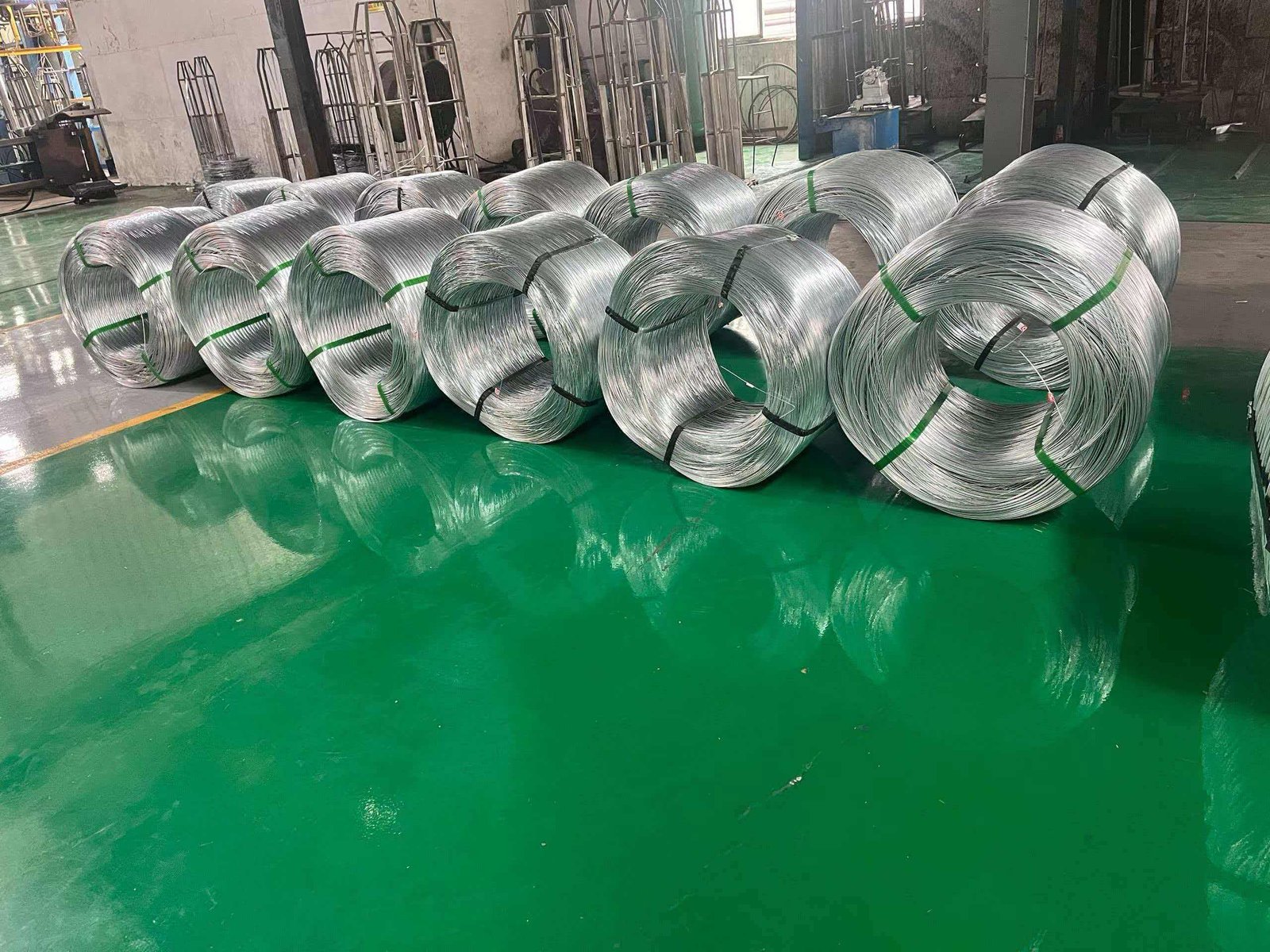
Step 1: Request and Review the Material Test Certificate
Every professional wire factory produces an MTC for each production batch. This document — sometimes called a Mill Test Report or Quality Certificate — should contain:
Required Information on a Valid MTC:
- Factory name, address, and production license number
- Product specification (diameter, coating type, standard reference)
- Production batch number and date
- Chemical composition of wire rod (% carbon, manganese, silicon, sulfur, phosphorus)
- Mechanical test results (tensile strength, elongation, hardness)
- Zinc coating thickness (weight per unit area, measured per standard method)
- Authorized signature and factory quality seal
Ask your supplier for the MTC before placing an order, not after delivery. If they claim the material is in stock but can't produce an MTC, they're either dropshipping from unknown sources or can't verify what they're selling.
When I supply binding wire to Zambian contractors, I send the MTC as a PDF attachment with my quotation. The batch number on the MTC matches the production label on each coil. This gives buyers confidence they're getting exactly what's documented.
Red Flags in MTCs:
- Generic format with no factory letterhead or official seal
- Test values that are suspiciously rounded (e.g., exactly 400 MPa, exactly 45g/m²)
- Missing batch numbers or production dates
- Photocopied documents with no original factory signature
- MTCs showing the same values across multiple shipments (real production has natural variation)
If the MTC looks questionable, request the factory contact information and verify directly. Legitimate factories welcome inquiries from end customers — it helps them monitor whether their authorized distributors are representing their products honestly.
Step 2: Match Physical Markings to Documentation
Quality wire manufacturers mark their coils with production information. When the shipment arrives, check that physical markings correspond to the MTC batch number.
Look for:
- Paper tags or plastic bands attached to each coil
- Batch/lot number printed or stamped on the tag
- Production date (month/year at minimum)
- Factory name or brand mark
- Wire specifications (diameter, coating type)
Cross-reference these markings against your MTC. If the batch numbers don't match, you might have received wire from a different production run — potentially with different quality characteristics than what was tested.
I've seen cases where traders substitute lower-grade coils during delivery, gambling that builders won't check markings carefully. One simple verification step prevents this switch.
Step 3: Conduct Basic Field Tests
You don't need laboratory equipment to catch obvious quality issues. Three simple tests reveal major problems:
Visual Coating Inspection Examine the wire surface under good lighting. Quality galvanized wire shows:
- Consistent silver-gray color across the entire coil
- Spangled crystalline pattern (from hot-dip galvanizing)
- Smooth surface without pits, rough patches, or yellow-brown oxidation
- Even coating at wire ends when you cut a sample
If you see dull gray areas, flaking coating, or rust-colored spots, the zinc layer is either too thin or poorly adhered.
Bend Test for Coating Adhesion Take a 30cm sample and bend it 180° around a rod approximately 5x the wire diameter (for 1.6mm wire, use an 8mm rod). Quality galvanized coating should not crack or peel at the bend point. You may see slight dulling from stress, but the zinc should remain bonded to the steel.
If coating flakes off as white or gray powder, adhesion is poor — this wire will lose its protective layer during installation and service.
Twist Test for Workability Ask a worker to twist a sample around a piece of rebar, simulating actual installation. The wire should:
- Twist smoothly without excessive force
- Hold the twist without springing back
- Not break or crack during twisting
Wire that's too hard will break (tensile strength too high). Wire that's too soft will slip and not hold rebar firmly (tensile strength too low or over-annealed).
These field tests won't give you precise numerical results, but they'll catch the most common defects: thin coating, poor adhesion, and incorrect strength. If material fails any of these simple tests, reject the shipment and demand properly specified wire.
Step 4: Keep Records for Traceability
Create a simple spreadsheet tracking each wire purchase:
| Date | Supplier | Quantity | Price/Ton | Batch Number | MTC Received? | Visual Test | Project Used |
|---|
This documentation serves several purposes:
- Helps you track which suppliers consistently deliver quality material
- Provides evidence if you need to make warranty claims or reject shipments
- Demonstrates your quality control process if engineers or inspectors question material origins
- Lets you benchmark prices against specifications (preventing the mistake Mulenga made)
I recommend taking a few photos of coil labels and wire appearance for each shipment. Phone photos are sufficient — just capture the batch number tag and a close-up of the wire surface. These visual records help if quality disputes arise later.
We provide full MTC (Mill Test Certificate) and Certificate of Origin with every shipment. We offer a full range of construction binding wire for African projects, including galvanized iron wire, black annealed iron wire, and 201 stainless steel wire, with mix container loading supported. If you are sourcing construction binding wire for Zambia or any African market, we are happy to provide a specification-based quotation. Contact us via WhatsApp: +86 15383180672.
FAQ: Quality Binding Wire for Zambian Construction Projects
Q1: What is the minimum zinc coating thickness required for binding wire used in Lusaka construction?
A1: For reliable performance in Zambia's climate, galvanized binding wire should have zinc coating of 40-50g/m² per ASTM A641 or EN 10244-2 standards. Wire with only 20-28g/m² (common in substandard imports) will start rusting within months of exposure to Lusaka's rainy season humidity. The coating protects the steel core through sacrificial corrosion — the zinc corrodes first, shielding the steel underneath.
Q2: How can I verify that the binding wire I'm purchasing actually meets specifications?
A2: Follow three verification steps: (1) request the factory Material Test Certificate (MTC) before purchase and confirm it shows actual test values (not just "pass/fail"), (2) check that batch numbers on MTC match physical markings on delivered coils, and (3) conduct simple field tests — visual inspection for consistent coating, bend test to check coating adhesion, and twist test to verify workability. These steps take 30 minutes but can prevent costly quality failures.
Q3: What happened to the builder who used substandard galvanized binding wire in Lusaka?
A3: Builder Mulenga purchased wire at $920/ton that was marketed as "galvanized" but tested at only 25g/m² zinc coating — well below the 40g/m² required by his structural engineer. Rust appeared at binding points during construction, triggering rework, demolition of completed sections, schedule delays, and penalty fees. Total damage exceeded $50,000 — nearly four times the initial savings from buying cheaper material. The project faced a one-month delay and cost overruns that threatened his business.
Q4: What tensile strength should construction-grade binding wire have, and why does it matter?
A4: Construction-grade binding wire should have tensile strength between 350-550 Megapascals (MPa). This range provides the optimal balance: strong enough to hold rebar firmly during concrete pouring, yet pliable enough for workers to twist by hand without breaking. Wire above 600 MPa is too hard and breaks during installation, while wire below 300 MPa is too soft and won't hold rebar securely. Both extremes cause productivity losses and potential structural issues.