


High material costs are a constant headache for big projects. You worry about budgets, but a key material is about to get cheaper. What does this mean for you?
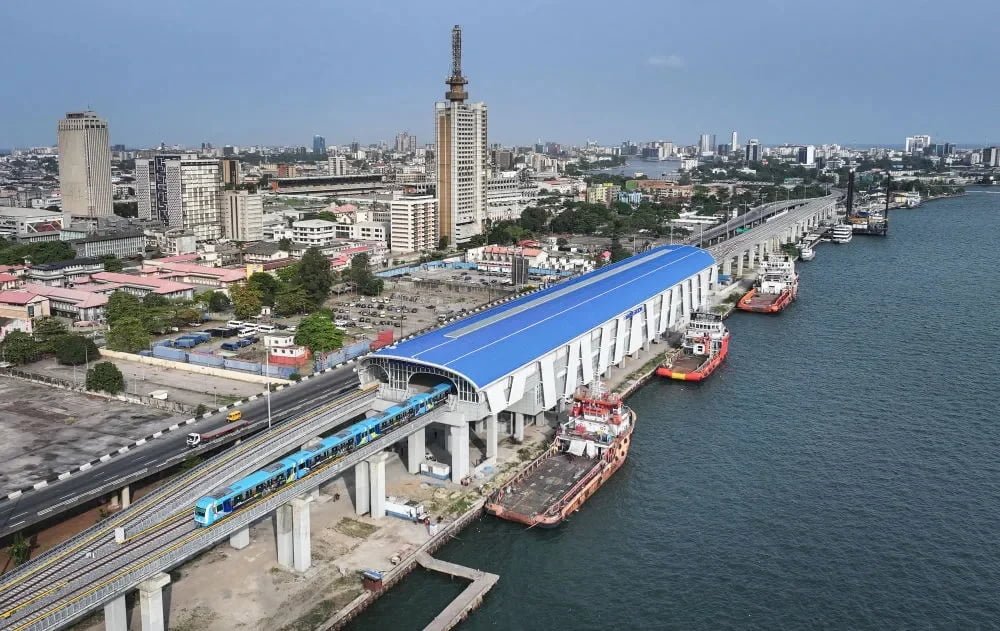
Yes, forecasts show stainless steel prices stabilizing or dropping in 2026. This is a huge opportunity for African infrastructure. Using cost-effective 201 stainless steel wire can slash project costs without sacrificing quality, making more projects financially possible.
I've been in the wire mesh business for over 25 years, and I always keep a close eye on global material prices. Recently, I've seen some exciting trends that could be a game-changer for project developers, especially in Africa. It reminds me of a conversation I had not long ago that really brought this opportunity to life. This shift isn't just a number on a chart; it's about making real-world projects happen that might have been impossible before. I believe that by understanding these trends, we can unlock significant potential and build a stronger future together.
How Can You Leverage Price Trends to Unlock New African Infrastructure Opportunities?
You see market trends, but turning them into actual savings is tough. Missing this chance means your project's budget could be in trouble. But there's a simple strategy.
Focus on cost-effective materials like 201 stainless steel. Check if it fits your project's needs. Work with a supplier who gives you real market insights and helps you use tax benefits. This turns price news into real money saved.
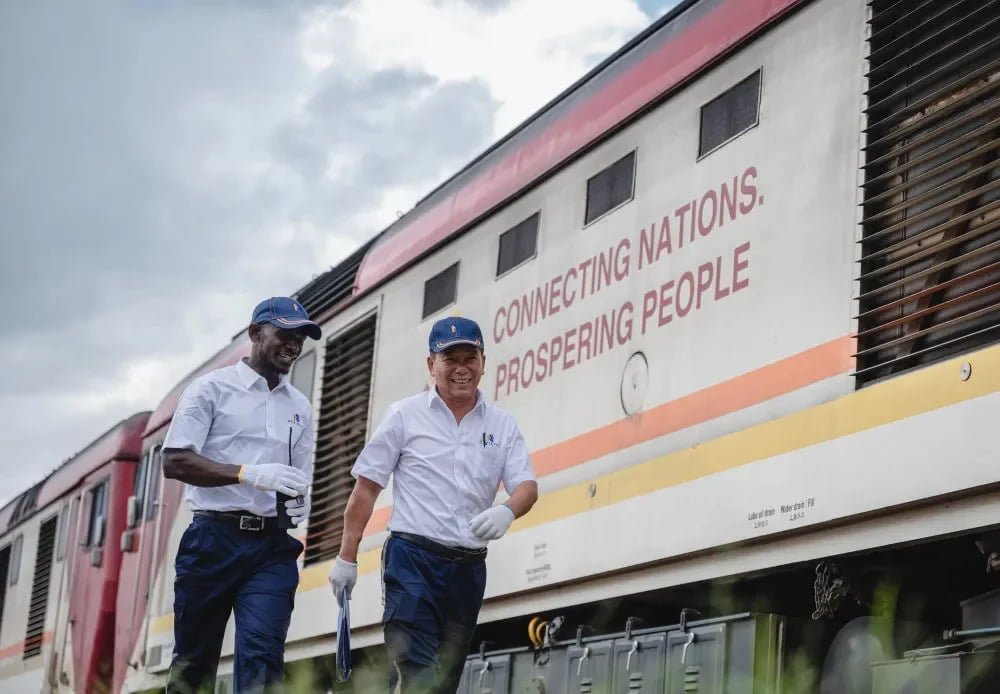
I remember it clearly. A long-time client from Ghana called me. He manages several large infrastructure projects and was worried about rising costs. He heard whispers that stainless steel prices might drop in 2026 and wanted to know if it was true. My team immediately looked into it. The data confirmed it: structural changes in the global steel industry and competition from new materials were pushing stainless steel prices down.
I explained that this was a golden opportunity. For his projects, like building fences and simple construction frames, our 201 stainless steel wire was a perfect fit. It's already more affordable than 304 or 316 grades, and the price drop made it even better. I also reminded him that with China's tax-free policies for many African imports, his final procurement cost would be even lower. He was thrilled. He adjusted his budget and increased his order for 201 stainless steel wire. This is how you turn a market trend into a real-world competitive advantage for your project.
| Feature Comparison | 201 Stainless Steel | 304 Stainless Steel |
|---|---|---|
| Cost | Lower | Higher |
| Corrosion Resistance | Good | Excellent |
| Best For | General construction, fences, indoor applications | Food processing, outdoor architecture, chemical tanks |
| Verdict for Africa Infra | Excellent value for many standard projects | Over-spec for some uses, driving up cost |
Is 201 Stainless Steel Reliable Enough for Major Infrastructure Projects?
You need materials that last. Choosing a cheaper option feels risky and could cause problems down the road. But what if affordable doesn't mean weak?
Yes, it is very reliable for the right applications. For things like fencing, simple frameworks, and decorative work, 201 stainless steel is a great choice. It's strong, easy to work with, and when made correctly, it's a durable and smart investment.
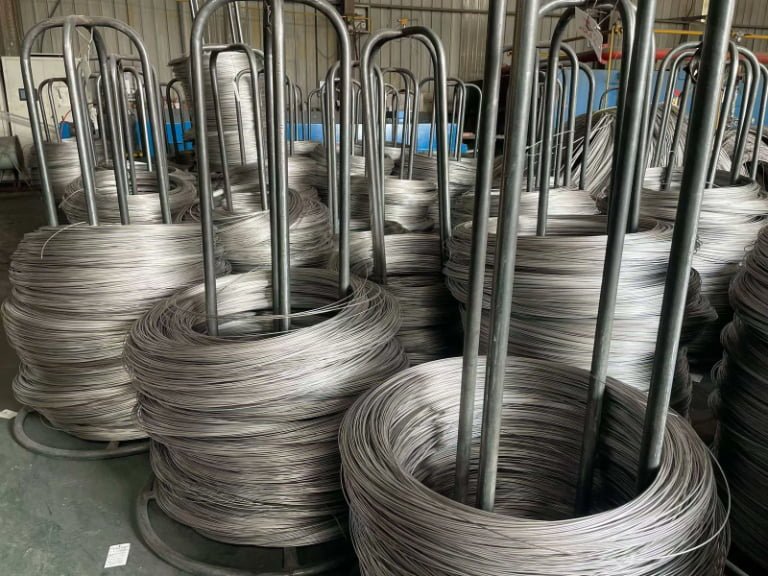
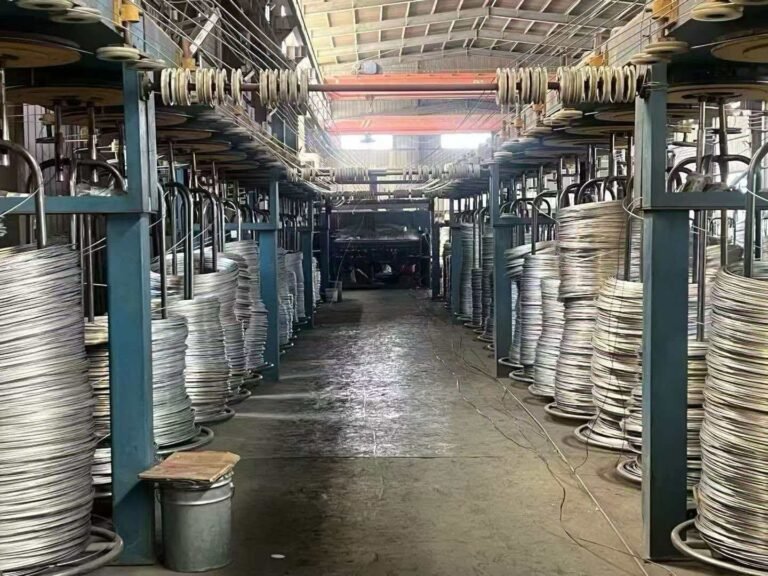
This is a question I get a lot, and it's a good one. The "201" in 201 stainless steel refers to its chemical makeup. It uses more manganese and nitrogen instead of the expensive nickel found in 304 grade. This smart substitution makes it more affordable, but it’s still a very tough and reliable material. At my factory, we ensure our 201 stainless steel wire has a tensile strength of at least 450MPa, which is more than strong enough for many structural and non-structural uses in construction. We also control the wire diameter to an extremely tight tolerance of ±0.01mm, so you know every meter you get is consistent and dependable.
Of course, the key is using it correctly. You wouldn't use 201 stainless steel for a project on the coast or in a chemical plant, where the extreme corrosion resistance of 316L grade is necessary. But for the vast majority of general infrastructure applications, it's perfect. The success of the project in Ghana is direct proof. The 201 wire performed beautifully, meeting all the project's strength and durability requirements. The cost savings it provided were what kept the entire project on track and within budget. Ultimately, it’s not about finding the most expensive material; it's about choosing the right material for the job.
| Stainless Steel Grade | Primary Use Case in Infrastructure | Key Benefit |
|---|---|---|
| 201 SS Wire | Fencing, concrete reinforcement, simple building frames | Best Cost-Performance |
| 304 SS Mesh | Architectural facades, filtration in non-harsh environments | Good Balance of Cost & Corrosion Resistance |
| 316L SS Mesh | Coastal infrastructure, water treatment, medical facilities | Maximum Corrosion Resistance |
Conclusion
The 2026 stainless steel price drop is a huge opportunity for African infrastructure. Choosing smart materials like 201 stainless steel helps projects succeed on budget and on schedule.