


Malawi's six-month rainy season tests every construction material. For contractors in Blantyre and beyond, choosing between galvanized and 201 stainless steel wire comes down to a simple equation: is the purchase price savings worth the rework costs later? A year-long comparison test gave one contractor a clear answer.
Chimwemwe ran a side-by-side comparison on his own project and changed his procurement strategy because of it. Buyers like him, who need verified performance data before making the switch, can find detailed specifications on our product page: https://mfgwiremesh.com/metal-wire/201-stainless-steel-wire/.
Struggling with material choices for construction in wet climates? Choosing the wrong wire can lead to rust and costly rework, turning initial savings into huge losses and project delays.
For construction in Malawi's rainy season, 201 stainless steel wire is more cost-effective than galvanized wire. Although its initial purchase price is higher, its superior rust resistance eliminates the expensive rework, labor costs, and project delay penalties commonly associated with rusted galvanized wire.
A story from a client recently reminded me just how important it is to look beyond the initial price tag. This isn't just theory; it's a real-world example from a contractor who put two common materials to the test in one of the toughest climates. His experience shows exactly what happens when you compare upfront cost to long-term value. Let's dive into his story and see what he discovered, because his lesson could save you a lot of money and headaches.
Why Does Galvanized Wire Seem Cheaper but Cost More in Malawi?
You see the low price of galvanized wire and think you're saving money on your project. But after one rainy season, rust appears, inspectors flag your work, and your budget is wrecked.
Galvanized wire fails because its thin zinc coating erodes quickly in Malawi's prolonged rain and high humidity. This exposes the steel core to moisture, leading to rapid rusting at critical joints. These failures result in expensive repairs that far exceed the initial cost savings.
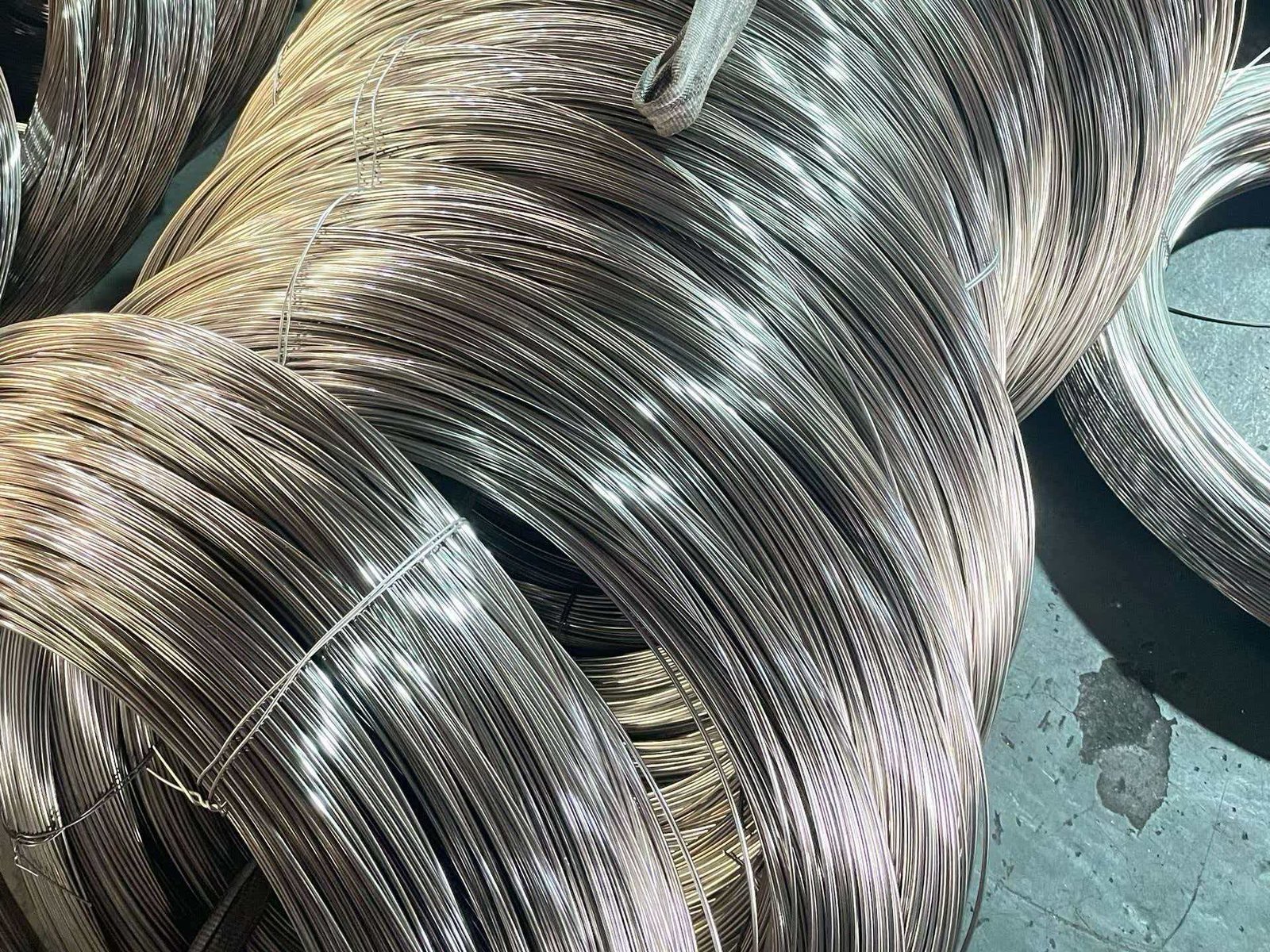
I was talking with Chimwemwe, a building contractor in Blantyre, about this exact problem. He told me about a test he ran last year. On one project, he used galvanized wire to tie the rebar for one building and 201 stainless steel wire for an identical building right next to it. After just one year, the difference was shocking. The building that used galvanized wire had rust stains bleeding through the concrete at the rebar joints. The climate in Blantyre is a major factor here. It has a long rainy season that lasts about six months, from November to April. It's also hot and very humid. This environment is extremely tough on metals. The protective zinc layer on his galvanized wire simply couldn't hold up. The project inspector saw the rust and refused to approve the work until proper rust treatment was done. This meant unexpected costs for rework and a delay in the project schedule.
Galvanized Wire: The Hidden Costs
| Cost Factor | Initial Expectation | Reality in Malawi's Climate |
|---|---|---|
| Purchase Price (per ton) | Low (approx. $800) | Low (approx. $800) |
| Performance | Adequate rust protection | Fails within one rainy season |
| Rework Costs | None | High (for rust treatment) |
| Project Delays | None | High risk of penalties |
| Final Cost | Low | Very High |
How Does 201 Stainless Steel Wire Guarantee Project Success in Wet Climates?
You worry about project deadlines and passing inspections, especially when the rainy season hits. A single material failure can cause a domino effect, damaging your reputation and eating into your profits.
201 stainless steel wire provides guaranteed success because it is inherently corrosion-resistant. Its chromium content forms a protective layer that stops rust, even in Malawi's six-month rainy season. This ensures structural integrity, avoids rework, and leads to smooth project approvals from the start.

Now let's look at the other building in Chimwemwe's experiment. The one where he used 201 stainless steel wire for tying rebar. After the same year and the same long rainy season, the results were completely different. He went back to inspect the joints and found them perfectly clean. There wasn't a single spot of rust. The building passed inspection on the first try with no issues. The key difference is in the material itself. Unlike galvanized wire, which relies on a thin outer coating, 201 stainless steel has chromium mixed into the steel. This chromium reacts with oxygen to form a tough, invisible layer that protects the entire wire from rust. It doesn't wear off. This experience completely changed Chimwemwe's strategy. He now specifies 201 stainless steel wire for all his projects, especially for critical structural points like beams, columns, and foundations. He said the peace of mind is worth far more than the initial cost difference.
How Do You Calculate the True Cost of Tying Wire Beyond the Price Tag?
Procurement often focuses only on the upfront purchase price to keep initial costs down. But this narrow view ignores hidden expenses like rework and maintenance that can destroy a project's budget.
To calculate the true cost, you must add the initial purchase price to all potential future expenses. This includes costs for rework, material replacement, labor for repairs, and financial penalties from project delays. When you do this, the "cheaper" material is often the most expensive.
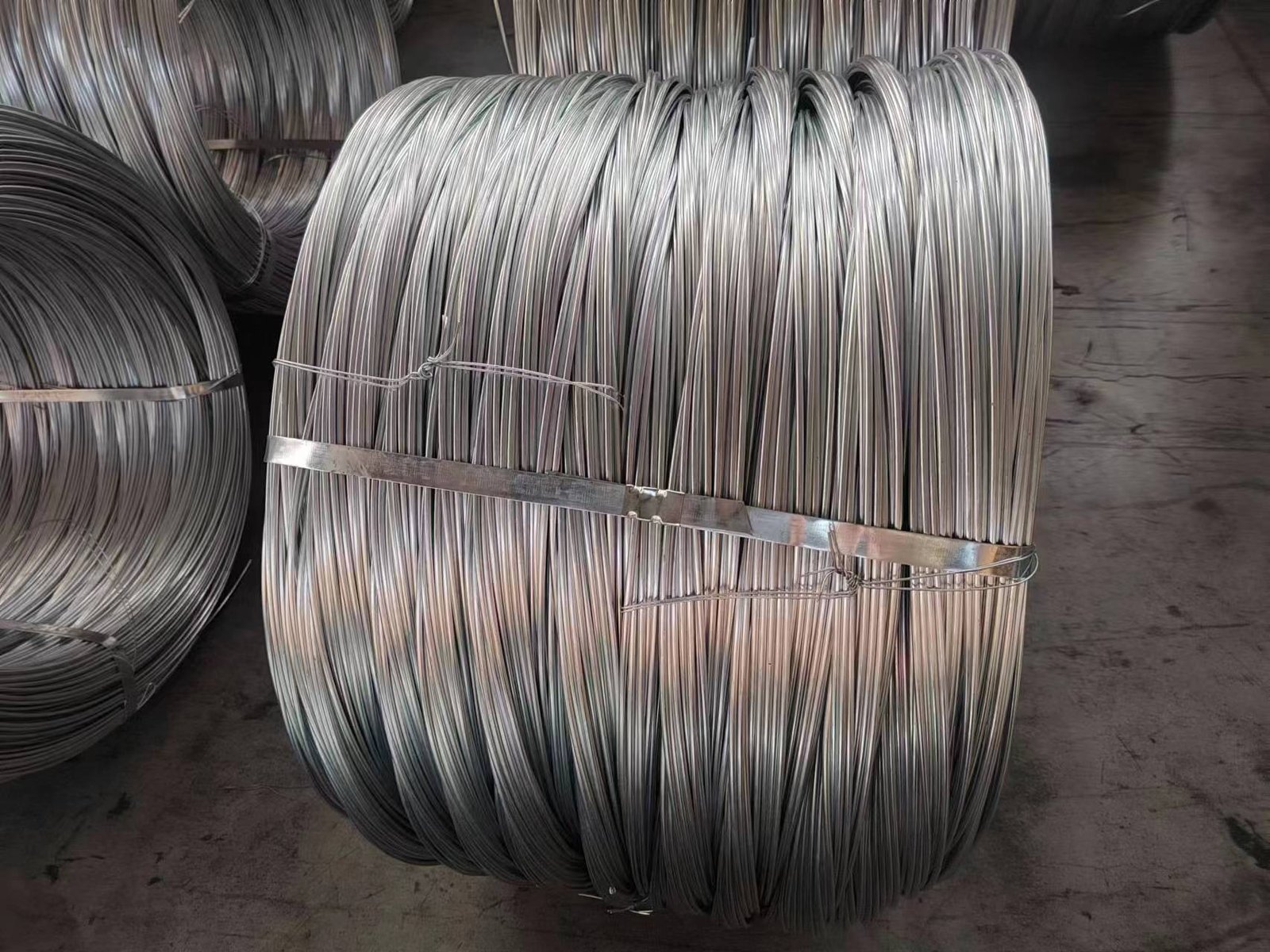
Chimwemwe did the math for me, and it was eye-opening. His galvanized wire cost about $800 per ton. The 201 stainless steel wire was about $1100 per ton, roughly 30% more expensive at purchase. If you only look at the invoice, the choice seems obvious. But that's not the full story. He had to add the cost of labor and materials to fix the rust on the galvanized wire building. He also faced potential penalties for delaying the project handover. When he added all those extra costs, the "cheaper" galvanized wire ended up being much more expensive. The 201 stainless steel wire, with its higher initial price, had zero extra costs. It worked perfectly the first time. This is what we call the "total life-cycle cost." Chimwemwe's story shows why it's the only number that matters. Last week, he sent me a new purchase order for a full 20-foot container of our 2.0mm and 1.5mm 201 stainless steel wire. He told me, "I don't have to worry about the rainy season anymore."
Total Life-Cycle Cost: A Real-World Example
| Cost Factor | Galvanized Wire | 201 Stainless Steel Wire |
|---|---|---|
| Initial Purchase Price (per ton) | ~$800 | ~$1100 |
| Rework & Repair Costs | +$500 (estimated) | +$0 |
| Delay Penalties | +$400 (estimated) | +$0 |
| Total Life-Cycle Cost (Illustrative) | ~$1700 | ~$1100 |
Conclusion
For construction in rainy climates like Malawi, choosing 201 stainless steel wire over galvanized wire isn't an expense. It's an investment that saves money and ensures project success.
Chimwemwe's comparison test lasted one year and produced a result he no longer debates. Read more Malawi construction insights on our blog https://mfgwiremesh.com/blog/ or reach out via https://mfgwiremesh.com/contact/.
If you are sourcing 201 stainless steel wire for Malawi or any Southern African market, we are happy to provide a specification-based quotation. Contact us via WhatsApp: +86 15383180672.
FAQ:
Q1: How does 201 stainless steel wire perform in Malawi's rainy seasons compared to galvanized wire? A1: In Chimwemwe's year-long comparison test in Blantyre, the building tied with 201 stainless steel wire showed zero rust spots at rebar nodes after the six-month rainy season, while the galvanized-tied building had visible rust penetration into the concrete surface. Blantyre's lower elevation means higher temperatures and humidity than Lilongwe, with the rainy season lasting from November to April. These conditions rapidly degrade zinc coating on galvanized wire but have minimal effect on the chromium-based rust resistance of 201 stainless steel.
Q2: What is the cost difference between galvanized and 201 stainless steel wire? A2: Galvanized wire costs approximately 800 dollars per ton at purchase, while 201 stainless steel wire costs approximately 1,100 dollars per ton. The purchase price gap is about 30 percent. However, Chimwemwe's real-world experience showed that galvanized wire generated additional costs for rust treatment rework, project delay penalties, and rebar replacement. These hidden costs made the total expenditure on galvanized wire higher than the full-cycle cost of 201 wire.
Q3: After switching to 201 stainless steel wire, which specifications does Chimwemwe now standardize on? A3: Chimwemwe now uses 2.0 millimeter for rebar tying at beam-column joints and foundation work, and 1.5 millimeter for fencing applications. These two specifications cover all his project needs. His latest order was a 20-foot container of these two specifications, and he reports that the peace of mind from not worrying about rust during the long rainy season outweighs any price difference.