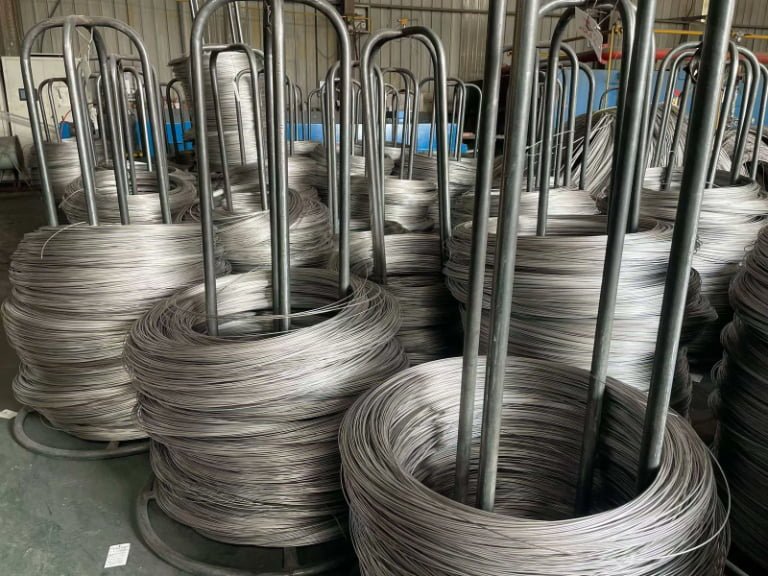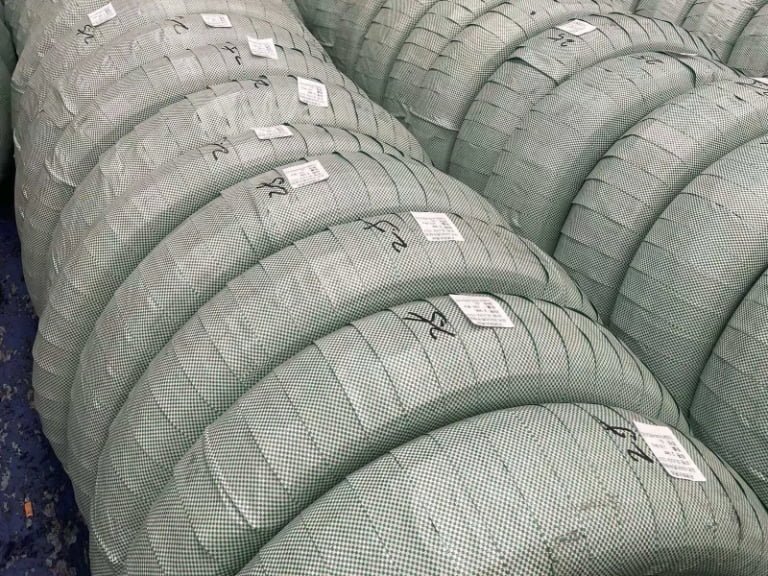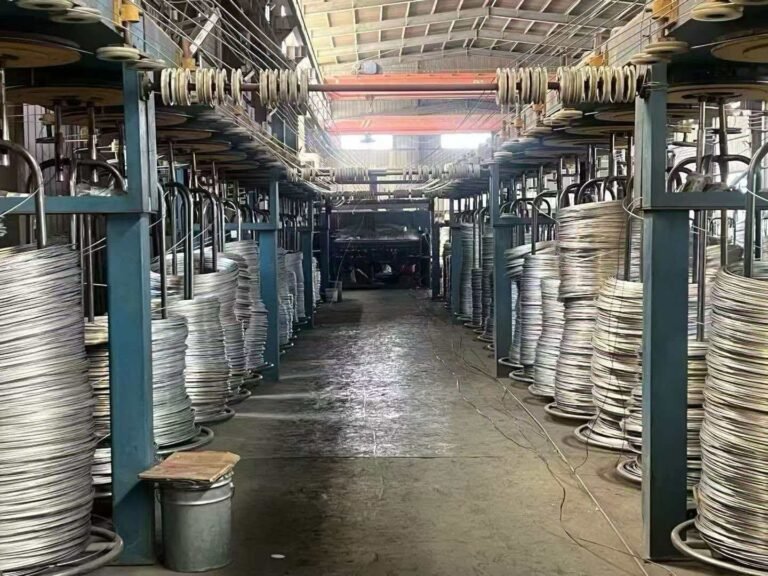



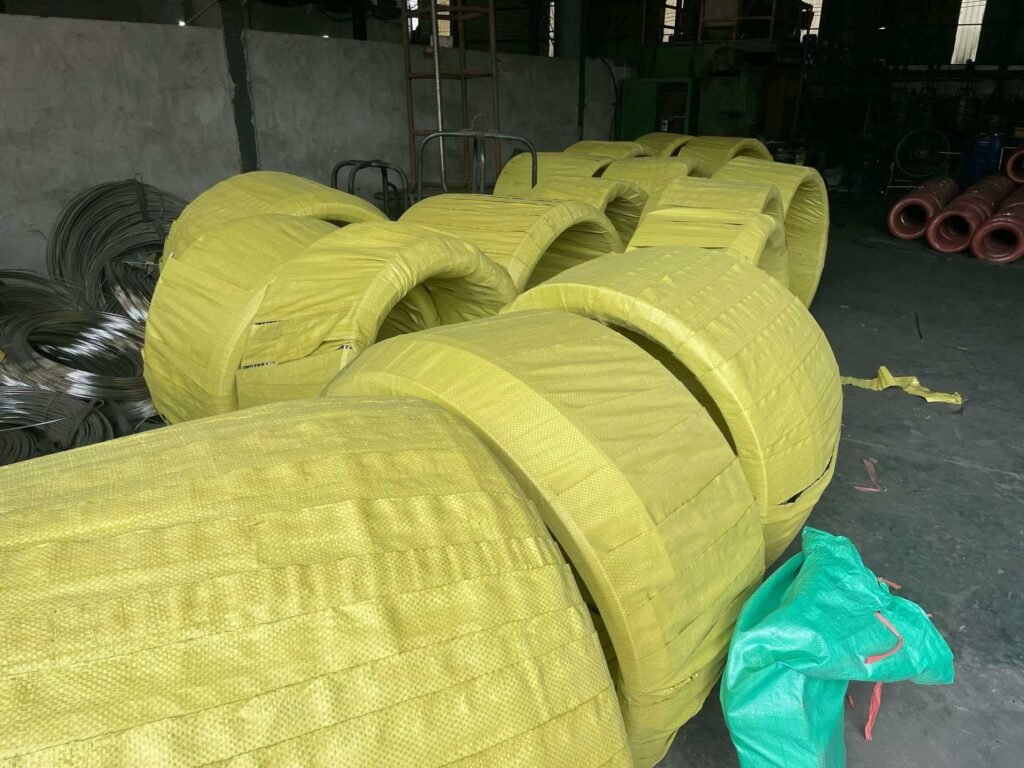
Uganda's construction market is undergoing a quiet but decisive shift. The contractor who once asked for the cheapest galvanized wire now calculates full-cycle costs before making a decision. Three factors are converging to make 201 stainless steel wire the new standard for serious builders. Here is what a Kampala contractor is seeing on his own projects.
Moses made the switch after a single costly experience with rust-related rework. Buyers like him, who need consistent quality and reliable supply for Uganda's growing construction sector, can find detailed specifications and ordering support on our product page: https://mfgwiremesh.com/metal-wire/201-stainless-steel-wire/.
Are project delays and rework costs from rusted tying wire hurting your profits? With Uganda's unpredictable weather, this common problem is becoming a major financial drain for many contractors.
Yes, 201 stainless steel wire is quickly becoming the new standard for smart contractors in Uganda. Its superior rust resistance prevents costly rework, eliminates material waste from spoilage, and ensures project quality, making it a more economical choice in the long run despite a higher upfront cost.
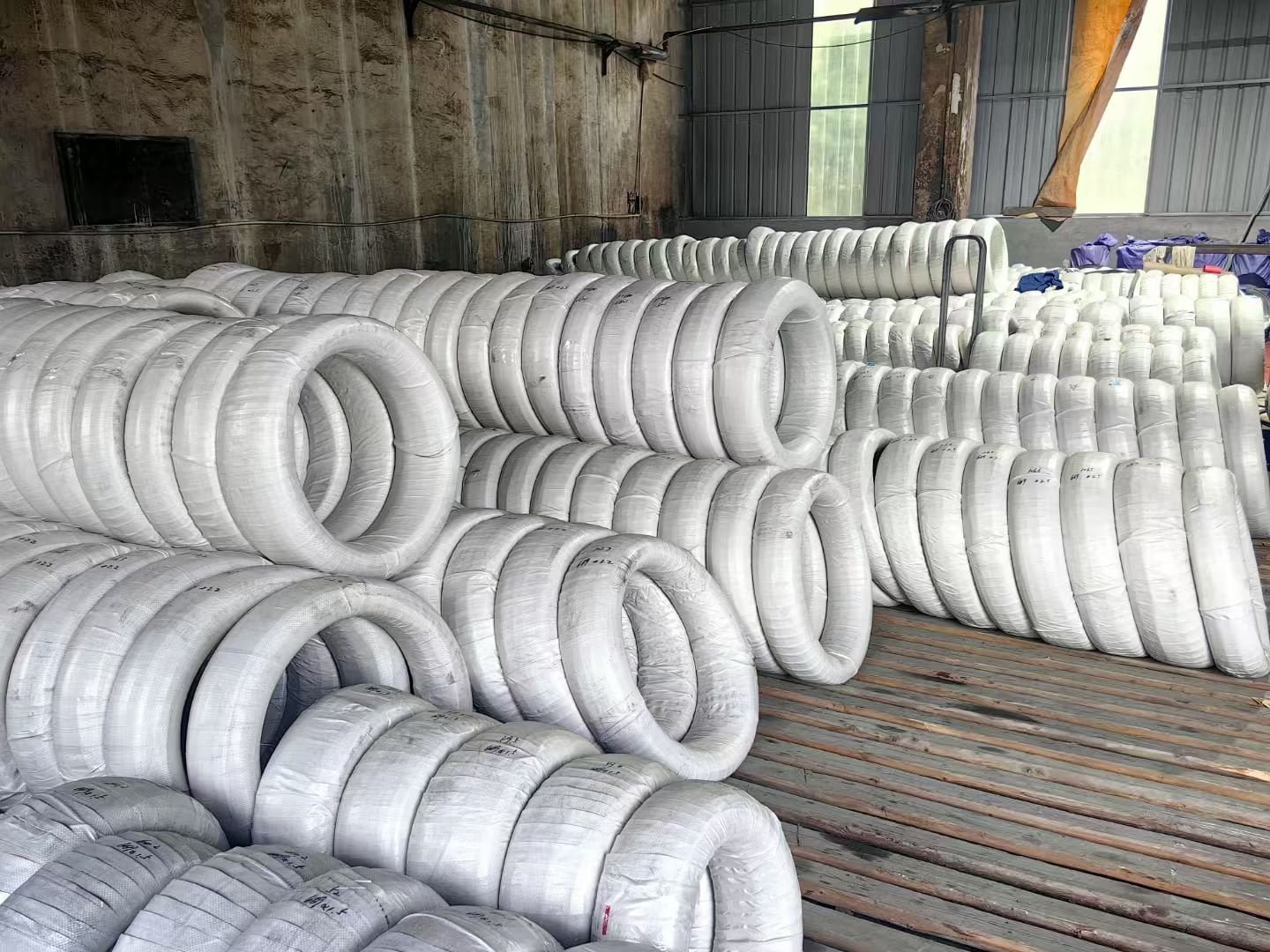
I've been in the wire mesh business for over 25 years, and I've seen trends come and go. But the shift I'm seeing in markets like Uganda isn't just a trend; it's a fundamental change in how contractors think about cost and quality. It's a story about moving from just looking at the price tag to understanding the total cost of a project. Let's look at why so many are making the switch.
Are You Losing Money by Choosing Cheaper Galvanized Wire?
You choose galvanized wire because the purchase price is low, trying to keep project costs down. But then rust appears on the rebar knots, forcing expensive rework and delaying your schedule.
Yes, sticking with cheaper galvanized wire can actually cost you more. Rework, project delays, and material spoilage due to rust often add up to far more than the initial savings. This makes 201 stainless steel wire the more profitable choice for the entire project lifecycle.
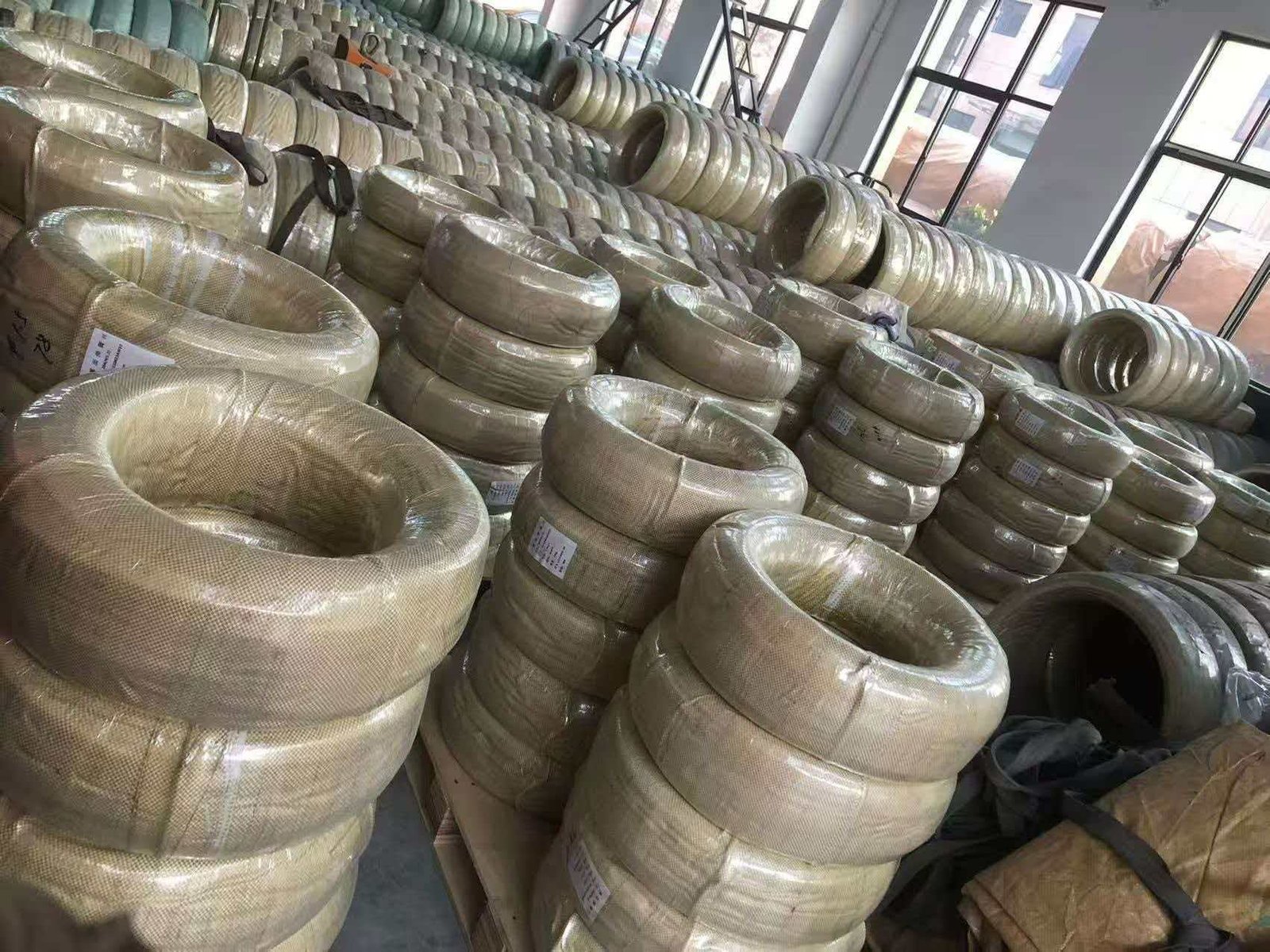
I recently spoke with a contractor in Kampala named Moses. He told me a story that perfectly explains this. Last year, he was building a shopping center, and he used standard galvanized wire to tie the rebar. Then the rainy season hit. Two floors of rebar nodes started showing rust stains that seeped through. The site supervisor demanded immediate rust treatment. The project was delayed by three weeks, and the rework cost him nearly five thousand US dollars. He told me, "If I had just used stainless steel wire from the beginning, I wouldn't have thrown that money away." This expensive lesson taught him to look beyond the initial purchase price and consider the total cost.
The Real Cost Calculation
Moses now sees the calculation differently. The small saving on galvanized wire created a huge financial risk.
| Factor | Galvanized Wire | 201 Stainless Steel Wire |
|---|---|---|
| Upfront Cost | Low | Moderate |
| Rework Risk | High | Very Low |
| Project Delays | High Risk | Low Risk |
| Lifecycle Cost | Unpredictable & Potentially High | Predictable & Lower |
Smart contractors like Moses are realizing that the "cheaper" option can be the most expensive one in the end.
Is Uganda's Changing Climate Making Your Materials Obsolete?
You have probably used galvanized wire for years without major problems. But now, the longer and more intense rainy seasons mean your stored wire is rusting before you even get to use it.
Yes, Uganda's increasingly unpredictable weather is making traditional materials like galvanized wire obsolete. The constant high humidity causes it to rust quickly, even in storage. This leads to major inventory losses and makes rust-proof alternatives like 201 stainless steel essential for business continuity.
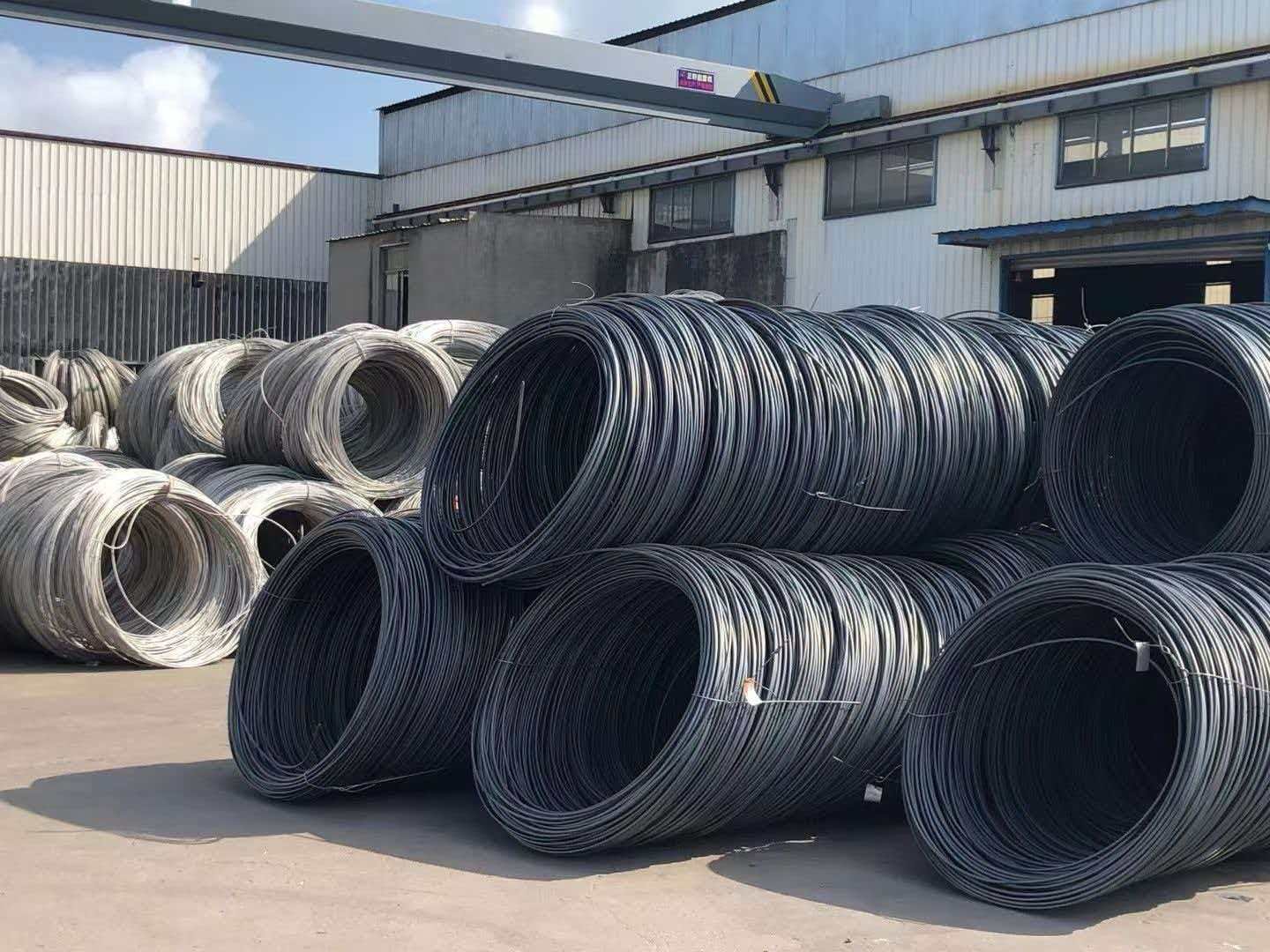
Moses also told me that in his five years as a contractor, the rainy seasons have become harder and harder to predict. The main rainy season from March to May seems longer. And the "short" rainy season from October to December is getting stronger. This means the air is heavy with moisture for more than half the year. This new reality has a direct impact on his materials. He found that galvanized wire stored in his warehouse would start showing white rust after just two months. Last year, he lost several hundred dollars worth of wire to this spoilage alone.
Fighting a Losing Battle with Humidity
This is a battle you can't win with galvanized wire. Its zinc coating offers limited protection in constantly damp conditions. However, 201 stainless steel is a different story. The chromium in the alloy forms a passive layer on the surface that naturally resists rust. It doesn't matter if you store it for months through the wettest season. When you are ready to use it, it's in perfect condition. This completely eliminates the cost of spoiled inventory and the stress of managing weather-sensitive materials. It’s about adapting your supply chain to the new climate reality.
Can Your Tying Wire Keep Up with Modern Construction Demands?
Your projects are getting bigger, and your clients are getting more demanding. The old ways of building are now causing new problems, like getting flagged for rust stains during final inspections.
No, traditional galvanized wire often can't meet the demands of modern construction in Uganda. On large, multi-story projects with long construction times, its low corrosion resistance is a major weakness. Combined with stricter client inspections, this makes a reliable material like 201 stainless steel a necessity.
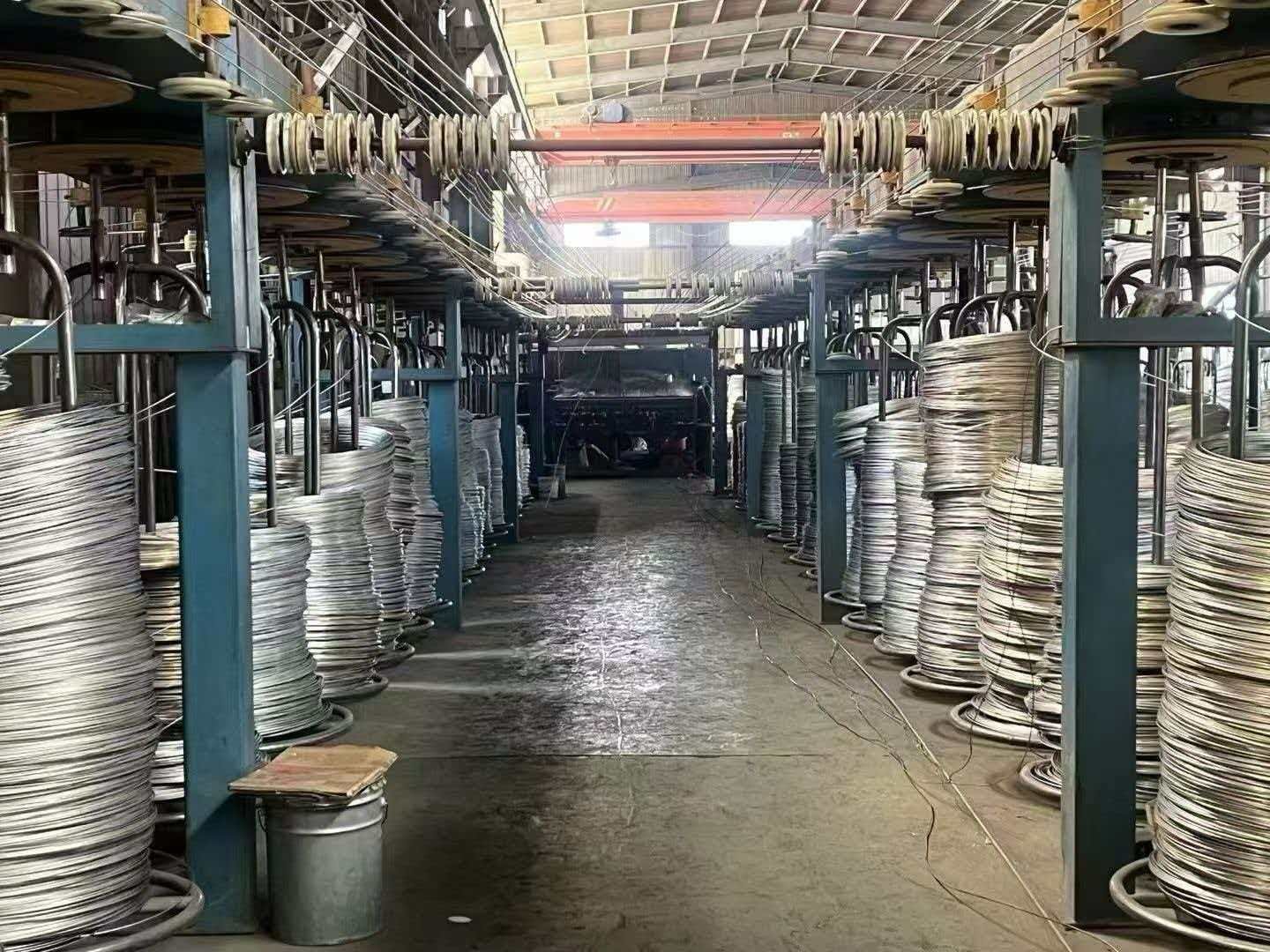
Moses pointed out two other big changes in his market. The first is project scale, and the second is client expectations. Both of these changes make galvanized wire a risky choice.
Bigger Projects, Higher Stakes
First, construction in Uganda is moving upward. The market is shifting from single-story houses to multi-story shopping malls, office buildings, and apartment complexes. These large concrete frame structures have long construction schedules. Rebar cages can sit exposed to the weather for months before the concrete is poured. Moses explained that galvanized wire simply can't last that long. It starts to rust well before the concrete pour, compromising the integrity of the tie and creating the potential for future problems.
The Rise of the Demanding Client
Second, clients are more informed than ever. Moses says his clients now hire professional supervisors for final acceptance. In the past, small issues like faint rust stains might have been ignored. Today, any sign of rust seeping through the finished walls goes directly onto the formal snag list. Fixing these cosmetic issues after the fact is expensive and damages a contractor's reputation. Using 201 stainless steel wire from the start isn't just about preventing rust; it's about delivering a defect-free project that meets modern quality standards. For Moses, it's about peace of mind. He now orders a 20-foot container of 2.0mm and 1.5mm 201 stainless wire every quarter. He says the feeling of not having to worry about the rain is worth much more than the small price difference.
Conclusion
Switching to 201 stainless steel wire is a smart business decision for modern Ugandan contractors. It protects profits, ensures quality, and provides peace of mind in any weather condition.
Moses now orders a 20-foot container every quarter and says switching to 201 stainless steel wire was the best procurement decision he has made in five years. Read more Uganda construction insights on our blog https://mfgwiremesh.com/blog/ or reach out via https://mfgwiremesh.com/contact/.
If you are sourcing 201 stainless steel wire for Uganda or any East African market, we are happy to provide a specification-based quotation. Contact us via WhatsApp: +86 15383180672.
FAQ:
Q1: Why are Uganda contractors switching from galvanized to 201 stainless steel wire? A1: Three factors are driving the shift. First, Uganda's rainy seasons are becoming longer and more unpredictable, causing galvanized wire to rust in warehouse storage before even reaching job sites. Second, project scale is increasing, with concrete frame structures now mainstream, exposing binding wire to outdoor conditions for months before concrete pouring. Third, clients are becoming more quality-conscious, with professional inspectors flagging rust stains on delivery. Moses switched after a single rust-related rework incident cost him nearly 5,000 dollars in additional expenses.
Q2: Is 201 stainless steel wire cost-effective for Uganda construction compared to galvanized wire? A2: Moses initially viewed 201 stainless steel wire as a premium option, but his cost calculation changed after experiencing rust-related rework. The purchase price of galvanized wire is lower, but when factoring in rework costs, project delays, and inventory losses from rainy season storage, the full-cycle cost of galvanized wire exceeds that of 201. Moses now views 201 as the sensible option rather than the expensive one, and he has eliminated all rust-related costs since switching.
Q3: What specifications does Moses now standardize on for his Uganda projects? A3: Moses now uses 2.0 millimeter for all structural rebar tying and 1.5 millimeter for fencing applications. These two specifications cover his full project needs, and he orders them in equal quantities every quarter. He says the peace of mind from not worrying about rust during construction is worth more than any price difference.