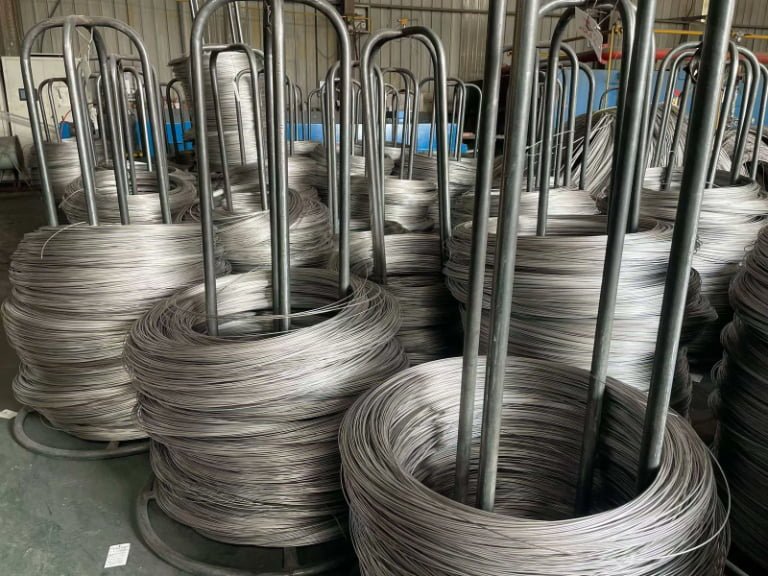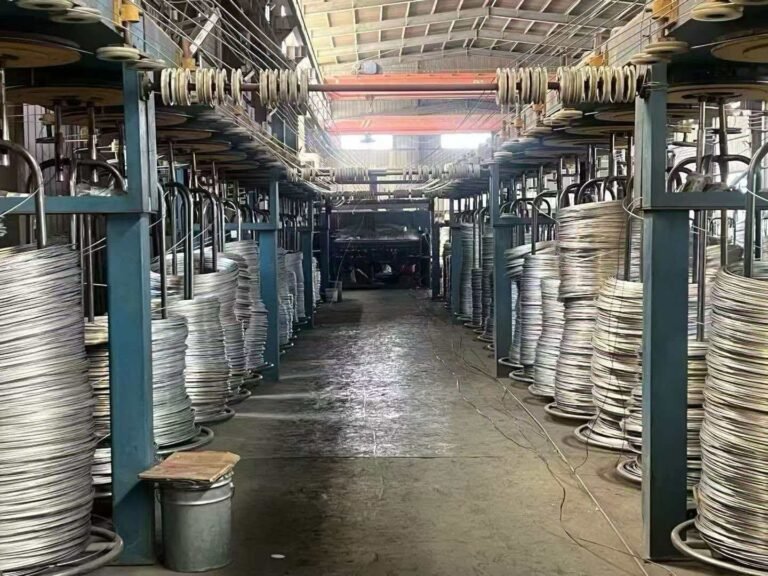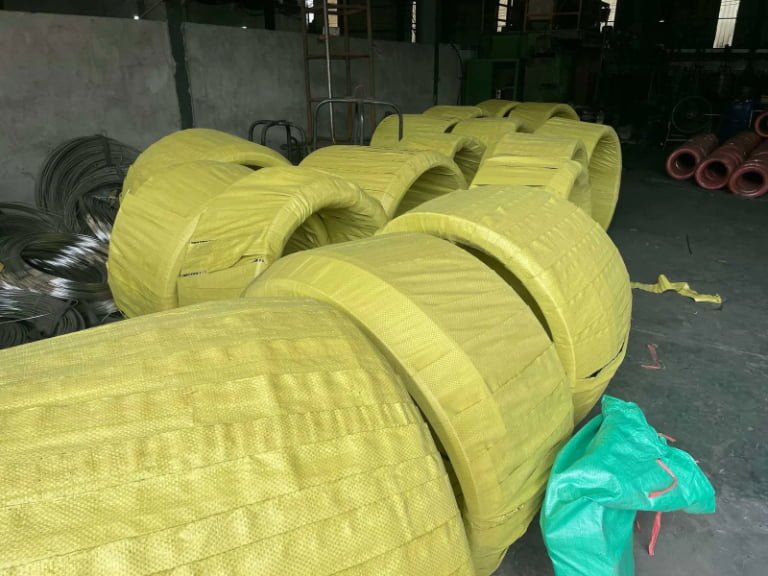



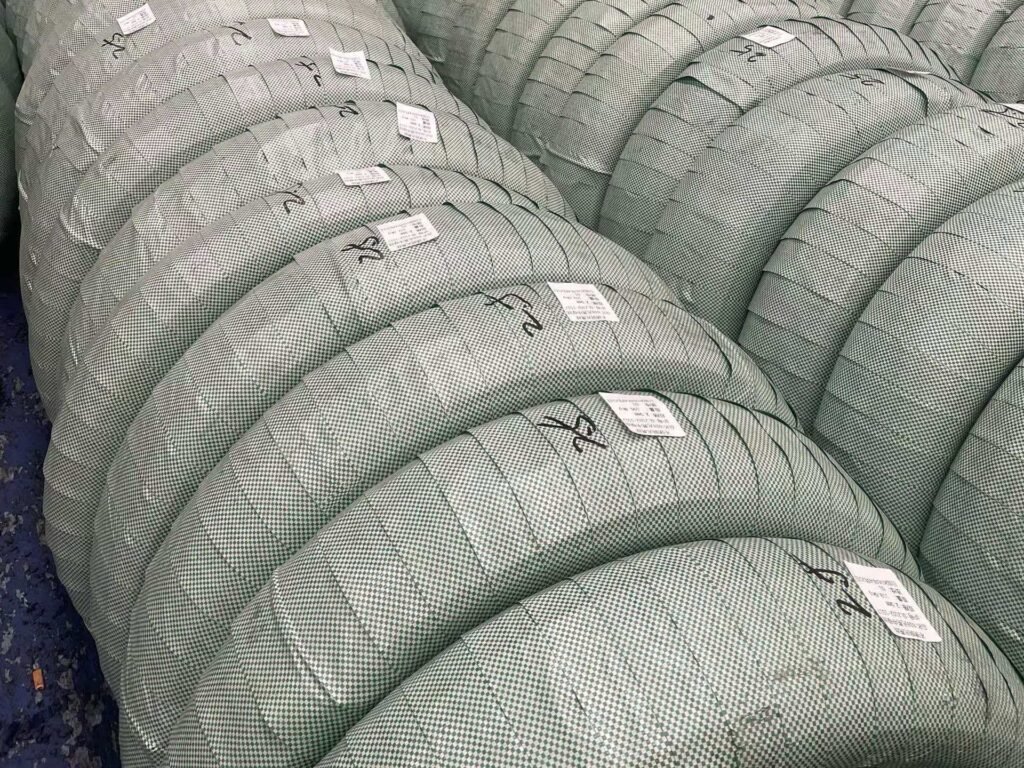
Zambia's position as Africa's second-largest copper producer makes its mining sector a concentrated and demanding market for 201 stainless steel wire. Processing plants with high humidity and trace chemical exposure, plus vast perimeter fencing needs, create applications where galvanized wire simply fails. Here is how one Kitwe supplier won his first mining client.
Mulenga had never supplied the mining sector before this inquiry. Buyers like him, who need application-specific guidance for demanding industrial environments, can find detailed specifications and technical support on our product page: https://mfgwiremesh.com/metal-wire/201-stainless-steel-wire/.
Struggling to find materials that last in Zambia's harsh mining conditions? The constant rust and repairs are expensive and frustrating. 201 stainless steel wire is your long-term, cost-effective solution.
Yes, 201 stainless steel wire is an excellent choice for Zambia's mining sector. Its unique properties make it ideal for two key applications: constructing humid processing plants and building durable perimeter fences, where its superior rust resistance and strength far outperform traditional materials.
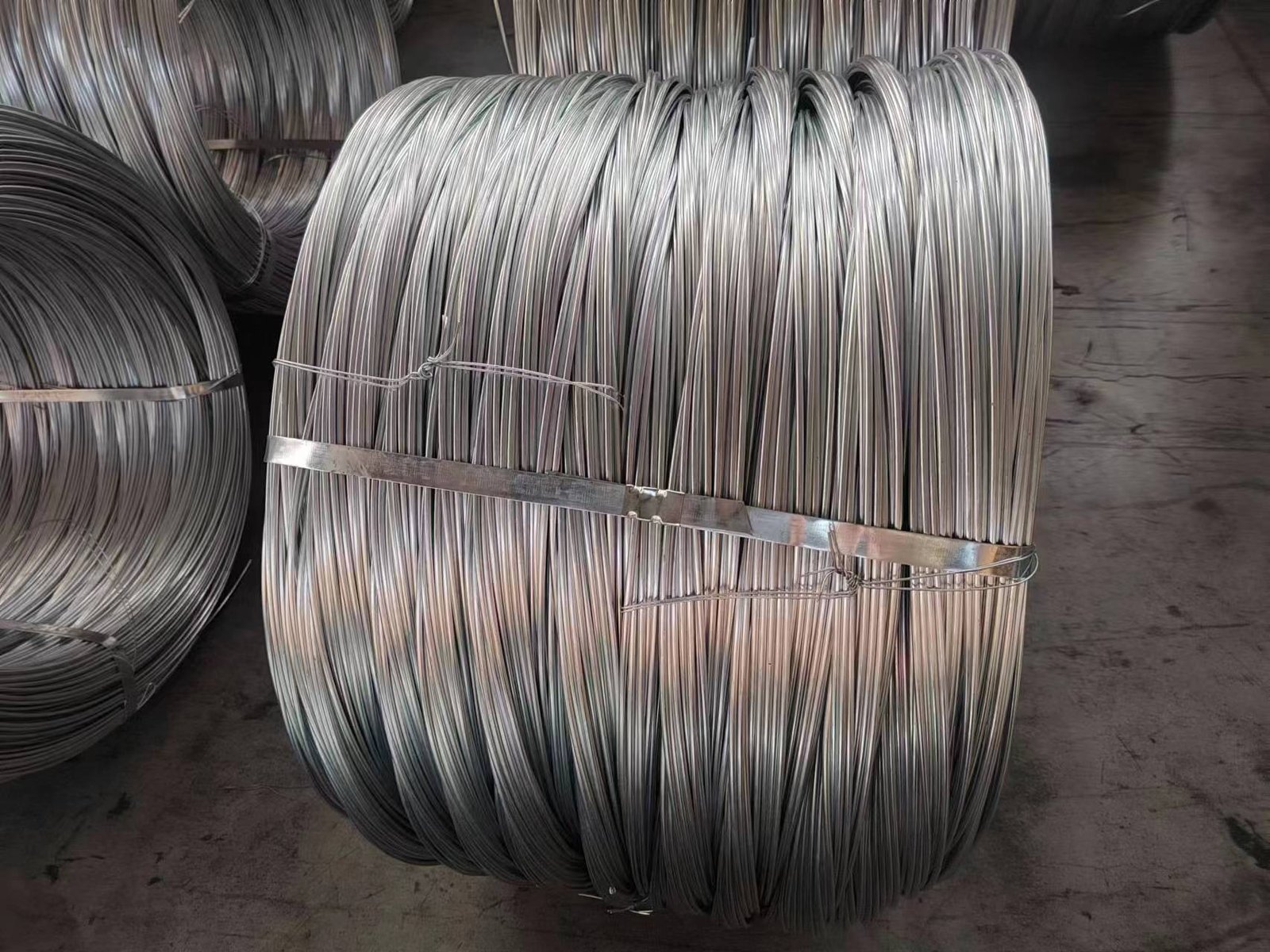
I got a call last month from Mulenga, a building materials supplier in Kitwe. He had a big opportunity with a copper mine in the Copperbelt province but was unsure about the right material. The mine needed wire for a new processing plant and for perimeter fencing, specifying that it had to be rust-proof and tough enough for a mine environment. He asked me if 201 stainless steel wire would work. I told him not only would it work, but it was one of the best possible choices he could make. The mining sector presents some of the toughest challenges for metal materials, and I was happy to walk him through exactly why 201 stainless steel excels in these situations.
Is 201 Stainless Steel Wire Strong Enough for Processing Plant Construction?
Building a processing plant means fighting constant moisture and chemicals. Using standard tying wire here leads to rapid rust and failure, creating a huge safety and maintenance headache for operators.
Yes, it is more than strong enough. A 2.0mm 201 stainless steel wire has a tensile strength between 650 and 750 MPa, perfect for tying heavy rebar. Its real advantage is the chromium content, which naturally resists rust in the high-humidity, chemically-charged air of a processing plant.
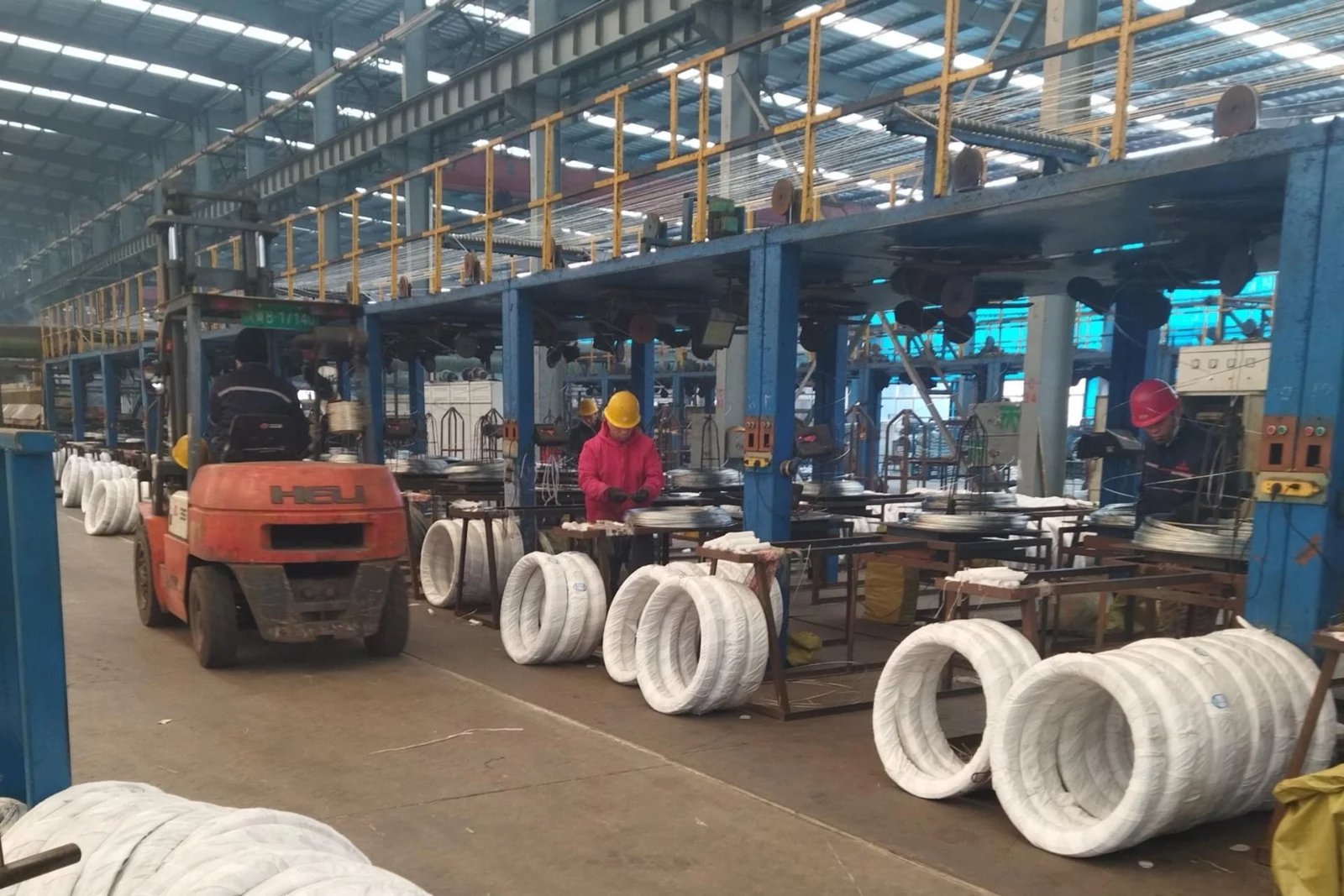
To really understand the challenge, you have to picture the inside of a copper processing plant. The environment is incredibly aggressive towards metal. Ore goes through stages like crushing, grinding, and flotation. All these processes involve a lot of water, creating a constantly humid atmosphere. On top of that, the flotation process uses chemical reagents, which can create a mildly corrosive vapor in the air. In these conditions, standard materials just don't stand a chance.
Why Standard Galvanized Wire Fails
The typical choice for tying rebar in general construction is galvanized iron wire. It's cheap and works fine in dry conditions. However, inside a processing plant, its weakness is exposed. The zinc coating on galvanized wire works by sacrificing itself to protect the steel core. In a high-humidity, slightly acidic environment, this zinc layer is eaten away very quickly—sometimes in less than a year. Once the steel core is exposed, it rusts immediately. Rusted ties weaken and can compromise the integrity of the concrete structures they are supposed to reinforce. This leads to a cycle of costly and difficult repairs.
The 201 Stainless Steel Advantage
This is where 201 stainless steel wire shines. Unlike galvanized wire, it doesn't rely on a coating for protection. The material itself is inherently corrosion-resistant. It contains chromium, which reacts with oxygen to form a thin, invisible, and very tough passive layer on the surface. If this layer is scratched, it instantly reforms, protecting the steel underneath. For Mulenga's client, we supplied a 2.0mm diameter wire. Its tensile strength of over 650 MPa is more than enough to securely tie heavy structural steel bars. They also used our 1.5mm wire for internal enclosures and partitions, where strength was less critical but rust prevention was just as important.
| Feature | Galvanized Iron Wire | 201 Stainless Steel Wire |
|---|---|---|
| Corrosion Protection | Sacrificial Zinc Coating | Passive Chromium Oxide Layer |
| Lifespan in Plant | 6 - 12 months | 10+ years |
| Tensile Strength (2.0mm) | ~400 MPa | 650 - 750 MPa |
| Maintenance Needs | Frequent Inspection & Replacement | Minimal Inspection |
| Long-Term Cost | High | Low |
Is a 201 Stainless Steel Fence a Cost-Effective Choice for Mine Perimeters?
Securing a vast mine perimeter is crucial for safety, but Zambia's climate destroys standard fences. The constant cycle of rust and repair drains budgets and creates security gaps.
Yes, it is highly cost-effective over its lifespan. While the initial purchase price is higher than a galvanized fence, 201 stainless steel fencing lasts many times longer. The huge savings on maintenance, labor, and replacement materials mean it often pays for itself in just a few years.
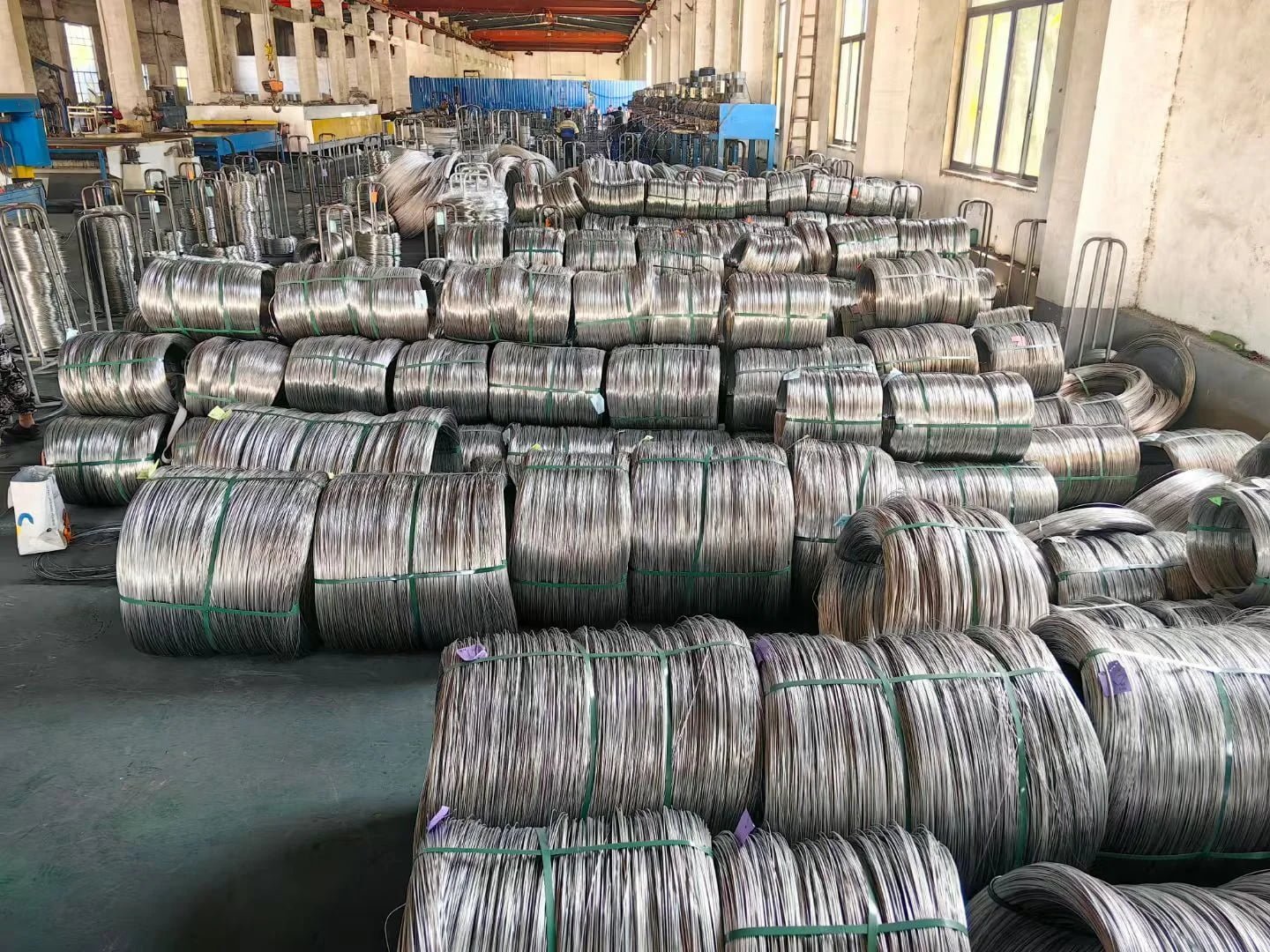
Mines in Zambia often cover hundreds, even thousands, of hectares. They are usually located in remote areas, fully exposed to the elements. The perimeter fence is the first line of defense. It's essential for preventing local people from accidentally wandering into dangerous operational areas and for stopping livestock from getting in and getting hurt. A breach in the fence is a serious liability. The Zambian climate, with its intense sun during the dry season and heavy downpours in the wet season, is brutal on outdoor materials.
The Problem with Traditional Fencing
The most common material for perimeter fencing is galvanized steel. It's popular because the upfront cost is low. However, this is a classic example of a false economy. The zinc coating is no match for the combination of tropical sun and rain. The intense UV radiation can degrade the coating, while the constant moisture of the rainy season quickly corrodes it. Within two or three years, a standard galvanized fence will show significant rust, especially at joints, welds, and near the ground. It becomes brittle and weak, failing to provide the security it was installed for. This means mine operators are stuck in a costly loop of patching, repairing, and replacing entire sections of the fence.
Calculating the Long-Term Value of 201 Stainless Steel
Mulenga's client did the math, and it was a simple decision. Although buying 1.5mm 201 stainless steel wire for their fence cost more initially, the long-term savings were obvious. The 201 stainless steel wire fence doesn't rust. It maintains its strength and integrity for years and years with virtually no maintenance. The client calculated that the money they would save on materials and labor for repairing their old galvanized fence would pay back the extra cost of the stainless steel fence in just two years. After that, it's pure savings.
| Cost Factor (Over 10 Years) | Galvanized Fence | 201 Stainless Steel Fence |
|---|---|---|
| Initial Investment | Low | High |
| Repair & Replacement Costs | Very High (Replaced 3-4 times) | Negligible |
| Associated Labor Costs | Very High | Negligible |
| Security & Liability Risk | High (due to breaches) | Low |
| Total Cost of Ownership | High | Low |
In the end, Mulenga secured the order for a full 20-foot container, split between the 2.0mm and 1.5mm wire. He told me he now sees the huge potential in the mining sector and plans to focus more on serving these demanding but rewarding customers.
Conclusion
For Zambia's mines, 201 stainless steel wire is the smart choice. It delivers unmatched durability and long-term value for both construction and fencing in the toughest of environments.
Mulenga won the order and is now actively prospecting more mining clients across the Copperbelt. Read more Southern African industrial supply stories on our blog https://mfgwiremesh.com/blog/ or reach out via https://mfgwiremesh.com/contact/.
If you are sourcing 201 stainless steel wire for Zambia or any Southern African market, we are happy to provide a specification-based quotation. Contact us via WhatsApp: +86 15383180672.
FAQ:
Q1: Why does Zambia's mining sector need 201 stainless steel wire instead of galvanized wire? A1: Mining processing plants have high internal humidity and trace chemical exposure from processes like crushing, grinding, and flotation. Galvanized wire rusts within months to a year in these conditions, while 201 stainless steel wire with its chromium-based rust resistance maintains integrity through the entire construction cycle. Mulenga's client in the Copperbelt specified 201 wire for both structural rebar tying in the processing plant and perimeter fencing around the mine site after calculating that reduced maintenance costs alone would recover the price difference within two years.
Q2: What specifications are used for mine processing plant construction? A2: 2.0 millimeter diameter 201 stainless steel wire is the primary specification for rebar tying in processing plant steel structures, equipment foundations, and internal partitioning. With tensile strength of 650 to 750 MPa, it handles heavy rebar without snapping and resists rust even in high-humidity processing environments. Mulenga's order was split evenly between 2.0 millimeter for construction and 1.5 millimeter for perimeter fencing.
Q3: Is 201 stainless steel wire fencing cost-effective for large mine perimeters compared to galvanized wire? A3: The initial material cost of 1.5 millimeter 201 stainless steel wire fencing is higher than galvanized wire. However, mines in Zambia's Copperbelt and Northwestern provinces span hundreds or thousands of hectares, making fence maintenance labor-intensive and expensive. Galvanized fencing in Zambia's climate requires replacement every two to three years. Mulenga's client calculated that 201 stainless steel wire fencing, with its far longer service life and zero rust maintenance, would recover the price difference within two replacement cycles through eliminated labor and material costs alone.