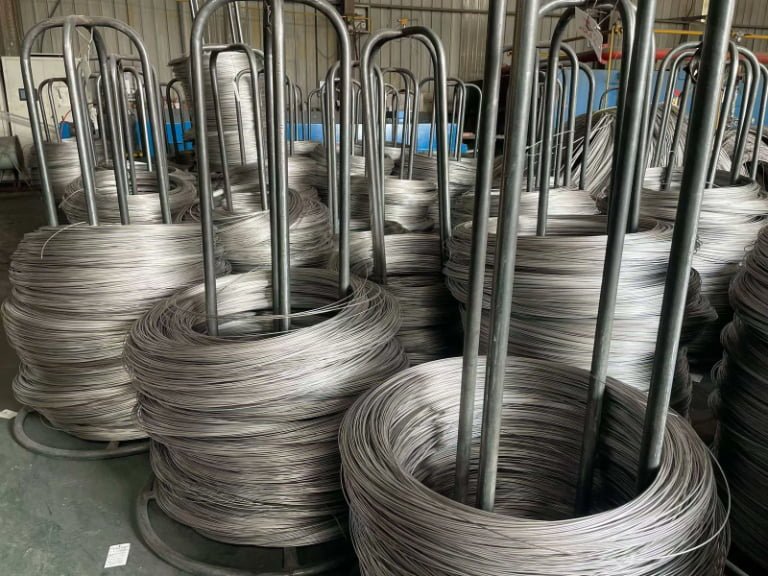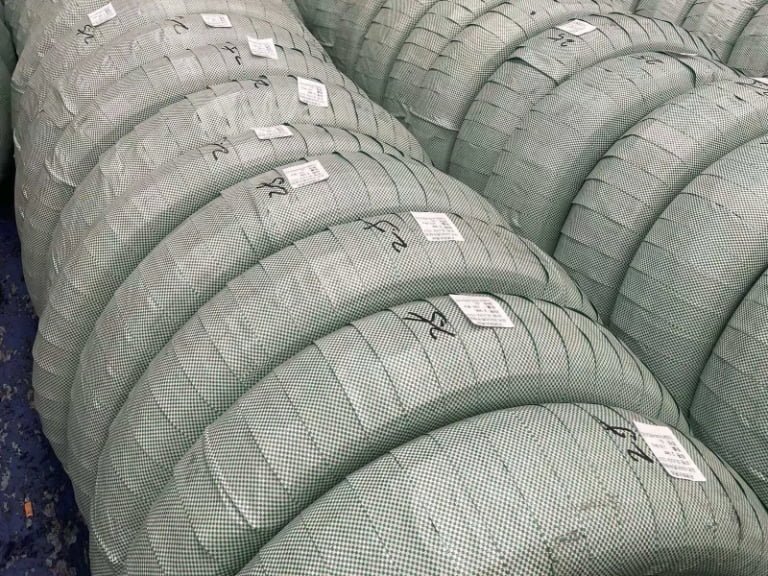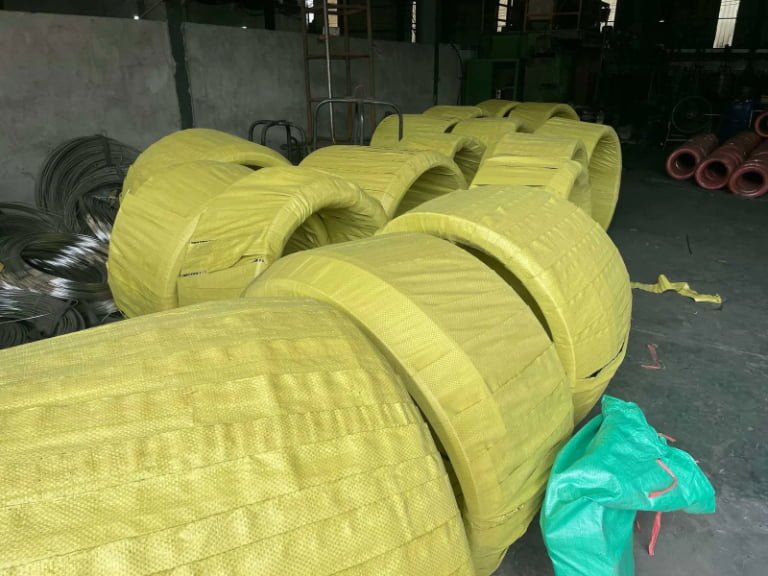



Rwanda's construction market may be smaller than its neighbors, but its standards are among the highest in East Africa. Kigali's strict urban planning and quality enforcement are driving a shift in material choices. Here is what one contractor discovered when he calculated the true cost of his binding wire.
Jean switched after a single rainy season showed him the real price of galvanized wire. Buyers like him, who need consistent quality that meets Rwanda's high construction standards, can find detailed specifications and ordering support on our product page: https://mfgwiremesh.com/metal-wire/201-stainless-steel-wire/.
Struggling with rework costs from rusty materials eating into your profits? It’s a common headache for contractors. What if a simple material switch could solve this problem for good?
For contractors in Kigali, 201 stainless steel wire is now the top choice. This is because of Rwanda's long rainy seasons, rising government standards, and intense competition. It saves money in the long run and guarantees project quality, making it a smart, cost-effective solution.
I recently spoke with a contractor in Kigali, and his story really highlights a major shift happening in the Rwandan construction market. His name is Jean, and his experience taught him a valuable lesson about material choice. His story isn't just about wire; it's about adapting to a market that demands higher quality. Let's look at what he learned and why it matters to you.
How Can a Small Change in Material Prevent Thousands in Rework Costs?
Have you ever watched your profits disappear because of rework? A project gets delayed and you have to pay for fixes that could have been avoided. It's incredibly frustrating.
Switching from galvanized wire to 201 stainless steel wire stops rust from rebar ties before it starts. This is especially true in humid climates. This change saves you from costly delays, rework fees, and protects your reputation with clients.
Jean told me about a lesson he learned the hard way last year. He was building a commercial complex on the outskirts of Kigali. For the structural work, his team used standard galvanized wire to tie the rebar. Everything seemed fine until the rainy season hit hard. Rust from the tying wire began to seep through the concrete on two of the building's floors. The site supervisor took photos and demanded immediate anti-rust treatment. The rework delayed the project by two weeks. More importantly, it cost Jean nearly four thousand dollars in extra labor and materials. He told me, "I just kept thinking, if I had used stainless wire from the beginning, I wouldn't have wasted all that money." That experience changed his entire approach. He realized the small initial savings from galvanized wire was nothing compared to the massive potential cost of failure.
What Market Forces are Driving the Shift to Stainless Steel in Rwanda?
Keeping up with changing market demands can feel like a constant struggle. Just when you think you have everything figured out, the standards change, and you have to adapt quickly.
Three key factors are pushing contractors in Rwanda toward stainless steel. The country’s long rainy seasons corrode traditional materials. Government projects now demand higher quality. And intense competition means contractors must deliver flawless work to stand out.
Jean explained to me that his decision wasn't just based on one bad project. It was a response to the entire market shifting around him. He broke it down into three main reasons.
The Driving Forces in Rwanda's Construction Market
| Factor | Description | Jean's Experience |
|---|---|---|
| 1. The Climate | Rwanda has two long rainy seasons, which means high humidity for much of the year. This environment accelerates corrosion. | Jean noticed that his stock of galvanized wire would start showing white rust after just two months in the warehouse. This inventory loss was a hidden cost he had to account for every year. |
| 2. Government Standards | The Rwandan government, especially in Kigali, is known for strict enforcement of building codes. Public project tenders are now specifying higher-grade materials. | Jean bid on a government office building last year. The tender documents explicitly required stainless steel tying wire. It was no longer a recommendation; it was a mandatory requirement. |
| 3. Contractor Competition | The construction market in Kigali is becoming very competitive. To win projects, contractors need to differentiate themselves with superior quality. | In the past, small issues like rust stains might have been overlooked. Now, clients and supervisors inspect every detail. A clean, perfect finish is a key selling point and crucial for a contractor's reputation. |
These three forces combined have changed the game. What was once seen as an expensive upgrade is now a necessary standard for anyone serious about building a long-term, successful construction business in Rwanda.
Why is 201 Stainless Steel Wire Now Seen as the "Worry-Free" Option?
As a contractor, you are always managing risk. You worry about project delays, budget overruns, and material failures. Finding a solution that removes one of those worries is a huge relief.
201 stainless steel wire is the "worry-free" choice because it eliminates all risks tied to rust. It prevents expensive rework, can be stored for long periods in humid climates without damage, and meets the high-quality standards that clients and government projects now demand.
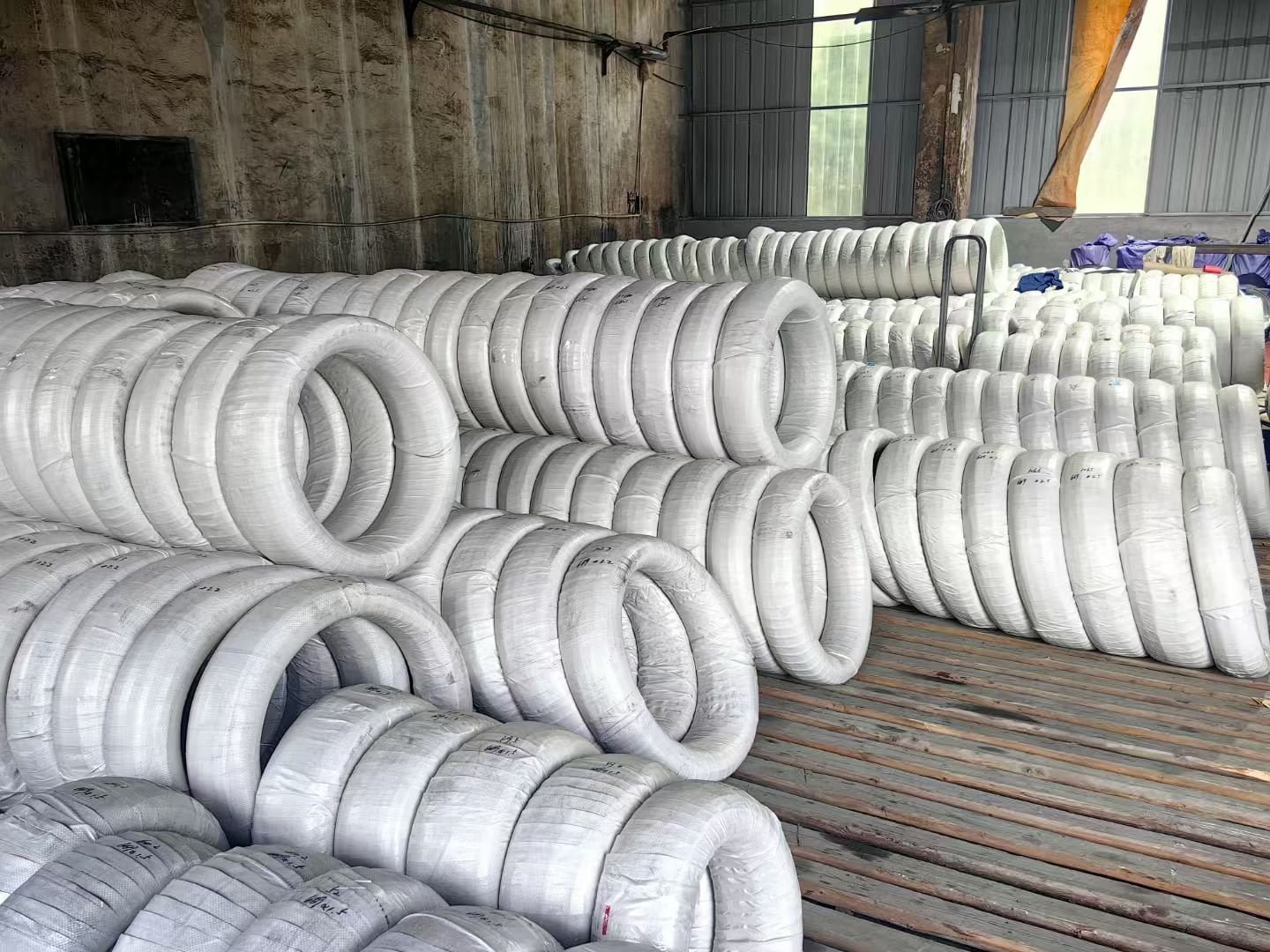
After his costly experience, Jean completely changed how he operates. He told me, "201 stainless steel wire is no longer the ‘expensive option’ for me. It’s the ‘smart option,’ the ‘worry-free option’." This shift in thinking is now reflected in his procurement strategy. He no longer buys small batches of wire based on immediate project needs. Instead, he orders a full 20-foot container from us every quarter. His standard order is a mix of 2.0mm and 1.5mm wire, which covers most of his project requirements. By ordering in bulk, he secures his supply chain and protects his business from price fluctuations. More importantly, he buys peace of mind. He finished our conversation by saying, "The best part about making the switch? I no longer have to worry about the rainy season." This simple statement says it all. He has eliminated a major source of risk and uncertainty from his business.
Conclusion
In markets like Rwanda, switching to 201 stainless steel wire is more than a material upgrade. It's a strategic business decision that saves money, ensures quality, and gives you peace of mind.
Jean now orders a container every quarter and says switching to 201 stainless steel wire was the best procurement decision he has made. Read more Rwanda construction insights on our blog https://mfgwiremesh.com/blog/ or reach out via https://mfgwiremesh.com/contact/.
If you are sourcing 201 stainless steel wire for Rwanda or any East African market, we are happy to provide a specification-based quotation. Contact us via WhatsApp: +86 15383180672.
FAQ:
Q1: Why are Rwanda contractors switching from galvanized to 201 stainless steel wire? A1: Three factors are driving the shift in Rwanda. First, the country has two rainy seasons that keep humidity high for most of the year, causing galvanized wire to develop white rust after just two months of warehouse storage. Second, government project specifications are upgrading, with public building tenders now explicitly requiring stainless steel binding wire. Third, Kigali's competitive construction market means delivery quality has become a key differentiator, and rust stains on finished walls are no longer acceptable to owners and inspectors. Jean switched after a single rework incident cost him nearly 4,000 dollars.
Q2: How does Rwanda's construction market differ from its larger neighbors? A2: Rwanda's construction market is smaller in volume than Kenya or Tanzania, but its quality standards are among the strictest in East Africa. Kigali's urban planning authority enforces rigorous building codes, and project tenders specify materials in detail. This regulatory environment means that material upgrades that might be optional in other markets are becoming mandatory in Rwanda. Jean notes that government projects he bids on now explicitly require stainless steel binding wire.
Q3: Is 201 stainless steel wire cost-effective for Rwanda's construction projects? A3: Jean initially viewed 201 stainless steel wire as an expensive option, but his cost calculation changed after a rust-related rework incident that cost nearly 4,000 dollars. When factoring in rainy season inventory losses, rework costs, and project delays, the full-cycle cost of galvanized wire exceeded that of 201. He now views 201 as the worry-free option rather than the expensive one, and has eliminated all rust-related costs since switching.