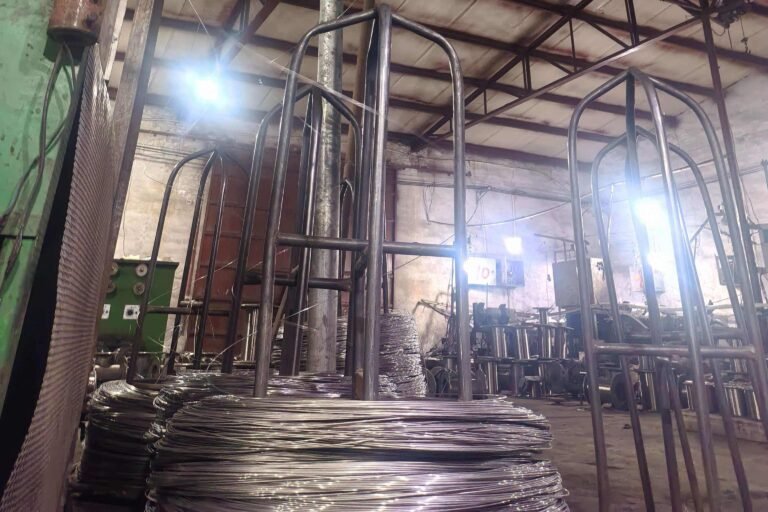



Egypt's scourer manufacturing sector is experiencing a surge in demand, driven by import restrictions that have forced local factories to expand production. For these buyers, finding a reliable source of 201 stainless steel fine wire is the key to keeping their drawing machines running. Here is how one Cairo factory owner went from a Google search to his first container.
Karim found us online and placed his first order after reviewing our MTC report. Buyers like him, who need consistent quality in 0.13mm scourer wire and 0.50mm redrawing wire, can find detailed specifications on our product page: https://mfgwiremesh.com/metal-wire/201-stainless-steel-wire/.
Tired of unstable suppliers and production delays? These issues cost you orders and damage your reputation. Let me share how we helped a client solve this exact problem.
An Egyptian scourer factory found us through a Google search for "201 stainless steel wire." We provided immediate stock availability, robust packaging for rough port handling, and MTC reports. This quickly led to a successful trial order and a long-term partnership based on trust and reliability.
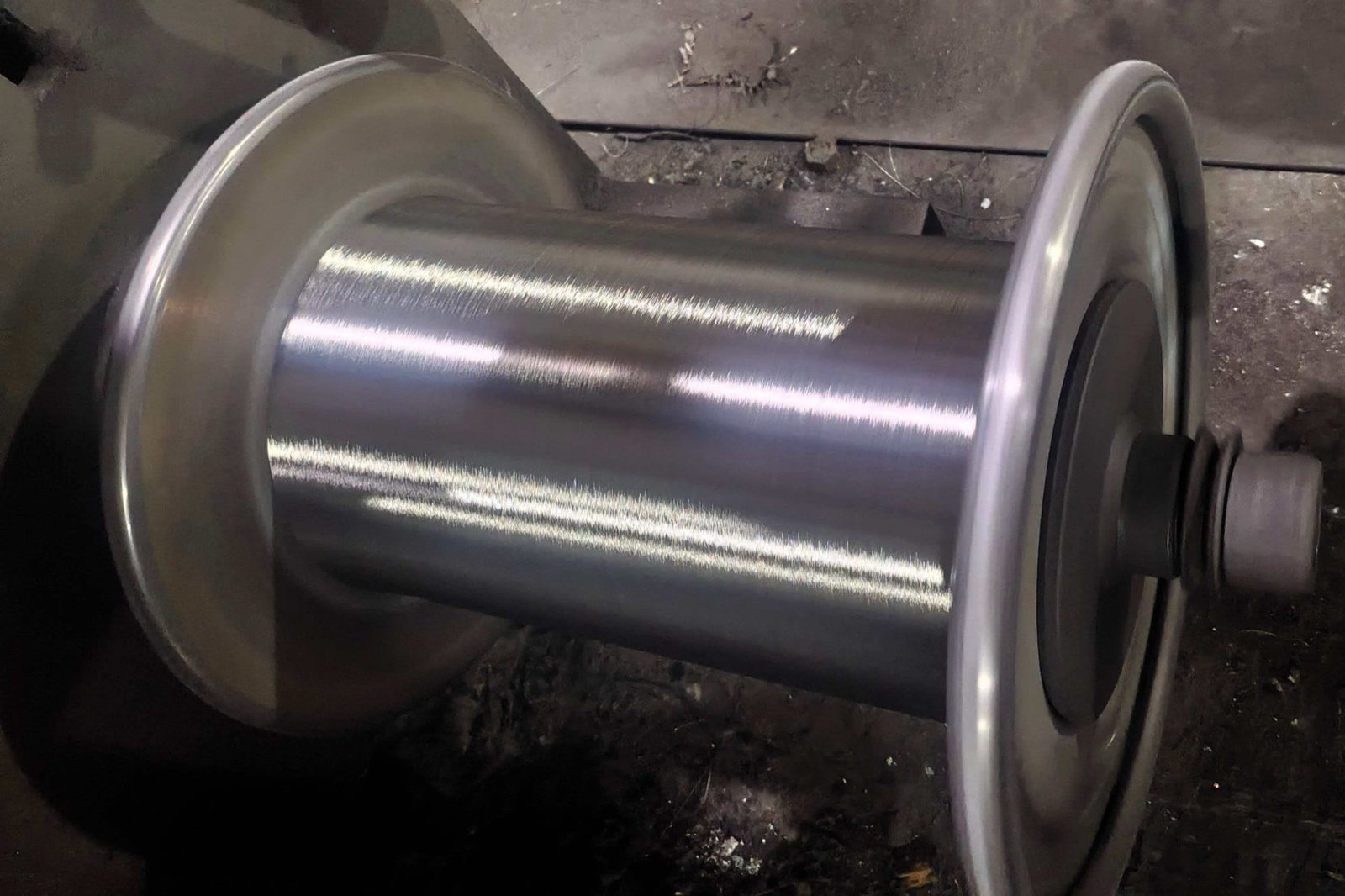
This whole story started with a simple message on WhatsApp but quickly turned into a full container order. It’s a great example of how understanding a client’s specific pains, from supply chain stability to packaging details, builds real trust. This wasn't just about selling wire; it was about providing a complete solution. Let's dive into how we made it happen.
Why is a Stable Supply Chain More Important Than Price for Scourer Factories?
Facing booming demand but your supplier can't keep up? This production bottleneck means you're leaving money on the table. A reliable partner ensures you capture every single opportunity.
For scourer factories, a stable supply of raw materials like 0.13mm stainless steel wire is critical. It prevents production shutdowns and allows them to meet surging market demand. Reliability often outweighs small price differences, ensuring consistent profitability and market share growth.
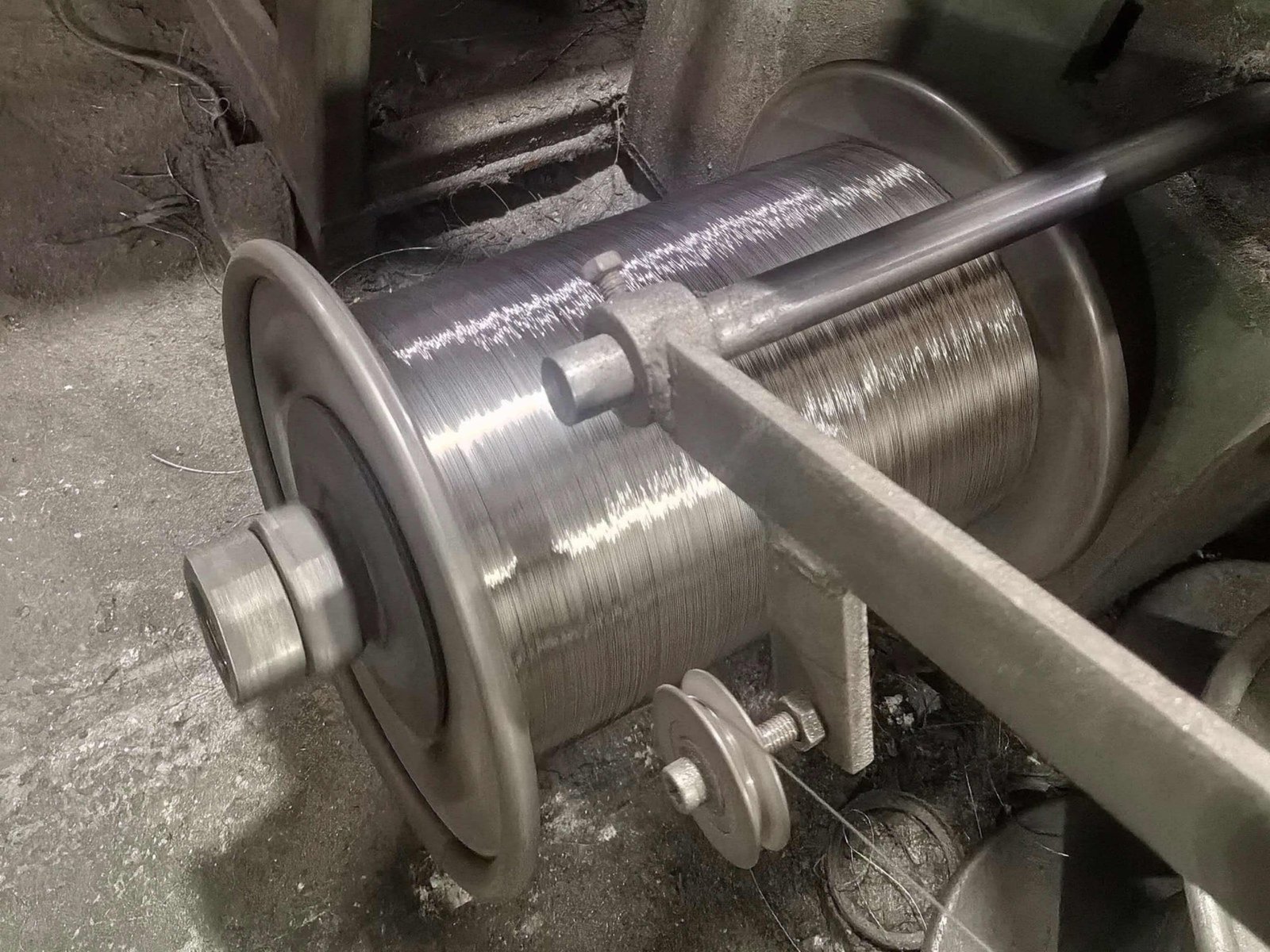
In early June, a new client from Egypt, Karim, contacted me on WhatsApp. He had found our factory website after searching on Google for "201 stainless steel wire." He told me he runs a scourer factory in Cairo and was having issues with his current supplier from India. The delivery for the 0.13mm fine wire he needed was never stable.
This was a huge problem for him. He explained that orders for scourers were piling up across Egypt, and raw material demand was surging. He urgently needed a Chinese supplier who could guarantee a stable supply. His first question was direct: "Do you have 0.13mm wire in stock?" I was happy to tell him that this is a standard specification for us. We supply it to many domestic scourer factories, so we always have it in our warehouse. Hearing this, he immediately asked if we could send a 20-foot container as a trial.
| Unstable Supplier Risk | Stable Supplier Benefit |
|---|---|
| Production Stoppages | Continuous Operation |
| Missed Customer Orders | On-Time Fulfillment |
| Reputational Damage | Enhanced Credibility |
| Lost Market Share | Market Growth & Profitability |
How Can the Right Packaging Prevent Product Loss During Shipping?
Have you ever received damaged goods after a long shipment? It's frustrating and costly, turning your expected profit into a loss. The right packaging is your first line of defense.
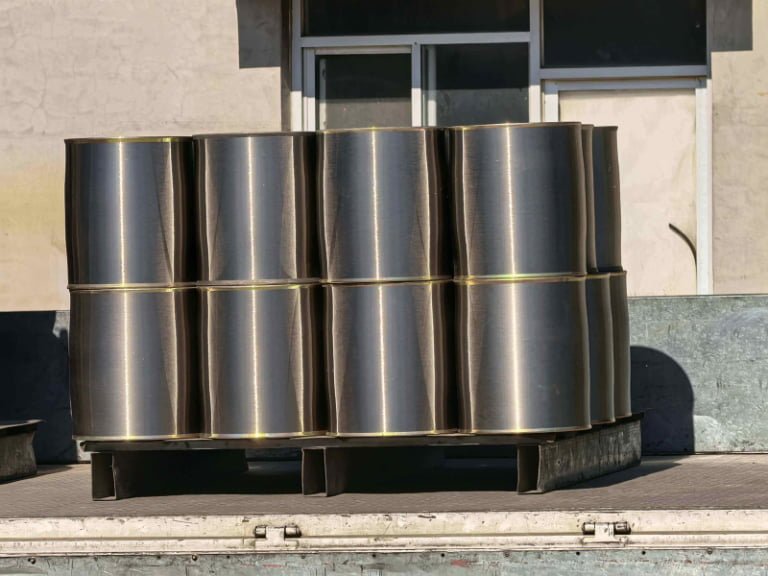
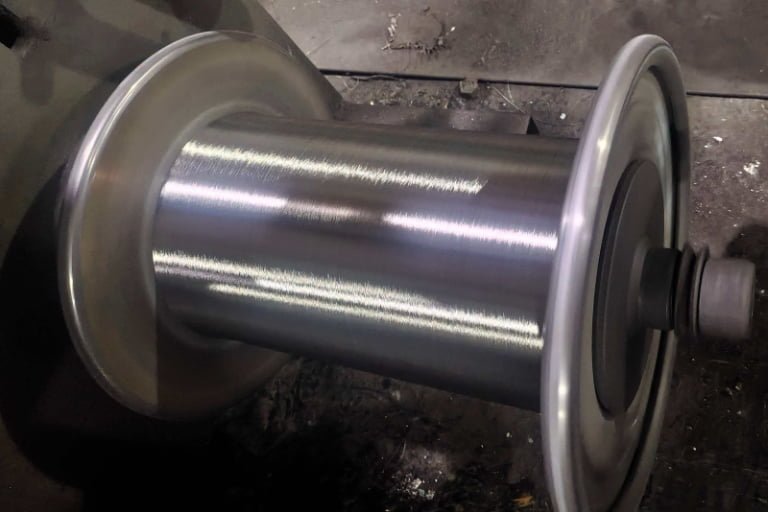
For international shipments, especially to ports with rough handling, robust packaging is key. We use large, 15-20kg spools and reinforced woven bags for fine wires. This prevents spool breakage and wire damage, ensuring the product arrives in perfect condition, just like it left our factory.
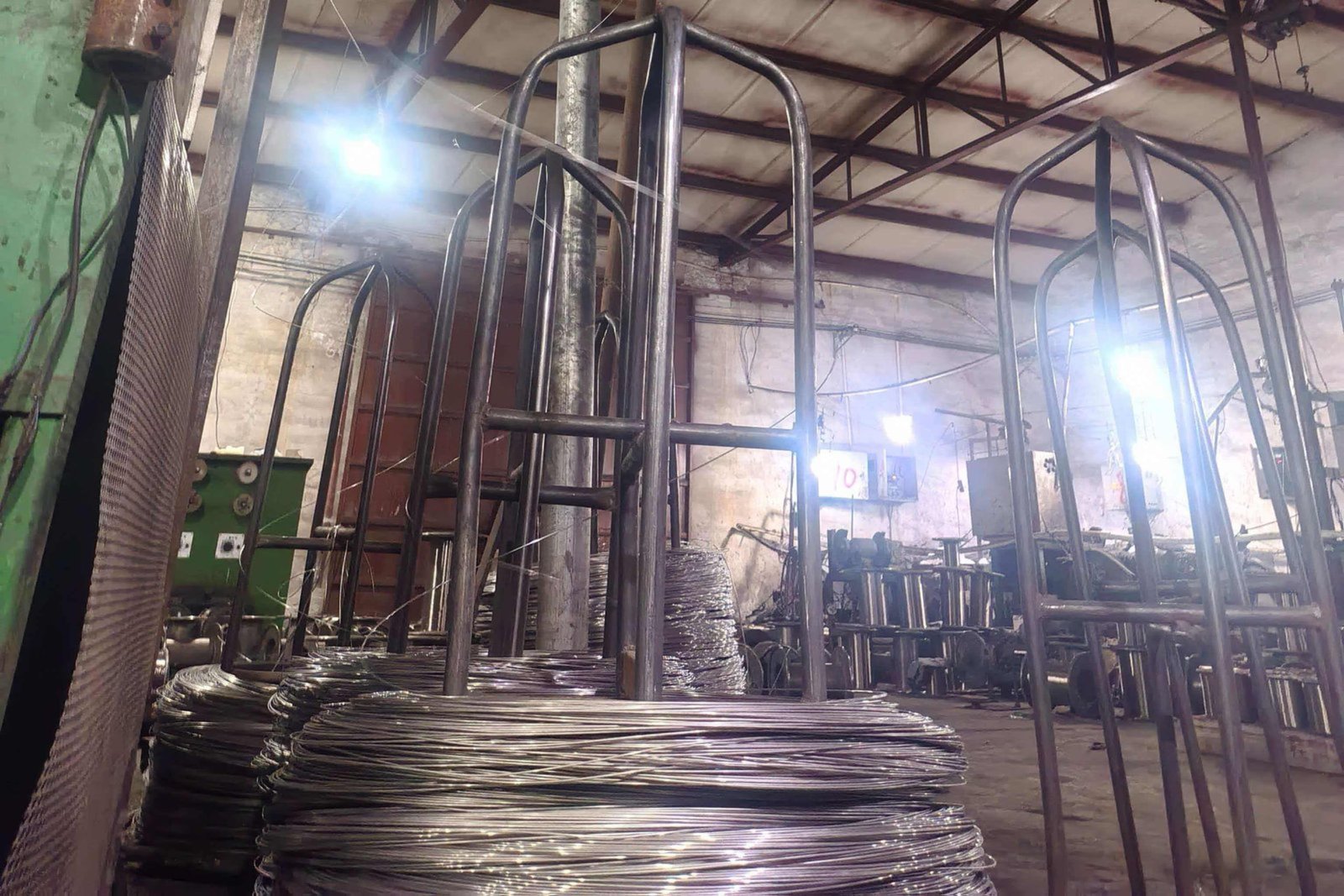
When I asked Karim about his packaging requirements, he shared a painful story. He said unloading at Egyptian ports can be very rough. His previous supplier used small spools, and during unloading, the spool flanges would often crack from the impact. A single cracked spool meant the entire roll of wire was wasted. This was happening repeatedly.
He was very clear about what he needed: large spools weighing 15 to 20 kilograms, with a reinforced woven bag on the outside for extra protection. I knew exactly what he was talking about because this is our standard export packaging. I immediately sent him photos from our workshop showing the palletized goods ready for another customer. He saw the large spools and the heavy-duty bags and replied, "Yes, that's exactly it." This simple step showed him we understood the real-world challenges of international logistics and had already solved a problem that was costing him money.
| Poor Packaging (Small Spools) | Effective Packaging (Large Spools + Woven Bag) |
|---|---|
| High risk of spool breakage | Durable and resistant to impact |
| Potential for entire roll loss | Protects wire integrity |
| Leads to financial loss | Ensures 100% usable product on arrival |
| Causes client frustration | Builds client confidence and trust |
What is Redrawing Wire and Why is it a Big Market in Egypt?
Are you looking for new market opportunities for your business? You might be overlooking secondary processing needs. Understanding these niches can unlock a whole new customer base and revenue stream.
Redrawing wire involves purchasing a thicker gauge, like 0.50mm annealed soft wire, and drawing it down to a finer specification. In Egypt, many smaller factories do this to produce fine wire for scourers, creating significant demand for this specific type of semi-finished material.
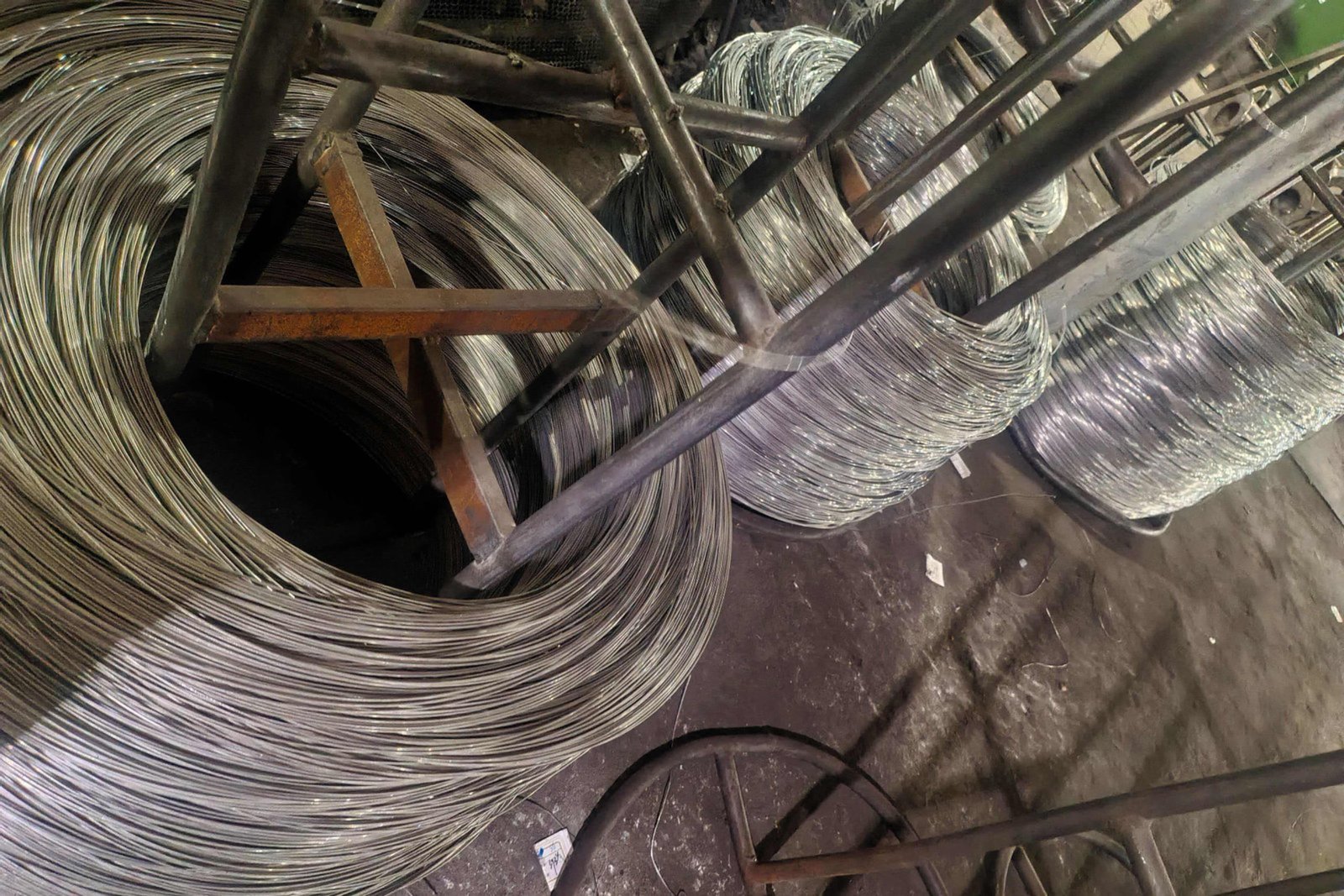
In addition to the 0.13mm wire, Karim also ordered a batch of 0.50mm wire. This wasn't for his own factory but for a customer of his in Alexandria. This customer operates smaller drawing machines and specializes in secondary drawing. They buy the 0.50mm wire and pull it into even finer threads to make scourers.
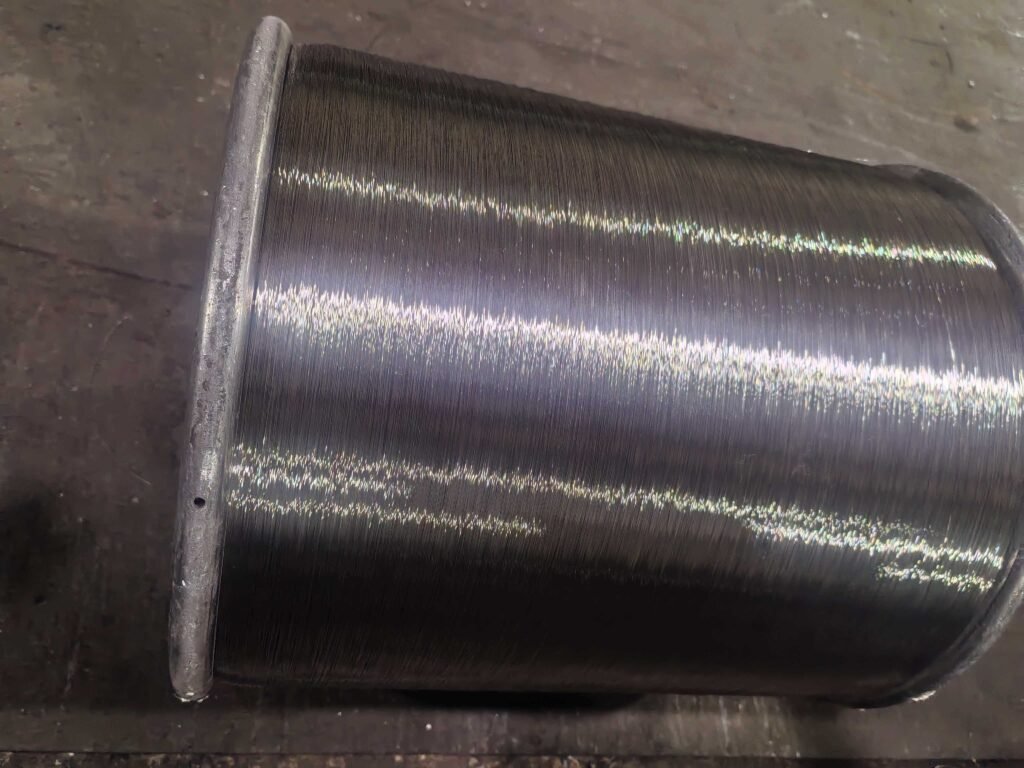
Karim explained that this "redrawing material" is in high demand in Egypt. Many small and medium-sized drawing mills don't have the heavy equipment to process thick wire rods. Instead, they buy annealed soft wire in intermediate diameters like 0.50mm and 0.55mm and perform the final drawing themselves. After confirming all the specifications and packaging details with Karim, I sent him our Material Test Certificate (MTC) report. He reviewed it and confirmed the trial order that same day: a 20-foot container with half 0.13mm wire and half 0.50mm wire. When the container arrived in Alexandria, he sent me a video. The wire surface was bright and the spools were perfectly intact. He was very satisfied.
| Stage | Description | Wire Spec Example |
|---|---|---|
| Our Factory | Produce and anneal soft stainless steel wire for redrawing. | 0.50mm |
| Distributor (Karim) | Imports and supplies the redrawing wire to local mills. | 0.50mm |
| Secondary Drawing Mill | Uses smaller machines to draw the wire down to the final size. | -> 0.13mm |
| End Product | The final fine wire is used to manufacture scourers. | 0.13mm |
Conclusion
By understanding our client's needs from supply stability to packaging, we turned a simple inquiry into a long-term partnership. He now plans to order two containers from us every quarter.
Karim now plans to order two containers every quarter. Read more Egypt and Middle East market insights on our blog https://mfgwiremesh.com/blog/ or reach out via https://mfgwiremesh.com/contact/.
We provide full MTC (Mill Test Certificate) and Certificate of Origin with every shipment.
If you are sourcing 201 stainless steel fine wire for scourer production or redrawing, we are happy to provide a specification-based quotation. Contact us via WhatsApp: +86 15383180672.
FAQ:
Q1: What diameter of 201 stainless steel wire is used for scourer production in Egypt? A1: 0.13mm is the standard diameter for scourer production in Egypt. This specification requires precise annealing to achieve the right balance of softness for cleaning ball forming and tensile strength to prevent breakage during high-speed processing. Karim's factory in Cairo uses this specification exclusively for their scourer production line, and his monthly consumption is expected to grow as local demand increases.
Q2: Why do Egyptian buyers prefer 15-20 kg large spool packaging for stainless steel fine wire? A2: Egyptian port handling conditions are the main driver. Smaller spools are more vulnerable to damage during unloading at Alexandria port. Karim switched to 15-20 kg large spools with reinforced outer woven bags after experiencing spool breakage with smaller packaging from his previous Indian supplier. A damaged spool means the entire coil is wasted, so packaging durability directly affects the buyer's bottom line.
Q3: What is redrawing wire and why do Egyptian factories buy 0.50mm and 0.55mm for this purpose? A3: Redrawing wire is semi-finished stainless steel wire that local factories purchase as raw material to draw down to finer diameters using their own smaller drawing machines. Egyptian buyers typically buy 0.50mm or 0.55mm annealed soft wire and redraw it to 0.13mm for scourer production. This allows them to save on import costs for the finest diameters while keeping their existing equipment running. Karim supplies 0.50mm wire to his client in Alexandria specifically for this secondary drawing process.