

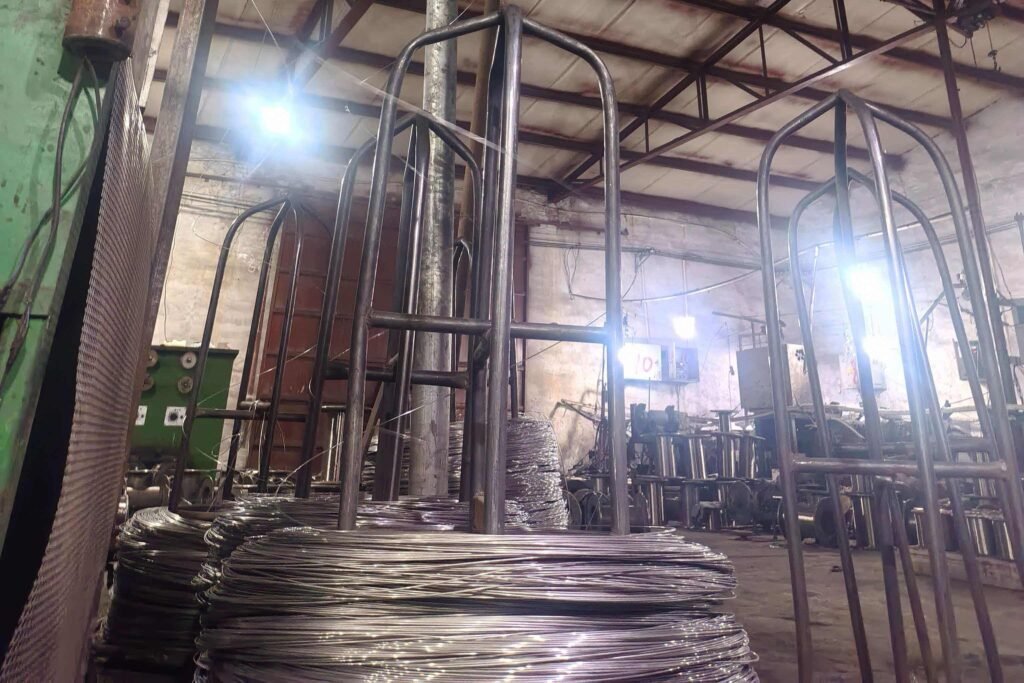
Some buyers new to the stainless steel fine wire market confuse the process of redrawing with the product itself. Understanding the difference between finished scourer wire and annealed redrawing wire saves time, money, and production headaches. Here is how one Egyptian factory owner sorted out the terminology before placing his order.
Ahmed thought redrawing wire was a separate product category. Buyers like him, who want to understand exactly what they are purchasing before committing to an order, can find detailed specifications on our product page: https://mfgwiremesh.com/metal-wire/201-stainless-steel-wire/.
Struggling with industry jargon when sourcing materials? It can lead to costly mistakes. One simple misunderstanding can ruin an entire production batch, wasting both time and money.
The term 'redrawing wire' doesn't refer to a specific product. It describes the process where a thicker wire, like 0.55mm soft annealed wire, is bought to be drawn down to a finer diameter, such as 0.13mm for cleaning balls. Buyers need the source material, not the process name.
Last month, I had a conversation that perfectly highlights this issue. An Egyptian client named Ahmed, who runs a cleaning ball factory in Tanta, reached out to me on WhatsApp. His request was simple but confusing. He wanted to buy "redrawing wire." I asked him what diameter he needed, and he said he didn't know. He just knew he needed "redrawing wire." This was a new one for me, and it took a moment to figure out what was happening. After a bit of back and forth, I realized we were dealing with a classic case of industry jargon causing a communication breakdown. This experience taught me a valuable lesson about the importance of clear specifications in international trade.
What Did My Client Mean by 'Redrawing Wire'?
Is a supplier using confusing terms for their products? This often happens when local industry slang is used in international deals, leading to major ordering errors and frustration.
My client was using a local process name as a product name. In his region, factories buy 0.55mm annealed wire and 'redraw' it to 0.13mm. So, he called the raw material 'redrawing wire', not knowing its actual technical specification. He needed 0.55mm 201 stainless steel soft wire.
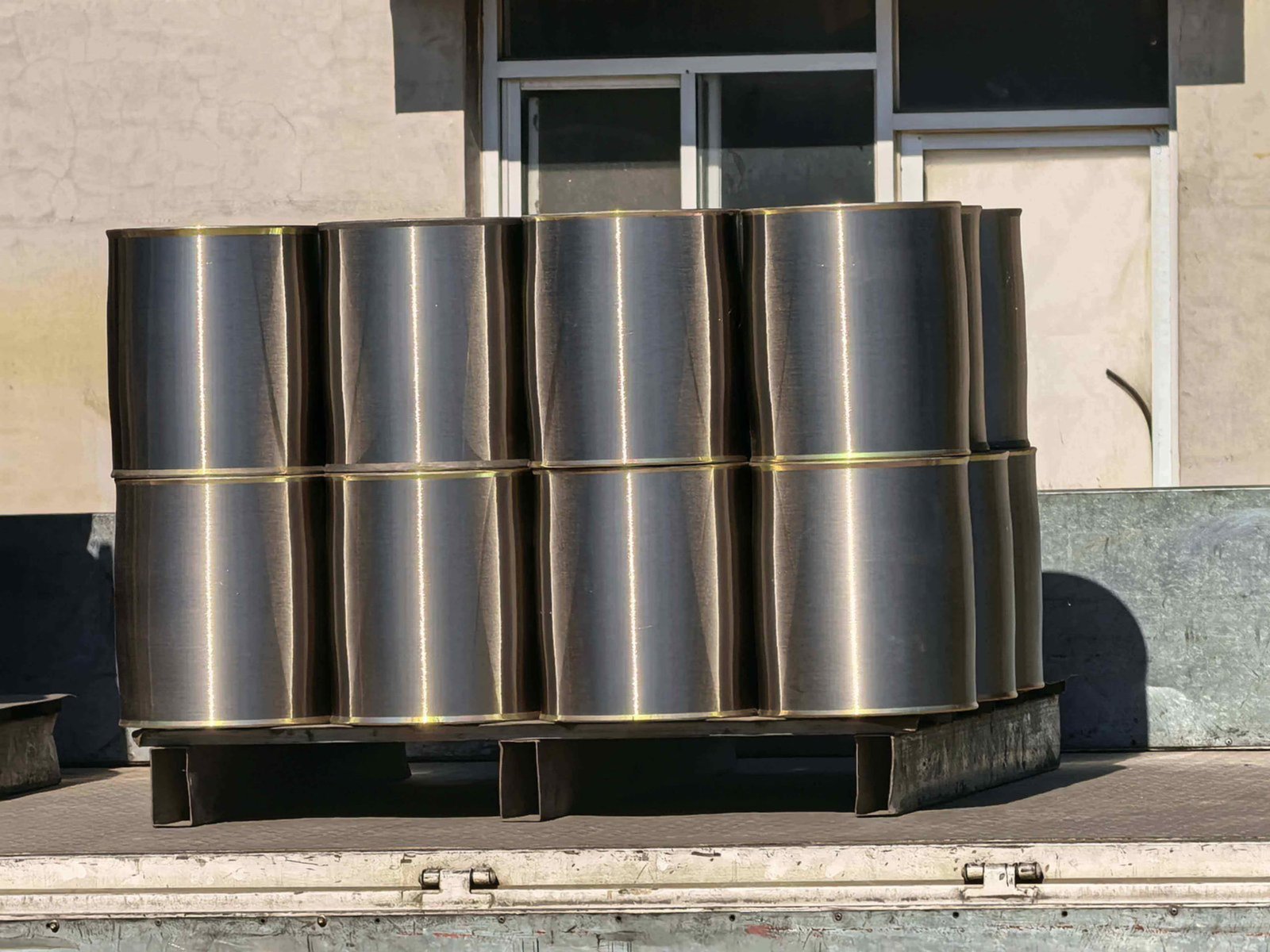
When Ahmed kept asking for "redrawing wire," I had to stop and think. We don't list any product with that name in our catalog. I suspected it wasn't a product but a description of what he wanted to do with the wire. So, I asked him to describe his production process. He explained that his factory buys thicker wire and uses its own small drawing machines to pull it down to the very fine 0.13mm wire used for making steel scourers. That was the 'aha' moment. The term "redrawing" was the key. He wasn't naming a product; he was naming a manufacturing step. I told him, "I think you don't need 'redrawing wire'. I think you need the raw material for your redrawing process." He agreed. We quickly established that the standard starting material for this in his industry is 0.55mm 201 stainless steel wire. He just needed to make sure it was soft enough for his machines.
How Does Raw Material Wire Differ From Final Product Wire?
Buying the wrong wire hardness can shut down your production line. If a wire is too hard, it will break constantly during drawing, but if it's too soft, the final product might fail.
The main difference is the annealing level. Raw material for redrawing, like 0.55mm wire, must be fully and deeply annealed to be extremely soft. This minimizes die wear and breakage. The final product, like 0.13mm wire, needs precise annealing for a specific hardness—not too soft, not too hard.
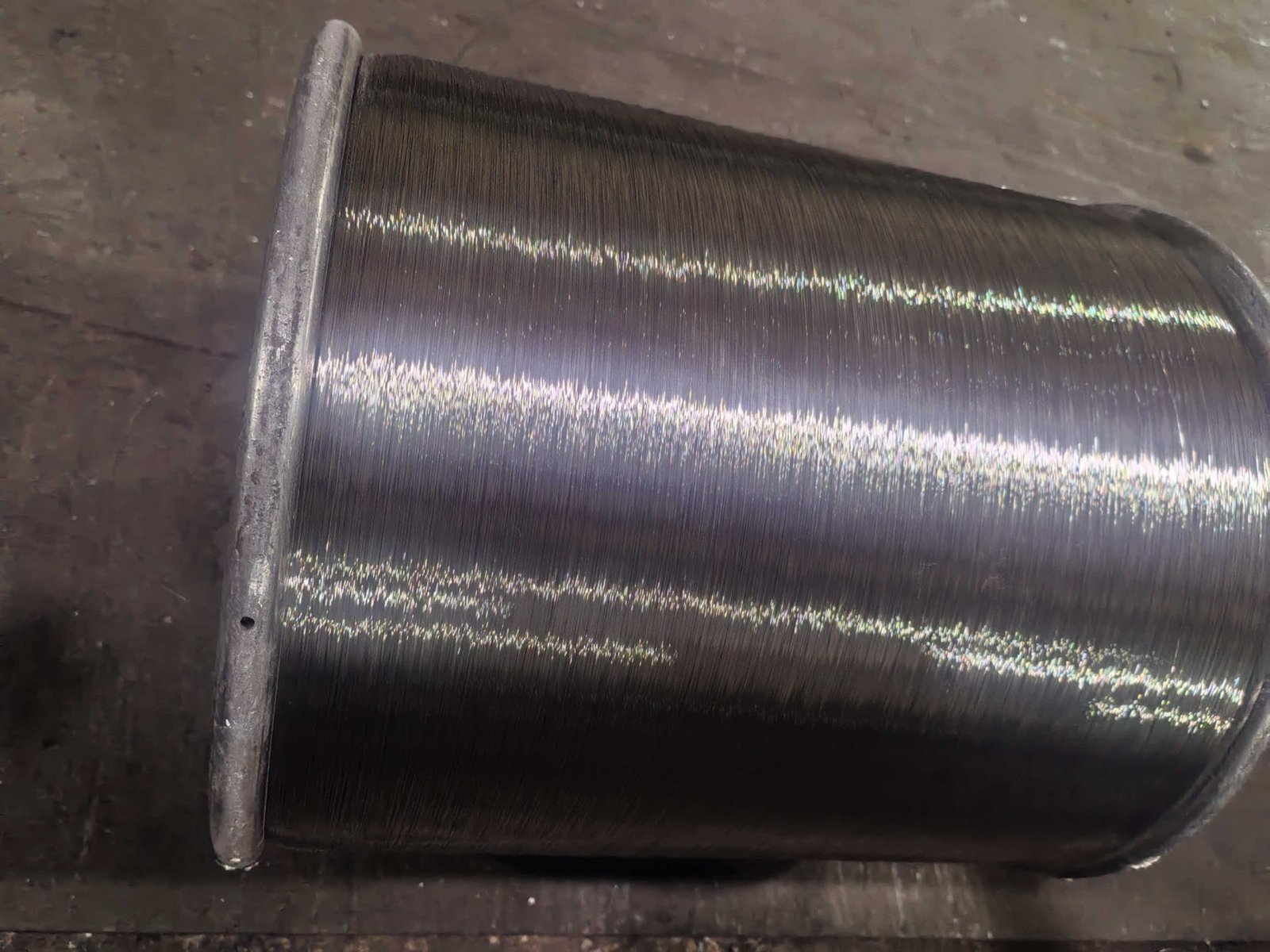
Understanding the difference between the source wire and the final wire is critical. It's all about the heat treatment, or annealing. For a client like Ahmed, who will be redrawing the wire, the starting material has to be as soft as possible. A softer wire is more ductile, meaning it can be stretched and pulled through drawing dies without snapping. It also puts less stress and wear on his machinery, which saves him money on maintenance and replacement parts. The final 0.13mm wire for the cleaning ball, however, is a different story. Its hardness has to be just right. If it's too soft, the cleaning ball will be flimsy and fall apart. If it's too hard, it becomes brittle and won't form correctly. This is why we control the final annealing process so carefully.
Key Differences: Redrawing Material vs. Final Product
| Property | Redrawing Material (e.g., 0.55mm) | Final Product Wire (e.g., 0.13mm) |
|---|---|---|
| Primary Goal | Easy to process further | Specific final performance |
| Annealing | Fully annealed for maximum softness | Precisely controlled annealing |
| Hardness | Very low | Specific, balanced hardness |
| Ductility | Very high | Moderate |
| Purpose | To be redrawn to a finer size | To be formed into the final product |
Why Does Using the Wrong Wire Cause Breakage During Redrawing?
Have you ever had a batch of wire that just keeps snapping on your machines? You're losing material, wasting operator time, and your production goals are slipping away.
Breakage happens when the wire is too hard for the drawing process. Hard wire lacks the necessary ductility to be stretched thin. This increases friction and stress on the drawing die, causing the wire to snap. It was likely not annealed properly for redrawing.
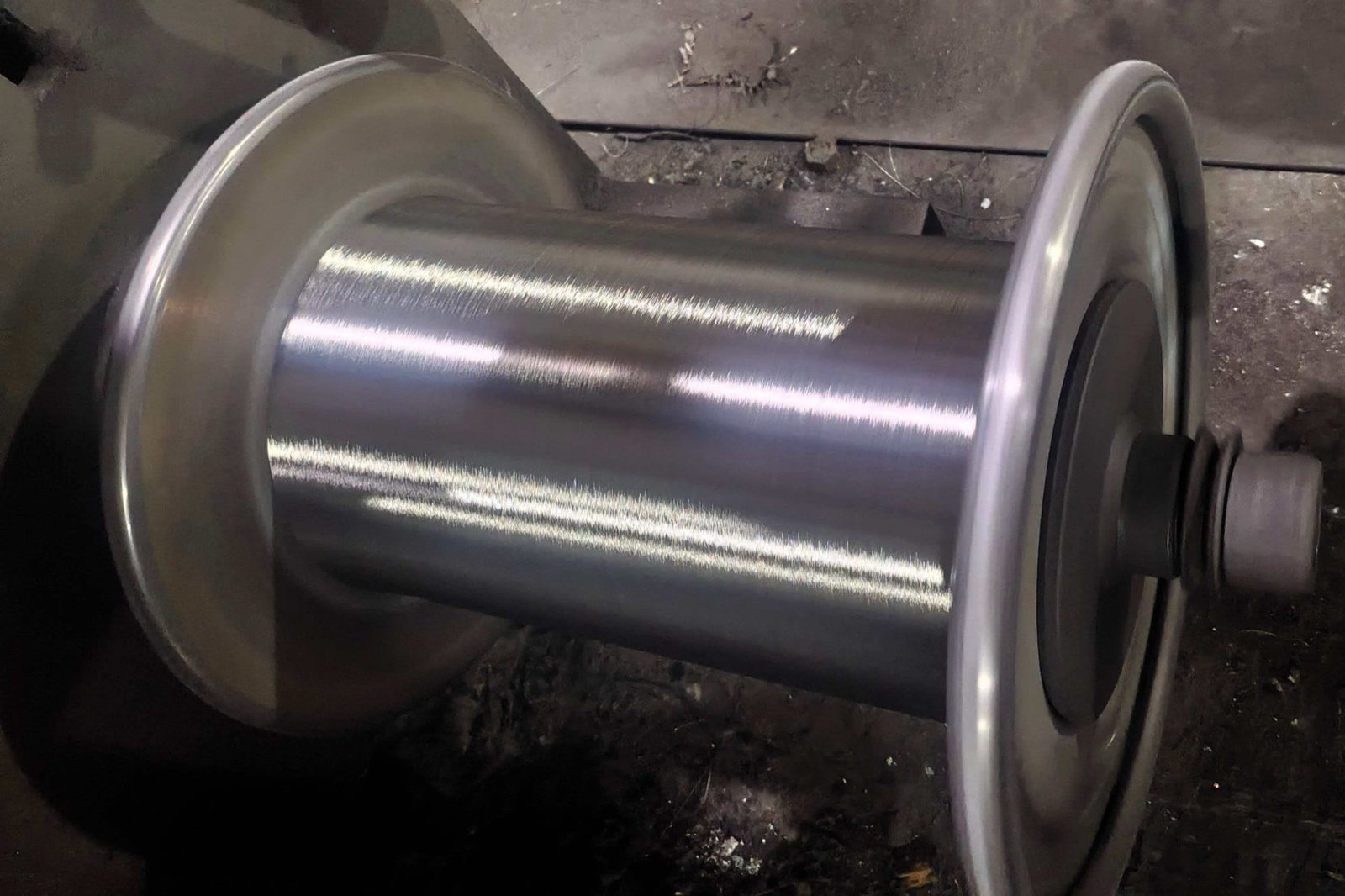
Ahmed then told me why he was so cautious. He said he had bought a batch of "redrawing wire" from another supplier before. He didn't know the exact specifications, but he trusted them. When his team loaded it onto the drawing machines, the wire kept breaking. Production was a nightmare. He lost a lot of material and time. After our talk, he realized what had happened. That supplier probably sold him standard wire that was intended as a final product. It wasn't fully annealed to be soft enough for redrawing. When metal is drawn, it goes through a process called "work hardening," which makes it harder and more brittle. Annealing reverses this. If the wire isn't soft enough to begin with, the very first pull through a die will make it too hard to continue, and it will snap. His previous supplier either didn't understand his needs or sold him the wrong stock.
How Can You Ensure You Order the Correct Wire for Redrawing?
Worried about making the same mistake again when placing your next order? Ordering the wrong material can be a disaster, but a few simple checks can guarantee you get exactly what you need.
Be extremely specific. Don't use local jargon like 'redrawing wire'. Instead, provide clear technical specifications: the material grade (e.g., 201 stainless steel), the exact starting diameter (e.g., 0.55mm), and the condition (e.g., 'fully soft annealed for redrawing').
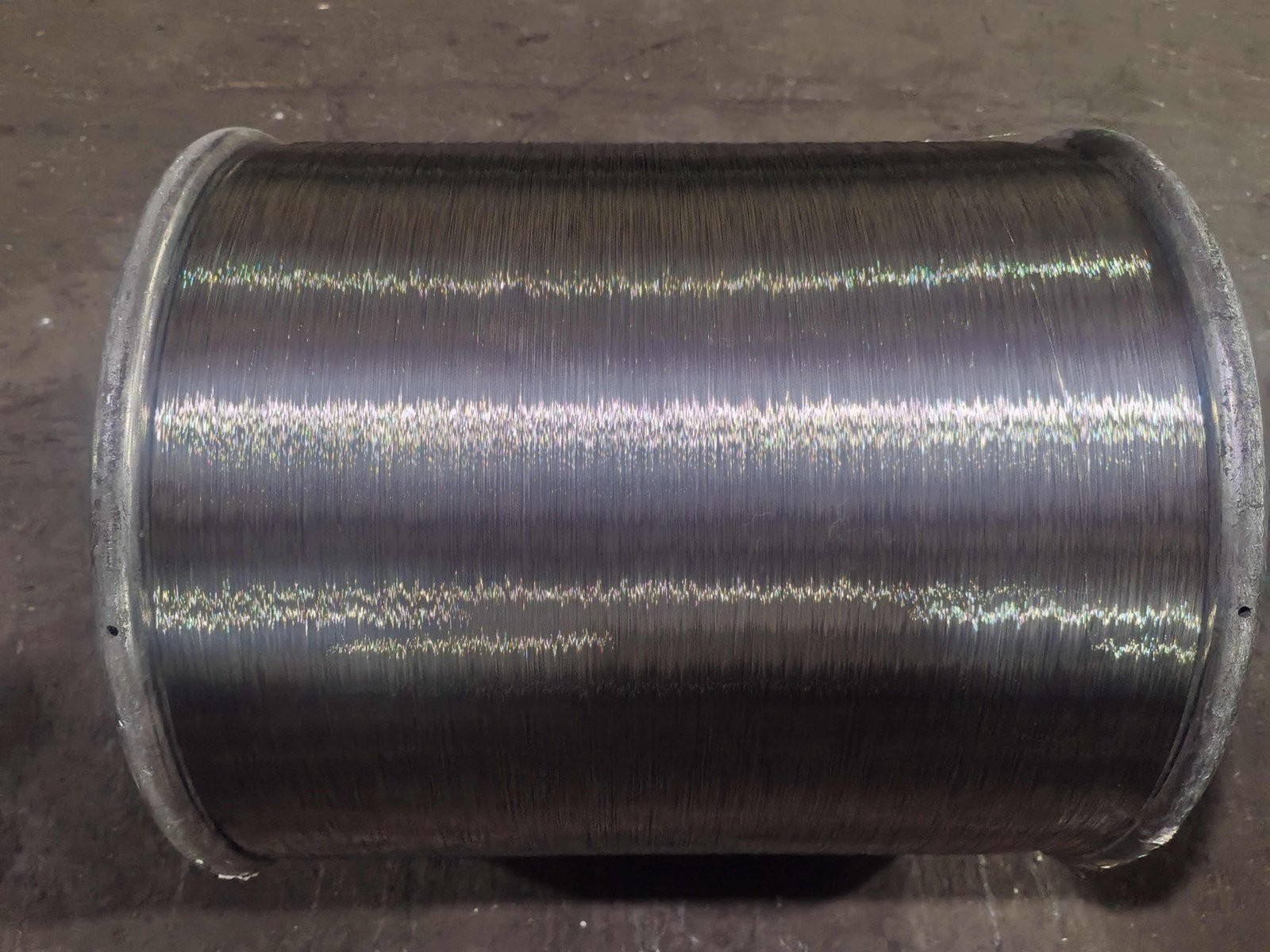
To avoid the problems Ahmed faced, communication with your supplier must be crystal clear. You are the expert on your own production process, so you need to provide the right information. First, never rely on slang or trade names. Always use technical terms. Specify the exact material, like "201 stainless steel" or "304 stainless steel." State the precise diameter you need to start with, for example, "0.55mm." Most importantly, describe the condition of the wire. Use phrases like "soft annealed for redrawing" or "fully annealed." This tells the supplier that you need the wire to have maximum ductility. Finally, it's a great idea to tell your supplier the final diameter you want to achieve, such as "for redrawing down to 0.13mm." This gives them the complete picture and helps them ensure the material they provide is perfect for your application. After our conversation, Ahmed placed an order for 0.55mm 201 soft annealed wire, and he now plans to order from us monthly.
Conclusion
Clear communication is key in global sourcing. Understanding and specifying the exact technical requirements of your material, rather than relying on jargon, prevents costly production errors and builds better supplier partnerships.
Ahmed now knows exactly what specification to order for his redrawing needs. Read more Egypt market and technical guides on our blog https://mfgwiremesh.com/blog/ or reach out via https://mfgwiremesh.com/contact/.
We provide full MTC (Mill Test Certificate) and Certificate of Origin with every shipment.
If you are sourcing 201 stainless steel fine wire for redrawing or scourer production, we are happy to provide a specification-based quotation. Contact us via WhatsApp: +86 15383180672.
FAQ:
Q1: Is redrawing wire a separate product category? A1: No. Redrawing wire is not a unique product. It is simply 0.50mm or 0.55mm 201 stainless steel annealed wire that has been softened to make it suitable for secondary drawing. Ahmed initially thought redrawing wire was a special grade, but it is the same material as other stainless steel fine wire in our product range. What makes it suitable for redrawing is the annealing process, which prioritizes maximum softness over the balanced hardness required for finished scourer wire.
Q2: What happens if a buyer uses finished scourer wire for redrawing? A2: Finished scourer wire at 0.13mm is annealed to a specific hardness that balances forming performance and tensile strength. This hardness level is too high for secondary drawing. When a buyer attempts to redraw finished wire, the dies wear faster and the wire breaks more frequently. Ahmed experienced this problem with a previous supplier who sold him wire labeled as redrawing material that was actually finished product. The higher breakage rate increased his production costs.
Q3: How should buyers specify redrawing wire when placing an order? A3: Buyers should specify the exact diameter and state that the wire is for redrawing purposes. For example, 0.55mm 201 stainless steel annealed wire for secondary drawing. This tells the factory to prioritize maximum softness in the annealing process. Ahmed now orders 0.55mm annealed wire with clear instructions for redrawing use, and his breakage rate has dropped significantly compared to his previous supplier.