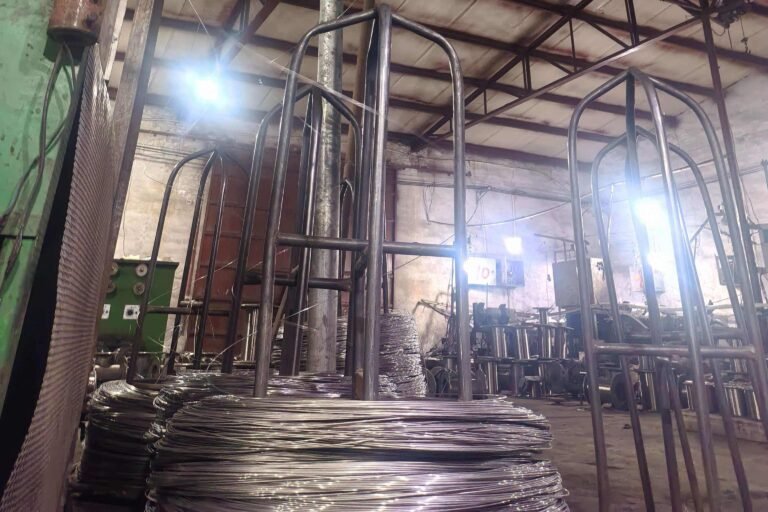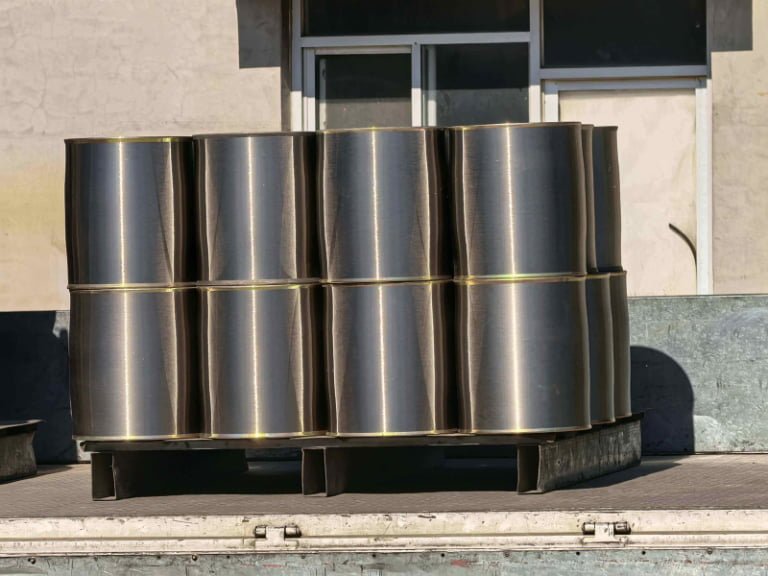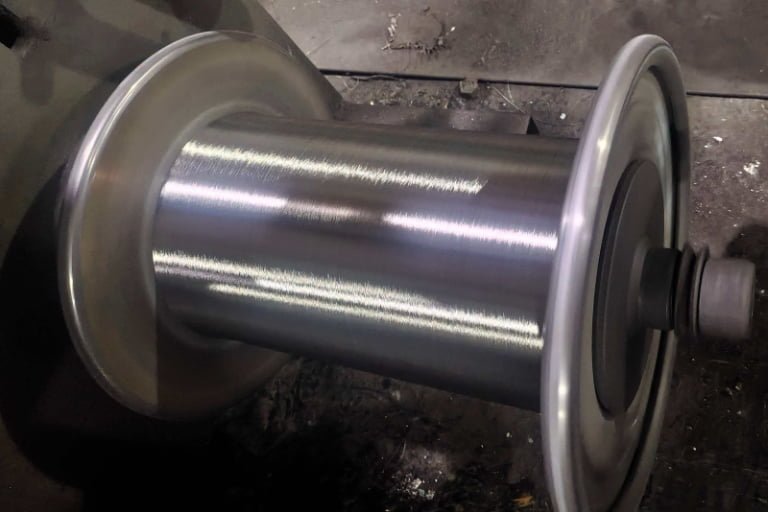



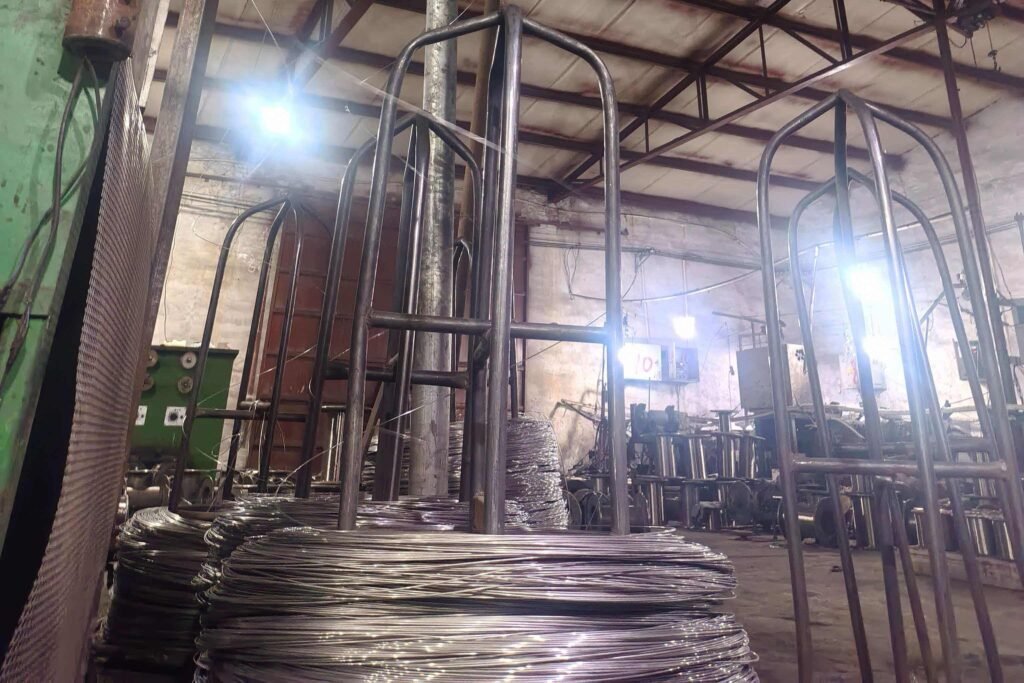
Egypt's scourer industry relies on more than just finished fine wire. A network of small redrawing workshops buys 0.50mm and 0.55mm annealed soft wire and draws it down to 0.13mm themselves. Understanding this secondary drawing process explains why demand for mid-range diameters remains strong alongside finished fine wire.
Karim supplies both finished scourer wire and redrawing material to his clients. Buyers like him, who need consistent quality in both 0.13mm finished wire and 0.50mm redrawing wire, can find detailed specifications on our product page: https://mfgwiremesh.com/metal-wire/201-stainless-steel-wire/.
Struggling with wire supply for your scourer business? The local market seems complex, with factories buying wire that is not even the final size. There is a reason for this.
Redrawing wire, or secondary drawing, is a process where factories buy a thicker, soft-annealed wire (like 0.50mm) and draw it down to the final required size (like 0.13mm). This is common in markets like Egypt where specialized machinery or finished wire imports are limited.
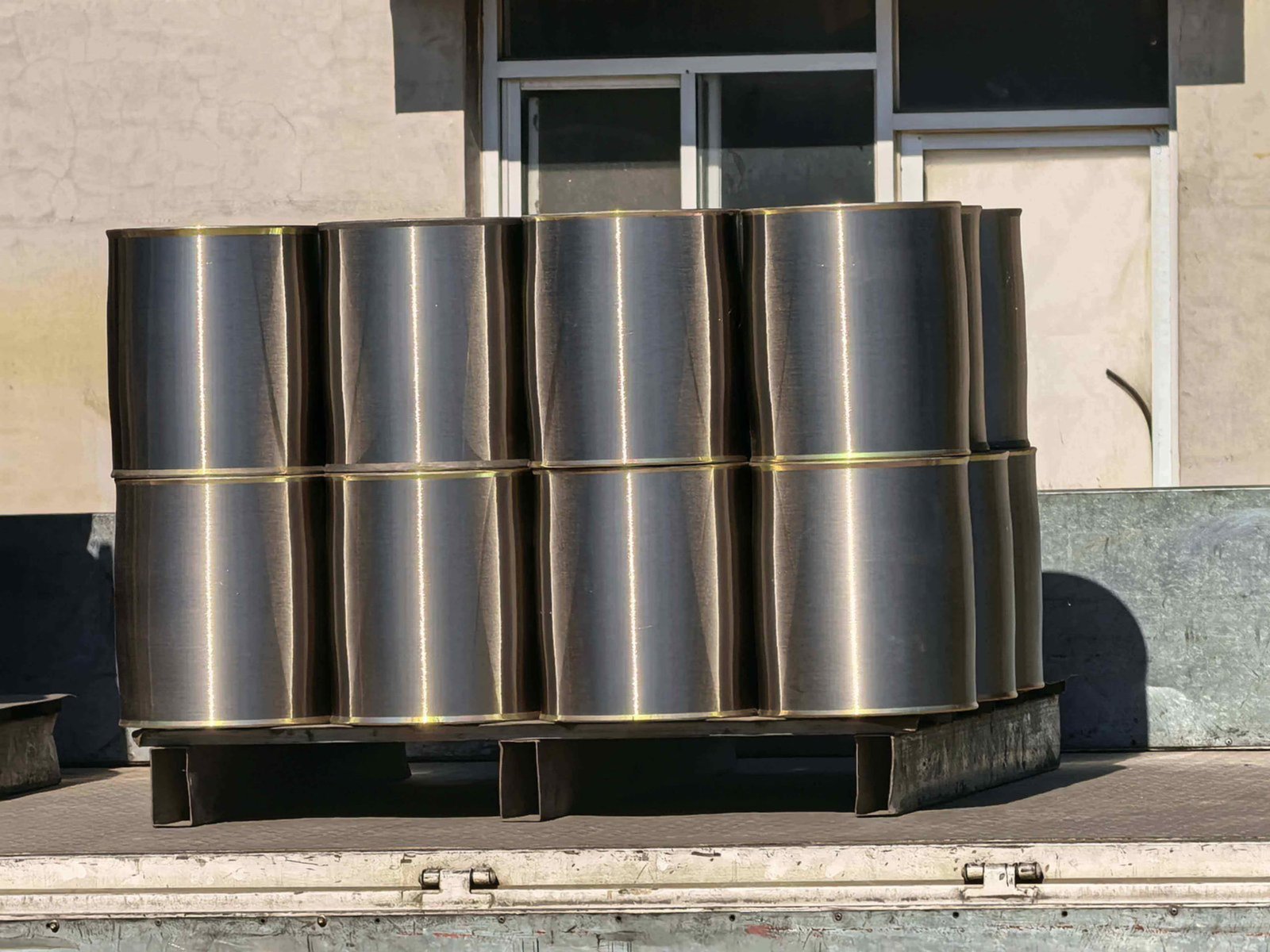
This might seem inefficient, but it’s a smart business model for many. I learned a lot about this from my client, Karim, who runs a scourer factory in Cairo. His experience shows why this secondary market exists and thrives. Let's explore this further and see how it impacts the entire supply chain.
Why Do Some Factories Redraw Wire Instead of Buying Finished Sizes?
Is buying finished wire always the most profitable choice? For many small factories, the high cost of equipment and unreliable supply of finished wire makes redrawing a better option.
Factories redraw wire because it requires a lower initial investment in machinery and relies on a more available raw material (thicker wire). This model provides a stable, though smaller, profit by serving the high demand for finished scourer wire in a supply-constrained market.
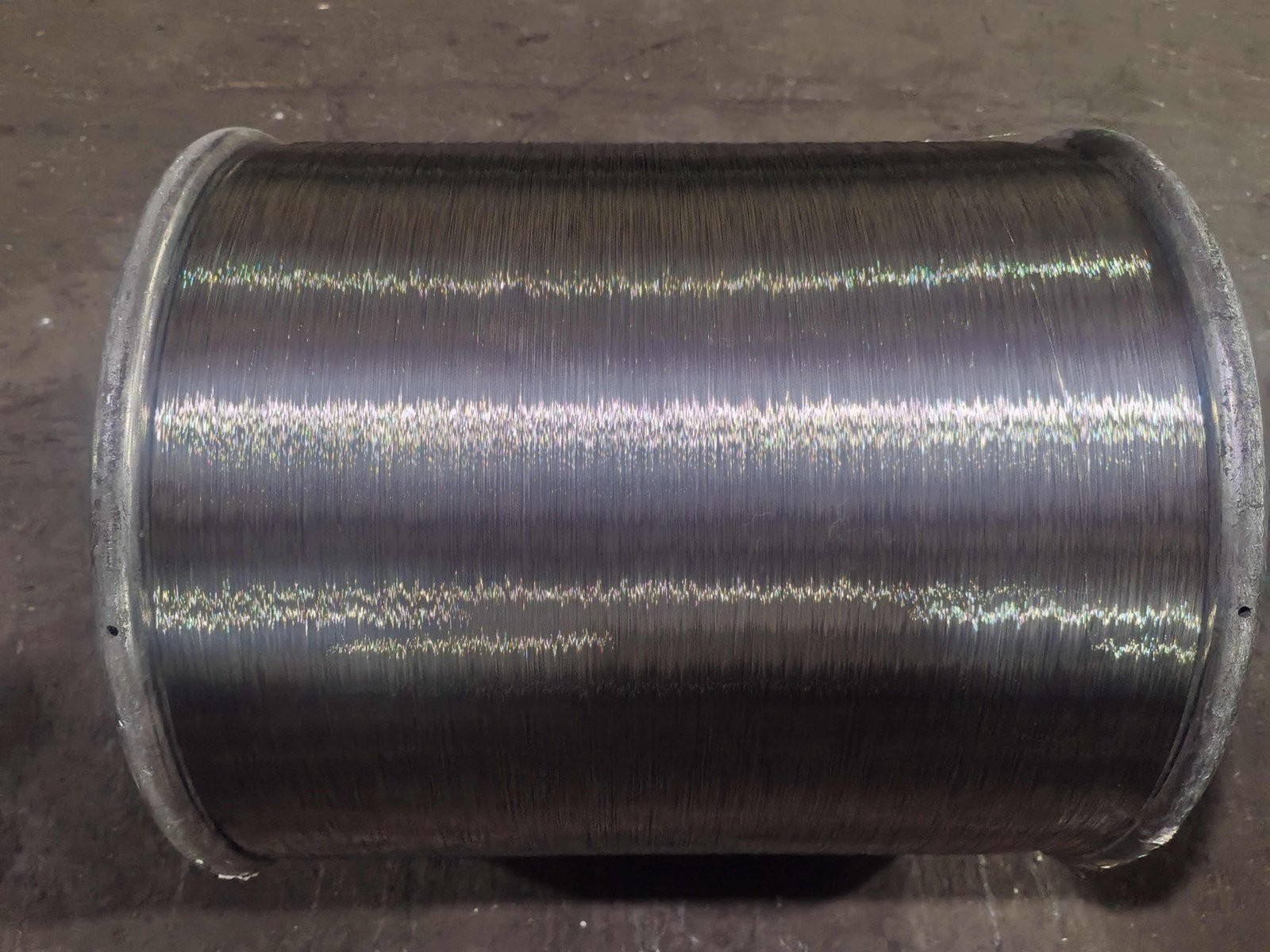
I recently worked with Karim, a scourer factory owner in Cairo. He placed an order for a mixed container of wire: half was 0.13mm, and the other half was 0.50mm. The 0.13mm wire was for his own production. The 0.50mm wire was for his customer in Alexandria. This was interesting to me. His customer in Alexandria doesn't buy the finished 0.13mm wire. Instead, he buys our 0.50mm soft annealed wire and redraws it himself.
Karim told me this business model is very common in Egypt. Many smaller drawing factories don't have the heavy-duty machines to draw wire from thick raw rods. Their equipment can only handle lighter, secondary drawing. So, they buy 0.50mm annealed wire, pass it through one or two drawing dies to get 0.13mm wire, and then sell it to local scourer factories. These redrawing businesses earn a processing fee. The profit isn't huge, but it's very stable because the demand for scourer materials in Egypt keeps growing.
The Business Case for Redrawing
Karim himself used to have a redrawing business. As his production volume grew, he found it more cost-effective to import finished 0.13mm wire directly. However, many of his friends still run redrawing operations. The reason is simple: the initial investment is very small. A small workshop with two or three people can start this business. This is especially true now. Karim mentioned that Egypt's strict foreign exchange controls limit the import of finished scourers, which has actually helped local producers. The demand for locally-made scourers is high, but the supply of finished 0.13mm wire is limited. As a result, redrawing factories are often busier than the scourer factories they supply.
Direct Purchase vs. Redrawing Model
| Feature | Direct Purchase of Finished Wire | Redrawing Thicker Wire |
|---|---|---|
| Initial Investment | Low (No drawing machines needed) | Low to Medium (Light-duty machine) |
| Raw Material | Finished size wire (e.g., 0.13mm) | Thicker annealed wire (e.g., 0.50mm) |
| Operational Control | Dependent on supplier quality | More control over final wire specs |
| Profit Margin | Potentially higher per unit | Lower, based on processing fee |
| Market Risk | High risk from import restrictions | Lower risk, serves local demand |
| Flexibility | Low, tied to supplier stock | High, can produce as needed |
How Does Wire Annealing Affect the Redrawing Process?
Is your redrawing process suffering from high wire breakage and rapid die wear? The problem might not be your machine, but the softness of the wire you're buying.
Proper annealing is critical for redrawing. The wire must be extremely soft to be drawn further without breaking or damaging the drawing dies. Unlike finished scourer wire that needs some hardness, wire for redrawing needs maximum malleability for a smooth, efficient process.
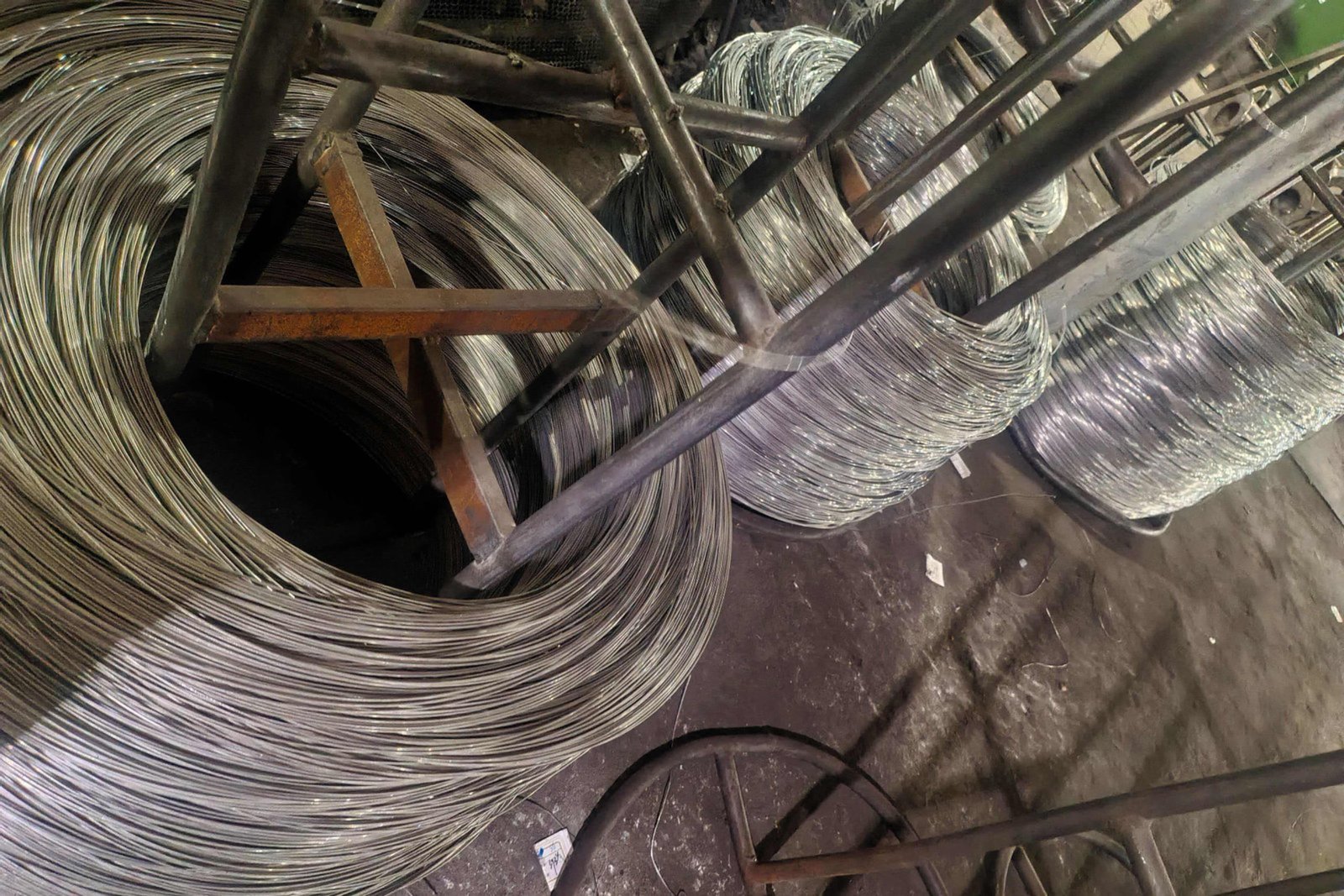
When we supply 0.50mm wire for redrawing, we understand its purpose is very different from finished scourer wire. For a scourer, the wire needs to be soft enough to be knitted but hard enough to be abrasive for cleaning. It is a balance. But for redrawing, the rule is simple: the softer, the better. The wire has to be drawn again through the customer's own machines. If it is not properly and fully annealed, it will be too hard. This causes major problems. The wire will snap frequently, leading to production downtime. It also causes rapid wear on the customer’s expensive drawing dies, increasing their operational costs.
The Real Cost of Poor Annealing
This is exactly the experience of Karim's customer in Alexandria. Before buying from us, he sourced his 0.50mm wire from a supplier in India. Karim told me that wire was always a bit hard. When his customer tried to redraw it, the wire breakage rate was very high. After he switched to our wire, the problem went away. His customer was very happy because the breakage rate dropped significantly, and his production became much more efficient. This is because we specifically process our redrawing wire to be exceptionally soft, anticipating the secondary drawing process it will undergo.
Impact of Annealing on the Redrawing Process
| Annealing Quality | Ideal (Fully Soft Annealed) | Poor (Insufficiently Annealed) |
|---|---|---|
| Wire Softness | Maximum malleability, easy to deform | Hard, brittle, resists deformation |
| Breakage Rate | Very low, allows for continuous, smooth operation | High, causes frequent stops and production loss |
| Die Lifespan | Normal, predictable wear and tear | Drastically reduced, leading to high replacement costs |
| Energy Use | Lower, as less force is needed to draw the wire | Higher, as machines work harder to pull the hard wire |
| Final Product | Consistent diameter and smooth surface finish | Inconsistent diameter, potential for surface defects |
What Should You Look For in a Supplier of Wire for Redrawing?
Choosing the right supplier for redrawing wire is crucial. A bad choice can halt your production line and ruin your profits. How do you ensure you get the right material?
Look for a supplier who understands the specific needs of redrawing. They must provide consistently soft-annealed wire, maintain tight diameter tolerances (e.g., ±0.01mm), and guarantee a stable supply. Ask for test reports on mechanical properties to verify softness.
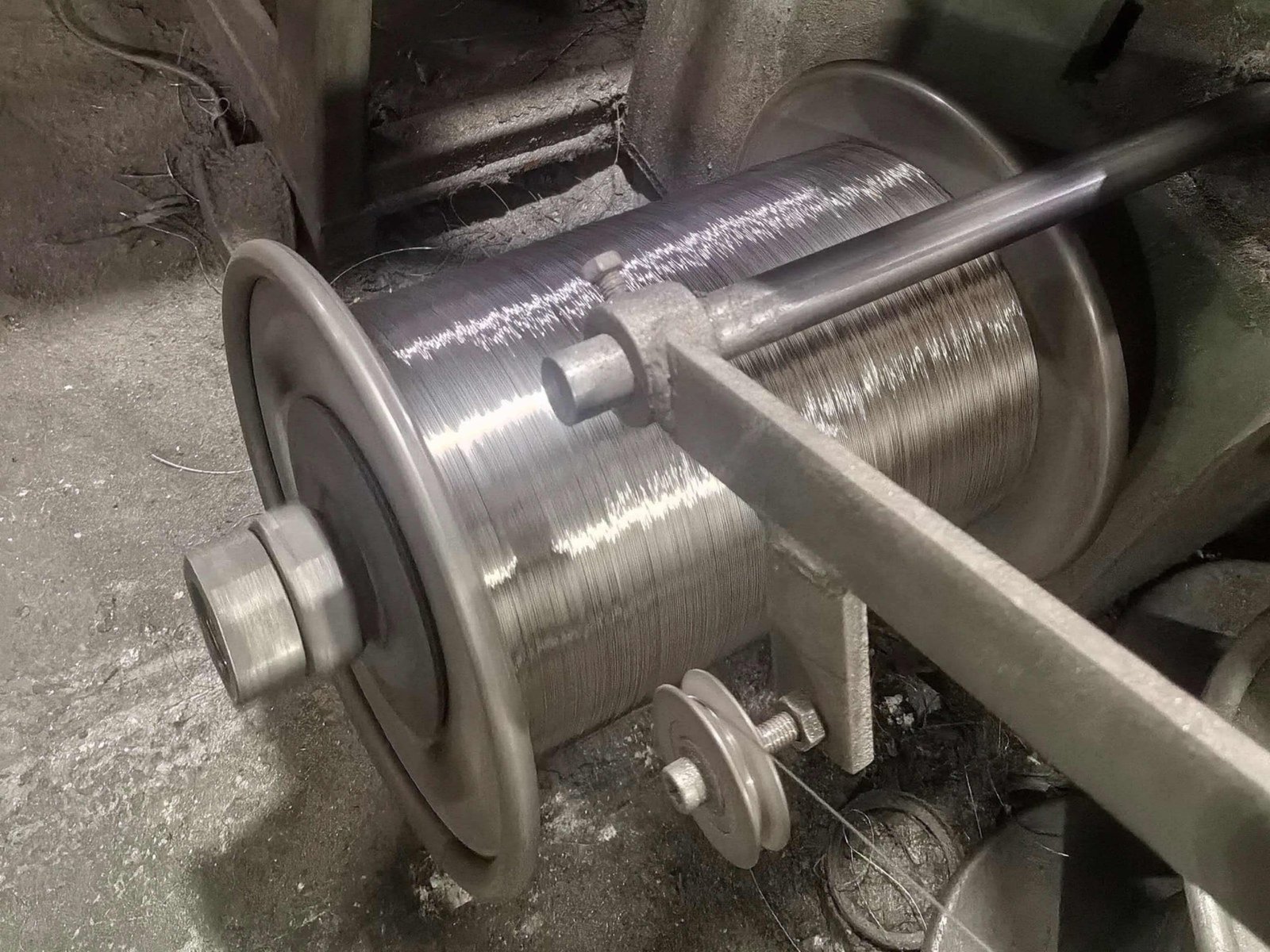
When you source wire for redrawing, you are not just buying a product; you are buying a semi-finished material for your own manufacturing process. Its quality directly impacts your efficiency and profitability. Your supplier must understand this. They can't just send you any standard wire. They need to provide material specifically prepared for secondary drawing. We keep 0.50mm annealed soft wire in stock for clients like Karim's customer precisely because we understand this niche but critical demand. We know this wire must meet a different set of standards.
Key Supplier Vetting Criteria
The first step is to confirm that the supplier truly grasps the technical requirements. Do they have a specific annealing process for redrawing wire? Can they provide consistent quality from batch to batch? A reliable supplier should be able to provide detailed test reports showing the wire's low tensile strength and high elongation, which are indicators of softness. Furthermore, a stable supply is just as important. In a market with high demand, you cannot afford to have your production stop because your supplier ran out of stock.
Supplier Checklist for Redrawing Wire
| Criteria | What to Ask or Verify |
|---|---|
| Process Understanding | "Do you supply wire specifically for redrawing? What is your annealing process for it?" |
| Material Softness | Request a test report. Check for low tensile strength (e.g., under 500 MPa for stainless steel) and high elongation. |
| Diameter Tolerance | Confirm they can achieve tight tolerances (e.g., ±0.01mm). This ensures smooth passage through your dies. |
| Material Consistency | Ask how they ensure softness and diameter are the same across different batches. Look for ISO 9001 certification. |
| Stock & Reliability | "Is this a standard stock item for you? What is your lead time?" Ensure they can provide a consistent supply. |
| Packaging | Verify they use moisture-proof and anti-rust packaging to protect the wire quality during shipping and storage. |
Conclusion
Redrawing wire is a key part of many supply chains. Understanding the material needs, especially proper annealing, is the secret to making this business model profitable and successful.
Karim's redrawing clients reported lower breakage rates after switching to our annealed wire. Read more Egypt market and technical guides on our blog https://mfgwiremesh.com/blog/ or reach out via https://mfgwiremesh.com/contact/.
We provide full MTC (Mill Test Certificate) and Certificate of Origin with every shipment.
If you are sourcing 201 stainless steel fine wire for scourer production or redrawing, we are happy to provide a specification-based quotation. Contact us via WhatsApp: +86 15383180672.
FAQ:
Q1: What is the difference between finished scourer wire and redrawing wire? A1: Finished scourer wire at 0.13mm is ready to run directly on cleaning ball forming machines. Redrawing wire at 0.50mm or 0.55mm is semi-finished material that buyers run through their own smaller drawing machines to produce 0.13mm wire. The annealing requirements differ significantly: finished wire needs a precise balance of softness and tensile strength, while redrawing wire needs maximum softness to minimize die wear and breakage during the buyer's secondary drawing process.
Q2: Why do Egyptian factories buy redrawing wire instead of finished scourer wire? A2: Many smaller Egyptian workshops operate light-duty drawing machines that cannot process 5.5mm raw rod but can handle 0.50mm annealed wire for secondary drawing. These redrawing shops earn processing margins by converting mid-range diameters to finished scourer wire. The model works because equipment investment is low, and demand from scourer factories consistently exceeds the supply of finished 0.13mm wire in the local market.
Q3: What happens if redrawing wire is not annealed soft enough? A3: Insufficiently annealed redrawing wire causes two problems for the buyer. First, die wear increases significantly because harder wire abrades the drawing dies faster, raising tooling costs. Second, breakage rates rise during secondary drawing because the wire lacks the ductility needed to pass through the die without snapping. Karim's Alexandria client reported measurably lower breakage rates after switching from their previous Indian supplier to our annealed 0.50mm wire.