


For Egyptian buyers of 201 stainless steel fine wire, packaging is not an afterthought. It is the difference between a shipment that arrives ready for production and one that loses a third of its value on the dock. Here is what one Cairo factory owner insisted on before placing his order.
Ahmed spent as much time discussing packaging as he did discussing specifications. Buyers like him, who need industrial-grade packaging that survives Alexandria port handling, can find detailed information on our product page: https://mfgwiremesh.com/metal-wire/201-stainless-steel-wire/.
Worried about your fine wire arriving damaged? Damaged spools mean unusable wire and huge losses. Our reinforced packaging ensures your product arrives perfectly intact, every time.
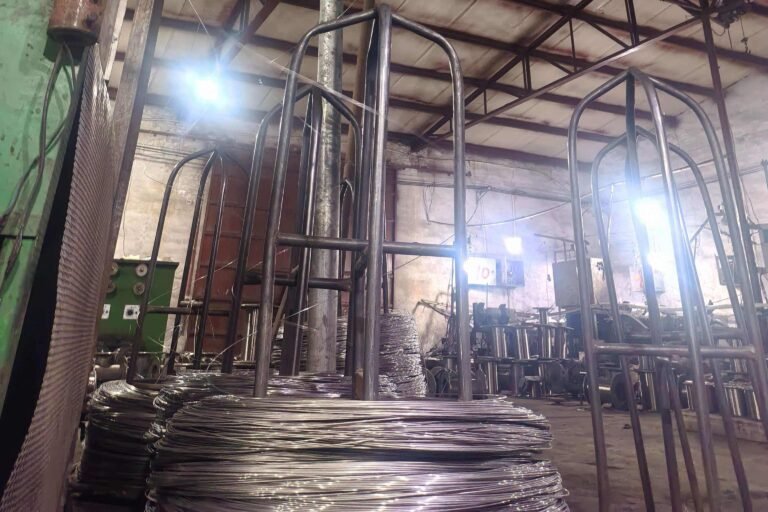
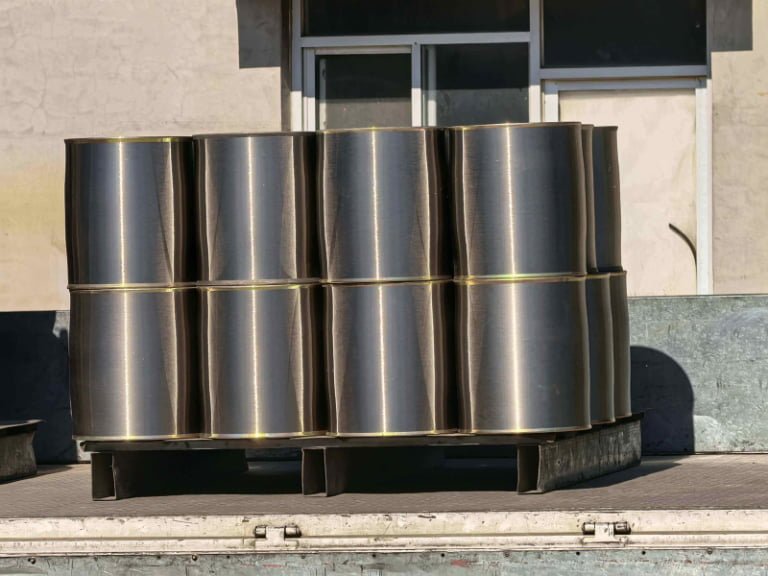
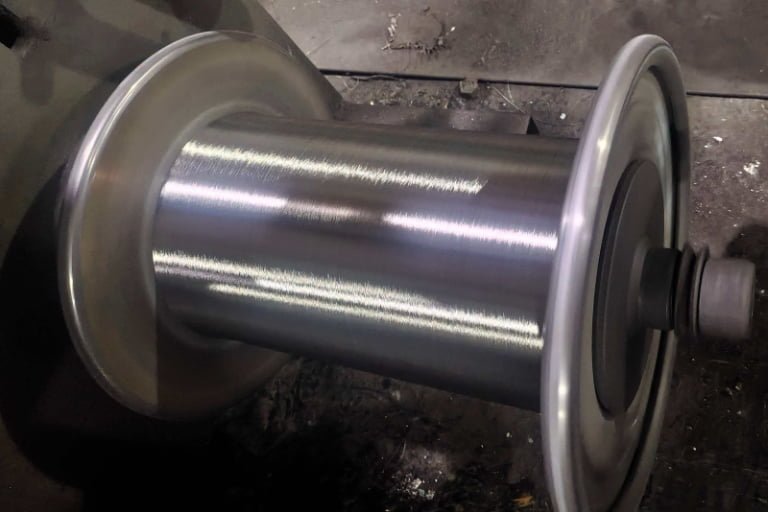
For stainless steel fine wire, use large, heavy-duty spools (15-20kg) with thicker walls. Then, place them inside reinforced woven bags that are machine-sealed. This protects against impact during rough handling at ports, preventing spool cracking and wire waste.
This solution isn't just a theory; it solved a real-world problem for one of our clients. A simple conversation about packaging turned a potential disaster into a perfect delivery. Let me walk you through how we identified the issue and why our standard packaging was the perfect fix.
Why Do Standard Spools Fail During International Shipping?
Your supplier says the product quality is good. But it arrives damaged, making it useless and costing you money. The issue isn't the product; it's the packaging.
Standard spools often fail because they are not designed for the high impact of rough handling, like being dropped by old cranes at ports. The thin walls of smaller spools can easily crack. This causes the fine wire to unravel, making it impossible to use in machinery.
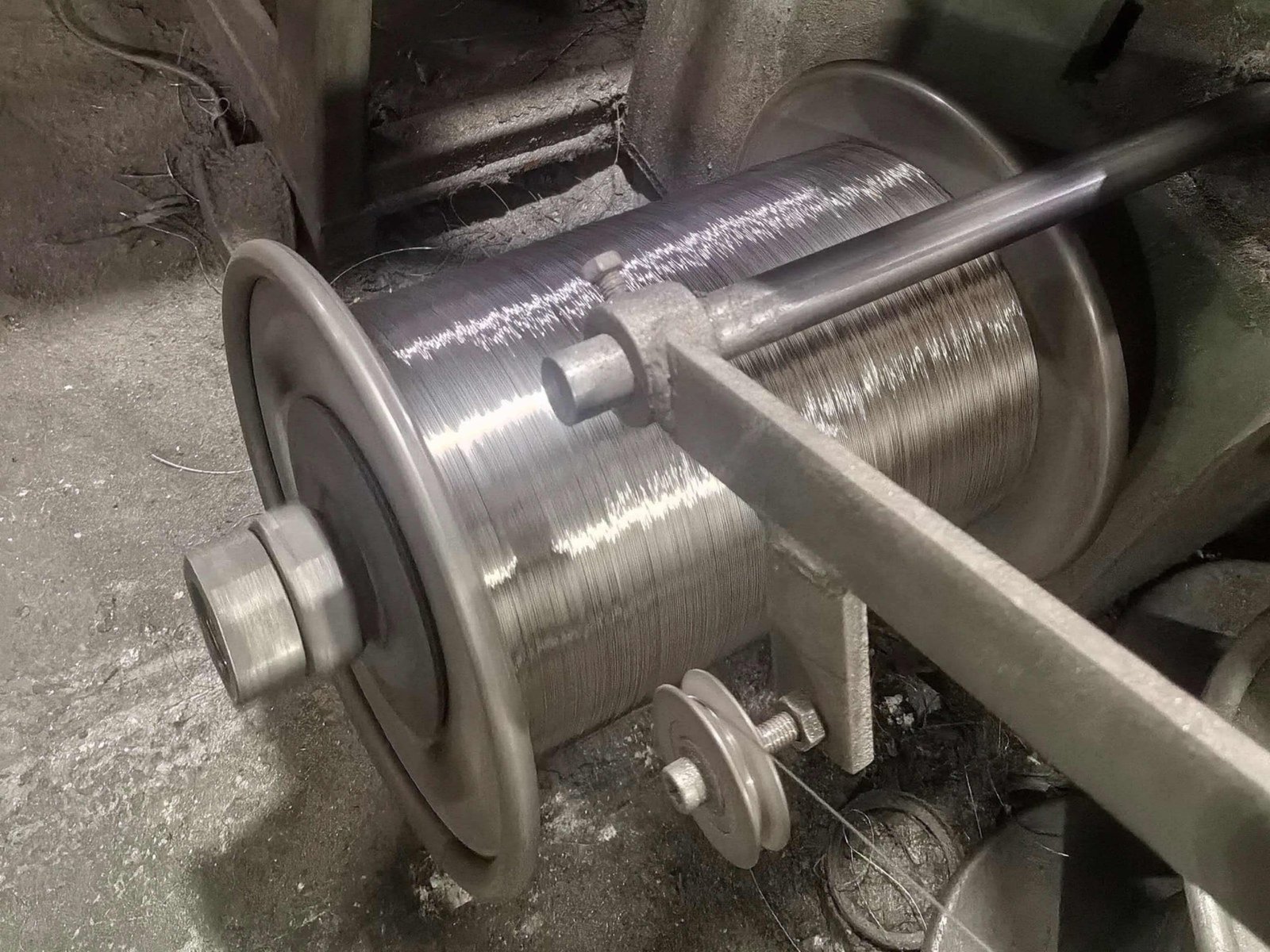
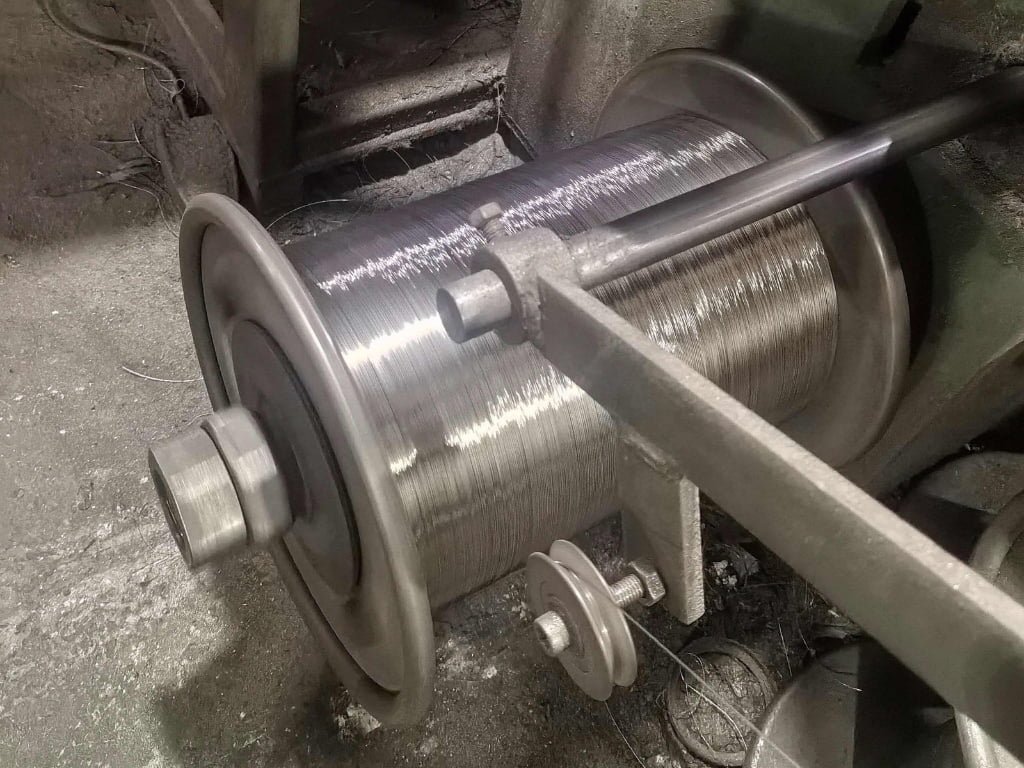
I learned this firsthand from a client in Cairo. Ahmed, who owns a scouring pad factory, was asking about our 0.13mm stainless steel wire. Before we even talked much about price, he spent several minutes explaining his packaging requirements. He told me about his last supplier from India. The wire quality was fine, but the packaging caused several accidents. In the worst case, six spools were cracked open during unloading. He lost almost a third of his entire order. The core of the problem was the rough handling at Egyptian ports, which use old cranes that drop containers with significant force. This impact is too much for small, weak spools. Once a spool cracks, the fine wire unravels and becomes a tangled mess. His scouring pad machines can't feed tangled wire because the intake wheels can't grip it. The entire coil becomes scrap.
The Financial Cost of Failure
| Feature | Standard (Small Spool) Packaging | Robust (Large Spool) Packaging |
|---|---|---|
| Spool Size | Typically <10 kg | 15-20 kg |
| Spool Wall Thickness | Thin | Several mm thicker |
| Impact Resistance | Low, prone to cracking | High, absorbs shock |
| Outer Protection | Simple plastic wrap or thin bag | Reinforced woven bag, machine-sealed |
| Result at Port | High risk of damage and product loss | Low risk, designed for rough handling |
What Makes a Packaging Solution Truly Effective for Fine Wire?
You need packaging that guarantees your wire arrives safely. Generic solutions don't account for real-world shipping challenges. A system designed specifically for heavy-duty handling is what works.
Effective packaging for fine wire involves two key elements. First, use large spools (15-20 kg) with much thicker walls for superior impact resistance. Second, enclose each spool in a reinforced woven bag, then use a machine to seal the opening tightly. This combination protects the spools.
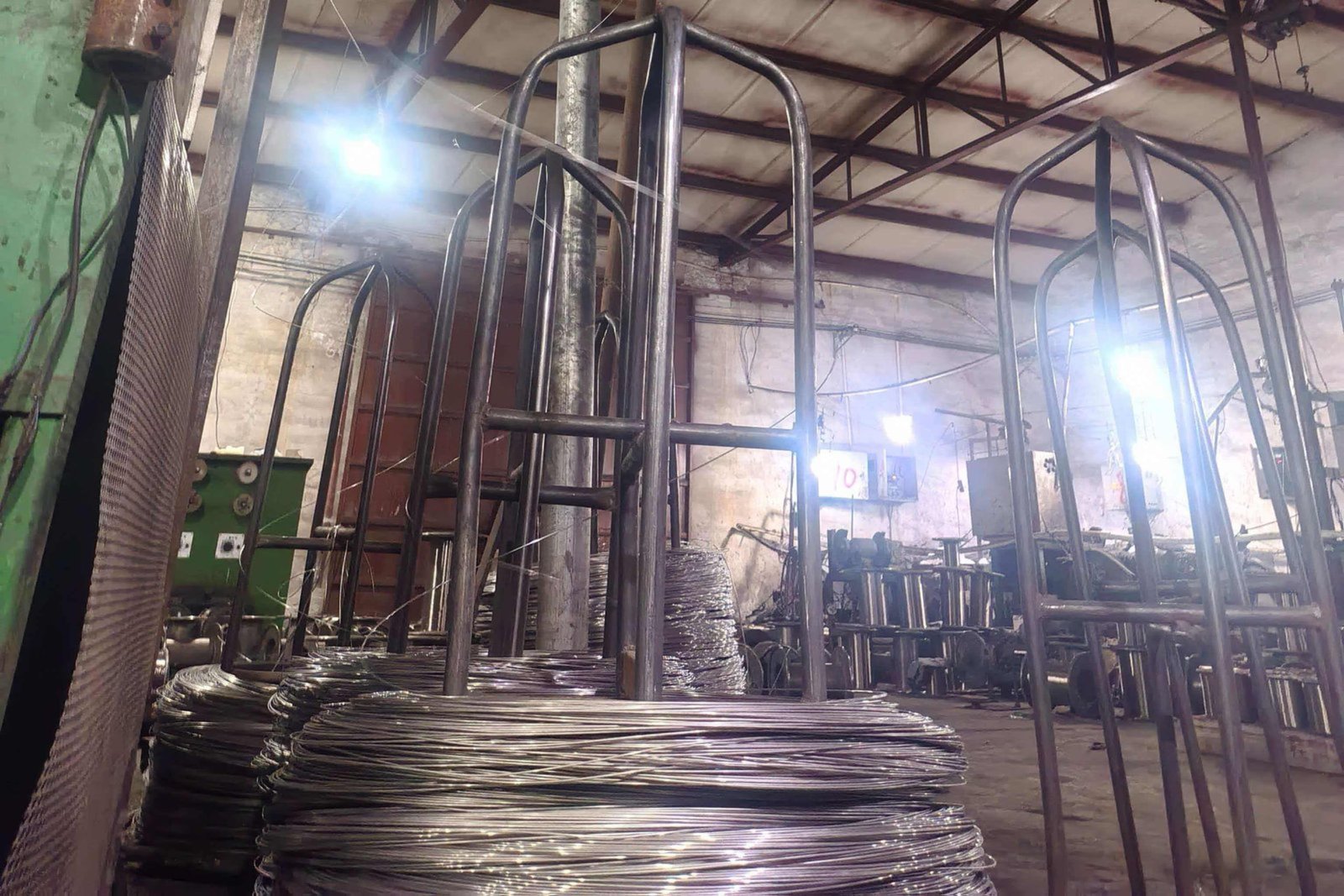
When Ahmed described his problem, I knew we already had the solution. It’s our standard procedure for shipping fine wire. We use large spools that weigh between 15 and 20 kg each. These spools have walls that are several millimeters thicker than the smaller spools he was used to. This extra thickness provides the structural integrity needed to withstand hard landings and impacts. But we don't stop there. We place each heavy spool inside a specially thickened woven bag. This bag isn't just tied shut by hand. We use a machine to create two strong, clean seals at the opening. This ensures the bag won't rip or open during transit, providing another layer of protection. To give Ahmed confidence, I sent him a video of our packaging from a previous shipment we sent to Alexandria. He saw the large spools and the sturdy bags and immediately said, "That's exactly what I need." This simple step showed him we understood his problem and already had a proven system in place.
How Does Proper Packaging Impact Your Bottom Line?
Damaged goods are eating into your profits. Every wasted coil is money down the drain and a production headache. Investing in the right packaging delivers a 100% usable product.
Proper packaging directly impacts your bottom line by eliminating product waste. When 100% of the wire you order is usable, you avoid the cost of scrapped material and production downtime. This leads to higher efficiency, predictable inventory, and greater profitability.
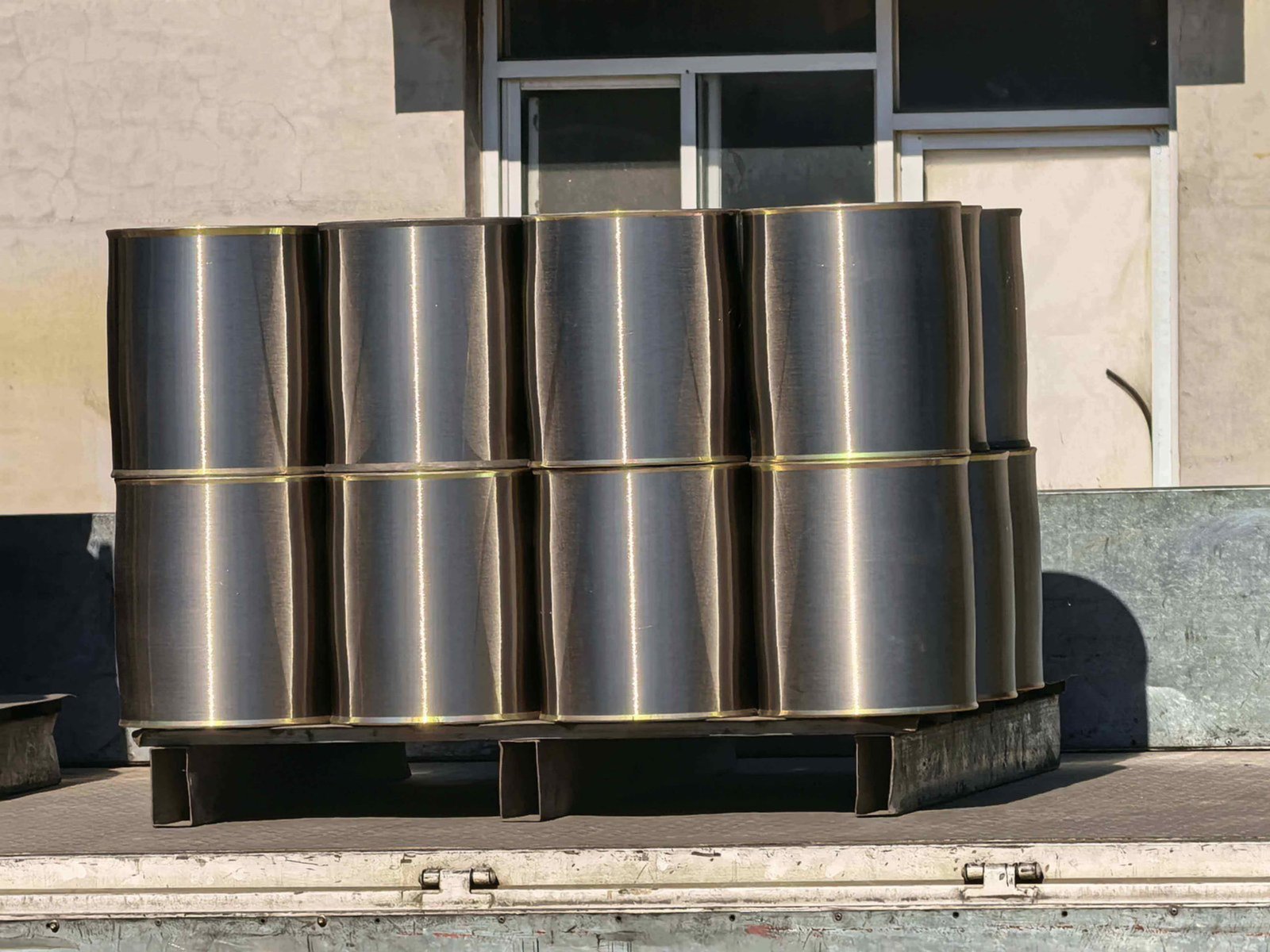
The real test came when Ahmed's shipment arrived. He sent me a video from the Port of Alexandria. It showed a forklift unloading the pallets from the container. I could see that every woven bag was perfectly intact. Not a single spool was cracked or damaged. He told me the wire went from the port straight to his workshop and was loaded directly onto his scouring pad machines. There was zero waste. Every single coil he paid for was usable. This is the difference proper packaging makes. It’s not just about protecting the product during shipping. It’s about protecting the customer's investment and their production schedule. When you can rely on your supplier to get every detail right, from material specifications down to the packaging tape, it builds a strong and lasting partnership. You can focus on running your business, not on dealing with costly mistakes from overseas. This is the value we aim to provide to every client, every time.
Conclusion
Robust packaging is not an extra cost. It is essential for protecting your fine wire investment and ensuring zero waste from port to production line.
Ahmed's entire shipment arrived with zero spool damage. Read more packaging and logistics guides on our blog https://mfgwiremesh.com/blog/ or reach out via https://mfgwiremesh.com/contact/.
We provide full MTC (Mill Test Certificate) and Certificate of Origin with every shipment.
If you are sourcing 201 stainless steel fine wire for scourer production or redrawing, we are happy to provide a specification-based quotation. Contact us via WhatsApp: +86 15383180672.
FAQ:
Q1: Why do Egyptian buyers require reinforced packaging for stainless steel fine wire? A1: Alexandria port uses older crane equipment that creates significant impact force when unloading containers. Standard small spools are vulnerable to cracking under this handling. Ahmed lost nearly a third of one shipment from his previous Indian supplier because six spools cracked during unloading. Once a spool breaks, the entire coil unravels and becomes unusable on scourer drawing machines because the feed mechanism cannot grip loose wire.
Q2: What packaging specifications does our factory use for Egyptian shipments? A2: We use 15-20 kg large spools with thicker wall construction than standard small spools. Each spool is wrapped in reinforced woven bags with double-stitched machine-sealed openings. The spools are then palletized and secured with steel strapping. Ahmed confirmed upon delivery in Alexandria that all spools arrived intact with zero damage, and every coil went directly from the container to his production line.
Q3: Can packaging be customized for different buyer requirements? A3: Yes. While 15-20 kg large spools with reinforced woven bags is our standard for Egyptian shipments, we adjust packaging based on buyer feedback and port conditions. Ahmed required specific bag reinforcement at the neck of each spool, which we implemented for his orders. Buyers can specify their packaging requirements when placing an order, and we confirm the details before production begins.