


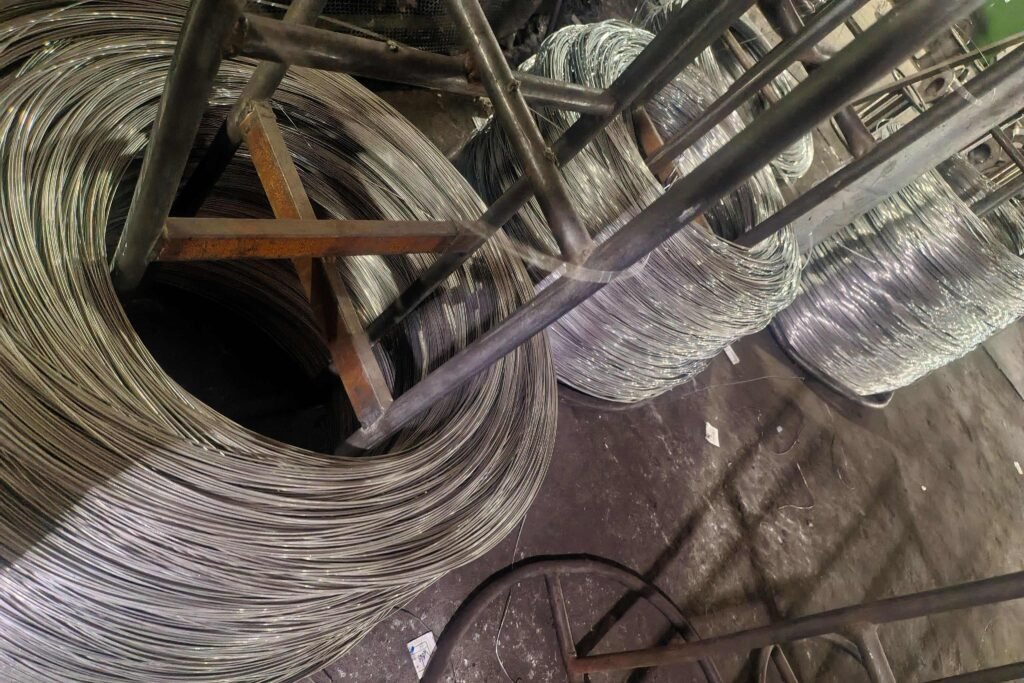
For Egyptian buyers importing 201 stainless steel fine wire, seeing how the wire is made is as important as testing the sample. Production consistency across batches is what separates a reliable supplier from a one-time deal. Here is what happened when one Alexandria factory owner asked to see our production process before placing his order.
Mohamed asked for factory videos after receiving samples. Buyers like him, who want to verify production quality before committing to a bulk order of 201 stainless steel fine wire, can find detailed specifications and factory information on our product page: https://mfgwiremesh.com/metal-wire/201-stainless-steel-wire/.
Worried your wire supplier can't deliver consistent quality? Bad batches cause production headaches and waste money. We offer full transparency to prove our reliability and secure your peace of mind.
An Egyptian client placed an order immediately after seeing videos of our production process. He saw our precise wire drawing, temperature-controlled annealing, and meticulous quality checks. This transparency proved our consistency, which his previous supplier lacked, and it removed all his doubts about the bulk order quality.
It all started with a simple sample request, but it ended with a powerful lesson in trust. This experience showed me that for many clients, seeing how a product is made is just as important as the product itself. Let me walk you through exactly what happened with Mohamed from Alexandria and what he saw that made all the difference.
Why Did a Perfect Sample Still Leave Our Client Hesitant?
You received a great sample but still feel unsure? Past experiences with inconsistent bulk orders can make you doubt every supplier. We understand this hesitation and believe showing is better than telling.
Mohamed, an Egyptian cleaning ball manufacturer, liked our 0.13mm wire sample. But a previous supplier sent good samples and then delivered bulk orders with inconsistent hardness. This caused high breakage rates on his machines. He needed proof of our process consistency before committing.
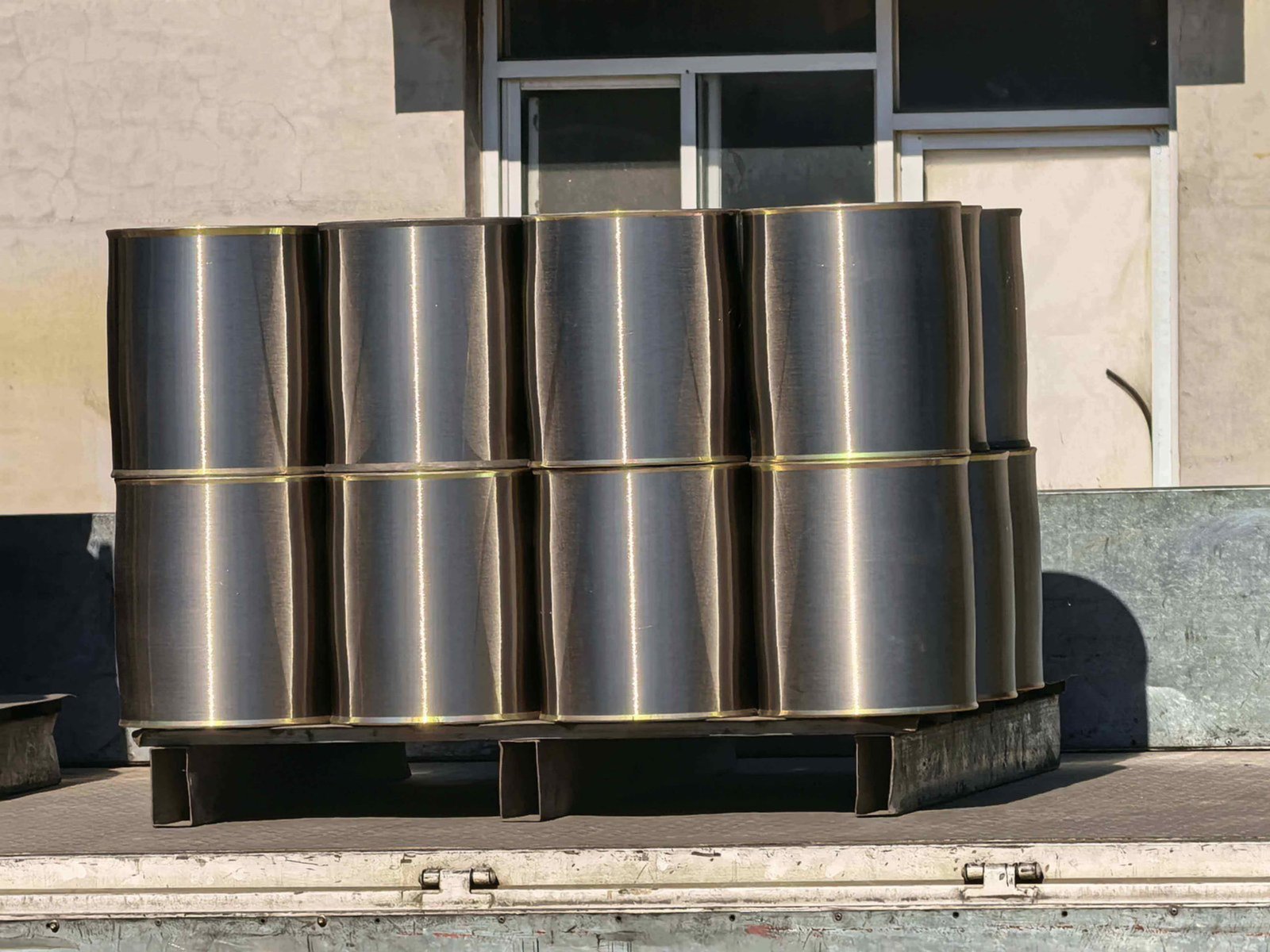
Last month, a man named Mohamed reached out to me on WhatsApp. He runs a factory in Alexandria, Egypt, that makes cleaning balls. He needed a sample of our 0.13mm 201 stainless steel fine wire. We sent it out right away. A short time later, he got back to me and said the sample quality was perfect. But he wasn't ready to order. He wanted to see one more thing: our production videos.
I was a bit surprised, so I asked him why. He told me about a big problem he had with his last supplier from India. The samples they sent were always good, just like ours. But the bulk shipments were a total disaster. Some batches of wire were too hard. When he put them on his machines to make the cleaning balls, the wire would constantly snap. This led to a lot of downtime and wasted material. Other batches were too soft. The finished cleaning balls wouldn't hold their shape and lacked the springy feel customers expect. His business was hurting because of this inconsistency. He couldn't trust samples anymore. He needed to see how we made our wire, from start to finish.
What Did Our Production Videos Reveal About Wire Consistency?
Are you tired of suppliers who just talk about quality? Their promises mean nothing when production fails. We open our factory doors virtually to show you the hard evidence of our consistent manufacturing.
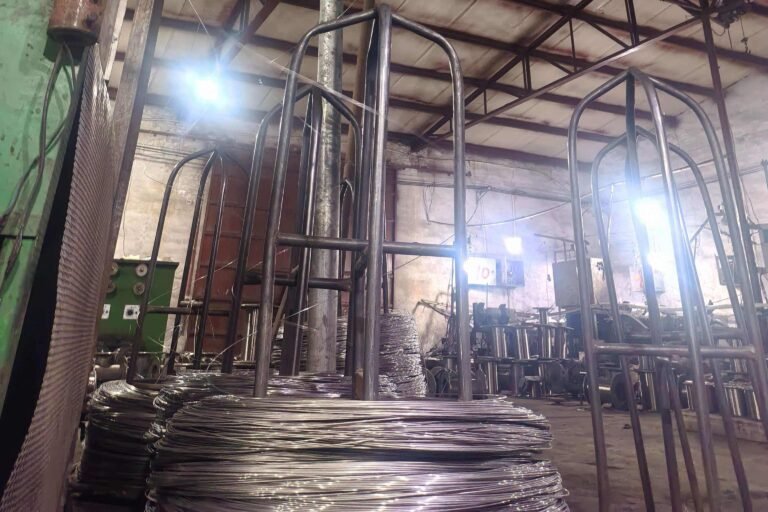
Our videos showed the entire process. He saw a 5.5mm rod drawn through multiple dies to become 0.13mm wire. He saw the real-time temperature curve on our annealing furnace controller, proving precise heat treatment. Finally, he saw our QC team measuring the wire diameter with micrometers.
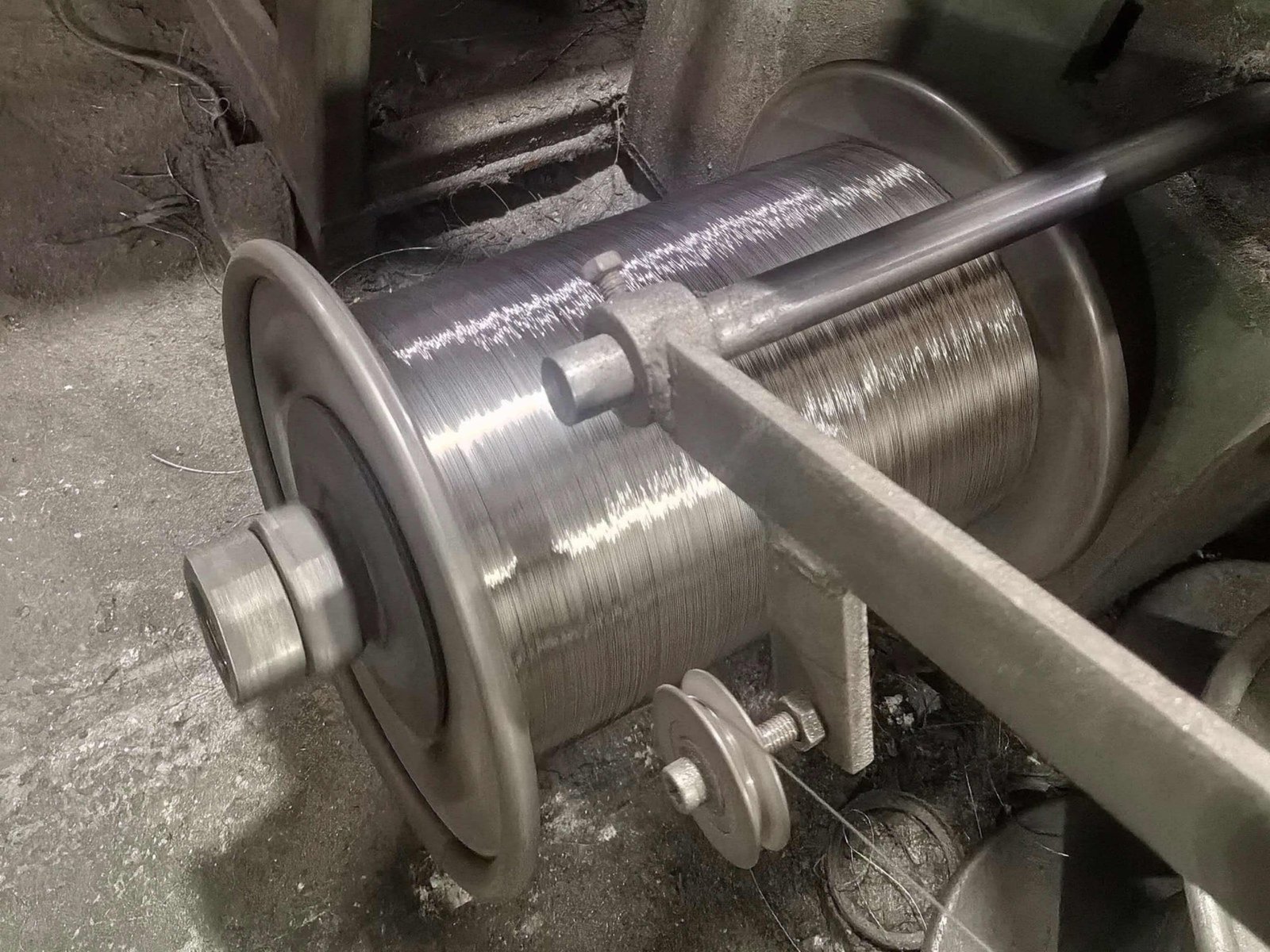
I understood his problem completely. So, I asked my workshop manager to help. We didn't just send a generic factory tour video. We filmed the actual production run for his specific type of wire. We wanted to show him exactly what he would be getting. We created three short videos, each focusing on a critical stage of production.
The Drawing Process
The first video showed our wire drawing machine. It started with a thick 5.5mm wire rod. The camera followed the wire as it was pulled through a series of seven or eight different dies. Each die made the wire a little bit thinner. The video showed the entire journey until it became the ultra-fine 0.13mm wire he needed. This demonstrated that we have the equipment and skill for precision work.
The Annealing Process
The second video was the most important one for Mohamed. It was all about our annealing furnace. Annealing is a heat treatment process that makes the wire soft. This was the step where his old supplier failed. So, instead of just showing wire going into a hot furnace, we focused our camera on the temperature control panel. The video clearly showed the real-time temperature graph. It proved that our process is controlled by precise instruments, not just a worker's guess. This directly addressed his main concern about inconsistent hardness.
The Quality Control Process
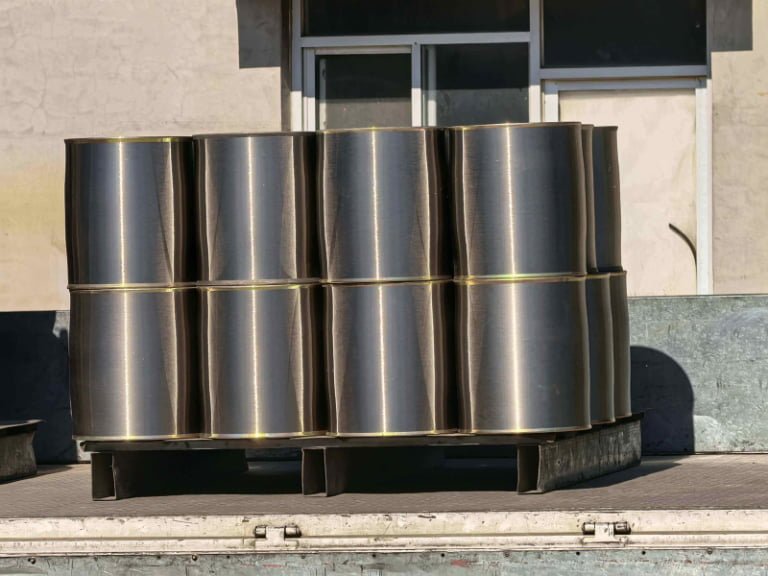
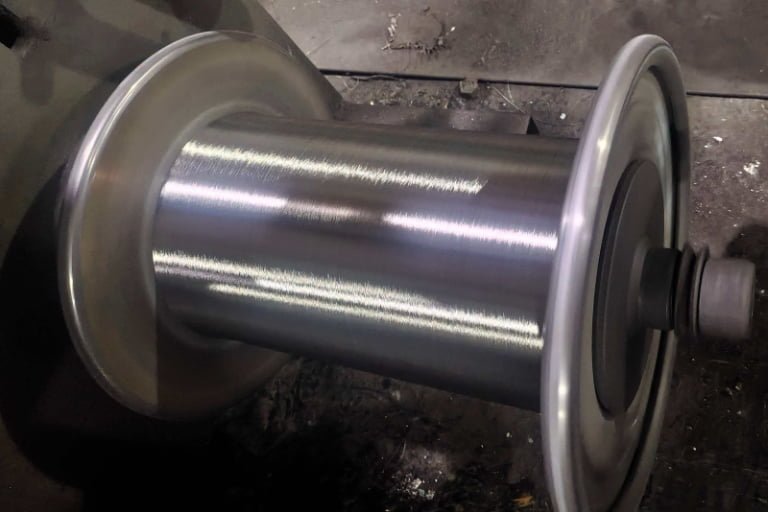
The final video showed what happens right before packaging. It captured one of our quality control technicians at work. The technician was using a micrometer to carefully measure the wire's diameter at several points on the spool. This showed that we check every batch to ensure the specifications are met before it ever gets packed.
How Does Documented Quality Control Build Lasting Trust?
Do you doubt the test reports from your suppliers? You might suspect the numbers are just for show and don't reflect the actual quality. We link our documented reports directly to our verifiable testing process.
After watching the videos, Mohamed replied with two words: "Place order." He said he had never seen this level of transparency. The quality control video, in particular, convinced him because it showed that we actively prevent the diameter variations that had caused him so many problems before.
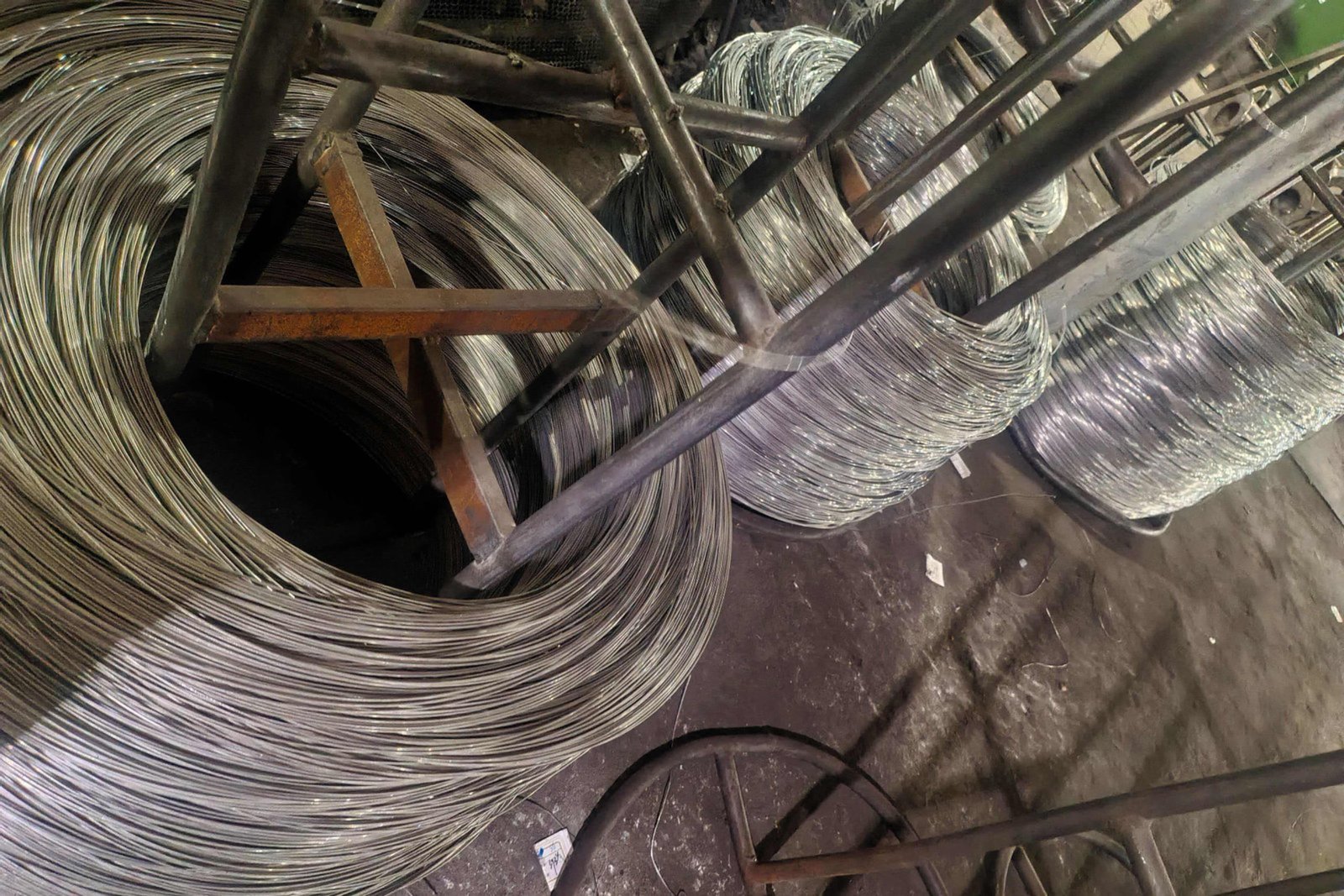
Mohamed's response was fast. Right after he saw the videos, he messaged me two words: "Place order." He explained that he had never had a supplier show him these details before. He only knew if the wire he received was good or bad, not why. He said the annealing video showed him that our temperature control was precise, not based on old habits. But it was the quality control video that he watched over and over. He realized that the inconsistent wire from his old supplier was a direct result of poor or non-existent quality checks. Seeing our technician measure the wire proved to him that we took consistency seriously.
I told him more. "For every batch of wire we produce, we take three samples. We test them for diameter, tensile strength, and how many times they can be bent before breaking." I then explained, "We record all this data in a Material Test Certificate, or MTC, and a copy goes with every shipment." The numbers on the MTC he got with his sample came from the exact same process he saw in the video. Mohamed was thrilled. He told me he now shows our MTC directly to his own customers. It gives them confidence in his cleaning balls. This whole experience created a chain of trust, starting from a few simple videos.
Conclusion
True partnership isn't just about good products. It’s about proven processes and total transparency. We show you our work, so you can trust the results in your hands.
Mohamed placed his order after seeing the production videos. Read more factory and quality control stories on our blog https://mfgwiremesh.com/blog/ or reach out via https://mfgwiremesh.com/contact/.
We provide full MTC (Mill Test Certificate) and Certificate of Origin with every shipment.
If you are sourcing 201 stainless steel fine wire for scourer production or redrawing, we are happy to provide a specification-based quotation. Contact us via WhatsApp: +86 15383180672.
FAQ:
Q1: Why do Egyptian buyers ask to see production videos before placing orders? A1: Many Egyptian buyers have had previous experience with suppliers whose sample quality did not match bulk shipment quality. Mohamed's previous Indian supplier delivered wire that varied in softness between batches, causing high breakage rates on his scourer production line. By watching our drawing, annealing, and quality testing videos, he verified that our production process is precisely controlled rather than experience-based. He now uses these videos to demonstrate quality to his own customers.
Q2: What quality checks are performed on each batch of 201 stainless steel fine wire? A2: Every batch undergoes three tests after drawing and annealing: diameter tolerance measurement with digital micrometers, tensile strength testing, and bend count testing. The test data is recorded and compiled into the MTC report that ships with every order. Mohamed noted that his previous supplier's batch-to-batch variation in diameter indicated their quality testing was not consistently performed, which is why he paid particular attention to our testing process in the videos.
Q3: How does consistent annealing affect scourer production quality? A3: Annealing determines the balance between softness and tensile strength in 201 stainless steel fine wire. Wire that is too hard will snap during high-speed scourer forming. Wire that is too soft will lack the resilience needed for the finished cleaning ball to maintain its shape. Our digitally controlled annealing furnaces maintain precise temperature curves, ensuring every batch of 0.13mm wire performs identically on the customer's production line. Mohamed confirmed this consistency was the deciding factor in his purchase decision.