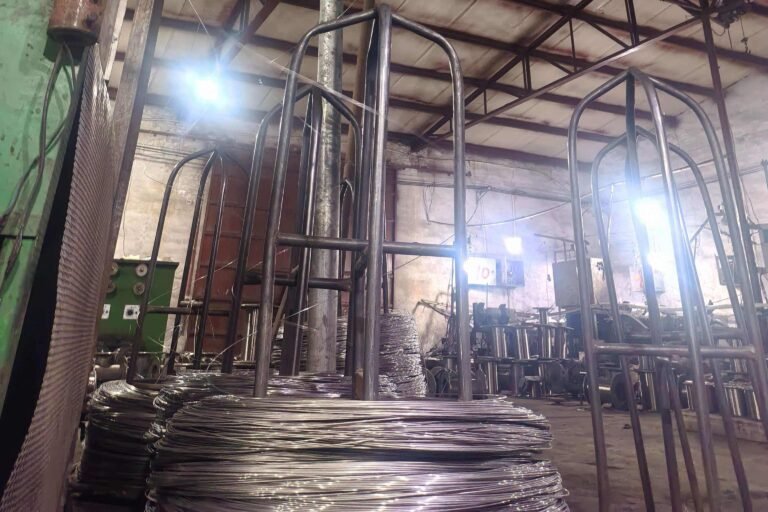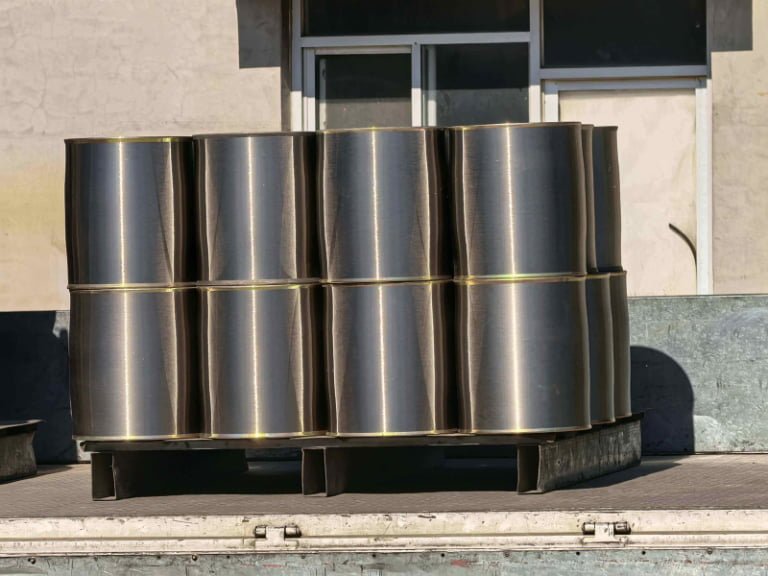



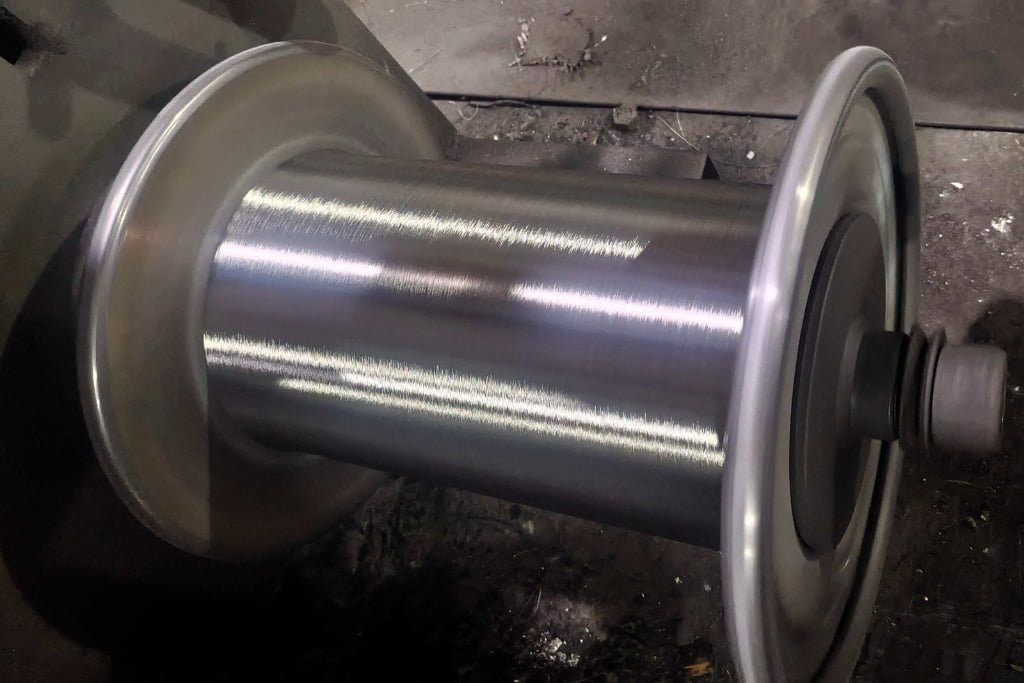
Industrial weaving and filtration applications require precise diameter selection for stainless steel fine wire. The difference between 0.25mm and 0.08mm can determine whether a mesh meets its performance requirements. Here is what one Cairo mesh factory owner discovered when switching from 304 to 201 material.
Hassan had been using 304 stainless steel wire at 0.25mm and found that 201 offered better elongation for his weaving process. Buyers like him, who need application-specific guidance on stainless steel fine wire for weaving and filtration, can find detailed specifications on our product page: https://mfgwiremesh.com/metal-wire/201-stainless-steel-wire/.
Struggling with high costs and wire breakage in your weaving process? You want a cheaper, more reliable material but fear it will compromise quality and jam your machines.
For general industrial weaving, a 0.25mm diameter 201 stainless steel wire is often a cost-effective and reliable choice. It balances strength with excellent elongation, reducing breakage on high-speed looms compared to some 304 wires. For finer applications, consider diameters like 0.08mm.
Choosing the right wire isn't just about price. It’s about how it performs in your factory, on your machines. The story of Hassan, a factory owner from Egypt, perfectly illustrates this. He faced this exact problem, and finding the right wire specification transformed his production line. Let's look at how he did it, and how you can apply the same logic to your own business.
Why Should You Consider 201 Stainless Steel Wire Over 304 for Weaving?
You're paying a premium for 304 stainless steel wire but still face production issues like frequent wire breaks. There must be a more cost-effective and reliable way.
201 stainless steel wire often provides better elongation than 304 at a lower cost. For weaving applications where the wire undergoes constant bending, higher elongation means fewer breaks, less downtime, and smoother production. This makes it a surprisingly superior choice for many industrial meshes.
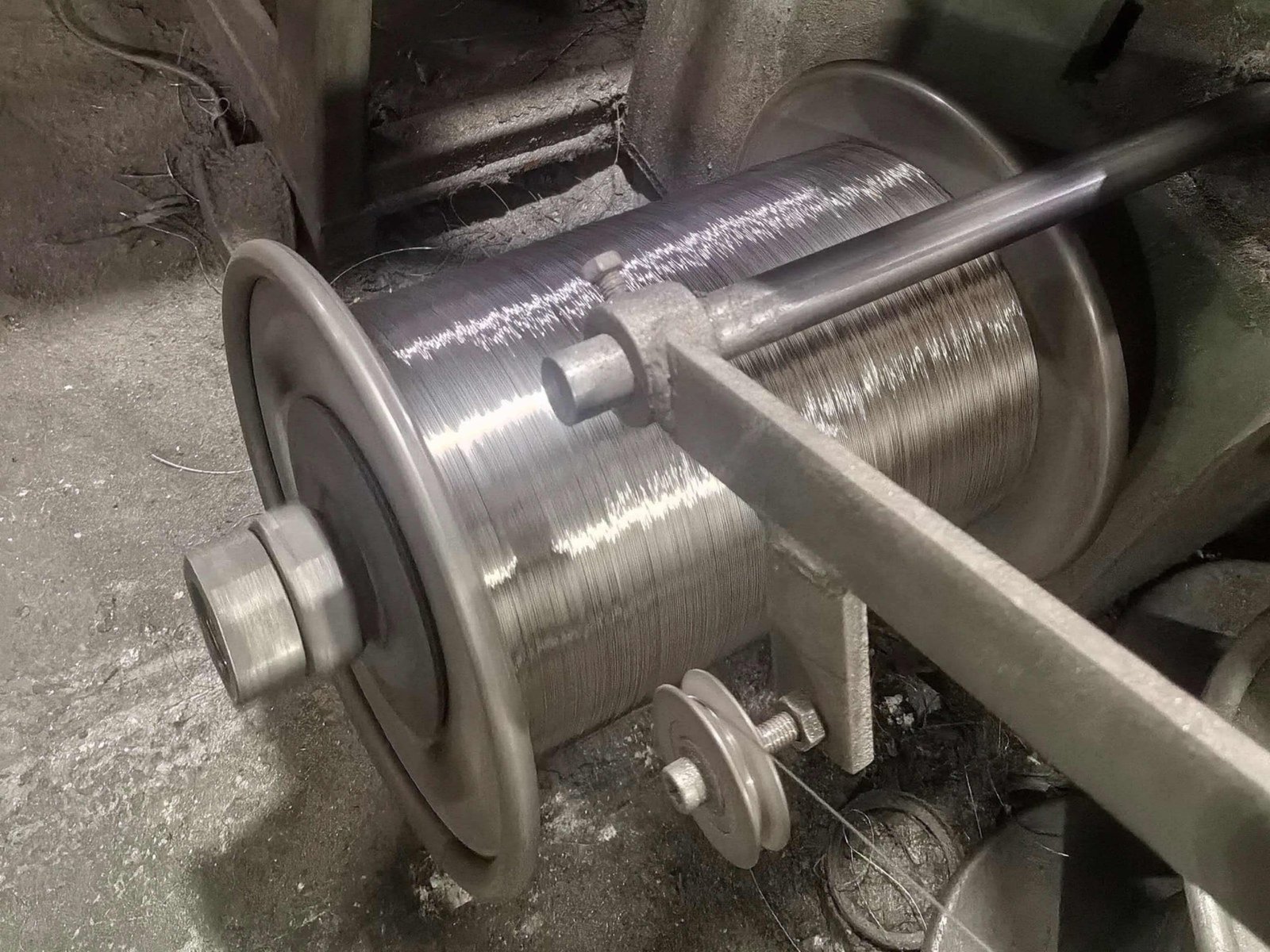
Last month, Hassan, an industrial weaving factory owner in Cairo, contacted me. He was using 0.25mm 304 stainless steel wire to make filter mesh. His costs were high, and he wanted to switch to the more affordable 201 grade. His main concern was whether the change in material would disrupt his production. He told me that his 304 wire would sometimes snap in the middle of a run. This forced his team to stop the machine, re-thread the wire, and waste valuable time and labor. This sounded to me like a classic material properties issue. I explained that while 304 is known for corrosion resistance, 201 has a secret advantage for weaving: better elongation. Better elongation means the wire is more ductile and can handle the repeated bending of a high-speed loom without breaking. It's more forgiving.
Key Material Properties for Weaving
| Property | Grade 304 SS Wire | Grade 201 SS Wire | Impact on Weaving |
|---|---|---|---|
| Cost | Higher | Lower | Directly affects your bottom line and product pricing. |
| Tensile Strength | Higher | Slightly Lower | Provides structure, but too high can mean less flexibility. |
| Elongation | Good | Excellent | Allows wire to bend repeatedly without snapping; reduces downtime. |
| Corrosion Resistance | Excellent | Good | 201 is suitable for many general environments; 304 is for harsher conditions. |
For Hassan, the slightly lower tensile strength of the 201 wire was not a problem. In fact, its superior elongation directly solved his biggest pain point: wire breakage. The switch meant his machines ran longer without interruption, which more than made up for any minor differences in material strength.
How Does Wire Diameter Affect Performance on a High-Speed Weaving Machine?
Choosing the wrong wire diameter can cause constant machine jams and poor mesh quality. You need a specification that works with your equipment, not against it.
The right wire diameter ensures optimal tension and flexibility for your weaving machine. A spec like 0.25mm provides enough structure for standard industrial mesh. Too thick, it risks jumping; too thin, it lacks tension. Matching diameter to material properties is key for smooth operation.
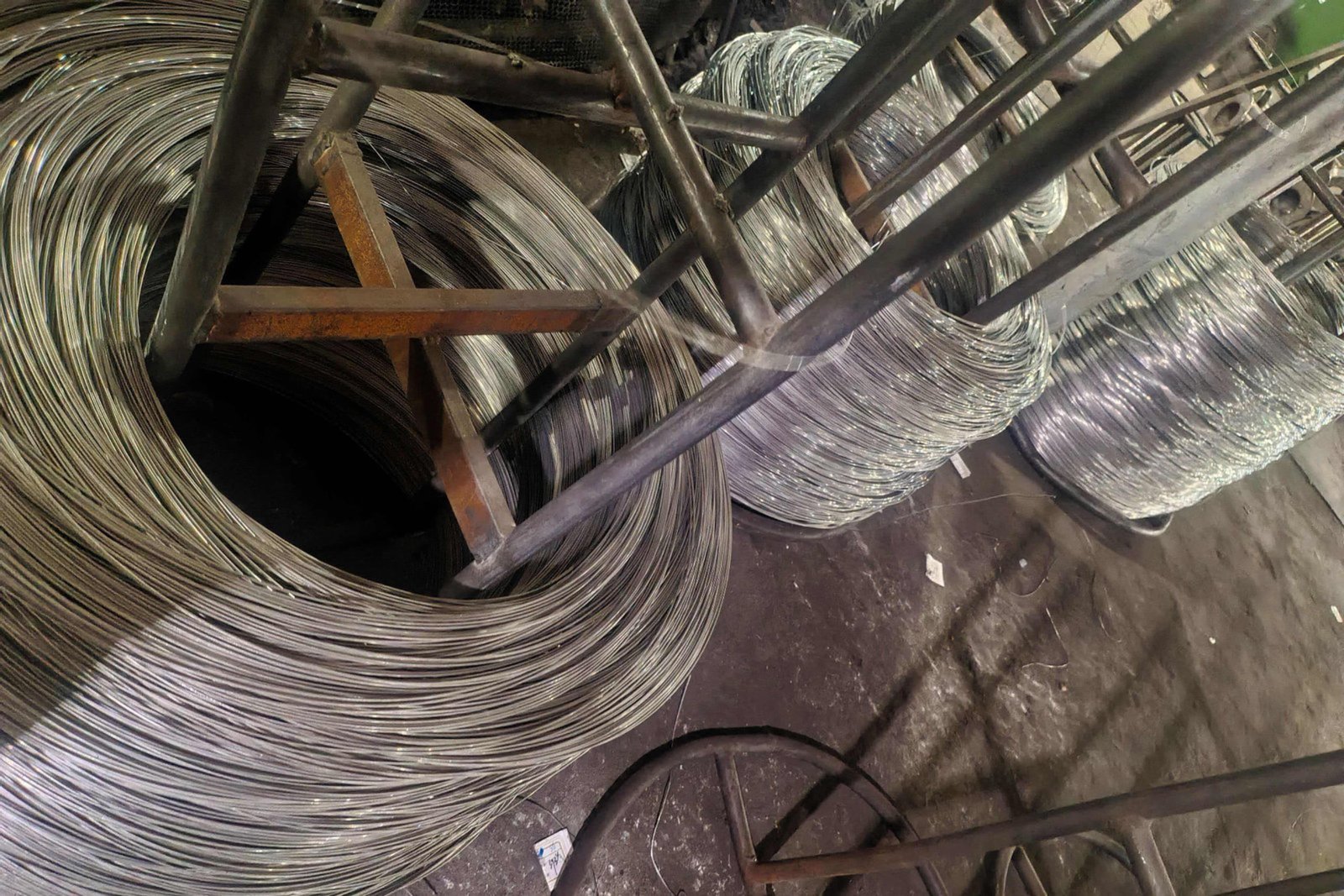
Hassan was right to be cautious. His high-speed weaving looms had specific needs. He explained that if the wire was too hard, it would jump the track during weaving. If it was too soft, he couldn't get enough tension, leading to a loose and inconsistent mesh. This is a common challenge. The performance of a wire is a combination of its material grade, its diameter, and its temper (hardness). When he asked if he should adjust the 0.25mm diameter when switching from 304 to 201, I asked for his machine's parameters. Based on what he told me, I advised him to stick with the 0.25mm diameter for his trial. The 201 grade wire, even at the same diameter, would behave differently. It is naturally a bit more flexible, which would help prevent the "jumping" issue he saw with overly hard wires.
Balancing Machine Needs with Wire Specs
The goal is to find the sweet spot for your specific machinery.
- Tension Control: Your machine needs to pull the wire tight. The wire's diameter and tensile strength must be sufficient to handle this tension without stretching or breaking.
- Flexibility and Forming: The loom bends the wire to create the weave. The wire must be ductile enough (good elongation) to form these bends without fracturing.
For Hassan, the 0.25mm 201 wire was the perfect solution. It had enough body to maintain tension but was flexible enough to weave smoothly without breaking. After trying a sample batch, he confirmed that the weaving was more fluid than ever, and his wire breakage rate dropped significantly.
What Are the Ideal Wire Specifications for Precision Filter Mesh?
Your standard wire works for basic mesh, but you're losing bids for high-precision jobs. You need a finer wire but are unsure where to start.
For precision filter mesh, especially in food or medical applications, ultra-fine wires are necessary. A diameter like 0.08mm in 316L or even 201 stainless steel can achieve the required mesh count and filtration accuracy. The key is consistent diameter and excellent material purity.
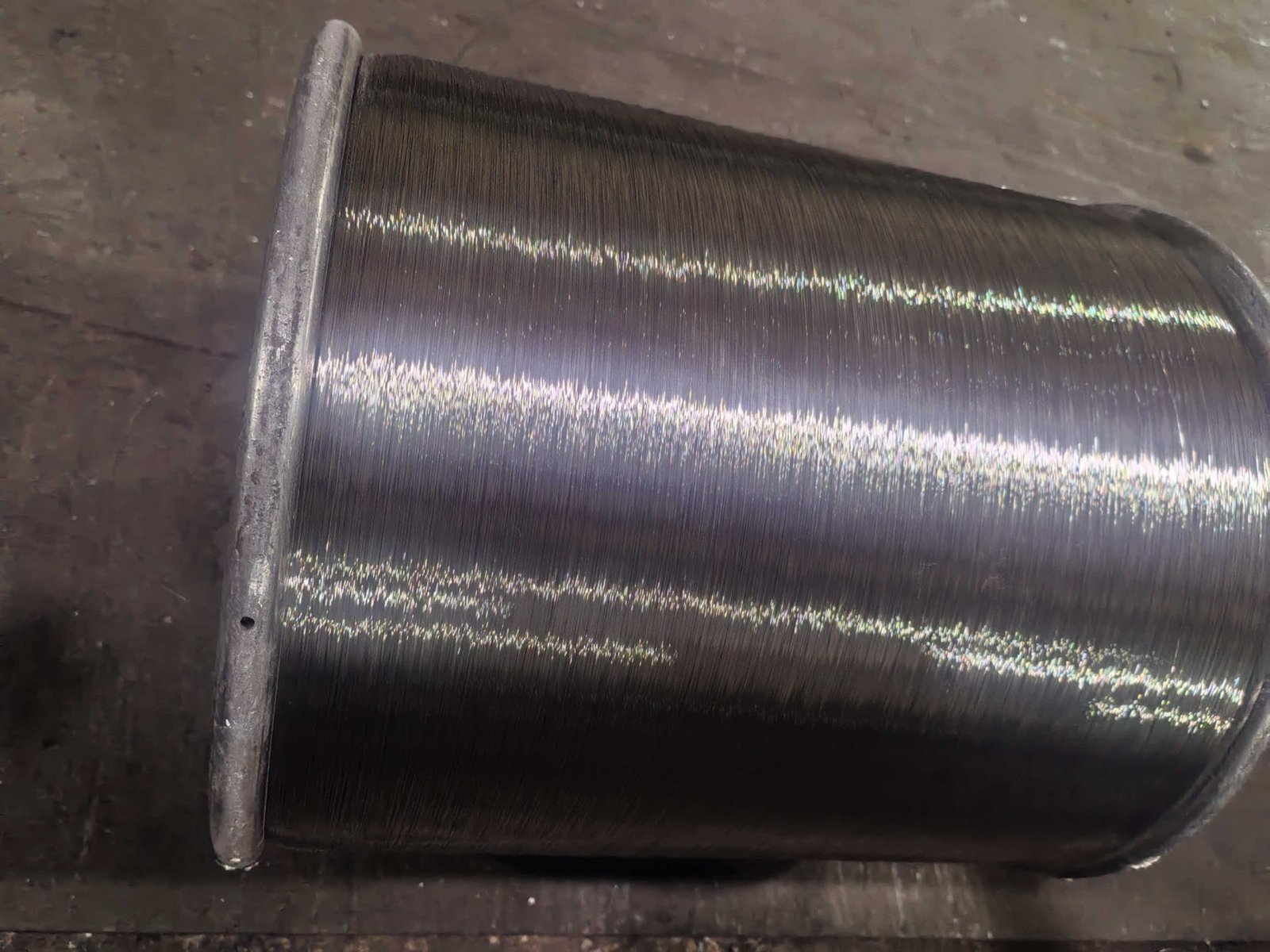
After his success with the 0.25mm wire, Hassan’s confidence grew. He came back to me with a new challenge. He wanted to produce high-end, precision filter mesh for food processing equipment. This application required a much finer mesh than his standard products. For this, a much finer wire was needed. We discussed his customer's requirements, which included very small particle filtration. I recommended he try our 0.08mm stainless steel wire. This ultra-fine diameter allows for weaving very high mesh counts, creating a filter medium capable of separating tiny particles. While 316L grade is often the standard for food applications due to its superior corrosion resistance, 201 can be a viable, cost-effective option for certain dry food processing environments. Hassan decided to stock the 0.08mm wire alongside his new 0.25mm standard. This expansion allowed him to serve a new, more profitable market segment.
Common Fine Wire Diameters and Applications
| Wire Diameter | Typical Mesh Count | Common Applications |
|---|---|---|
| 0.15mm | 100-150 mesh | General industrial filtration, screen printing. |
| 0.08mm | 200-300 mesh | Food processing, chemical filtration, precision sieves. |
| 0.05mm | 325-400 mesh | Hydraulic fluid filters, pharmaceutical purification. |
| 0.03mm | 500-635 mesh | Aerospace components, medical device filters, scientific research. |
The key to working with these fine wires is consistency. A diameter tolerance of ±0.01mm is crucial. Any variation can lead to imperfections in the mesh, compromising its filtration efficiency. As a manufacturer with advanced cold drawing and quality control processes, we ensure every spool of wire meets these exact specifications.
How Can You Verify the Quality of Stainless Steel Fine Wire Before a Bulk Order?
You found a supplier with a great price, but you're worried about quality. A bad batch of wire could ruin your production runs and damage your reputation.
Always request a sample and a detailed material test report before placing a bulk order. Key specs to check are diameter tolerance (e.g., ±0.01mm), tensile strength, and elongation percentage. A reliable supplier will provide this data and stand by their samples.
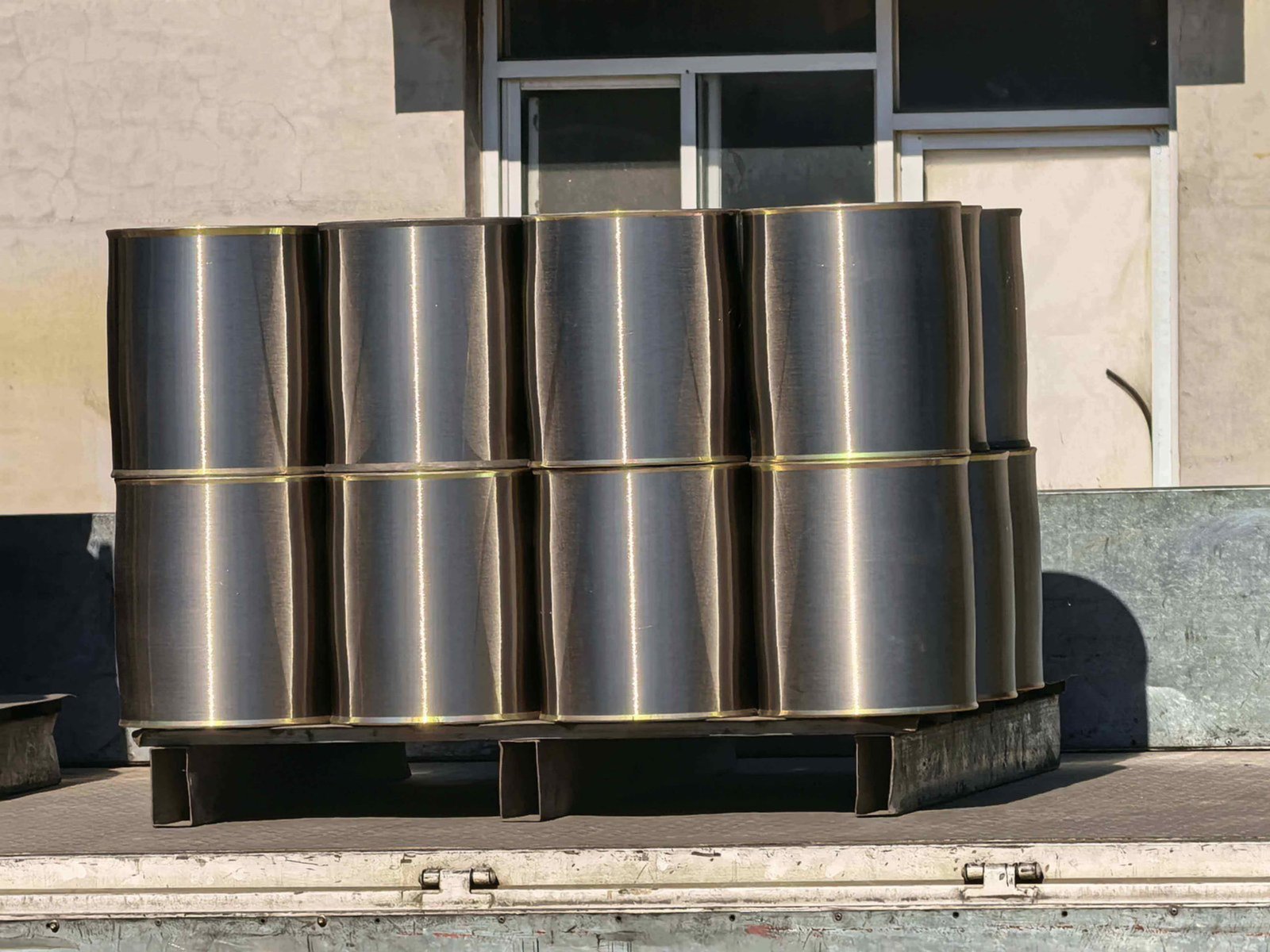
Hassan’s success wasn't just luck; it was the result of a smart procurement process. He didn't commit to a huge order blindly. He started by testing a trial batch of the 0.25mm 201 wire. This is the single most important step any buyer can take. A physical sample allows you to see how the wire performs on your own machines with your own team. But before you even get a sample, you should ask for technical documentation. As a supplier, we provide a full material test report with every sample. This document is your guarantee of quality. It provides hard data on the wire's properties. When Hassan saw the elongation numbers for our 201 wire on paper, he already had a good feeling it would solve his breakage problem. The successful trial batch simply confirmed the data.
Key Quality Checks for Fine Wire
| Quality Indicator | Our Standard | Why It Matters |
|---|---|---|
| Diameter Tolerance | ±0.01mm | Ensures a uniform mesh and consistent performance during weaving. |
| Tensile Strength | ≥450MPa (for SS) | Guarantees the wire can withstand machine tension without stretching. |
| Elongation Rate | Varies by grade | A higher percentage indicates better ductility, reducing breaks from bending. |
| Material Composition | Full chemical breakdown | Confirms you are getting the correct grade (e.g., 201, 304, 316L) and purity. |
| Certifications | ISO 9001, RoHS, REACH | Shows the manufacturer adheres to international quality and safety standards. |
We supported Hassan by providing free samples and delivering his trial batch within a week. Our 10 automated production lines ensure that the quality he saw in the sample is the same quality he gets in every 500kg bulk order he places today.
Conclusion
Choosing the right stainless steel wire involves balancing cost, material properties, and machine compatibility. The right choice, like 0.25mm 201 wire, can boost efficiency and lower costs.
Hassan now stocks both 0.25mm and 0.08mm 201 stainless steel fine wire as standard inventory. Read more industrial application guides on our blog https://mfgwiremesh.com/blog/ or reach out via https://mfgwiremesh.com/contact/.
We provide full MTC (Mill Test Certificate) and Certificate of Origin with every shipment.
If you are sourcing 201 stainless steel fine wire for weaving or filtration applications, we are happy to provide a specification-based quotation. Contact us via WhatsApp: +86 15383180672.
FAQ:
Q1: What diameter of stainless steel fine wire is commonly used for industrial weaving? A1: 0.25mm is the most commonly used diameter for general industrial mesh weaving in Egypt. For precision filtration applications, 0.08mm is the standard specification. The choice depends on the mesh count and the required filtration precision. Hassan uses 0.25mm for standard industrial filters and 0.08mm for food-grade precision filtration mesh. Both specifications are within our factory's core production range.
Q2: Does switching from 304 to 201 stainless steel wire affect weaving performance? A2: 201 and 304 have different mechanical properties at the same diameter. 201 offers better elongation, which means the wire can withstand more repeated bending during the weaving process without breaking. Hassan found that switching from 304 to 201 at 0.25mm reduced his machine stoppages caused by wire breakage. The lower cost of 201 was an additional benefit, but the improved weaving performance was the deciding factor.
Q3: Can one supplier provide both standard and ultra-fine diameters for different weaving applications? A3: Yes. Our factory produces the full range from 0.08mm to 0.80mm, covering general industrial weaving at 0.25mm and precision filtration at 0.08mm. Hassan now sources both diameters from a single supplier, which simplifies logistics and ensures consistent quality across both specifications. Each shipment includes complete MTC documentation for quality verification.