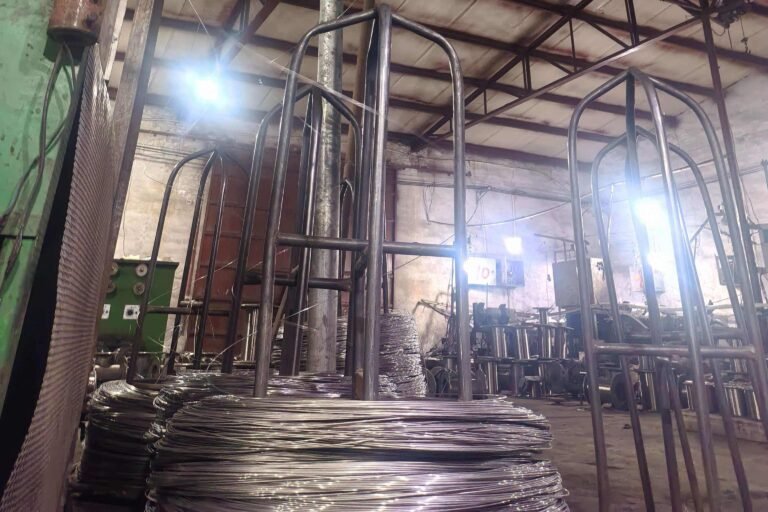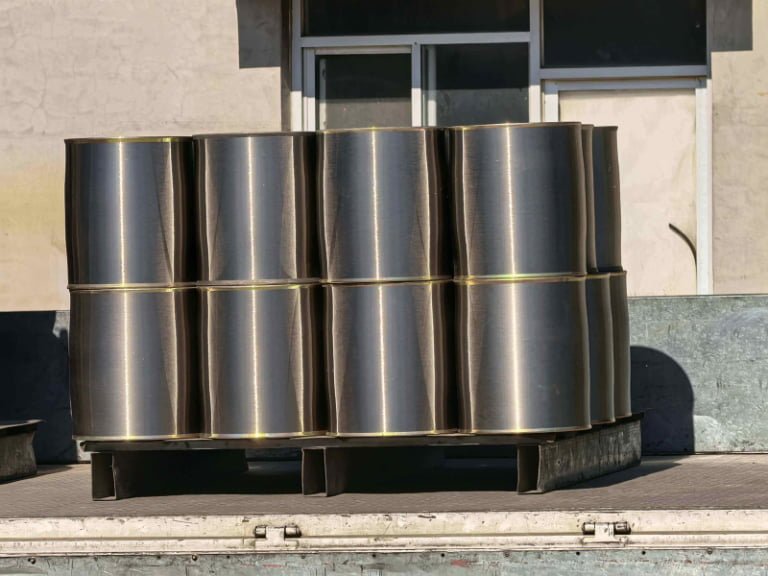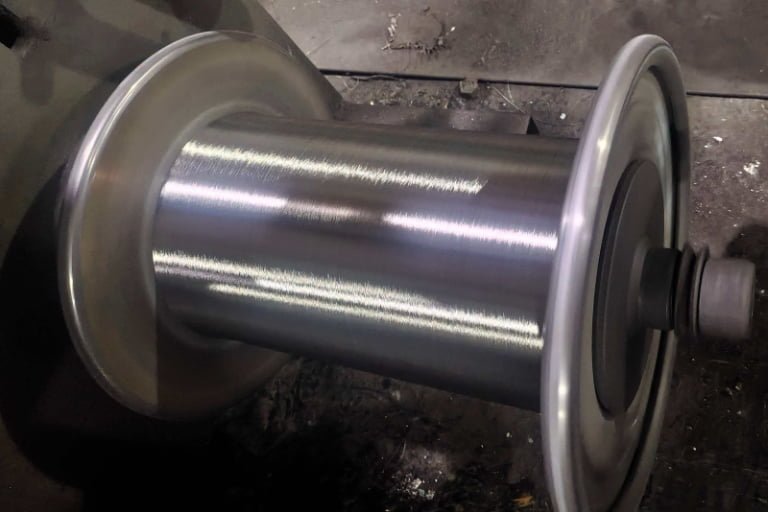



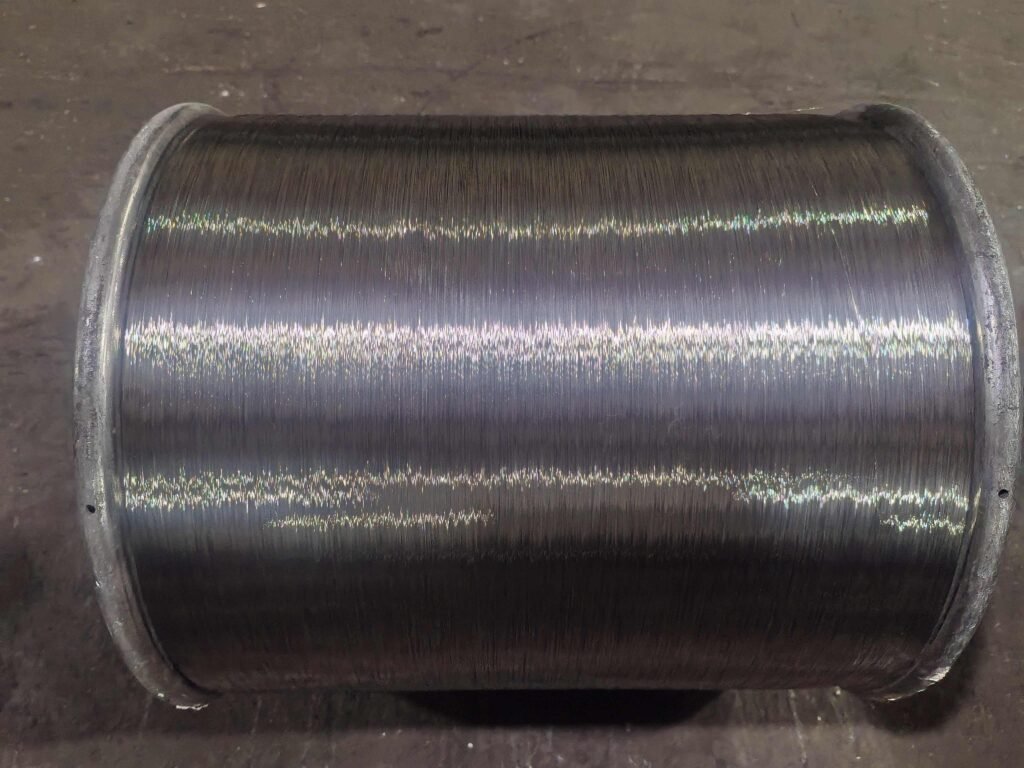
Choosing between 0.13mm and 0.50mm 201 stainless steel fine wire is not simply a matter of diameter. Each specification serves a different purpose in Egypt's scourer manufacturing and redrawing industries, with distinct annealing requirements and processing costs. Here is a practical guide based on what one Cairo buyer needed to understand before placing his order.
Karim asked about the technical differences between the two specifications before confirming his order. Buyers like him, who need clear specification guidance for 201 stainless steel fine wire, can find detailed parameters on our product page: https://mfgwiremesh.com/metal-wire/201-stainless-steel-wire/.
Struggling to choose the right wire spec? You know different diameters have different prices, but the reasons are unclear. This makes it hard to justify costs to your own customers.
The main difference is their purpose. 0.13mm wire is a finished product for scourers, needing specific hardness for forming. 0.50mm wire is a semi-finished material for redrawing, requiring maximum softness. Their production processes and costs are entirely different, which explains the price gap.
I want to share a story about this. Last month, a client from Egypt named Karim was finalizing an order. He asked a very specific question that gets to the heart of this topic. He needed 0.13mm wire to make scourers and 0.50mm wire for his customers to redraw. He asked, "What's the real difference in the production process, and why is the price not the same?" This question is a great one, and it's something many buyers wonder about. Understanding the answer is key to buying the right product and building trust with your own clients. Let's break it down.
Why is 0.13mm Scourer Wire More Than Just a Thin Strand?
You buy fine wire for scourers, but sometimes it breaks during production. Other times, it's too flimsy and won't form correctly. This costs you time, material, and money.
0.13mm wire for scourers is a highly engineered finished product. Its production involves multiple drawing and annealing stages to achieve a perfect balance of hardness. Too hard, it snaps; too soft, it fails in high-speed machines. This complex process is why it costs more.
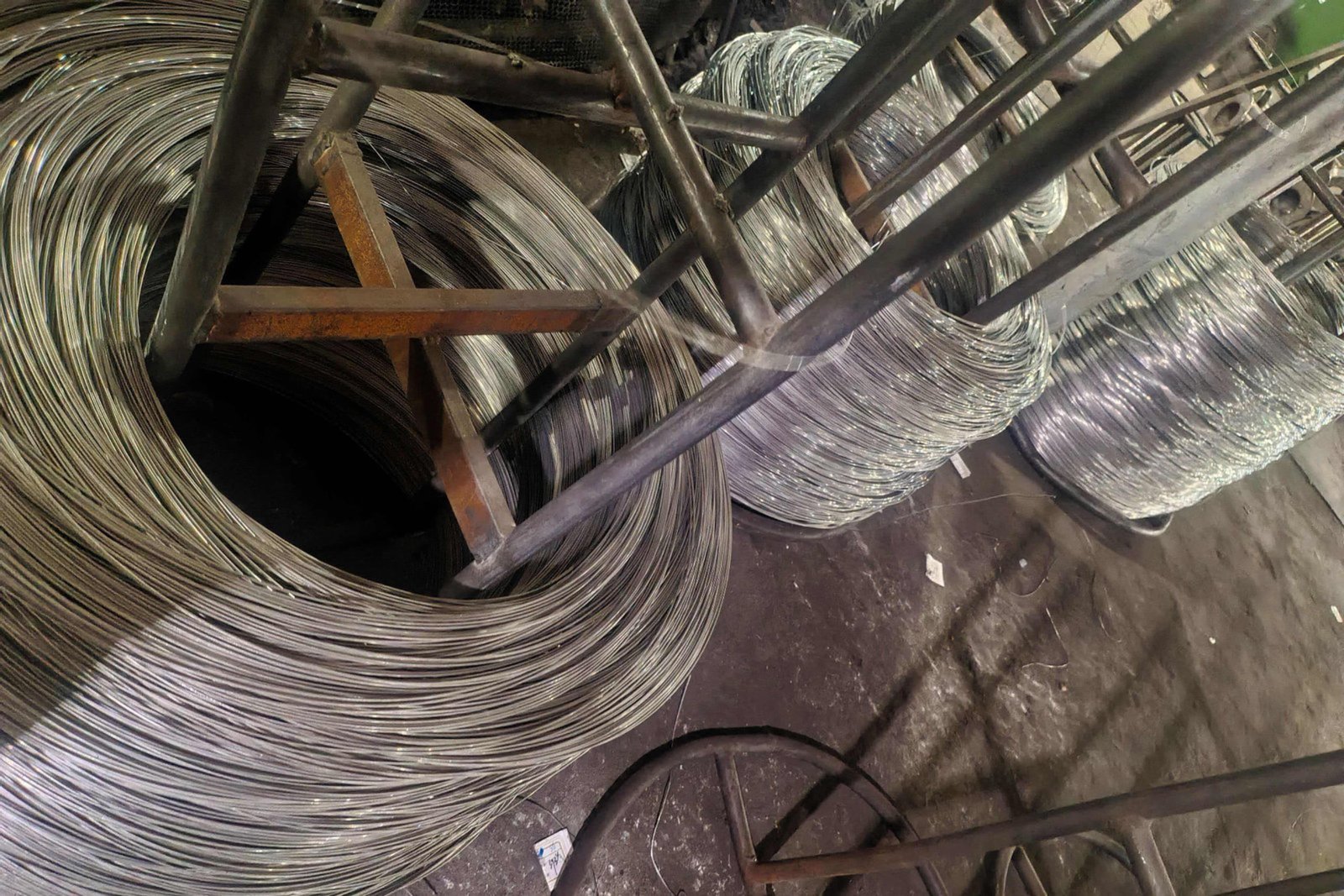
When I explained this to Karim, I started with the 0.13mm wire. This isn't just a matter of pulling a wire until it's thin. It's a finished product, ready for a specific, demanding application. We start with a thick wire rod and draw it down through many stages. Each time we draw it, the steel gets harder. If we just kept drawing it, it would become brittle and snap. To prevent this, we have to anneal it. Annealing is a heat treatment process that makes the wire soft again. For a 0.13mm wire, this isn't a one-time thing. We have to do multiple drawing and annealing cycles. More cycles mean more machine time, more energy, and more wear on our drawing dies. This all adds to the production cost.
The final annealing step is the most critical for 0.13mm wire. It needs to be just right.
The Delicate Balance of Hardness
The hardness, or temper, must be perfect. If the wire is too hard, it will break when the scourer machine tries to knit it into a ball. If it's too soft, it won't have enough springiness. It will just stretch and fail to hold its shape during high-speed weaving.
Here’s a simple table to show what happens:
| Wire Hardness | Result in Scourer Production | Why it Happens |
|---|---|---|
| Too Hard | Wire breaks frequently | The wire lacks the ductility to be bent and knitted into shape. |
| Too Soft | Stretches, won't form straight | The wire doesn't have enough tensile strength to withstand the pull of high-speed machines. |
| Just Right | Forms perfectly, high efficiency | The wire has enough ductility to form but enough strength to run smoothly. |
Achieving this "Just Right" state requires very precise control over the annealing temperature and time. This is a skill we've developed over 25 years. It’s a completely different goal than making a wire for redrawing.
Is 0.50mm Redrawing Wire Just a Thicker, Cheaper Version?
You buy thicker wire for redrawing, assuming it's simpler. But your customers complain it's hard to work with, their machines break down, and their drawing dies wear out fast.
No, 0.50mm wire for redrawing is a semi-finished product with its own special requirements. The primary goal is maximum softness. This allows your customer to easily draw it down to finer sizes with minimal die wear and wire breakage. The annealing process is specifically designed for this.
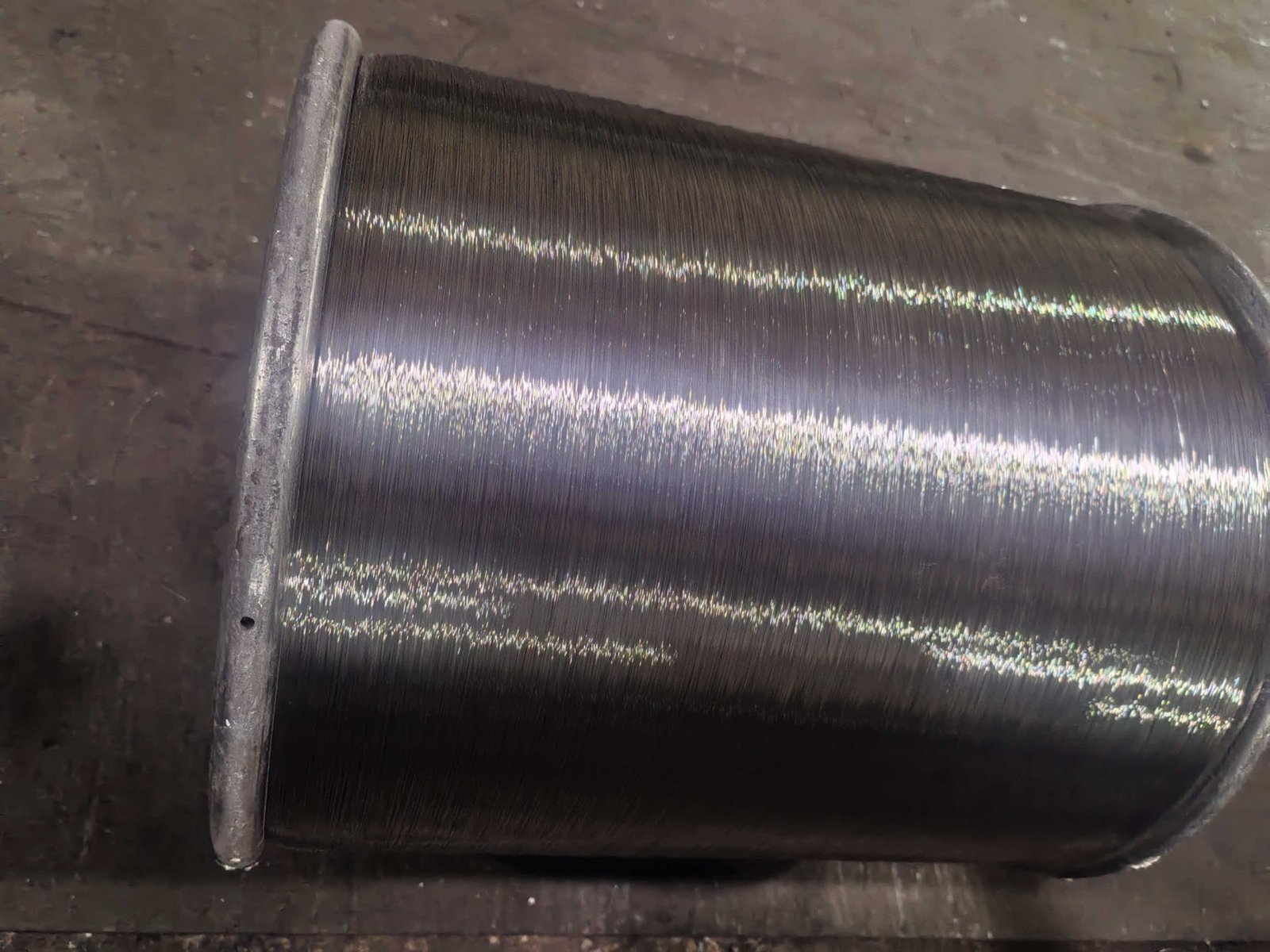
Next, I talked to Karim about the 0.50mm wire. It’s easy to think of it as just a step on the way to 0.13mm, but its purpose is totally different. This wire is a semi-finished product. The person who buys it, Karim's customer in this case, is going to put it on their own machines and draw it down to an even finer diameter. For them, the most important property is softness. The softer the wire, the better. A soft wire is easy to redraw. It causes less wear on their expensive drawing dies, and it has a much lower chance of snapping during their process. A high breakage rate is a disaster for production efficiency.
So, when we produce 0.50mm wire for redrawing, our annealing process is optimized for one thing: making it as soft as possible. This is not the same as the balanced hardness needed for 0.13mm scourer wire. It's a different technical target.
Production Focus: Finished vs. Semi-Finished
Thinking it's just "stopping the drawing process earlier" is a common mistake. The heat treatment is fundamentally different. One process creates a balanced final product, while the other creates an ideal raw material for someone else's process.
Let's compare the production focus for both:
| Feature | 0.13mm Scourer Wire (Finished) | 0.50mm Redrawing Wire (Semi-Finished) |
|---|---|---|
| Primary Goal | Balanced hardness and strength for immediate use. | Maximum softness for further processing. |
| Annealing Target | Precise temper for formability and machine performance. | Full softness to reduce customer's die wear. |
| Drawing Passes | Many, with multiple intermediate anneals. | Fewer, with a final anneal optimized for softness. |
| Customer Action | Directly use in scourer making machines. | Use as raw material for their own drawing process. |
| Key Risk if Wrong | Production stops due to wire breakage or poor forming. | Customer's production fails due to high die wear and breakage. |
This explanation made things clear for Karim. He told me his previous suppliers from India never explained any of this. He just knew the prices were different, but he never understood why. Now, he felt confident he could explain the value to his own customers.
How Can You Be Sure You’re Getting the Right Wire Quality?
You’ve placed an order, but how do you really know you received wire with the right properties? Without proof, you risk sending the wrong material to your customers, damaging your reputation.
Always ask for a Material Test Certificate (MTC). This document provides hard data on the wire's properties, like diameter tolerance, tensile strength, and elongation. It's your proof of quality and ensures the wire meets the exact specifications needed for its application.
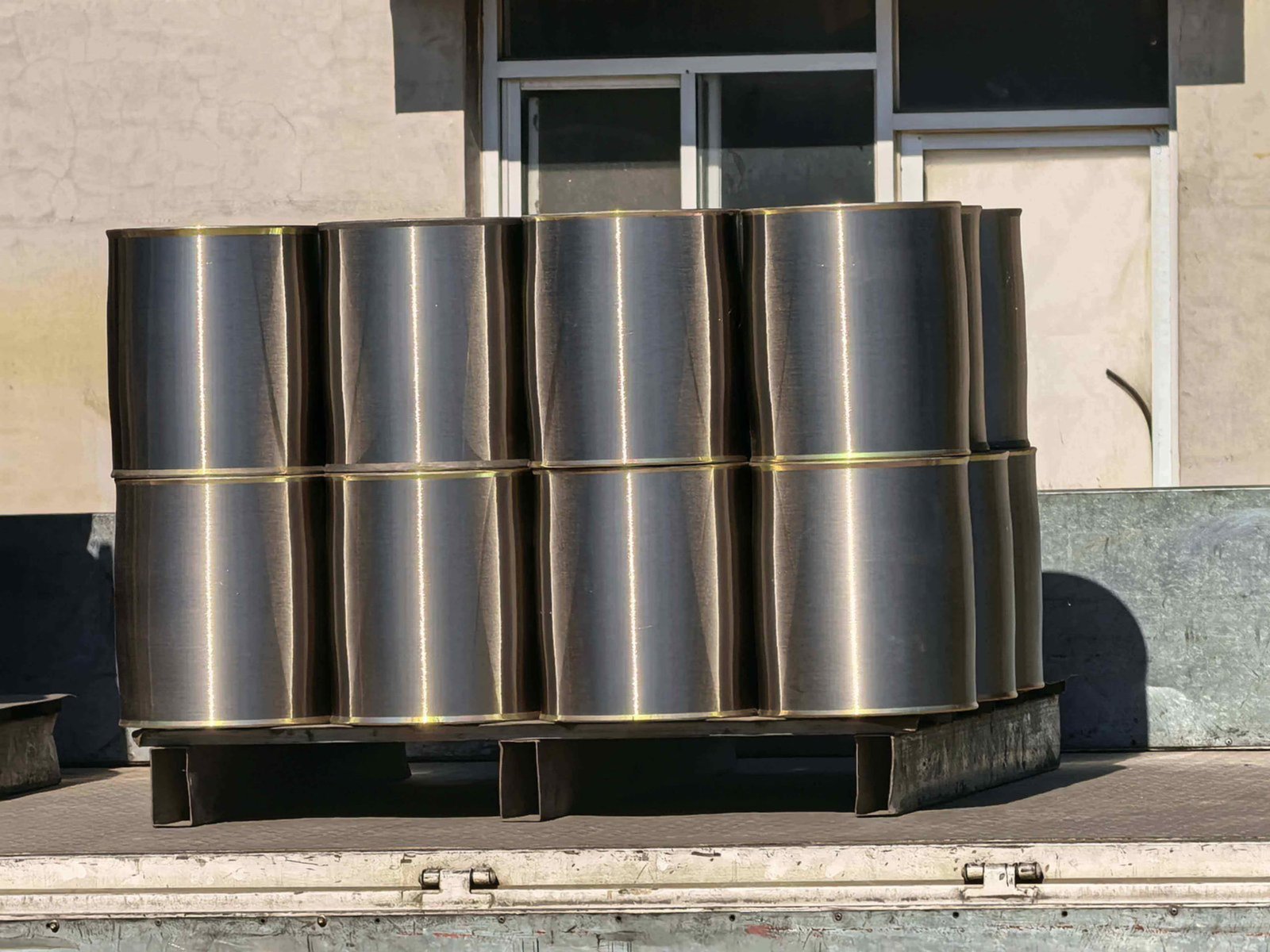
After our discussion, Karim was ready to order. He decided on a container with half 0.13mm and half 0.50mm wire. To give him and his customer complete confidence, I made sure we sent him detailed MTC reports for both specifications. This isn't just a piece of paper; it's the proof of our process control. It shows that we didn't just talk about the differences; we delivered on them. Karim told me he forwarded my MTC report directly to his customer. The customer saw the data, understood they were getting the right material for their process, and confirmed the order immediately.
This is why technical data is so important. It builds trust. Let's look at what these key numbers on an MTC actually mean for you.
Understanding Key MTC Parameters
The MTC isn't just for experts. The main values give you a clear picture of the wire's performance.
| MTC Parameter | What it Means in Simple Terms | Why it Matters |
|---|---|---|
| Diameter Tolerance (e.g., ±0.01mm) | How much the actual wire diameter can vary from the stated diameter. | A tight tolerance ensures every meter of wire is consistent, which is critical for high-speed automated machines. |
| Tensile Strength (MPa) | How much pulling force the wire can handle before it breaks. | For 0.13mm scourer wire, it shows the "hardness". For 0.50mm redrawing wire, a lower number indicates the desired "softness". |
| Elongation (%) | How much the wire can stretch before it breaks. | This shows the wire's ductility. A higher elongation means the wire is more pliable and less likely to snap when bent or drawn. |
By providing this report, we give our clients a tool. They can verify the quality themselves, and they can use it to prove that quality to their own customers. It closes the loop and turns a technical conversation into a confirmed sale.
Conclusion
Understanding that 0.13mm and 0.50mm wires are different products, not just different sizes, is key. It helps you buy right, justify costs, and build trust with your customers.
Karim now understands exactly why each specification costs what it does and passes this knowledge on to his own customers. Read more technical guides on our blog https://mfgwiremesh.com/blog/ or reach out via https://mfgwiremesh.com/contact/.
We provide full MTC (Mill Test Certificate) and Certificate of Origin with every shipment.
If you are sourcing 201 stainless steel fine wire for scourer production or redrawing, we are happy to provide a specification-based quotation. Contact us via WhatsApp: +86 15383180672.
FAQ:
Q1: What is the difference between 0.13mm and 0.50mm 201 stainless steel fine wire in terms of production? A1: 0.13mm is a finished product drawn through multiple dies from raw rod, requiring multiple annealing stages and high mold consumption. The annealing must achieve a precise balance of softness for scourer forming and tensile strength for processing. 0.50mm is a semi-finished redrawing wire that requires maximum softness through annealing because the buyer will run it through their own drawing machines. Over-annealing is not a concern for 0.50mm, whereas for 0.13mm it would make the wire unusable.
Q2: Why does 0.13mm stainless steel wire cost more than 0.50mm? A2: The cost difference comes from the additional processing steps. 0.13mm requires more drawing passes through progressively smaller dies, more intermediate annealing stages, and higher mold wear. Each additional drawing stage adds production time and cost. Karim had previously bought both specifications from an Indian supplier who never explained the pricing logic, so he did not understand what he was paying for until we walked through the production process.
Q3: Can one supplier provide both 0.13mm scourer wire and 0.50mm redrawing wire? A3: Yes. Our factory produces the full range from 0.08mm to 0.80mm, so buyers like Karim can source both 0.13mm for their own scourer production and 0.50mm for their redrawing clients from a single supplier. This simplifies logistics and documentation, as one MTC report can cover both specifications. Karim now orders a split container with both diameters and provides the MTC directly to his end customers.