


Last month, Banda, a building materials supplier in Lusaka, called me with a question. He had a copper mine dormitory project that required two types of binding wire. The contractor wanted galvanized wire for the main structure and black annealed wire for internal partitions. He asked me how to choose the right wire for different applications.
Zambia construction projects need binding wire that matches the application. Galvanized wire works best for outdoor steel rebar work in rainy conditions. Black annealed wire is softer and suits indoor manual tying. Choose based on rust exposure, tying method, and budget. Most buyers mix both types in one container to serve different construction stages.
Banda had always stocked galvanized wire until a mining project required both types. Buyers like him, who need clear guidance on construction binding wire for Zambia's growing infrastructure market, can find detailed specifications on our product page: https://mfgwiremesh.com/metal-wire/galvanized-iron-wire/
Banda now stocks both galvanized and black annealed wire and recommends them by application. Read more Zambia construction supply guides on our blog https://mfgwiremesh.com/blog/ or reach out via https://mfgwiremesh.com/contact/.
We provide full MTC (Mill Test Certificate) and Certificate of Origin with every shipment.
We provide a full range of construction binding wire for African projects. Galvanized Iron Wire: https://mfgwiremesh.com/metal-wire/galvanized-iron-wire/ Black Annealed Iron Wire: https://mfgwiremesh.com/metal-wire/black-annealed-iron-wire/ 201 Stainless Steel Wire: https://mfgwiremesh.com/metal-wire/201-stainless-steel-wire/ Mix container loading supported.
If you are sourcing construction binding wire for Zambia or any African market, we are happy to provide a specification-based quotation. Contact us via WhatsApp: +86 15383180672.
I will share what I learned from working with Zambian buyers like Banda. This guide covers the two main wire types used in Zambia construction, how to match wire specifications to your project conditions, and how to avoid common purchasing mistakes.
What Are the Two Main Types of Construction Binding Wire Used in Zambia?
Zambian construction sites use two types of binding wire. Each type serves different applications based on rust protection needs and manual handling requirements.
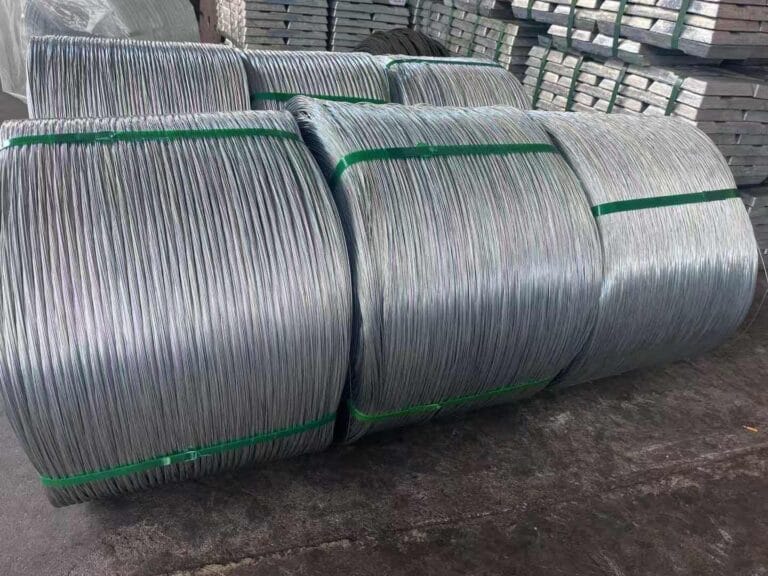
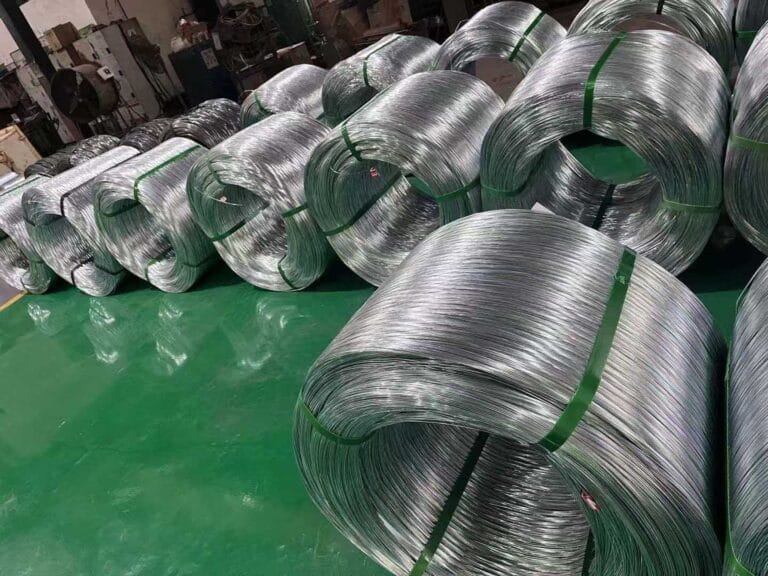
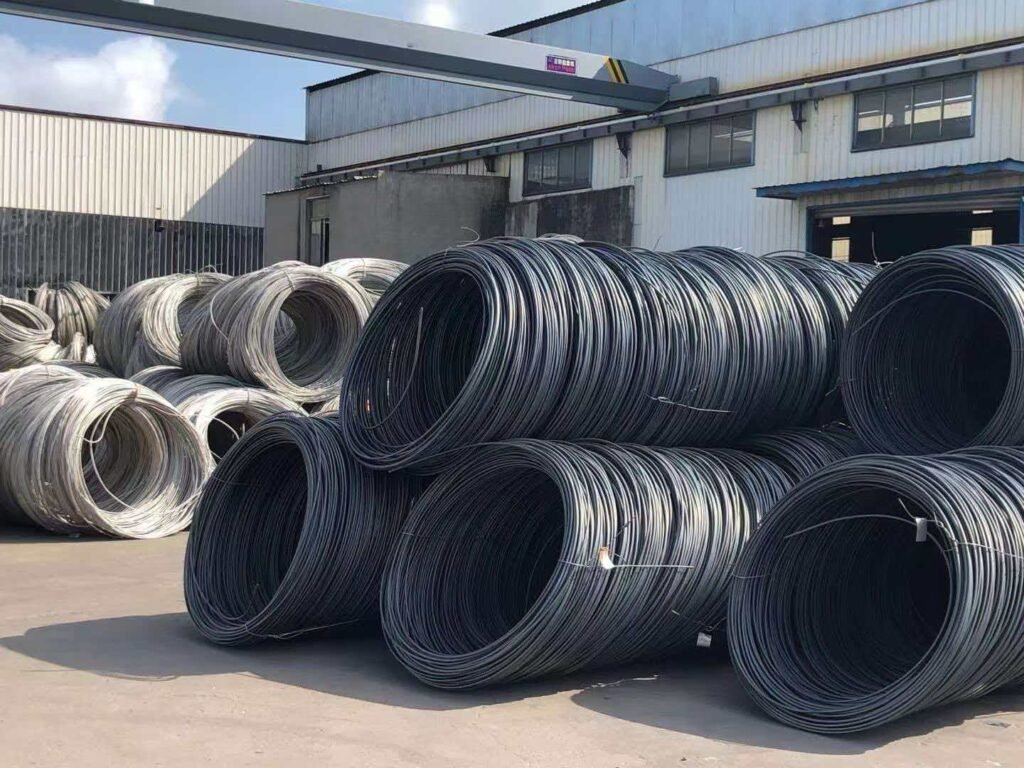
Galvanized binding wire has a zinc coating that prevents rust in outdoor conditions. Black annealed wire has no coating but is softer and easier to tie by hand. Zambia projects use galvanized wire for exposed steel rebar work and black annealed wire for indoor or temporary tying applications.
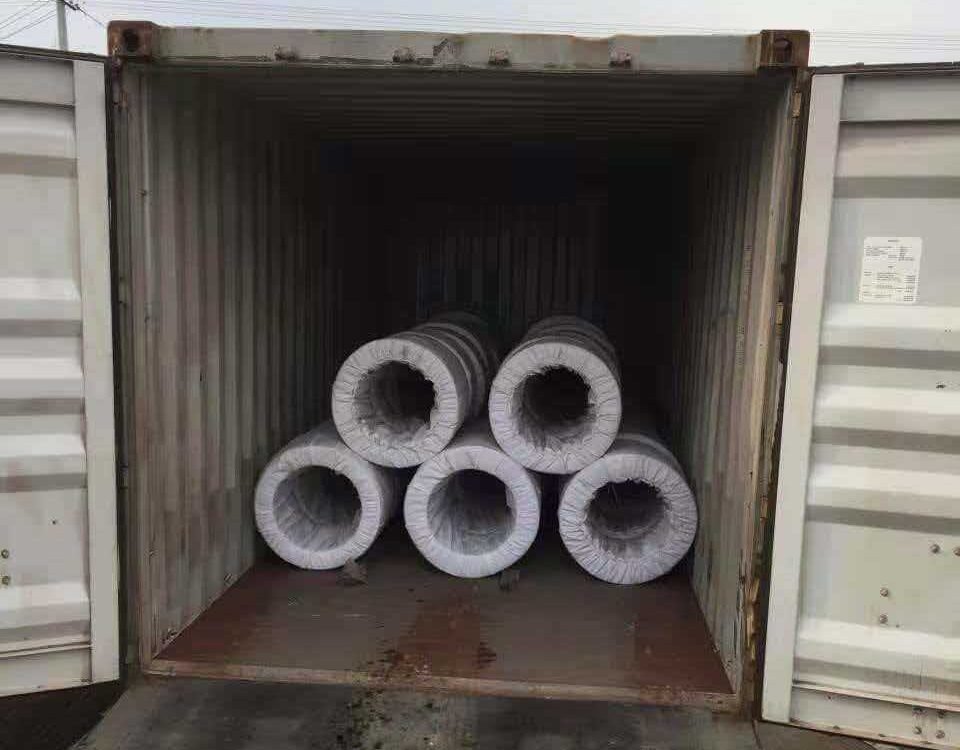
Zambian construction buyers face a choice between rust protection and handling ease. I will break down each wire type so you can see which one fits your project conditions.
Galvanized Binding Wire: Market Standard for Outdoor Construction
Galvanized wire dominates the Zambian market. The zinc coating protects steel from rust during the long rainy season that runs from November to April. Most structural steel rebar tying work uses galvanized wire in 2.0mm diameter.
Banda's copper mine project used galvanized wire for all concrete foundation and column work. The zinc layer keeps the wire intact during formwork installation and concrete pouring. Even after the rainy season ends, the zinc coating continues to protect rebar joints from moisture in the concrete.
The challenge with galvanized wire is hardness. Wire that is not properly annealed stays stiff and hurts workers' hands during manual tying. I have seen construction foremen reject entire shipments because the wire was too hard to twist. When you source galvanized wire, check both the zinc coating weight and the annealing softness.
Black Annealed Wire: Soft and Affordable for Indoor Applications
Black annealed wire has no zinc coating. It rusts faster in wet conditions but offers two advantages. It is softer than galvanized wire and costs less per ton.
Zambian contractors use black annealed wire for interior work. Banda's project used it for partition wall tying and electrical conduit fixing. These applications happen indoors where rust exposure is minimal. The soft wire allows workers to tie faster by hand without wire tying tools.
Black annealed wire also works for temporary construction support. Scaffolding ties and formwork bracing often use black wire because the ties come off before rain exposure begins. The cost savings add up on large projects where temporary tying materials are discarded after use.
Here is a comparison table that shows when to use each wire type:
| Wire Type | Zinc Coating | Typical Diameter | Best Application | Price Level |
|---|---|---|---|---|
| Galvanized | 20-30g/m² | 1.6mm - 2.5mm | Outdoor rebar tying, permanent structural work | Higher |
| Black Annealed | None | 0.8mm - 2.0mm | Indoor partition work, temporary support, conduit fixing | Lower |
How Do You Match Wire Diameter to Construction Applications in Zambia?
Wire diameter affects both binding strength and manual handling ease. Zambian contractors choose diameter based on what they are tying and how they will tie it.
Choose 2.0mm diameter for manual steel rebar tying on columns and beams. Use 1.6mm for lighter partition work and mesh panel connections. For heavy foundation rebar tying, 2.5mm wire provides extra tensile strength. Thinner wire below 1.5mm works only for non-structural applications like conduit bundling.
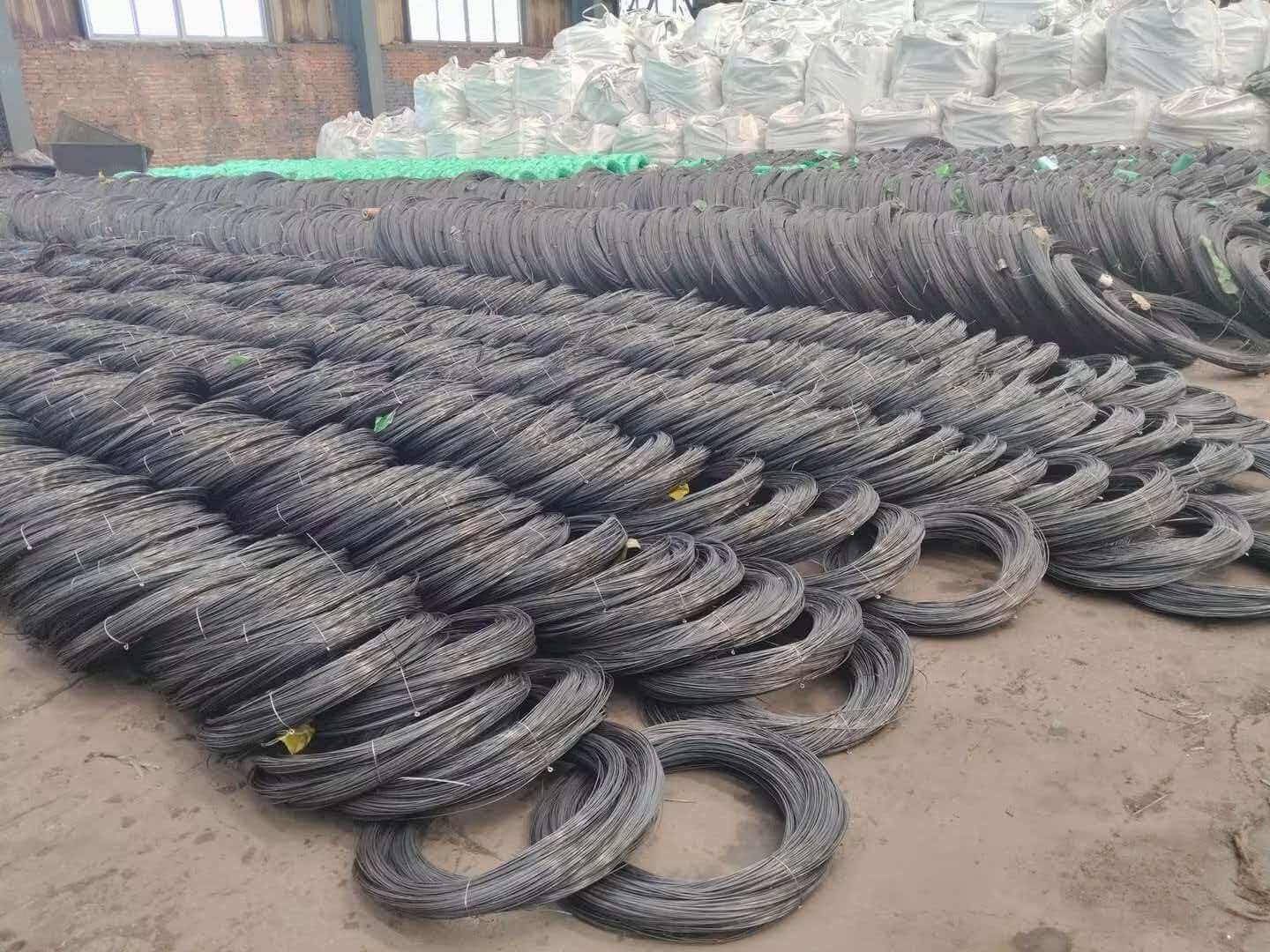
I will walk through the most common diameter choices and show you which applications match each size.
Heavy Structural Work: 2.0mm to 2.5mm Diameter
Foundation and column work needs strong wire that will not break during tying. Most Zambian contractors use 2.0mm galvanized wire for structural steel rebar work. This diameter balances strength and flexibility.
Banda's copper mine project used 2.5mm wire for foundation rebar that exceeded 20mm diameter. The thicker wire prevented breakage when workers pulled tight around heavy rebar intersections. The trade-off is that 2.5mm wire is harder to twist by hand and requires more effort from workers.
I recommend 2.0mm as the default choice for structural work. It handles standard 12mm to 16mm rebar without worker fatigue. You can upgrade to 2.5mm only if you know the rebar diameter exceeds 20mm or if the engineer specifies extra tie strength.
Light Structural and Partition Work: 1.6mm to 1.8mm Diameter
Interior partition walls and suspended ceiling work use lighter wire. The 1.6mm diameter ties mesh panels and light steel frames without adding unnecessary material cost.
Banda ordered 1.6mm black annealed wire for the dormitory partition walls. The soft wire allowed fast hand tying of light gauge steel studs. Workers could complete one room's partition framework in half the time compared to using 2.0mm wire.
The 1.6mm diameter also works for tying reinforcement mesh before concrete slab pouring. The wire holds the mesh at the correct height above the substrate without adding significant weight. Most residential floor slab work in Lusaka uses this diameter range.
Non-Structural Applications: Below 1.5mm Diameter
Wire below 1.5mm is too weak for structural use but works well for electrical conduit bundling and pipe support. Some contractors use 1.2mm black annealed wire to tie conduit runs to ceiling hangers.
I do not recommend wire below 1.5mm for any concrete formwork or rebar tying. The wire will break under load and create safety issues during construction. Stick to 1.6mm minimum for any application where the wire supports structural components during concrete pouring.
What Zinc Coating Weight Should You Specify for Zambian Rainy Season Conditions?
The zinc coating weight determines how long galvanized wire resists rust. Zambia's six-month rainy season requires adequate coating to protect wire during outdoor storage and construction delays.
Specify 20g/m² minimum zinc coating for indoor storage with some rain exposure. Use 25-30g/m² for outdoor rebar work during rainy season construction. Higher coating weights cost more but prevent rust damage that weakens wire strength and appearance.
I will explain how zinc coating weight affects wire performance and when to pay for heavier coating.
Standard Coating: 20g/m² for Most Applications
Most Chinese factories supply 20g/m² zinc coating as the standard specification. This coating level protects wire during normal construction timelines with some rain exposure.
Banda's first galvanized wire order came with 20g/m² coating. The wire arrived in Dar es Salaam in July, at the start of the dry season. By the time it reached his Lusaka warehouse and sold to project sites, the dry season was half over. The 20g/m² coating held up fine because actual rain exposure was limited.
The 20g/m² coating works when you can control storage conditions and construction timing. If the wire stays in covered warehouses and moves to sites during dry months, this coating level is enough. The price advantage over heavier coating makes it the default choice for most buyers.
Heavy Coating: 25-30g/m² for Extended Rain Exposure
Projects that run through the rainy season need heavier zinc coating. The extra coating adds about 5-8% to the wire cost but prevents rust damage during outdoor storage and slow construction progress.
I worked with a Ndola contractor who left bundled wire outdoors for three months during the rainy season. The wire had 20g/m² coating and developed surface rust spots. Workers complained the rust stained their hands and left marks on concrete after tying. He lost money cleaning the wire and replacing the worst bundles.
Now this contractor specifies 25g/m² minimum for any project starting before the rainy season ends in April. The heavier coating costs more upfront but eliminates rust damage and worker complaints. If your project timeline extends into the rainy months, pay for the extra coating.
Coating Uniformity Matters More Than Total Weight
A uniform zinc coating protects better than uneven coating with high average weight. Some factories achieve 25g/m² total weight by coating some wire sections heavily and leaving other sections thin. This creates weak spots that rust first.
Check the factory's coating process. Hot-dip galvanizing produces the most uniform coating. Electro-galvanizing can leave uneven coating if the factory does not control the process well. Ask for coating uniformity data, not just average coating weight. Good suppliers will provide uniformity specs or show you process photos.
How Do You Balance Wire Softness and Tensile Strength for Manual Tying?
Soft wire is easier to tie by hand but must maintain enough tensile strength to hold rebar in position during concrete pouring. The annealing process controls this balance.
Properly annealed binding wire should bend 180 degrees around a mandrel without breaking. It should twist three full turns by hand without snapping. Wire that passes these tests has good softness for manual tying while retaining structural strength. Specify tensile strength of 350-500 MPa for construction binding applications.
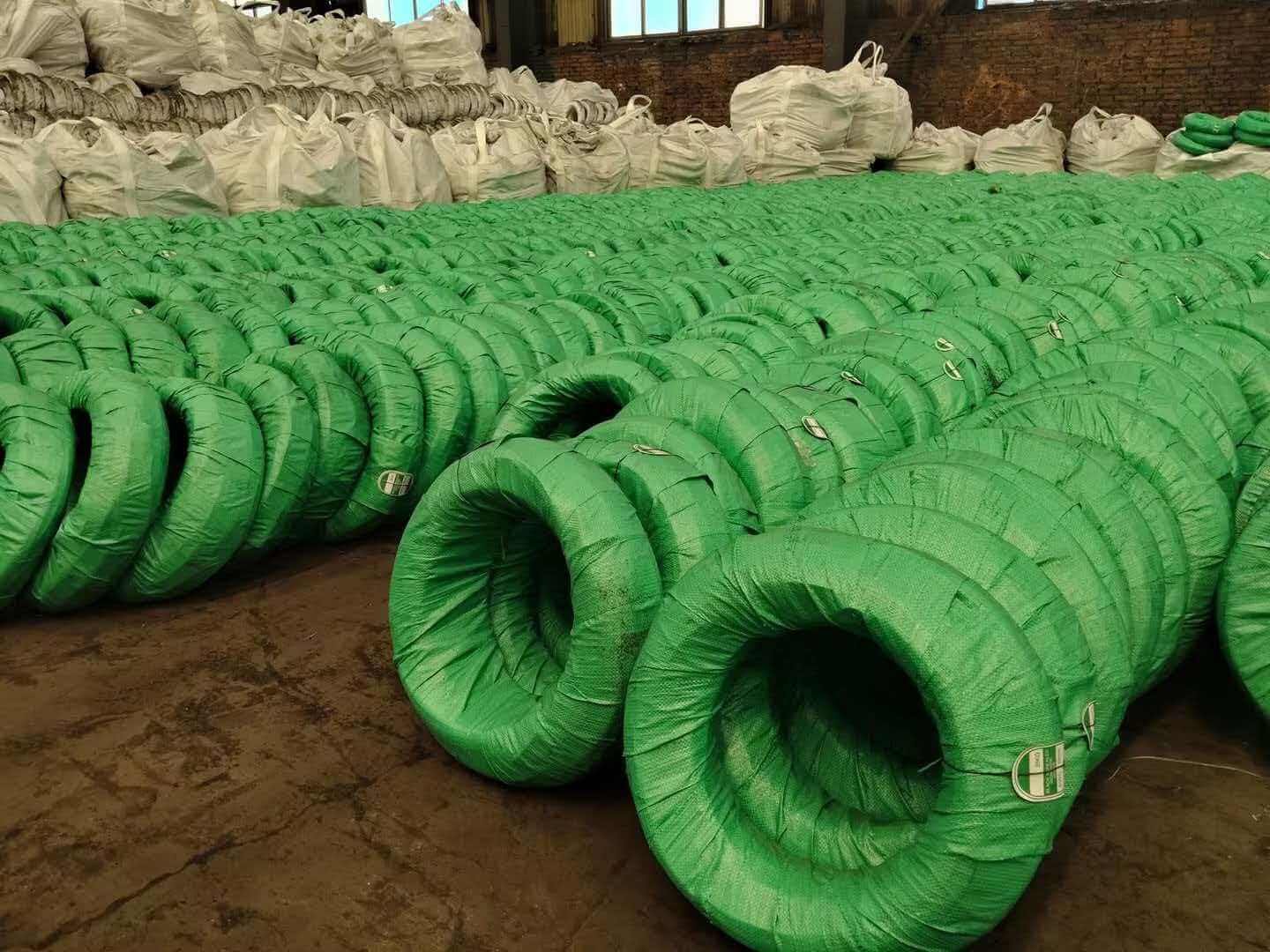
I will show you how to check wire softness before you place a large order and what tensile strength range works for Zambian construction sites.
The 180-Degree Bend Test
This simple test shows if the wire has proper annealing. Take a 30cm wire sample and bend it 180 degrees around a round object about 10mm diameter. Properly annealed wire will bend without cracking or breaking.
Banda learned this test after receiving a shipment of hard galvanized wire. Workers refused to use it because it hurt their hands during twisting. He called me and I taught him the bend test. We tested samples from the shipment and found the wire cracked after 90-degree bending. The factory had skipped proper annealing to save processing time.
Now Banda tests every incoming shipment before accepting delivery. He keeps a 10mm steel rod in his warehouse office specifically for bend testing. If wire fails the test, he photographs the break and requests a discount or replacement. This saved him twice from distributing unusable wire to customers.
The Three-Turn Twist Test
Construction workers typically twist wire three times to secure a rebar joint. If wire breaks before completing three turns, it is too brittle for manual tying work.
I taught this test to a Kitwe contractor who complained about wire breakage rates. His workers were breaking 10-15% of wire pieces during tying, which slowed down work and wasted material. We tested his wire supply and found it would only complete two twists before snapping.
The contractor switched to a supplier who provided proper annealing documentation. The new wire passed the three-turn test consistently. His wire breakage rate dropped to below 2%, which is normal for manual tying operations. The small price increase for better annealed wire paid for itself through reduced waste and faster work completion.
Tensile Strength Requirements
Binding wire needs enough tensile strength to hold rebar in position but not so much strength that the wire becomes brittle. The sweet spot for construction binding wire is 350-500 MPa tensile strength.
Wire below 350 MPa may stretch or break under load during concrete pouring. Wire above 500 MPa is often too hard for comfortable manual tying. Most Chinese factories target 400-450 MPa for construction binding wire, which balances strength and softness.
Ask your supplier for tensile test reports. Good factories test every production batch and keep records. If a supplier cannot provide tensile data, they probably do not control the annealing process well. You risk receiving inconsistent wire quality across different shipments.
What Packaging Options Work Best for Zambian Distribution and Storage?
Packaging affects wire condition during shipping and storage. Zambia's long inland transport from Dar es Salaam or Mombasa requires moisture-resistant packaging.
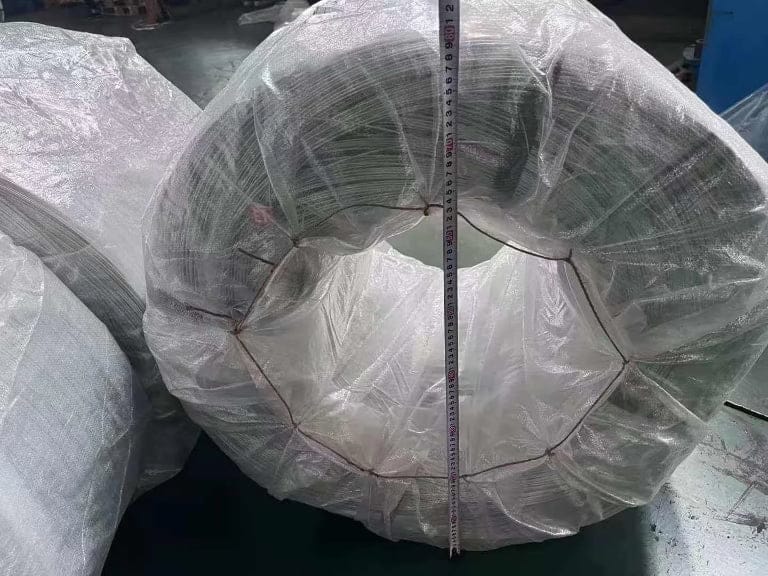
Use plastic film wrapped coils for individual distribution to retail customers. Choose woven bag bundling for bulk wholesale to construction sites. Add desiccant packs and waterproof outer wrapping for containers shipping during rainy season. Standard coil weights are 25kg, 50kg, and 500kg depending on distribution needs.
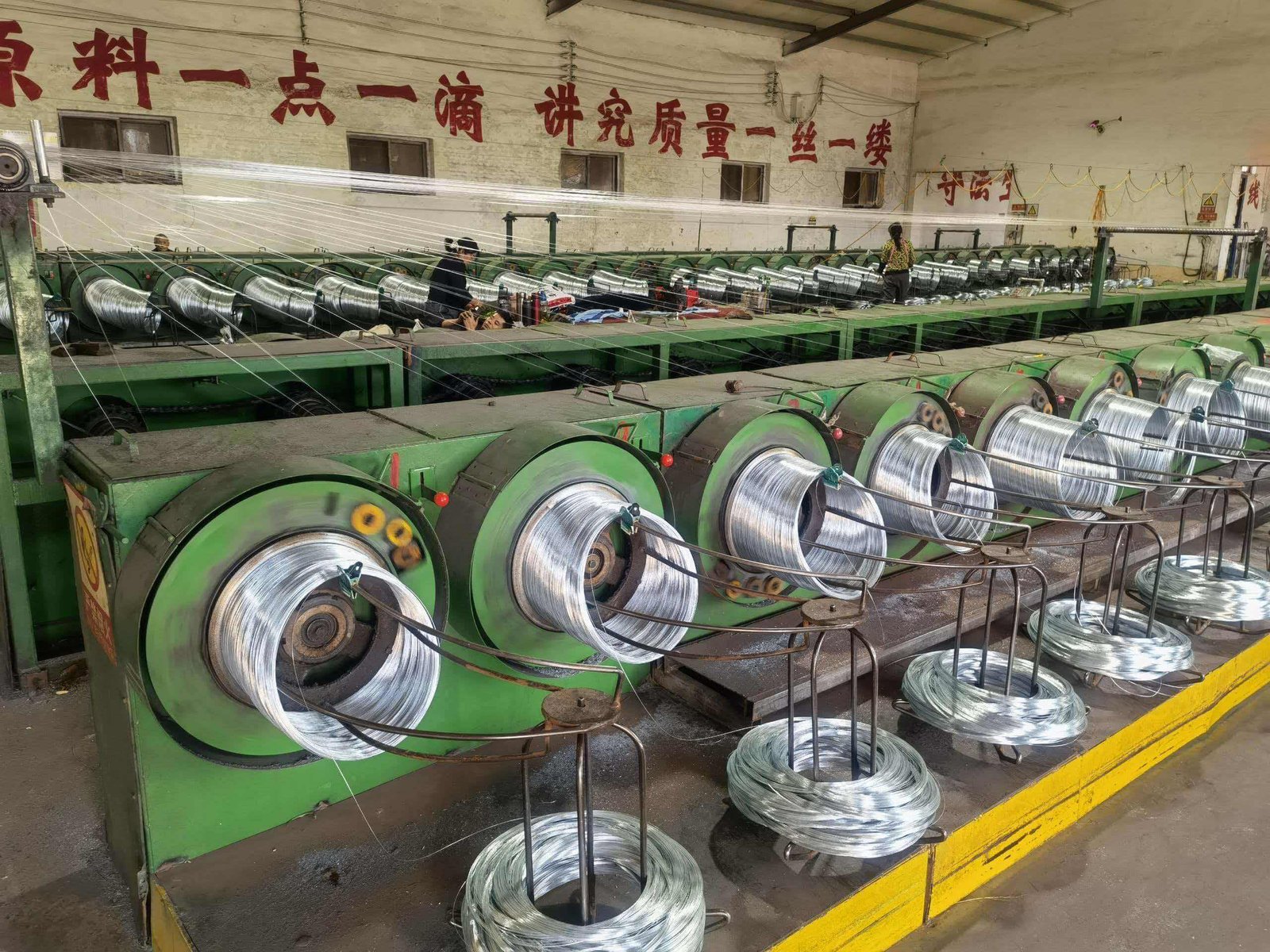
I will compare the common packaging options and show you which works best for your distribution model.
Small Coil Packaging: 25kg-50kg for Retail Distribution
Banda sells mostly to small contractors and hardware shops. These buyers need wire in quantities they can handle manually. He orders 25kg coils wrapped in plastic film with a paper label.
The 25kg size is light enough for one person to carry and fits on retail store shelves. The plastic film protects the wire during transport in pickup trucks and storage in non-climate-controlled shops. Each coil contains wire in convenient lengths that customers can cut as needed.
The downside of small coil packaging is higher per-ton cost. The factory spends more time winding small coils and uses more packaging materials per ton of wire. Small coils cost about 3-5% more than large coils. This matters if you are competing on price with other wholesalers.
Large Coil Packaging: 500kg for Construction Site Delivery
Large contractors prefer 500kg coils delivered directly to construction sites. The large coils reduce packaging waste and cost per ton. A single coil provides enough wire for several days of rebar tying work.
I supplied 500kg coils to a road construction project in Eastern Province. The contractor had a dedicated storage area and wire cutting station on site. Workers would pull wire from the coil and cut lengths as needed. This eliminated packaging waste and reduced material handling time.
Large coils require proper storage facilities. The 500kg weight needs a forklift or crane for handling. Sites without lifting equipment cannot use this packaging. Large coils also require weather protection because the inner wire layers stay exposed after partial use. Contractors must plan storage and usage to prevent rust on exposed wire.
Bundle Packaging: Multiple Coils in Woven Bags
Bundle packaging puts 10-20 small coils inside a woven polypropylene bag. This combines the handling convenience of small coils with the shipping efficiency of bulk packaging.
Banda uses bundle packaging for wire that goes through multiple distribution steps. He receives 20-foot containers with wire bundled in bags. His workers can unload bags without a forklift and break them open to distribute individual coils to retail customers.
The woven bags protect wire during rough handling in Zambia's inland transport. Trucks traveling from Dar es Salaam to Lusaka face poor road conditions. The double-layer protection of plastic film on coils plus woven bag prevents damage from load shifting and dust exposure.
Moisture Protection for Rainy Season Shipments
Containers shipped during the rainy season need extra moisture protection. Even with good port handling, some moisture enters
FAQ:
Q1: What is the main difference between galvanized binding wire and black annealed wire? A1: Galvanized binding wire has a zinc coating that provides rust protection, making it the standard choice for structural rebar tying and outdoor applications. Black annealed wire has no zinc coating but is significantly softer due to the annealing process, making it ideal for manual tying where speed and ease of handling matter more than long-term corrosion resistance. In Zambia, galvanized wire is used for main structural work, while black annealed wire is often used for internal partitions, conduit fixing, and smaller-scale construction.
Q2: Why does annealing matter for construction binding wire? A2: Annealing determines how soft and flexible the wire is. Wire that is insufficiently annealed will be too hard, causing workers to struggle with manual tying and increasing the risk of snapping. Wire that is properly annealed ties quickly and holds tight without breaking. This matters especially in Zambia, where most construction sites rely on manual labor rather than automated tying tools. Banda's clients consistently report that well-annealed wire improves site productivity.
Q3: What packaging standards should Zambian importers expect for binding wire? A3: Zambian-bound binding wire must withstand ocean freight from Tianjin Port to Dar es Salaam, followed by inland trucking to Lusaka. Standard export packaging includes inner plastic film for moisture protection, an outer woven bag for physical durability, and steel strapping to keep coils secure. Loose or poorly packed coils can shift during transport, causing tangling and waste. Banda confirms that properly packed wire arrives in usable condition even after the long inland transit from port to warehouse.