


Rwanda's construction sites use both galvanized and black annealed binding wire, but each type belongs in a specific place. Understanding where to use which wire saves money, prevents rework, and keeps projects on schedule. Here is what one Kigali contractor learned from a side-by-side comparison.
Jean used both types of wire on the same project and found that each performed best in its intended application. Buyers like him, who need clear product comparison for construction binding wire in Rwanda, can find detailed specifications on our product page: https://mfgwiremesh.com/metal-wire/galvanized-iron-wire/
I still remember visiting a Kigali construction site last year where the contractor showed me his wire selection strategy. He told me something that changed how I think about binding wire: "It's not about which wire is better, it's about which wire fits where." That conversation taught me more about wire selection than any product catalog ever could.
Both galvanized binding wire and black annealed wire work perfectly for Rwanda construction sites, but in different situations. Galvanized wire protects outdoor rebar during rainy seasons with its zinc coating, while black annealed wire offers superior flexibility for interior work at lower cost. Your choice depends on exposure conditions and project requirements.
I've worked with dozens of Rwanda contractors over the years. The smart ones don't pick just one type of wire. They use both, and they know exactly where each one belongs. Let me show you what I've learned from them.
What Makes Galvanized Binding Wire Different from Black Annealed Wire?
The difference starts at the factory level. When I walk through production lines, I see these two wires go through completely different processes. This isn't just about surface coating. It's about fundamental characteristics that affect how each wire performs on your construction site.
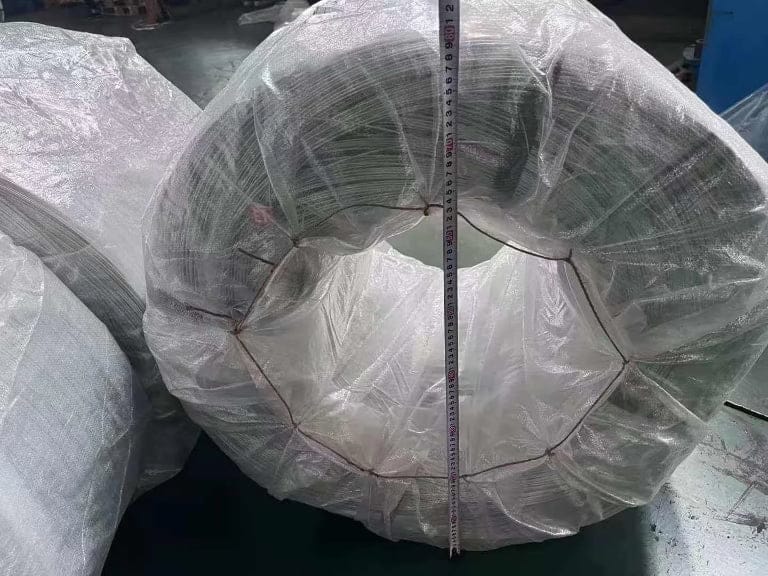
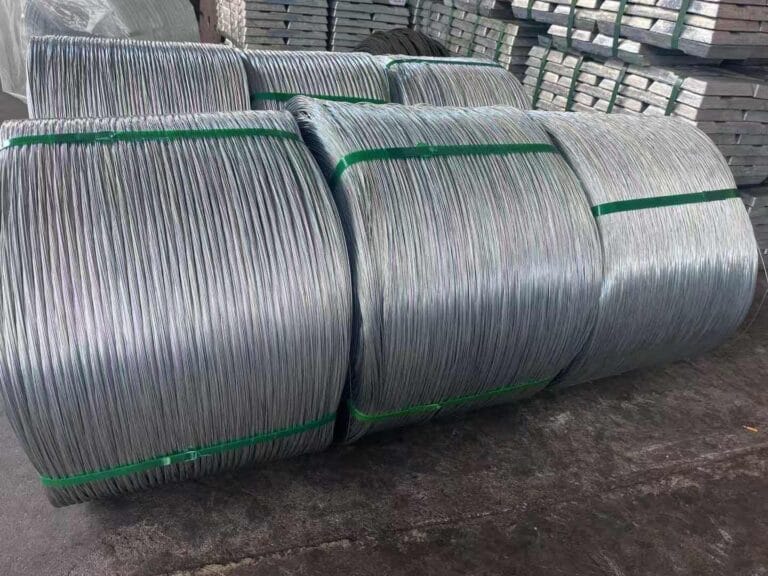
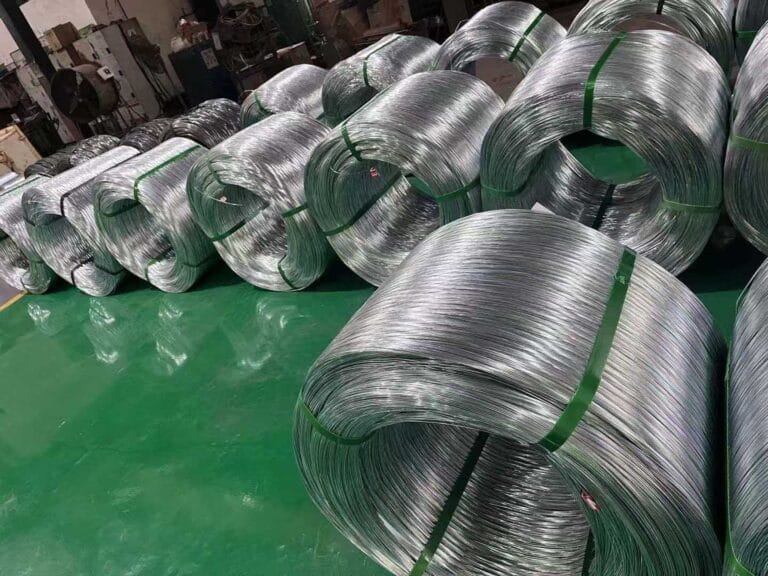
Galvanized binding wire has a zinc coating that protects the steel core from rust, making it ideal for outdoor exposure. Black annealed wire undergoes heat treatment without zinc coating, resulting in a softer, more flexible wire that's easier to twist but offers less corrosion resistance.
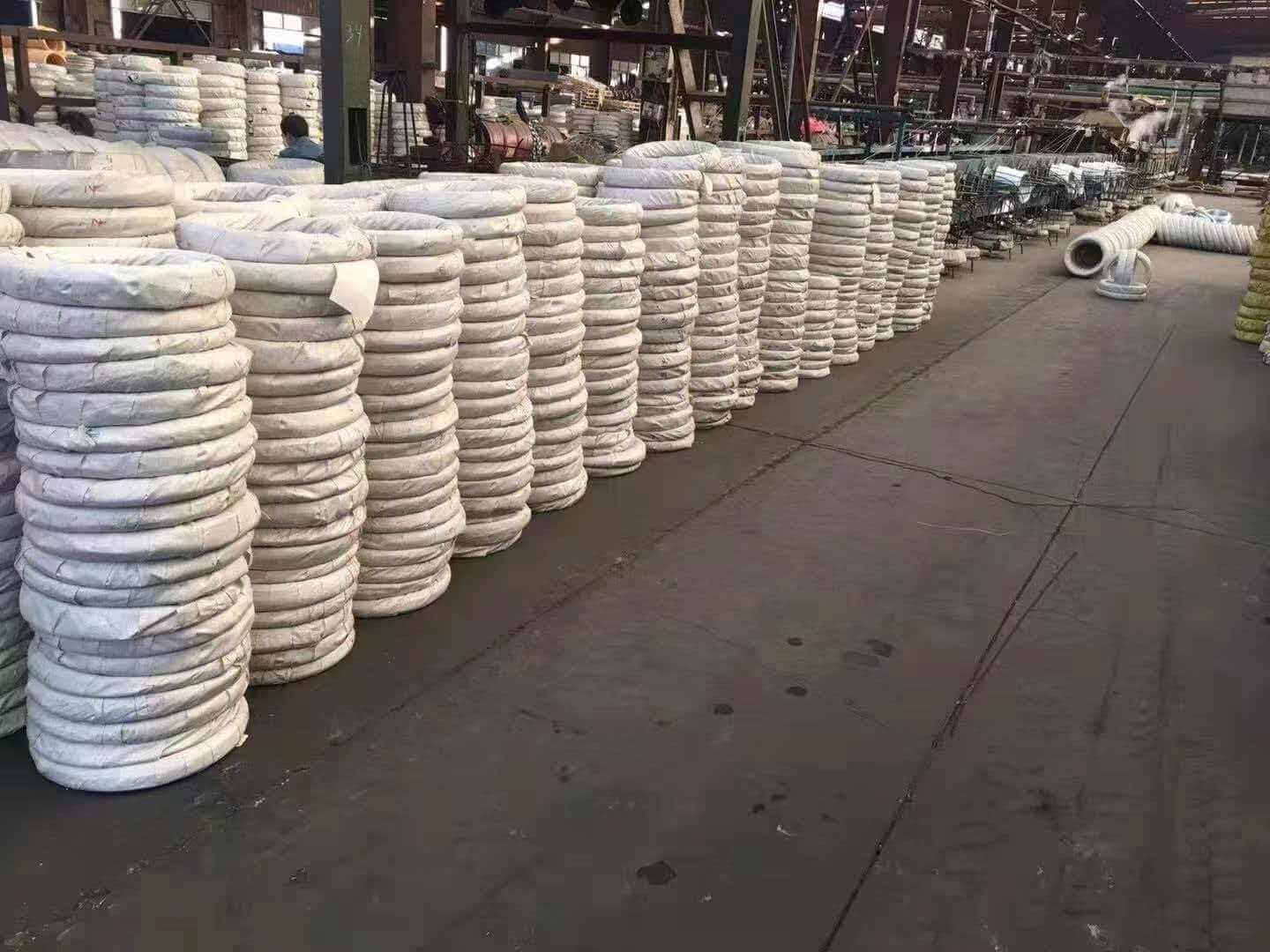
I met Jean, a Kigali contractor, who ran a side-by-side test on one of his projects. He used galvanized wire for the main structure and black annealed wire for interior partitions and pipe fixing. One year later, both wires performed exactly as expected in their respective positions.
Jean's test taught me something important. The galvanized wire on his main structure faced two rainy seasons. Kigali sits at high altitude, but during rainy periods, humidity stays consistently high. The rebar binding remained exposed outdoors for weeks before concrete pouring. Not a single rust spot appeared on those galvanized wire connections.
The black annealed wire inside the building also worked perfectly. Jean used BWG 18 specification, 1.25mm diameter. His workers loved it because they could twist it tight with one quick turn of their hooks. The efficiency gain was noticeable. Interior locations don't face direct weather exposure, so the absence of zinc coating didn't matter.
Here's what sets these two wires apart in practical terms:
| Feature | Galvanized Binding Wire | Black Annealed Wire |
|---|---|---|
| Coating | Hot-dip galvanized (zinc layer) | Oil coating only |
| Flexibility | Moderate (zinc layer adds stiffness) | High (annealing softens steel) |
| Rust resistance | Excellent (zinc sacrificial protection) | Limited (depends on oil coating) |
| Twisting effort | Requires more force | Easy hand twisting |
| Cost | Higher | Lower |
| Best for | Outdoor/exposed applications | Indoor/protected applications |
I notice many Rwanda contractors initially think black annealed wire is inferior because it lacks zinc coating. Jean thought the same way before his test. Now he understands that each wire serves its purpose. The zinc coating isn't always necessary. Sometimes flexibility matters more than maximum rust protection.
The zinc layer thickness on galvanized wire typically ranges from 30 to 80 grams per square meter. Jean specified minimum 40g/m² for his Kigali project. This thickness provides adequate protection during Rwanda's rainy seasons. The zinc acts as a sacrificial anode. Even if the coating gets scratched, the surrounding zinc continues protecting the exposed steel underneath.
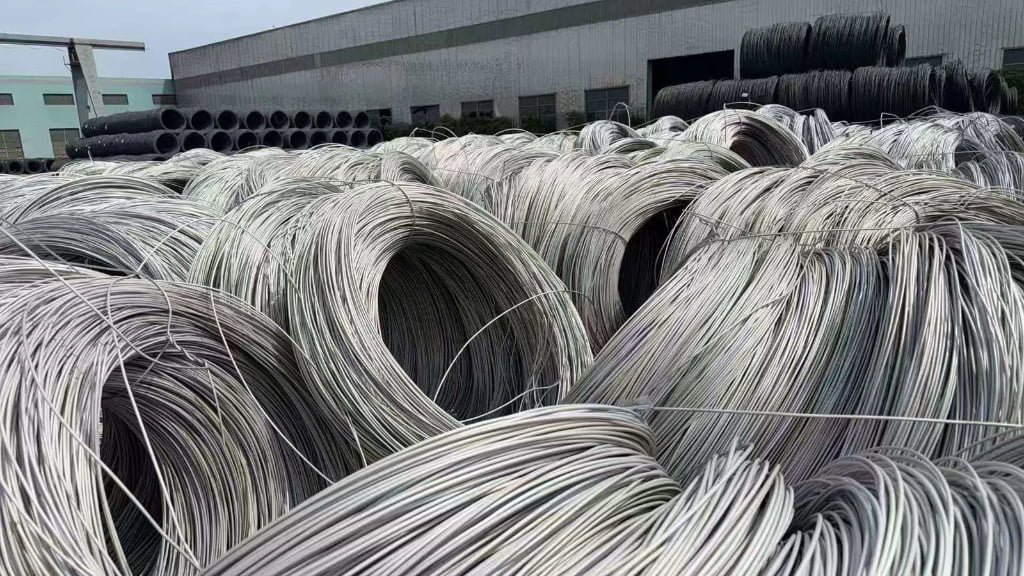
Black annealed wire goes through a different treatment. The steel wire gets heated to high temperature, then slowly cooled. This process restructures the steel's internal grain structure. The wire becomes softer and more ductile. Workers can bend it repeatedly without breaking. This matters when you're doing hand binding on a construction site.
I've seen workers try to use galvanized wire where black annealed wire would work better. They struggle with the extra stiffness. Their hands get tired faster. The binding takes longer. Then I've seen the opposite mistake too. Black annealed wire used in exposed locations where it rusts within months. Neither mistake is necessary once you understand the fundamental differences.
When Should You Use Galvanized Binding Wire in Rwanda?
Rwanda's climate creates specific challenges for construction materials. I've walked through sites during rainy season. The moisture doesn't just come from rain. Morning fog in Kigali valleys can soak everything. High-altitude locations experience temperature swings that create condensation. Your binding wire choice needs to account for these conditions.
Use galvanized binding wire for any rebar binding that will be exposed to weather before concrete pouring, including foundation work, columns, beams, and slab reinforcement. The zinc coating provides rust protection during Rwanda's two rainy seasons when construction schedules often span several weeks or months.
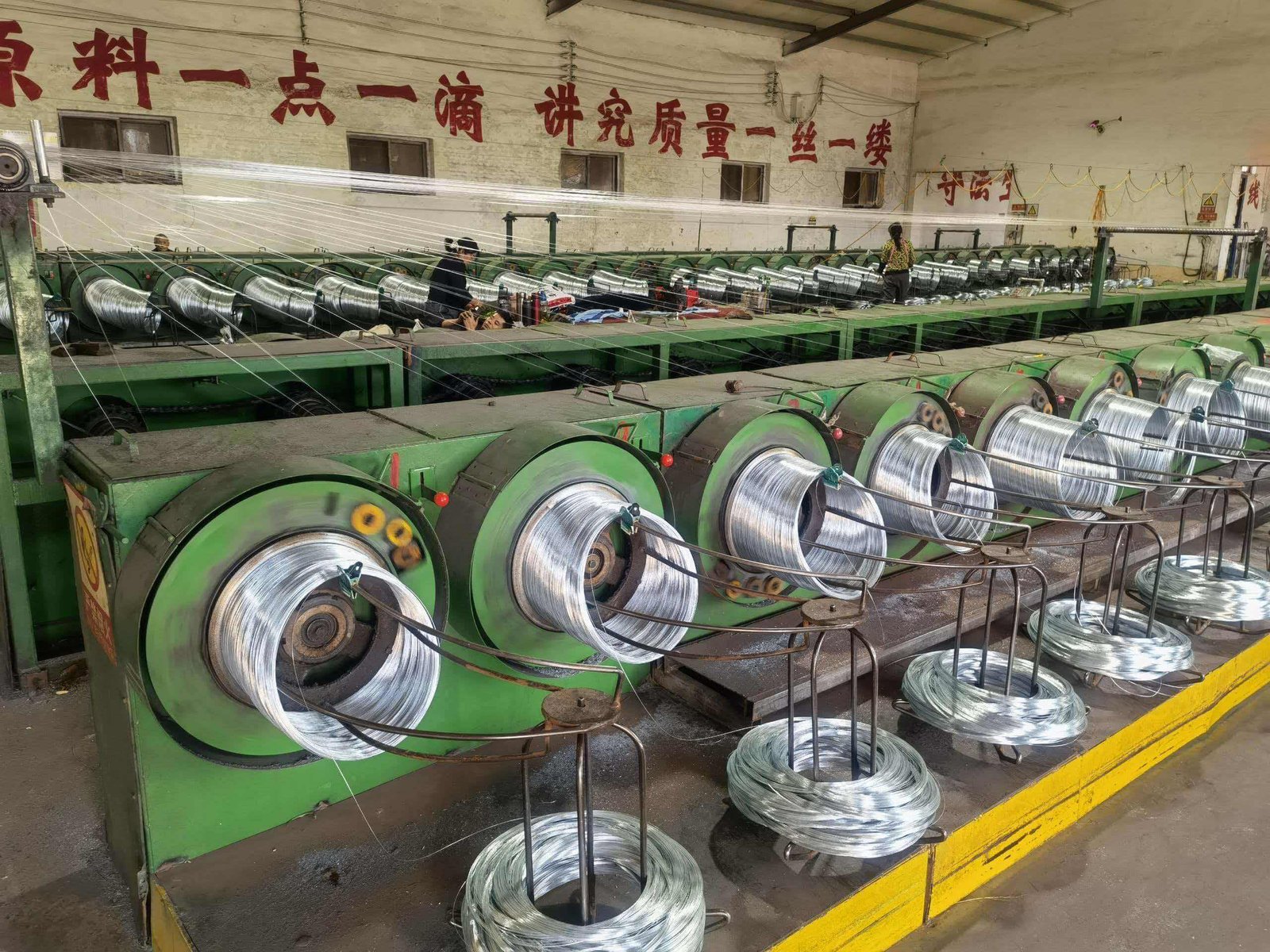
Jean's main structure binding faced exactly this scenario. His project schedule stretched across one of Kigali's rainy seasons. The rebar framework sat exposed for nearly two months before concrete work began. Every morning brought heavy dew. Afternoon rains soaked the site regularly. The galvanized wire held up perfectly.
I asked Jean about his wire specifications for that project. He used 2.0mm diameter galvanized wire with minimum 40g/m² zinc coating. This specification came from previous experience. He had tried thinner zinc coatings on an earlier project. Light surface rust appeared after six weeks of exposure. Not enough to cause structural problems, but enough to worry him. The 40g/m² specification gave him peace of mind.
Here are the specific Rwanda applications where galvanized wire makes sense:
Foundation and footing work: Ground contact increases moisture exposure. Even if you pour concrete quickly, underground portions face long-term dampness. The zinc coating protects the binding points where rebar intersects. I've inspected foundations years after construction. Properly galvanized wire shows minimal corrosion even in direct soil contact.
Column and beam reinforcement: These elements often extend above slab level during construction. They catch rain directly. Wind-driven moisture reaches all surfaces. Jean told me about a project where unseasonable rains delayed his concrete pour by three weeks. His galvanized wire binding showed no rust. A neighboring site using cheaper wire had to re-bind several columns.
Slab reinforcement on upper floors: Open floors during construction face full weather exposure. Morning dew, afternoon rain, and overnight humidity all affect the rebar. I've seen contractors try to save money by using black annealed wire here. Within two weeks, rust stains appear. The wire weakens at binding points. Some contractors have to redo the work.
Exterior wall reinforcement: Any structural element on building exteriors needs galvanized wire. This includes tie beams, ring beams, and lintels. These locations continue facing moisture even after the building envelope closes. The zinc coating provides long-term protection.
Projects with extended timelines: Rwanda construction schedules often stretch due to various factors. Materials delivery delays, weather interruptions, or funding issues can extend the period between rebar binding and concrete pouring. Galvanized wire gives you flexibility. You don't worry about rust if the schedule slips.
I need to mention wire diameter too. Jean used 2.0mm for his main structure. This diameter provides enough strength for secure binding without being difficult to twist. Some contractors use 1.6mm to save money. I don't recommend going thinner than 1.8mm for structural applications. The wire needs to hold tight during concrete pouring. Vibrator impact can loosen weak bindings.
The zinc coating thickness matters as much as the wire diameter. I've seen suppliers offer "galvanized" wire with zinc coatings as thin as 20g/m². This barely qualifies as galvanized. For Rwanda conditions, I recommend minimum 40g/m² for sites in Kigali and other high-altitude locations. Coastal areas or particularly humid regions might need 60g/m² or higher.
One contractor asked me whether he could use galvanized wire for everything. Technically yes, but economically it doesn't make sense. Galvanized wire costs roughly 15-25% more than black annealed wire. If you're doing interior binding work or temporary applications, that extra cost buys you nothing. Save the galvanized wire for locations where its rust protection actually matters.
When Does Black Annealed Wire Work Better?
I watched a team of workers on Jean's project doing interior partition work. They moved fast. Their binding hooks turned smoothly. Each twist locked tight with minimal effort. The foreman told me they could finish twice as much work per day compared to using galvanized wire. This efficiency gain comes directly from black annealed wire's flexibility.
Black annealed wire works better for interior applications, temporary binding, pipe and conduit fixing, and any location protected from direct weather exposure. Its superior flexibility allows faster hand binding, reducing labor time and fatigue while providing adequate strength for protected environments.
Jean used BWG 18 specification black annealed wire (1.25mm diameter) for his interior work. This diameter balances flexibility with sufficient strength. Thinner wire bends too easily. Thicker wire loses the flexibility advantage. The 1.25mm sweet spot gives workers easy twisting while maintaining secure binding.
I've identified several specific scenarios where black annealed wire makes more sense than galvanized:
Interior partition walls: These structures sit completely inside the building envelope. No direct weather exposure. No extended outdoor periods. The binding only needs to hold during construction. Jean's team used black annealed wire for all interior masonry reinforcement. The rust protection from galvanized wire would provide zero benefit here. The cost savings added up across the project.
Temporary bracing and support: Construction sites use lots of temporary wire binding. Formwork ties, temporary scaffolding connections, material bundling. These applications last days or weeks, not years. Black annealed wire provides adequate strength. Its flexibility makes installation and removal faster. I've seen workers struggle removing stiff galvanized wire from temporary applications. Black annealed wire comes off easily.
Pipe and conduit securing: Mechanical and electrical installations need lots of wire binding. Pipes get temporarily secured before permanent fixing. Conduit bundles need grouping. Cable trays require support wire. Jean's project had extensive MEP work. All of it used black annealed wire. The flexibility helped workers route pipes around obstacles. The wire bent without breaking when positions needed adjustment.
Ceiling and false floor work: Suspended ceiling grids and raised floor systems use wire for temporary support and leveling. These locations stay dry and protected. Black annealed wire provides sufficient strength. Its flexibility helps workers make fine adjustments during installation. The cost savings matter when you're buying wire by the ton.
Hand-tying applications: Some construction tasks require extensive hand binding. Security mesh installation, temporary fencing, material bundling. Black annealed wire reduces worker fatigue significantly. I've timed workers doing repetitive binding tasks. Black annealed wire saves roughly 30% of the time compared to galvanized wire. Your labor costs drop accordingly.
Let me share a specific comparison from Jean's project. His workers needed to bind approximately 2000 connection points for interior partitions. Using black annealed wire, the team finished in three days. Jean estimated the same work with galvanized wire would have taken four to five days. The harder twisting would have slowed everyone down. Hand fatigue would have reduced afternoon productivity.
The cost difference mattered too. Jean bought black annealed wire for roughly $680 per ton. Equivalent diameter galvanized wire cost $850 per ton. Interior work used about 2.5 tons of wire. The black annealed wire saved him $425. Combined with the labor time savings, his total project savings exceeded $1000 just from smart wire selection.
I need to emphasize one important point. Black annealed wire isn't inferior to galvanized wire. It's different. The lack of zinc coating isn't a weakness when rust protection isn't needed. The superior flexibility becomes a strength in the right applications. Jean learned this through his comparison test. Many contractors still haven't figured it out.
Some workers initially resisted using black annealed wire. They associated the dark color with lower quality. Jean had to explain the difference. Once they tried it, they preferred the easier twisting. The wire didn't fight them. Their hands didn't cramp up after hours of binding. Productivity improved naturally.
One warning about black annealed wire storage. The oil coating protects against rust during short-term storage, but not indefinitely. I've seen contractors buy large quantities then store it improperly. Moisture gets in. Surface rust develops. The wire becomes harder to use. Store black annealed wire in a dry location. Use it within a few months of purchase. Don't stockpile for years.
How Do Rwanda's Weather Conditions Affect Your Wire Choice?
Rwanda's weather creates unique challenges that many contractors underestimate. I've seen projects in Kigali, Huye, and Gisenyi. Each location has different moisture patterns. Your wire selection needs to account for local conditions, not just general climate data.
Rwanda's bimodal rainfall pattern brings two distinct rainy seasons annually, with heavy precipitation from February to May and September to December. Combined with high-altitude humidity and temperature swings, these conditions accelerate rust formation on unprotected steel. Wire selection must account for exposure duration between binding and concrete pouring.
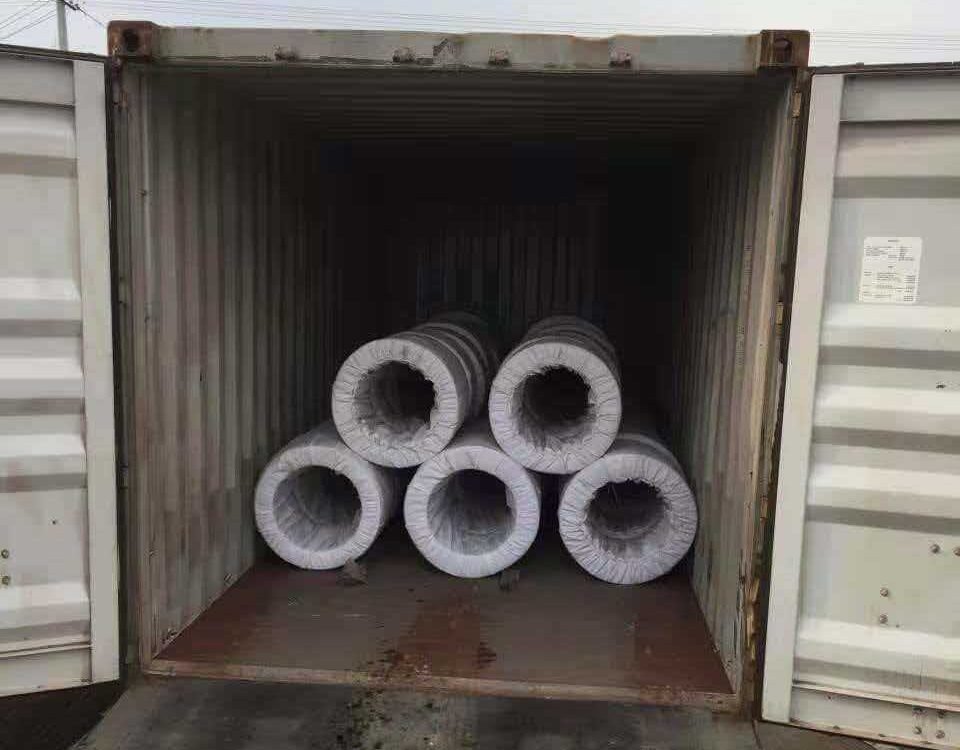
Jean's Kigali project taught me several important lessons about Rwanda weather and wire performance. His construction timeline crossed into the March-April rainy season. He had planned to complete the main structure binding before the rains started. Delays pushed the schedule back. His rebar framework sat exposed during some of the heaviest rainfall Kigali had seen in years.
The galvanized wire held up perfectly. Zero rust issues. Meanwhile, a neighboring project using cheaper wire started showing rust problems within two weeks. The other contractor tried to clean and treat the rusted bindings. The work took days and still didn't restore full integrity. That contractor ended up replacing several hundred binding points.
Let me break down how specific Rwanda weather patterns affect wire performance:
Morning dew and fog: Kigali valleys experience heavy morning condensation, especially during rainy seasons. The dew doesn't dry quickly because of high altitude and cloud cover. This extended moisture exposure attacks unprotected steel. Galvanized wire's zinc coating prevents rust formation during these daily moisture cycles. Black annealed wire would show surface rust within days in outdoor exposure.
Afternoon thunderstorms: Rwanda's rainy season brings intense but localized storms. Your construction site might get soaked for two hours, then face bright sun. These wet-dry cycles accelerate corrosion more than constant moisture. The zinc coating on galvanized wire remains stable through repeated wetting and drying. Each cycle degrades unprotected steel.
High altitude humidity: Kigali sits at 1500 meters elevation. Huye reaches 1800 meters. High altitude creates consistent atmospheric moisture even during dry periods. Rebar binding exposed overnight absorbs this moisture. Morning temperature drops cause condensation. Galvanized wire handles this daily moisture cycle without degradation.
Temperature swings: Rwanda's altitude creates significant day-night temperature differences. A 15-20 degree Celsius swing is common. These temperature changes drive moisture movement. Condensation forms on steel surfaces during cooling. This nightly moisture exposure accumulates over weeks of construction timeline. Unprotected wire binding points weaken gradually.
I need to address a misconception some contractors have. They think Rwanda's moderate temperatures mean rust isn't a serious problem. Temperature isn't the issue. Moisture is. Rwanda combines consistent moisture with temperature swings that concentrate condensation on metal surfaces. This combination accelerates rust formation faster than many tropical locations with higher temperatures but lower humidity.
Jean told me about a project in Musanze, northern Rwanda. The site elevation exceeded 2000 meters. Morning fog completely obscured the construction site several days per week. The moisture felt different from rain. It settled into everything. His galvanized wire binding showed no problems. Another contractor working nearby had tried black annealed wire for outdoor binding. Rust appeared within ten days. The wire actually broke at several binding points during concrete pouring.
Here's a practical timeline for wire rust formation in different Rwanda locations:
| Location | Outdoor Exposure | Black Annealed Wire | Galvanized Wire (40g/m²) |
|---|---|---|---|
| Kigali (dry season) | 4-6 weeks | Surface rust starts week 3 | No visible rust |
| Kigali (rainy season) | 4-6 weeks | Surface rust starts week 1 | No visible rust |
| Huye (rainy season) | 4-6 weeks | Heavy rust by week 2 | No visible rust |
| Gisenyi (lake humidity) | 4-6 weeks | Rust starts week 2 | Light surface oxidation |
These timelines assume typical construction exposure without special protection. Your actual results might vary based on specific site conditions. The pattern is clear though. Black annealed wire fails quickly in outdoor Rwanda conditions. Galvanized wire maintains integrity.
Jean now uses galvanized wire for structural work and black annealed wire for internal applications. Read more Rwanda construction guides on our blog https://mfgwiremesh.com/blog/ or reach out via https://mfgwiremesh.com/contact/.
We provide full MTC (Mill Test Certificate) and Certificate of Origin with every shipment.
We provide a full range of construction binding wire for African projects. Galvanized Iron Wire: https://mfgwiremesh.com/metal-wire/galvanized-iron-wire/ Black Annealed Iron Wire: https://mfgwiremesh.com/metal-wire/black-annealed-iron-wire/ 201 Stainless Steel Wire: https://mfgwiremesh.com/metal-wire/201-stainless-steel-wire/ Mix container loading supported.
If you are sourcing construction binding wire for Rwanda or any African market, we are happy to provide a specification-based quotation. Contact us via WhatsApp: +86 15383180672.
FAQ:
Q1: When should galvanized binding wire be used on Rwanda construction sites? A1: Galvanized binding wire is the right choice for structural rebar tying and any application exposed to weather before concrete pouring. Rwanda has two rainy seasons, and rebar may remain exposed for weeks. The zinc coating prevents rust that could compromise structural integrity. Jean specifies 2.0mm galvanized wire with zinc coating above 40 g/m² for all structural work on his Kigali projects.
Q2: Where does black annealed wire perform best? A2: Black annealed wire excels in manual tying applications where speed and ease of handling are priorities. It has no zinc coating but is significantly softer than galvanized wire, allowing workers to tie quickly with less fatigue. Jean uses black annealed wire for internal partitions, conduit fixing, and non-structural applications. In Rwanda, BWG 18 (1.25mm) is the most popular specification for this purpose.
Q3: Can one project use both types of binding wire? A3: Yes. Jean's project used galvanized wire for structural rebar tying and black annealed wire for internal work. This combination is common on Rwanda construction sites. The key is matching each wire type to its appropriate application. Galvanized wire provides rust protection where it matters most, while black annealed wire offers cost savings and handling efficiency for interior applications.