


It's a common challenge for wholesalers in Malawi: what's the best way to stock binding wire so you don't lose sales? I've seen too many businesses stick to just one type, only to find they can't meet all their customers' needs. There's a better approach.
Successful Malawi wholesalers now use a mixed stock strategy. They keep 60% galvanized binding wire and 40% black annealed wire. This combination covers construction projects, indoor installations, and agricultural applications. The ratio shifts with seasons and customer demand patterns.
Let me tell you about Chimwemwe, a building materials wholesaler in Lilongwe. His story shows why this mixed approach matters. Last year, he only kept galvanized wire. When customers asked for black annealed wire, he lost those orders. When galvanized wire sat too long in his warehouse, the zinc coating turned dark. Customers complained even though the wire still worked fine.
What Types of Binding Wire Do Malawi Customers Actually Need?
Customers walk into wholesale shops with different projects in mind. Each project type demands specific wire properties. The wire that works for concrete structures won't suit indoor electrical work.
Malawi customers need three main wire types. Construction contractors buy galvanized wire for outdoor structures. Interior workers need black annealed wire for flexible applications. Agricultural businesses use both types depending on exposure to weather and required wire strength.
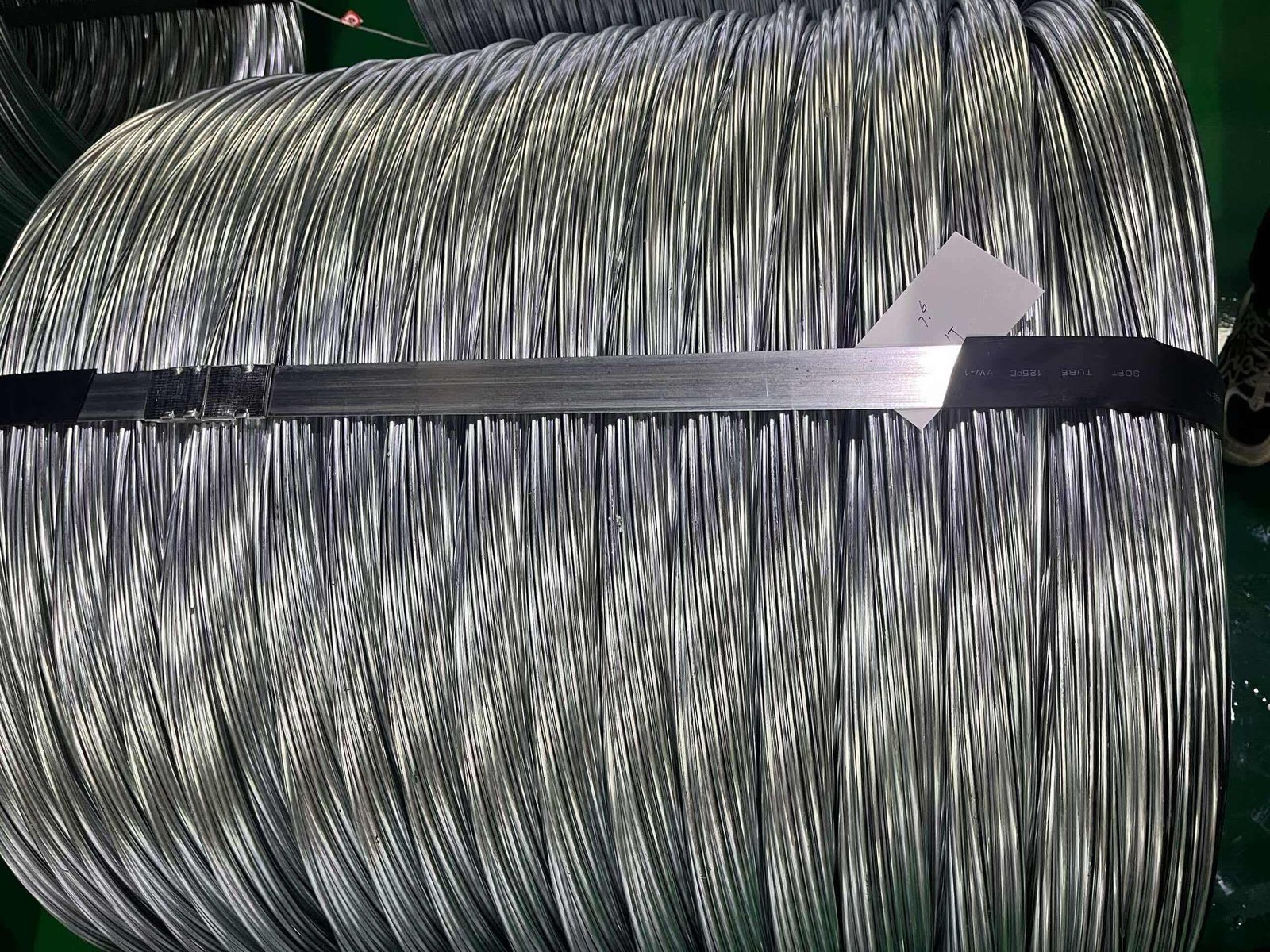
Construction contractors form the largest customer group. They build foundations, columns, and perimeter fences. These outdoor structures need rust protection. Galvanized wire gives them that protection. The zinc coating lasts longer in rain and humidity. Contractors order 2.0mm and 1.5mm diameter wire most often. These sizes offer good strength without being too stiff to twist.
Interior installation crews have different needs. They secure ceiling boards, fix electrical conduits, and hang drywall. Black annealed wire works better here. It bends easily without breaking. Workers can twist it quickly by hand. The soft texture speeds up interior finishing work. BWG (Birmingham Wire Gauge) 16 and BWG 18 gauges are popular for these jobs.
Agricultural customers create a third demand pattern. Tea estates in southern Malawi need wire for plant support structures. Lake shore plantations use wire for training vines and building simple fences. Some farms choose galvanized wire for permanent outdoor structures. Others pick black annealed wire for temporary supports they replace each season. Their orders vary with planting cycles.
| Customer Type | Wire Preference | Common Sizes | Main Applications |
|---|---|---|---|
| Construction Contractors | Galvanized | 2.0mm, 1.5mm | Rebar binding, outdoor structures |
| Interior Workers | Black Annealed | BWG 16, BWG 18 | Ceiling work, conduit fixing |
| Agricultural Businesses | Both Types | 1.2mm-2.0mm | Plant support, temporary fencing |
How Should Wholesalers Calculate Their Stock Mix Ratio?
I learned this from watching Chimwemwe adjust his inventory over six months. He didn't guess randomly. He tracked which customers bought what wire types. Then he matched his stock to those patterns.
Wholesalers should start with 60% galvanized wire and 40% black annealed wire. This ratio matches typical customer demand in Malawi's building materials market. Adjust the mix based on seasonal construction patterns and local customer feedback.
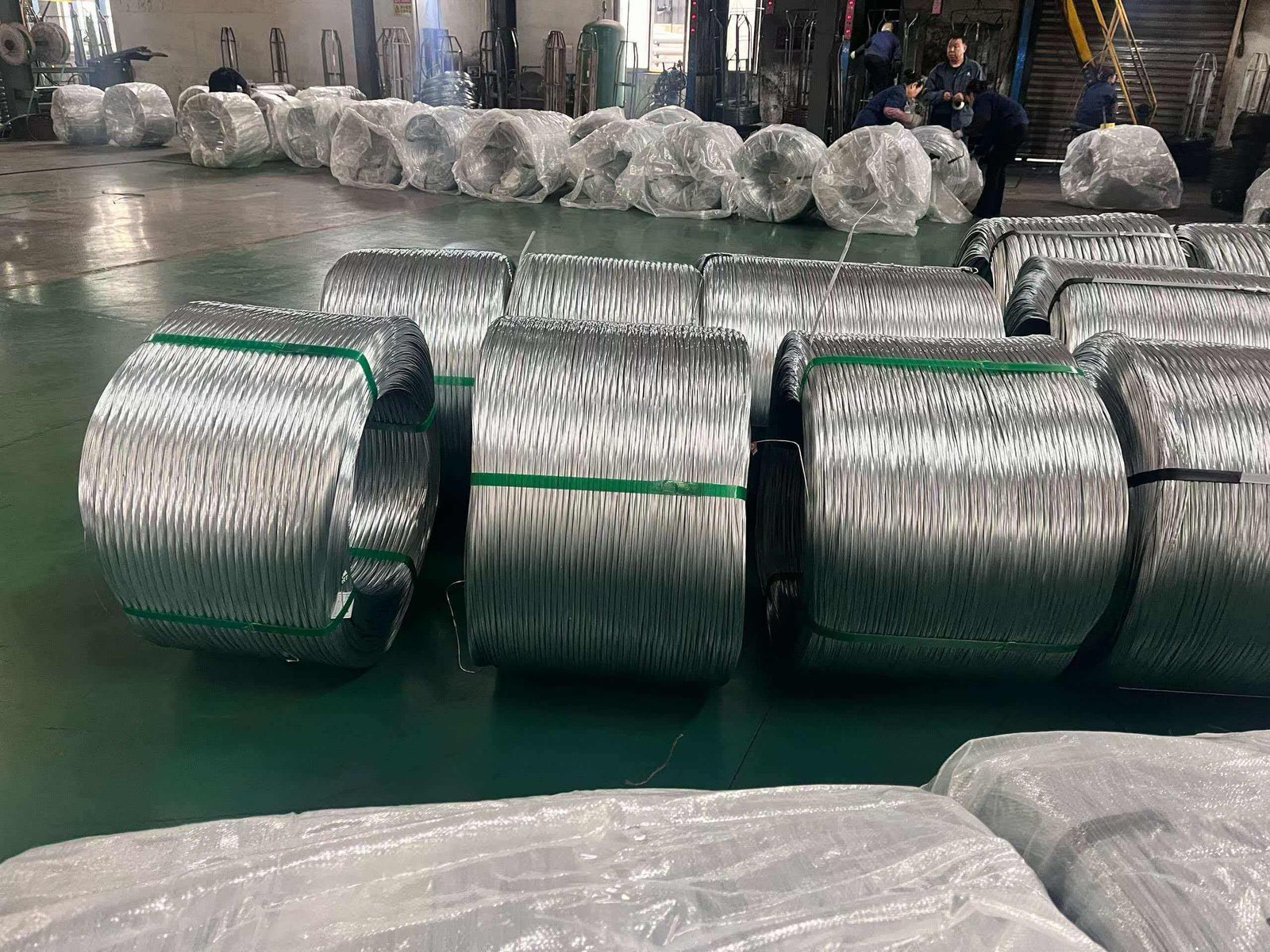
The 60-40 split works because construction contractors generate more volume than interior workers. A single building project uses binding wire throughout the construction phase. Rebar tying alone consumes large quantities. One medium-sized residential building needs 200-300 kilograms of binding wire just for the concrete structure. Most of that wire must be galvanized.
Interior work uses less wire per project. An interior crew might use 50 kilograms to finish ceilings and fix conduits in the same building. They need black annealed wire, but the total volume is smaller. This explains why galvanized stock should be larger.
Seasonal factors affect the ratio. During Malawi's dry season from May to October, construction activity peaks. Roads are passable, concrete dries properly, and projects move faster. Wholesalers should increase galvanized wire stock to 65% or even 70% during these months. Chimwemwe told me he brings in extra galvanized wire containers before the dry season starts.
Before the rainy season, demand shifts slightly. Some contractors rush to finish outdoor work. Interior finishing projects increase because outdoor construction slows down. Agricultural customers buy wire for rain season preparations. Black annealed wire demand rises. Wholesalers can adjust to 55% galvanized and 45% black annealed during this transition.
Local market factors matter too. Areas with more residential construction need more galvanized wire. Districts with active interior finishing businesses need more black annealed stock. I suggest tracking sales for three months, then adjusting stock ratios based on actual purchase patterns.
What Wire Sizes Should Each Stock Category Include?
Stocking every possible wire size wastes money and warehouse space. Wholesalers need to focus on sizes that actually sell. I've seen shops with ten different wire gauges but only three sizes moved regularly.
Focus on 2.0mm and 1.5mm galvanized wire for construction customers. Stock BWG 16 and BWG 18 black annealed wire for interior applications. These four sizes cover 80% of typical customer needs in Malawi's building materials market.
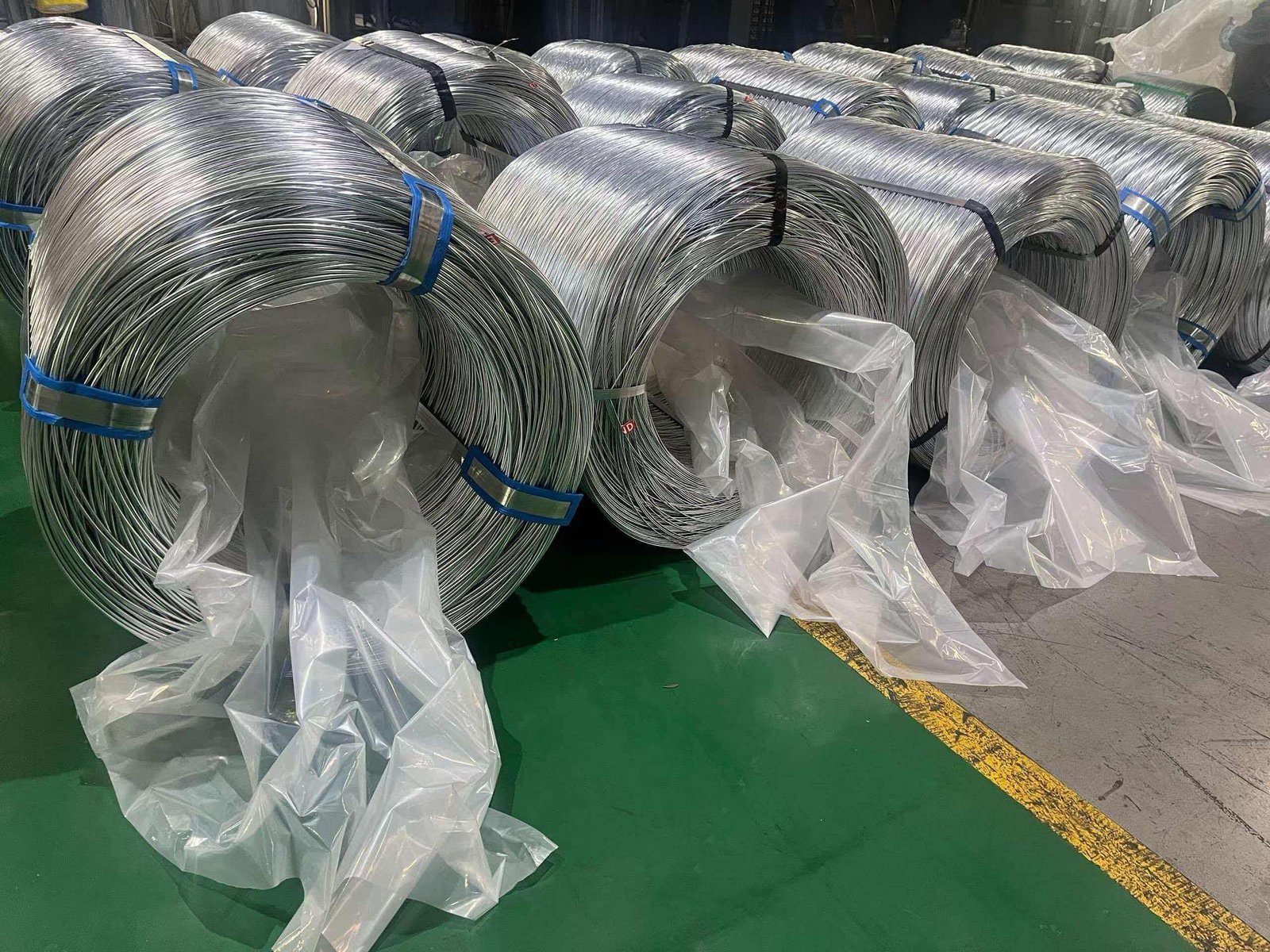
For galvanized wire, 2.0mm diameter wire is the workhorse size. Construction crews use it for primary rebar binding in foundations and columns. The wire is strong enough to hold reinforcement bars in place during concrete pouring. It's thick enough that workers don't need excessive force when twisting. One construction contractor in Blantyre told me he orders 2.0mm wire five times more often than any other size.
The 1.5mm galvanized wire serves lighter construction tasks. Workers use it for binding smaller reinforcement meshes. It's perfect for binding wire mesh in walls and light fencing applications. The thinner diameter means one coil goes further. Contractors appreciate this for projects where wire strength is adequate but cost control is important.
Black annealed wire follows different sizing logic. BWG 16 (approximately 1.6mm) is the most versatile interior size. It's soft enough for ceiling work but strong enough for conduit binding. Interior crews can twist it bare-handed without tools. One electrician in Lilongwe keeps BWG 16 wire in his van because it handles most installation situations.
BWG 18 (approximately 1.2mm) serves ultra-light applications. Drywall installers prefer this gauge. It ties ceiling furring strips without damaging the wood. Plasterers use it for hanging temporary guides. The thin wire almost disappears in finished work. It's also popular for agricultural plant ties where thick wire would damage stems.
Some wholesalers ask about 2.5mm or heavier gauges. These sizes have limited demand. Heavy construction projects that need 2.5mm wire usually buy directly from importers. The volumes are large and profit margins are thin. Wholesalers make better returns focusing on the four core sizes.
Wire gauge selection affects inventory management. Keeping four sizes instead of ten reduces storage complexity. Stock rotation becomes simpler. You can maintain deeper inventory of fast-moving sizes instead of spreading capital across slow-moving gauges. Chimwemwe reduced his wire SKUs (Stock Keeping Units) from nine to five and his inventory turnover improved by 30%.
How Does Storage Time Affect Wire Quality and Sales?
I watched Chimwemwe deal with a frustrating situation last year. He had 500 kilograms of galvanized wire sitting in his warehouse for eight months. The zinc coating developed a dull gray appearance. The wire still met technical specifications. Customers looked at it and assumed it was defective.
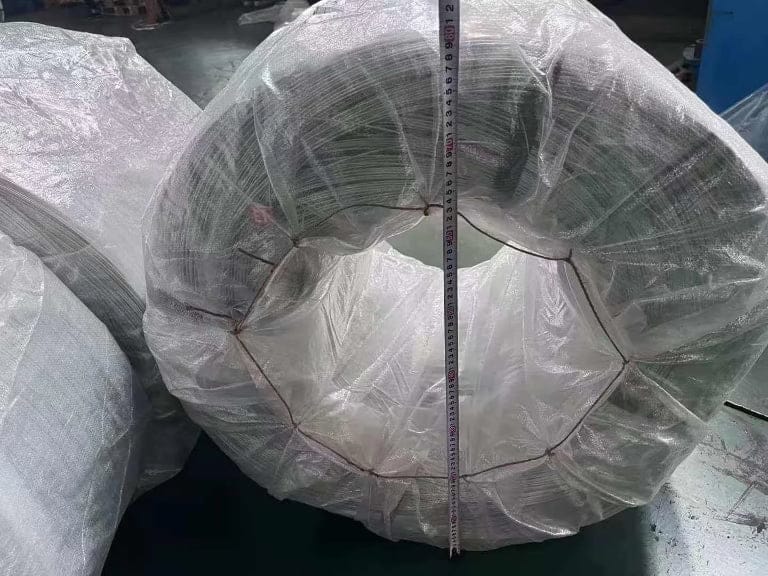
Galvanized wire loses visual appeal after six months in warehouse storage. The zinc coating oxidizes and turns gray. Black annealed wire maintains appearance longer but can develop surface rust if humidity is high. Plan stock turnover to move galvanized wire within 90-120 days.
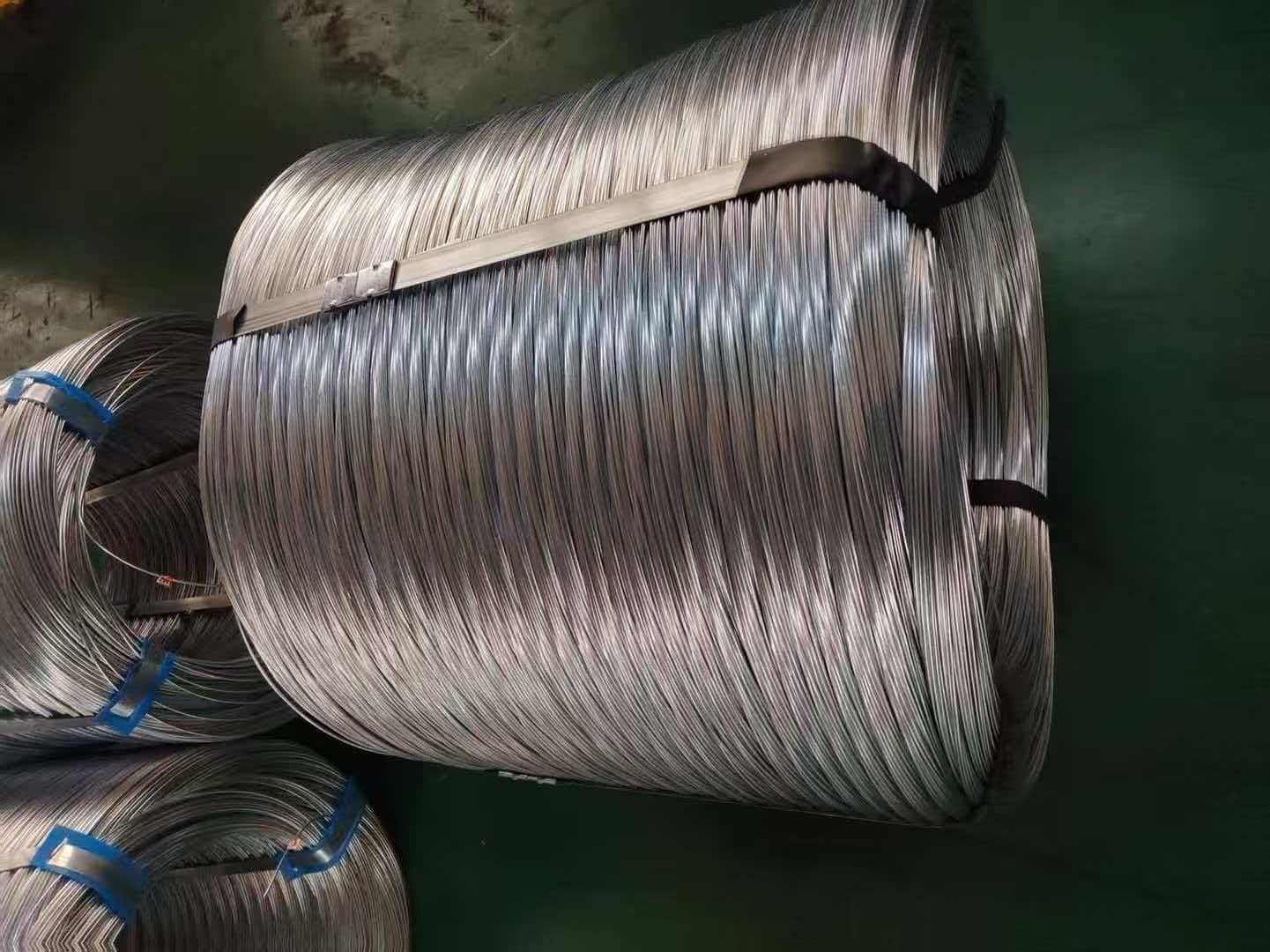
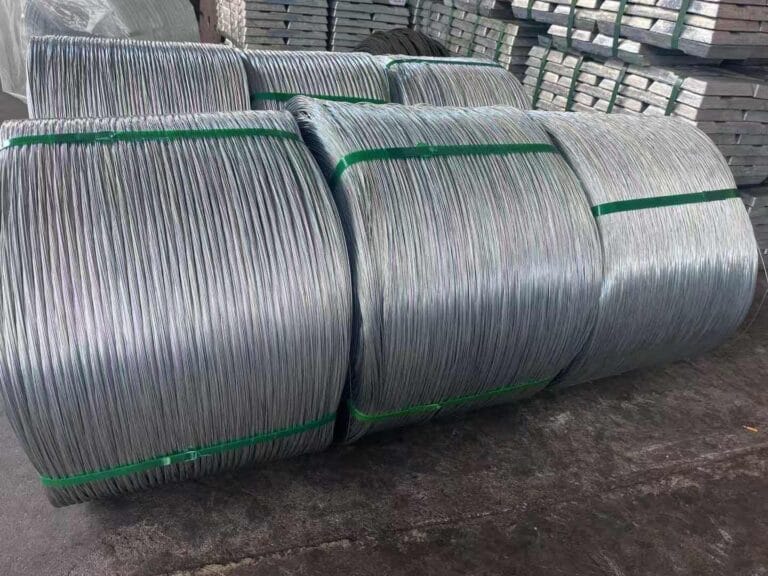
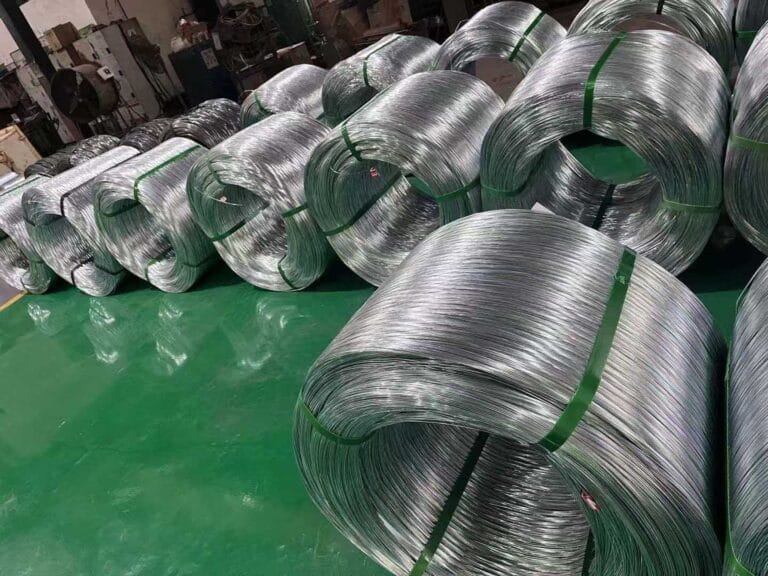
Galvanized wire looks bright and shiny when fresh. That appearance matters to customers. They associate shine with quality. After a few months, especially in humid conditions, the zinc reacts with air. A dull film forms on the surface. This is called white rust or zinc bloom. It's actually a protective layer that forms naturally. The wire strength and corrosion resistance remain unchanged. But customers don't know this. They see gray wire and think it's old or damaged.
This perception problem costs sales. Chimwemwe told me he lost three customers last year because of this issue. He offered discounts to compensate. The customers still chose competitors with brighter-looking wire. After that experience, he changed his ordering pattern. He now brings in smaller galvanized wire shipments more frequently. His stock turns over every three months. The wire always looks fresh.
Black annealed wire handles storage better from an appearance standpoint. It starts dark gray or black. Customers expect that color. Surface appearance doesn't change dramatically over time. But humidity creates a different problem. Iron wire without zinc protection can develop surface rust in very humid storage. The rust is usually superficial. You can wipe it off. Still, customers prefer rust-free wire.
Proper storage helps both wire types. Keep wire off concrete floors. Pallets or wooden platforms create air circulation underneath. This reduces moisture contact. Cover wire coils with plastic sheeting. This blocks direct humidity but allows some air movement. Don't seal wire completely in plastic. Trapped moisture causes more problems than open storage.
Warehouse location matters in Malawi's climate. The lake shore regions have higher humidity than central plateau areas. Wholesalers near Lake Malawi need extra storage precautions. Some use dehumidifiers in wire storage areas. Others install better ventilation. These measures cost money but they prevent inventory value loss.
Stock rotation is the ultimate solution. Use FIFO (First-In, First-Out) inventory management. Tag wire deliveries with receipt dates. Sell older stock before newer arrivals. Train warehouse staff to pick from older inventory first. This seems obvious but many warehouses fail at basic rotation. I've seen shops sell fresh wire while six-month-old coils sit untouched in the back.
When Should Wholesalers Adjust Their Stock Mix?
Markets change throughout the year. Customer needs shift with construction seasons and economic conditions. Wholesalers who stick to fixed inventory ratios miss opportunities or get stuck with slow-moving stock.
Review and adjust stock mix every three months. Increase galvanized wire before the dry season starts. Boost black annealed wire as interior finishing season approaches. Monitor local construction projects to anticipate demand spikes. Flexibility in stock mix maximizes sales and minimizes dead inventory.
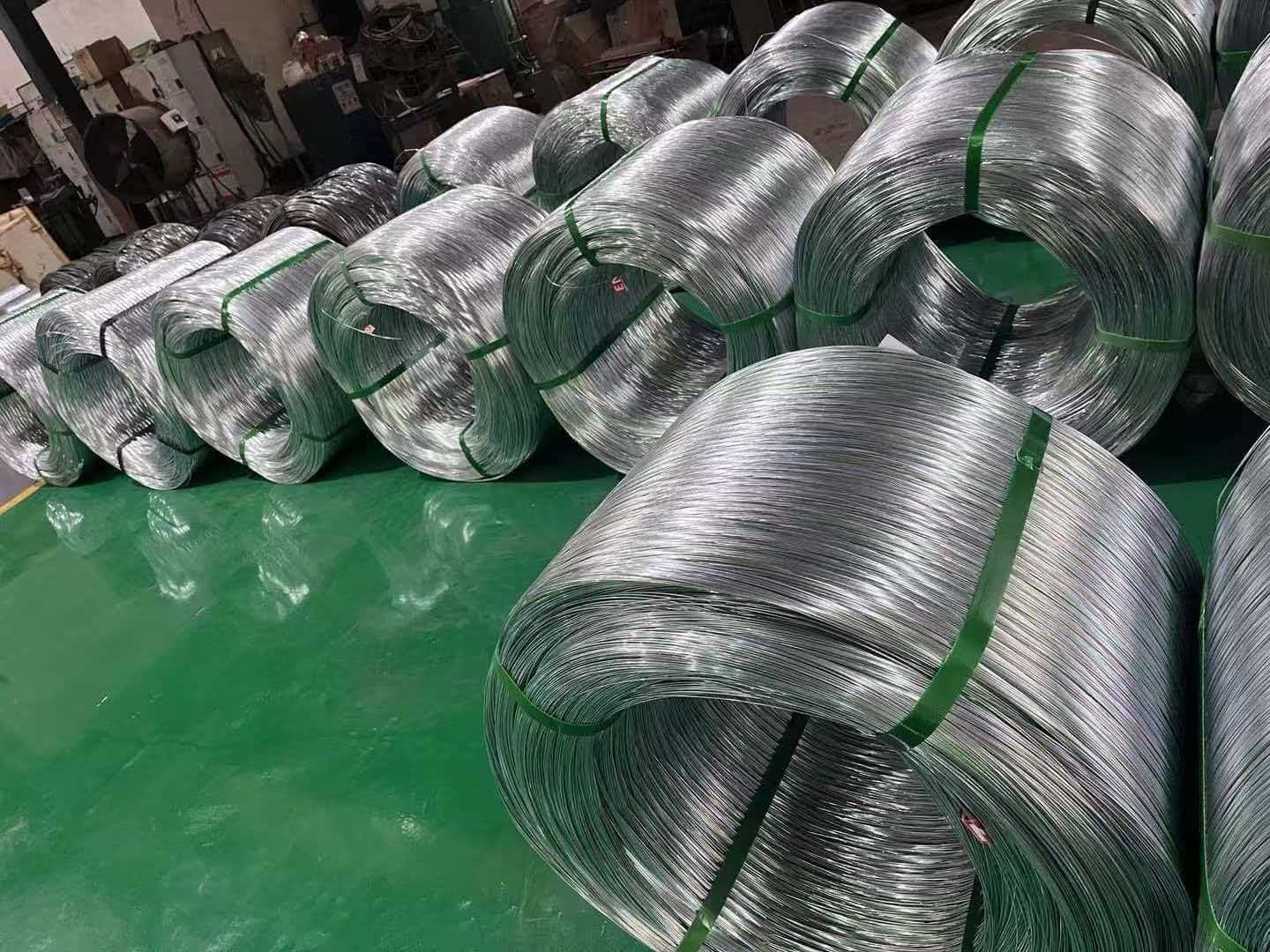
Malawi's construction calendar creates clear demand patterns. The dry season from May to October is prime building time. Contractors start new foundations. They push to complete outdoor structural work. Galvanized wire demand peaks during these months. Wholesalers should increase galvanized stock from 60% to 70% in April, before the rush starts. Order extra 2.0mm and 1.5mm galvanized wire. Stock levels should peak by early June.
The rainy season from November to April brings different priorities. Outdoor concrete work slows down. Roads become difficult. Material delivery gets complicated. But interior finishing continues year-round. Workers complete ceilings, install conduits, and finish walls in buildings that are already weather-tight. Black annealed wire demand holds steady or increases slightly. Adjust inventory to 55% galvanized and 45% black annealed during this period.
Major construction projects create predictable demand waves. When a large commercial building breaks ground, surrounding suppliers see increased wire orders for 12-18 months. If you hear about a new hospital, school, or shopping center starting construction, plan accordingly. Increase your overall wire inventory, especially galvanized wire for structural work. Chimwemwe monitors planning approvals from Lilongwe City Council. This gives him three months advance notice of major projects.
Economic indicators affect wire demand indirectly. When tobacco prices are high, rural construction increases. Farmers invest in new structures. When tourism grows, hospitality sector construction picks up. Read local business news. Talk to your customers about their project pipelines. These informal signals help predict demand shifts.
Agricultural cycles influence rural wholesalers. Tea estates buy wire before planting season. Tobacco farmers need wire for curing barns. Lakeshore farms buy wire ahead of fishing season for equipment repairs. If you serve agricultural areas, align wire stock with local growing cycles. This might mean shifting to 50% black annealed wire during planting months when support structures go up.
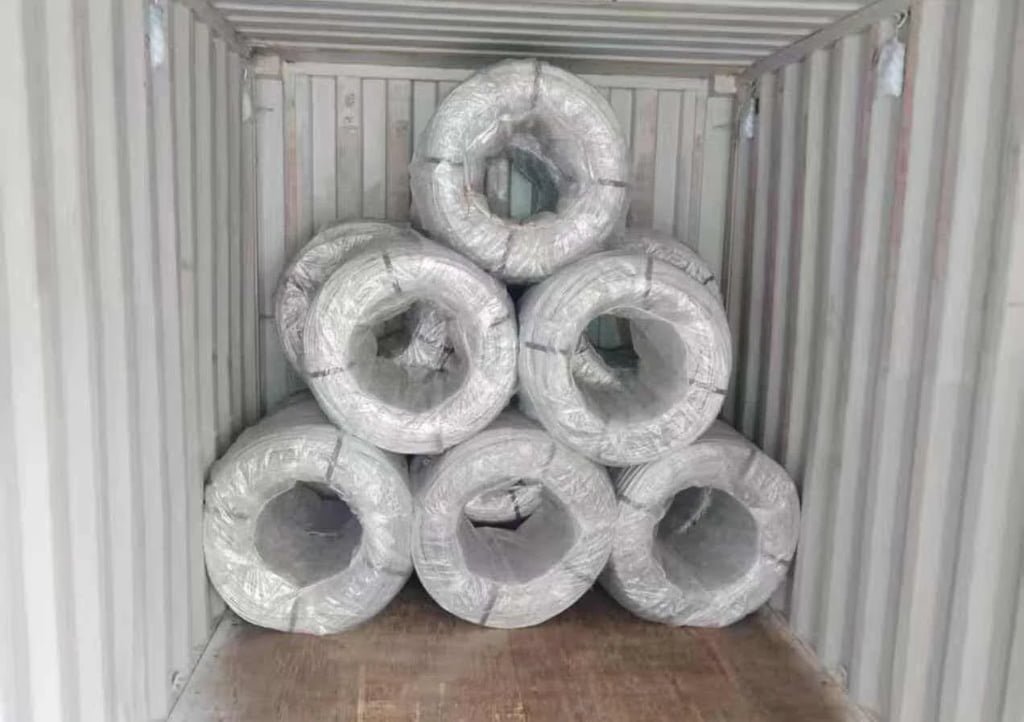
Don't wait for stockouts before ordering. Lead times from suppliers take 30-60 days for container shipments. Place orders when inventory hits 40% of normal levels. This buffer prevents running out of popular sizes during demand peaks. I've seen wholesalers lose customers permanently because they couldn't fulfill orders during busy construction months.
Track your own sales data monthly. Which wire types sold fastest? Which sizes moved slowly? Were there customer requests you couldn't fill? Use this data to inform your next order. Good wholesalers learn from every sales cycle. They refine their mix continuously instead of sticking to outdated ratios.
Conclusion
Mixing binding wire stock isn't complicated. Stock both galvanized and black annealed wire in sizes customers actually use. Start with 60-40 ratios and adjust with seasons. Track what sells and order accordingly. This approach keeps customers happy and inventory moving.
We provide full MTC (Mill Test Certificate) and Certificate of Origin with every shipment.
We provide a full range of construction binding wire for African projects. Galvanized Iron Wire: https://mfgwiremesh.com/metal-wire/galvanized-iron-wire/ Black Annealed Iron Wire: https://mfgwiremesh.com/metal-wire/black-annealed-iron-wire/ 201 Stainless Steel Wire: https://mfgwiremesh.com/metal-wire/201-stainless-steel-wire/ Mix container loading supported.
If you are sourcing construction binding wire for Malawi or any African market, we are happy to provide a specification-based quotation. Contact us via WhatsApp: +86 15383180672.
FAQ:
Q1: Determining the right stock mix of galvanized and black annealed wire for Malawi wholesalers.
A1: Start with 60% galvanized and 40% black annealed wire to match typical customer demand. Increase galvanized stock to 65-70% during the May-October dry season when construction peaks. Adjust to 55% galvanized and 45% black annealed during the November-April rainy season when interior finishing dominates. Track monthly sales data to refine ratios based on your specific customer base and local market conditions.
Q2: Managing binding wire storage to prevent quality complaints in Malawi's climate.
A2: Galvanized wire should move within 90-120 days to avoid zinc coating oxidation that turns it gray and reduces customer appeal. Store all wire on raised pallets with plastic sheeting covers for air circulation and moisture protection. Use FIFO (First-In, First-Out) rotation and tag deliveries with receipt dates. Wholesalers near Lake Malawi should consider dehumidifiers or enhanced ventilation due to higher humidity levels. Black annealed wire maintains appearance longer but needs protection from surface rust.
Q3: Which wire sizes should Malawi wholesalers prioritize in their inventory.
A3: Focus on four core sizes: 2.0mm and 1.5mm galvanized wire for construction, plus BWG 16 and BWG 18 black annealed wire for interior applications. These four sizes cover approximately 80% of customer needs. Limiting stock to these popular gauges reduces storage complexity and improves inventory turnover. Chimwemwe reduced his wire SKUs (Stock Keeping Units) from nine to five and saw a 30% improvement in turnover. Heavier gauges like 2.5mm have limited wholesale demand as large projects usually source them directly from importers.