


Rwanda government construction projects enforce strict material specifications, and binding wire faces some of the closest inspection scrutiny on site. Understanding the exact standards before procurement can prevent costly delays and failed inspections. Here is what one Kigali contractor learned about meeting these requirements.
Jean worked on a government office building where the inspection team checked every material specification. Buyers like him, who need clear guidance on construction binding wire for Rwanda's demanding government standards, can find detailed specifications on our product page: https://mfgwiremesh.com/metal-wire/galvanized-iron-wire/
Government construction projects in Rwanda are different from private builds. The inspection team checks every material. I learned this when I worked with a contractor in Kigali. He told me that binding wire inspection is one of the first things supervisors look at. Getting the specifications wrong can delay your entire project.
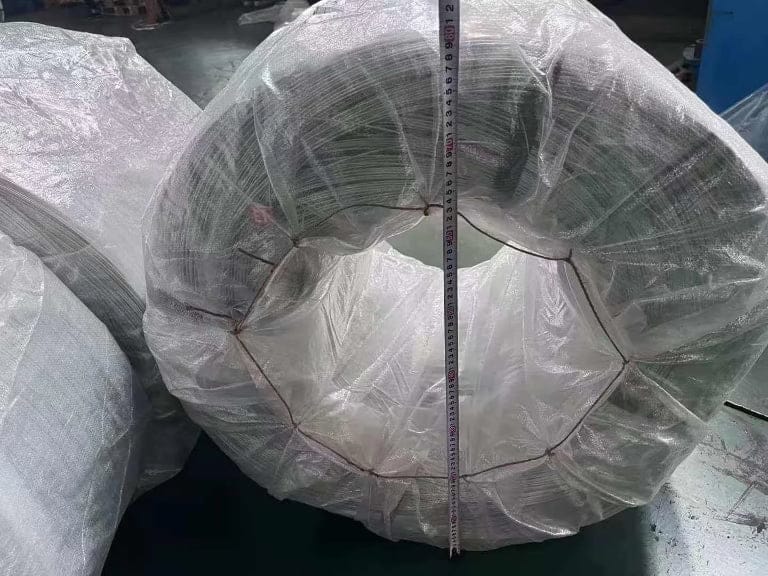
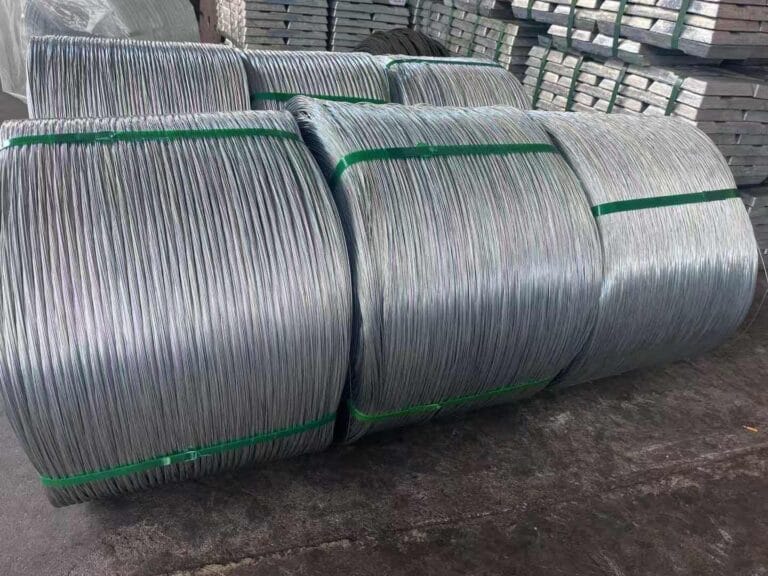
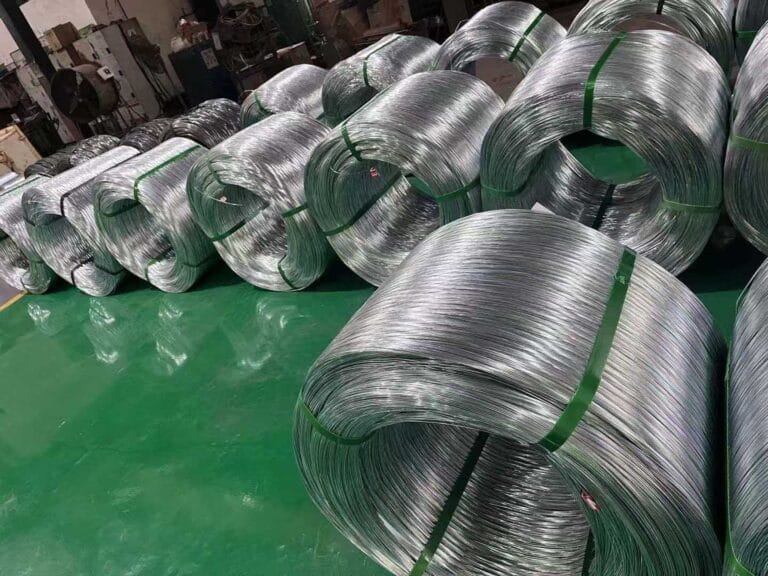
Rwanda government projects require specific binding wire standards. You need galvanized wire with minimum 40g/m² zinc coating for structural work, typically 2.0mm diameter, plus MTC (Mill Test Certificate) for inspection approval. Black annealed wire is acceptable for non-structural applications only.
Most contractors think price matters most. But I have seen projects stopped because the binding wire did not meet specifications. The inspection requirements exist for good reasons. Let me show you exactly what you need to pass inspection in Rwanda government projects.
What Wire Types Do Rwanda Government Projects Accept?
Rwanda building codes are strict compared to other East African countries. The inspection teams follow international standards. I remember when Jean told me about his government office building project in Kigali. He had always bought the cheapest binding wire for private projects. But government work changed everything for him.
Rwanda government projects require two main wire types. Structural work needs galvanized binding wire with BWG (Birmingham Wire Gauge) 16 (1.6mm) to BWG 14 (2.0mm) diameter. Interior partitions can use BWG 18 black annealed wire. Both types must have proper documentation.
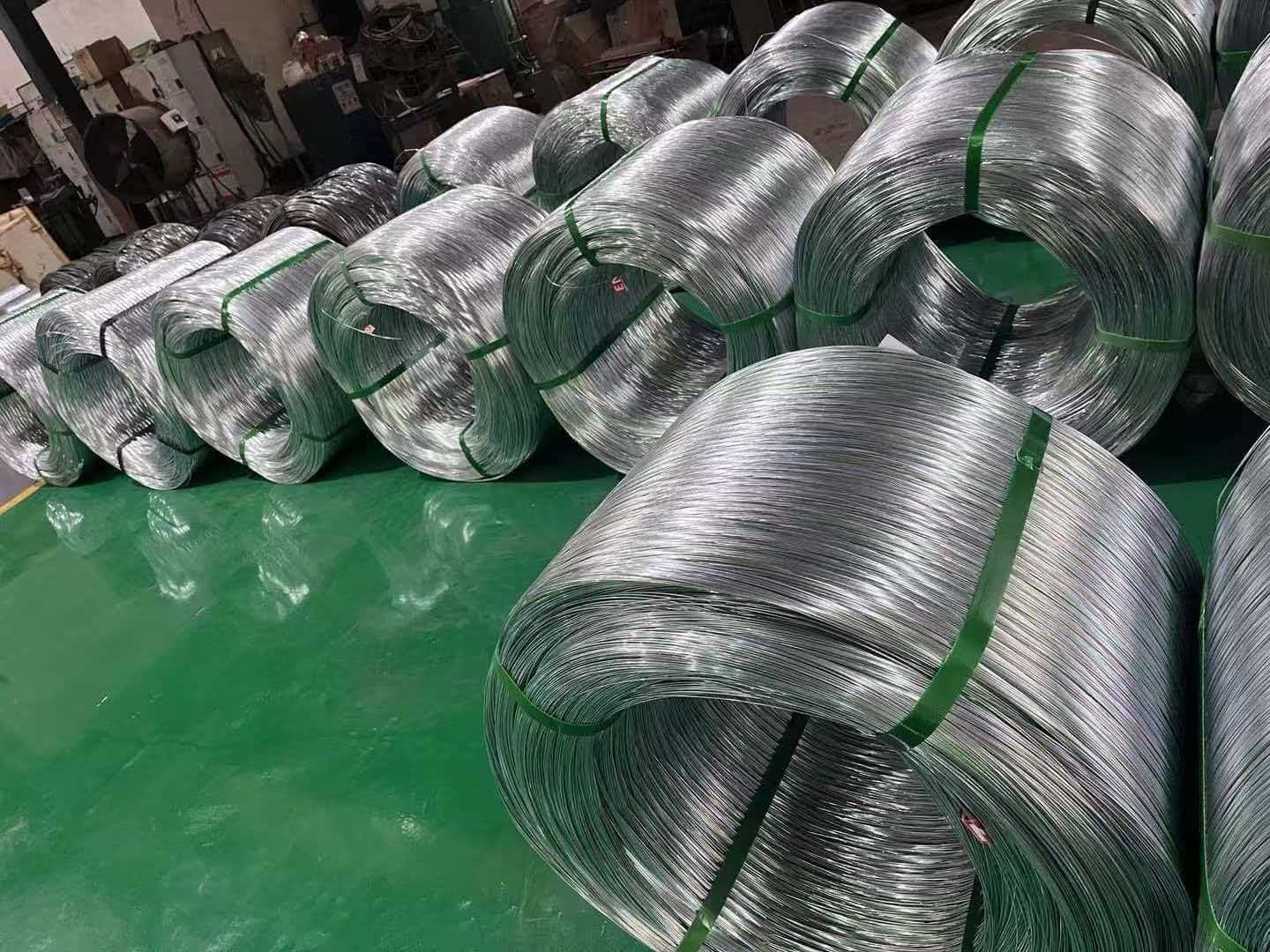
The tender documents specify exactly what you need. Main structure reinforcement requires galvanized wire. The zinc coating protects against corrosion in concrete. Black annealed wire works for interior applications where rust protection matters less.
I often see confusion about where each wire type belongs. The distinction is simple but critical. Let me break it down based on what inspection teams actually check.
Structural applications include column reinforcement, beam ties, and foundation work. These areas carry load and face moisture exposure. You must use galvanized wire here. The inspection team will verify wire diameter and zinc coating thickness. They check this before concrete pouring begins.
Non-structural applications are different. Interior wall framing, pipe fixing, and temporary bundling do not need galvanized wire. Black annealed wire costs less and works perfectly fine. Jean used BWG 18 black wire for all his interior partitions. The inspection team approved it without questions.
Here is the practical breakdown:
| Application Type | Wire Specification | Zinc Coating | Typical Diameter |
|---|---|---|---|
| Column reinforcement | Galvanized | 40-50 g/m² | 2.0mm (BWG 14) |
| Beam ties | Galvanized | 40-50 g/m² | 1.8mm (BWG 15) |
| Foundation work | Galvanized | 40-50 g/m² | 2.0mm (BWG 14) |
| Interior partitions | Black annealed | Not required | 1.2mm (BWG 18) |
| Pipe fixing | Black annealed | Not required | 1.2mm (BWG 18) |
| Material bundling | Black annealed | Not required | 1.4mm (BWG 17) |
The inspection team focuses on structural areas. They want to see proper wire in load-bearing applications. Using black wire where you should use galvanized wire will fail inspection immediately. But using galvanized wire everywhere wastes your budget unnecessarily.
I recommend ordering both types from your supplier. This gives you flexibility and keeps costs reasonable. Make sure your supplier clearly labels each coil. Jean told me he marks all his galvanized wire coils with red tags. His workers know immediately which wire goes where.
How Do Rwanda Inspectors Verify Wire Quality?
Inspection day can be stressful if you do not prepare properly. I have worked with many contractors who thought inspectors just looked at wire and approved it. That is not how it works in Rwanda. The inspection process is systematic and document-heavy.
Rwanda government inspectors use a three-step verification process. They check physical wire specifications with calipers and magnets. They review MTC for material composition. They may request third-party lab testing if documents raise concerns.
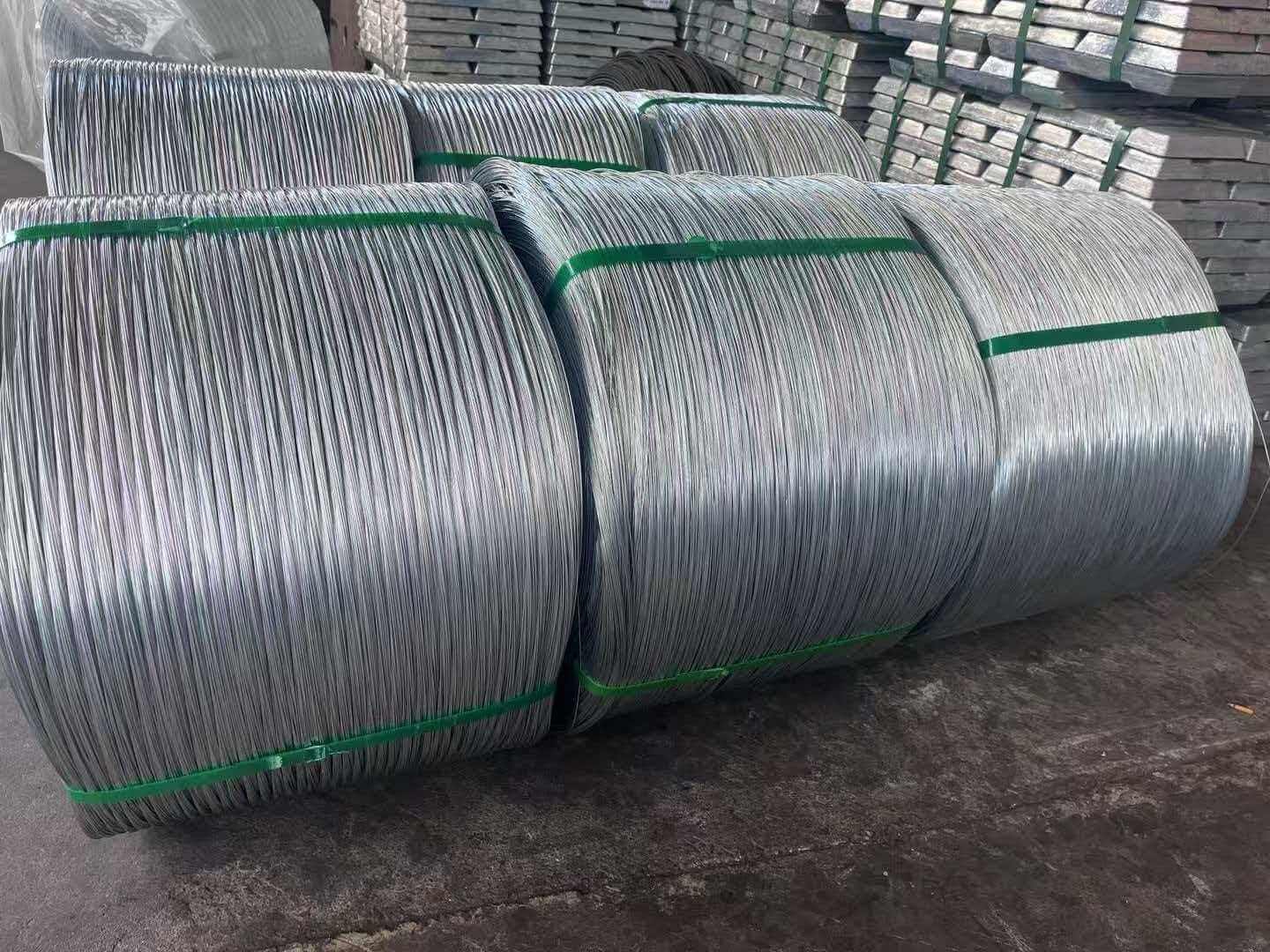
Jean learned this the hard way. His first government project almost got delayed because his supplier's MTC was incomplete. The inspection team wanted to see tensile strength data. Jean's supplier had only provided basic information. He had to request proper documentation urgently.
Documentation matters more than the wire itself sometimes. I am serious about this. You can have perfect wire but fail inspection without proper papers. Let me tell you what documents inspection teams actually want to see.
First, you need an MTC from the manufacturer. This document must show wire diameter, tensile strength, zinc coating weight, and chemical composition. The MTC should be on company letterhead with official stamps. Inspection teams can spot fake MTCs easily. They check consistency in data formats and verify company details.
Second, keep your purchase invoices organized. The inspection team cross-references MTC data with invoice specifications. Wire diameter and zinc coating listed on your invoice should match the MTC exactly. Mismatches create red flags that slow down approval.
Third, prepare test reports if you have them. Some contractors do third-party testing before the project starts. This is optional but helpful. If the inspection team questions your MTC, having an independent lab report settles doubts immediately.
Here is what each document should contain:
| Document Type | Required Information | Who Issues It | When You Need It |
|---|---|---|---|
| MTC | Wire diameter, tensile strength, zinc coating, chemical composition | Wire manufacturer | Before inspection |
| Purchase Invoice | Specifications matching MTC, quantity, supplier details | Your supplier | Before inspection |
| Third-party Test Report | Independent verification of specifications | Accredited lab | Optional, for disputes |
| Installation Photos | Dated images of wire application in structure | Your site team | During inspection |
| Material Tracking Log | Receipt dates, storage conditions, usage locations | Your site manager | Throughout project |
Jean now keeps a dedicated folder for each material type. His binding wire documentation sits in a binder at the site office. When inspectors arrive, he hands them the complete file within minutes. This simple organization saved him hours during his last inspection.
I also learned that storage conditions matter. If your wire shows rust before installation, inspection teams will question your quality control. Jean stores all galvanized wire in a covered area. He keeps coils off the ground on wooden pallets. These small details show professionalism to inspection teams.
What Zinc Coating Standards Must You Meet?
Zinc coating thickness causes more inspection failures than anything else. I see this constantly with contractors who buy cheap galvanized wire. The wire looks shiny but fails coating tests. Rwanda government standards are clear about minimum zinc coating requirements.
Rwanda government projects require minimum 40 grams per square meter zinc coating on galvanized binding wire. Inspection teams use magnetic thickness gauges for spot checks. Wire failing this standard will be rejected regardless of price or appearance.
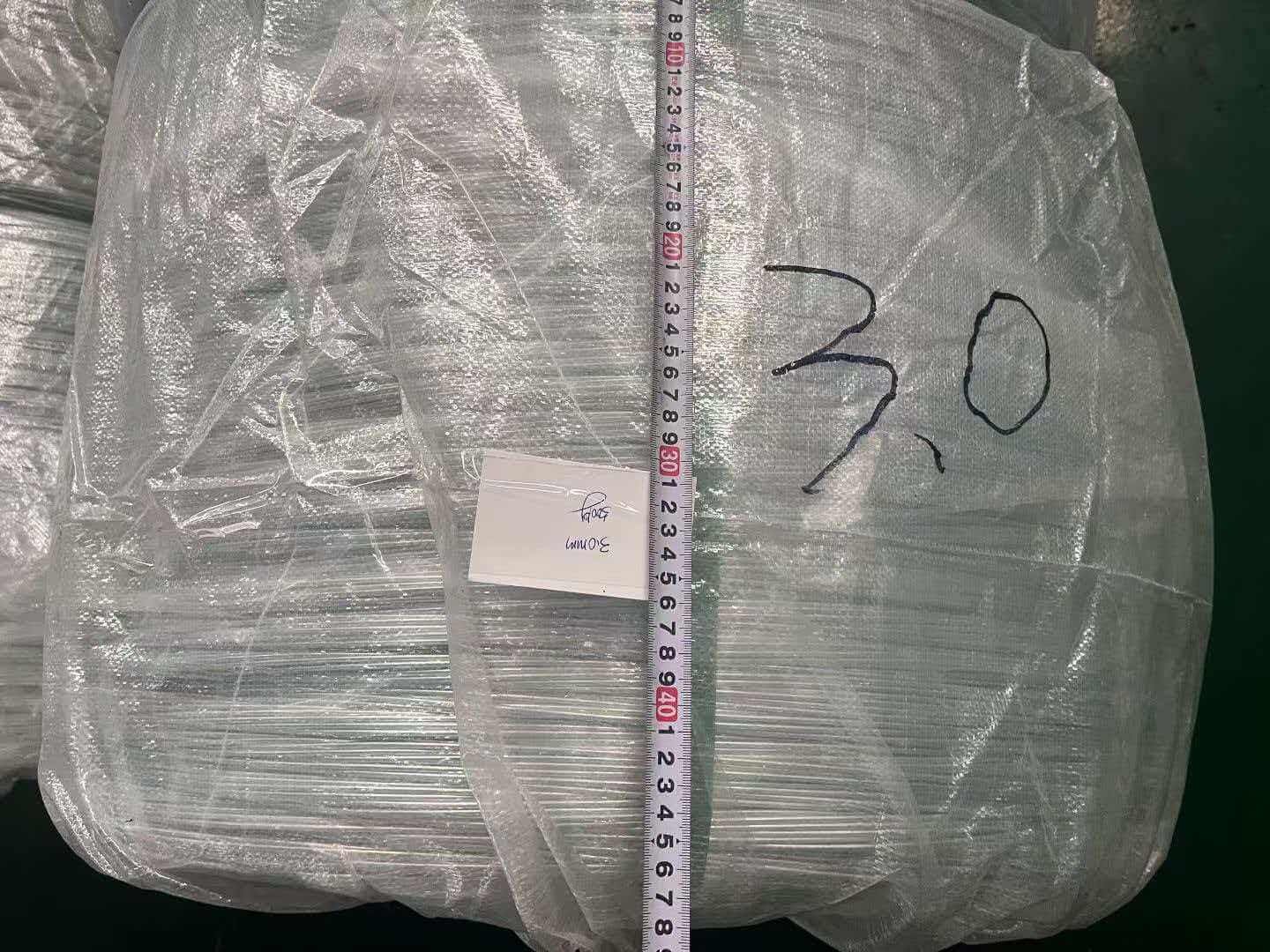
Jean's MTC showed 45g/m² zinc coating. The inspection team did random checks with their magnetic gauge. All readings came back between 42-48g/m². This variation is normal in wire production. What matters is staying above the 40g/m² minimum consistently.
Waiting until inspection day to discover coating problems costs you time and money. I always tell contractors to verify zinc coating when wire arrives at the site. You do not need expensive equipment to do basic checks.
The simplest method is the visual test. Good quality galvanized wire has a uniform bright surface. The zinc coating should look smooth without bare spots or rough patches. Hold the wire up to light and rotate it slowly. You should see consistent reflection across the entire surface.
Next, do the bend test. Take a sample piece and bend it back and forth several times. Quality galvanized wire maintains its coating even after repeated bending. If you see flaking or cracks in the zinc layer, the coating is too thin or poorly bonded. This wire will fail inspection.
The scratch test helps too. Use your fingernail or a coin to scratch the wire surface firmly. Quality galvanized coating resists scratching. You should not see bare steel underneath with light pressure. If scratching easily reveals dark metal underneath, the zinc coating is insufficient.
For government projects, I recommend buying a basic magnetic thickness gauge. These cost around $50-100 and pay for themselves on your first project. Jean bought one after his close call with incomplete documentation. He now checks every delivery before signing the receipt.
Here is the verification process I follow:
| Test Method | What to Check | Pass Criteria | When to Reject |
|---|---|---|---|
| Visual inspection | Surface uniformity, brightness | Smooth, consistent coating | Bare spots, discoloration |
| Bend test | Coating flexibility | No flaking after 5 bends | Cracking, peeling visible |
| Scratch test | Coating adhesion | Resists light scratching | Easy to scratch through |
| Magnetic gauge | Coating thickness | Above 40 g/m² consistently | Below 38 g/m² anywhere |
| Weight comparison | Overall zinc content | Matches MTC specification | 10% lighter than stated |
The weight comparison is useful too. Galvanized wire weighs more than black wire of the same diameter because of the zinc coating. If you have accurate scales, weigh a sample length. Compare it to the theoretical weight from your MTC. Significant differences indicate coating problems.
Jean stores sample coils from each delivery batch. If inspection teams question anything, he can show them the original sample and its documentation. This practice saved him during his government office project. The inspection team wanted to compare current wire with delivery samples. Jean had everything ready to show them.
How Much Wire Do Government Projects Actually Need?
Calculating wire quantities accurately helps you order the right amount and budget properly. I have seen contractors run short during critical phases because they underestimated usage. Government projects cannot afford delays from material shortages.
Government building projects typically consume 0.8 to 1.2 kg of binding wire per ton of reinforcement steel. A medium-size office building with 200 tons of rebar needs approximately 160-240 kg of binding wire total. Structural areas use more wire than secondary applications.
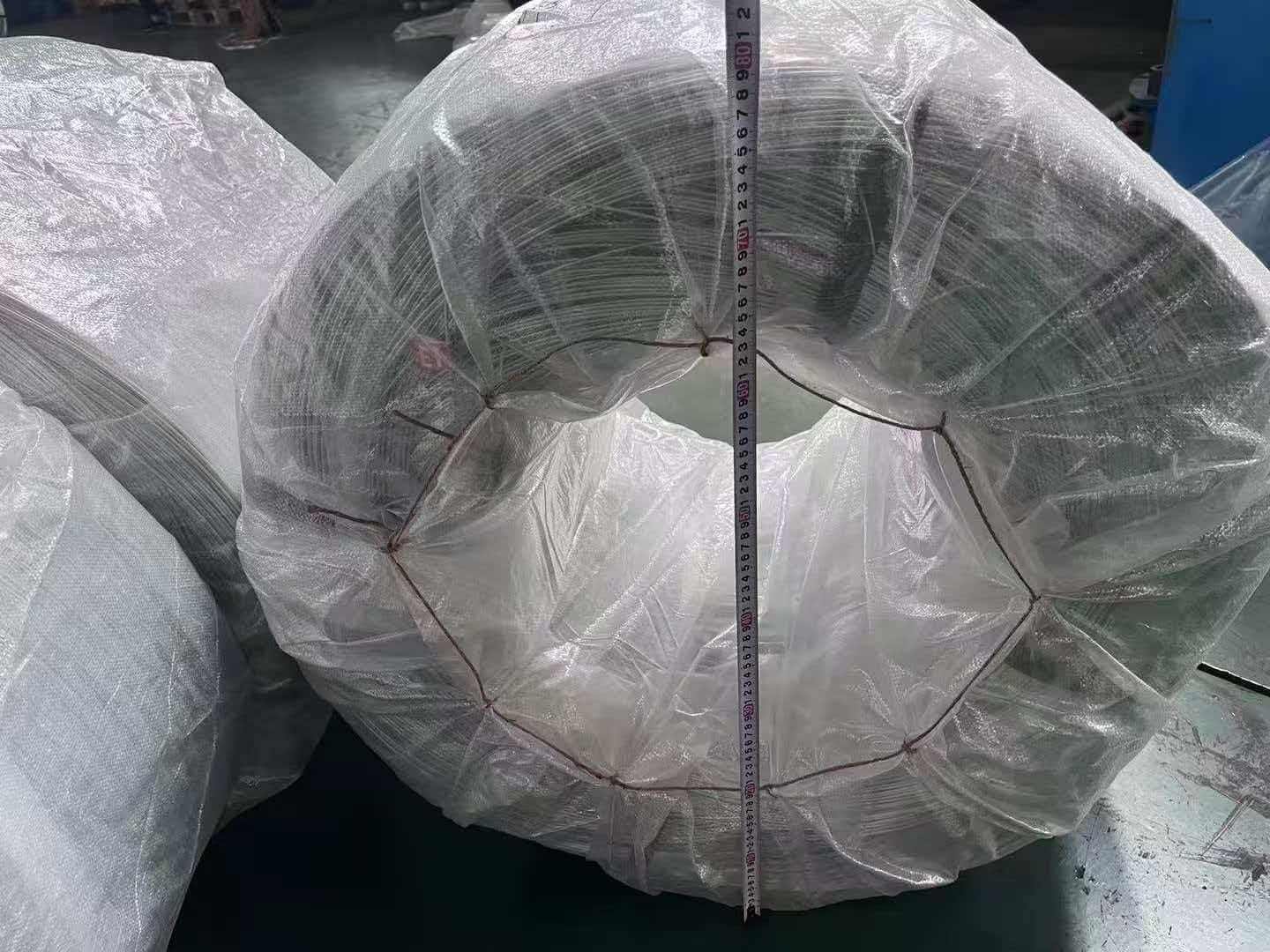
Jean's office building project used 180 kg of galvanized wire and 40 kg of black annealed wire. The structural concrete consumed most of the galvanized wire. Interior work used the black wire for partition framing and pipe supports. His initial estimate was 150 kg total, so he ordered 200 kg to be safe.
I use a simple method to estimate binding wire needs. You start with the total reinforcement steel quantity from your structural drawings. Government tender documents usually specify this. Multiply that tonnage by your wire consumption factor.
For heavy structural work with dense rebar spacing, use 1.2 kg per ton of steel. This covers column ties, beam reinforcement, and foundation work. Medium-density structures like standard office buildings need around 1.0 kg per ton. Light structures with simple reinforcement can work with 0.8 kg per ton.
Then add your non-structural wire needs. Count interior partition meters and multiply by 0.3 kg per linear meter. Add pipe fixing points at 0.1 kg per support location. Include temporary uses like material bundling at 10% of structural wire quantity.
Here is my calculation framework:
| Project Component | Calculation Method | Wire Type | Example Quantity |
|---|---|---|---|
| Column reinforcement | Rebar tonnage × 1.2 kg | Galvanized 2.0mm | 60 kg for 50 tons |
| Beam work | Rebar tonnage × 1.0 kg | Galvanized 1.8mm | 80 kg for 80 tons |
| Foundation ties | Rebar tonnage × 0.8 kg | Galvanized 2.0mm | 56 kg for 70 tons |
| Interior partitions | Linear meters × 0.3 kg | Black 1.2mm | 30 kg for 100m |
| Pipe supports | Support points × 0.1 kg | Black 1.2mm | 10 kg for 100 points |
| Misc. bundling | 10% of structural | Either type | 20 kg buffer |
Remember to add a safety margin. I always order 15% more than calculated needs. Wire is relatively cheap compared to project delays. Running short during concrete pouring causes serious problems. Extra wire gets used somewhere eventually.
Jean keeps detailed records of actual wire consumption. After his government project finished, he compared actual usage to his estimates. Structural concrete used exactly 1.1 kg per ton of rebar. Interior work consumed 0.35 kg per meter of partition. These numbers help him estimate future projects more accurately.
One more thing about quantities. Government projects often have change orders that add structural elements. Build flexibility into your initial order. Jean now orders 20% extra for government projects specifically. Private projects he sticks with 15% buffer. The extra caution has prevented several potential delays.
What Are Common Inspection Failure Points?
Even experienced contractors fail inspections sometimes. I want you to avoid the mistakes I have seen repeatedly. These problems come up on almost every project until contractors learn to prevent them.
The three most common inspection failures are mismatched MTC specifications, insufficient zinc coating thickness, and incorrect wire diameter. These account for over 80% of binding wire rejections in Rwanda government projects. Prevention requires careful supplier selection and delivery verification.
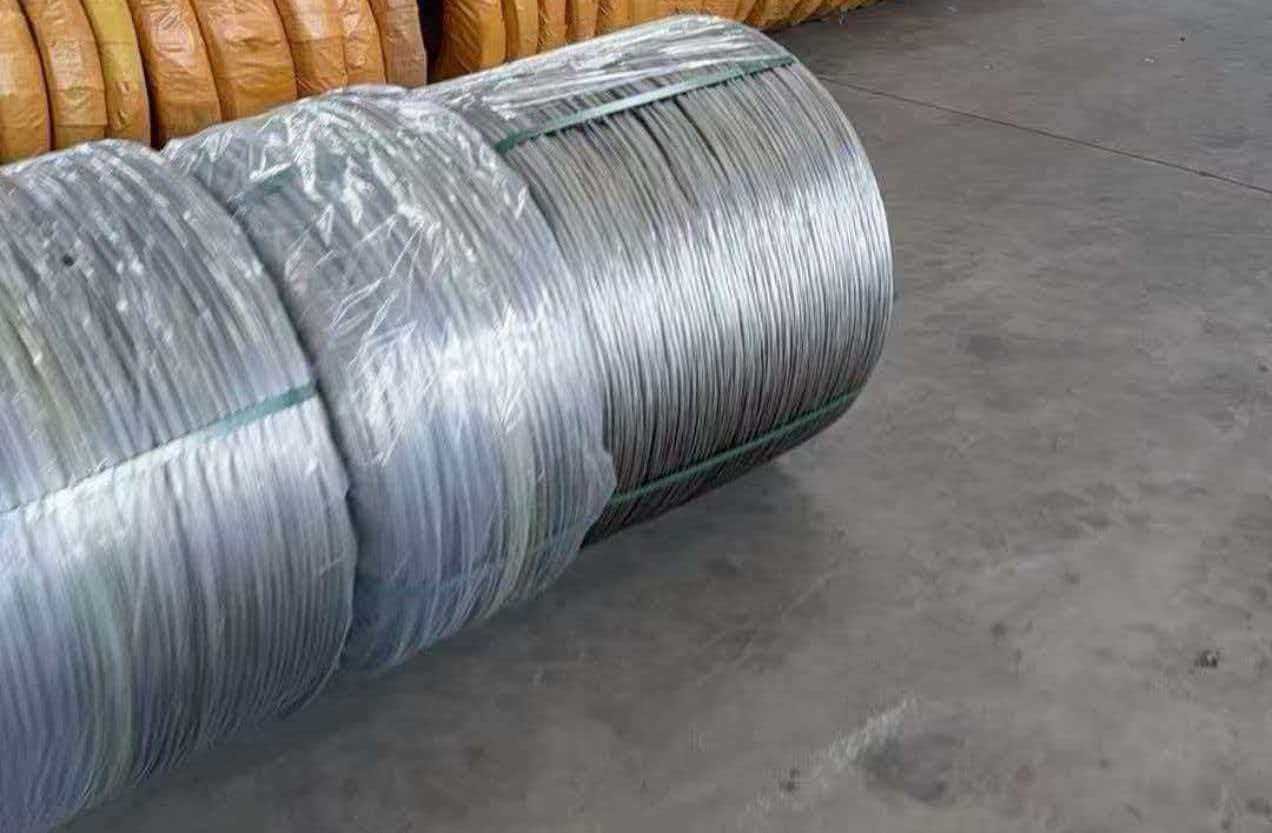
Jean almost failed his inspection because his supplier mixed BWG 15 and BWG 16 wire in the same shipment. The tender specified BWG 14 for main columns. The inspection team measured several samples and found inconsistencies. Jean had to rush-order replacement wire and reschedule the concrete pour. This delayed his project by five days.
Documentation problems are the easiest to prevent but somehow the most common. I think this happens because contractors focus on price and delivery speed. They forget to verify paper details until inspection day arrives.
The MTC must match your purchase order exactly. Wire diameter listed in the certificate should align with your tender specifications. Zinc coating weight must meet the 40g/m² minimum. Chemical composition should show appropriate carbon content for binding wire (usually 0.06-0.08%).
Check your supplier's company registration details on the MTC. Rwanda inspection teams sometimes verify manufacturers exist and operate legitimately. Fake MTCs from non-existent companies create serious legal problems beyond just failing inspection.
Date consistency matters too. The MTC production date should reasonably align with your purchase date. A certificate from two years ago for wire you bought last month raises obvious questions. Make sure your supplier provides recent documentation.
Here are the documentation errors I see most often:
| Common Error | Why It Happens | How to Prevent | If It Occurs |
|---|---|---|---|
| Missing tensile strength data | Supplier uses incomplete MTC format | Request full MTC before ordering | Get updated certificate urgently |
| Diameter mismatch invoice vs MTC | Supplier ships different grade | Cross-check documents on delivery | Reject shipment immediately |
| Zinc coating below 40g/m² | Supplier cuts costs on coating | Verify with magnetic gauge | Return wire, find new supplier |
| Outdated MTC certificate | Supplier uses old stock documentation | Require production date within 6 months | Request current MTC from manufacturer |
| Incorrect chemical composition | Wrong wire type shipped | Match tender specs to MTC before ordering | This requires wire replacement |
I learned to create a documentation checklist. Before accepting delivery, I verify five things: company letterhead is legitimate, specifications match purchase order, production date is recent, all required data fields are complete, and official stamps are present. This five-minute check prevents hours of problems later.
Jean now requires his suppliers to email MTC copies before shipping. He reviews documents while wire is in transit. If anything is wrong, he contacts the supplier immediately. This advance warning system has eliminated his documentation surprises completely.
Which Suppliers Can Meet Rwanda Government Standards?
Finding reliable suppliers makes everything easier. I have worked with dozens of binding wire suppliers over the years. The good ones understand government project requirements without lengthy explanations. The unreliable ones cause constant headaches regardless of their prices.
Chinese manufacturers dominate binding wire supply for Rwanda government projects. Look for suppliers with experience in East African markets who understand MTC documentation requirements. Verify they produce genuine galvanized wire with proper zinc coating processes, not just zinc-dipped surface coating.
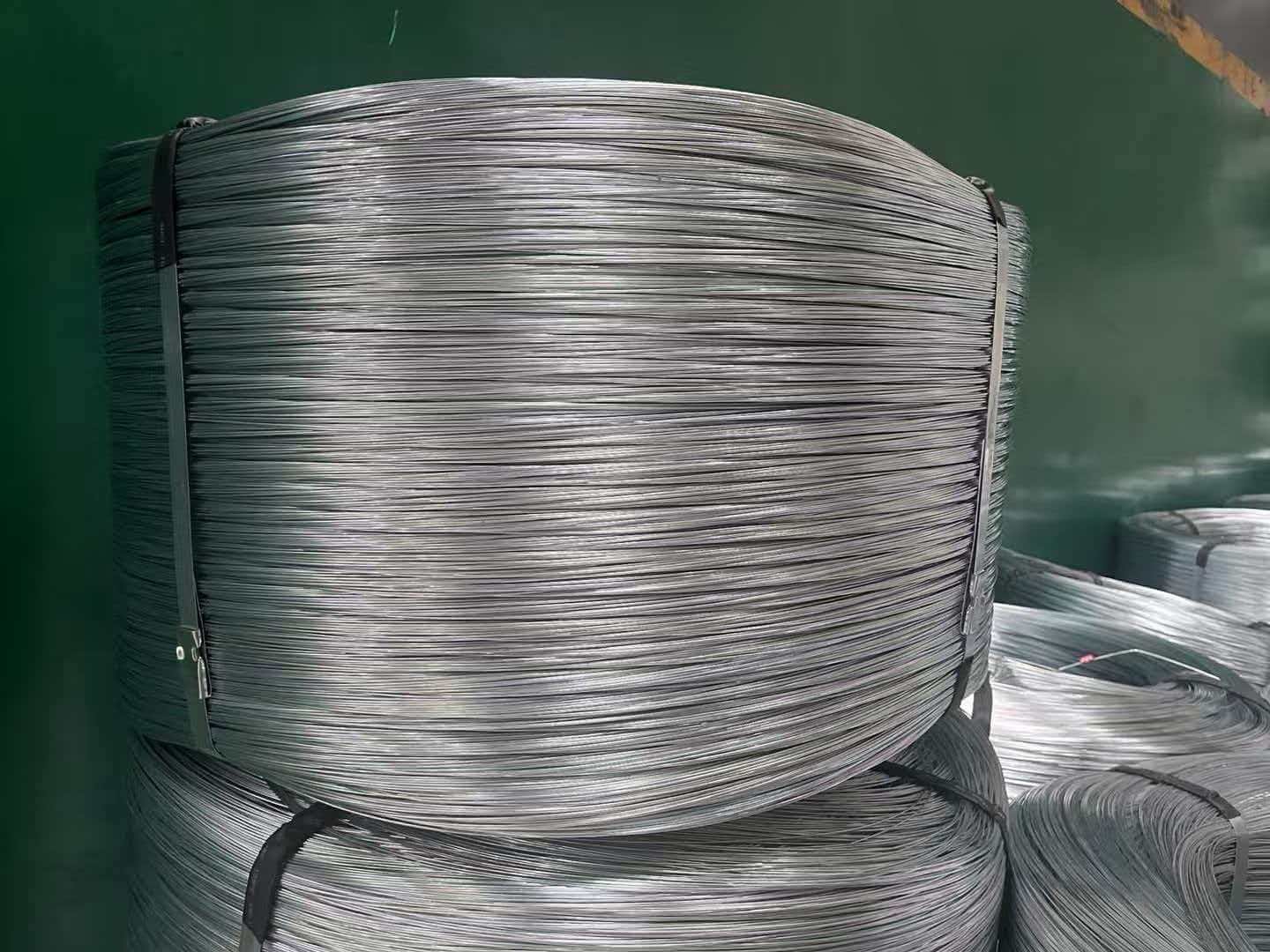
Jean found his current supplier after trying three others. The first supplier had great prices but terrible documentation. The second supplier's zinc coating failed the bend test. His third supplier sent perfect wire with complete documentation at reasonable prices. Jean has used them for four projects now without any inspection problems.
What separates reliable suppliers from problematic ones comes down to three things. First, they provide complete MTCs without being asked. Second, their zinc coating thickness is consistent across multiple deliveries. Third, they respond quickly when you have questions about specifications or documentation.
I recommend testing new suppliers with small orders before committing to large government project quantities. Order 2-3 tons first. Check the wire quality and documentation thoroughly. If everything meets your standards, then place your project order. This approach saved Jean from making a large mistake with his first two suppliers.
Ask your supplier about their galvanizing process. Hot-dip galvanizing produces thicker, more durable coating than electro-galvanizing. Government projects need hot-dip galvanized wire. Some suppliers offer lower prices by using electro-galvanized wire instead. The lower cost seems attractive but fails inspection every time.
Request references from other East African government projects. Reliable suppliers can provide contact details of previous customers. Call those references and ask about their inspection experience. This due diligence takes an hour but prevents months of project delays.
Conclusion
Rwanda government projects require specific binding wire standards that go beyond typical construction requirements. Use galvanized wire with minimum 40g/m² zinc coating for all structural applications. Keep complete MTC documentation organized and ready for inspection. Verify wire quality when deliveries arrive, not after problems appear. Choose suppliers who understand East African government project requirements. These practices prevent the inspection failures that delay projects and damage contractor reputations.
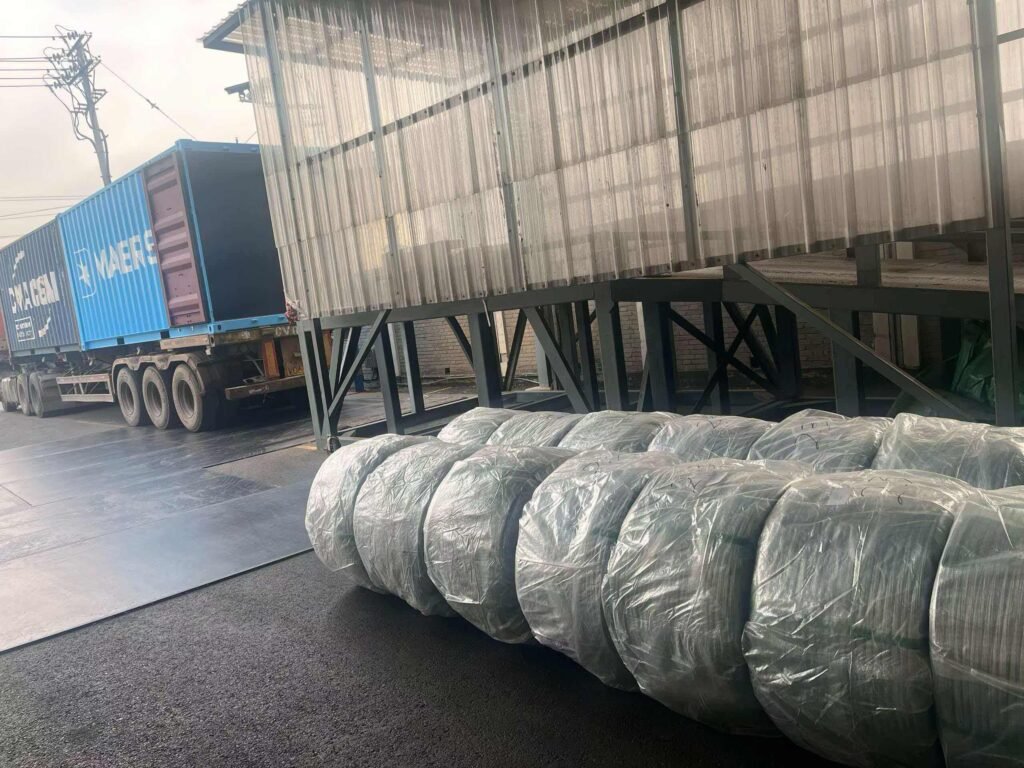
We provide full MTC (Mill Test Certificate) and Certificate of Origin with every shipment.
We provide a full range of construction binding wire for African projects. Galvanized Iron Wire: https://mfgwiremesh.com/metal-wire/galvanized-iron-wire/ Black Annealed Iron Wire: https://mfgwiremesh.com/metal-wire/black-annealed-iron-wire/ 201 Stainless Steel Wire: https://mfgwiremesh.com/metal-wire/201-stainless-steel-wire/ Mix container loading supported.
If you are sourcing construction binding wire for Rwanda or any African market, we are happy to provide a specification-based quotation. Contact us via WhatsApp: +86 15383180672.
FAQ:
Q1: Meeting Rwanda government project binding wire specifications.
A1: Rwanda government projects require galvanized binding wire with minimum 40g/m² zinc coating for all structural applications including column reinforcement, beam ties, and foundation work. Typical diameter is 2.0mm (BWG 14) for main structural elements. Non-structural interior work can use BWG 18 black annealed wire. All wire must come with complete MTC (Mill Test Certificate) showing diameter, tensile strength, zinc coating weight, and chemical composition. Inspection teams verify these specifications before concrete pouring.
Q2: Preparing documentation for Rwanda government binding wire inspections.
A2: Keep an organized binder with MTCs showing wire specifications, purchase invoices matching the MTC data, and delivery verification records. The MTC must include company letterhead, official stamps, and production dates within six months of purchase. Cross-check that wire diameter and zinc coating specifications on invoices match MTC data exactly. Third-party testing reports from accredited labs provide additional support if inspection teams question documentation.
Q3: Common binding wire inspection failures and how to avoid them.
A3: Over 80% of binding wire rejections come from three problems: mismatched MTC specifications, insufficient zinc coating thickness, and incorrect wire diameter. Prevent these by verifying documentation before shipping, testing zinc coating with a magnetic gauge upon delivery (minimum 40g/m²), and measuring wire diameter with calipers on random samples from each coil. Simple bend and scratch tests at delivery catch coating problems before they become inspection failures. Jean avoids these issues by requiring suppliers to email MTC copies before shipping and checking every delivery with a magnetic gauge.