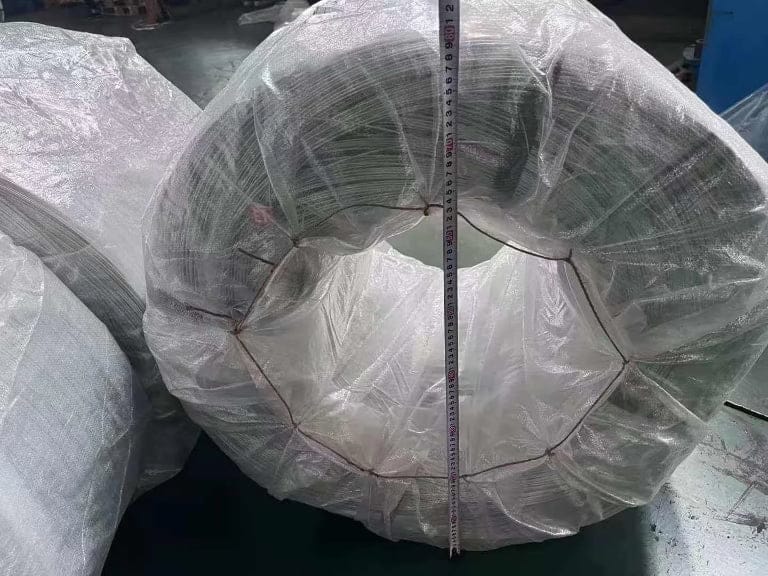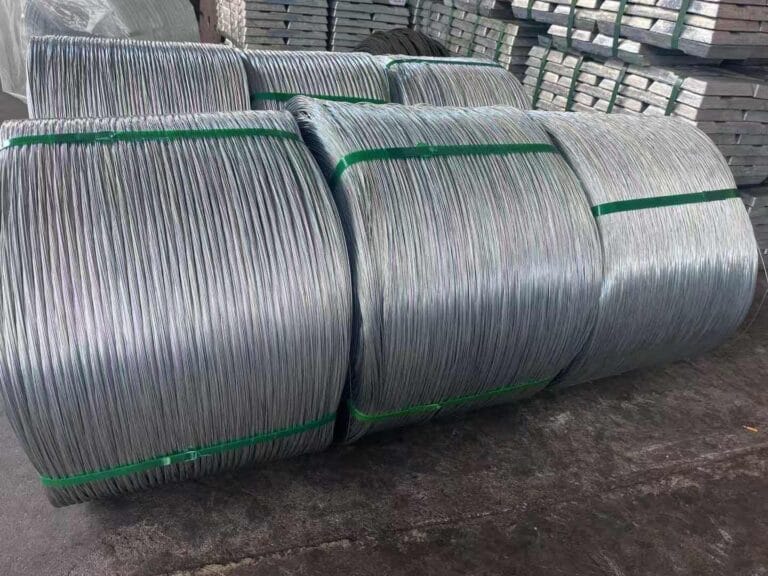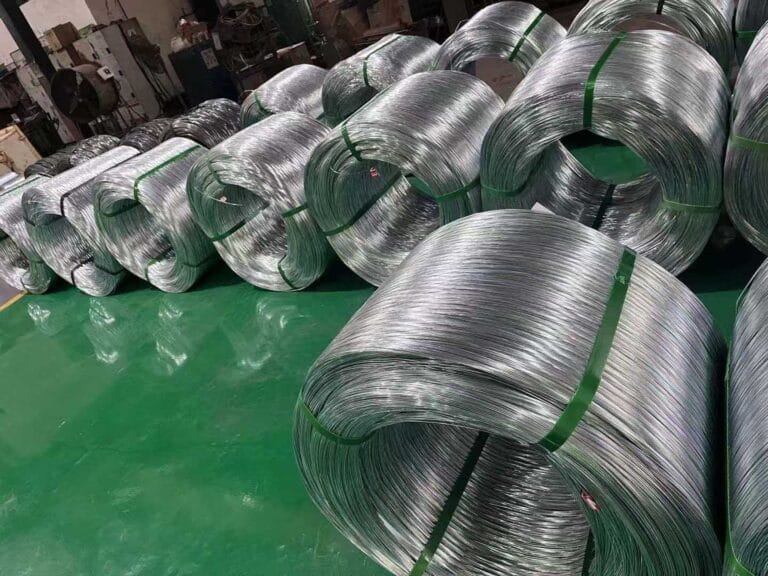



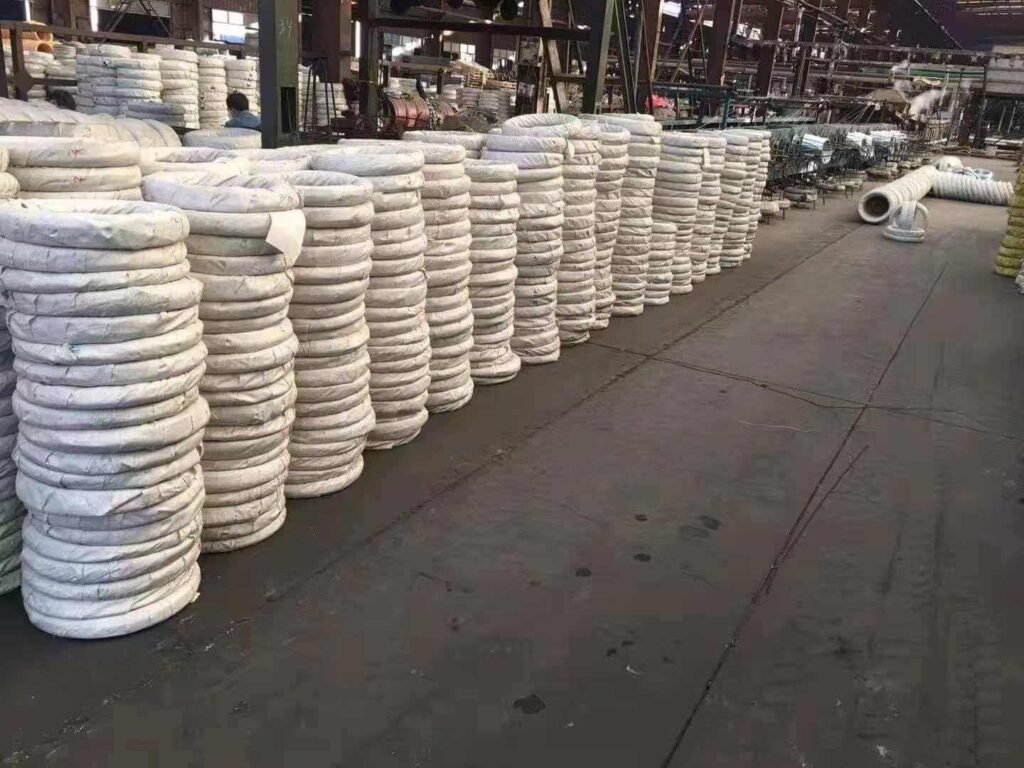
Malawi's long rainy season and growing construction market create unique inventory challenges for binding wire wholesalers. Stocking the right mix of galvanized and black annealed wire means fewer lost sales and happier customers. Here is how one Lilongwe wholesaler adjusted his approach.
Chimwemwe used to stock only galvanized wire until customer demand showed him the gap in his inventory. Buyers like him, who need guidance on construction binding wire inventory management for Malawi's market, can find detailed specifications on our product page: https://mfgwiremesh.com/metal-wire/galvanized-iron-wire/
I watched a Lilongwe wholesaler lose customers last year because he only stocked galvanized wire. His zinc coating turned dull after three months in storage. When contractors asked for black annealed wire, he had nothing to sell. He was losing money while his warehouse sat half empty.
In Malawi, choose binding wire based on your local climate and customer mix. Stock 60% galvanized wire (2.0mm and 1.5mm) for structural work and 40% black annealed wire (BWG 16 and 18) for agricultural projects. Adjust your ratio before rainy season to prevent zinc oxidation and stockouts.
This mix works because Malawi has specific challenges. The six-month rainy season damages galvanized coating. The southern tea regions need soft wire for farm structures. I learned this from Chimwemwe, who fixed his inventory problem in three months.
What Binding Wire Types Work Best in Malawi's Climate?
Malawi's weather creates different needs than other African markets. Your wire choice must match both the construction type and storage conditions. I have seen many wholesalers stock the wrong products and watch them deteriorate in their warehouses.
Malawi needs two wire types: galvanized binding wire for permanent structures and black annealed wire for agricultural and temporary construction. Galvanized wire resists outdoor corrosion but needs proper storage. Black annealed wire works better for quick projects where rust protection matters less than flexibility.
Galvanized wire makes sense for most building projects in Malawi. The zinc coating protects the wire when it sits on construction sites through rainy season. I supply 2.0mm diameter wire for column and beam reinforcement. The wire needs enough strength to hold rebar bundles during concrete pouring. Contractors in Blantyre and Lilongwe order this size most often.
The 1.5mm galvanized wire serves a different purpose. Fence builders and perimeter wall contractors prefer this thinner gauge. It wraps around chain link fence posts easily. The wire remains strong enough for security fencing but bends without tools. I notice rural area contractors order more 1.5mm wire than urban builders.
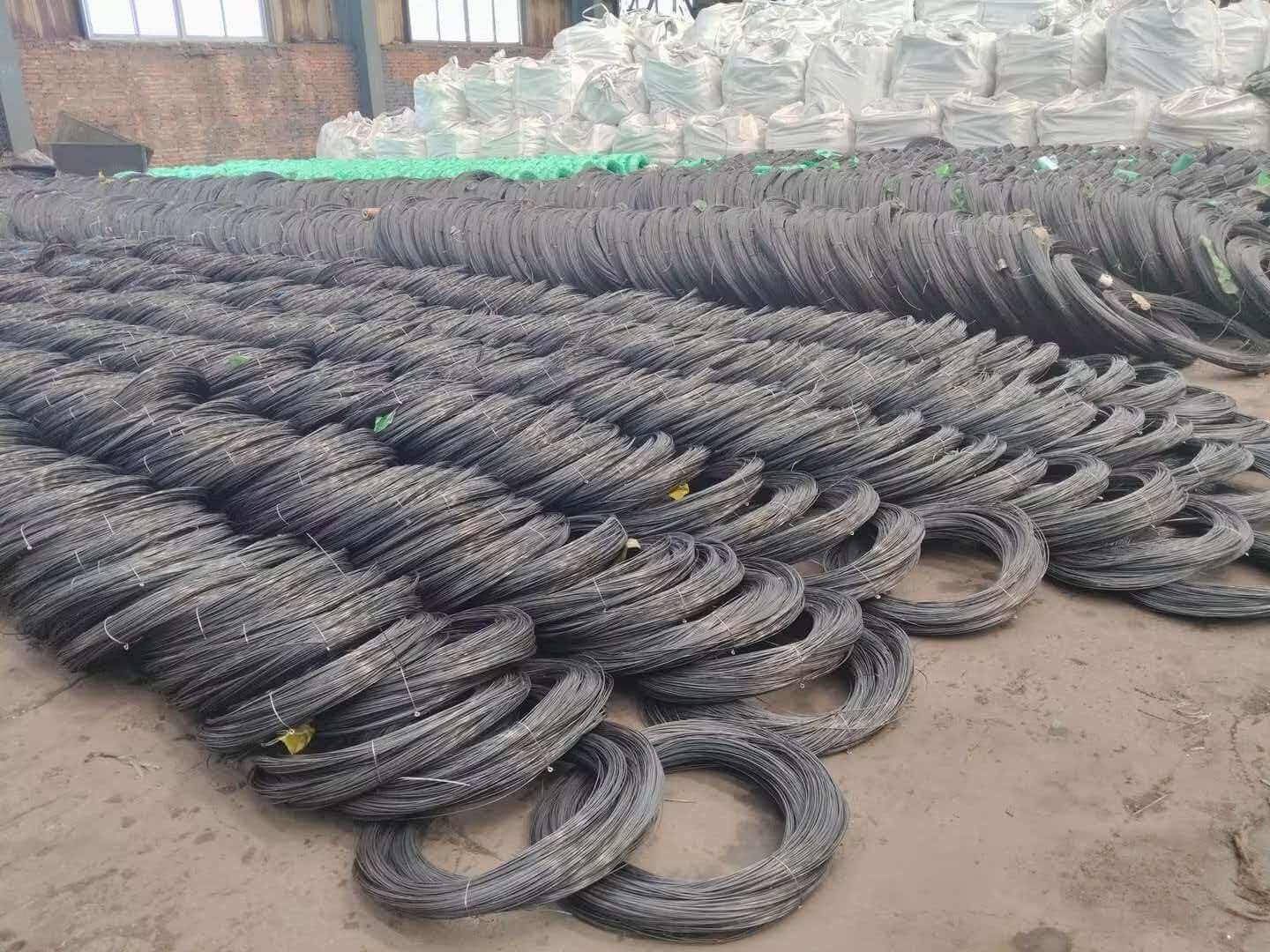
Black annealed wire solves specific problems in Malawi. The Thyolo and Mulanje tea estates use this wire extensively. Tea drying racks need frequent adjustments. Black annealed wire bends repeatedly without breaking. The wire costs 15-20% less than galvanized options. Farm managers care more about flexibility than long-term rust resistance.
I recommend BWG 16 (1.6mm) black annealed wire for general farm construction. This gauge handles equipment repairs and temporary structure assembly. BWG 18 (1.2mm) works better for detailed work like securing irrigation pipes or tying plant supports. The thinner wire wastes less material on small binding jobs.
Here is how the two wire types compare for Malawi conditions:
| Wire Type | Best Use | Diameter Range | Storage Time | Price Level |
|---|---|---|---|---|
| Galvanized | Permanent structures, outdoor use | 1.5mm - 2.0mm | 2-3 months in rainy season | Higher |
| Black Annealed | Agricultural, temporary construction | BWG 16 - BWG 18 | 4-6 months if kept dry | Lower |
The climate determines your stock rotation speed. Galvanized wire that sits in warehouse humidity for four months starts showing zinc discoloration. The wire still functions but customers complain. Black annealed wire avoids this problem because it has no coating to oxidize. I tell wholesalers to turn galvanized inventory faster during November through April.
Temperature swings between day and night cause condensation inside wire coils. This moisture attacks zinc coating from the inside. Proper warehouse ventilation reduces this damage. I suggest checking your oldest galvanized coils monthly during rainy season. Dark spots indicate zinc breakdown.
How Should You Split Your Binding Wire Inventory in Malawi?
Inventory mix determines whether you capture sales or lose customers to competitors. I have watched Chimwemwe transform his business by changing his stock ratios. His old approach of storing only galvanized wire left money on the table.
A 60-40 split between galvanized and black annealed wire serves most Malawi wholesalers well. Stock 60% galvanized wire (mainly 2.0mm and 1.5mm) for construction projects. Keep 40% black annealed wire (BWG 16 and 18) for agricultural and flexible-use customers. Adjust this ratio seasonally based on weather and local demand patterns.
The 60-40 split comes from actual market demand in Malawi. Chimwemwe tracked his sales for six months before making this change. He found that permanent construction projects account for roughly six out of ten binding wire orders. Tea estates, tobacco barns, and farm repairs make up the rest. Your local ratio might differ based on your customer base.
Urban wholesalers near Lilongwe and Blantyre can push galvanized wire to 70% of inventory. These cities have more concrete construction than rural areas. Buildings require stronger wire with better corrosion resistance. I see city contractors rarely asking for black annealed options. They want material that meets building codes.
Rural wholesalers need more black annealed wire in stock. Agricultural areas like Kasungu and Mzimba use wire differently. Small-scale farmers repair fences and build storage sheds constantly. They need cheap wire that bends easily. A 50-50 split or even 40-60 in favor of black annealed wire makes sense in these regions.
Within your galvanized wire allocation, focus on two sizes. Stock 70% of galvanized inventory as 2.0mm diameter wire. This size handles most structural binding work. The remaining 30% should be 1.5mm wire for fencing projects. I rarely get requests for other galvanized wire sizes in Malawi.
Black annealed wire needs similar focus. BWG 16 should represent 65% of your black wire inventory. This gauge works for general construction and farm use. BWG 18 fills the remaining 35%. Thinner wire serves specialty applications but has steady demand.
Seasonal adjustment matters more than many wholesalers realize. I recommend this rotation schedule:
| Season | Period | Galvanized % | Black Annealed % | Storage Strategy |
|---|---|---|---|---|
| Dry Season | May - October | 65% | 35% | Stock up on galvanized wire |
| Early Rainy | November - December | 55% | 45% | Reduce galvanized quantities |
| Peak Rainy | January - March | 50% | 50% | Minimize galvanized storage time |
| Late Rainy | April | 60% | 40% | Begin restocking galvanized wire |
Chimwemwe now orders galvanized wire to arrive in May and June. He builds inventory during dry months when humidity stays low. His zinc coating stays bright for three months without problems. Before rainy season starts in November, he sells down galvanized stock and increases black annealed wire orders.
This approach requires talking with your Chinese supplier about lead times. Container shipments from China to Malawi take 45-60 days. You need to place orders in March for May delivery and in September for November arrival. I help my customers plan these schedules because missing a shipment window means storing wire through bad weather.
Space allocation in your warehouse affects this mix too. Galvanized wire needs better protection from humidity. Stack these coils on pallets away from walls. Black annealed wire tolerates rougher storage conditions. You can pack it more densely and use less prime warehouse space.
The financial side of this split matters. Galvanized wire ties up more capital per ton. You earn better margins but risk inventory aging. Black annealed wire moves faster at lower margins. The 60-40 mix balances cash flow with profit potential. You keep enough galvanized wire for high-value sales while maintaining quick-turn inventory.
Why Does Wire Gauge Selection Matter for Different Projects?
Wire gauge determines how well the binding wire performs its job. I see many contractors ordering the wrong gauge because they focus only on price. The cheapest wire often costs more when it fails during construction.
Wire gauge must match the binding task and material weight. Use 2.0mm galvanized wire for structural concrete work where strength matters most. Choose 1.5mm galvanized wire for fencing and light-duty binding. Select BWG 16 black annealed for general farm construction and BWG 18 for detailed assembly work that requires frequent wire bending.
The 2.0mm galvanized wire serves as the workhorse for Malawi construction. This gauge ties rebar bundles that weigh 50-100 kilograms. Construction crews twist the wire around steel bars before concrete pouring. Thinner wire would snap under the tension. Thicker wire becomes too stiff to twist by hand.
I calculate that one kilogram of 2.0mm wire contains approximately 25 meters of usable length. A typical building column needs 3-4 wire ties. Workers can bind 6-8 columns per kilogram of wire. This efficiency matters when you are pricing a large construction project.
Tensile strength varies by wire type. Good quality 2.0mm galvanized wire should withstand 400-450 MPa of tension. This strength lets construction workers pull the wire tight without breaking. I provide mill test certificates showing actual strength values. Contractors who work on government projects need this documentation.
The 1.5mm galvanized wire works differently. Fence installers wrap this wire around posts and mesh. The thinner diameter means more wire length per kilogram—roughly 45 meters per kilogram. This extra length reduces material costs for long fence runs. The wire remains strong enough for security fencing but flexible enough to wrap tightly around poles.
I see fence contractors in Malawi preferring 1.5mm wire over thicker options. They can carry more wire to job sites. The wire weighs less in their trucks. Installation speed increases because the wire bends easily. For perimeter walls around farms or compounds, this gauge provides the best balance of strength and workability.
Black annealed wire gauge selection follows different logic. The wire has no zinc coating, so diameter directly affects strength. BWG 16 (1.6mm) offers similar strength to 1.5mm galvanized wire but with better flexibility. The annealing process makes the wire softer. Workers can bend it repeatedly without metal fatigue.
Tea estate managers in Thyolo order BWG 16 for drying rack repairs. They need wire that wraps around bamboo frames easily. The wire must bend at sharp angles without breaking. Galvanized wire would crack at these bend points. Black annealed wire flexes and holds its shape. One estate supervisor told me he reduced wire waste by 30% after switching from galvanized to black annealed wire.
BWG 18 (1.2mm) serves precision work. This thin wire ties irrigation pipes to support stakes. It secures shade cloth to greenhouse frames. The wire virtually disappears when installed but holds firmly. I stock this gauge specifically for customers who need invisible binding solutions.
Here is how different gauges match common Malawi construction tasks:
| Wire Specification | Typical Applications | Strength Requirement | Flexibility Need |
|---|---|---|---|
| 2.0mm Galvanized | Rebar binding, structural work | High | Low |
| 1.5mm Galvanized | Fencing, light construction | Medium | Medium |
| BWG 16 Black Annealed | Farm structures, repairs | Medium | High |
| BWG 18 Black Annealed | Detailed assembly, agriculture | Low | Very High |
Price differences between gauges can mislead buyers. Thicker wire costs more per kilogram but provides shorter length. You might pay 5% more for 2.0mm wire compared to 1.5mm wire. However, 2.0mm wire gives you 44% less length per kilogram. The true cost calculation must include wire length needed for your specific project.
I help customers calculate their actual wire requirements. A fence project needing 500 meters of wire needs different quantities depending on gauge choice. With 1.5mm wire, you need about 12 kilograms. The same fence using 2.0mm wire requires 20 kilograms. The thinner wire saves money unless you need extra strength.
Temperature affects wire behavior too. Malawi's hot season brings 35-40 degree temperatures to construction sites. Metal expands in heat. Wire tied too tightly in hot weather can loosen when temperatures drop at night. I recommend leaving slight slack in binding wire during hot afternoon installation. The wire tightens naturally as evening temperatures fall.
Construction standards in Malawi do not specify exact wire gauges for most applications. This flexibility lets builders choose based on project needs and budget. However, larger projects funded by international development banks may require specific wire specifications. Always check project documents before ordering material.
How Do Storage Conditions Affect Wire Quality in Malawi?
Storage determines whether your wire inventory remains sellable or turns into scrap. I have visited warehouses where half the galvanized wire stock showed rust damage. The owners thought zinc coating made wire indestructible. They learned expensive lessons about humidity and ventilation.
Proper wire storage in Malawi requires dry conditions, good ventilation, and protection from ground moisture. Store galvanized wire on wooden pallets at least 15cm above floor level. Keep warehouse relative humidity below 60% during rainy season. Rotate inventory every 2-3 months to prevent zinc coating oxidation. Black annealed wire tolerates rougher storage but still needs basic moisture protection.
Malawi's rainy season creates the biggest storage challenge. Humidity reaches 80-90% during January and February. This moisture attacks zinc coating even in closed warehouses. I watched Chimwemwe's early galvanized wire inventory develop white powder on the outer coils. This zinc carbonate forms when moisture reacts with coating. The wire still works but looks damaged.
Warehouse floor moisture wicks up into wire coils from bottom contact points. Concrete floors in Malawi stay damp during rainy season. Wire coils sitting directly on concrete absorb this moisture. The bottom layers rust first. I recommend 15-20cm wooden pallet height as minimum clearance. Plastic pallets work too but cost more.
Air circulation matters as much as elevation. Wire coils stacked tightly against walls trap humidity. The wall side of each coil stays damp longer. I suggest leaving 30cm gaps between wire stacks and warehouse walls. This gap lets air flow around all sides of your inventory. Cross-ventilation through warehouse windows or vents helps but avoid direct rain exposure.
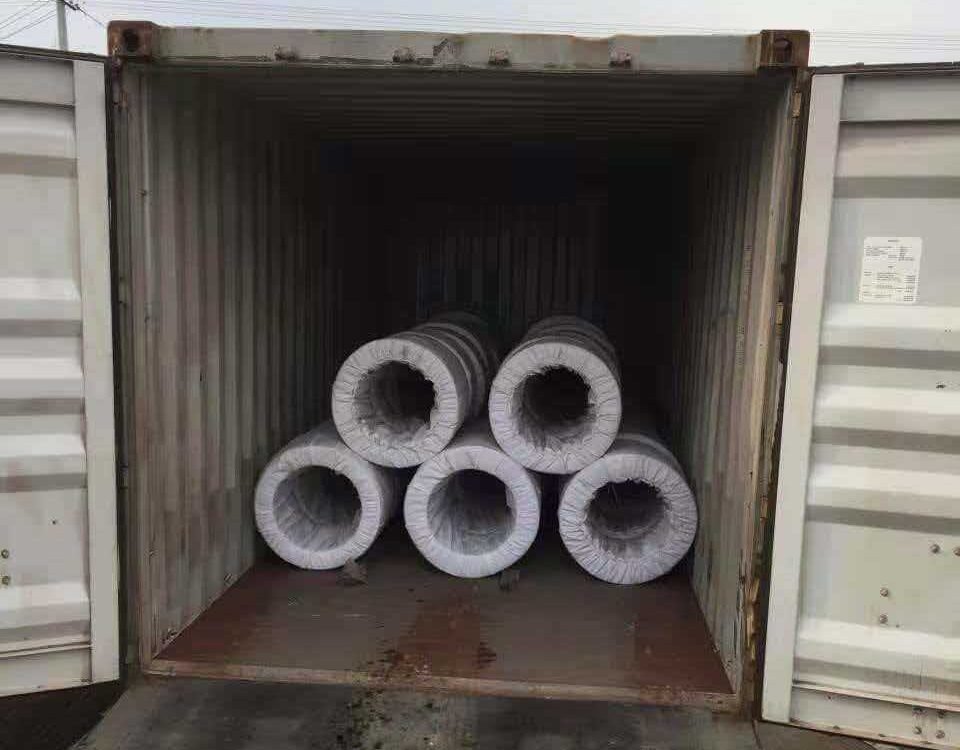
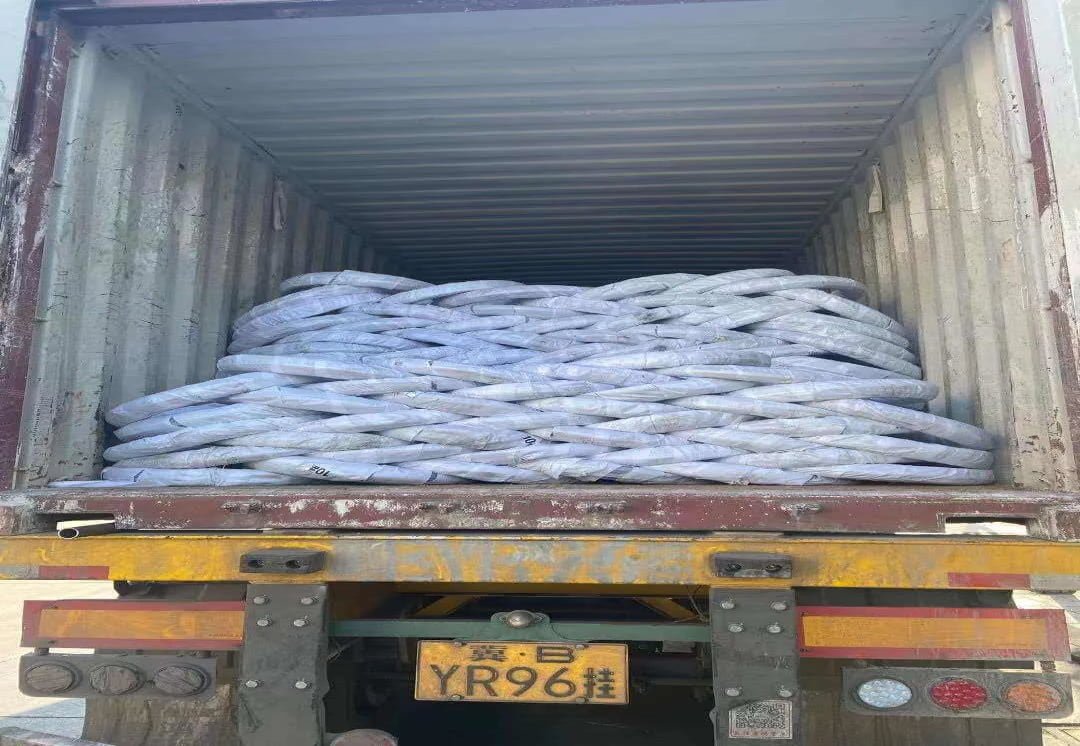
Coil wrapping provides additional protection. Good Chinese suppliers wrap galvanized wire coils in plastic film. This film blocks direct moisture contact. However, the film must allow some air exchange. Completely sealed coils trap internal moisture and cause worse damage. Look for breathable wrapping material or puncture small vent holes in plastic covering.
Temperature swings accelerate zinc oxidation. Malawi experiences 15-20 degree temperature differences between day and night. Metal contracts and expands with these changes. This movement pumps air in and out of wire coils like breathing. Humid air enters coils at night when temperatures drop. I cannot eliminate this process but proper warehouse design minimizes its effects.
Black annealed wire needs simpler storage. The wire has no coating to protect, so oxidation expectations differ. Surface rust on black wire is normal and does not affect performance. The wire maintains its flexibility and strength even with light rust. I tell customers that slightly rusty black annealed wire actually grips concrete better during binding.
However, black wire still needs basic moisture protection. Heavy rust that penetrates deep into wire reduces strength. Keep black annealed wire off wet floors. Cover it during heavy rain if your warehouse has roof leaks. Beyond these basics, black wire tolerates storage conditions that would ruin galvanized inventory.
Inventory rotation speed determines storage requirements. Wire that moves in 30 days needs less protection than wire sitting for 90 days. Chimwemwe's two-month rotation cycle for galvanized wire came from his storage capability assessment. His warehouse lacks climate control. He cannot keep zinc coating perfect for longer periods. Faster rotation solves this problem.
I suggest this storage timeline for Malawi conditions:
| Season | Galvanized Wire Maximum Storage | Black Annealed Maximum Storage | Special Precautions |
|---|---|---|---|
| Dry Season | 4-5 months | 6-8 months | Standard moisture protection |
| Rainy Season | 2-3 months | 4-6 months | Extra ventilation, elevated storage |
Financial impact of poor storage adds up quickly. A 2-ton shipment of galvanized wire costs roughly $3,500-4,000 landed in Malawi. If 20% develops zinc damage from bad storage, you lose $700-800. This loss equals the profit on that entire container. Better storage costs far less than replacing damaged inventory.
Chimwemwe now runs a 60-40 split between galvanized and black annealed wire and adjusts by season. Read more Malawi construction supply guides on our blog https://mfgwiremesh.com/blog/ or reach out via https://mfgwiremesh.com/contact/.
We provide full MTC (Mill Test Certificate) and Certificate of Origin with every shipment.
We provide a full range of construction binding wire for African projects. Galvanized Iron Wire: https://mfgwiremesh.com/metal-wire/galvanized-iron-wire/ Black Annealed Iron Wire: https://mfgwiremesh.com/metal-wire/black-annealed-iron-wire/ 201 Stainless Steel Wire: https://mfgwiremesh.com/metal-wire/201-stainless-steel-wire/ Mix container loading supported.
If you are sourcing construction binding wire for Malawi or any African market, we are happy to provide a specification-based quotation. Contact us via WhatsApp: +86 15383180672.
FAQ:
Q1: How should Malawi wholesalers manage their binding wire inventory during the rainy season? A1: Malawi's rainy season lasts from November to April. Galvanized wire stored for extended periods during high humidity can develop zinc oxidation on outer coils. Chimwemwe now keeps smaller galvanized wire stock during rainy months and replenishes more frequently. He also increases black annealed wire inventory before the rainy season, as demand for this softer, easier-to-tie wire rises for indoor and non-structural applications during wet months.
Q2: What is the recommended inventory split between galvanized and black annealed wire for Malawi? A2: Chimwemwe runs a 60-40 split, with galvanized wire accounting for the larger share. The exact ratio shifts by season: galvanized wire stock increases during the dry season for outdoor structural projects, while black annealed wire stock rises before the rainy season for indoor work. This flexible approach has eliminated the stockouts that previously cost him sales.
Q3: What specifications are most in demand for Malawi's construction market? A3: For galvanized binding wire, 2.0mm for structural rebar tying and 1.5mm for fencing are the two dominant specifications. For black annealed wire, BWG 16 (1.65mm) for general binding and BWG 18 (1.25mm) for finer fixing work are the most popular. Chimwemwe stocks all four specifications, with 2.0mm galvanized making up the largest single volume.