


Uganda's two rainy seasons make choosing the right construction binding wire a critical decision. From structural rebar tying to conduit fixing, each task needs the right specification and material. Here is a complete guide based on a Kampala contractor's hard-learned experience.
Moses used to choose binding wire by price alone until a rust-related rework cost him nearly 4,000 dollars. Buyers like him, who need application-specific guidance on construction binding wire for Uganda, can find detailed specifications on our product page: https://mfgwiremesh.com/metal-wire/galvanized-iron-wire/
I met Moses last month at a construction site in Kampala. He showed me rust stains on his rebar joints and said he lost $4,000 on rework because he picked the wrong binding wire. That conversation made me realize many contractors in Uganda face the same problem.
Construction binding wire in Uganda requires different specifications for different applications. For structural rebar tying, use 2.0mm galvanized wire with minimum 40g/m² zinc coating. For temporary fencing, 1.5mm galvanized wire works best. For indoor pipe fixing, BWG 18 black annealed wire provides sufficient flexibility and strength.
I have been working with construction contractors across East Africa for five years. I have seen projects succeed and fail based on binding wire choices. Today I want to share what I learned from Moses and hundreds of other contractors about choosing the right wire for your Ugandan construction project.
What Are the Main Types of Binding Wire Used in Uganda Construction?
Moses told me he used to think all binding wires were the same. He would buy whatever was cheapest at the supplier. That mistake cost him dearly.
Uganda construction sites use three main types of binding wire: galvanized binding wire (zinc-coated iron wire), black annealed wire (soft iron wire without coating), and stainless steel wire (rarely used for standard projects). Each type serves specific applications based on durability requirements and budget constraints.
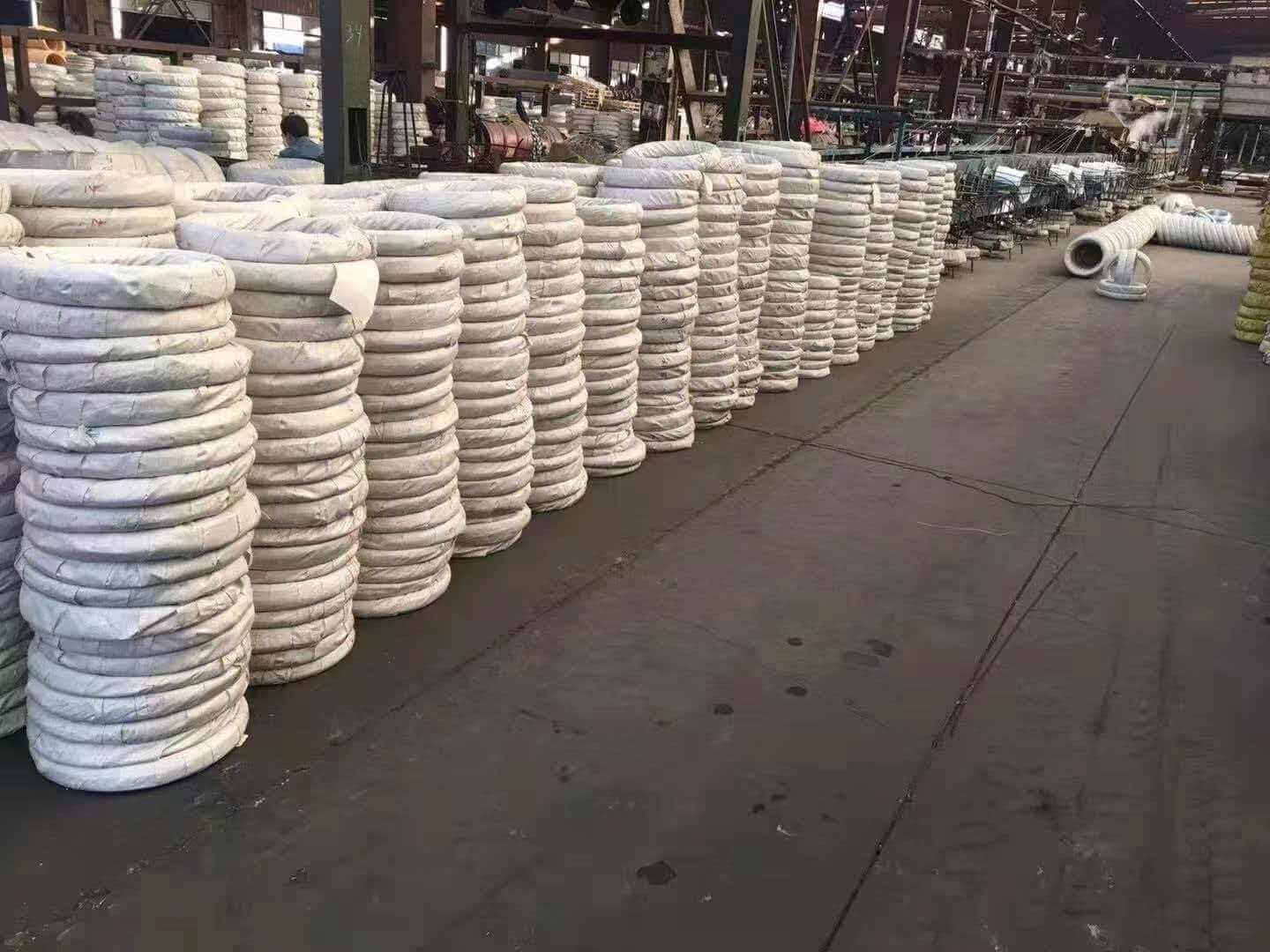
Let me break down each type based on what I learned from working with contractors in Kampala, Entebbe, and Jinja.
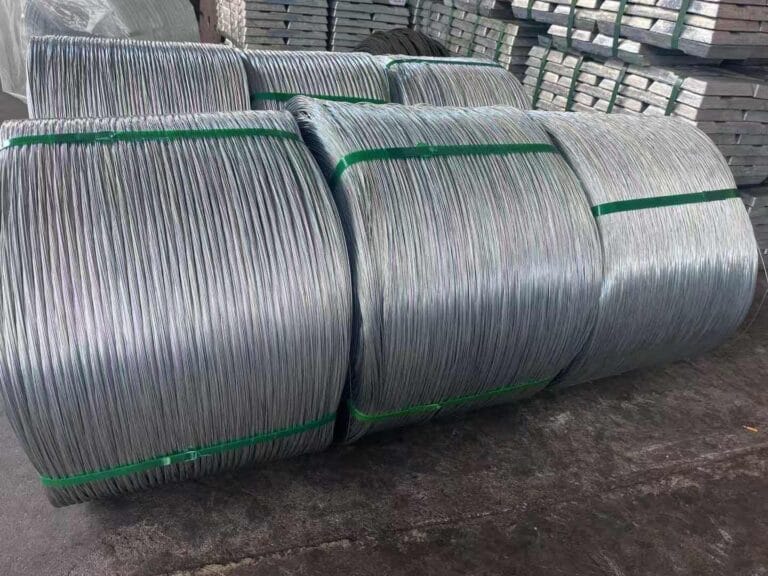
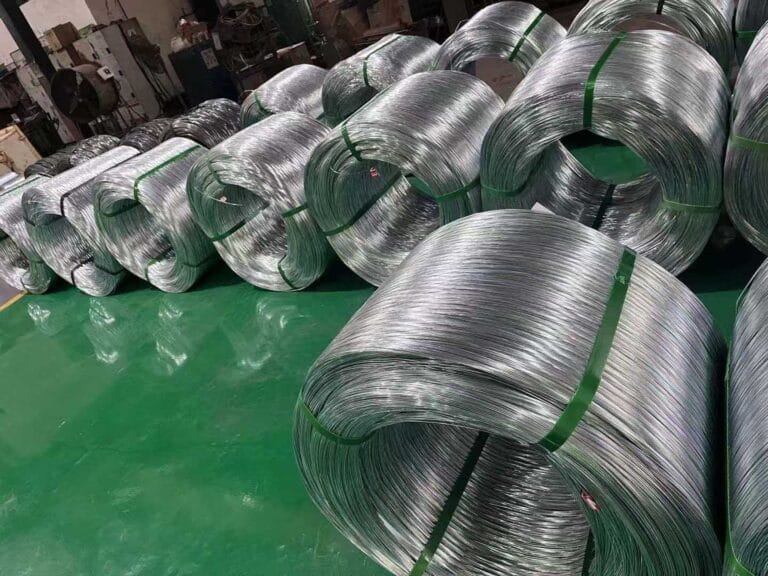
Galvanized binding wire has a zinc coating that protects the iron core from rust. I recommend this for any outdoor application in Uganda. Our country has two rainy seasons every year. The wet climate makes rust a constant enemy. Moses learned this the hard way when his unprotected wire rusted before concrete pouring.
The zinc coating thickness matters more than most people realize. I always tell contractors to check the zinc layer specification. Standard galvanized wire has 20-30g/m² zinc coating. For structural applications, I recommend 40g/m² or higher. The extra zinc costs maybe 5% more but prevents the expensive rework Moses experienced.
Black annealed wire has no zinc coating. The manufacturing process makes it soft and flexible. I use this wire for indoor applications where rust is not a concern. Water pipe fixing inside buildings works perfectly with black annealed wire. It bends easily and ties quickly.
Many contractors ask me about stainless steel wire. I tell them it costs three to four times more than galvanized wire. Unless you have a special corrosion environment like chemical plants, galvanized wire provides sufficient protection for standard construction in Uganda.
Here is a comparison table I created based on actual project data:
| Wire Type | Zinc Coating | Rust Resistance | Flexibility | Cost Level | Best Application |
|---|---|---|---|---|---|
| Galvanized (40g/m²) | High | Excellent | Medium | Medium | Structural rebar |
| Galvanized (20g/m²) | Low | Good | Medium | Low | Temporary fencing |
| Black Annealed | None | Poor | High | Lowest | Indoor pipe work |
| Stainless Steel | N/A | Excellent | Low | Highest | Special environments |
I keep this table on my phone and show it to every new contractor I meet. It helps them understand the tradeoffs immediately.
How Do Wire Diameters Affect Your Construction Projects?
Moses told me his biggest confusion was understanding wire gauges. He would see BWG 16, BWG 18, or measurements in millimeters. Different suppliers quoted different systems. He never knew if he was comparing apples to apples.
Construction binding wire diameter directly determines the wire strength and application suitability. For structural rebar tying in Uganda, 2.0mm diameter wire (approximately BWG 14) provides optimal strength. Temporary fencing uses 1.5mm wire (BWG 16). Indoor pipe fixing requires thinner BWG 18 wire for easy handling and precise work.
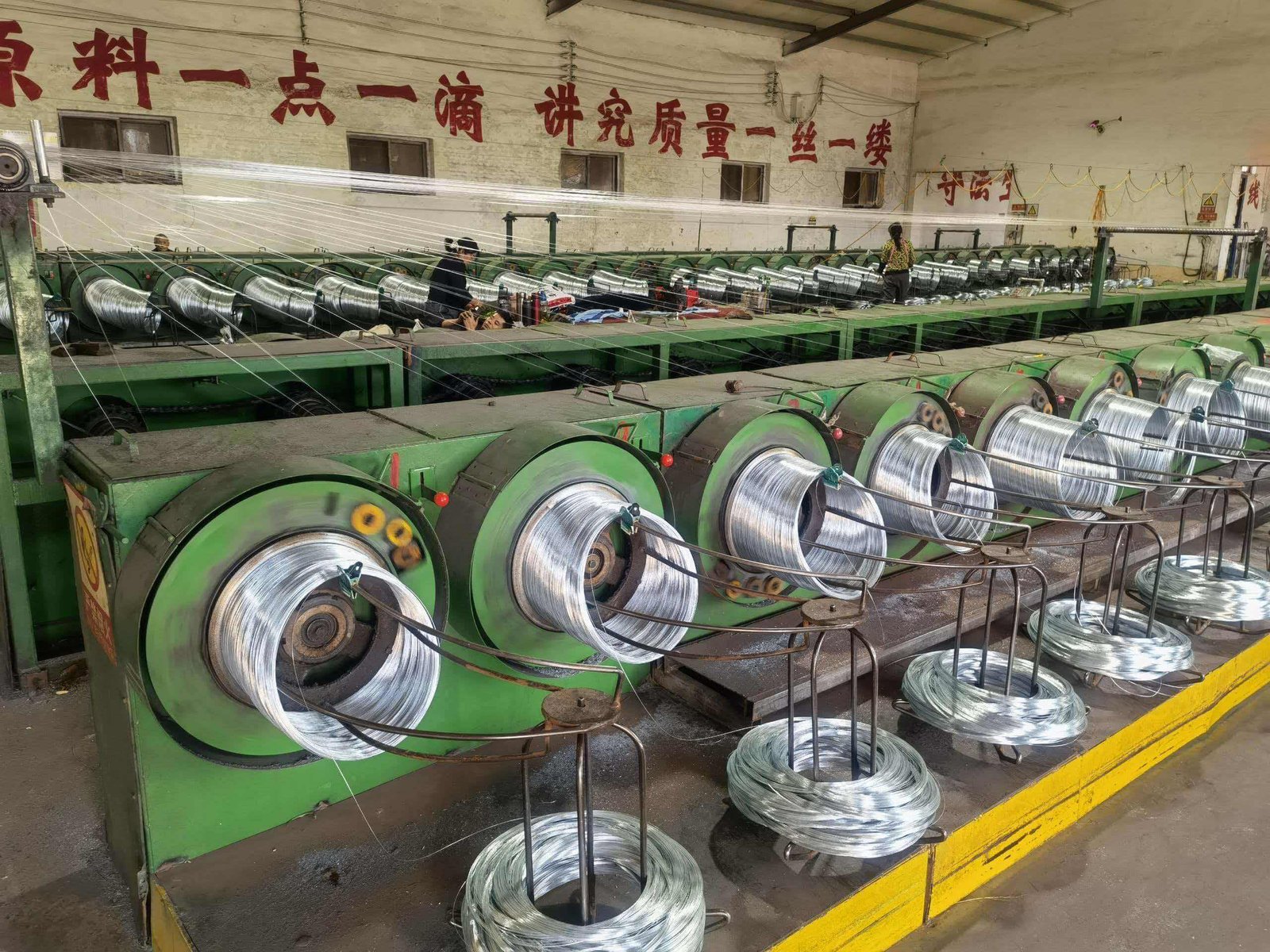
I spent hours explaining wire gauge systems to Moses. Let me share what I taught him in simple terms.
The BWG system (Birmingham Wire Gauge) uses numbers. Smaller numbers mean thicker wire. BWG 14 is thicker than BWG 16. This confuses many people because they expect higher numbers to mean bigger sizes.
The metric system uses millimeters. This makes more sense to most contractors. 2.0mm is obviously thicker than 1.5mm. I prefer using metric measurements when I quote to clients because it eliminates confusion.
Here is the critical part many contractors miss. The same gauge number from different suppliers might have slightly different actual diameters. I once tested wires marked as BWG 16 from three suppliers. The actual diameters varied from 1.63mm to 1.65mm. This small difference affects the wire quantity in each coil and the overall project cost.
For structural rebar tying, I recommend 2.0mm wire without exception. Uganda construction standards require strong binding that holds rebar in position during concrete pouring. Thinner wire might break under stress. Thicker wire becomes difficult to twist and slows down workers.
Moses now uses this diameter selection guide I created:
Primary Structure (columns, beams, slabs): 2.0mm galvanized wire. Workers can twist it securely without tools. It stays tight during concrete vibration.
Secondary Structure (walls, smaller elements): 1.6-1.8mm galvanized wire. Slightly thinner saves cost without compromising quality.
Fencing and Barriers: 1.5mm galvanized wire. Lighter weight makes installation faster. Sufficient strength for non-structural applications.
Pipe and Conduit Fixing: BWG 18 (approximately 1.2mm) black annealed wire. Thin enough to work in tight spaces. Soft enough to tie without pliers.
I visited Moses last month. His workers were tying rebar for a new building foundation. Every worker had the right wire diameter for their task. No one struggled with wire that was too thick or worried about wire that was too thin. Moses said his tying speed improved by 20% just from using the correct diameters.
One more thing about diameter. Always verify the actual measurement. I carry a digital caliper in my bag. When a supplier delivers wire, I randomly check three coils. If the diameter is off by more than 0.1mm, I send the entire shipment back. Your project quality depends on getting exactly what you ordered.
What Packaging Options Work Best for Uganda Construction Sites?
Moses used to order wire in whatever packaging the supplier offered. He never thought about how packaging affects his site operations. Then he had a nightmare experience with damaged wire coils.
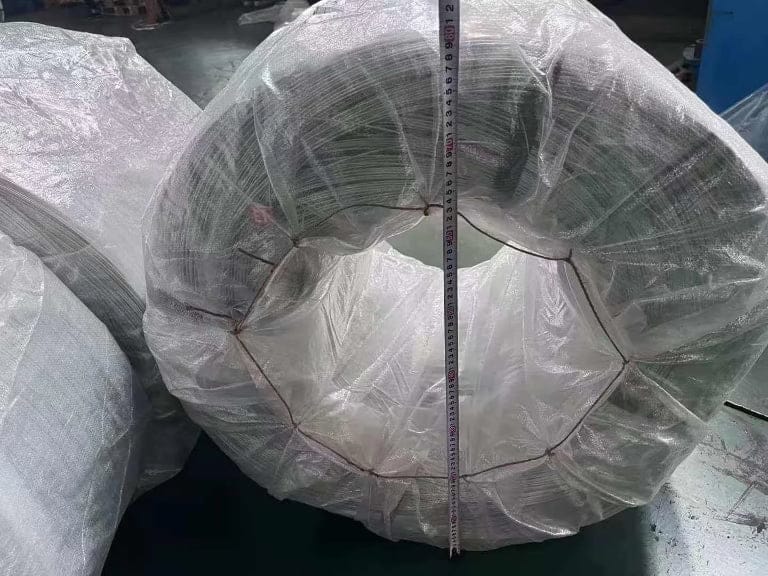
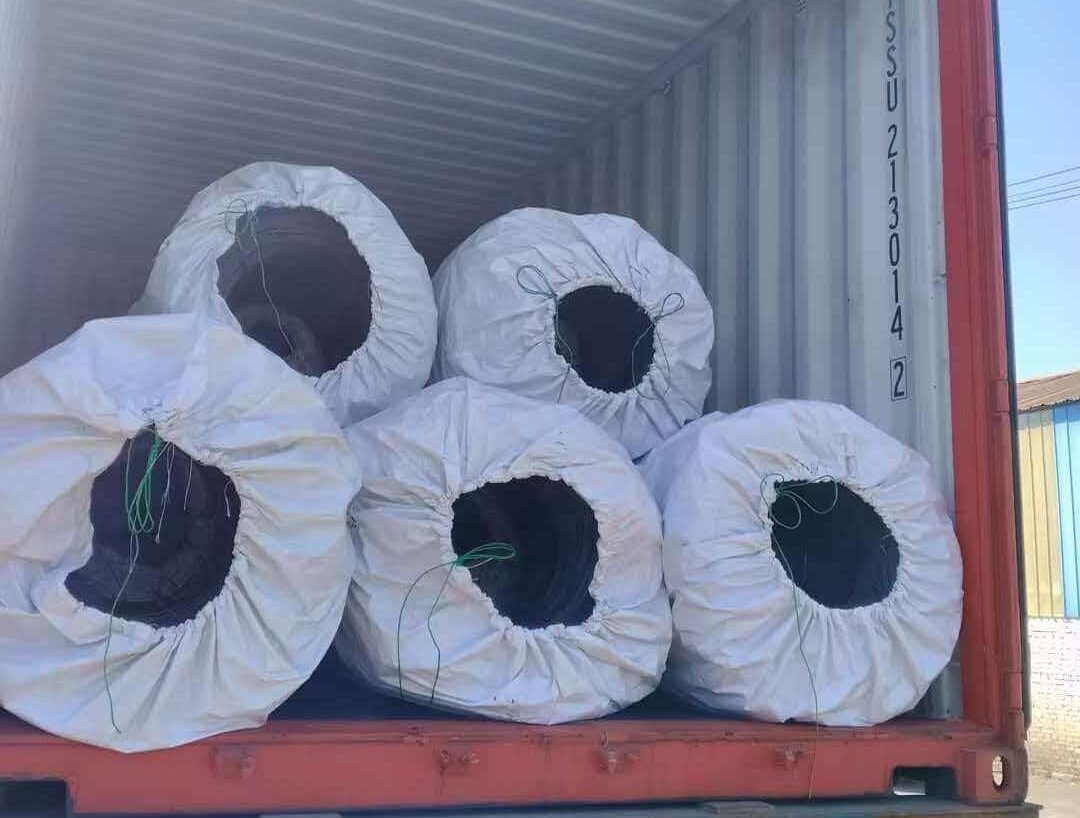
Construction binding wire packaging in Uganda should match your site storage conditions and usage patterns. For large projects, 25kg coils on wooden pallets provide the best protection and handling efficiency. Small projects benefit from 5kg or 10kg small coils that reduce waste. Plastic film wrapping prevents rust during East African rainy seasons.
I learned packaging matters from a painful experience. My client ordered 10 tons of galvanized wire in 50kg coils. The coils arrived at Mombasa port perfectly. But during inland transport to Kampala, the truck traveled on rough roads. By the time the wire reached the construction site, many coils had crushed outer layers. The damaged wire couldn't be used for visible work.
Now I always discuss packaging details before confirming orders. Let me share the three packaging aspects that matter most.
Coil Weight Selection depends on your site labor conditions and usage rate. Moses runs medium-sized projects with 15-20 workers. He found 25kg coils work perfectly. One worker can lift a 25kg coil easily. The coil lasts about two days for his average crew. This matches his wire consumption pattern.
Smaller projects might prefer 5kg or 10kg coils. I worked with a renovation contractor in Entebbe who only needed wire occasionally. Large coils would sit partially used for weeks, gathering rust. Small coils eliminated waste.
Large infrastructure projects can handle 100kg coils. But you need proper material handling equipment. Manual handling of 100kg coils causes worker injuries.
Inner Packaging Protection makes the difference between wire that arrives perfect and wire that rusts in transit. Standard packaging uses plastic film wrap. The film keeps moisture away during the two-week journey from our factory to Uganda.
Moses insisted on double plastic wrap after his rust problem. The inner layer protects the wire. The outer layer protects the inner layer from tears during handling. This costs 2% more but prevents the 10% waste he experienced before.
I also recommend desiccant packets inside the plastic wrap for galvanized wire. Uganda has high humidity even in dry seasons. The desiccant absorbs moisture that seeps through micro-tears in plastic.
Outer Packaging and Palletization protects your wire during transport and storage. Individual coils are vulnerable. Stack them on wooden pallets and shrink-wrap the entire pallet. This creates a stable unit that forklifts can move easily.
Moses orders wire in 20-foot containers. We load 8 pallets per container, each pallet holding 40 coils of 25kg wire. The palletized arrangement prevents coils from shifting during transport. Corner protectors on each pallet prevent shrink wrap damage.
For storage on site, Moses built a simple covered shed. The pallets stay dry even during heavy rains. Workers take coils from the top of each pallet. The systematic approach reduced his wire waste from 8% to less than 2%.
Here is my packaging recommendation table based on project size:
| Project Type | Recommended Coil Weight | Coils per Pallet | Protection Level | Storage Method |
|---|---|---|---|---|
| Large infrastructure | 50-100kg | 20 coils | Double wrap + desiccant | Covered warehouse |
| Medium building | 25kg | 40 coils | Double wrap + pallet | Covered outdoor |
| Small renovation | 5-10kg | 60-80 coils | Single wrap | Dry indoor room |
| Emergency repair | 1-2kg | 100+ coils | Simple bag | Toolbox storage |
I want to emphasize one final packaging point. Always check the packaging condition when wire arrives at your site. Take photos of any damage before your team unloads. I had a client who accepted damaged goods without documentation. When he tried to claim compensation, he had no proof. Now all my clients photograph every delivery.
How Do You Calculate the Actual Wire Quantity You Need?
Moses called me three months into his project. He had run out of binding wire. His original calculation said he ordered enough for the entire job. What went wrong?
Calculate construction binding wire quantity by counting rebar intersection points and adding 30% safety margin. For column rebar, count vertical bars multiplied by stirrup ties. For slab rebar, multiply longitudinal bars by transverse bars. Each intersection needs approximately 30cm of wire for secure tying. Factor in worker skill level and waste rate.
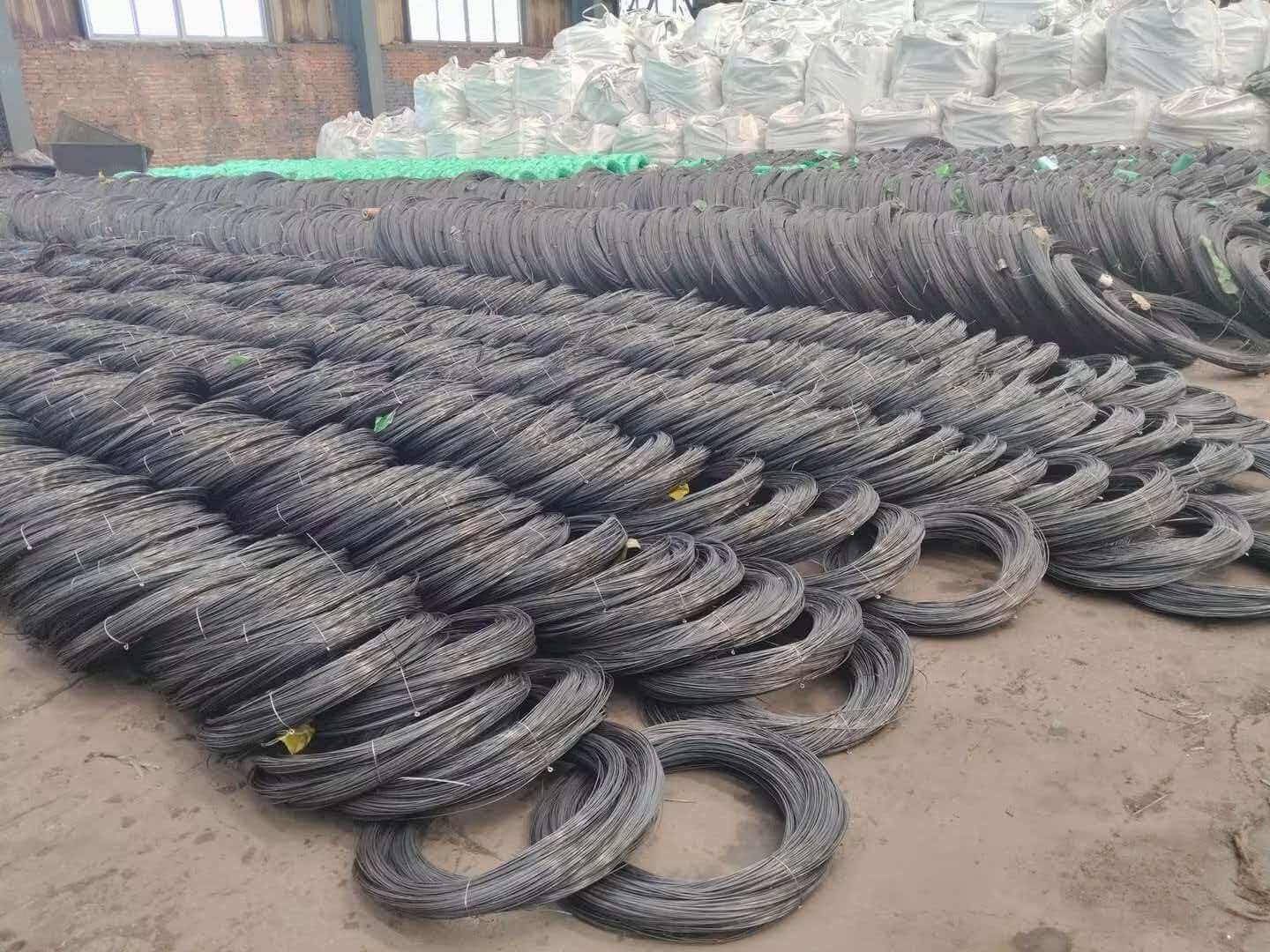
I spent two hours with Moses reviewing his original calculation. He had made three common mistakes. Let me show you how to calculate correctly.
Basic Intersection Counting forms the foundation. Look at your structural drawings. Count every point where two rebars cross. In a typical column, you have main vertical bars and horizontal stirrups. If a column has 8 vertical bars and stirrups spaced 200mm apart over 3 meters height, you get 8 vertical bars × 15 stirrups = 120 intersection points for one column.
Each intersection needs approximately 30cm of wire for a secure tie. Some workers use 25cm, some use 35cm. I use 30cm as a safe average. For 120 intersections, you need 120 × 0.3m = 36 meters of wire per column.
Moses had 40 columns in his project. He calculated 40 × 36m = 1440 meters for columns alone. But he forgot to count beams, slabs, and foundations.
Slab Calculation requires more careful counting. A slab has two layers of rebar mesh. The bottom layer and top layer each form a grid. Count intersections in one direction, then multiply by the other direction, then double for two layers.
Moses had a 20m × 15m slab with rebar spaced 200mm both ways. Bottom layer intersections: (20m ÷ 0.2m) × (15m ÷ 0.2m) = 100 × 75 = 7500 intersections. Top layer another 7500. Total 15000 intersection points needing 15000 × 0.3m = 4500 meters of wire.
This number shocked Moses. He never imagined one slab needed 4.5 kilometers of wire. But the math doesn't lie.
Waste and Safety Factors separate good calculations from project disasters. I always add 30% to the theoretical quantity. This covers several reality factors:
Workers waste wire through incorrect cutting. A new worker might cut 40cm when 30cm would work. Training reduces this but never eliminates it.
Some intersections need double tying for extra security. Corner points and heavy load areas often get reinforced ties.
Wire breaks during tying happen regularly. Galvanized wire can snap if bent too sharply. Each break wastes 20-30cm.
Weather damage affects stored wire. Even with good packaging, some coils might develop surface rust that makes the outer layers unusable.
Moses originally calculated 8000 meters total. With the 30% factor, he should have ordered 10400 meters. He actually ordered only 7500 meters, hoping to save money. The shortage stopped his project for a week while waiting for additional wire delivery.
Let me share my simple calculation formula. I write this on every quote I send:
Total Wire Needed = (Column Intersections + Beam Intersections + Slab Intersections + Foundation Intersections) × 0.3m × 1.3
The 1.3 factor is the 30% safety margin. Some contractors argue they can work with 20% margin. I tell them the 10% difference in wire cost is nothing compared to project delay costs.
One more calculation tip. Convert your final meter count to weight. Wire weight helps you plan transport and verify delivery quantity. Standard 2.0mm galvanized wire weighs approximately 25 grams per meter. So 10400 meters weighs 10400m × 0.025kg/m = 260kg.
If your supplier delivers ten 25kg coils (250kg total), you know immediately they shorted you 10kg. Without weight verification, you might not discover the shortage until you run out mid-project.
What Quality Standards Should Uganda Contractors Look For?
Moses asked me how to verify wire quality. He said different suppliers claimed their wire was best quality. All the samples looked similar. How could he tell the difference?
Quality construction binding wire in Uganda must meet tensile strength standards, maintain consistent diameter tolerance within ±0.1mm, and provide adequate zinc coating thickness. Request Material Test Certificates showing minimum 400 MPa tensile strength for galvanized wire. Verify zinc coating reaches 40g/m² for structural applications. Check wire surface for smooth finish without cracks or rough spots.
I teach every client a simple field quality test. You don't need laboratory equipment. These practical checks catch most quality problems.
Diameter Consistency Test requires only a digital caliper. Measure wire diameter at five random points along a 10-meter length. All measurements should stay within 0.1mm range. If you ordered 2.0mm wire and measurements vary from 1.85mm to 2.05mm, the wire fails consistency standards.
Moses bought a $20 digital caliper after I showed him this test. He checks every wire delivery now. Last month a supplier tried to deliver 1.9mm wire instead of 2.0mm. Moses caught it immediately and rejected the shipment. The 0.1mm difference would have meant 10% less wire than he paid for.
Tensile Strength Check needs a simple test. Take a 30cm wire sample. Make a loop at each end. Hook one end to a fixed point. Pull the other end with increasing force. Quality 2.0mm wire should not break under strong hand pulling.
For more accurate testing, I recommend sending samples to the materials lab at Makerere University. They charge about $15 per test. The lab provides a certificate showing exact tensile strength. Standard construction wire should show minimum 400 MPa tensile strength.
Zinc Coating Inspection separates good galvanized wire from cheap imitations. Quality zinc coating looks smooth and even. Run your hand along the wire. You should feel consistent texture without rough patches.
A more scientific test involves the zinc stripping method. Take a 10cm wire sample. Weigh it precisely. Dip it in diluted hydrochloric acid until all zinc dissolves.
Moses now selects binding wire by application first and material second. Read more Uganda construction supply guides on our blog https://mfgwiremesh.com/blog/ or reach out via https://mfgwiremesh.com/contact/.
We provide full MTC (Mill Test Certificate) and Certificate of Origin with every shipment.
We provide a full range of construction binding wire for African projects. Galvanized Iron Wire: https://mfgwiremesh.com/metal-wire/galvanized-iron-wire/ Black Annealed Iron Wire: https://mfgwiremesh.com/metal-wire/black-annealed-iron-wire/ 201 Stainless Steel Wire: https://mfgwiremesh.com/metal-wire/201-stainless-steel-wire/ Mix container loading supported.
If you are sourcing construction binding wire for Uganda or any African market, we are happy to provide a specification-based quotation. Contact us via WhatsApp: +86 15383180672.
FAQ:
Q1: What diameter of galvanized binding wire is best for structural rebar tying in Uganda? A1: 2.0mm galvanized binding wire is the standard for structural rebar tying in Uganda. Uganda's two rainy seasons mean rebar can remain exposed for weeks before concrete pouring, making rust protection critical. Moses specifies zinc coating above 40 g/m² for all structural work. He switched to this standard after a previous project using lower-grade wire suffered rust penetration at rebar nodes, costing nearly 4,000 dollars in rework.
Q2: Can black annealed wire replace galvanized wire for outdoor applications like fencing? A2: No. Black annealed wire has no zinc coating and will rust within a single rainy season if used outdoors. Moses learned this the hard way when temporary fencing made of black annealed wire failed during the rains. He now uses 1.5mm galvanized wire for all fencing and outdoor applications, reserving black annealed wire for indoor conduit fixing where rust exposure is minimal.
Q3: What is the recommended packaging for binding wire shipped to landlocked Uganda? A3: Uganda-bound shipments transit through Mombasa port and travel overland to Kampala. This journey exposes cargo to both sea humidity and potential rain during inland trucking. Standard export packaging includes inner plastic film, outer woven bag, and steel strapping. Moses confirms that properly packed galvanized wire arrives without zinc oxidation, even after the extended transit.