


Choosing the right stainless steel wire can be confusing. A wrong choice leads to project failure and wasted money. We'll help you understand what "highest quality" truly means for you.
The highest quality stainless steel wire isn't a single type; it depends on your project. For superior corrosion resistance in harsh environments, 316L stainless steel wire is often the top choice due to its high alloy content and low carbon, making it ideal for medical or marine uses.
This question of "the best" comes up a lot in our 25+ years in the wire mesh industry. I remember a client from Nigeria who ran a high-end metal products company. He made precision instrument parts and decorative items, and he came to us asking for the absolute best quality wire available. This conversation was a great reminder that the best answer isn't simple. But finding that answer is the key to a successful and cost-effective project. Let's break down how we got him the right solution.
How do you judge the quality of stainless steel wire?
Don't know what makes one wire better than another? This uncertainty can lead to buying the wrong material for your job. We'll show you the key factors to look for.
Quality is judged by three main things: its chemical composition (the ingredients), its physical properties (how it behaves), and the production process used to make it. A wire with better alloys, tight size control, and clean manufacturing is a higher quality wire.
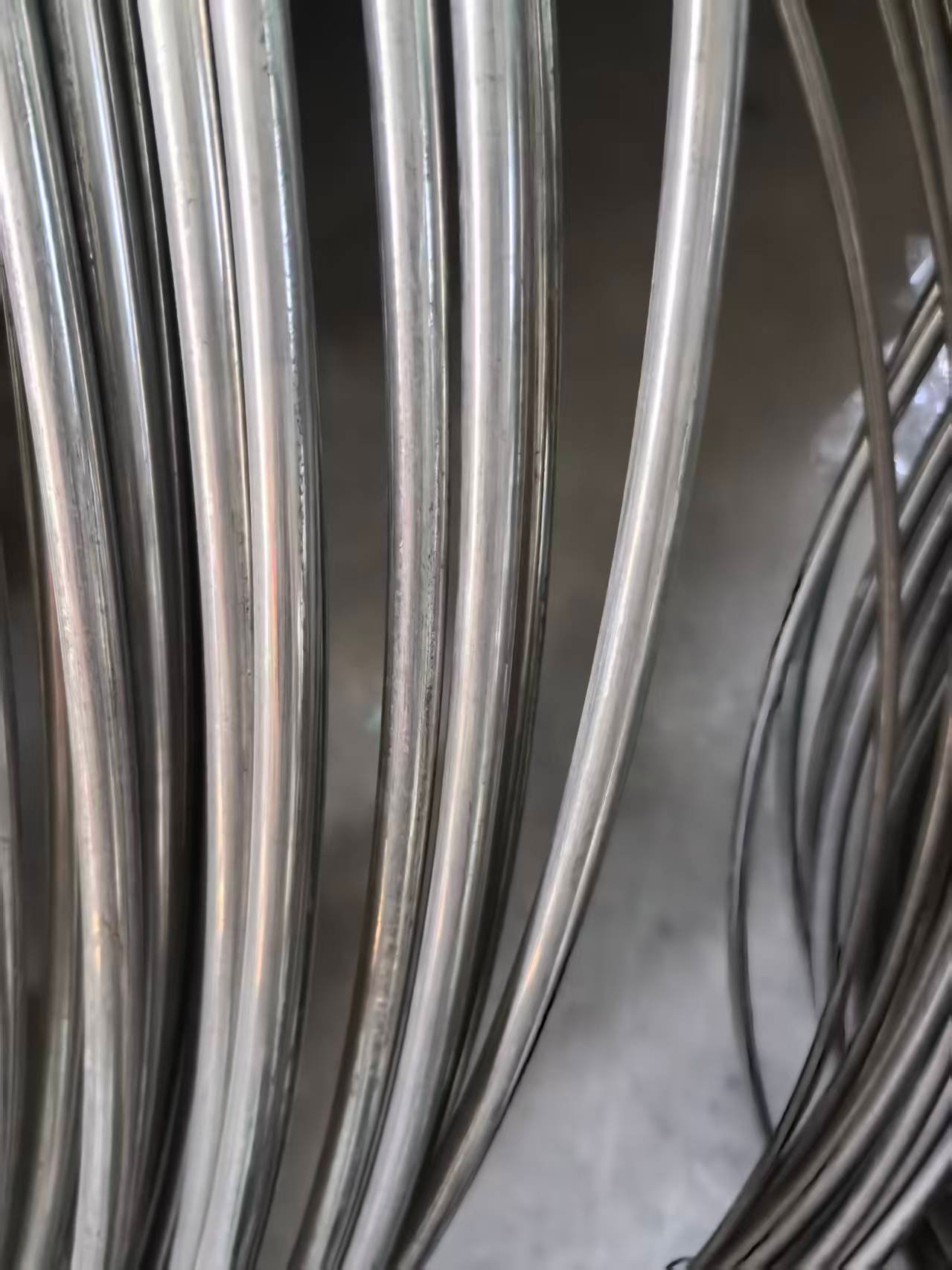
When we evaluate stainless steel wire, we look at it from three different angles. Getting a great result means all three areas need to be strong. Anything less, and you risk product failure.
1. Chemical Makeup Matters
The "stainless" in stainless steel comes from specific elements mixed into the iron. The type and amount of these elements determine the wire's core properties, especially corrosion resistance. Wires with higher amounts of nickel, chromium, and molybdenum will resist rust and corrosion much better. For example, 316L grade is a top performer because it has a high amount of these alloys and very low carbon, which makes it extra tough against corrosion, especially from salt or chemicals.
2. Physical Performance is Crucial
Beyond its chemical recipe, a wire's physical or mechanical properties are what you experience when you work with it. We check for a few things:
- Diameter Tolerance: High-quality wire has a very consistent thickness. A tolerance of ±0.01mm is a sign of excellent process control and is vital for automated machines.
- Tensile Strength: This is how much pulling force the wire can take before it breaks.
- Flexibility: The wire needs to be able to bend without breaking, depending on the application.
3. Production Process Defines Purity
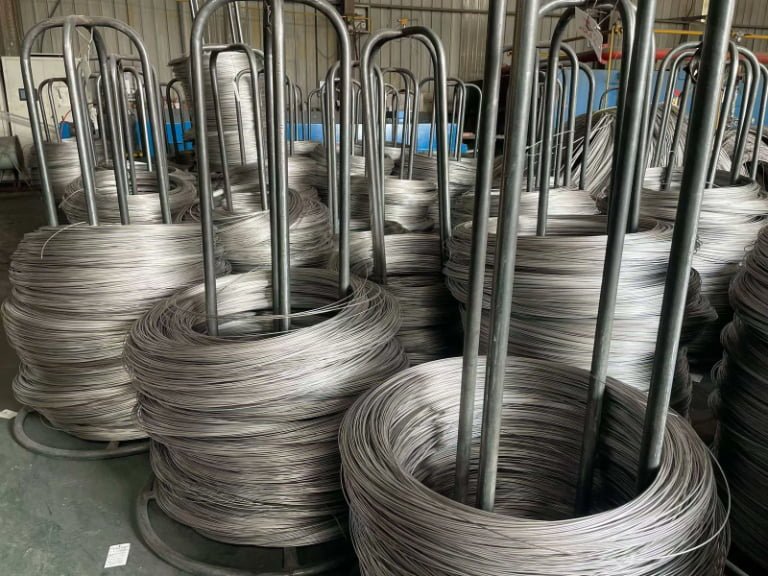
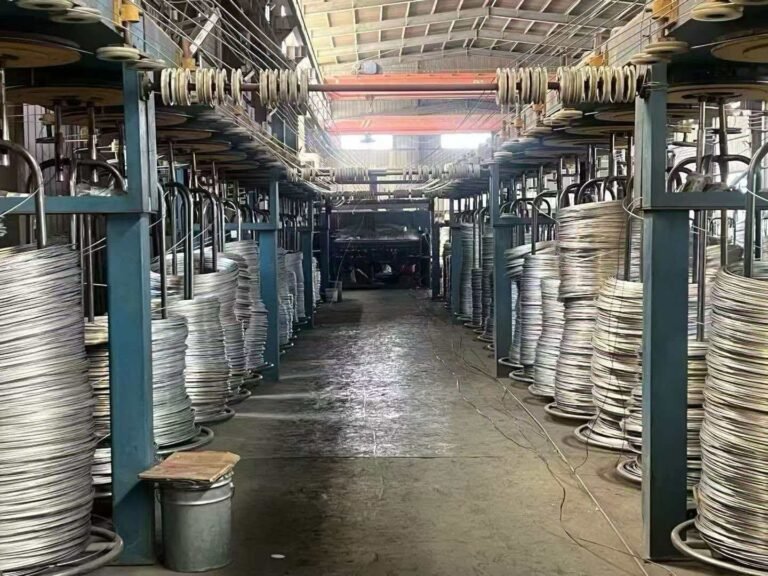
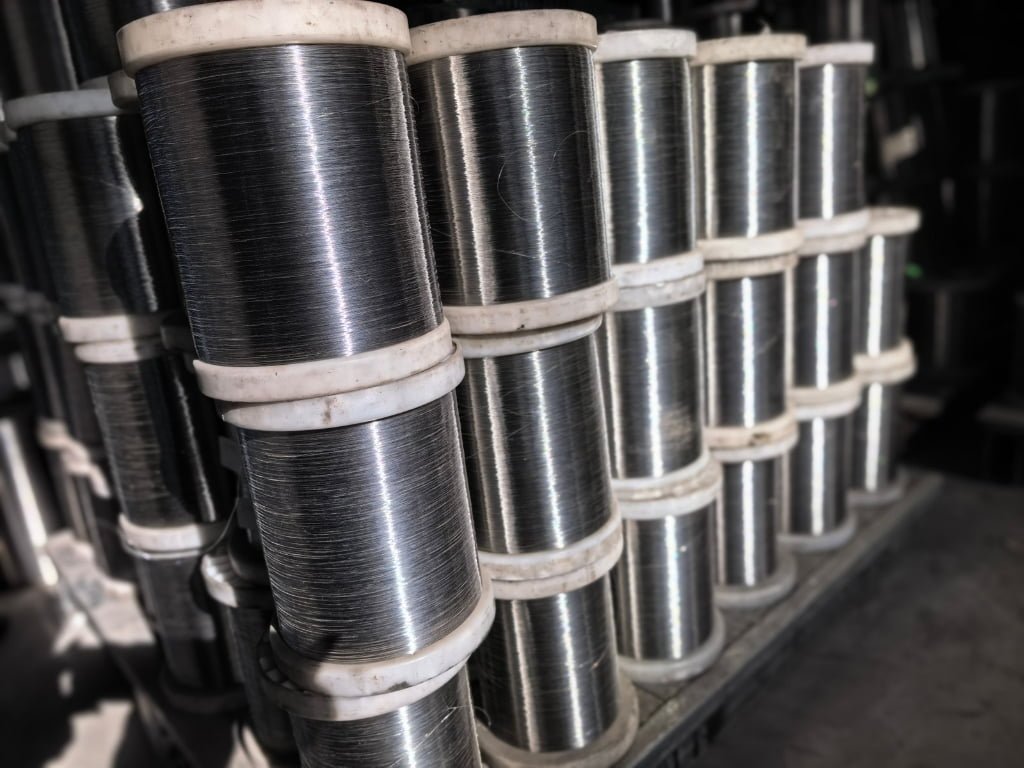
The best ingredients and physical properties can be ruined by a poor manufacturing process. Advanced techniques like vacuum melting help remove impurities from the steel. This results in a purer, stronger, and more reliable final wire. As a manufacturer, we use automated production lines and have QC staff with years of experience to ensure every spool is consistent.
Here is a simple table to show the differences:
| Grade | Key Elements | Main Benefit | Common Use |
|---|---|---|---|
| 316L | High Nickel, Molybdenum, Low Carbon | Excellent corrosion resistance | Medical devices, marine hardware |
| 304 | High Nickel, Chromium | Good general-purpose resistance | Kitchen sinks, general hardware |
| 201 | Lower Nickel, higher Manganese | Cost-effective strength | Decorative trim, indoor applications |
Is the best quality wire always the right choice?
You want the best for your project, but is paying for a top-tier material always necessary? Overspending on features you don't actually need just eats into your budget. Let's find the smart balance.
No, the highest-spec wire isn't always the right choice. The best wire is the one that meets your specific application's demands without being excessive. Choosing a wire that is perfectly suited for the job is often the most cost-effective and intelligent solution.
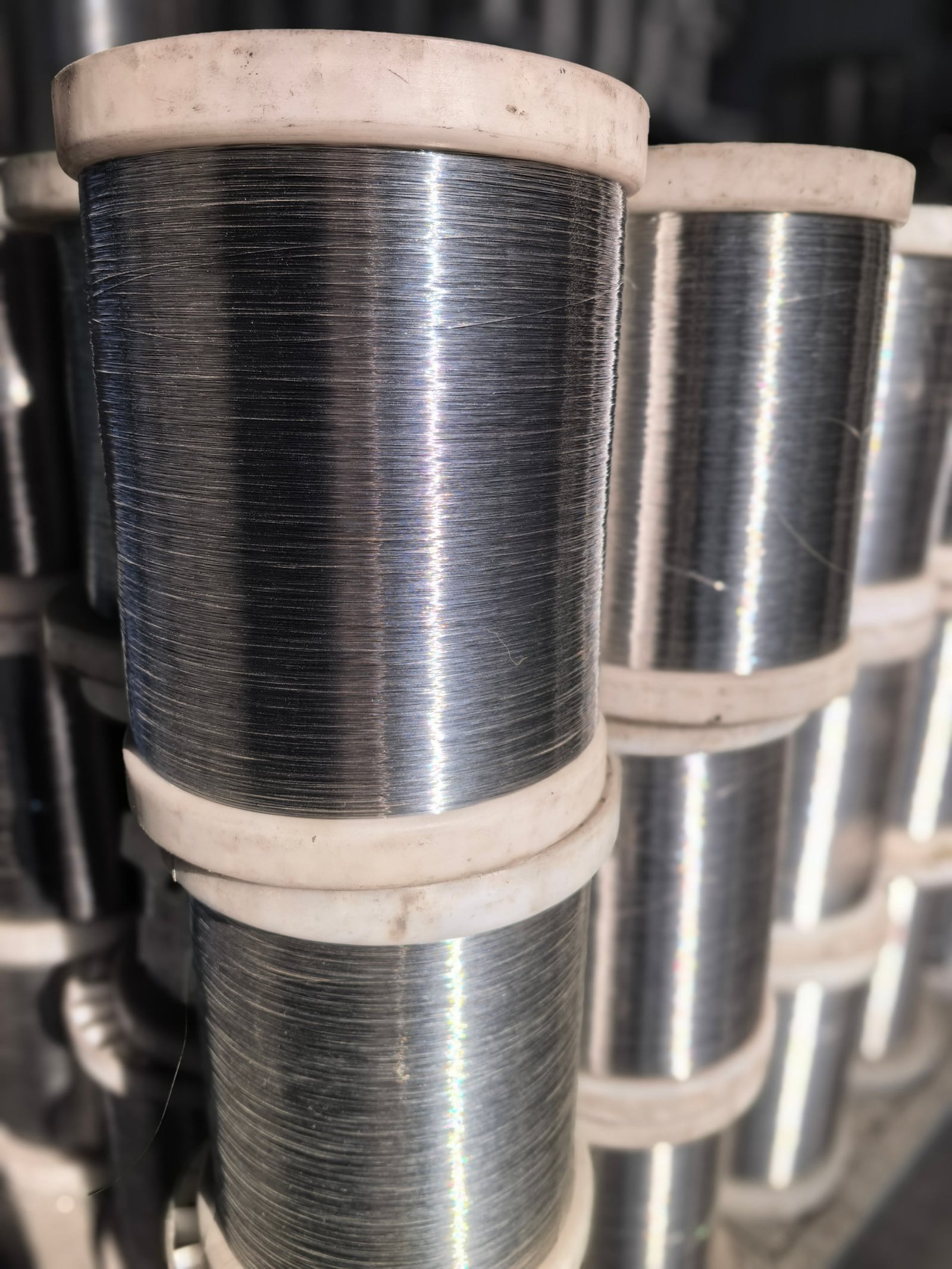
Let's go back to my client from Nigeria. His business was a perfect example of why "the best" is relative. He made two very different kinds of products: precision instrument components and high-end decorative pieces.
For his precision instrument parts, the answer was clear. These components were used in sensitive equipment where failure was not an option. They needed to resist corrosion completely and maintain their integrity for years. For these, we recommended 316L stainless steel wire. Its superior chemical composition and purity were not just nice-to-haves; they were essential for the product's function and reputation. In this case, the highest quality wire was absolutely the right choice.
However, he also made beautiful decorative products. For these items, appearance and strength were important, but they weren't going to be used in a harsh marine or chemical environment. Using 316L wire for a decorative indoor screen would be like using a race car for a trip to the grocery store. It works, but it's expensive and unnecessary. Here, we introduced him to 201 stainless steel wire. It has a great finish and is plenty strong for decorative use, but costs much less because it uses less of the expensive nickel alloy. It was the perfect fit. He got the premium look he wanted without paying for extreme corrosion performance he didn't need.
How can you get the right quality without overpaying?
Worried about your budget but don't want to compromise on quality? It often feels like you have to choose one or the other. We'll show you how to get both.
To avoid overpaying, work with a supplier who understands more than just metal. A true partner considers your specific application, suggests cost-effective alternatives, and even looks at factors like international trade policies that can lower your total project cost.
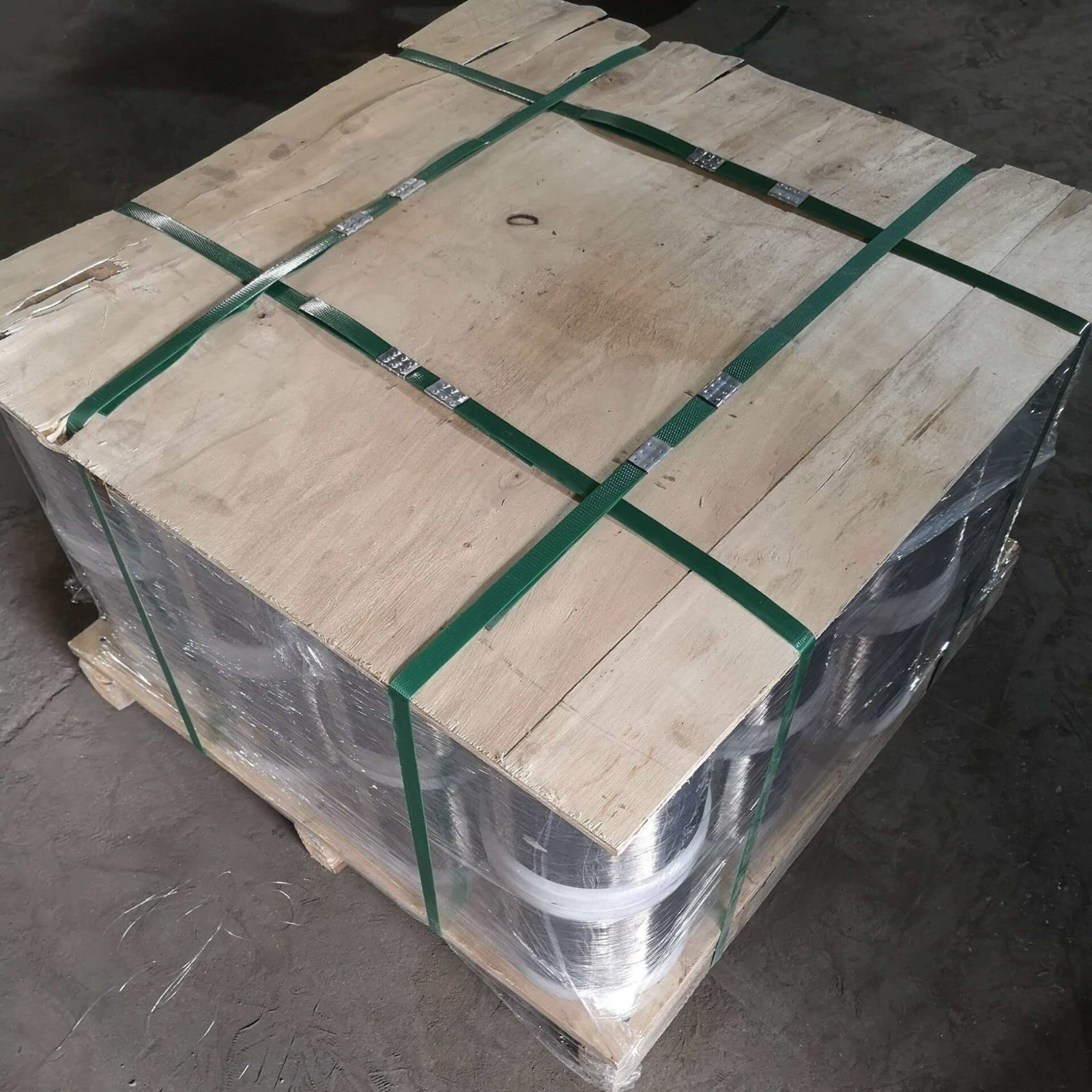
Our conversation with the Nigerian client didn't end with the technical specs. After we helped him choose 316L for his precision parts and 201 for his decorative items, we talked about his total cost of procurement. This is where a supplier becomes a partner.
We are based in China, and we make it our business to understand global trade. We brought up that China has a duty-free policy for many goods imported by African nations, including Nigeria. This was a piece of information he wasn't fully aware of, and it was a game-changer. It meant that his customs clearance process would be much simpler and, more importantly, his import costs would be significantly lower.
This financial benefit applied whether he chose the premium 316L or the economical 201. Knowing this lifted a huge weight from his budgeting process. He could now make his material decisions based purely on the technical needs of each product, confident that his overall costs were optimized. He moved forward with a mixed order of both 316L and 201 wire, perfectly allocating them to the right products. A few months later, he told us the quality was exactly what he expected and his costs were well under control. This is the value we strive to bring to every relationship—not just selling a product, but providing a complete, intelligent solution that helps our clients succeed.
Conclusion
Finding the "highest quality" wire is about matching the right material to your specific need and budget. The best choice comes from a partnership with a supplier who provides technical expertise and practical advice.