


Struggling with high costs for premium materials your customers don't seem to value? You might be overbuying. Smart material selection is key to protecting your profit margins.
No, you should not always choose 304 stainless steel wire. For many general wholesale applications, like indoor construction or basic hardware, the more affordable 201 grade is sufficient. It provides a better price point, making your products more competitive without sacrificing necessary performance.
I remember a specific case that really highlights this point. A wholesaler from Cambodia contacted us. He had heard great things about 304 stainless steel wire—its reputation for strong corrosion resistance is well-known. He was convinced that stocking up on 304 wire for his regular wholesale business would make his products more competitive. It seemed like a good idea on the surface, but as a manufacturer with over 25 years of experience, I felt we needed to talk more. Sometimes, what seems like the "best" product isn't the "right" product for the market. We had a long conversation to understand his business better before we started production. This simple chat ended up saving him a lot of money and frustration.
Is 304 Wire's Superior Corrosion Resistance Always Worth the Cost?
You want to offer the best quality to stand out. But the high price of premium 304 wire eats into your budget. Is that extra cost actually helping you win sales?
Not always. The exceptional corrosion resistance of 304 wire is critical for harsh environments like coastal areas or chemical plants. But for general indoor use or mild outdoor conditions, the extra cost doesn't translate into a visible benefit for the end-user, which hurts your price competitiveness.
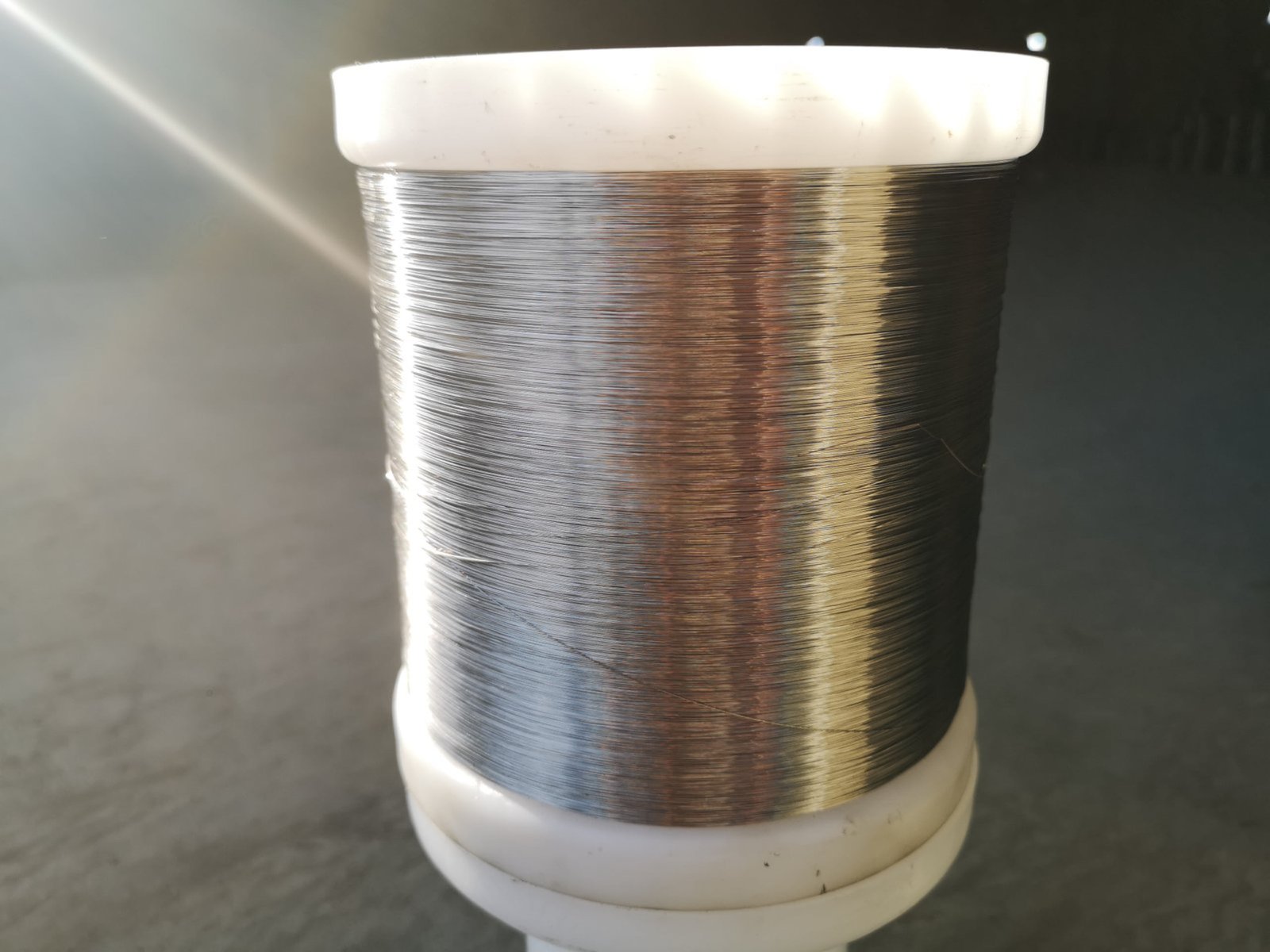
When I talked with our Cambodian client, I learned his customers were mostly small construction projects and local hardware makers. Their needs were practical and cost-sensitive. They used steel wire for things like indoor fixtures, simple shelving, or basic fasteners. None of these applications faced extreme weather, saltwater spray, or harsh chemicals. For them, 201 stainless steel wire was more than enough. It resists rust well in normal environments and looks just as good as 304 wire for these uses.
We explained that if he bought a large amount of 304 wire, his costs would rise significantly. He would then have to raise his prices. His customers, who were making simple hardware products, would not see or experience the superior corrosion resistance of 304. They would just see a higher price tag compared to his competitors. This would put him at a serious disadvantage. Over-specifying the material would price him out of his own market. It’s a common trap for wholesalers who want to sell "quality" but forget to ask what level of quality the end customer actually needs and is willing to pay for.
How Do You Match the Right Steel Wire to Your Customer's Needs?
It's hard to recommend the right wire when you're not sure about the end use. A wrong guess can lead to customer complaints or lost sales. It's a risk nobody wants.
The solution is simple: ask questions. Find out exactly where and how the wire will be used. Is it for an indoor or outdoor project? Will it be near the ocean? Understanding the application helps you recommend the right grade, balancing performance with cost.
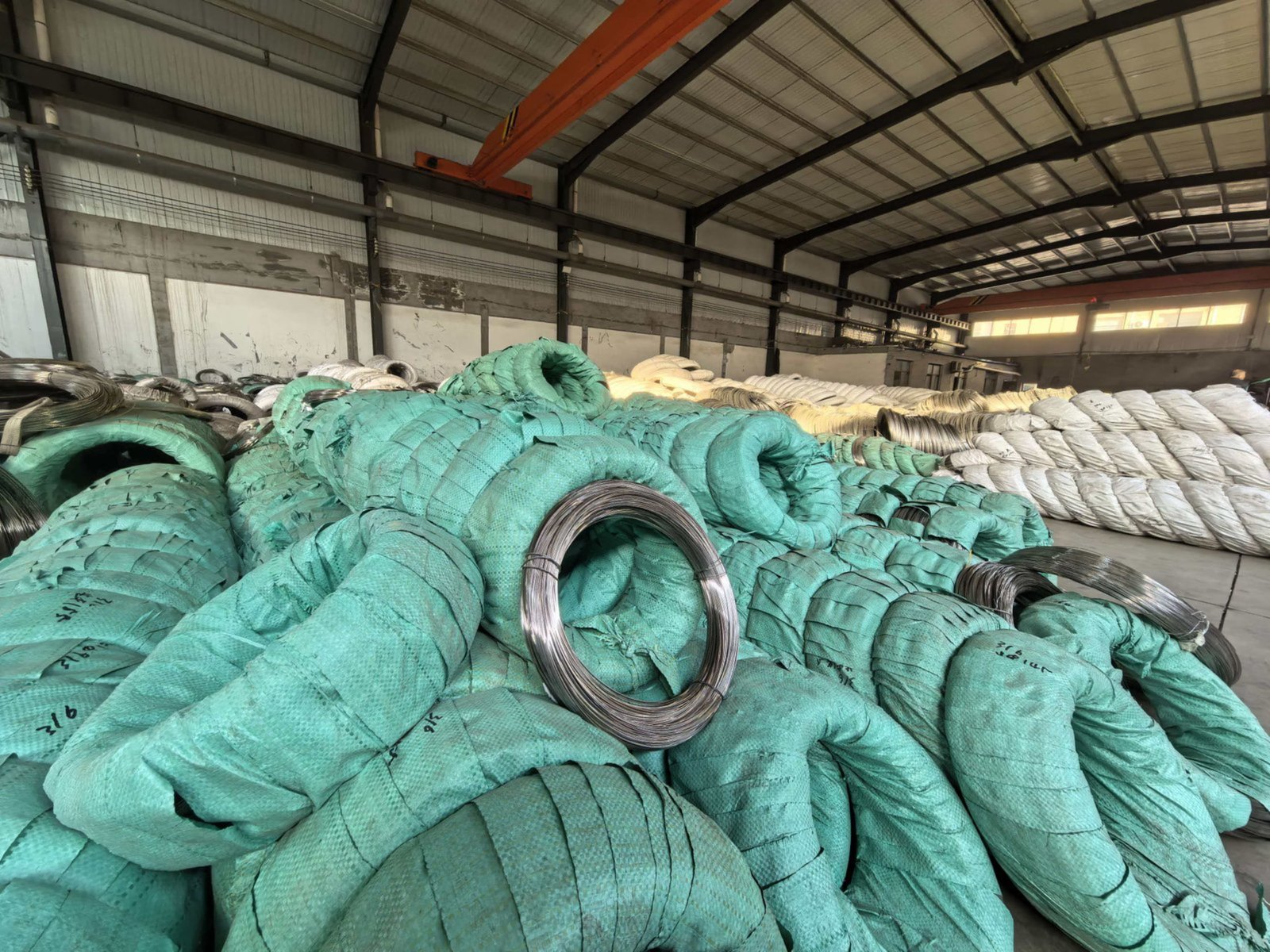
This is the advice we gave our Cambodian client. We suggested he become a consultant for his customers, not just a seller. Instead of just taking an order, he could ask a few key questions:
- Where will this product be used? Is it strictly indoors, or will it be exposed to rain? Is it in a city or a coastal town?
- What is the final product? Is it a decorative item, a structural component, or something for the food industry?
- Are there any specific standards to meet? Some applications, like medical devices or food processing, have strict rules that require 304 or even 316L grade steel.
For his customers in small construction, the wire might be used for tying elements inside a building, away from the weather. 201 grade is perfect for that. For the hardware makers producing hooks, brackets, or screws for indoor use, 201 is also the ideal choice. By guiding his customers to the most cost-effective solution that still met their needs, he could build trust. They would see him as an expert partner, not just a supplier. This approach helped him secure more loyal customers and avoid the problem of stocking expensive inventory that was too specialized for his market.
What's the Real Difference in Performance Between 201 and 304 Wire?
Technical specification sheets can be confusing with all their numbers and chemical symbols. You just want to know what it means for you and your customers in simple terms.
The primary difference is the nickel content. 304 stainless steel has a higher percentage of nickel, which is what gives it excellent resistance to rust. 201 stainless steel uses manganese instead of some nickel, making it more affordable but less corrosion-resistant.
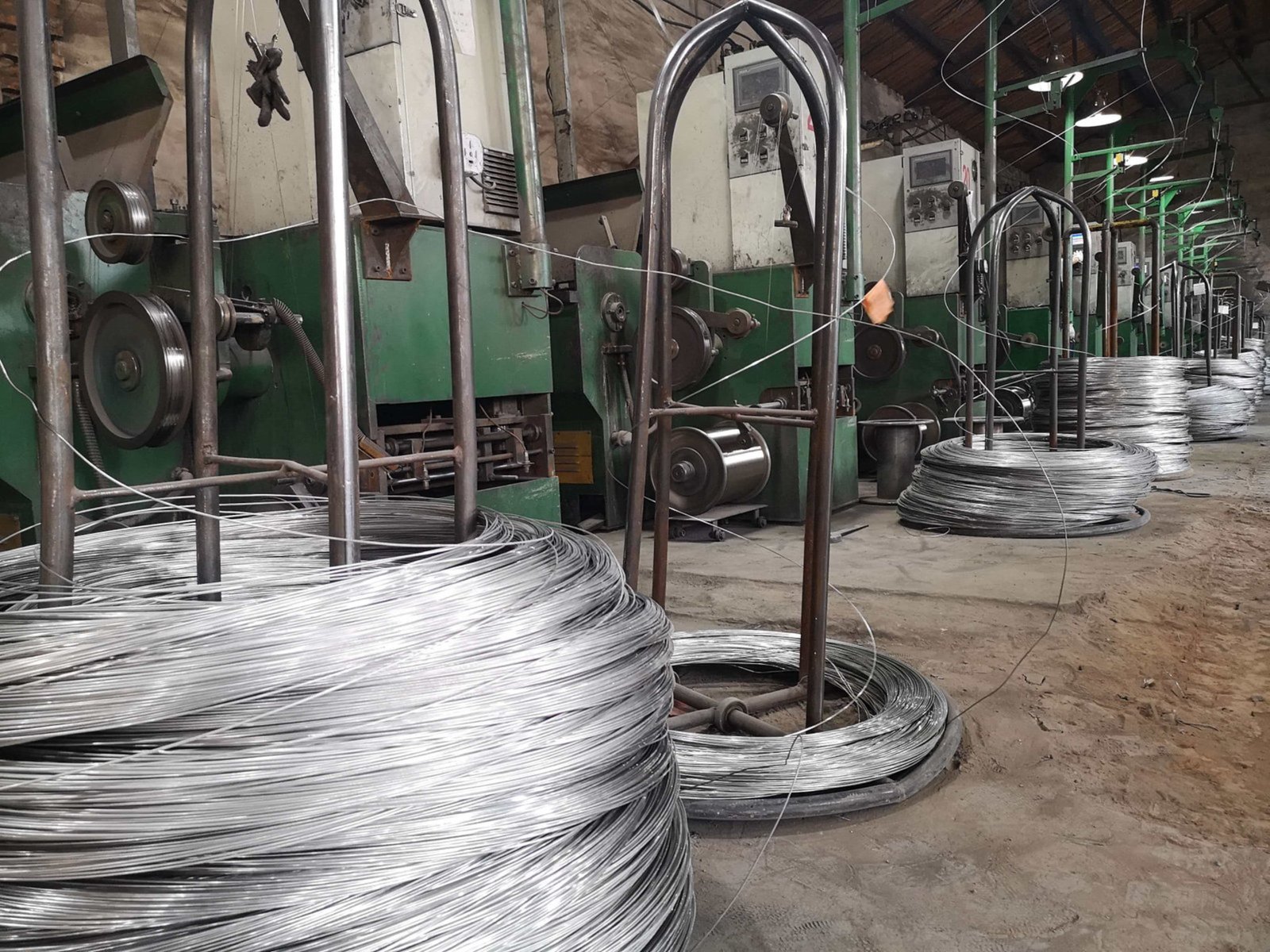
Let's break it down simply. Think of it like this: 304 is designed for tough jobs, while 201 is the reliable choice for everyday tasks. In our factory, we produce both grades to exact specifications, ensuring diameter tolerance of ±0.01mm. The quality of the wire itself is consistent; the key is choosing the right one for the job.
Here is a table to make it clearer:
| Feature | 201 Stainless Steel Wire | 304 Stainless Steel Wire |
|---|---|---|
| Key Element | Higher Manganese, Lower Nickel | Higher Nickel |
| Corrosion Resistance | Good for indoor and dry, non-corrosive environments. | Excellent for outdoor, humid, and mildly corrosive environments. |
| Cost | Lower, more budget-friendly. | Higher, a premium price for premium performance. |
| Typical Applications | Indoor decoration, kitchen utensils, general hardware. | Outdoor railings, food equipment, marine hardware, medical devices. |
For our Cambodian wholesaler, his market was almost entirely in the "Typical Applications" column for 201 steel. His customers weren't building boats or hospital equipment. They were building homes and making everyday items. By focusing on 201 wire, with a smaller, strategic stock of 304 for any special requests, he could offer competitive pricing and meet 95% of his market's needs. The result? He told us his sales went up, and his profits improved because his costs were lower. He avoided the risk of sitting on expensive 304 wire that his customers didn't need.
Conclusion
Choosing the right steel wire isn't about buying the most expensive grade. It's about making the smartest choice for the application to stay competitive and protect your bottom line.