


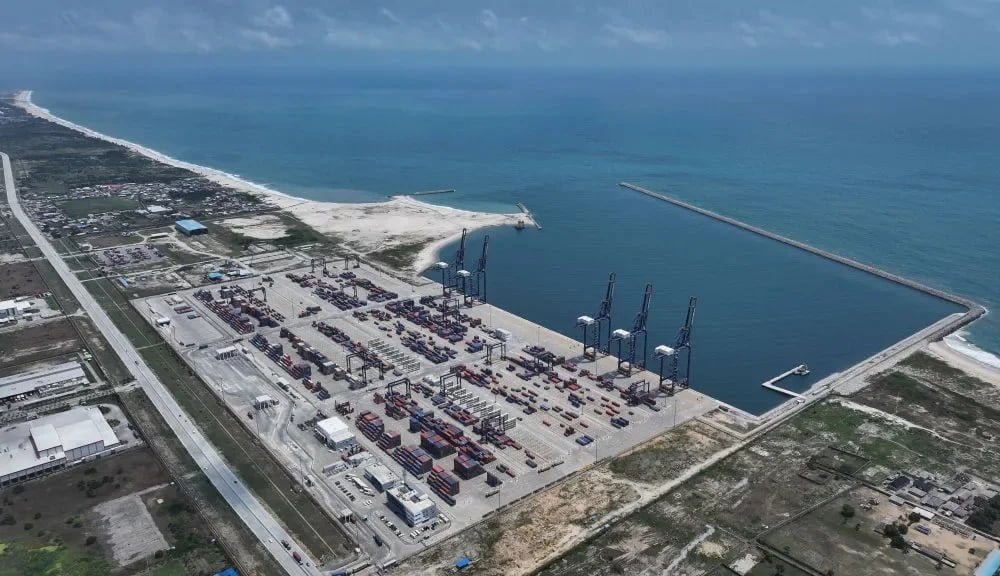
The East African Community's new infrastructure agreement is here. Are your material standards compliant, or will projects face delays? Understanding these changes is crucial for success in East Africa.
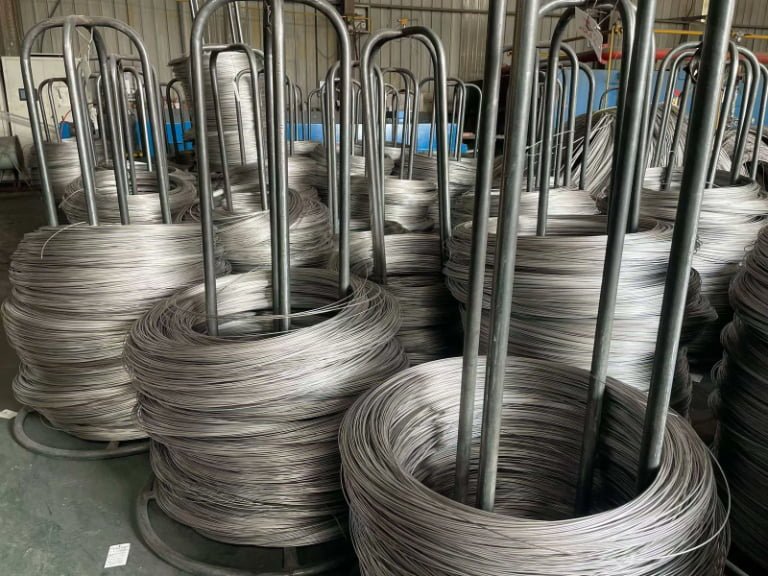
Yes, your projects can be ready. The new unified standards focus on key metrics like material strength and corrosion resistance. By verifying your suppliers' products, like 201 stainless steel wire, against these new benchmarks, you can ensure compliance and keep your projects on track.
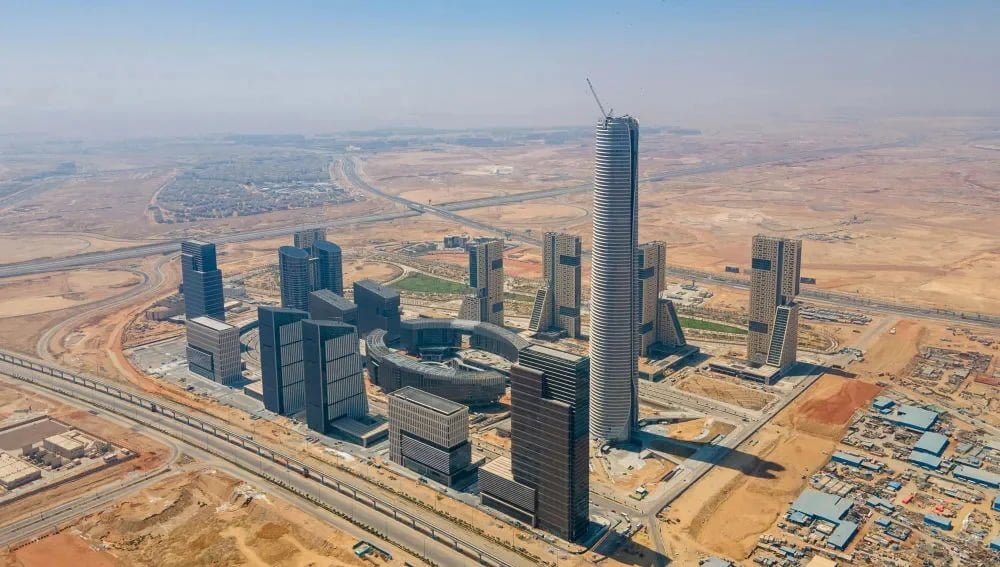
This change isn't just a headline on a news site; it has a real-world impact on projects and partnerships. I’ve been in the wire mesh industry for many years, and I’ve always kept a close eye on infrastructure developments in East Africa. This new agreement is one of the biggest shifts I’ve seen. Let me share a story about how we helped one of our partners navigate this exact situation. It all started with an important call from Kenya, which showed just how quickly you need to adapt in this business.
How to Navigate the New EAC Material Standards for Infrastructure?
New EAC standards can bring sourcing uncertainty. Choosing non-compliant materials for your project is a big risk that could lead to failure. Let’s explore how to confidently select the right products under these new regulations.
Navigate the new standards by focusing on material specifications for strength and corrosion resistance. For example, high-quality 201 stainless steel wire often meets these requirements. Also, consider cost benefits from trade policies, like China's duty-free access, to maintain a competitive edge.
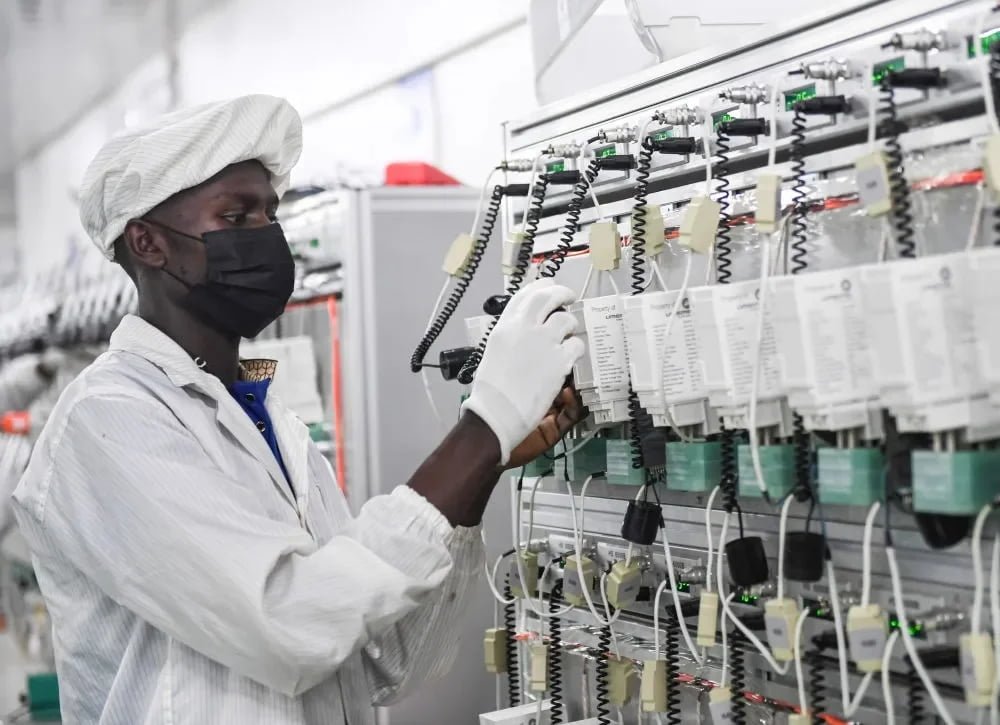
Not long ago, a long-term partner from Kenya called me. He’s involved in many major infrastructure projects across East Africa. The news of the EAC's unified material standards made him both excited and worried. He was excited because sourcing materials for cross-border projects could become much simpler. But he was worried about whether our products, especially the 201 stainless steel wire he often uses, would meet these new, stricter standards. My team and I immediately started looking into the new agreement. We found that the standards set clear rules for important qualities like material strength and how well it resists corrosion. This was a challenge we had to meet head-on to support our partner. We needed to give him clear answers, and fast.
Understanding the Key Metrics
The new agreement wasn't just a document; it was a roadmap for future construction in the region. We had to break it down to see exactly how our products fit in. The two most critical factors for our partner were strength and corrosion resistance. In East Africa, infrastructure has to endure everything from humid coastal air to dry, hot inland conditions. A material must be strong enough for structural support and durable enough to last for decades without failing. After reviewing the specifications, we compared them directly to the performance data of our 201 stainless steel wire. We have always maintained strict quality control, and this was the moment to prove its value.
| Standard Requirement | EAC Specification Details | Our 201 SS Wire Performance |
|---|---|---|
| Tensile Strength | Must be sufficient for structural support in large-scale, cross-border infrastructure projects like bridges and buildings. | Our wire has a tensile strength of ≥450MPa, which easily exceeds the demands of most general construction applications. |
| Corrosion Resistance | Must withstand varied climates to ensure long-term structural integrity and reduce maintenance costs over the project's lifespan. | Our wire consistently passes the 96-hour salt spray test, proving its ability to resist corrosion even in challenging environments. |
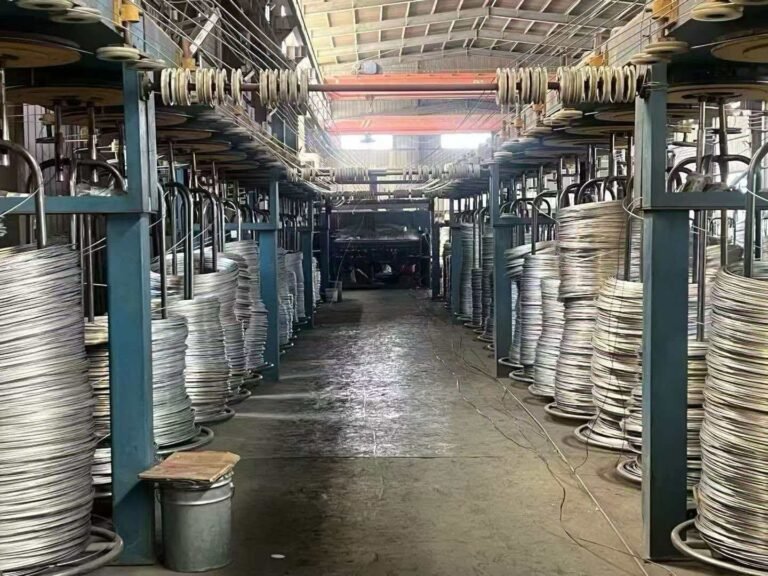
| Material Consistency | Uniformity in wire diameter and mechanical properties is essential for predictable performance and safety on site. | With a diameter tolerance of just ±0.01mm, our automated production lines ensure every batch is consistent and reliable. |
Providing a Complete Solution
With this data, I called my Kenyan partner back. I didn't just tell him our 201 stainless steel wire was compliant; I showed him exactly how. I walked him through the table, explaining that the strength of our wire was more than enough for his structural needs. I also highlighted its proven corrosion resistance, which would ensure long-term durability in the local climate. But I didn't stop there. I reminded him of another key advantage: China's duty-free policy for many goods imported by African nations. This meant he could source a fully compliant, high-quality product at a more affordable price, giving him a significant cost advantage on his bids. He was very happy to hear this news. He immediately told me he would be increasing his purchase orders for 201 stainless steel wire for his upcoming projects.
Conclusion
Staying informed on policy changes and proactively offering solutions is key. This not only builds trust with partners but also opens doors to new opportunities in evolving markets.