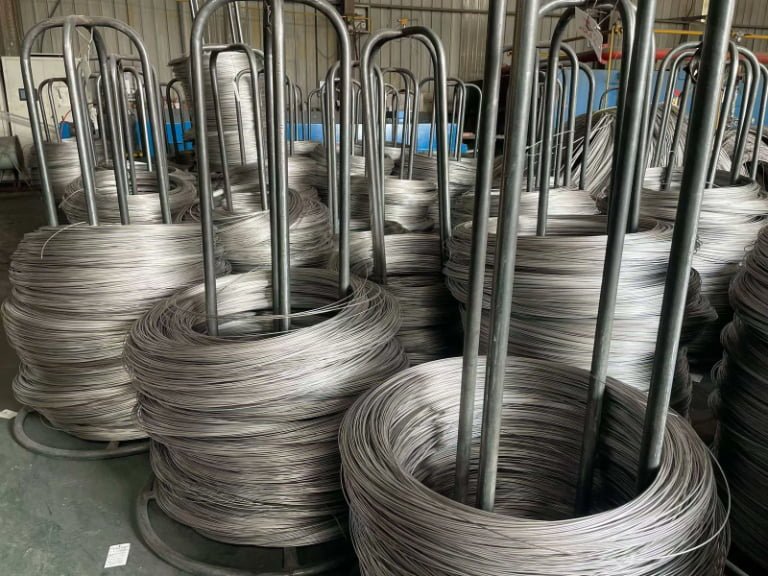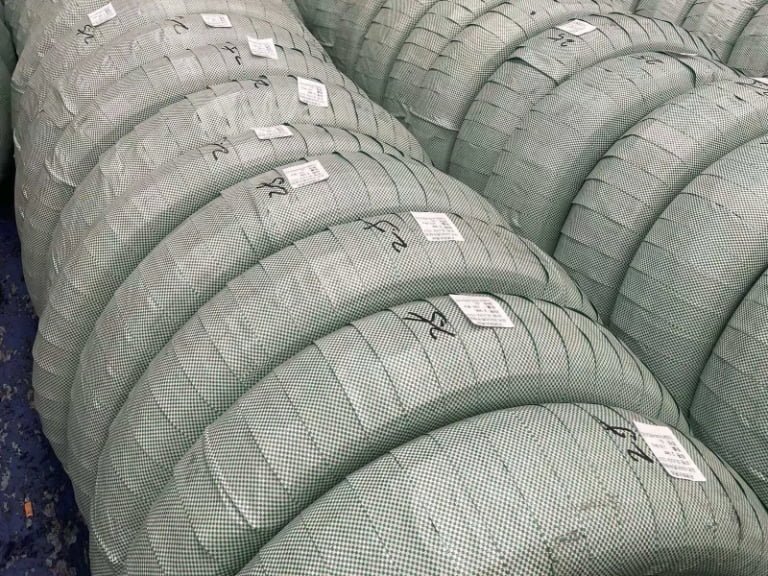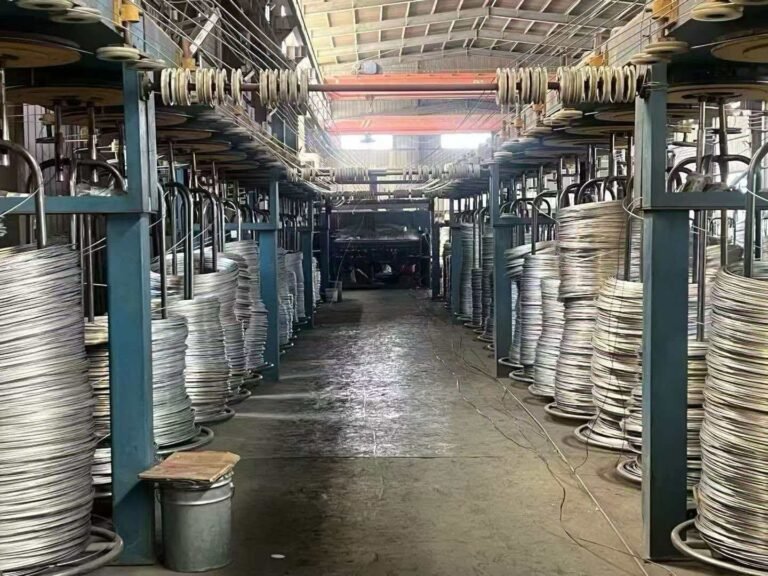



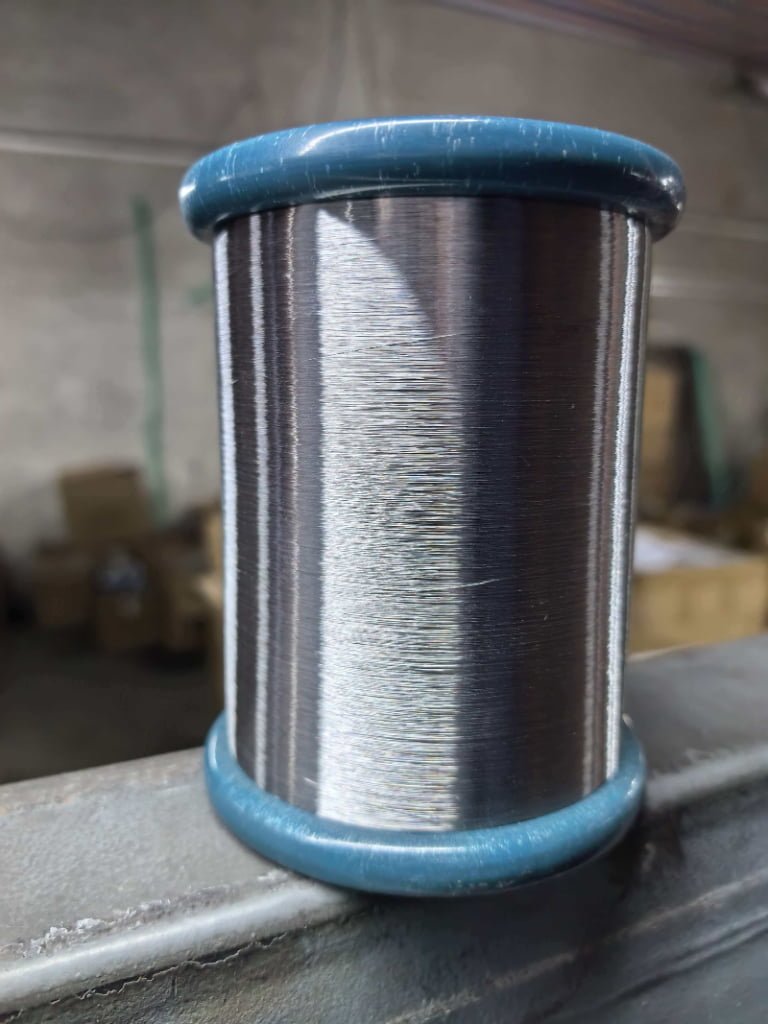
Sourcing high-quality stainless steel wire is tough. When your target is Japan, the challenge multiplies, as even tiny flaws can lead to rejection and damage your reputation.
The Japanese market for stainless steel wire is exceptionally demanding due to its focus on high-tech and precision manufacturing. Buyers require strict adherence to Japanese Industrial Standards (JIS) and often have even tougher internal quality controls for diameter tolerance, material purity, and mechanical performance.
I've learned firsthand that succeeding in Japan isn't just about selling a product; it's about meeting a standard of excellence. This journey has been challenging, but it has made us a better manufacturer. If you want to understand what it takes to supply stainless steel wire to one of the world's most quality-conscious markets, keep reading. My experiences might just help you navigate this complex landscape.
Why are Japan's quality standards for stainless steel wire so strict?
You think your wire is high quality, but it keeps getting rejected by Japanese clients. This wastes time, money, and can seriously damage the trust you're trying to build.
Japanese quality standards are incredibly strict because their end-products, like precision electronics or medical devices, rely on flawless components. They follow Japanese Industrial Standards (JIS) but often enforce even stricter internal company benchmarks for things like diameter tolerance and material purity to ensure ultimate performance.
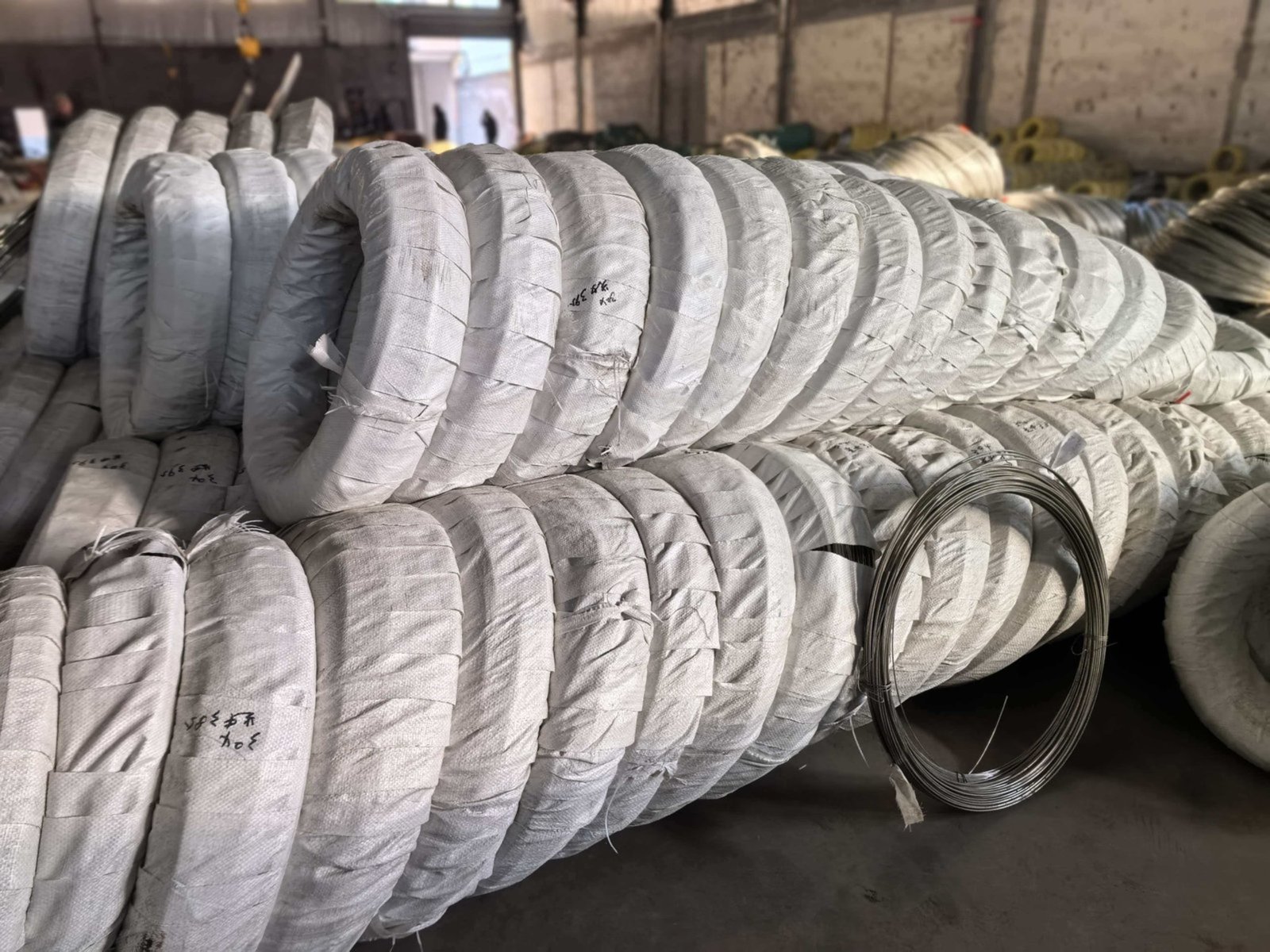
I learned this lesson when we received an inquiry from a Japanese high-end manufacturer. They needed a special stainless steel wire for an internal component in a precision electronic device. During our talks, I realized their quality requirements were on another level. They followed JIS, of course, but their own internal standards were even more demanding. For example, the wire’s flexibility, corrosion resistance, and dimensional accuracy had to be perfect. They told us that even a microscopic deviation in diameter could compromise the final device’s performance. This expectation for perfection is rooted in a culture where quality is not just a goal, but the starting point for everything. It’s why they scrutinize every detail, from raw material composition to the final packaging.
Key Quality Benchmarks for the Japanese Market
| Parameter | Standard Requirement | Typical Japanese Client Requirement |
|---|---|---|
| Diameter Tolerance | ±0.03mm | ±0.01mm or less |
| Material Standard | ISO, ASTM | JIS + Stricter internal standards |
| Surface Finish | Standard bright finish | Flawless, uniform, often polished |
| Test Reports | Standard batch report | Detailed chemical & mechanical reports per coil |
What specific material properties matter most for stainless steel wire in Japan?
You're offering standard stainless steel wire, but Japanese buyers are asking for specific performance data. Not having these answers can make you seem unprepared and cost you the deal.
For the Japanese market, key properties include exceptional corrosion resistance, often proven with a 96-hour salt spray test, and precise mechanical properties like tensile strength and flexibility. Grades like 304 and 316L are standard, but their performance must be consistently at the highest level.
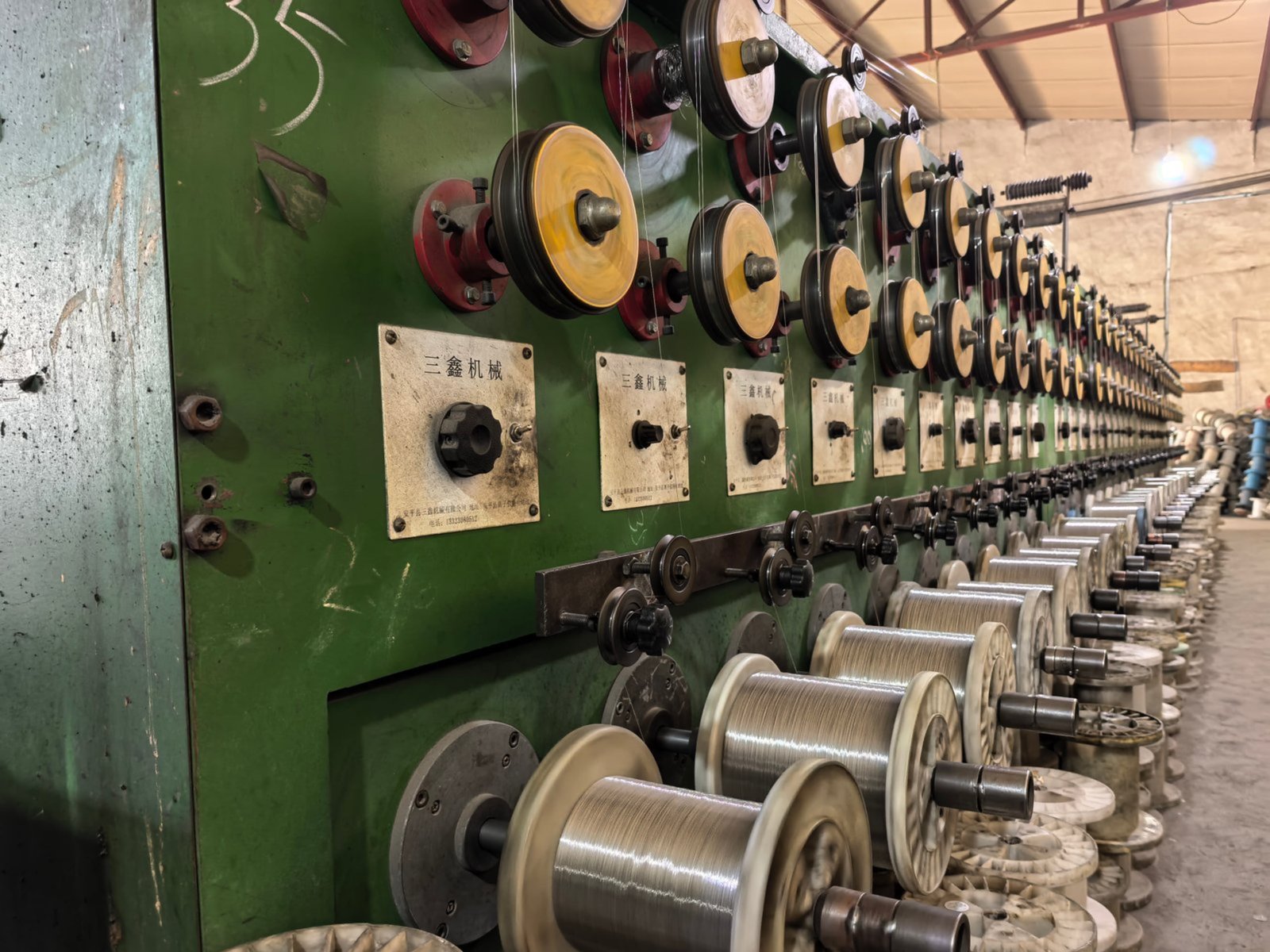
The Japanese electronics company I mentioned needed more than just a thin wire. They needed a material that could bend precisely without weakening and resist corrosion over a long lifespan. This meant we had to go beyond just hitting a specific diameter. Our focus shifted to the wire's fundamental properties. We started by carefully selecting the highest-purity raw materials. Then, our technical team fine-tuned our production process. We used precision annealing to achieve the exact flexibility they needed while maintaining high tensile strength. To guarantee corrosion resistance, we put our samples through a rigorous 96-hour salt spray test, simulating years of exposure to harsh conditions in just a few days. We documented everything, providing them with comprehensive reports that showed our wire didn't just meet their specs—it exceeded them. This deep dive into material science was crucial. It showed them we understood their problem, not just their order.
Critical Performance Metrics
- Corrosion Resistance: The ability to withstand harsh environments is non-negotiable. For many applications, passing a 96-hour salt spray test is a minimum requirement, proving the material's long-term stability.
- Mechanical Consistency: Whether it's the high fatigue life for a spring or the specific tensile strength for a structural component, the wire's mechanical properties must be uniform across the entire batch.
- Dimensional Stability: The wire must hold its precise shape and diameter under stress and temperature changes, which is vital for automated assembly lines and high-precision applications.
How do you successfully partner with a Japanese stainless steel wire buyer?
You have a great product, but you're struggling to build trust and open doors with Japanese clients. Miscommunication and a simple lack of understanding can end a partnership before it even starts.
Success with Japanese buyers comes from a collaborative approach. It involves providing deep technical support, offering samples for rigorous testing, and showing a true commitment to meeting their exact needs. This builds a long-term partnership, not just a one-time sale.
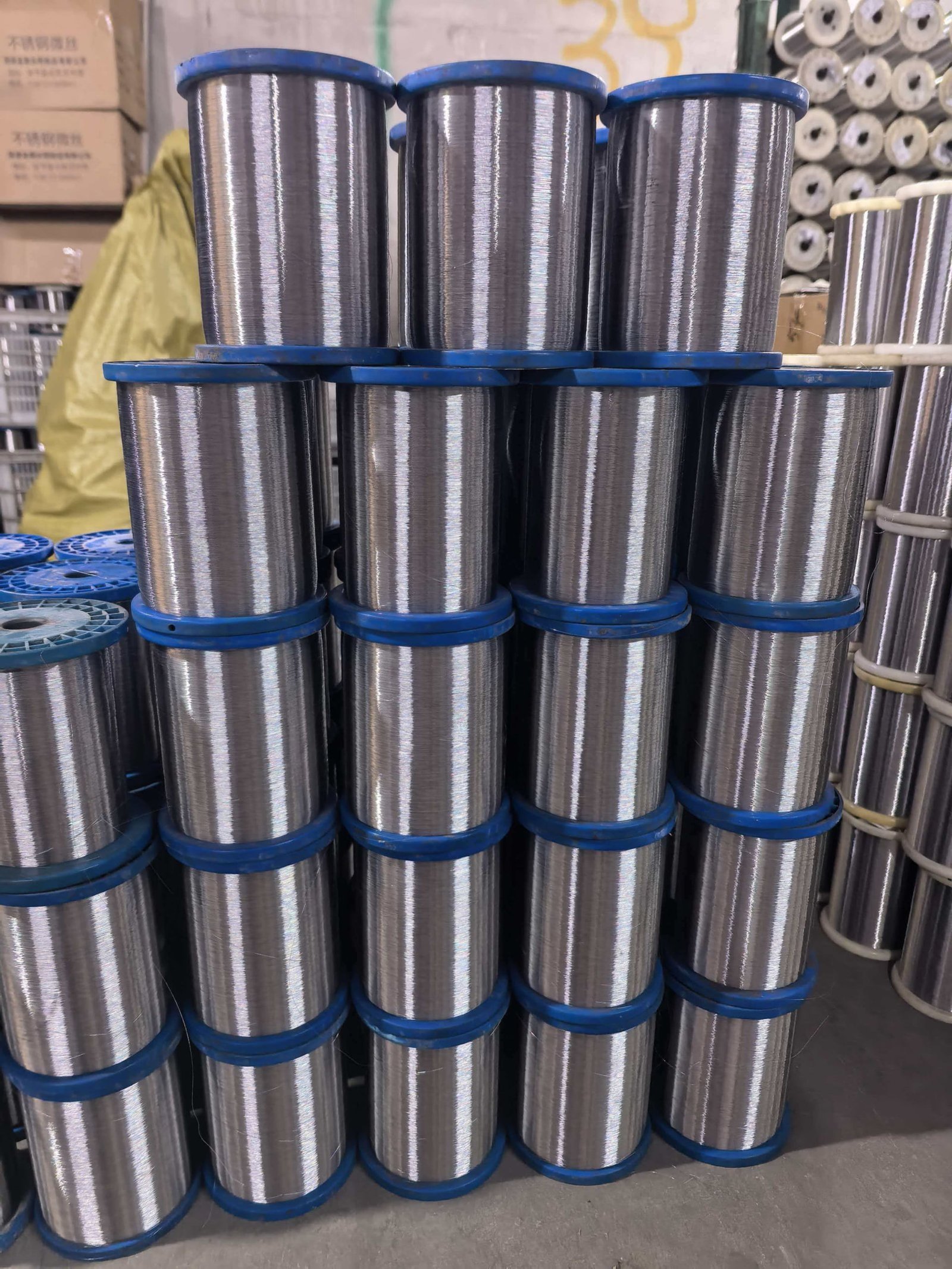
Winning that contract with the Japanese electronics firm was a masterclass in partnership. It wasn't enough to just send a quote. We had to become an extension of their engineering team. To meet their demand for extreme precision, our technical experts optimized our cold drawing process, allowing us to control the wire diameter to a tolerance we had never achieved before. We didn't just send one sample; we sent several, each one a slight improvement based on their detailed feedback. This back-and-forth was not a burden; it was a conversation. It showed them we were listening and were committed to getting it exactly right. After several iterations, we produced a wire that perfectly matched their needs. When we delivered the final products, they were not just satisfied; they were impressed. That initial project turned into a long-term relationship, all because we were willing to invest the time and effort to collaborate deeply.
Conclusion
Success in Japan's stainless steel wire market depends on a total commitment to quality, understanding specific performance needs, and building a collaborative partnership based on trust and technical excellence.