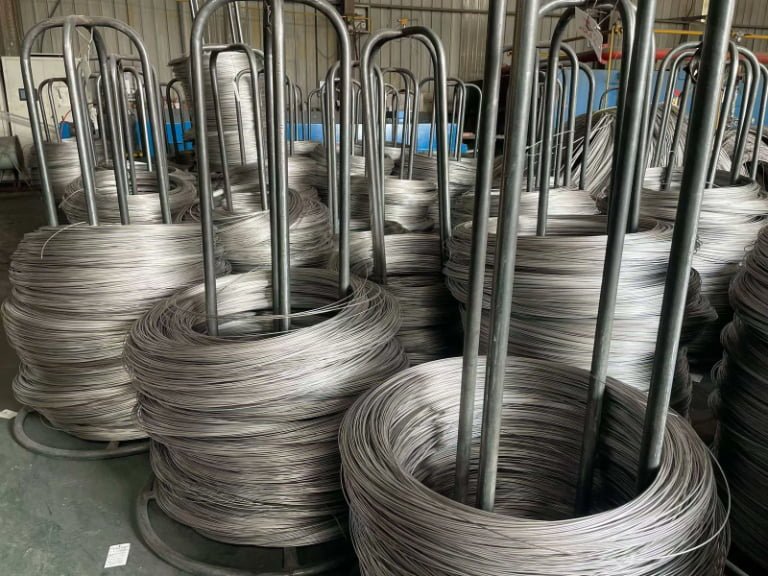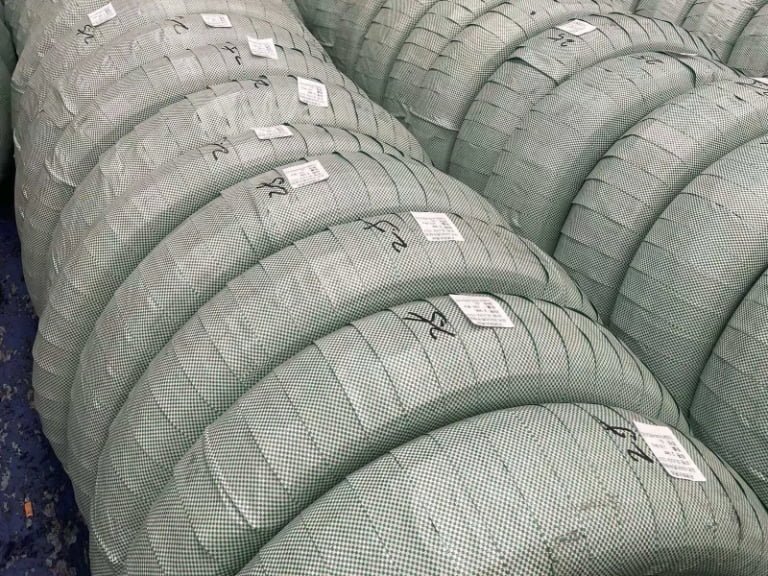


Uganda's infrastructure investment is expanding from the capital to nationwide, and demand for higher-quality construction materials is rising in parallel. Here's the market logic behind 201 stainless steel wire's sustained growth in this landlocked East African country.
Buyers like Nakato, who are scaling up their 201 stainless steel wire orders to meet growing demand from Uganda's infrastructure projects, are relying on our product page for consistent factory-direct supply: https://mfgwiremesh.com/metal-wire/201-stainless-steel-wire/.
Struggling to find construction materials that last in Uganda's humid climate? Inferior wires rust and fail, causing costly project delays. 201 stainless steel wire offers a durable, cost-effective solution.
The demand for 201 stainless steel wire is rising in Uganda because of a massive infrastructure boom. Contractors on road and oilfield projects prefer it over traditional galvanized wire. Its superior corrosion resistance is ideal for Uganda's long rainy season, ensuring durability at a competitive price.
Just the other day, I got a message from Nakato, a building materials importer in Kampala who started buying 201 stainless steel wire from my factory last year. She wanted to double her next order and asked if I could guarantee the delivery time. I was curious about the sudden increase. She explained that inquiries have shot up over the last three months, mostly from new road projects in eastern and northern Uganda. Her story didn't surprise me at all. It perfectly illustrates a trend I've been watching closely, and it shows why having a reliable supply chain is more critical than ever.
How are Road Upgrades Driving the Switch from Galvanized to 201 Stainless Steel Wire?
Using the wrong tying wire for rebar can lead to disaster. When galvanized wire rusts during long rainy seasons, it weakens the entire concrete structure. A cost-effective, rust-resistant alternative is essential.
Contractors are switching to 201 stainless steel wire for rebar tying on road and bridge projects. It withstands Uganda's heavy rainfall far better than traditional galvanized wire. This ensures long-term structural integrity and reduces future maintenance costs, making it a smarter investment.
Nakato’s experience lines up with what I know about Uganda's national development plans. The Uganda National Roads Authority (UNRA) is pushing forward with several major highway upgrades. They are converting many gravel roads into asphalt concrete roads and completely rebuilding bridges and culverts along the way. All this work requires huge amounts of rebar tying wire. In the past, galvanized iron wire was the standard choice because it was cheap. But contractors are learning a hard lesson. Uganda’s long and intense rainy seasons are brutal on galvanized wire. The zinc coating wears off, and the wire starts to rust, potentially compromising the concrete's strength over time.
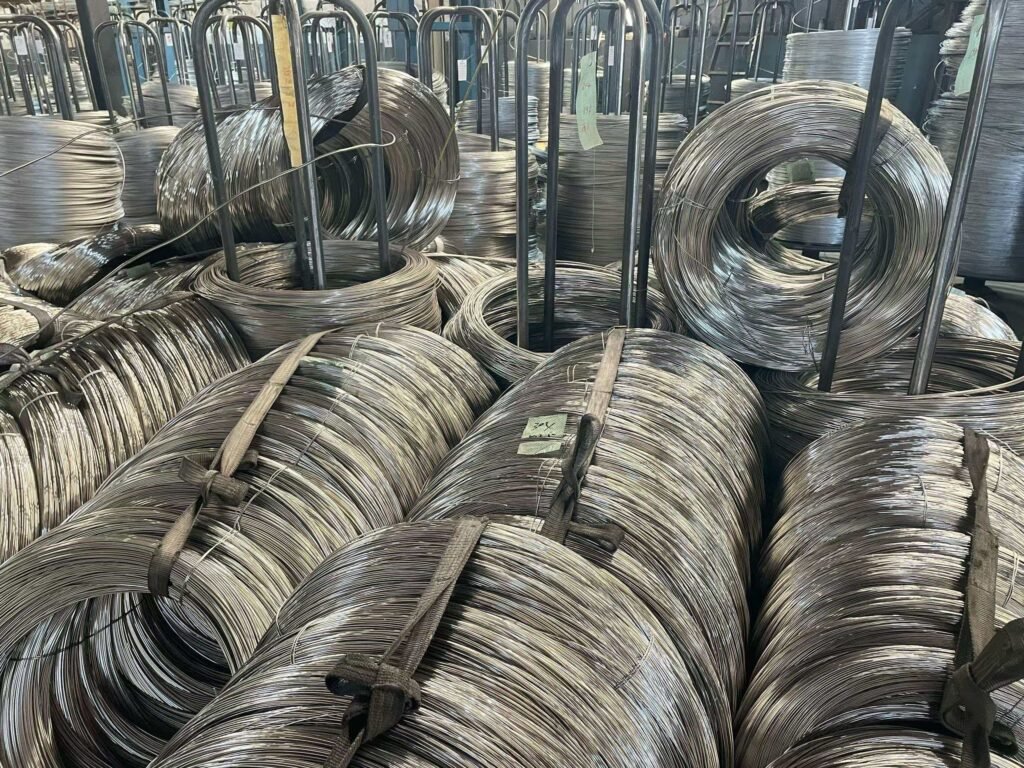
This is where 201 stainless steel wire comes in. It offers a perfect balance of performance and cost. It’s not as expensive as marine-grade 316L, but it provides significantly better corrosion resistance than galvanized wire. For projects like tying rebar in culverts and bridges that are constantly exposed to moisture, 201 wire is the ideal upgrade. It ensures the job is done right the first time.
201 Stainless Steel Wire vs. Galvanized Wire
| Feature | Galvanized Iron Wire | 201 Stainless Steel Wire |
|---|---|---|
| Corrosion Resistance | Low to Moderate | Good |
| Lifespan in Humid Climate | 1-3 Years | 10+ Years |
| Initial Cost | Low | Moderate |
| Long-Term Value | Poor (requires replacement) | Excellent (durable) |
| Application | General, temporary use | Structural rebar tying, fencing |
What Role Does 201 Stainless Steel Wire Play in Uganda's New Oilfields?
Oil and gas projects operate under strict standards where material failure is not an option. Any weak link, even in simple applications, can cause huge delays and safety risks. You need a reliable material.
In Uganda's Albertine Graben oilfields, 201 stainless steel wire is specified for essential jobs like tying reinforcement mesh and building security fences. Its reliable rust resistance meets the energy sector's higher durability standards without the high cost of premium-grade alloys.
Beyond the road networks, Uganda's other major growth driver is the development of oilfields in the Lake Albertine region. This area is now moving into the heavy infrastructure phase. This includes building everything from well site access roads and processing facilities to support structures for pipelines. Every single part of this construction needs tying wire and fencing wire. The material requirements on these projects are much higher than on a typical construction site. Rust prevention is a non-negotiable, basic requirement.
This is another area where 201 stainless steel wire has found a strong market position. For applications like securing site perimeters with fencing or tying rebar for concrete foundations, 201 wire delivers the required performance. It provides the long-term corrosion resistance needed to minimize maintenance in a critical industrial environment. While some specialized components might require high-grade 316L steel, 201 is the go-to choice for many general-purpose applications where durability and cost-effectiveness are both important. It's a practical solution that meets the higher standards of the oil industry.
Why are International Contractors in Uganda Choosing Chinese 201 Stainless Steel Wire?
Sourcing consistent, high-quality materials in a new market can be a major headache. Working with unproven local suppliers can lead to quality issues and project delays. A reliable manufacturing partner is key.
International contractors, particularly from China and Turkey, prefer Chinese 201 stainless steel wire. They are already familiar with its reliable quality and performance from past projects. They confidently source it through local Ugandan importers who have direct relationships with established manufacturers like us.
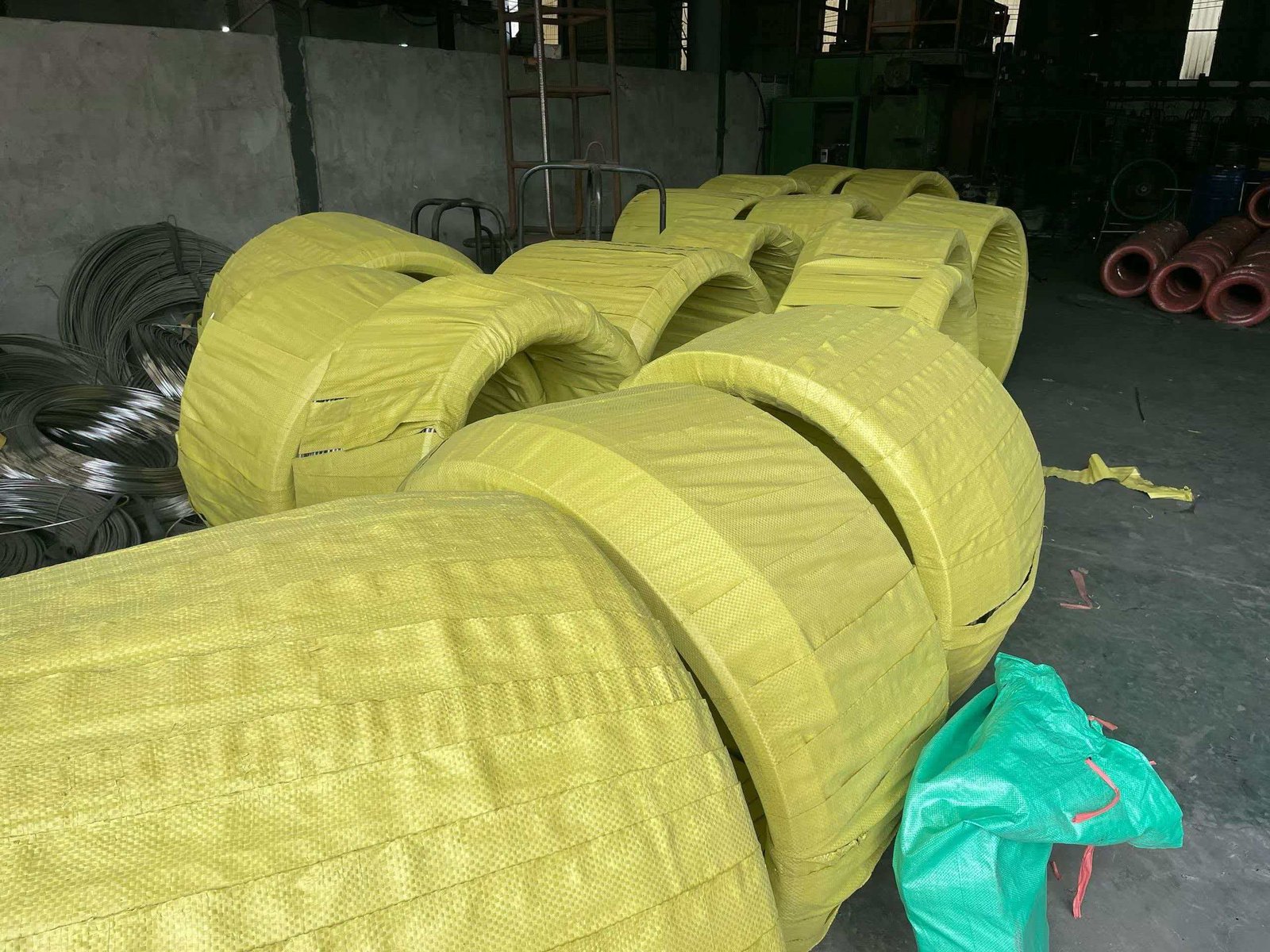
Nakato mentioned that her business is no longer just local to Kampala. She has started supplying several large batches of wire to projects in Gulu and Soroti. Northern Uganda has historically developed slower than the south, but infrastructure work there is now accelerating rapidly. Many of these new projects are managed by Chinese and Turkish contractors. These firms are very familiar with Chinese material standards and supply chains. They know what to expect from 201 stainless steel wire and trust its quality for their projects. So, when they need it, they turn to local importers like Nakato who can get it for them.
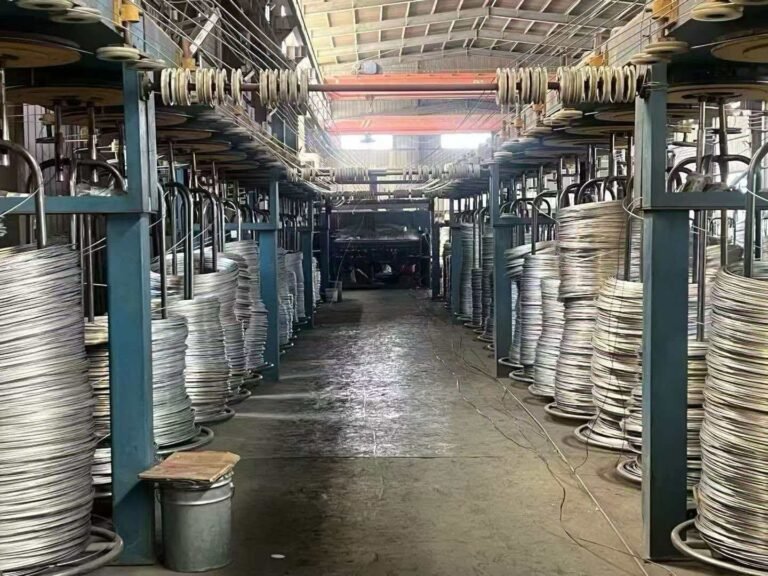
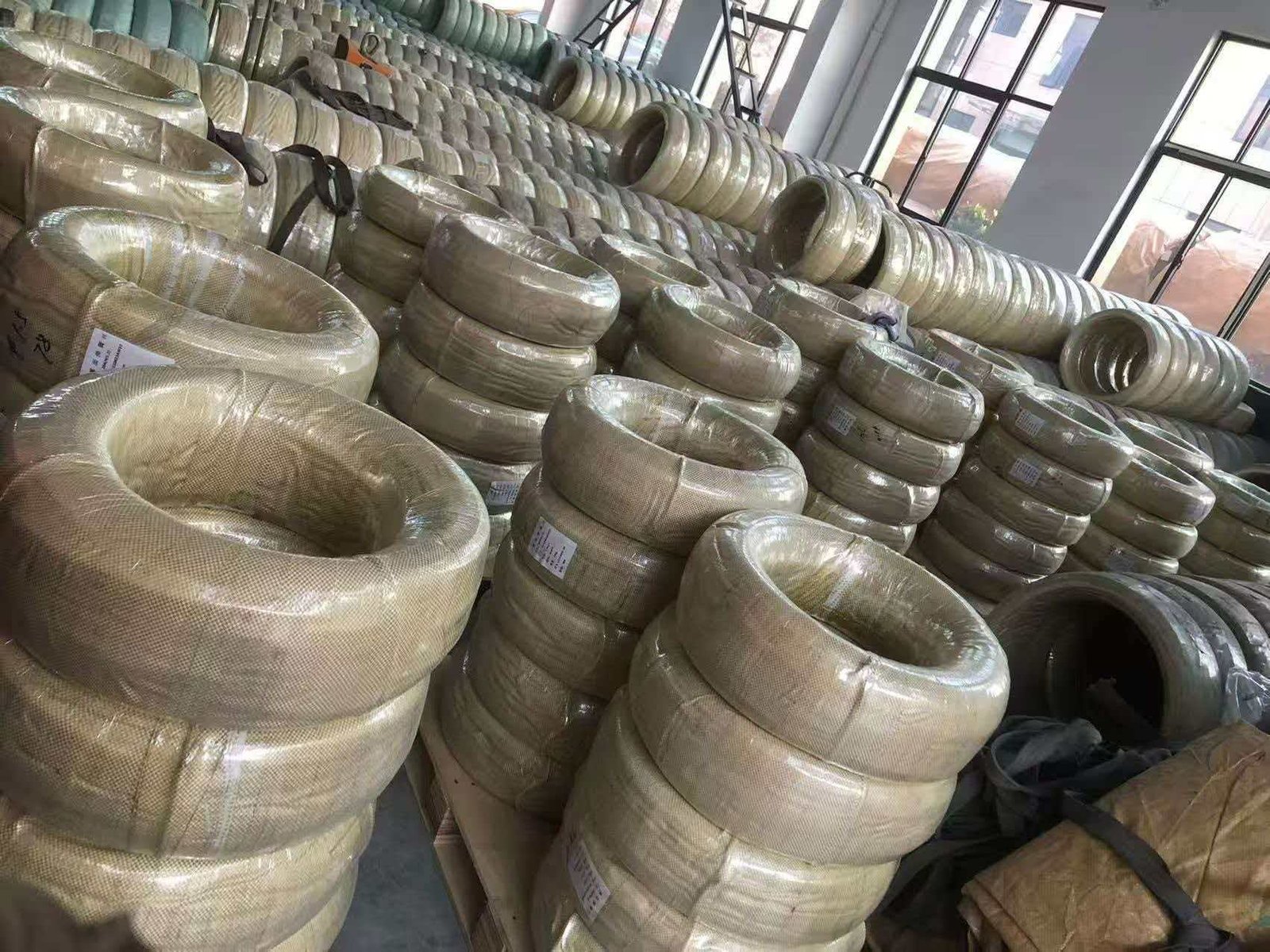
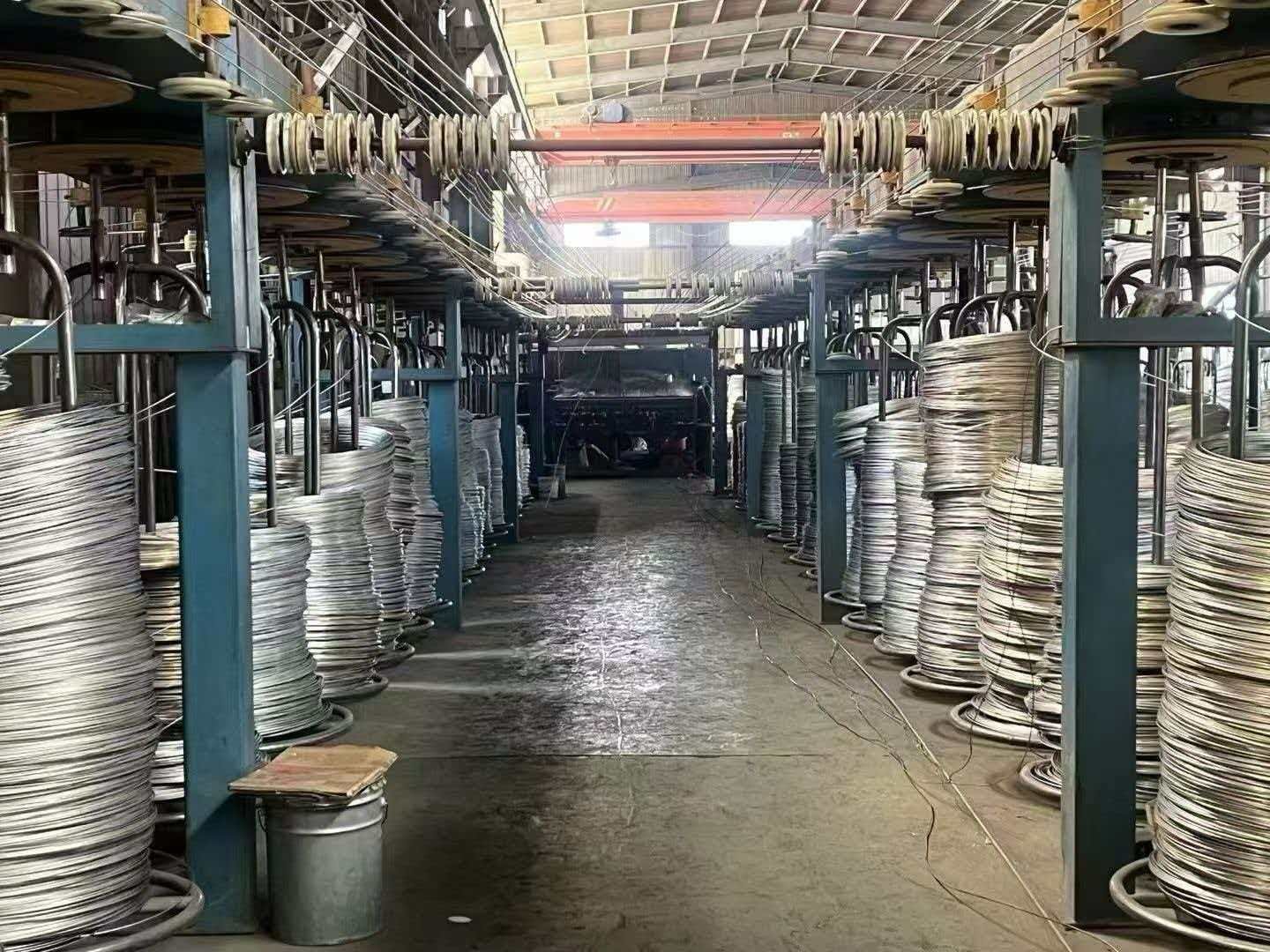
This creates a strong demand for our products. As a manufacturer, my job is to support importers like Nakato so she can support her contractors. We do this by ensuring every coil of wire we produce is consistent. Our 10 automated production lines ensure stable quality, and our ISO 9001 certification gives contractors the confidence they need. They know they are getting a product that meets international standards, delivered through a clear and predictable supply chain.
Simplified Logistics Flow: Factory to Site
| Step | Location | Action |
|---|---|---|
| 1. Production | Anping XF Factory, China | Manufacture, Quality Control, Packaging |
| 2. Port Loading | Tianjin Port, China | Container loaded onto vessel |
| 3. Sea Freight | Ocean Transit | Vessel sails to East Africa |
| 4. Arrival & Unloading | Mombasa Port, Kenya | Customs clearance and transfer to truck |
| 5. Land Transport | Kenya-Uganda Route | Truck delivers to importer |
| 6. Local Distribution | Kampala, Uganda | Nakato receives and stores inventory |
| 7. Final Delivery | Gulu / Soroti, Uganda | Wire delivered to construction site |
How Can You Ensure a Steady Supply of 201 Stainless Steel Wire for Your Project in Uganda?
Project deadlines are tight, and a material shortage is simply not an option. A single delayed shipment can bring an entire construction site to a standstill, costing you time and money.
You can ensure a steady supply by partnering with a large-scale manufacturer with a proven logistics process. For projects in Uganda, this means placing your order about 35 to 40 days in advance. This timeframe accounts for production, sea freight, and inland transportation.
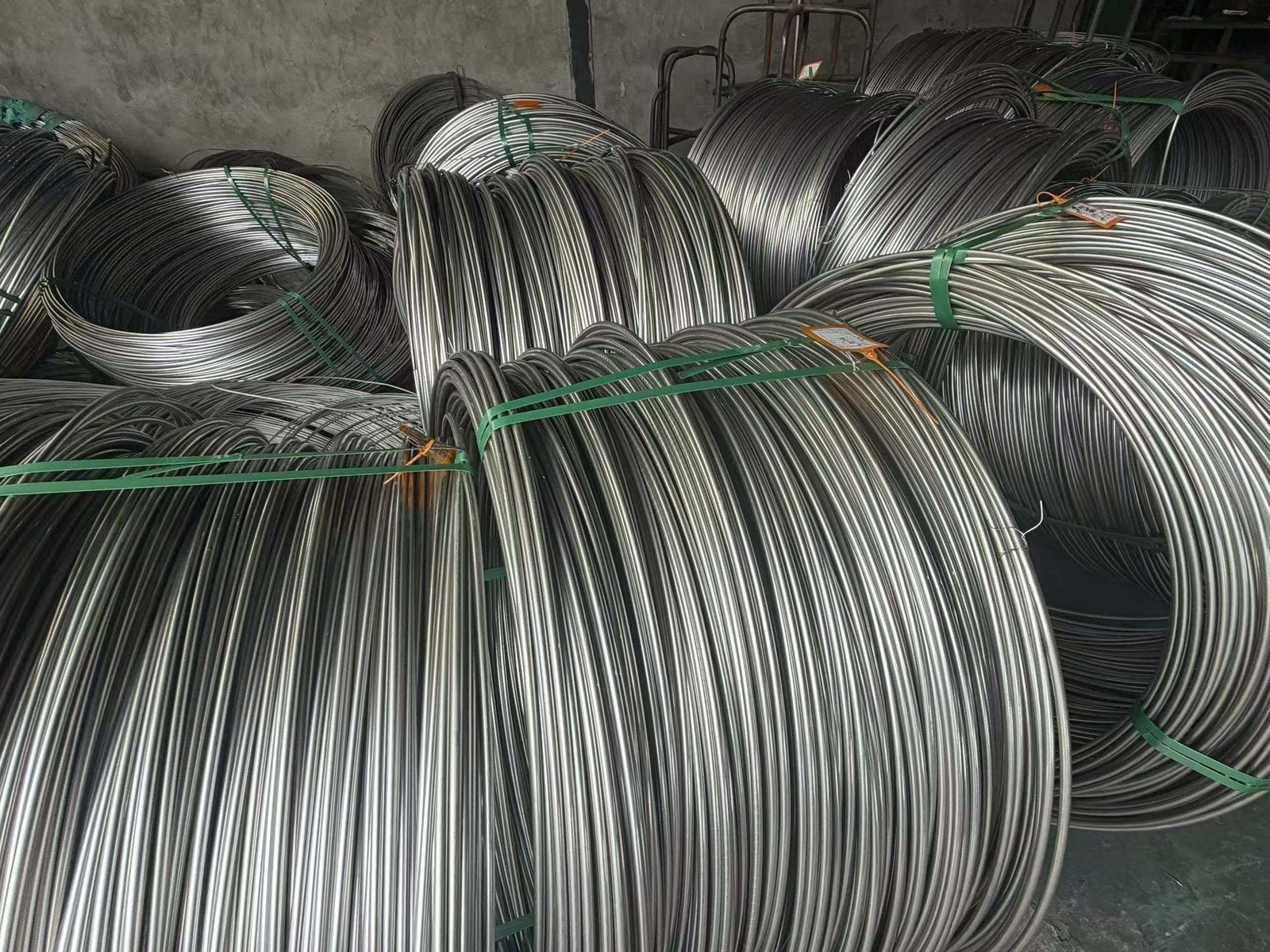
When Nakato asked me about guaranteeing her delivery time for a doubled order, my answer was simple: "No problem." This is the confidence that comes from having a robust production and supply system. I explained to her that our ten production lines at the Anping factory are always running. We keep plenty of stock for common specifications, so we can prepare and load a container in just 3 to 7 days after confirming an order. This rapid turnaround at the factory is the first critical step.
Next is the logistics. The journey to Uganda involves sea freight to Mombasa Port in Kenya, followed by overland transport to Kampala. The entire trip takes about 35 days. Based on this, I advised her that if she places her order about a month in advance, the materials will arrive right on time for her customers' project schedules. She was happy with that assurance and immediately confirmed she would send a PO for a 40-foot high-cube container next month. This kind of planning and direct communication between the importer and the manufacturer is the key to avoiding delays and keeping a project moving forward smoothly.
Conclusion
In short, the rising demand for 201 stainless steel wire in Uganda is driven by infrastructure growth, its suitability for the climate, and a reliable global supply chain.
From a cautious first order to doubling her container size, Nakato's story mirrors Uganda's accelerating construction market. If you're supplying 201 stainless steel wire to Uganda's growing project pipeline, start with our product page https://mfgwiremesh.com/metal-wire/201-stainless-steel-wire/ or reach out via https://mfgwiremesh.com/contact/.
Our factory has been serving East African importers for over 10 years. Tell us your wire diameter and destination port, and we'll prepare a quote within 24 hours. WhatsApp: +86 15383180672.
FAQ:
Q1: Why is demand for 201 stainless steel wire growing in Uganda? A1: Uganda's infrastructure investment is accelerating rapidly, driven by road network upgrades and oil field development in the Albertine region. The Uganda National Road Authority is converting trunk roads from gravel to asphalt concrete, requiring substantial rebar tying wire. Additionally, oil field infrastructure demands higher material standards than general construction. Nakato's orders doubled within a year as she expanded from Kampala to Gulu and Soroti, supplying Chinese and Turkish contractors who specified 201 stainless steel wire for its rust resistance during Uganda's long rainy seasons.
Q2: What is the typical delivery timeline for bulk orders to Uganda? A2: For standard specifications like 2.0mm and 1.5mm, our Anping factory can prepare a container within 3-7 days after order confirmation. Ocean freight from Tianjin Port to Mombasa takes approximately 18 days, with additional inland transport and customs clearance to Kampala taking about 10-14 days. Total transit is around 35 days. We recommend placing orders one month ahead of project schedules, as Nakato does for her regular bulk shipments.
Q3: What production capacity does your factory have to handle growing demand? A3: Our Anping factory operates 10 automated production lines with consistent output capacity for 201 stainless steel wire in the full 0.8-2.0mm range. We maintain ready stock for common specifications, enabling us to scale with clients as their order volumes grow. Nakato's progression from an initial trial order to a doubled 40ft high-cube container demonstrates our ability to support long-term supply growth to Uganda's expanding market.