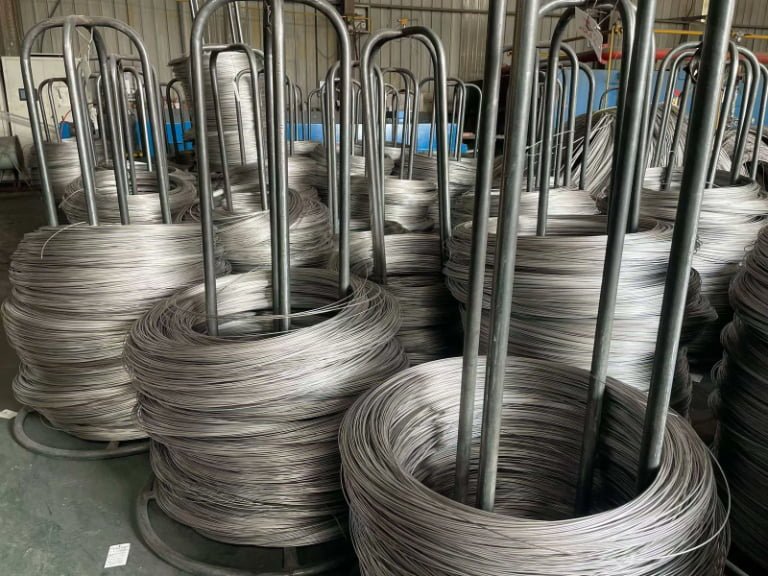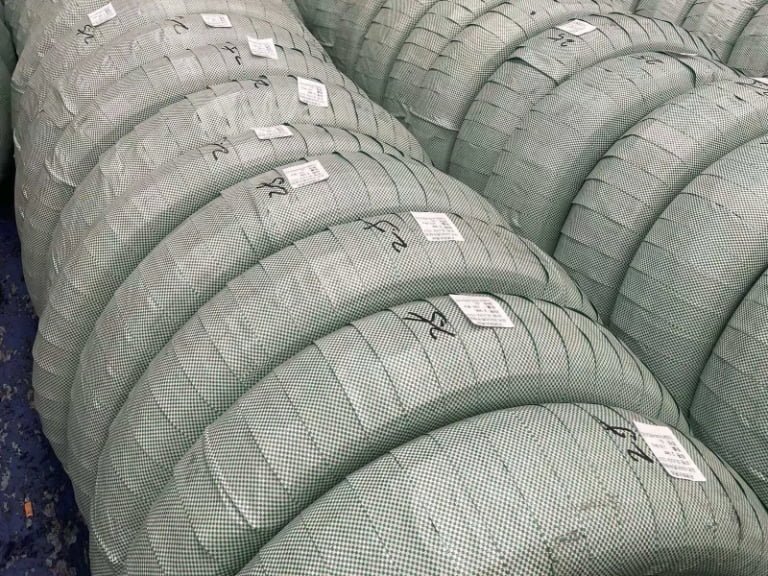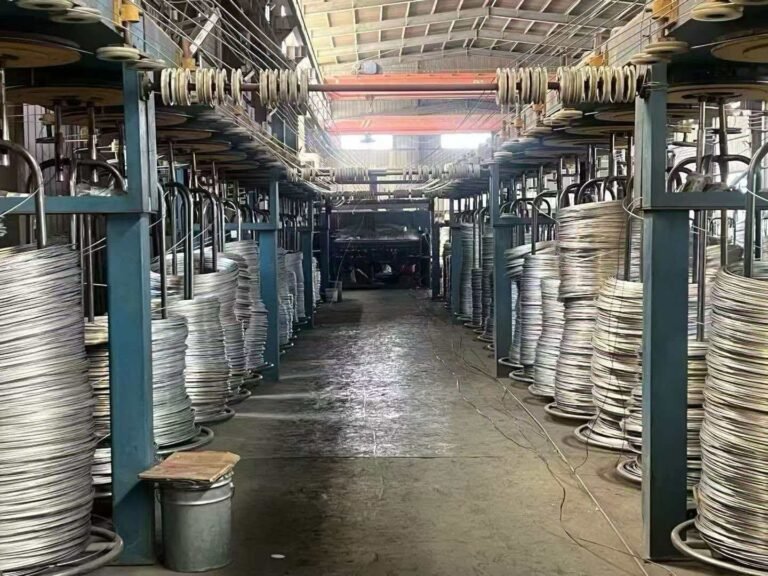



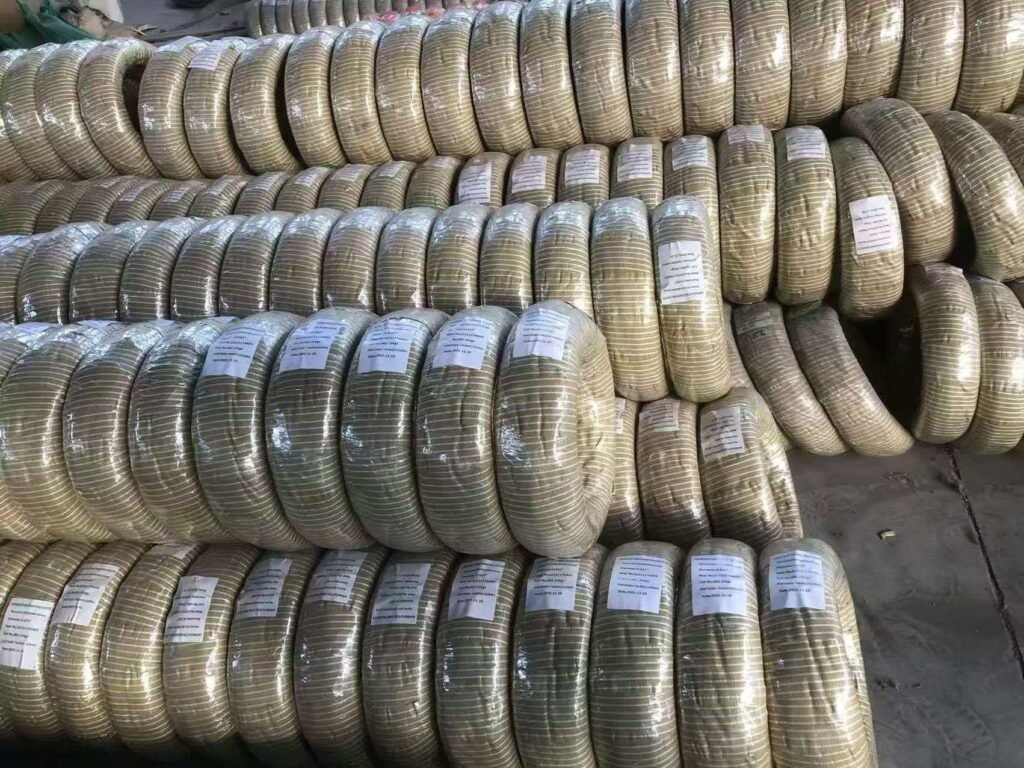
New importers in Kenya often have the same set of questions before placing their first 201 stainless steel wire order. From customs duties to delivery timelines, getting clear answers upfront makes the difference between a smooth shipment and costly delays. Here are the five most common questions and their answers.
When Njeri first reached out, she had one clear demand: transparent answers to her import questions before committing to a single coil. That's exactly the kind of buyer we serve on our product page: https://mfgwiremesh.com/metal-wire/201-stainless-steel-wire/.
Sourcing 201 stainless steel wire from China to Kenya can feel confusing. You worry about hidden costs, unclear quality, and delivery delays. Here are the answers to clear things up.
For Kenyan buyers, the most common questions about importing 201 stainless steel wire concern import duties, specifications for the local market, delivery times, required quality documents, and the most cost-effective order quantity. Understanding these five points is crucial for a smooth and profitable import business.
I remember when Njeri, a building materials supplier from Nairobi, first contacted us. She was ready to start importing directly from China but had been burned by middlemen before. Information was not clear, and when problems came up, there was no one to call. She sent me a long list of questions covering everything from tariffs to packaging. I answered each one in detail, and the next day, she placed a trial order. Looking back, her questions are the same ones almost every new Kenyan client asks. So, I’ve put together this guide to help you.
Do I Pay Import Duties When Importing Steel Wire From China to Kenya?
You heard about "China-Africa zero tariffs" and thought it meant no taxes. But this can lead to surprise costs at the port, hurting your budget and causing delays.
Yes, as a Kenyan importer, you are responsible for paying import duties and taxes to the Kenya Revenue Authority (KRA). The "zero tariff" policy you may have heard about typically applies to African goods being imported into China, not the other way around. We provide the correct documents to help your clearing agent process this smoothly.
This is the number one question I get, and it's a common point of confusion. The idea of a broad "zero tariff" agreement sounds great, but the reality is more specific. When we ship goods to Kenya, they are subject to local import regulations. It is the buyer's responsibility to handle these costs.
Here is a breakdown of responsibilities to make it clearer:
Your Responsibilities as the Importer
Your main job is to work with a local clearing agent in Kenya. This agent will use the documents we provide to calculate and pay the necessary duties and taxes to the KRA. You must budget for these costs, which include import duty, VAT, and other potential levies. Ignoring this step can cause your shipment to be held at the port of Mombasa, leading to expensive storage fees and project delays.
Our Responsibilities as the Supplier
Our role is to support your customs clearance process. With every shipment, we provide a complete set of accurate documents. This includes:
- Commercial Invoice: Shows the value of the goods, which is used to calculate duties.
- Packing List: Details the contents of the shipment, including weight and volume.
- Bill of Lading: The official shipping document from the carrier.
- Certificate of Origin: Proves the goods were manufactured in China.
We ensure these documents are correct and sent to you promptly so your agent can begin the clearance process before the vessel even arrives.
Which 201 Stainless Steel Wire Specifications Are Best For The Kenyan Market?
Choosing the wrong wire specification can lead to waste. The wire could be too weak for the job, rust too quickly in coastal areas, or be too expensive for the application.
For general construction in Kenya, 2.0mm diameter 201 stainless steel wire is the most popular choice for tying rebar. For fencing, a 1.5mm diameter wire is very common. If you are in a coastal city like Mombasa, you must request extra moisture-proof packaging.
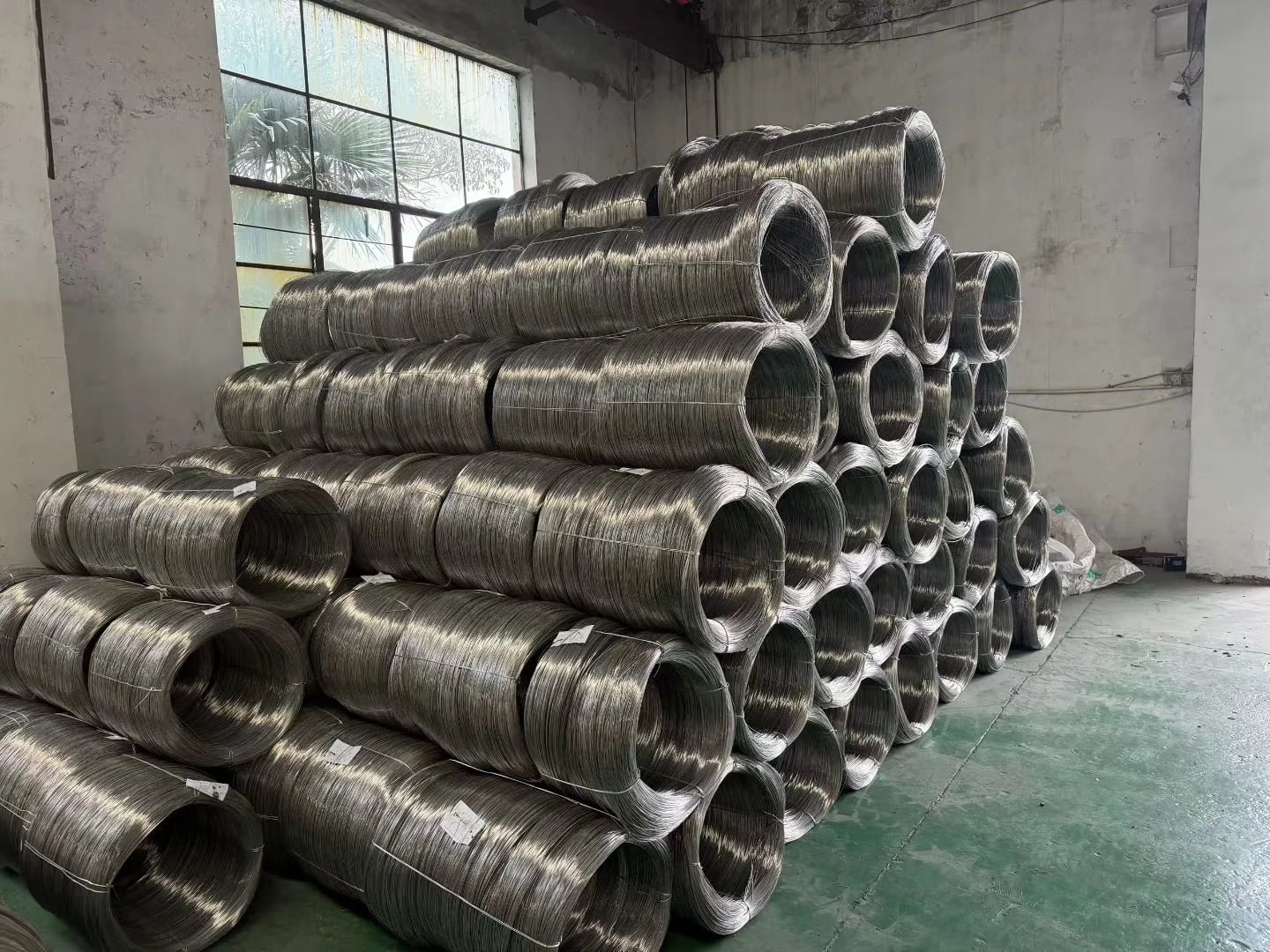
Njeri's business is in Nairobi, where many new residential projects are happening. Most of these are not high-rise buildings, so a 2.0mm wire has more than enough strength for tying the steel bars in columns and beams. It's the perfect balance of strength and cost-effectiveness for the local market. For making chain-link fences or other types of wire mesh barriers, the 1.5mm wire is a standard go-to. It is easy to work with but still durable.
However, geography matters a lot. A client in Mombasa has different needs than a client in Nairobi. The air in Mombasa is heavy with salt from the Indian Ocean, which can cause steel to rust very quickly. For customers there, we always recommend and provide special packaging. This involves an extra layer of plastic wrap and desiccants inside the main packaging to keep moisture out during shipping and storage. This simple step can greatly extend the life of the wire.
Here is a simple table to help you choose:
| Application | Recommended Diameter | Key Considerations |
|---|---|---|
| Rebar Tying | 2.0mm | Ideal for residential and light commercial work. |
| Fencing & Weaving | 1.5mm | Flexible and easy to handle for fence making. |
| Coastal Areas | Any Diameter | Must have enhanced moisture-proof packaging. |
How Long Does It Take To Receive My Steel Wire Order in Kenya?
Project timelines are tight, and waiting for materials can stop a whole job site. Understanding the full delivery schedule is critical for planning your work and managing your cash flow.
From the moment you confirm your order to the time it reaches your warehouse in Nairobi, you should plan for about 30 to 35 days. This includes factory preparation, sea freight to Mombasa, customs clearance, and inland transport.
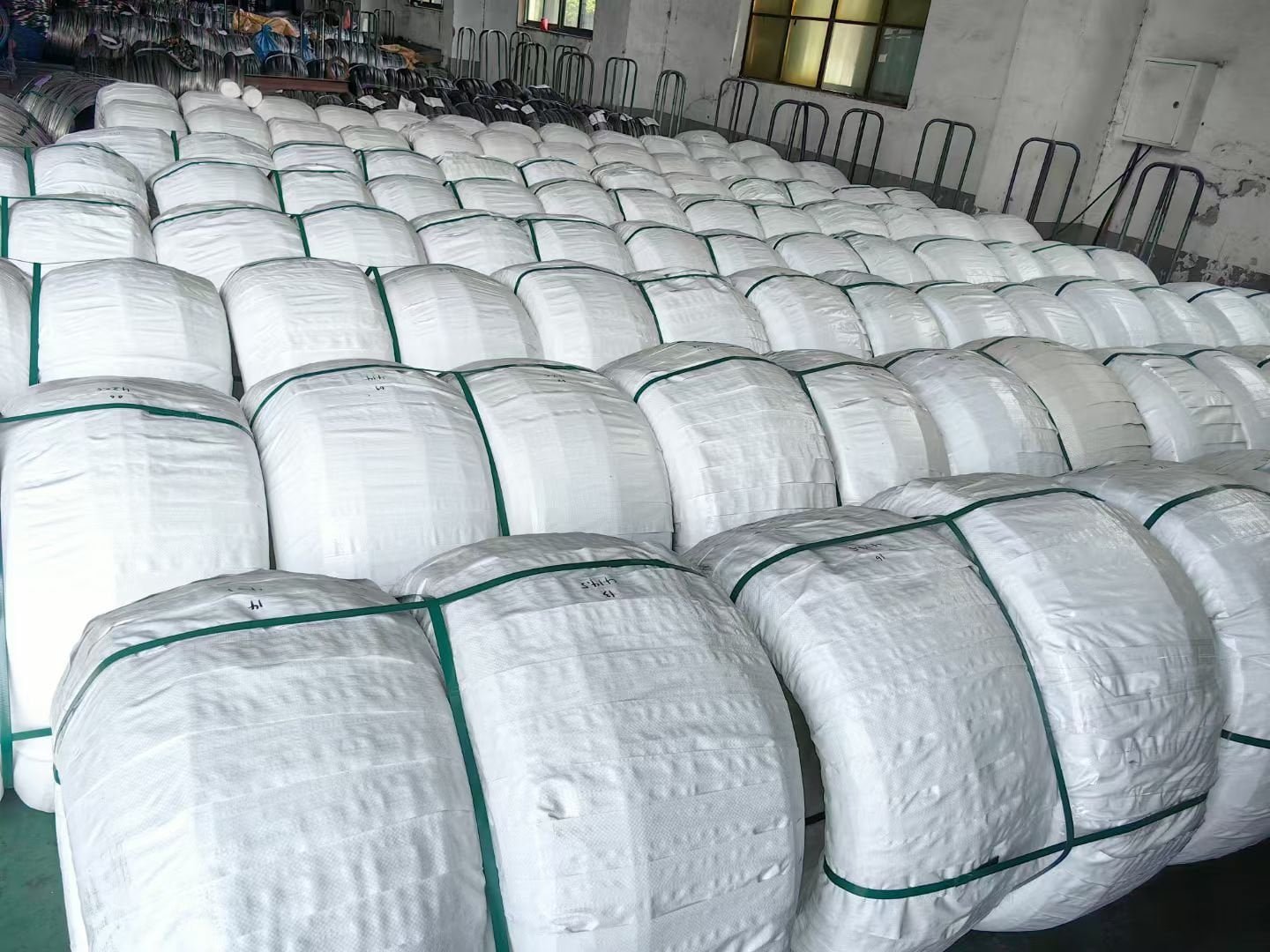
I know that waiting for a shipment can be stressful. To make it more predictable, I always break down the timeline for my clients. Njeri's first order was a good example; we told her it would be around 30-35 days, and her goods arrived at her warehouse in Nairobi on day 32. She was very happy.
Here’s a step-by-step breakdown of the journey:
- Order Confirmation & Factory Preparation (3-7 Days): For standard specifications like 1.5mm and 2.0mm wire, we usually have stock. Once you confirm the order and make the initial payment, we prepare, package, and get your goods ready for shipping in about a week.
- Inland Transport to Port & Loading (2-3 Days): We transport the container from our factory in Anping to the Port of Tianjin.
- Sea Freight (Approx. 18 Days): The voyage from Tianjin, China, to the Port of Mombasa in Kenya typically takes about 18 days on the water.
- Customs Clearance & Port Handling (5-7 Days): This is the most variable part. If your documents are in order and your clearing agent is efficient, this can take less than a week.
- Inland Transport to Nairobi (1-2 Days): Once released from the port, it takes another day or two for the truck to reach your warehouse in Nairobi.
So, when you add it all up, 30-35 days is a realistic timeframe to plan for.
What Quality Documents Do I Need For Kenyan Customs?
Imagine your container has arrived, but it's stuck at the port. Customs is asking for papers you don't have. This situation creates delays, extra storage charges, and huge frustration.
To ensure smooth clearance at the Port of Mombasa and comply with the Kenya Bureau of Standards (KEBS), you need key quality documents. We provide a factory Test Report and a Certificate of Origin with every shipment. We can also help arrange a Pre-Shipment Inspection if needed.
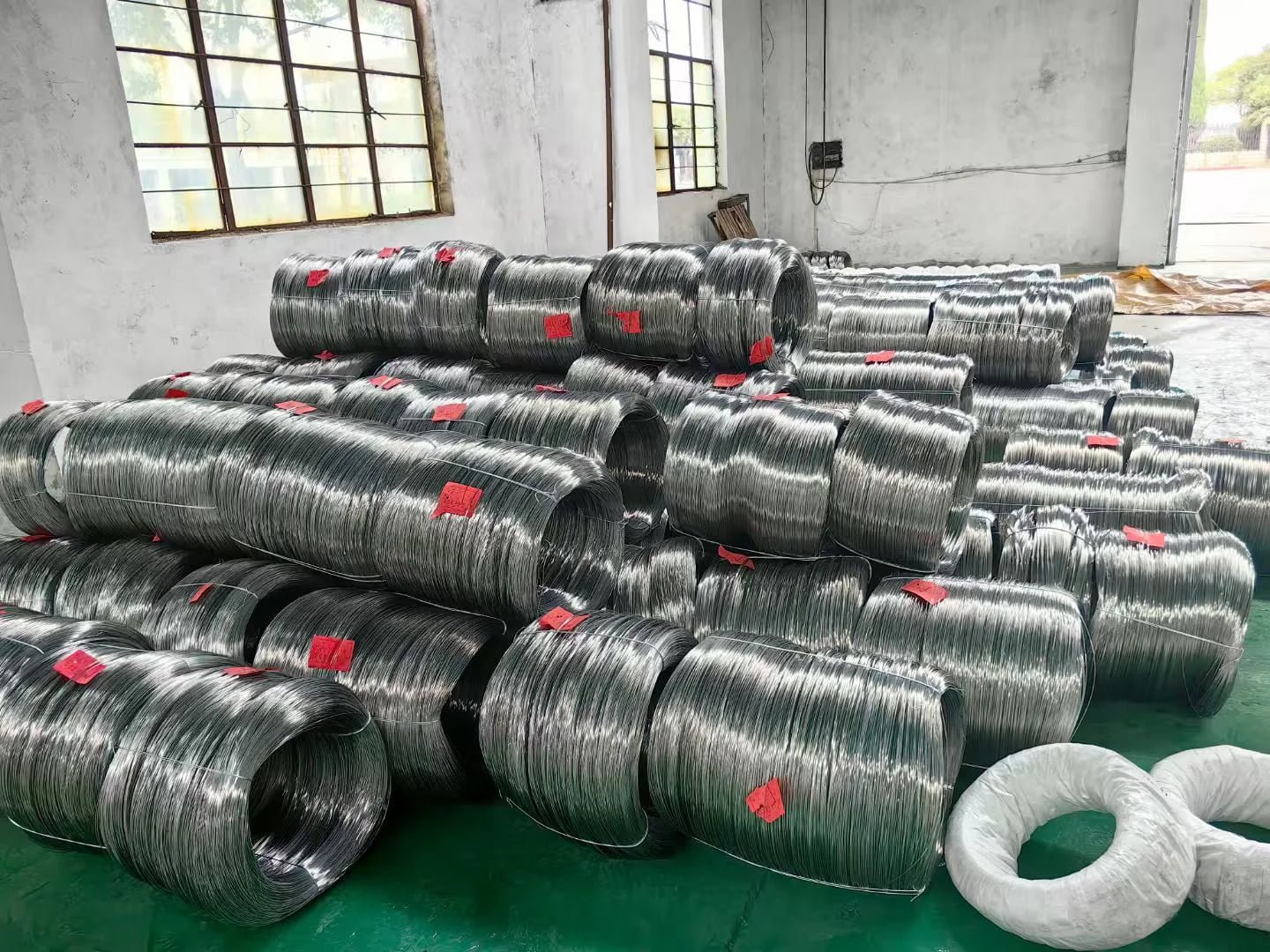
The Kenya Bureau of Standards (KEBS) has rules for imported materials to ensure they meet minimum quality and safety standards. Proving your goods comply is not just a formality; it's a legal requirement that protects you and your customers. Having the right paperwork ready is the fastest way to get your goods cleared.
Over the years, we've learned exactly what Kenyan customs officials and KEBS look for. Here are the documents we prepare to make your life easier:
- Factory Test Report: This is our internal quality certificate. It shows the technical details of your specific batch of wire, including its exact diameter, tensile strength, and chemical composition. It's our proof to you, and to customs, that the wire meets the specifications you ordered.
- Certificate of Origin: This is an official document that certifies the goods were manufactured in China. It is often required for customs valuation and to confirm that the goods are not from a restricted country.
- Pre-Shipment Inspection (PSI): Some buyers or large projects may require an independent third-party inspection before the goods leave our factory. We can coordinate with agencies like SGS or Bureau Veritas to conduct this inspection for you. This provides an extra layer of assurance.
By providing these documents as a standard part of our service, we help ensure your shipment doesn't face unnecessary delays in Mombasa.
What Is The Minimum Order Quantity For A Cost-Effective Shipment?
You want to place a small trial order to test the market and our quality. But when you get the shipping quote, the cost per kilogram is so high that it kills your profit margin.
While we are happy to support trial orders starting from 500kg, the most cost-effective way to import is to order a full 20-foot container. This allows you to ship approximately 18 tons (18,000 kg) of wire and significantly lowers your per-kilogram shipping cost.
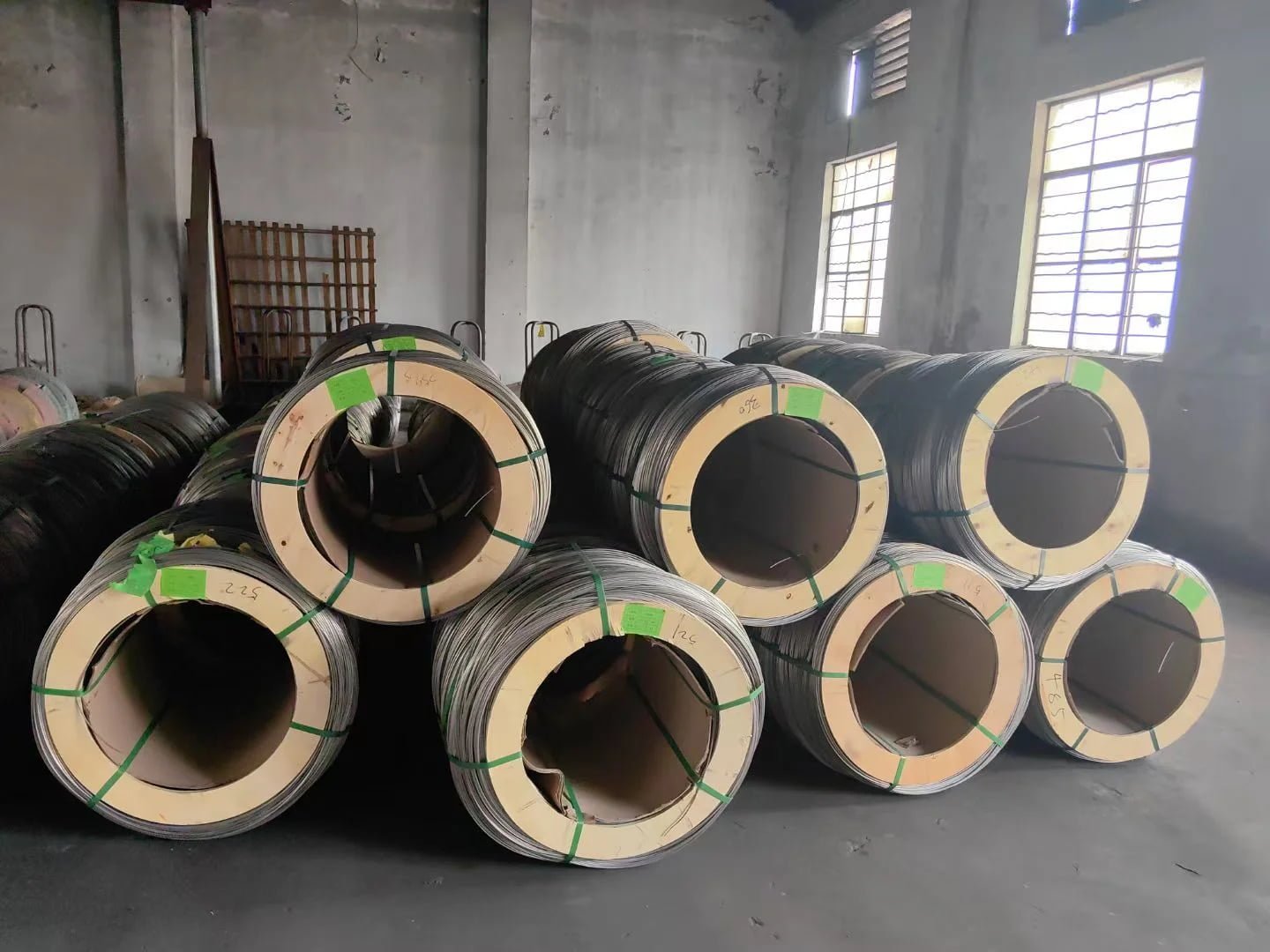
Thinking about shipping costs is just as important as thinking about the product price. Shipping a small quantity (known as Less than Container Load or LCL) is always much more expensive per unit than shipping a full container (Full Container Load or FCL).
Let’s break down why. The main costs of ocean freight (like port handling, documentation, and the basic freight charge) are largely fixed, whether you're shipping 500kg or 18,000kg.
- For a 500kg LCL shipment: You are paying a high price for a small amount of space. All the fixed costs are divided by only 500 kilograms. Your per-kg transport cost will be very high.
- For an 18-ton FCL shipment: You spread those same fixed costs over 18,000 kilograms. This makes the per-kg transport cost dramatically lower.
When Njeri placed her first order, she started with a trial order. But after seeing the quality and calculating the numbers, she quickly moved to ordering a full 20-foot container. It just makes better business sense. For importers looking to build a sustainable and profitable business, planning for a full container order is the best strategy. It maximizes your buying power and protects your profit margins.
Conclusion
Njeri is now a regular customer, sending a container order every quarter. She told me the biggest benefit of working with a factory directly isn't just the price—it's having a direct line of communication to get real answers.
Njeri's first container reached Nairobi in 32 days, and she now orders quarterly. If you have similar questions about importing 201 stainless steel wire to Kenya, start with our product page https://mfgwiremesh.com/metal-wire/201-stainless-steel-wire/ or reach out via https://mfgwiremesh.com/contact/.
Looking for a factory-direct supply of 201 stainless steel wire for your East African market? Reach out on WhatsApp at +86 15383180672.
FAQ:
Q1: Do I have to pay import duties on 201 stainless steel wire from China? A1: Yes. Kenya Customs charges import duties on stainless steel wire based on the product's declared value. The buyer is responsible for all import duties and taxes. Our factory provides accurate commercial invoices and packing lists to support your customs clearance. Do not confuse China's preferential trade policies for African imports into China with Kenya's own import tax requirements—they are completely separate.
Q2: What specifications are most commonly ordered by Kenya importers? A2: 2.0mm for heavy-duty rebar tying and 1.5mm for fence weaving are the two most popular specifications. Nairobi's residential construction projects use 2.0mm extensively for concrete frame structures, while 1.5mm is in steady demand for perimeter fencing. Our 201 stainless steel wire offers 650-750 MPa tensile strength across all diameters. Buyers in coastal Mombasa often request additional moisture-proof packaging due to the salty air.
Q3: How long does delivery to Kenya take? A3: For standard specifications, our Anping factory prepares containers within 3-7 days. Ocean freight from Tianjin Port to Mombasa takes approximately 18 days. With customs clearance and inland transport to Nairobi, total transit is about 30-35 days. Njeri's first shipment arrived at her Nairobi warehouse in 32 days. We recommend ordering one month ahead of your project schedule.
Q4: What quality documents do you provide for Kenya customs clearance? A4: We provide factory test reports, certificate of origin, commercial invoice, and packing list. If required by KEBS, we can coordinate pre-shipment inspection at our Anping factory before loading. Having complete documentation ready before vessel arrival significantly speeds up the clearance process at Mombasa port.
Q5: What is the minimum order quantity for a first trial? A5: We can start from 500 kg for a trial order, but for cost-effective shipping we recommend a 20ft container (approximately 18 tons). Njeri started with a trial container and now orders quarterly. The per-unit shipping cost drops significantly with a full container load.