


Tanzania's demand for 201 stainless steel wire spans multiple industries, from urban construction sites to rural farms. Understanding these applications helps importers stock the right specifications and serve a broader customer base. Here are five key applications driving demand across the country.
For procurement managers like Amani, sourcing 201 stainless steel wire that can serve five different industries from a single supplier is a constant challenge — one our main website addresses directly: https://mfgwiremesh.com/.
Struggling to find a versatile product for the Tanzanian market? You might be limiting your sales potential. Discover the five key applications for 201 stainless steel wire.
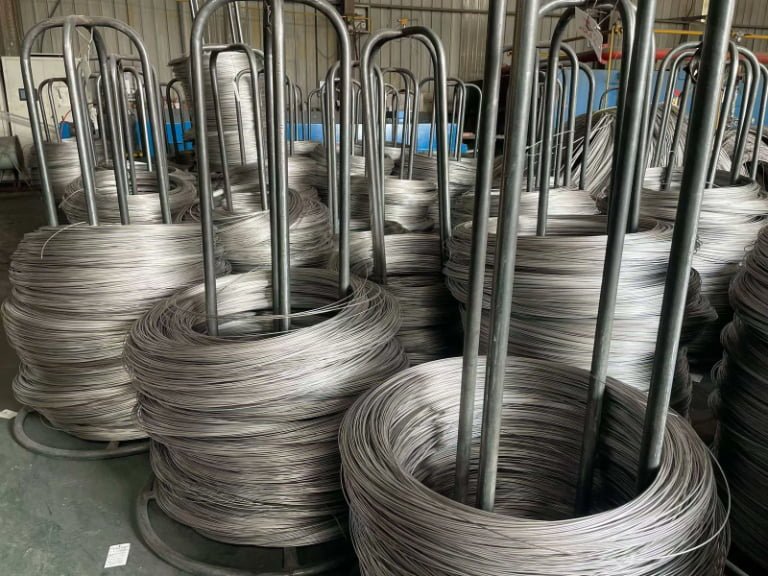
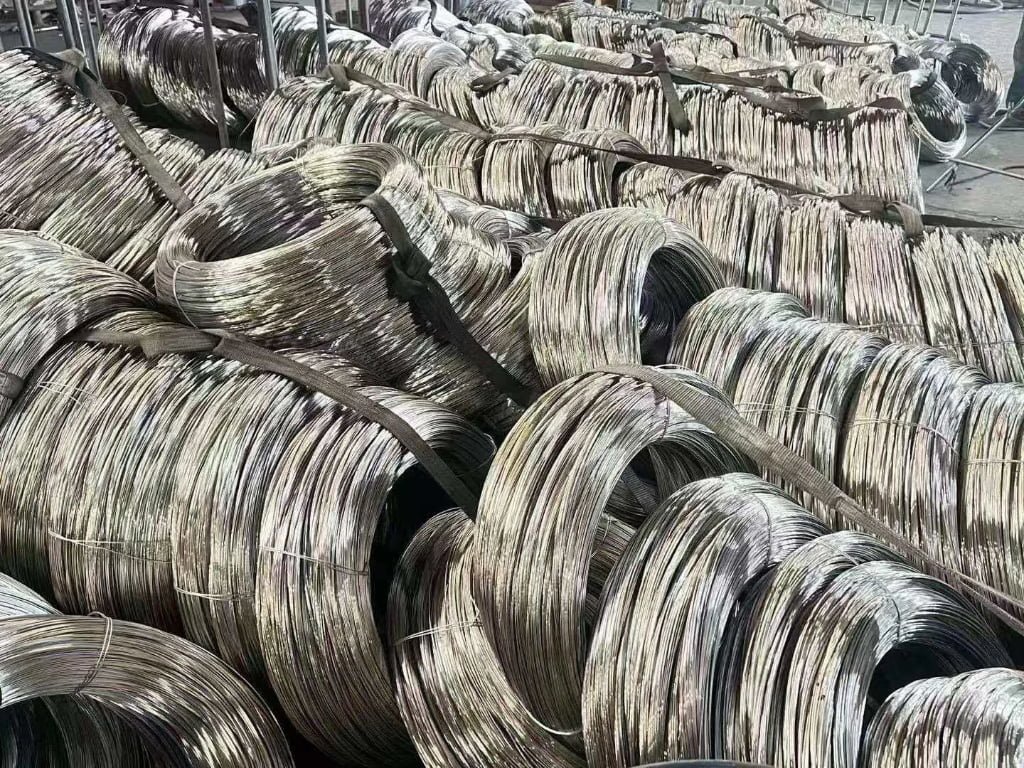
201 stainless steel wire is highly versatile in Tanzania. It's primarily used for construction tying, fence weaving, agricultural trellises, welded mesh processing, and hand-weaving simple sieves and filters. These applications cover needs from large-scale infrastructure to small rural workshops, making it a valuable product.
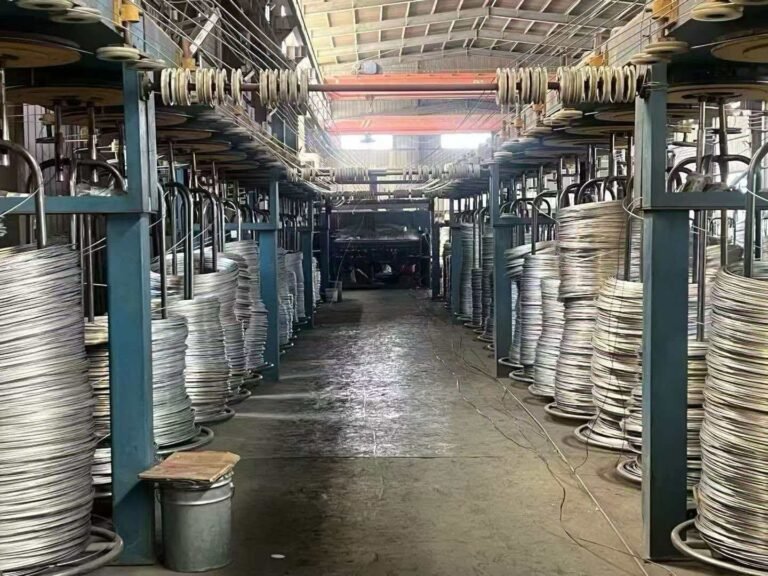
This might sound like a broad list. But these insights come directly from a customer on the ground. Amani, a building materials wholesaler from Arusha, visited my factory last month. He has eight years of experience in the Tanzanian market. As we walked through the workshop, he pointed to our 201 stainless steel wire and told me exactly how he sells it across the country. Let me share what he told me over a cup of tea.
Why is 201 Wire Essential for Tanzanian Construction Projects?
Your construction projects need reliable tying wire. Inferior wires break and rust, causing delays and structural issues. Our 201 stainless steel wire provides the strength and durability required.
Tanzanian construction relies on 201 stainless steel wire for tying rebar in concrete. Its strength prevents snapping during installation, and its corrosion resistance ensures structural integrity, especially in coastal areas like Dar es Salaam. The 2.0mm diameter is particularly in high demand for these projects.
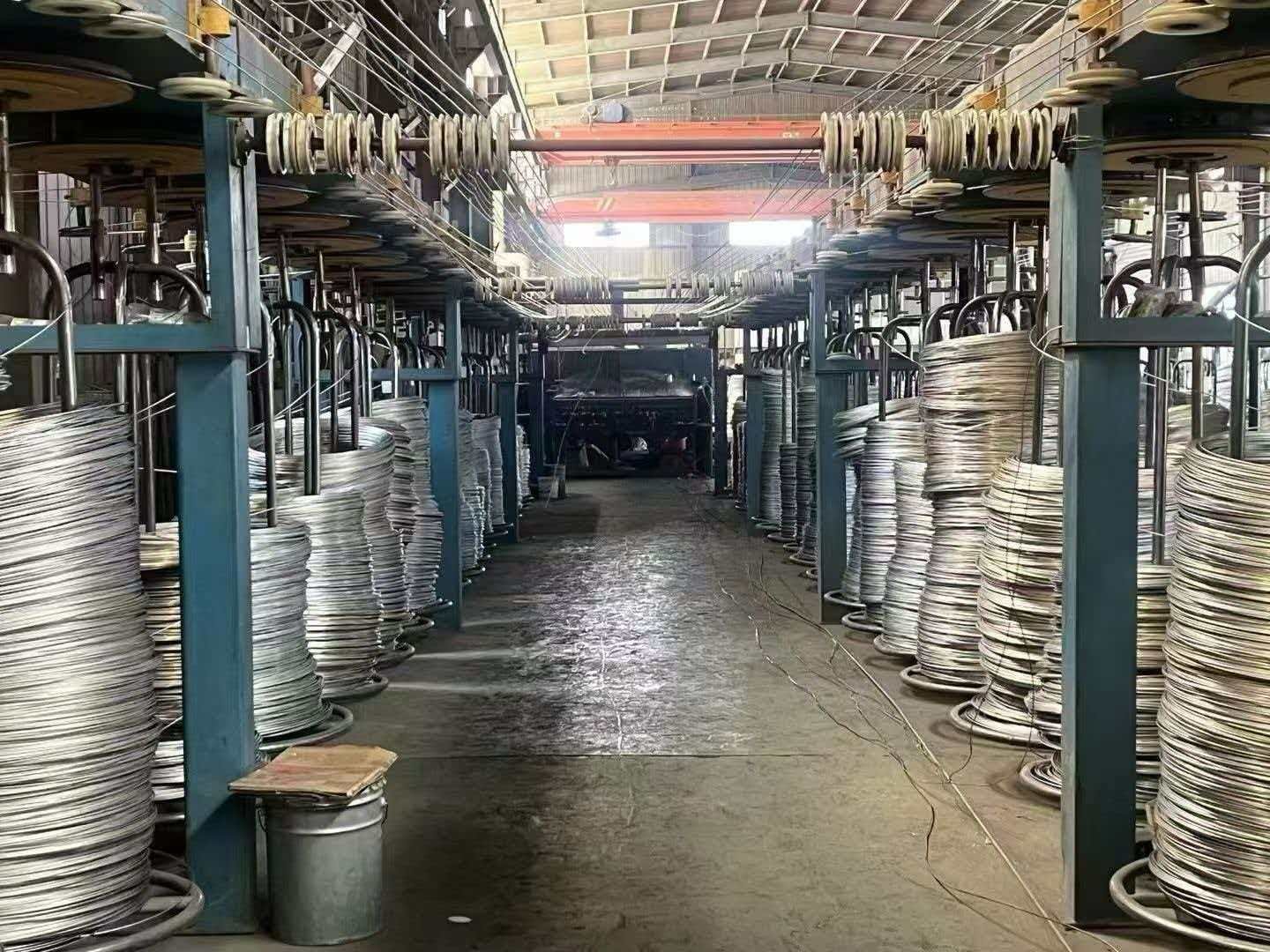
Amani’s first point was about construction. Tanzania is seeing a lot of new building projects. Think of the tall commercial buildings in Dar es Salaam or the new tourist facilities around Arusha. All these concrete structures need rebar, and that rebar needs to be tied securely. He told me that contractors can't afford to use weak wire that snaps during work. That's why 2.0mm 201 stainless steel wire is so popular. It’s strong enough for the job. More importantly, it resists rust, which is crucial for the long-term safety of the buildings. Amani said he regularly sells orders of ten tons or more to large construction suppliers. They trust it because it performs consistently and protects their investment.
Material Comparison for Rebar Tying
| Feature | 201 Stainless Steel Wire | Standard Iron Wire |
|---|---|---|
| Corrosion Resistance | Good, suitable for humid climates | Poor, rusts quickly |
| Tensile Strength | High, less likely to break | Moderate, can snap under tension |
| Longevity | Long-term structural integrity | Can compromise structure over time |
| Typical Diameter | 2.0mm | 2.0mm |
How Does 201 Stainless Steel Improve Fencing in Tanzania?
Fences in Tanzania rust far too quickly. Replacing them every few years is costly and frustrating for homeowners and farmers. Fences made from 201 stainless steel wire last for years.
201 stainless steel wire offers a long-lasting fencing solution for Tanzanian homes and farms. Unlike galvanized wire that rusts in a year or two, 201 wire withstands the climate for many years. The 1.5mm diameter is a bestseller for weaving durable and reliable fences.
Security is a major concern for both residential areas and farms in Tanzania. Amani explained that many people start with galvanized wire fences because they are cheap. However, the rainy season and general humidity cause them to rust within a couple of years. This means they have to spend more money and time to replace them. This is where 201 stainless steel wire comes in as a smart upgrade. He sells a lot of 1.5mm wire specifically for weaving fences. It costs more upfront, but his customers understand the value. A fence made from our 201 wire can last for many, many years without rusting away. For his clients, it's a "buy it once, buy it right" solution that gives them peace of mind and saves them money in the long run.
Can 201 Wire Support Tanzania's Agricultural Sector?
Farmers need strong, reusable trellis systems for their crops. Weak wires break under the weight of produce or rust away during the rainy season. Flexible and durable 1.2mm 201 wire is the perfect solution.
Absolutely. 201 stainless steel wire is ideal for agricultural trellises in Tanzania's tomato and bean farming regions. The 1.2mm wire is flexible enough for easy setup but strong enough to support crops. It resists rust during the wet season, lasting for multiple planting cycles.
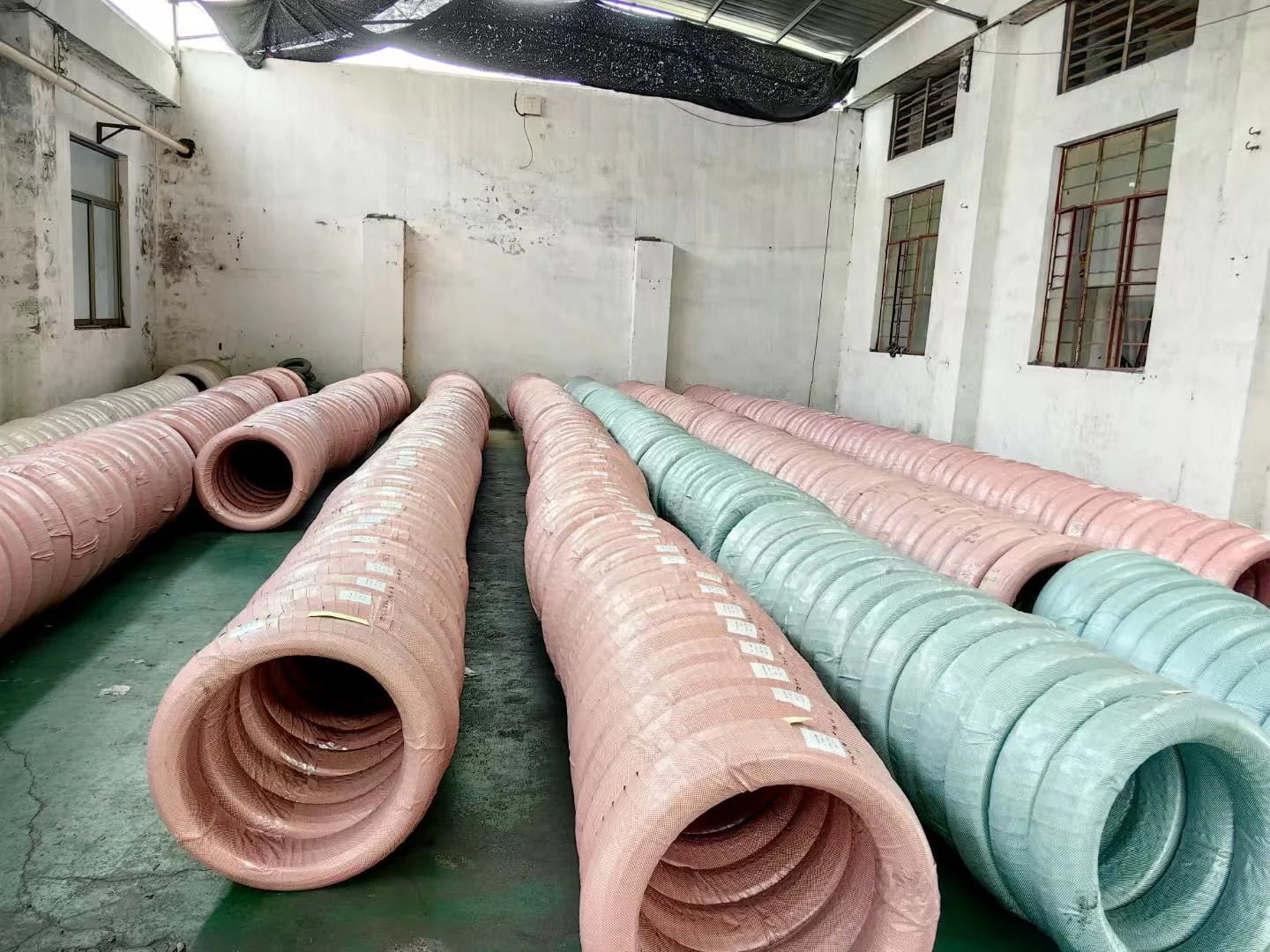
Amani’s third application was agriculture. The areas around Arusha and the foothills of Mount Kilimanjaro are major producers of tomatoes and beans. These climbing plants need trellises to grow properly. According to Amani, farmers there love our 1.2mm 201 stainless steel wire for this. It has the perfect balance of properties. It’s flexible enough to easily bend and shape into trellises without breaking. At the same time, it’s strong enough to hold the weight of the plants as they grow. The most important feature, he stressed, is its resistance to the wet season. It doesn't rust, so farmers can reuse the same trellis wires for several planting seasons. He even told me about one of his farm clients who switched to our 201 wire three years ago and hasn't had to buy new trellis wire since.
Why 1.2mm 201 Wire is Ideal for Trellises
| Benefit | Description |
|---|---|
| Flexibility | Easy to bend and install without snapping, saving time and labor. |
| Strength | Supports the weight of growing plants and produce throughout the season. |
| Durability | Resists rust and degradation from rain and sun, allowing for multi-season use. |
| Cost-Effectiveness | Reduces the long-term cost of replacing trellis systems every year. |
Is 201 Wire a Key Raw Material for Industrial Processors?
Welded mesh manufacturers need a consistent, high-quality raw material. Poor quality wire causes production issues and results in inferior products. Our 1.0mm 201 wire provides the perfect, reliable input.
Yes, it is a crucial raw material. Welded mesh factories in cities like Dar es Salaam use 1.0mm 201 stainless steel wire to produce mesh for construction and fencing. This channel represents the largest sales volume, with single orders often reaching several tens of tons.
The fourth market Amani described is the industrial sector. He supplies raw materials to several welded mesh factories in Dar es Salaam. These factories take our 1.0mm 201 stainless steel wire on large spools and feed it into their machines. They then produce various specifications of welded mesh, which are sold back into the construction and fencing markets. Amani emphasized that this is his biggest channel by volume. When these factories place an order, it's not for a few tons; it's for several tens of tons at a time. For them, the quality of the raw material is everything. They need wire with a consistent diameter and smooth surface to keep their automated welding machines running without interruption. Our ability to deliver that consistent quality makes us a trusted supplier for this high-volume business.
Does 201 Wire Have a Place in Tanzania's Local Crafts?
Rural artisans need a fine, workable wire for their crafts. The wrong material is hard to work with and produces low-quality goods. A fine 0.8mm 201 wire is perfect for their needs.
It certainly does. In rural Tanzania, small workshops use fine 0.8mm 201 stainless steel wire for hand-weaving products like sieves and simple filters. While the volume per customer is small, these high-margin items serve local agricultural processing needs and provide a steady income.
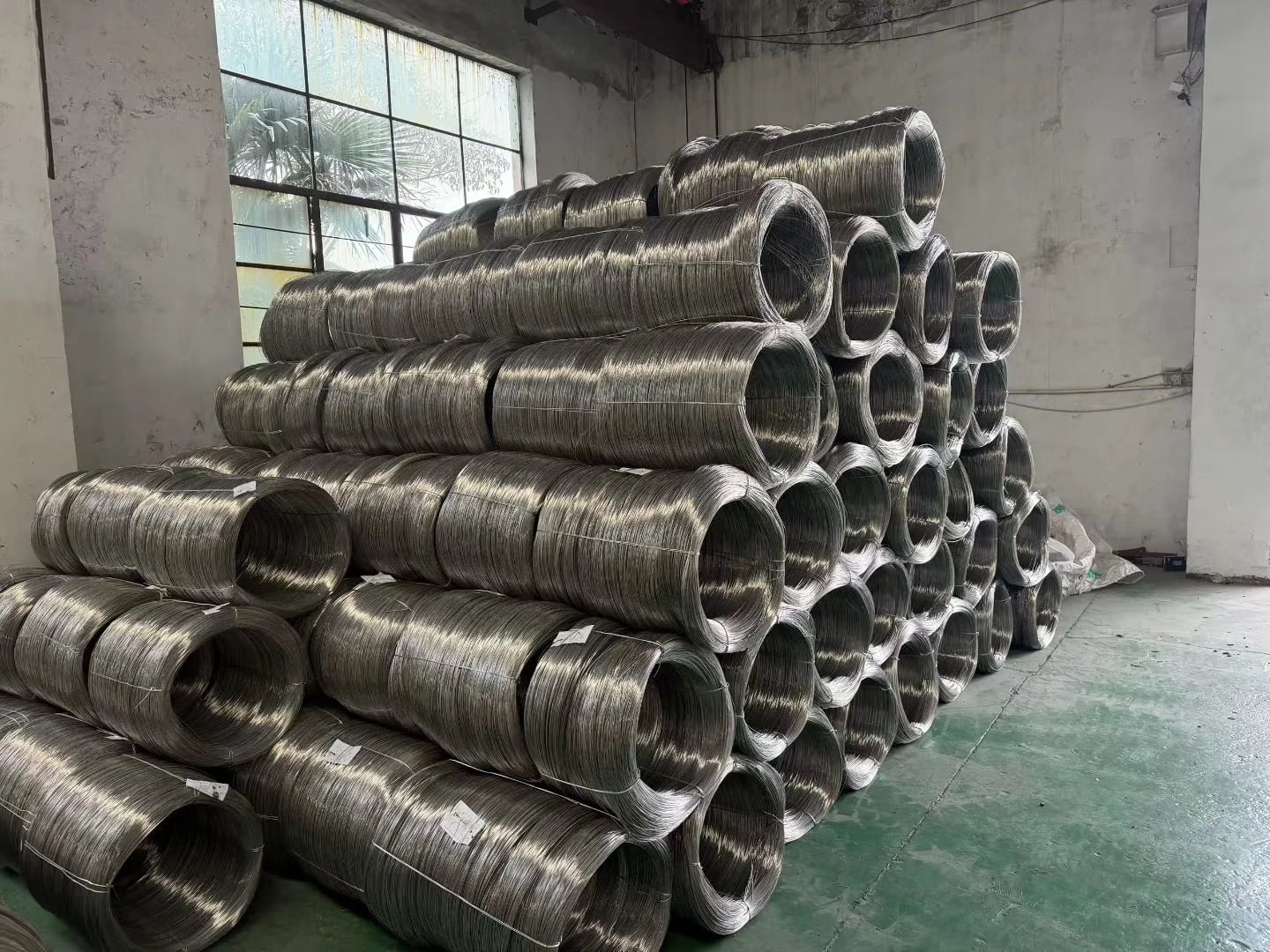
The final application Amani shared was the most surprising. It's all about small-scale handicraft. In rural parts of Tanzania, there are small workshops where artisans use their hands to weave products. They specifically buy the fine 0.8mm 201 stainless steel wire from him. They use this thin, pliable wire to create simple but essential items like sieves for sifting flour or basic filters for processing local agricultural products. Amani said that while each workshop only buys a small amount of wire at a time, the business is very profitable for them because the finished products are in demand locally. This story really showed me the incredible range of our product. It can be the backbone of a huge construction project or the key material for a single artisan in a small village.
Conclusion
Amani's insights showed how one product, 201 stainless steel wire, meets diverse needs across Tanzania. From massive construction projects to small rural workshops, versatility is key to market success.
From a factory tour to an expanded order plan, stories like Amani's show how matching one product to multiple applications builds a stronger import business. Explore our full specification range on our product page https://mfgwiremesh.com/metal-wire/201-stainless-steel-wire/ or reach out via https://mfgwiremesh.com/contact/.
If you're sourcing 201 stainless steel wire for Tanzania's diverse market, we're happy to provide a specification-based quotation. Contact us via WhatsApp: +86 15383180672.
FAQ:
Q1: What are the main applications of 201 stainless steel wire in Tanzania? A1: The five main applications are: construction rebar tying (2.0mm), fence weaving (1.5mm), agricultural trellising (1.2mm), welded mesh production (1.0mm), and manual sieve weaving (0.8mm). Each application requires a specific diameter and has distinct demand patterns. Amani, our client in Arusha, supplies all five sectors from urban construction to rural farms, with construction and agriculture being the largest volume drivers.
Q2: How does 201 stainless steel wire perform in agricultural applications? A2: Excellent. Our 1.2mm wire is specifically valued for tomato and bean trellising in Tanzania's agricultural regions around Arusha and Kilimanjaro. It bends easily without breaking, withstands multiple rainy seasons without rusting, and lasts several planting seasons. Amani reported a farm client who switched from galvanized wire three years ago and hasn't needed to repurchase trellising wire since.
Q3: Which specification has the highest volume demand in Tanzania? A3: 2.0mm for construction binding has the most stable high-volume demand, driven by ongoing infrastructure projects. However, 1.0mm for welded mesh production has the largest single-order volumes, with some Dar es Salaam mesh factories ordering dozens of tons at a time. Amani's strategy of covering multiple specifications allows him to serve both steady construction demand and high-volume industrial buyers.