


Uganda's construction season is defined by two intense rainy periods each year. For contractors, choosing the wrong binding wire means paying twice: once at purchase, and again in costly repairs. Here's the real cost comparison between galvanized and 201 stainless steel wire based on a year-long field test in Jinja.
Buyers like Kato, who need convincing proof that 201 stainless steel wire delivers lower total cost than galvanized alternatives in Uganda's climate, are turning to our product page for specifications and real performance data: https://mfgwiremesh.com/metal-wire/201-stainless-steel-wire/.
Frustrated by rust ruining your construction work? Choosing the wrong tie wire in Uganda's humidity can lead to failed inspections and huge rework costs. The real solution is a smarter choice.
In Uganda's rainy seasons, 201 stainless steel wire is the more cost-effective choice. While its initial price is higher than galvanized wire, it eliminates rust-related rework, project delays, and long-term maintenance, leading to a significantly lower total project cost.
This isn't just theory. A story I heard from a client in Jinja perfectly illustrates this. He put both wires to the test on a live project, and the results were eye-opening. What he learned completely changed how he runs his business and manages his budget. Let's dig into what he found, because it could save you a lot of money and trouble on your next project.
Why Did a Jinja Contractor Switch to 201 Stainless Steel Wire After Just One Project?
Seeing your work fail an inspection is every contractor's nightmare. For one Jinja contractor, a side-by-side test revealed a simple choice that could have prevented this, changing his business forever.
A contractor in Jinja used both galvanized and 201 stainless steel wire on the same project. After one year in the humid climate, the galvanized wire sections showed rust staining the concrete, while the 201 stainless steel sections remained perfectly clean, prompting an immediate switch.
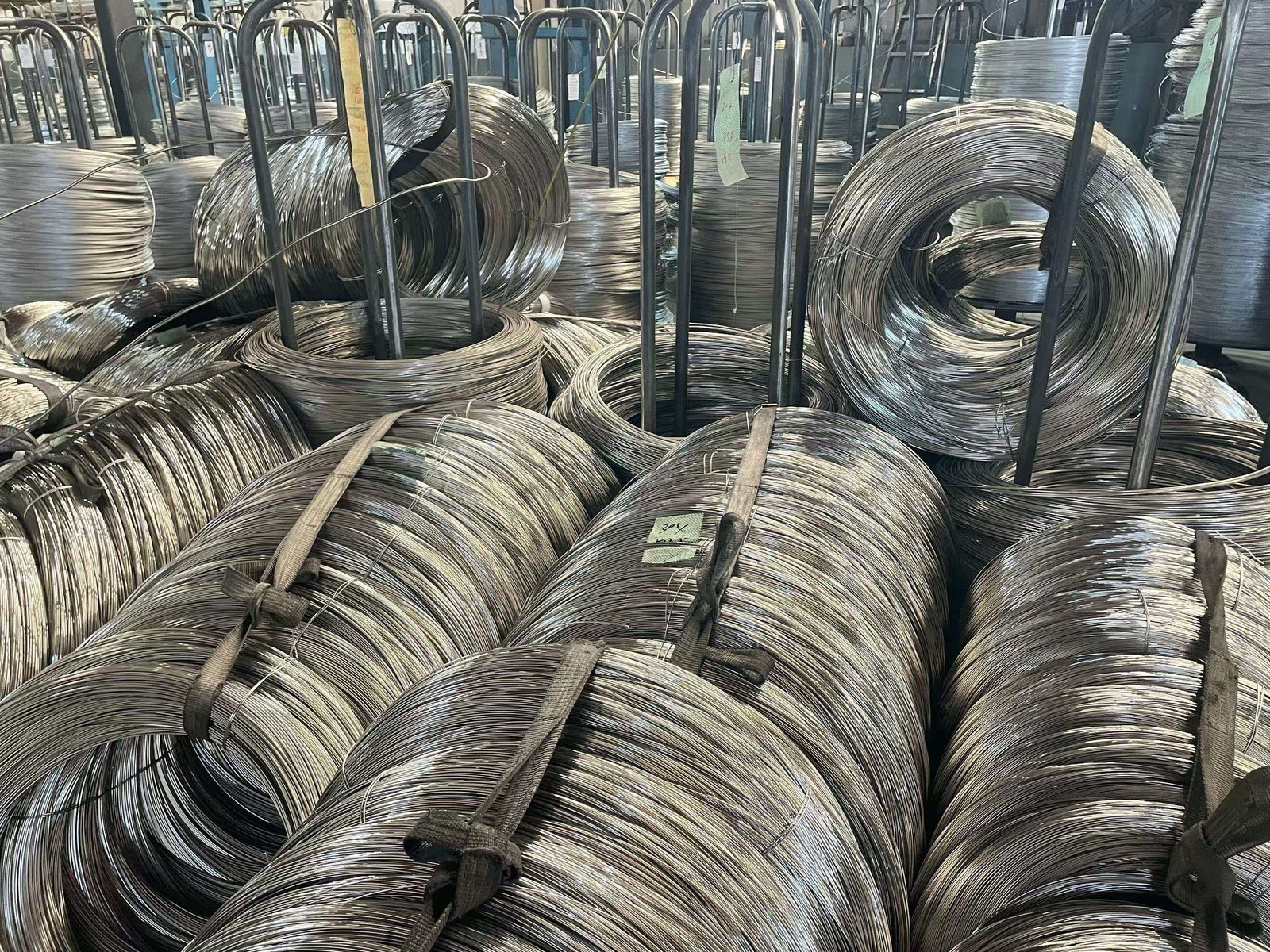
I have a client, a building contractor named Kato from Jinja. His story is now quite well-known in the local Ugandan construction community. He was working on a big project and decided to run a real-world test. On one building, he used standard galvanized wire to tie the rebar. On an identical building in the same project, he used 201 stainless steel wire. Jinja is right on the northern shore of Lake Victoria. The area has two long rainy seasons, and the air humidity is consistently above 70% all year round. This is the ultimate test for any metal product. One year later, Kato went back to inspect the results. The difference was shocking. On the building tied with galvanized wire, rust stains were already bleeding from the rebar joints through the concrete surface. The site supervisor took photos and refused to approve that section without extensive rust-proofing treatment. In contrast, the building tied with 201 stainless steel wire looked perfect. The rebar nodes were completely clean, with not a single spot of rust.
How Does Initial Price Compare to the Total Project Cost?
The cheapest price on an invoice can be deceiving. Hidden costs often turn that initial "deal" into a major financial headache. Let's look at the real numbers from the job site.
The initial cost of 201 stainless steel wire is about 30% higher than galvanized wire. However, the total cost of using galvanized wire skyrockets when you add expenses for rust treatment, labor for rework, and penalties for project delays, making it far more expensive overall.
Kato broke down the numbers for me, and it’s a powerful lesson in total lifecycle cost. He was very honest about his initial thinking. Galvanized wire was cheaper to buy, so it seemed like the smart choice for his budget. But the "cheap" wire ended up costing him a fortune. Because of the rust, he had to pay for extra labor to apply rust-proofing chemicals. His project was delayed, which led to financial penalties. He even had to consider replacing some of the rusted rebar ties, which meant more material and labor costs. The initial $800/ton price became a distant memory. The 201 stainless steel wire, on the other hand, had no such problems. It passed inspection the first time. There was no rework, no delays, and no extra costs. The $1,100/ton was the final cost.
| Cost Factor | Galvanized Wire | 201 Stainless Steel Wire |
|---|---|---|
| Initial Purchase | ~$800 / ton | ~$1,100 / ton |
| Rework & Treatment | Added Cost (Labor, Materials) | $0 |
| Delay Penalties | Added Cost (Significant) | $0 |
| Reputation Damage | High Risk | Low Risk |
| Total Lifecycle Cost | High & Unpredictable | Low & Predictable |
This simple table shows that looking only at the purchase price is a huge mistake. The real cost includes all the problems that come later.
What Are the Long-Term Risks of Using Galvanized Wire in Humid Climates?
A little rust might seem like a small cosmetic issue at first. But in structural concrete, it's a warning sign of much bigger, more expensive problems that can compromise the entire project.
In humid climates like Uganda's, galvanized wire's zinc coating degrades quickly. This leads to rusting rebar, which expands and cracks the surrounding concrete. This compromises structural integrity, fails inspections, and requires costly, long-term repairs that far outweigh any initial material savings.
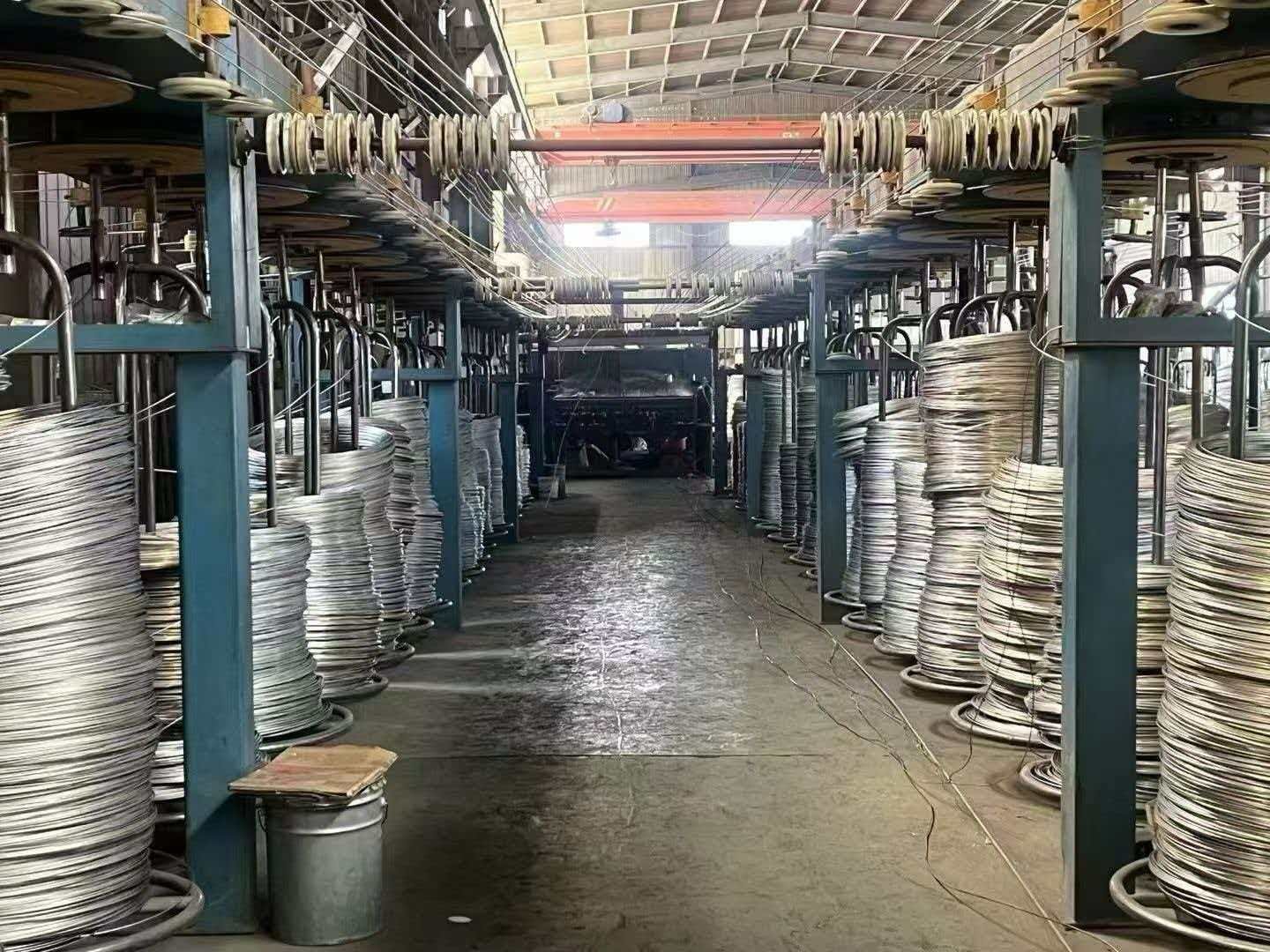
Kato’s experience taught him to think beyond the immediate project. He used to focus only on the purchase order price. Now, he told me, he only looks at the full lifecycle cost. In a climate like Uganda's, the small amount of money saved by buying galvanized wire will be paid back multiple times over in repairs and penalties. The zinc coating on galvanized wire is a sacrificial layer. In constant high humidity and rain, it corrodes away much faster than you would expect. Once it's gone, the steel wire underneath starts to rust. Rusting steel expands, a process called "rust jacking," which puts immense pressure on the surrounding concrete. This leads to cracks, spalling, and allows more moisture to get to the rebar, accelerating the damage. This isn't just about passing an inspection; it's about the long-term safety and durability of the building. Kato now specifies 201 stainless steel wire for all his projects, especially for critical structural parts like beam-column joints and foundations, where failure is not an option. His change in strategy is absolute. Just last week, he sent me a new purchase order for a full 40-foot high container of 2.0mm and 1.5mm 201 stainless steel wire. That's a huge commitment, and it shows he is 100% convinced that this is the only way to build properly in his region.
Conclusion
In Uganda's climate, choosing 201 stainless steel wire isn't an expense. It's an investment in quality, preventing costly future problems and ensuring project success from the start.
One side-by-side test changed Kato's entire procurement strategy. If you're weighing galvanized versus 201 stainless steel wire for Uganda projects, start with our product page https://mfgwiremesh.com/metal-wire/201-stainless-steel-wire/ or reach out via https://mfgwiremesh.com/contact/.
Our factory has been serving East African importers for over 10 years. Tell us your wire diameter and destination port, and we'll prepare a quote within 24 hours. WhatsApp: +86 15383180672.
FAQ:
Q1: How much more expensive is 201 stainless steel wire compared to galvanized wire? A1: The price gap between the two materials is roughly 30 percent. Galvanized wire typically costs about 800 dollars per ton, while 201 stainless steel wire comes in at around 1,100 dollars per ton. But Kato's real-world comparison in Jinja told a different story. The galvanized side needed rust treatment, triggered project delays, and forced rebar replacement. Those extra costs erased the initial savings many times over. The 201 side had zero rust issues and passed inspection on the first attempt. Over the full project cycle, the 201 wire proved to be the cheaper option.
Q2: Does 201 stainless steel wire really not rust during Uganda's rainy seasons? A2: In Kato's year-long test, the building tied with 201 stainless steel wire showed zero rust spots at rebar nodes after both rainy seasons, while the galvanized-tied building had visible rust penetration into the concrete surface. Jinja's location on Lake Victoria's north shore means humidity stays above 70% year-round with two distinct rainy seasons—conditions that rapidly degrade zinc coating but have minimal effect on 201 stainless steel.
Q3: Where should 201 stainless steel wire be used as a priority in Uganda? A3: Kato now specifies 201 stainless steel wire for all structural nodes, beam-column joints, and foundation work—areas where rust would compromise structural integrity. For these critical applications, the full-cycle cost advantage of 201 wire is clearest. General temporary applications can still use galvanized wire if budget is the primary constraint, but Kato's experience suggests the long-term savings of switching entirely to 201 outweigh the initial price difference.