


First-time buyers in Kenya often make the same avoidable mistakes when sourcing 201 stainless steel wire from China. Knowing these three common pitfalls before you order can save thousands of dollars and months of delay. Here is what to watch out for.
When Mwangi first reached out, he had one clear demand: help him avoid the costly mistakes he had already made with his first supplier. That is exactly the kind of buyer we serve on our product page: https://mfgwiremesh.com/metal-wire/201-stainless-steel-wire/.
Frustrated with your stainless steel wire sourcing? You find a cheap price, but the final cost is much higher after delays and quality issues. You are not alone in this.
To avoid costly errors when sourcing 201 stainless steel wire for Kenya, focus on three key areas. Verify strict wire diameter tolerance, demand robust, multi-layer waterproof packaging, and prepare all customs clearance documents like your KRA PIN and importer code with your supplier before shipping.
I remember talking to Mwangi, a construction contractor from Nairobi. He has been in the business for six years. Last year, he decided to source 201 stainless steel wire directly from China for the first time. He later told me that if someone had explained these common mistakes to him earlier, he could have saved at least five thousand US dollars and two months of headaches. His story is a perfect example of what can go wrong, but also how to get it right. I want to share his experience so you don't have to learn the hard way.
Are You Only Looking at the Price and Not the Specifications?
Are you tempted by the lowest price online? This often leads to receiving low-quality wire that breaks easily on site, causing project delays and wasting money on unusable material.
The cheapest wire usually has poor diameter tolerance, meaning it's uneven and weak. A quality supplier controls diameter tolerance to within ±0.03mm. This ensures the wire is uniformly strong and reliable for construction work, like tying rebar, without snapping under pressure.
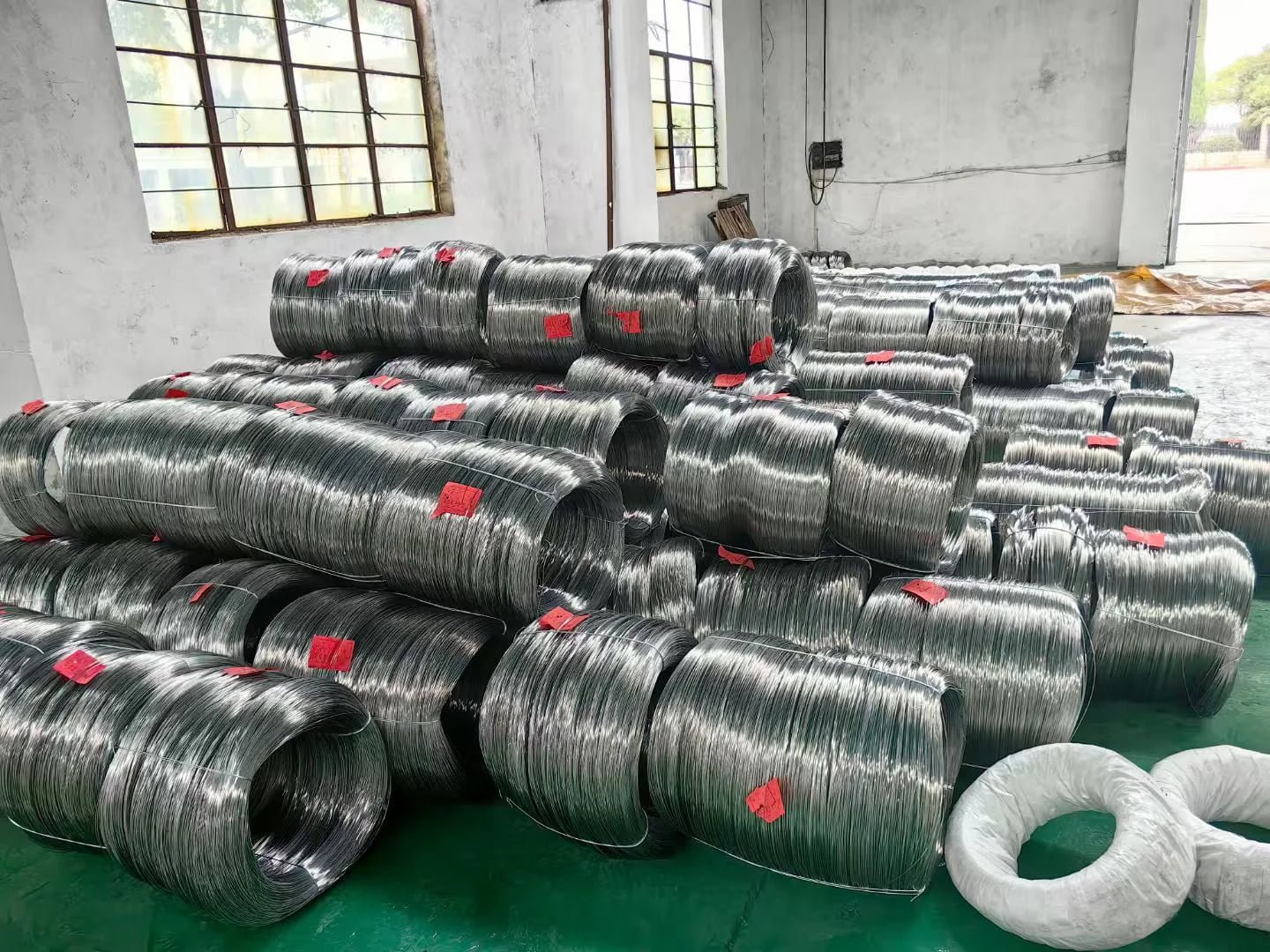
Mwangi’s first mistake was chasing the lowest price. He got a few quotes online and, naturally, chose the cheapest one for a one-ton trial order. The problem started when the wire arrived at his construction site in Nairobi. His workers complained that the wire kept breaking when they were tying rebar. It was slowing them down and wasting material. Mwangi took out his calipers to check. The wire was supposed to be 2.0mm, but it was all over the place. He measured spots as thin as 1.85mm and as thick as 2.1mm. This inconsistency was the root of the problem. A thin spot in the wire is a weak spot, and that's where it would snap.
Why Diameter Tolerance is Critical
In our factory in Anping, we know that consistent wire diameter is non-negotiable. It's not just about looks; it's about performance and safety.
- Tensile Strength: The strength of a wire is directly related to its cross-sectional area. An inconsistent diameter means inconsistent strength. Even a small drop in diameter dramatically reduces the wire's load-bearing capacity. For construction, this is a serious safety risk.
- Work Efficiency: When workers have to be extra careful not to break the wire, or when they have to replace snapped ties, the entire project slows down. Labor costs go up, and deadlines are missed. A reliable wire allows them to work quickly and confidently.
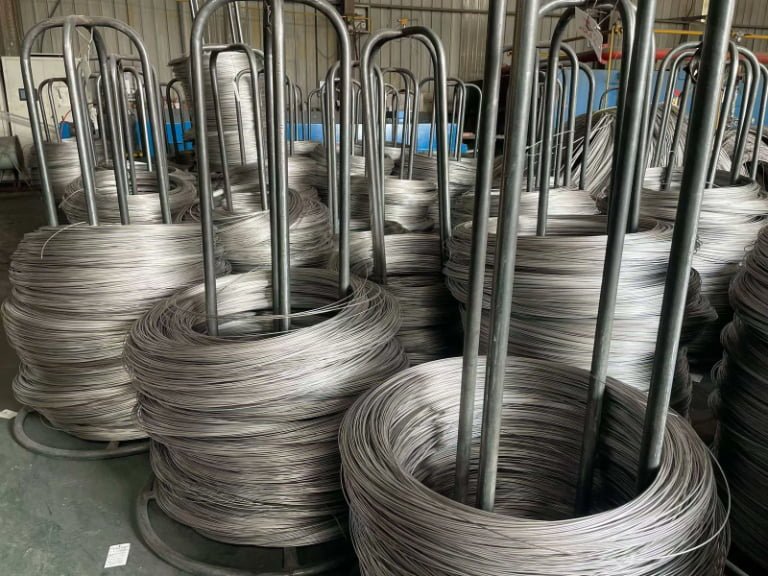
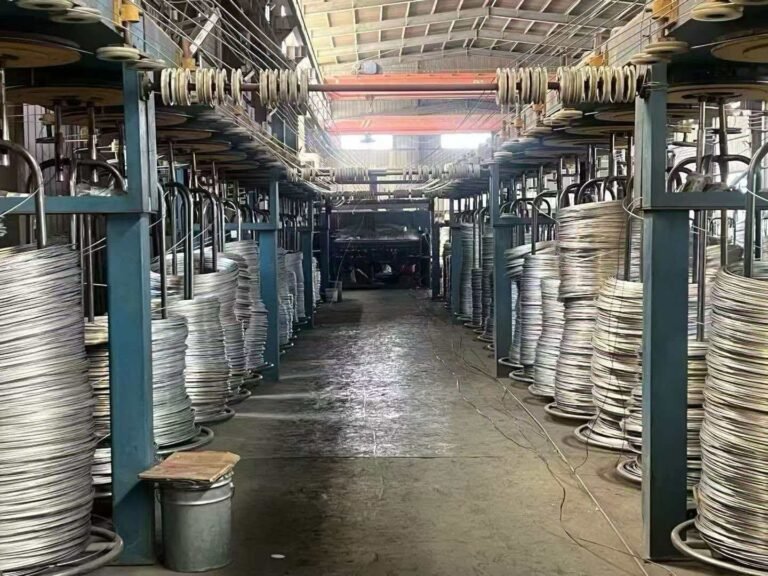
We use automated cold drawing machines that are constantly monitored. Our QC staff, with over 8 years of experience each, check the wire diameter continuously. We guarantee a tolerance of ±0.03mm for our 201 stainless steel wire. This means a 2.0mm wire from us will be between 1.97mm and 2.03mm along its entire length. This uniformity means you can tie thousands of knots on a job site without a single break.
| Feature | Low-Price Supplier | Anping XF (Our Factory) |
|---|---|---|
| Nominal Diameter | 2.0mm | 2.0mm |
| Actual Diameter | 1.85mm - 2.1mm | 1.97mm - 2.03mm |
| Tolerance | ±0.15mm or worse | ±0.03mm |
| Result on Site | Frequent breaking, slow work | No breaking, efficient work |
| Material Waste | High | Minimal |
Do You Overlook the Importance of Proper Packaging for Shipping?
Your goods arrive after a long journey, but they are damaged by moisture. The outer layers are rusted or stained, making them unusable and representing a direct financial loss for you.
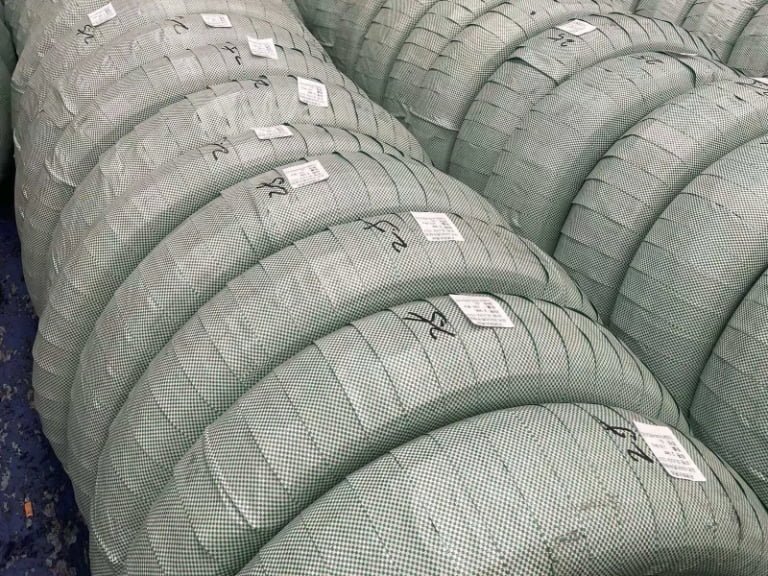
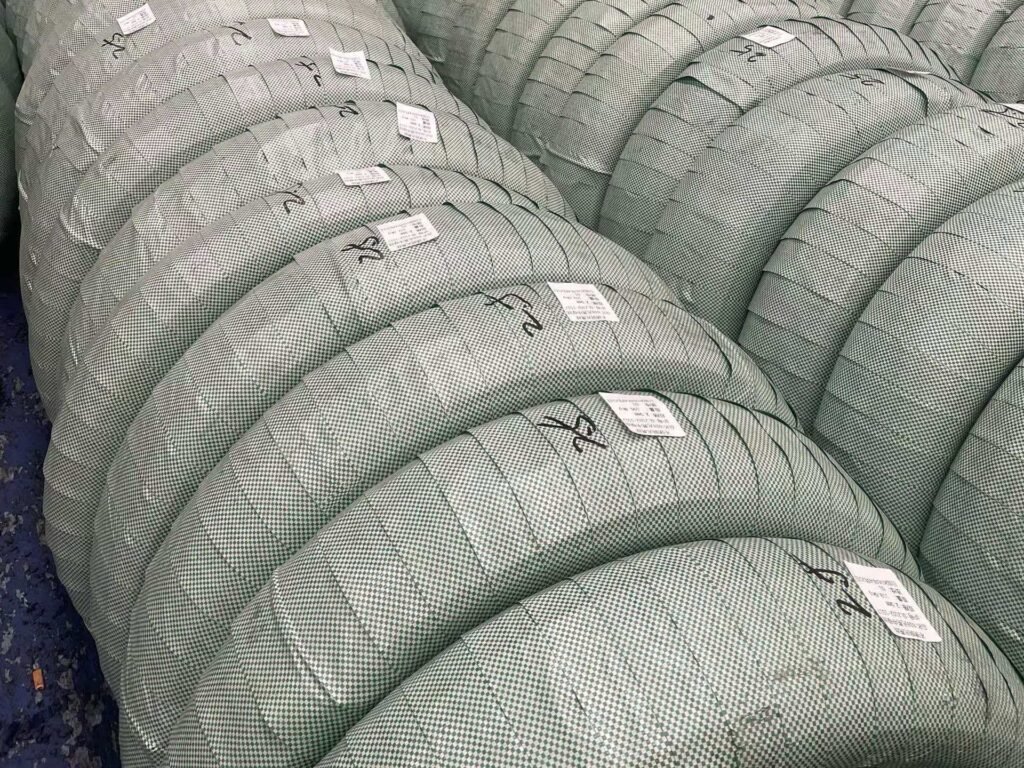
The journey from China to Nairobi is long and exposes cargo to humidity and rain. Proper packaging is essential. We use a three-layer system: waterproof paper, plastic film, and a woven bag, then palletize it. This ensures your wire arrives clean and dry, ready for use.
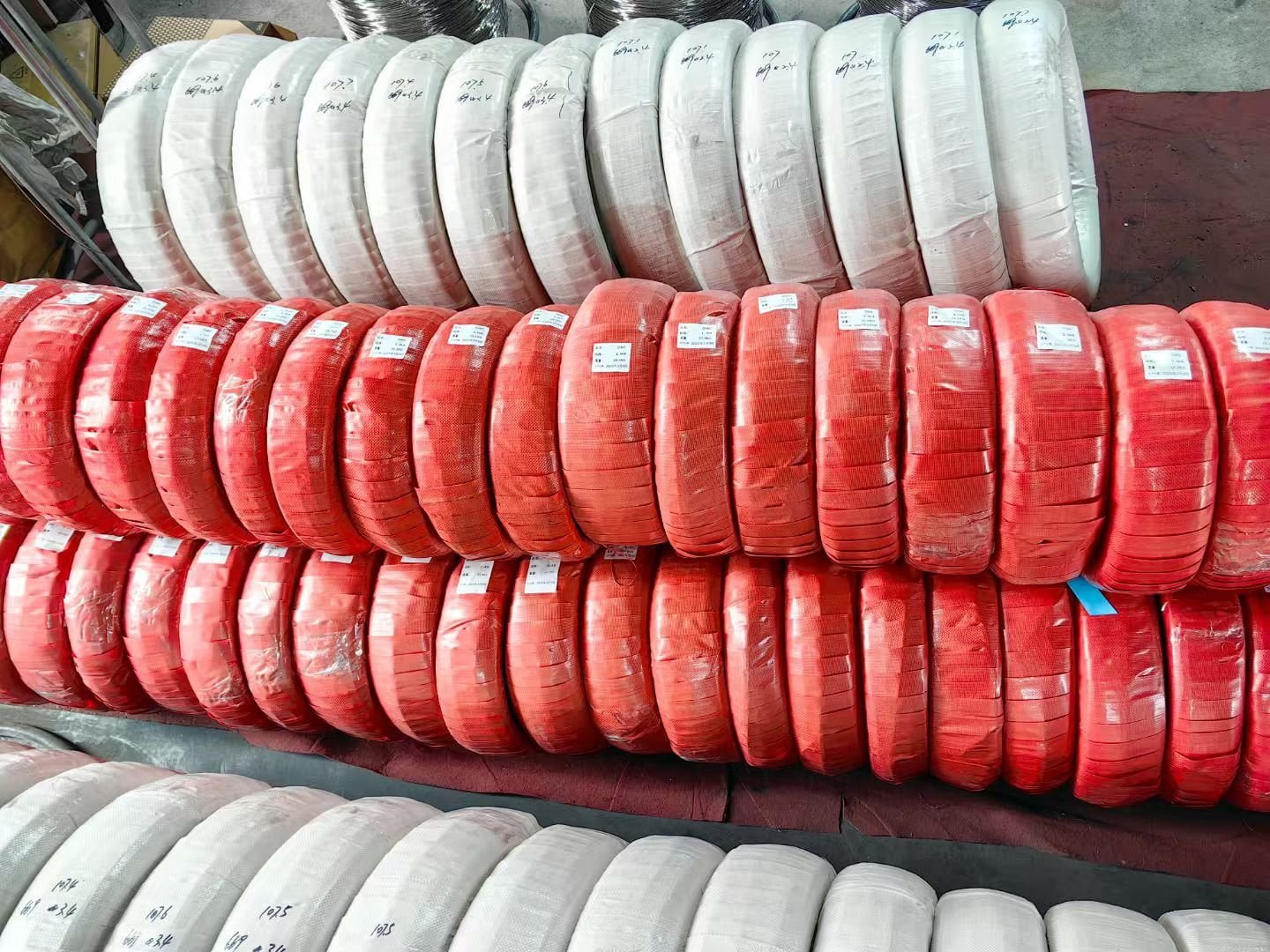
Mwangi’s second mistake was not thinking about the journey. His first shipment arrived in simple woven bags. From the port of Mombasa to Nairobi is about a two-day truck journey. During that time, it can rain, especially during Kenya's rainy seasons. When his team opened the bags at the warehouse, they found the outer layers of the wire coils were already showing water stains and signs of early rust. That part of the wire was a total loss. He had paid for a full ton but could only use a portion of it. This is a common issue when suppliers cut corners on packaging to offer a lower price.
The Journey and Why Our Packaging Works
We ship to Kenya regularly, so we understand the entire logistics chain and its risks. Your wire will be on a container ship for weeks, exposed to salty, humid air. Then, it will sit at the port of Mombasa, where humidity is high. Finally, it travels by road to inland cities like Nairobi.
Our packaging is designed to protect the wire through all of it.
- Layer 1: Waterproof Paper. This is the first layer wrapped directly around the coil. It provides the initial barrier against moisture.
- Layer 2: Thick Plastic Film. We then wrap the entire coil in a heavy-duty plastic film. This layer is airtight and waterproof, protecting the wire from humidity and direct contact with water.
- Layer 3: Woven Polypropylene Bag. The final outer layer is a tough woven bag that protects against tears, punctures, and dirt during handling.
- Palletizing: After packaging, we stack the coils securely on wooden pallets and use stretch film to wrap the entire pallet. This makes it easy and safe for forklifts to handle, prevents the coils from rolling around and getting damaged, and adds another layer of protection.
When a container packed by us arrives in Mombasa, it doesn't matter if it sits at the port for a few extra days or if the truck driver runs into a rainstorm on the way to Nairobi. When you cut open the packaging at your warehouse, the wire inside will be as clean and bright as the day it left our factory.
Are You Unprepared for Kenya's Customs Clearance Process?
Your shipment has arrived at the port, but it's stuck. The paperwork is wrong, and every day of delay costs you hundreds of dollars in fees, turning your profitable order into a loss.
Smooth customs clearance in Kenya requires correct and complete documentation prepared in advance. You must provide your KRA PIN and importer code to your supplier so the commercial invoice and Bill of Lading are accurate. This allows for pre-declaration and immediate release upon arrival.
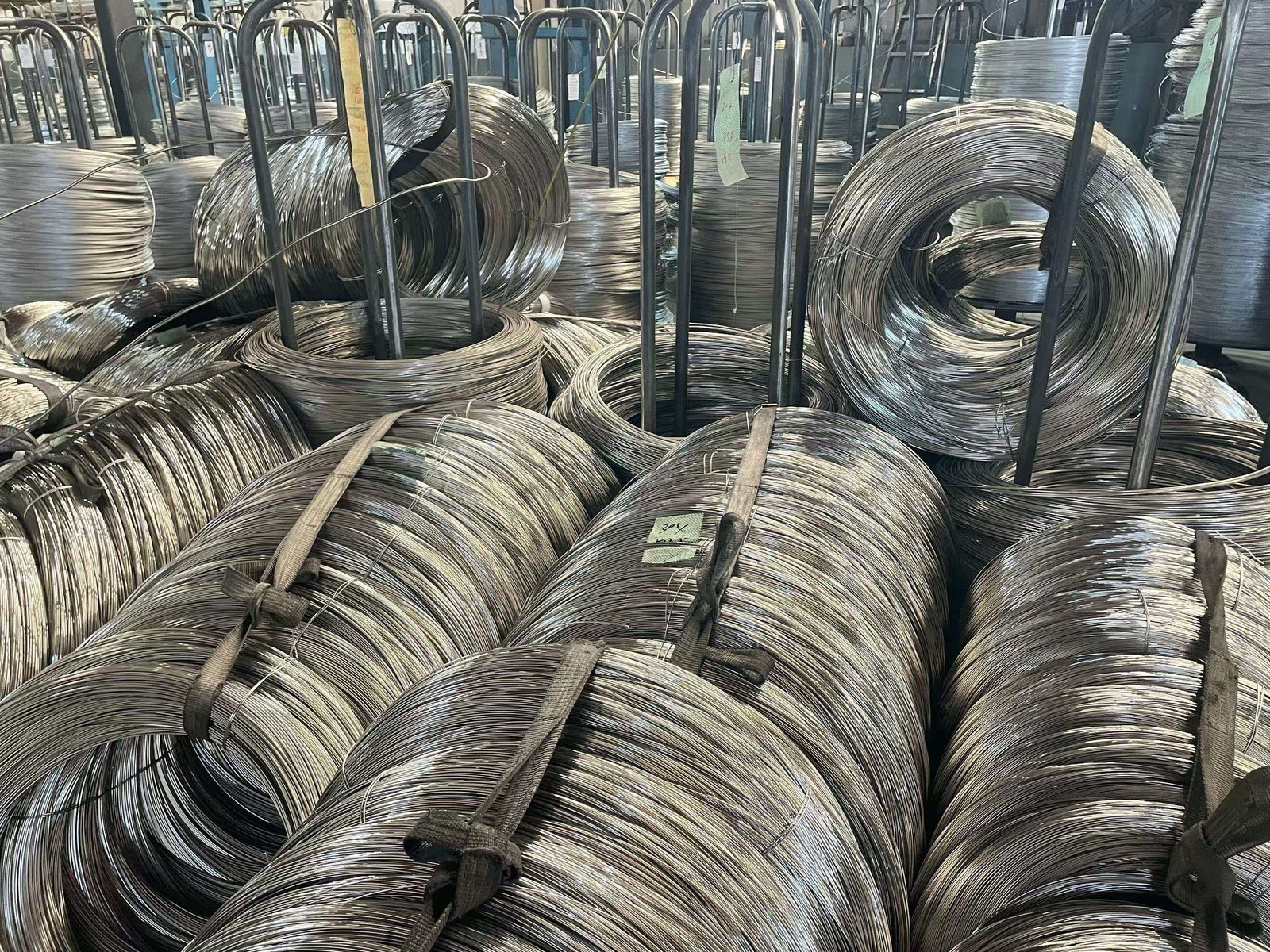
This was Mwangi’s third and most stressful mistake. His first shipment arrived at the port of Mombasa, and only then did he hire a clearing agent. The agent quickly found a problem: the company information on the Bill of Lading and commercial invoice did not perfectly match Mwangi's company registration details. Because of this mismatch, the container couldn't be cleared. It was stuck at the port for eight extra days while they worked to fix the paperwork. Each day cost him money in port demurrage and storage fees. The few hundred dollars he thought he saved on the wire price were quickly eaten up by these penalties.
A Simple Checklist for Smooth Customs Clearance
Clearing customs in Kenya is straightforward if you are prepared. The key is to work with a supplier who understands the process and to get everything right before the ship even leaves China.
Now, Mwangi is one of our regular customers. He places an order for a full container every quarter. Before we even start production, he sends us his company's key information.
Here is what we always confirm with our Kenyan clients:
- Kenya Revenue Authority (KRA) PIN: This is your company's tax identification number and is mandatory for all imports.
- Importer Code: You must be registered as an importer with the Kenyan authorities.
- Consignee Details: The company name and address on the Bill of Lading must exactly match your registered company details. No abbreviations or variations.
- Certificate of Conformity (CoC): For many products, Kenya requires a CoC from an authorized agency like SGS or Intertek to prove the goods meet quality standards. We help our clients arrange this inspection in China before shipment.
With all this information, we create a perfect commercial invoice and Bill of Lading. Our shipping documents match your company's details exactly. Your clearing agent in Kenya can then use these documents to make a pre-declaration in the customs system before the ship even docks. When the container is offloaded, it's often cleared the very same day. No delays, no extra fees.
Conclusion
Mwangi now gets his wire on time, every time, with no surprises. By avoiding these three common mistakes, you can also save thousands of dollars and ensure your projects run smoothly.
From a costly first shipment to smooth quarterly orders, Mwangi learned the hard way so other Kenyan buyers do not have to. If you are sourcing 201 stainless steel wire for Kenya, start with our product page https://mfgwiremesh.com/metal-wire/201-stainless-steel-wire/ or reach out via https://mfgwiremesh.com/contact/.
If you are sourcing SS201 binding wire or 201 stainless steel wire for Kenya, Tanzania, or Uganda, we are happy to provide a specification-based quotation. Contact us via WhatsApp: +86 15383180672.
FAQ:
Q1: What diameter tolerance should I expect from quality 201 stainless steel wire? A1: Quality 201 stainless steel wire should have a diameter tolerance within plus or minus 0.03 millimeters. Mwangi learned this the hard way when his first cheap batch varied from 1.85 to 2.1 millimeters on a nominal 2.0 millimeter specification, causing frequent snapping during manual tying. Our factory maintains strict tolerance control across all production, ensuring uniform diameter from start to finish on every coil.
Q2: What packaging is needed for Kenya shipments to prevent moisture damage? A2: Kenya shipments require triple-layer moisture-proof packaging: waterproof paper against the wire surface, sealed plastic film as the second layer, and a woven bag as the outer layer. Each coil is then palletized and wrapped with stretch film. This protects against both the humid conditions at Mombasa port and any rain exposure during the two-day inland truck journey to Nairobi.
Q3: What documents do I need to prepare before shipping to avoid port delays in Mombasa? A3: Before your shipment departs, have your KRA PIN, importer code, and company registration details ready so we can match your commercial invoice and bill of lading exactly to your business information. Mwangi's first shipment was delayed eight days at Mombasa because his documents did not match, costing hundreds of dollars in demurrage charges. With correct documentation submitted before vessel arrival, clearance can be completed within a day.