


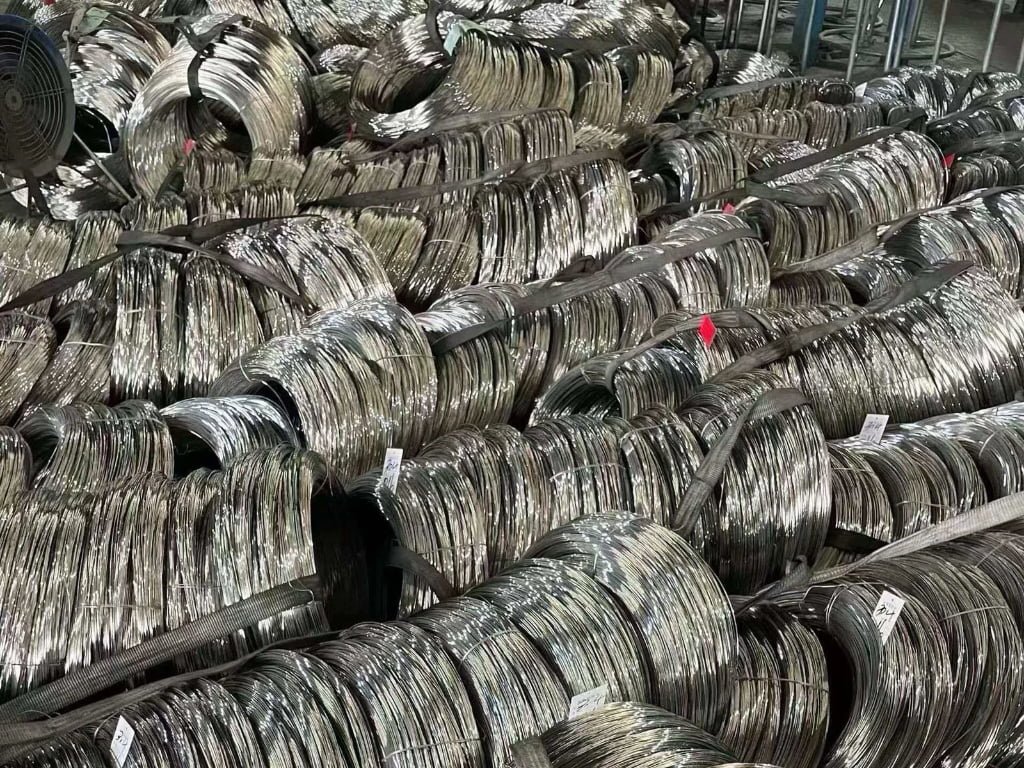
Tanzania's construction material import patterns are shifting fast. Three structural changes are driving sustained growth in 201 stainless steel wire demand, and importers who understand these trends are positioning ahead of the market. Here is what is happening on the ground in Dar es Salaam and beyond.
For procurement managers like Juma, tracking Tanzania's evolving demand for 201 stainless steel wire across infrastructure, logistics, and inland markets is a constant challenge — one our main website addresses directly: https://mfgwiremesh.com/.
Tanzanian construction projects are getting bigger, but using old materials causes problems. Savvy importers know this and are now choosing 201 stainless steel wire to meet new quality demands.
The demand for 201 stainless steel wire in Tanzania is rising due to three main factors. First, large-scale infrastructure projects now require rust-proof materials. Second, importers are sourcing directly from factories to cut costs. Third, construction is booming in new inland markets, creating fresh demand.
I had a phone call last week with Juma, a building materials wholesaler in Dar es Salaam. He's been an importer for ten years, and what he told me perfectly explains this trend. In just the first five months of this year, his orders for 201 stainless steel wire have already surpassed his total for all of last year. He explained that this is happening because of three major shifts in his market. I want to share what he told me, because it shows where the market is headed.
Why Are Large Tanzanian Projects Demanding Stainless Steel Wire?
In the past, builders mainly used galvanized wire for small projects. But this cheaper wire easily rusts and fails on large infrastructure jobs. Now, project tenders demand rust-proof stainless steel.
Large infrastructure projects like railways, government buildings, and ports need materials that last. They require high corrosion resistance for long-term safety and integrity. Standard galvanized wire is no longer good enough, so contractors now specify 201 stainless steel directly in their official tender documents.
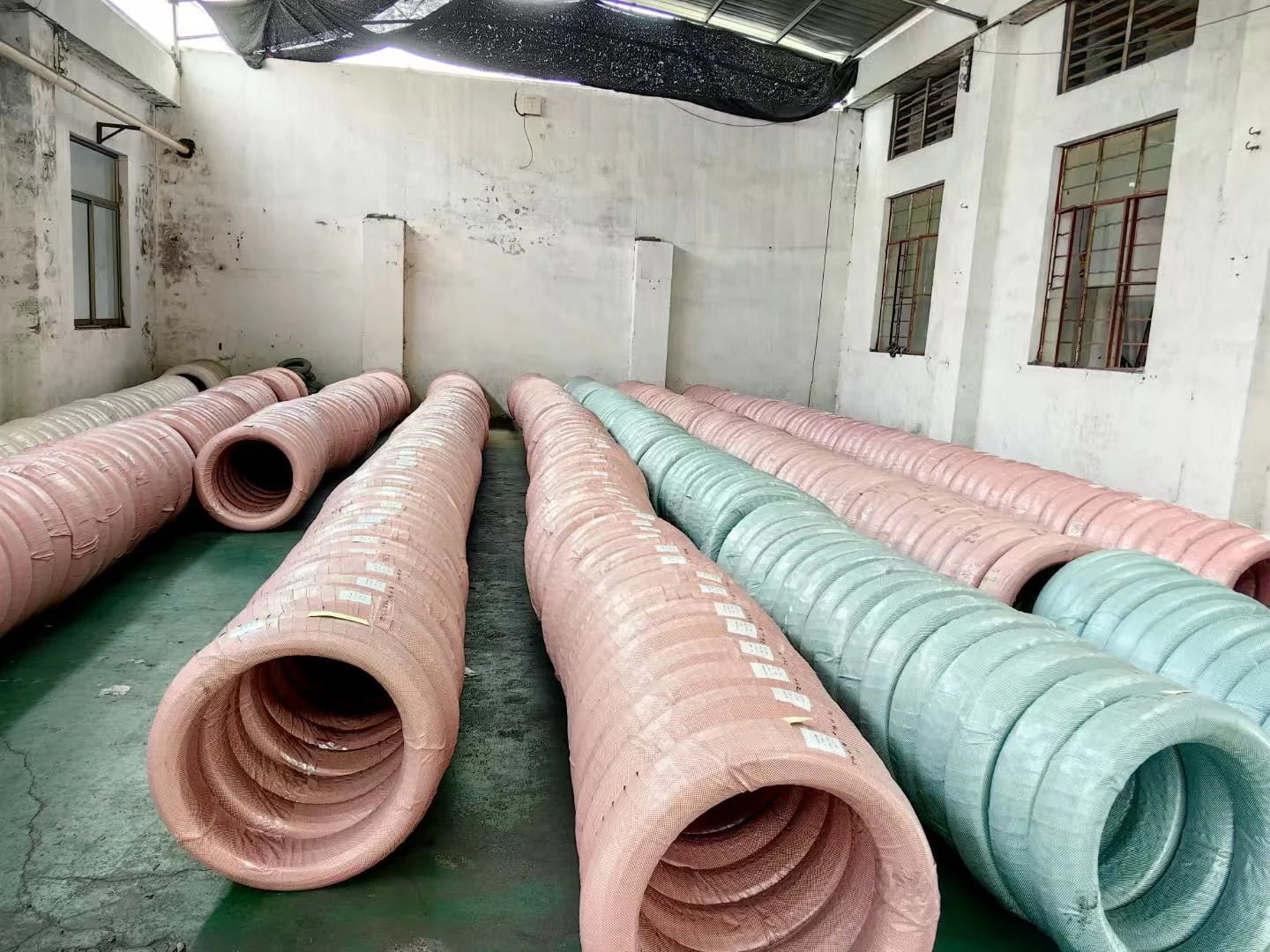
The first change Juma mentioned is the type of projects being built. For years, most of his customers were building smaller homes and shops. For those jobs, galvanized tying wire was perfectly fine. But now, Tanzania is seeing more massive infrastructure projects. He mentioned the Standard Gauge Railway from Dar es Salaam to Morogoro, the new government building complex in the capital Dodoma, and the expansion of coastal ports. These huge projects have much higher standards for materials. The tying wire used must be rust-proof. Juma told me that large contractors now write "stainless steel tying wire" directly into their bid documents. Galvanized wire cannot even be considered for these bids anymore. This shift in project scale is forcing a major upgrade in material quality.
| Feature | Galvanized Iron Wire | 201 Stainless Steel Wire |
|---|---|---|
| Corrosion Resistance | Basic, rusts over time | Good, suitable for long-term use |
| Project Suitability | Small-scale, residential | Large-scale infrastructure |
| Tender Compliance | Often fails new specifications | Meets modern project requirements |
| Durability | Lower, may need replacement | High, ensures structural integrity |
How Are Tanzanian Importers Cutting Costs by Sourcing Directly?
Importers used to buy through expensive middlemen in Dubai or Kenya. This added unnecessary costs and delays, which hurt their profits. Now, they connect directly with Chinese factories for better prices.
Direct sourcing cuts out the middleman’s markup. Importers can use the internet to find manufacturers, compare product specifications, and negotiate prices themselves. This transparency helps them significantly reduce the final landed cost of materials like 201 stainless steel wire, giving them a competitive edge.
The second change Juma talked about is how he buys his products. In the past, most Tanzanian importers like him bought from middlemen in Dubai or Kenya. This system worked, but it added another layer of cost. Today, information is much more transparent. Juma said he can now go online and find factories in China himself. He can directly compare specifications and prices from different suppliers. This has squeezed the profit margins for the middlemen. He even did the math for me. By skipping the trading companies and buying directly from our factory, he calculated that his final landed cost drops by about 12%. That saving goes straight to his bottom line and makes him more competitive in the local market. It’s not that the middlemen were unreliable; it's just that the internet has made the supply chain more efficient.
| Cost Component | Sourcing via Middleman | Direct Factory Sourcing |
|---|---|---|
| Factory Price | Standard | Standard |
| Middleman Markup | Adds 10-20% | $0 |
| Communication | Indirect, potential for delay | Direct, fast responses |
| Final Landed Cost | Higher | ~12% Lower |
Which New Tanzanian Markets Are Driving Stainless Steel Wire Demand?
For a long time, imported building materials were sold mainly in coastal cities. This ignored the growing potential of inland regions. Now, infrastructure development in cities like Mwanza is creating new demand.
Inland cities like Mwanza, Arusha, and Mbeya are the new growth areas. The development of industries such as fisheries processing plants and warehouses around Lake Victoria needs durable construction materials. 201 stainless steel wire is ideal for fencing and structural tying in these projects.
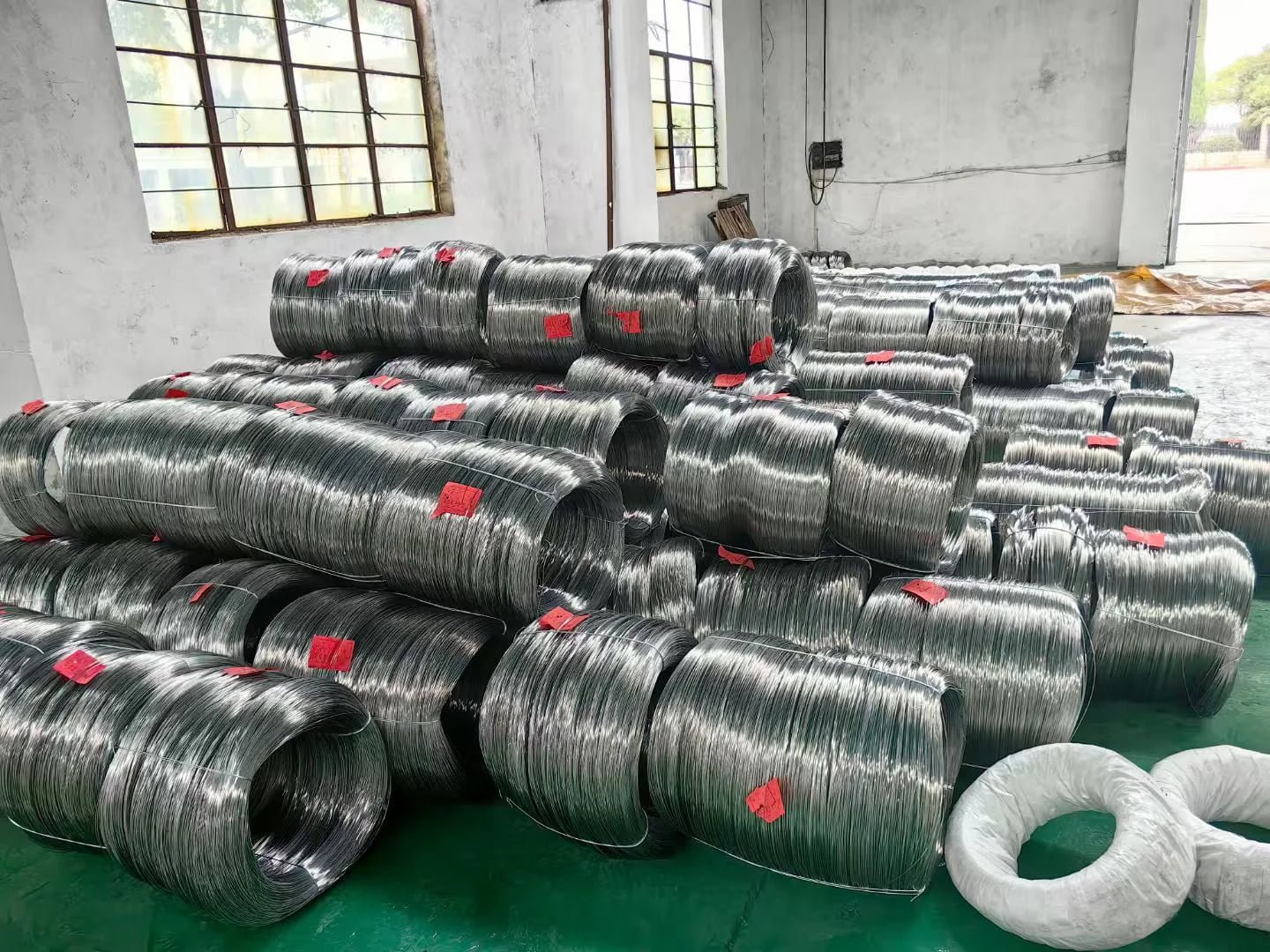
The final shift Juma shared with me is the growth of inland markets. Previously, almost all imported building materials were sold in Dar es Salaam and other coastal cities. But now, infrastructure is accelerating in inland cities too. Juma said he started sending several containers to Mwanza last year. There is huge demand around Lake Victoria for building new fishery processing plants and warehouses. The humid environment near the lake makes rust a serious concern. Because of this, 201 stainless steel wire is the perfect material for building fences and for structural tying in new buildings there. This geographic expansion means the demand for quality materials is no longer limited to the coast. It is becoming a nationwide trend as the whole country develops.
| Region | Past Market Focus | Current Growth Market |
|---|---|---|
| Coastal (Dar es Salaam) | Main consumption area | Stable, mature market |
| Inland (Mwanza, Arusha) | Limited sales, low demand | High-growth, new projects |
| Primary Demand Driver | General residential construction | Infrastructure & industrial projects |
| Key Product | Galvanized Wire | 201 Stainless Steel Wire |
Conclusion
The growth of 201 stainless steel wire in Tanzania is driven by better projects, smarter sourcing, and new markets. This powerful trend shows no signs of slowing down anytime soon.
From a ten-year import veteran's perspective, Juma's market reading carries weight. If you are sourcing 201 stainless steel wire for Tanzania's growing project pipeline, start with our product page https://mfgwiremesh.com/metal-wire/201-stainless-steel-wire/ or reach out via https://mfgwiremesh.com/contact/.
Our factory has been serving East African importers for over 10 years. Tell us your wire diameter and destination port, and we will prepare a quote within 24 hours. WhatsApp: +86 15383180672.
FAQ:
Q1: Why are large infrastructure projects in Tanzania switching to 201 stainless steel wire? A1: Major projects like the standard gauge railway from Dar es Salaam to Morogoro and the new government buildings in Dodoma now specify stainless steel binding wire in tender documents. These projects require rust-free rebar tying to ensure long-term structural integrity, and galvanized wire simply does not meet the updated specifications. Juma reported that contractors on these projects order 2.0 millimeter 201 wire in bulk and cannot substitute with cheaper alternatives.
Q2: How much can Tanzanian importers save by sourcing factory-direct instead of through middlemen? A2: Based on Juma's calculations, bypassing Dubai or Kenya-based intermediaries and sourcing directly from our Anping factory reduces landed cost by approximately 12 percent. The savings come from eliminating intermediary markups, not from shipping cost differences. Importers also gain direct access to technical support and documentation, which speeds up customs clearance at Dar es Salaam port.
Q3: Which inland cities in Tanzania are showing growing demand for 201 stainless steel wire? A3: Mwanza, Arusha, and Mbeya are the fastest-growing inland markets. Mwanza, located on Lake Victoria, has growing demand from fish processing plant construction and warehouse projects. Arusha serves both construction and agricultural trellising markets. Mbeya's growth is driven by regional infrastructure connecting Tanzania to neighboring Zambia and Malawi. Juma has already shipped multiple containers to Mwanza this year and expects inland demand to continue rising.