


Uganda's landlocked geography means every container of 201 stainless steel wire must transit through Kenya's Mombasa port. Understanding the logistics chain from port to Kampala is the difference between predictable deliveries and costly delays. Here is a practical breakdown based on real shipments.
When Kato first reached out, he had one clear demand: a reliable factory that understood Uganda's unique import logistics through Mombasa. That is exactly the kind of buyer we serve on our product page: https://mfgwiremesh.com/metal-wire/201-stainless-steel-wire/.
Are you a Ugandan importer worried about the complex logistics from Mombasa? The route feels risky, with many chances for delays and hidden costs that can hurt your business. But a smooth import process is possible if you understand the key steps.
The best way to clear stainless steel wire is to use a bonded transit from Mombasa to a URA warehouse in Kampala for final clearance. This method is safer and more cost-effective because you handle customs in your home country, avoiding potential Kenyan taxes and unfamiliar procedures.
A client of mine, Kato, recently faced this exact challenge. He’s a building materials importer in Kampala and wanted to buy 201 stainless steel wire directly from my factory in China for the first time. He wasn't worried about the product quality; he was worried about the journey. Uganda is a landlocked country, so all his sea cargo had to go through the port of Mombasa in Kenya. This was a new route for him, and he was afraid his shipment would get stuck, racking up fees. I told him not to worry. We just needed to break the entire logistics chain down, piece by piece, and plan for each step. This story shows how we did it.
Should You Clear Customs in Mombasa or Kampala?
Choosing where to clear customs is a big decision for any Ugandan importer. Making the wrong choice can lead to dealing with unfamiliar port authorities or even double taxation, adding a lot of stress and expense. Let's compare the two options to help you decide.
For most Ugandan importers, using a bonded transit to clear customs in Kampala is better. It avoids potential Kenyan taxes, and you work directly with the Uganda Revenue Authority (URA), a system you are already familiar with. This usually leads to a smoother, more cost-effective process.
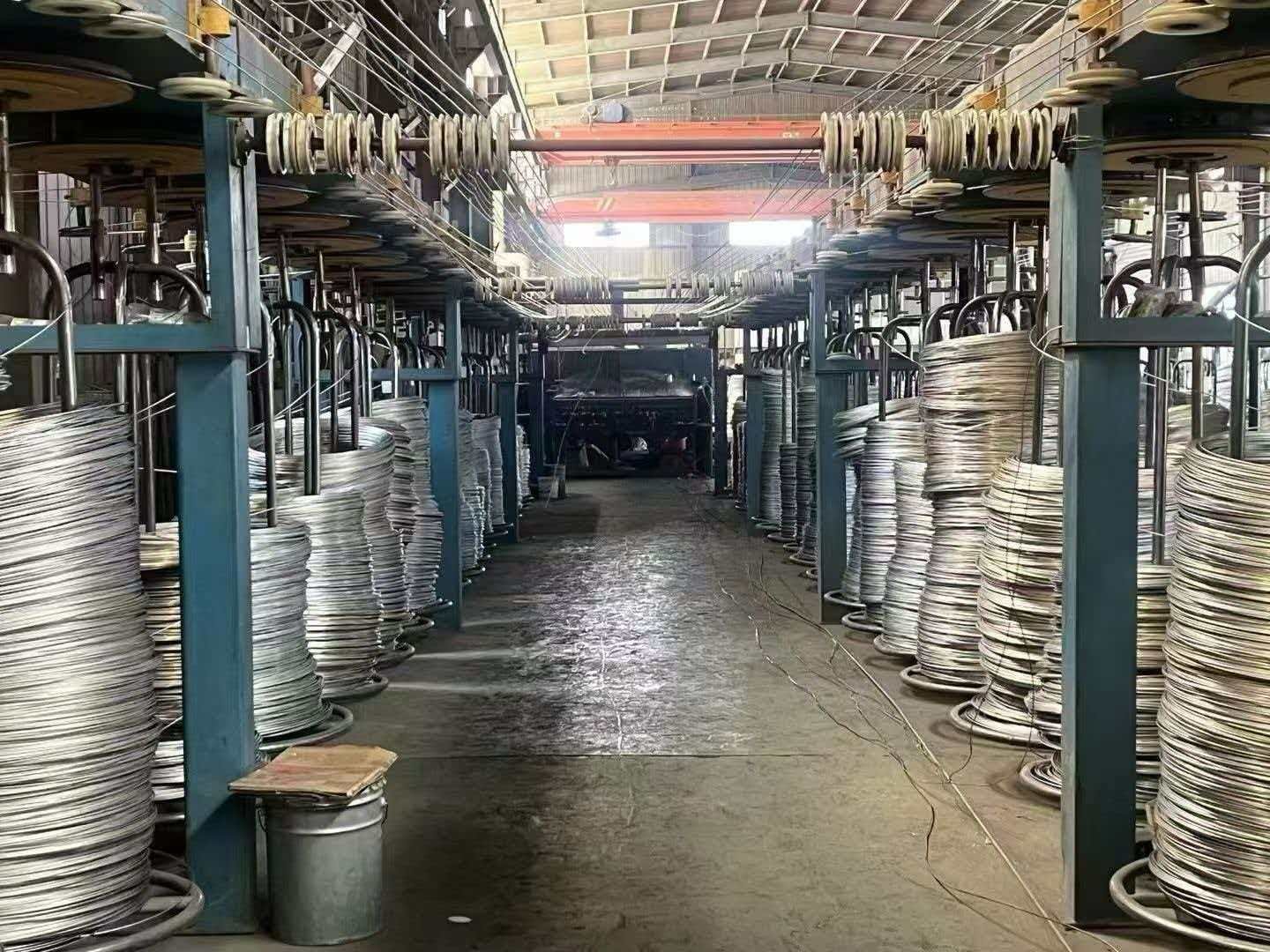
When Kato’s shipment was planned, we had to decide where he would officially clear his goods. He had two main choices. The first was to clear customs directly in Mombasa with the help of a Kenyan clearing agent. The second was to use a bonded transit, where the container is sealed and transported directly to a URA bonded warehouse in Kampala for clearance there. After talking with his local agent, Kato chose the second option. He felt much more comfortable dealing with the URA in his own city. It also meant he could avoid any confusion with Kenyan tax rules for goods that are only in transit. This decision was the first and most important step in making his import a success.
Here is a simple table to compare the two options:
| Feature | Clearing in Mombasa | Bonded Transit to Kampala |
|---|---|---|
| Customs Authority | Kenya Revenue Authority (KRA) | Uganda Revenue Authority (URA) |
| Location of Clearance | Mombasa Port | URA Bonded Warehouse, Kampala |
| Tax Risk | Higher risk of Kenyan fees if processed incorrectly | Lower risk, only Ugandan duties apply |
| Familiarity | Less familiar for Ugandan importers | More familiar, home-country process |
| Control | Container is unsealed in Kenya | Container stays sealed until Kampala |
What Documents Are Absolutely Essential for Smooth Clearance?
You have decided on your clearance strategy, but now you have to deal with paperwork. A single mistake on an invoice or Bill of Lading can cause huge delays and expensive penalties at the port. So, let’s look at the exact documents you must get right before your cargo arrives.
The most critical documents are the Commercial Invoice, Packing List, and Bill of Lading. You must ensure all information, especially the consignee's name, address, and Ugandan TIN, perfectly matches your company's registration. These documents are the lifeline for a fast and smooth clearance.
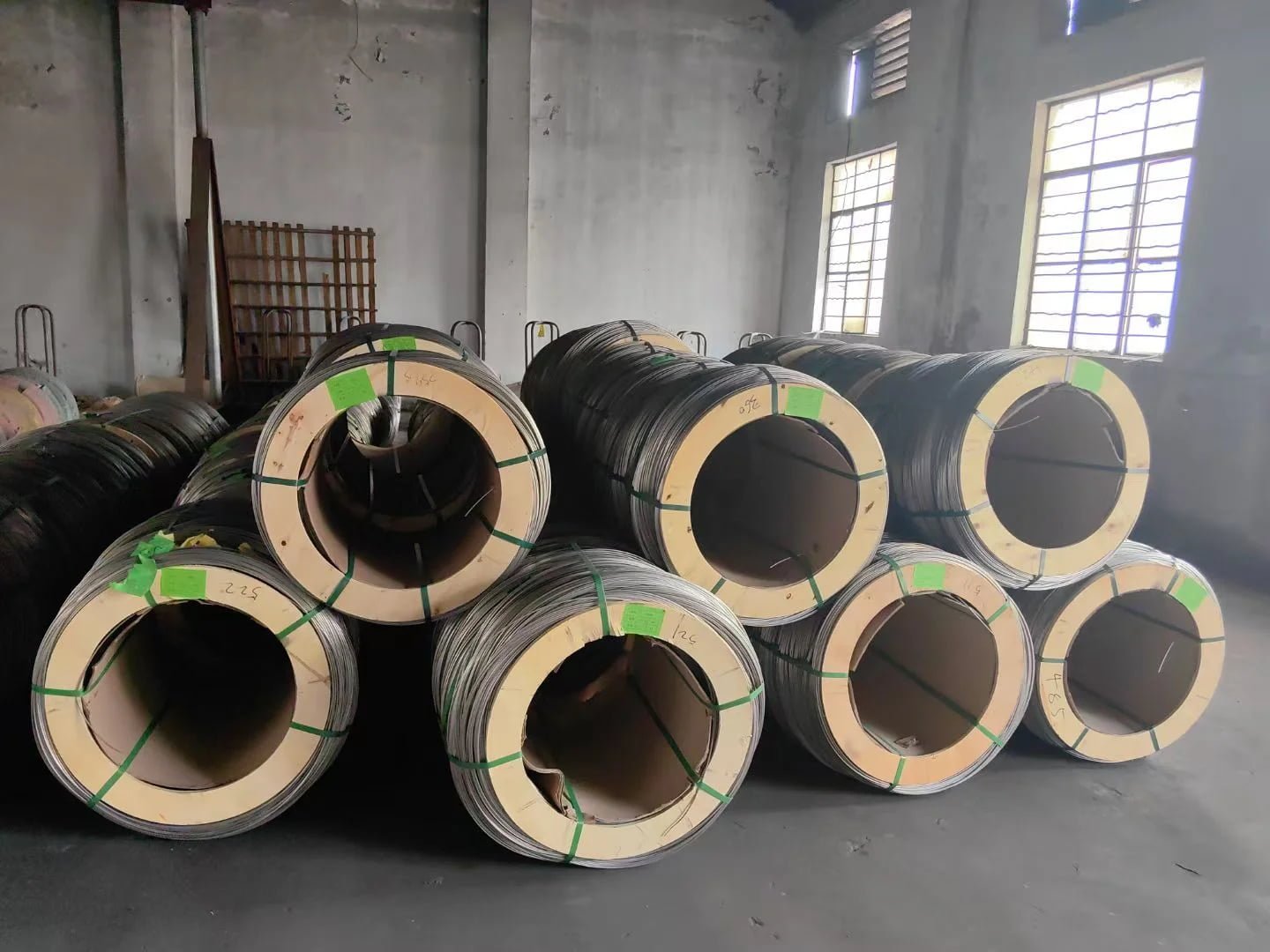
Kato later told me his biggest lesson was that all documents must be prepared perfectly in advance. You cannot wait for the goods to arrive to fix problems. Before we even started production, I asked him for his official company registration details and his Ugandan importer code (TIN). We used this information to prepare all the shipping documents. Our commercial invoice, packing list, and the Bill of Lading all matched his details exactly. His clearing agent received copies of these documents and made a pre-declaration in the customs system three days before the ship arrived in Mombasa. This gave the authorities a heads-up that his container was coming. Because everything was prepared, the system was ready, and the process at the port was quick and simple.
Here are the key documents and why they matter:
- Commercial Invoice: Shows the value, description of goods, and HS code. The buyer and seller details must be exact.
- Packing List: Details the number of coils, weight, and dimensions. Customs uses this to verify the physical shipment.
- Bill of Lading (B/L): This is the title to your goods. The consignee information must be 100% correct, or you won't be able to claim your container.
- Importer Code (TIN): Your unique Taxpayer Identification Number with the URA. This must be on all key documents to link the shipment to you.
What Does the Inland Journey from Mombasa to Kampala Really Involve?
Your container has been approved for transit, but now it faces a long 1,150-kilometer journey by road. You might worry about security, delays, and the condition of your goods upon arrival. Let's walk through the timeline and what to expect during this final, crucial part of the journey.
The inland truck journey from Mombasa to Kampala for bonded cargo typically takes 10 to 12 days. The container is secured with a customs seal at the port and tracked until its destination. It is a standard procedure, with the final inspection happening at the Kampala bonded warehouse.
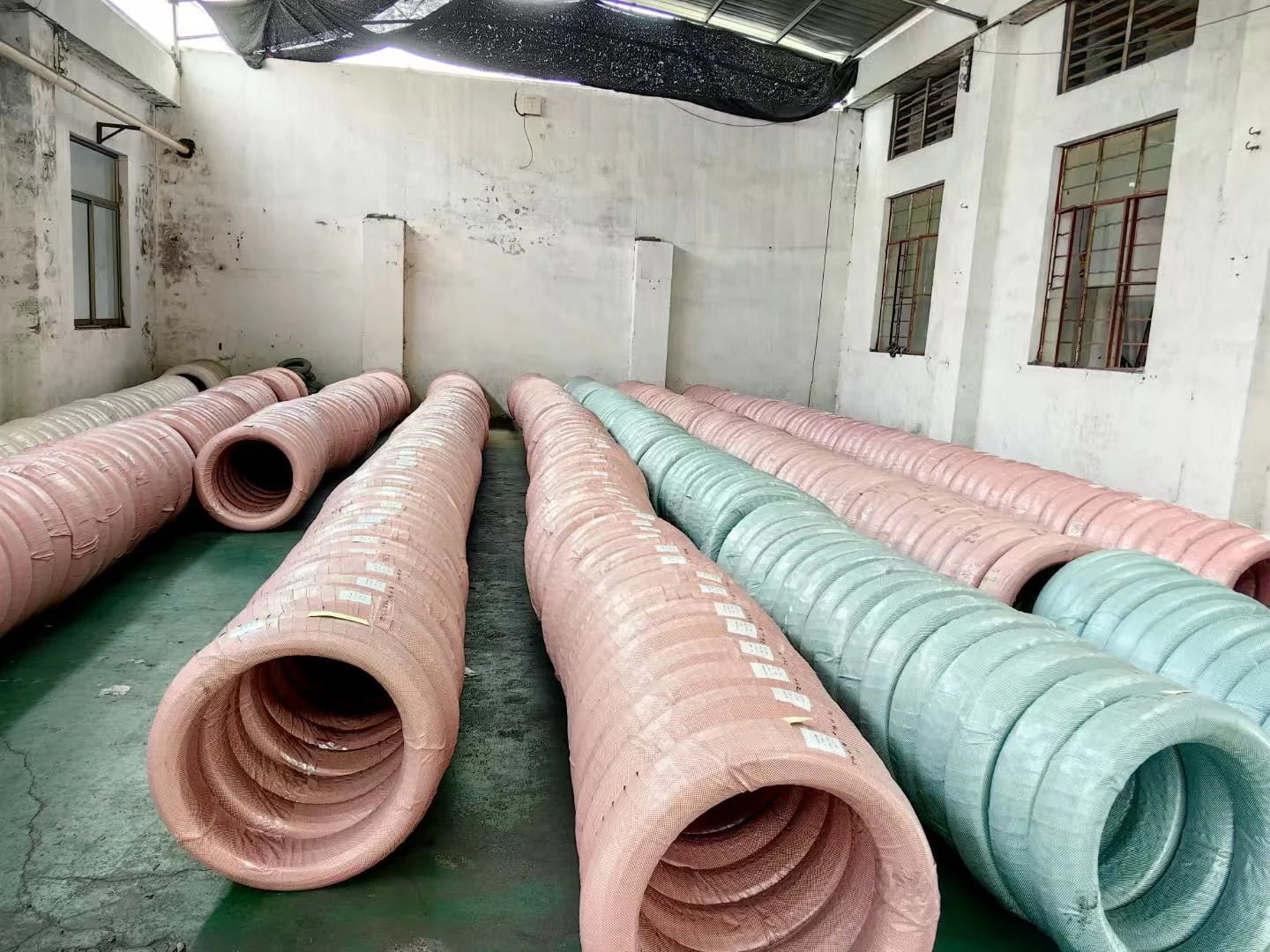
Once Kato’s container was offloaded from the ship in Mombasa, it was moved directly into the bonded transit process. A customs seal was placed on the container doors. This seal is very important; it proves that the container has not been opened during its journey. The truck then began the long drive from Mombasa, through Nairobi, and to the Malaba border crossing between Kenya and Uganda. Because it was a bonded transit, the border crossing was simple. The officials just had to verify the seal and the transit documents. The entire trip from Mombasa to Kampala took about eleven days.
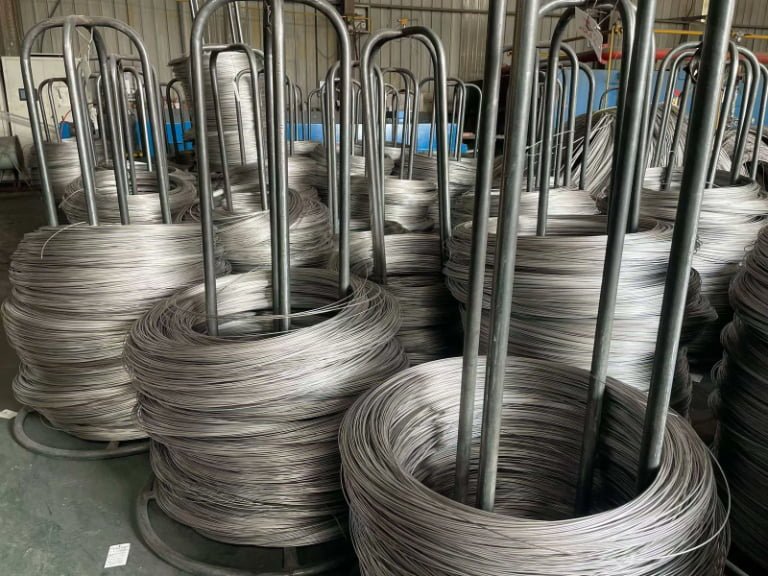
When the truck arrived at the URA bonded warehouse in Kampala, Kato's clearing agent was there to meet it. A customs officer officially broke the seal in their presence. Then, the officer inspected the 201 stainless steel wire coils and checked them against the packing list we provided. Everything matched perfectly. The duties were paid, and the container was released to Kato that very same day. From placing the order to receiving the goods in his Kampala warehouse, the entire process took 37 days. It was much smoother than he had ever expected.
Conclusion
Being a landlocked country is not a barrier to global trade. With proper planning, the logistics from Mombasa to Kampala are manageable and predictable. Prepare your documents perfectly, and you can secure your supply chain.
Kato's first container reached Kampala in 37 days, and his logistics process is now a repeatable system. If you are importing 201 stainless steel wire to Uganda, start with our product page https://mfgwiremesh.com/metal-wire/201-stainless-steel-wire/ or reach out via https://mfgwiremesh.com/contact/.
Looking for a factory-direct supply of 201 stainless steel wire for your East African market? Reach out on WhatsApp at +86 15383180672.
FAQ:
Q1: What are the two customs clearance options for Uganda-bound shipments at Mombasa port? A1: Ugandan importers can either clear customs directly at Mombasa port and then truck goods to Kampala, or use bonded transit where the sealed container moves to a Uganda Revenue Authority bonded warehouse in Kampala for clearance. Kato chose bonded transit because he was more familiar with Ugandan customs procedures and could avoid paying certain Kenyan taxes. Both options work, but bonded transit is often preferred by importers handling their own clearance in Uganda.
Q2: How long does the full logistics chain take from Tianjin Port to Kampala? A2: The full chain breaks down as follows: ocean freight from Tianjin to Mombasa takes approximately 18 days. Mombasa port handling and bonded transit initiation takes 2 to 3 days. Inland trucking from Mombasa to Kampala takes 10 to 12 days with seals intact. Customs clearance in Kampala can be completed within one day if all documentation is pre-submitted. Kato's first shipment reached his Kampala warehouse in 37 days total, and subsequent shipments have been even faster as his clearing agent refined the process.
Q3: What is the most important step to avoid clearance delays for Uganda shipments? A3: Documentation preparation before vessel arrival is the single most critical step. The importer's Uganda company registration details and importer code must be matched exactly on the commercial invoice and bill of lading. Kato sends us his company information before every order, and his clearing agent submits pre-clearance documentation three days before the vessel arrives at Mombasa. This advance preparation has been the key factor in avoiding demurrage charges and achieving same-day clearance in Kampala.