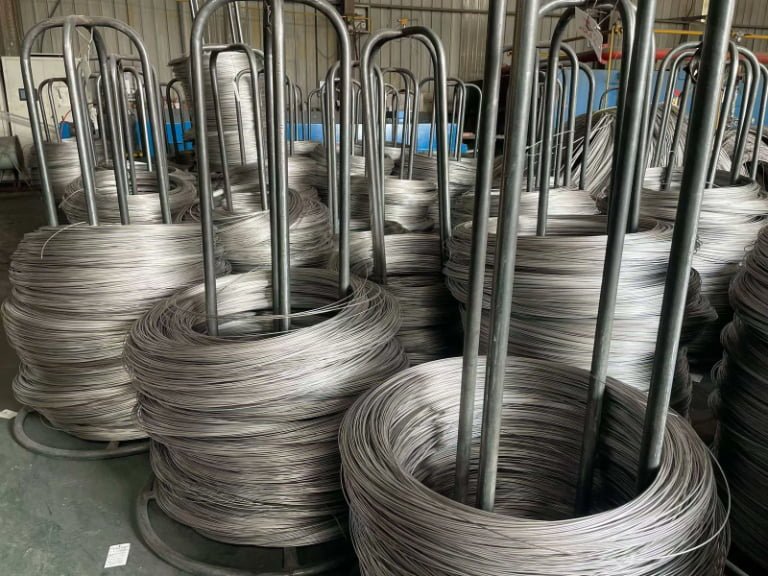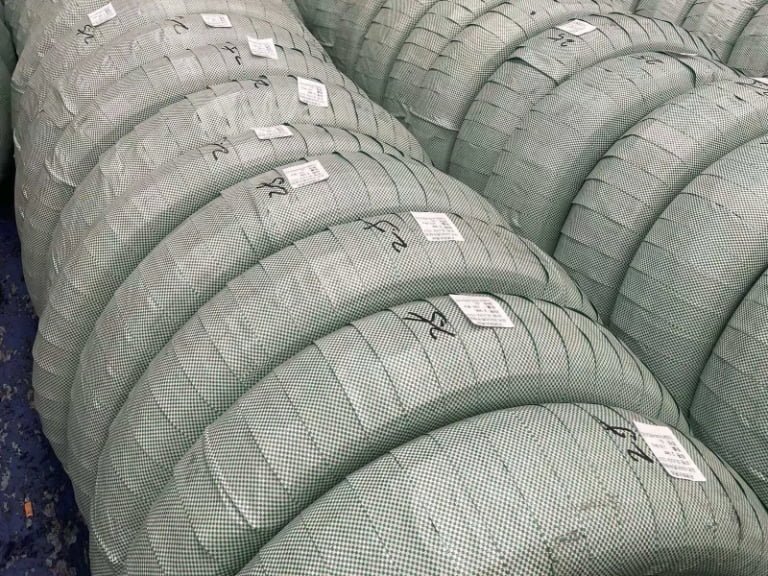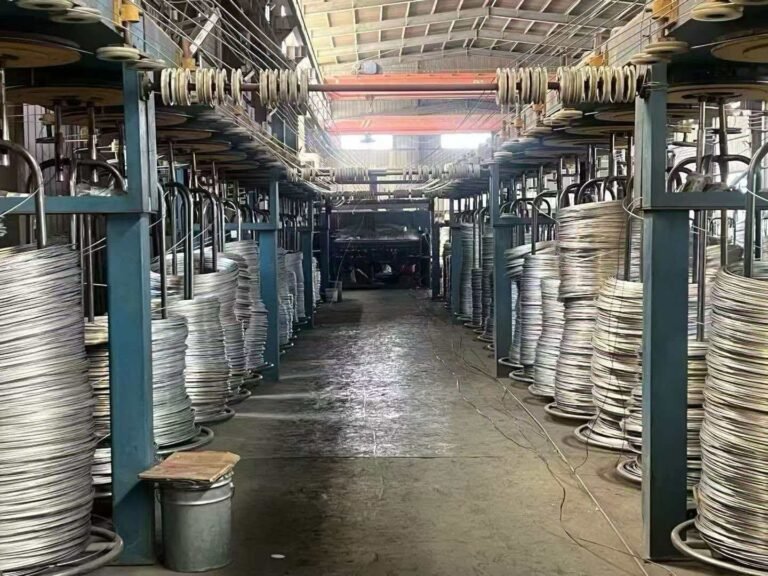



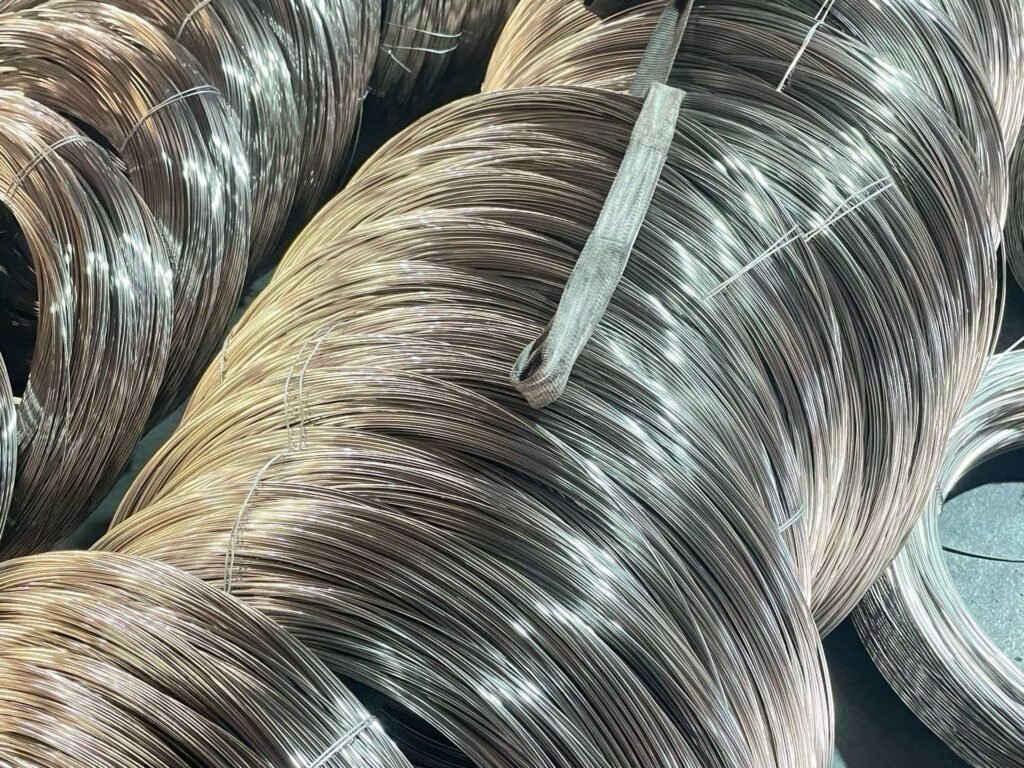
Kenya's agricultural sector is a major consumer of metal wire, from flower farms in Naivasha to tomato fields in the Rift Valley. Switching from galvanized iron wire to 201 stainless steel wire is changing how growers manage trellising, fencing, and long-term costs. Here are three applications driving adoption.
Buyers like Wanjiku, who need agricultural-grade 201 stainless steel wire that withstands constant humidity without rusting, are turning to our product page for specifications and trial order options: https://mfgwiremesh.com/metal-wire/201-stainless-steel-wire/.
Tired of rusty wires ruining your crops? The humid climate corrodes galvanized wire fast, costing you money. A durable, rust-proof solution is needed to protect your harvest and investment.
201 stainless steel wire is the answer. It is perfect for flower trellises, tomato supports, and farm fencing in Kenya. Its rust resistance ensures longevity and protects crop quality, making it a cost-effective choice for farmers.
Let me tell you about a client of mine, Wanjiku. She is a flower grower in Naivasha. Her story shows just how much the right wire can change things. She found us after facing a big problem with rust. Her journey from frustration to success really highlights how stainless steel wire can be used in farming. It all started when her export shipments got rejected.
Can Stainless Steel Wire Stop Roses from Rusting?
Struggling with rusty trellises staining your beautiful flowers? This damage can get your exports rejected, which costs you money. You need a wire that stays clean in humid conditions.
Yes, 1.6mm 201 stainless steel wire is the perfect solution for flower trellises. It offers the same strength as galvanized wire but is completely rust-proof. This protects your flowers' appearance and value.
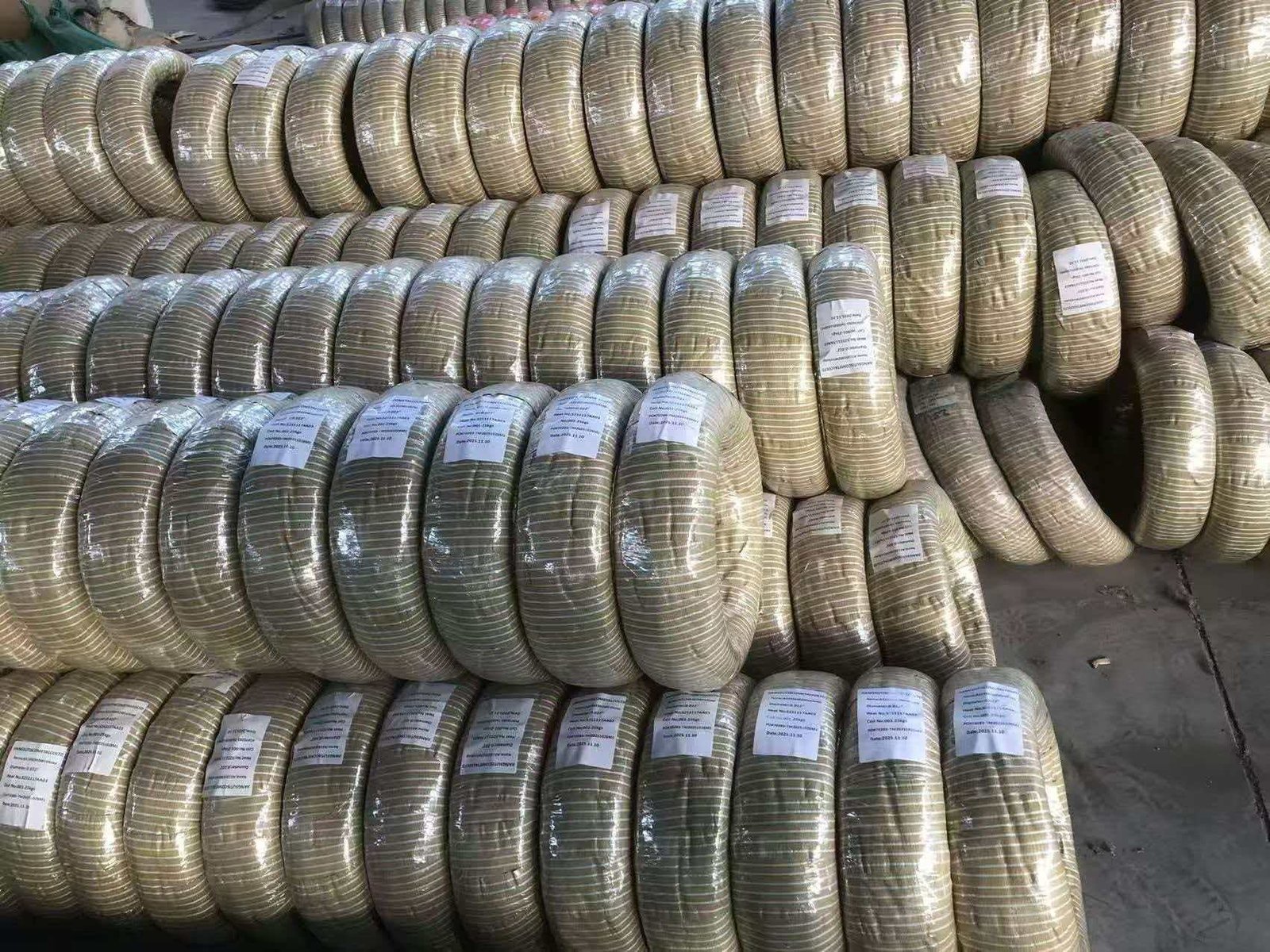
Wanjiku's farm is near Lake Naivasha, where it is very humid. She was using galvanized iron wire for her rose trellises. But the wire would rust in just six months. The rust would drip onto the flower stems. This created ugly stains and caused two of her export batches to be rejected. She needed a better solution, fast. That's when she contacted us. I recommended she try our 1.6mm 201 stainless steel wire. It has the strength to support climbing flowers like roses and carnations, but it doesn't rust.
She started with a small trial on one acre of her rose field. Six months later, she checked the wires. They were as shiny as the day she installed them. No rust, no stains. Her flowers were perfect.
Galvanized Wire vs. 201 Stainless Steel Wire
| Feature | Galvanized Iron Wire (1.6mm) | 201 Stainless Steel Wire (1.6mm) |
|---|---|---|
| Lifespan (High Humidity) | 6-12 months | 10+ years |
| Rust Resistance | Low | Excellent |
| Impact on Crops | Can cause rust stains, affecting quality. | No stains, keeps crops clean. |
| Upfront Cost | Lower | Higher |
| Long-Term Value | Poor (requires frequent replacement) | Excellent (one-time investment) |
Is There a Better Wire for Supporting Tomato Vines?
Are you replacing your tomato support wires every season? Iron wires rust and break easily, which can risk your entire harvest. This constant replacement also costs you time and money.
Absolutely. 1.2mm 201 stainless steel wire is ideal for tomato trellises. It is as flexible as iron wire for easy setup but will not rust or snap. This means it can be reused for many seasons.
After her success with the roses, Wanjiku thought about other areas on the farm. Kenya's Great Rift Valley, including areas like Eldoret and Thika, is a major tomato-producing region. Farmers there often use thin 1.2mm iron wire for trellises. This wire is easy to bend and shape, but it rusts through in a single growing season. Sometimes it snaps under the weight of the tomato plants. This means farmers have to buy and install new wire every year.
I explained that our 1.2mm 201 stainless steel wire is also very flexible. You can bend it easily without it breaking. But the big difference is that it doesn't rust. It can last for several planting seasons. Wanjiku recommended it to her friend who grows tomatoes in Eldoret. The feedback was great. Her friend was happy to have a support system that she could rely on season after season. It saved her work and the cost of new wire.
What's the Most Durable Fencing for a Kenyan Farm?
Worried about wildlife or livestock destroying your crops? Traditional fences rust and fail within a few years. This leaves your valuable farm vulnerable to damage. You need a security solution that lasts.
A fence woven from 1.5mm 201 stainless steel wire is the most durable choice. It strongly resists rust and corrosion from Kenya's weather. It provides reliable, long-term protection for your farm against animals.
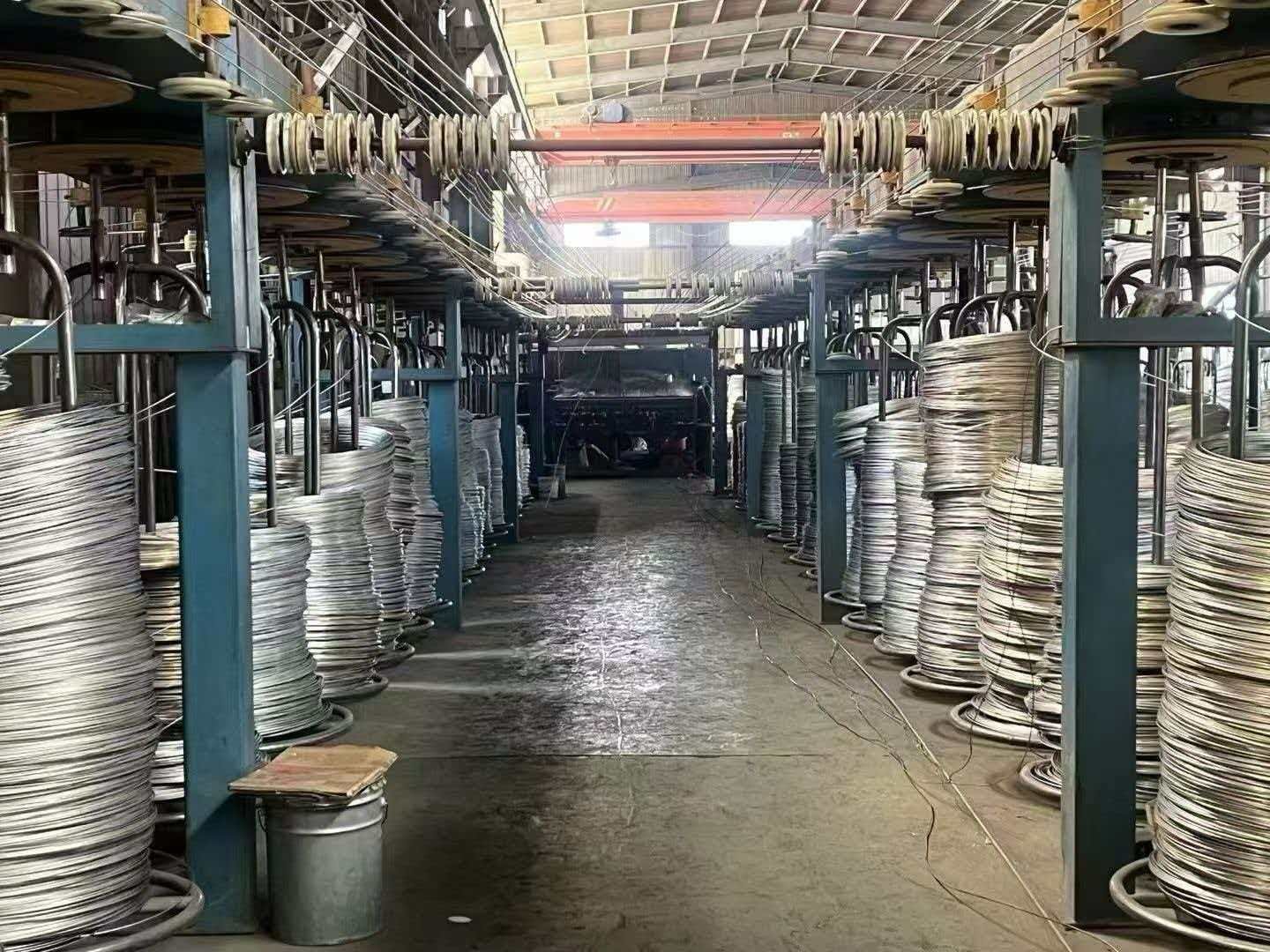
The final problem Wanjiku wanted to solve was fencing. Farms and flower bases in Kenya need strong fences. These fences keep out wild animals and livestock that can eat or trample the crops. Most people use traditional galvanized wire fences. But these fences rust through in just two or three years, creating holes that animals can get through. This means they need constant repair and replacement.
I suggested a fence made from our 1.5mm 201 stainless steel wire. This wire is tough and highly resistant to rust. Wanjiku decided to replace the entire perimeter fence around her flower base with it. She told me that even though the initial cost was a bit higher, it made sense for the long term. She would save a lot on the labor and material costs of replacing a galvanized fence every couple of years. It gave her peace of mind knowing her farm was secure.
Long-Term Fencing Cost Comparison (10-Year Period)
| Cost Factor | Galvanized Wire Fence | 201 Stainless Steel Wire Fence |
|---|---|---|
| Initial Material Cost | $ | $$ |
| Replacements in 10 Yrs | 3-4 times | 0 times |
| Total Labor Cost | High (for multiple installations) | Low (for one installation) |
| Total 10-Year Cost | $$$$ | $$ |
Conclusion
Switching to 201 stainless steel wire is a smart, long-term solution for Kenyan farmers. It protects crops, improves quality, and boosts profitability with its superior rust resistance and durability.
From a single test plot to a farm-wide replacement, Wanjiku's experience mirrors a growing trend among Kenyan growers. If you are sourcing 201 stainless steel wire for agricultural applications in Kenya, start with our product page https://mfgwiremesh.com/metal-wire/201-stainless-steel-wire/ or reach out via https://mfgwiremesh.com/contact/.
If you are sourcing 201 stainless steel wire for Kenya's agricultural or construction sectors, we are happy to provide a specification-based quotation. Contact us via WhatsApp: +86 15383180672.
FAQ:
Q1: What diameter of 201 stainless steel wire is best for flower trellising in humid areas like Naivasha? A1: For flower trellising, 1.6 millimeter diameter 201 stainless steel wire is the most commonly selected specification. It provides the same tensile strength as the galvanized iron wire traditionally used, but with complete rust resistance in high-humidity environments like Naivasha's lakeside flower farms. Wanjiku tested this specification on one acre of roses for six months. The wire showed zero rust, and no rust stains transferred to flower stems, eliminating the export inspection failures she previously experienced with galvanized wire.
Q2: Can 201 stainless steel wire be used for tomato trellising in open fields? A2: Yes. The 1.2 millimeter diameter is ideal for tomato trellising in Kenya's Rift Valley growing regions. It offers the same flexibility as traditional iron wire for easy bending and shaping around support structures, but lasts multiple growing seasons instead of rusting through after a single season. Wanjiku recommended this specification to tomato farmers in Eldoret, and their feedback confirmed the wire remains intact and rust-free after multiple harvests.
Q3: Is 201 stainless steel wire cost-effective for farm fencing compared to galvanized wire? A3: The initial material cost of 1.5 millimeter 201 stainless steel wire for fencing is higher than galvanized wire. However, galvanized fences in Kenya's climate typically need replacement every two to three years due to rust. A 201 stainless steel wire fence lasts many times longer, eliminating the recurring labor and material costs of fence replacement. Wanjiku calculated that switching her entire flower farm perimeter to 201 wire fencing would pay back within two replacement cycles and has already completed the full replacement.