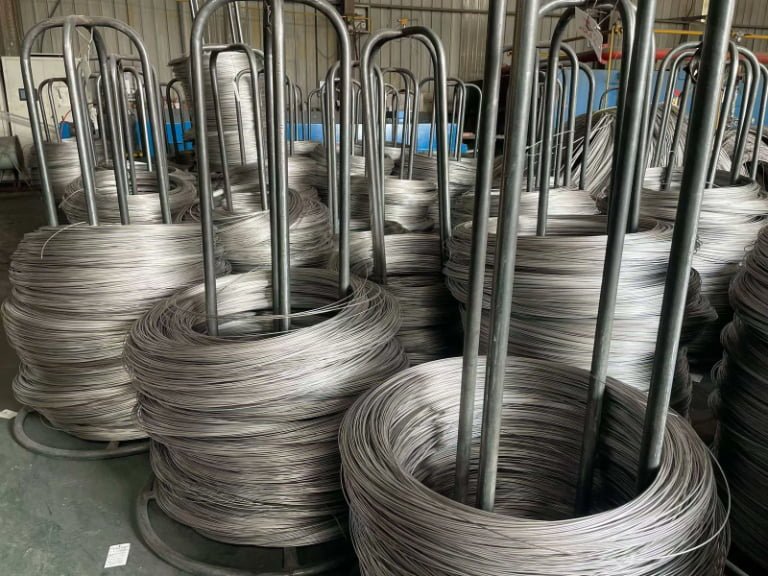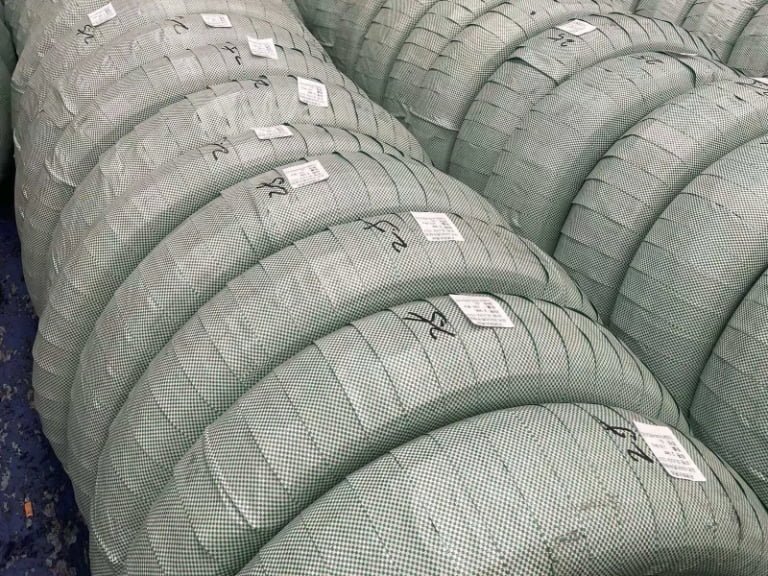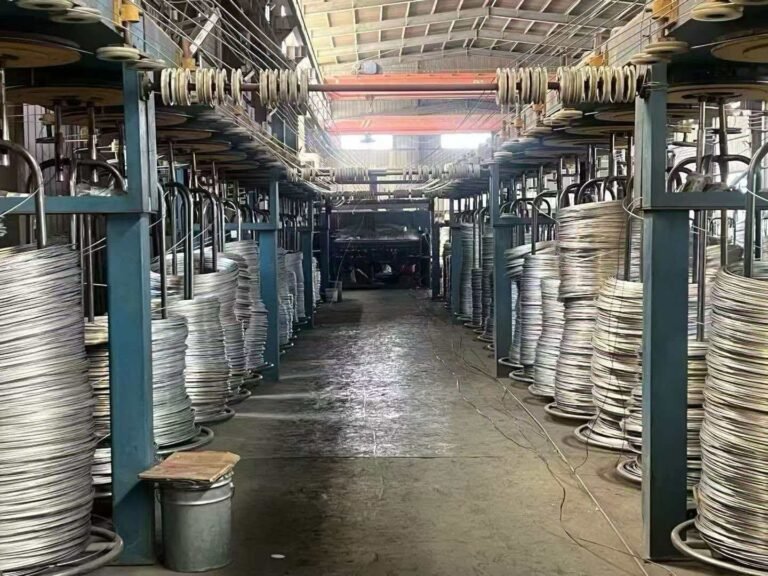



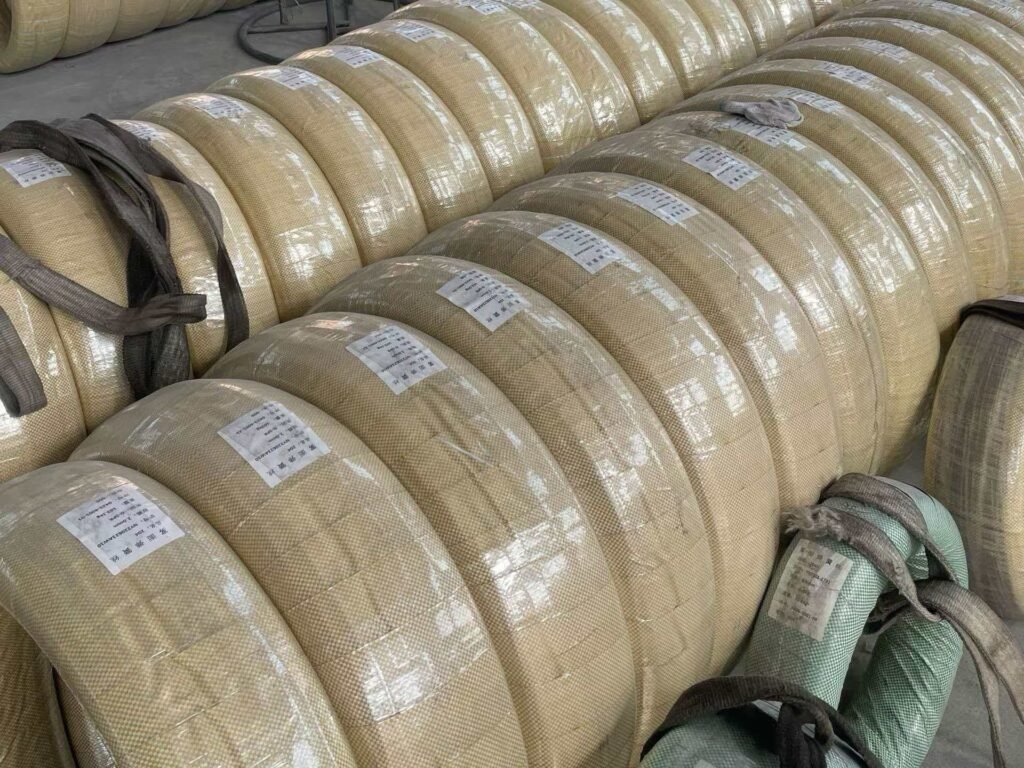
For Kenyan importers new to sourcing 201 stainless steel wire from China, choosing between full container load and less-than-container load shipping can be the single biggest cost decision. The wrong choice can add nearly 30 percent to your per-ton landed cost. Here is a real cost breakdown based on shipments to Nairobi.
When Amina first reached out, she had one clear demand: a transparent shipping cost comparison so she could decide between FCL and LCL for her first order. That is exactly the kind of buyer we serve on our product page: https://mfgwiremesh.com/metal-wire/201-stainless-steel-wire/.
Struggling with high shipping costs when importing steel wire from China to Kenya? Choosing the wrong method can add hidden fees, hurting your profits before the goods even land.
For heavy, dense cargo like stainless steel wire, a Full Container Load (FCL) is almost always more cost-effective than a Less than Container Load (LCL) once your order is a few tons. FCL provides a much lower per-ton freight cost and gets rid of many expensive port handling fees.
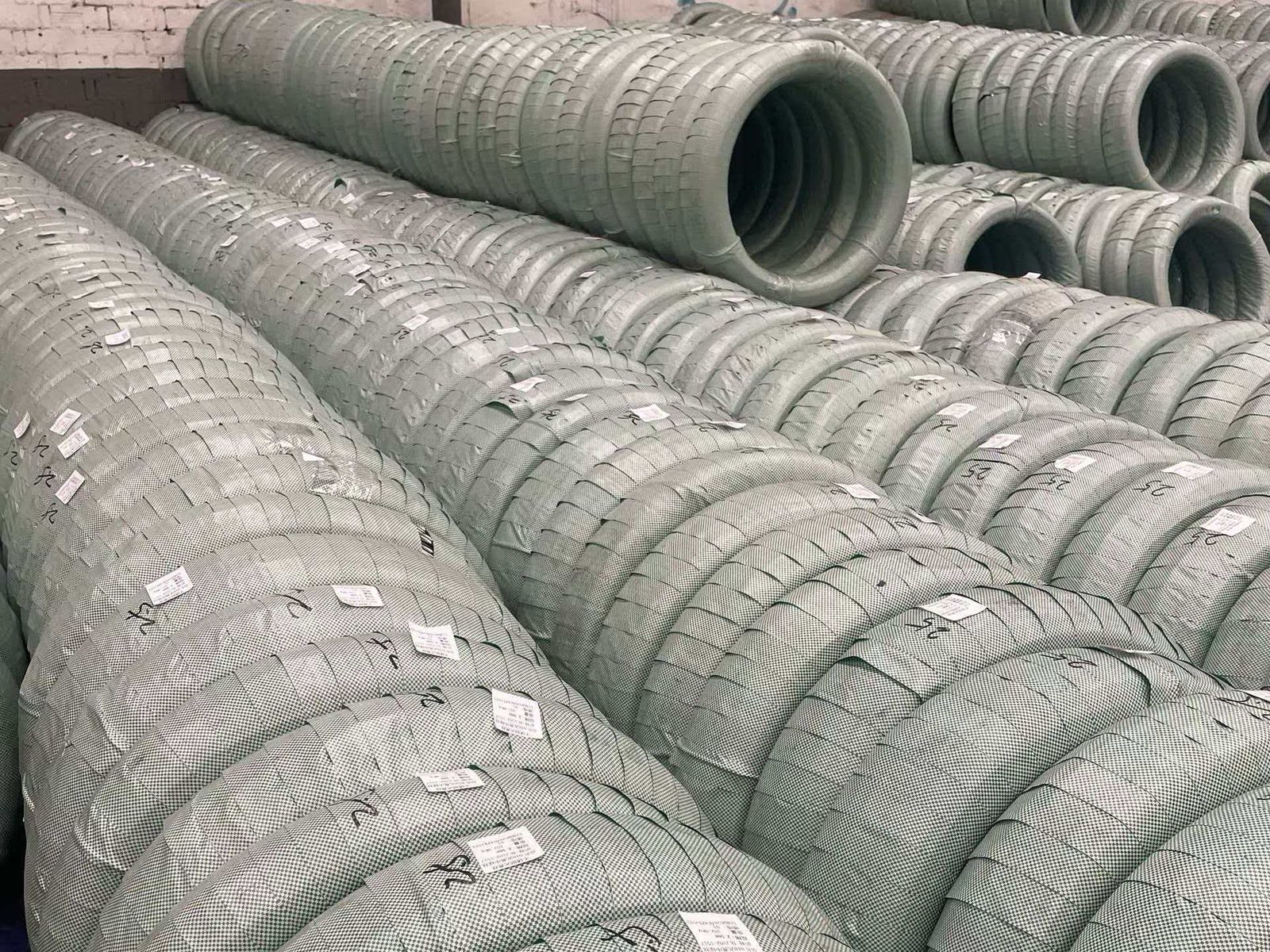
This isn't just theory. This exact question came up with a new client of mine, Amina, who started importing 201 stainless steel wire directly from China to Nairobi earlier this year. Her biggest problem wasn't the wire's price or specifications. It was deciding between shipping a full container (FCL) or a partial container (LCL). She was used to LCL for smaller goods because it felt flexible and didn't tie up cash in inventory. But after I helped her calculate the real costs for steel wire, she quickly changed her mind. Let's look at the numbers we worked through.
Why does LCL shipping seem cheaper but cost more for steel wire?
LCL shipping looks perfect on the surface, with low minimum order quantities that seem like a low-risk option. But then the final bill arrives, full of unexpected charges.
LCL costs more for steel wire because freight is based on volume (cubic meters), not just weight. Heavy items like steel are billed by the space they take. You also pay many shared port fees for consolidation and de-consolidation that don't apply to FCL.
Amina's initial thought was to use LCL. She could start with just 500 kg. It seemed safe. But we broke down the costs. First, sea freight for LCL is calculated by the cubic meter (CBM). A typical rate might be around $65 per CBM. The problem is, stainless steel wire is very dense. One ton of steel wire takes up about 1.5 CBM of space. So, the sea freight alone for one ton was nearly $100.
Then we looked at the fees at the Port of Mombasa. This is where LCL gets really expensive. Because your goods are in a container shared with many other importers, the container has to be opened, and all the cargo has to be sorted. You pay for this. These fees have names like "devanning charges," "handling fees," and "documentation fees." What's worse, your cargo sits at the port waiting for the consolidator to process everything. This delay can lead to extra storage fees, called demurrage. When Amina added up all these extra LCL fees, she found they were almost 30% higher than the alternative.
| LCL Cost Factor | Description | Financial Impact |
|---|---|---|
| Freight Calculation | Based on volume (CBM), not weight. | High cost for dense items like steel. |
| Port Handling | Devanning, sorting, and documentation fees. | Multiple extra charges add up quickly. |
| Port Delays | Cargo waits for container de-consolidation. | Risk of expensive daily storage fees. |
| Total Cost | Sum of freight and all hidden fees. | Often significantly higher than expected. |
When does FCL become the smarter choice for Kenyan importers?
The idea of ordering a whole container, maybe 18 tons, sounds like a huge commitment. It can feel overwhelming. But by sticking with smaller LCL shipments, you could be missing out on big savings.
FCL becomes the smarter choice once your order reaches about 5-7 tons. Even in a partially full container, the fixed shipping cost divided by your tonnage quickly becomes cheaper than the LCL rate. At a full 18 tons, the savings are massive.
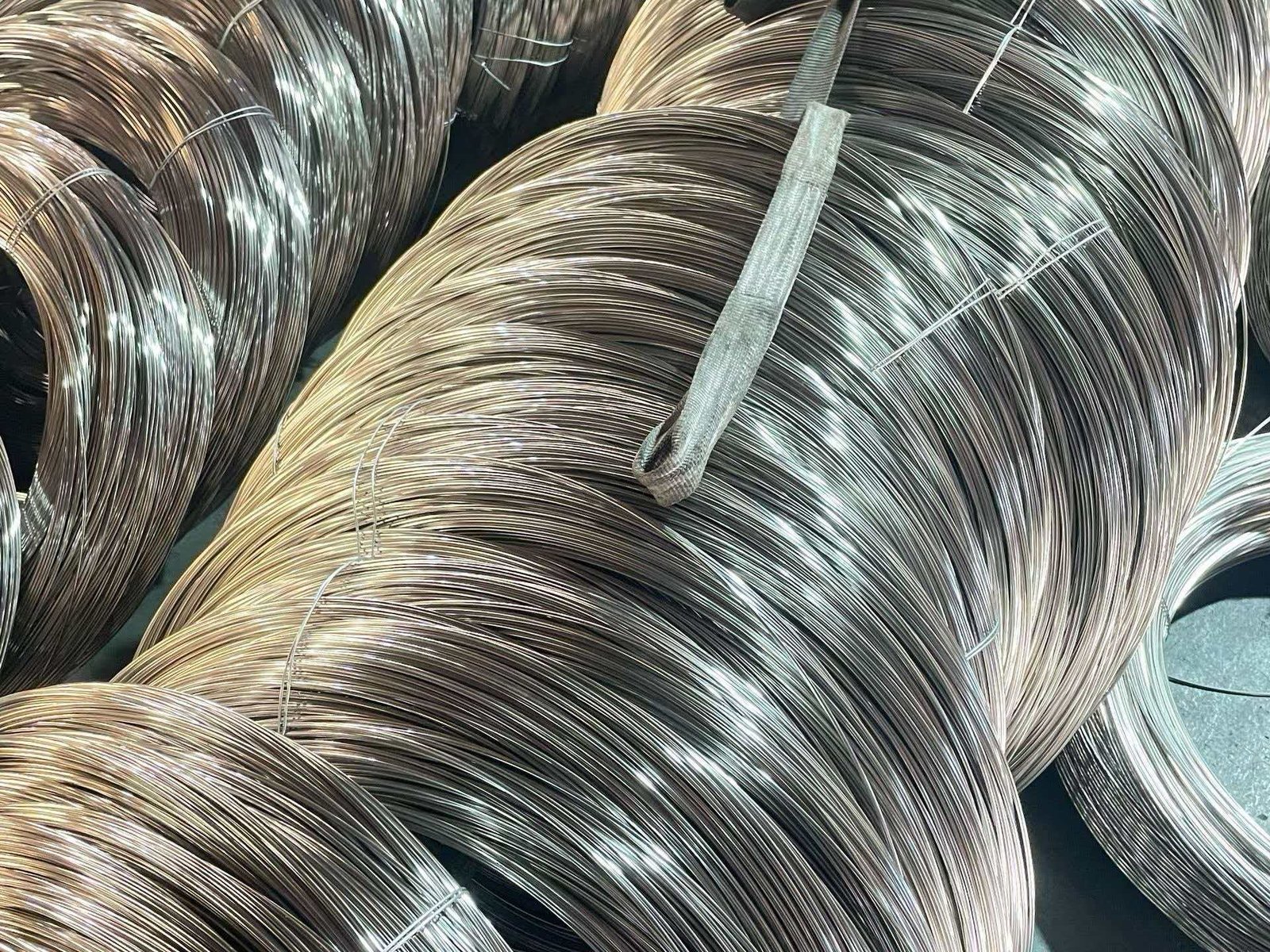
Next, we looked at a Full Container Load (FCL). A 20-foot container can hold about 18 tons of stainless steel wire. The key difference is that you pay one flat rate for the entire container. It doesn't matter if you put 5 tons or 18 tons inside; the ocean freight cost is the same. When we divided that fixed freight cost by a full 18 tons, the per-ton shipping cost dropped to around $40. That's less than half of the LCL cost.
The savings continue at the port. With FCL, your container arrives sealed. It is not opened at the port. It's moved directly from the ship to a truck and driven to your warehouse in Nairobi. This means there are no devanning fees, no extra handling fees, and a much faster process. The logistics are incredibly simple. Amina was worried about having 18 tons of inventory. But we talked about it. For a building materials wholesaler in Kenya, 18 tons is not that much. She decided to order two popular sizes, 2.0mm and 1.5mm wire, together in one container. She figured she could sell through the entire stock in just three or four months.
| Shipping Method | Per-Ton Freight (Est.) | Port Handling | Process Speed |
|---|---|---|---|
| LCL (1 ton) | ~$100 | Multiple complex fees | Slow, risk of delays |
| FCL (18 tons) | ~$40 | Minimal to none | Fast, direct delivery |
How does smart shipping increase your profit margins in Kenya?
You are always competing with other local suppliers and need every advantage you can get. Sourcing directly from China might feel risky, and you might worry your final cost will be too high.
By optimizing shipping, like choosing FCL for steel wire, you directly lower your cost per unit. This reduced landed cost lets you offer better prices or enjoy a higher profit margin, giving you a strong advantage in the Kenyan market.
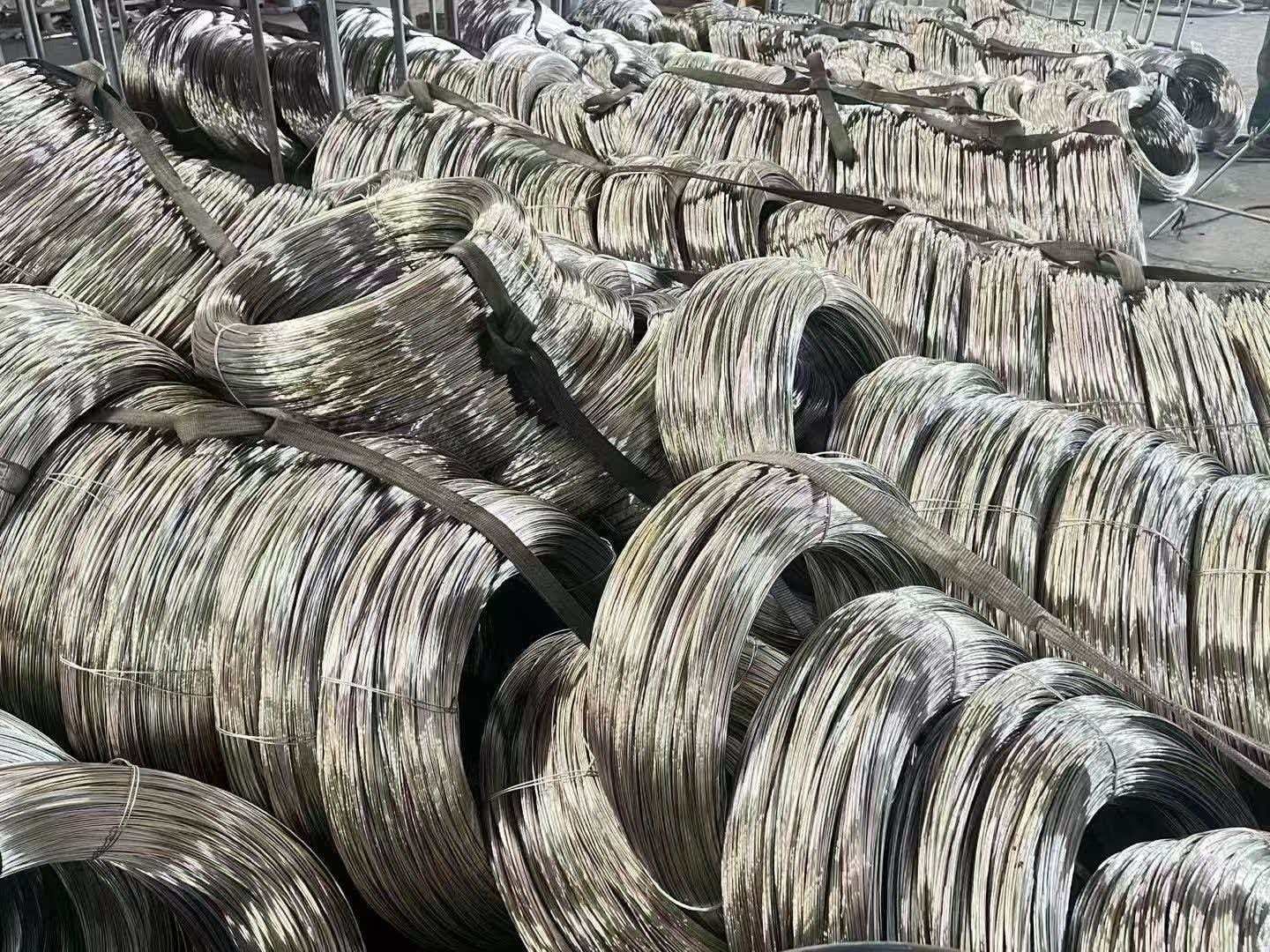
This whole exercise showed Amina a powerful lesson. The final cost of your imported product, or "landed cost," is the sum of the product cost, shipping costs, and duties/taxes. You can't control taxes, and product costs are often fixed by the market. But you have huge control over shipping costs. By choosing FCL, Amina slashed her per-ton logistics cost.
Here was the most important discovery for her: after calculating her new landed cost with FCL shipping, the price per ton was actually lower than what she was paying to buy from a larger local agent in Kenya. By importing directly and shipping smartly, she wasn't just saving a little money. She was opening up a much bigger profit margin. She could now compete more aggressively on price and still make more money on every sale. This changed logistics from a simple cost into a real strategic advantage for her business.
Her first 20-foot container arrived, and the goods cleared customs on the same day they were released from the port. The process was smooth and predictable. Now, she orders a container from me every quarter. She told me recently she never wants to think about LCL shipping for steel wire ever again.
Conclusion
For heavy goods like steel wire in Kenya, choosing FCL over LCL is crucial. It cuts costs, simplifies logistics, and directly boosts your profit margins from the very first shipment.
Amina chose FCL for her first order and has never looked back. If you are planning your first or next shipment of 201 stainless steel wire to Kenya, start with our product page https://mfgwiremesh.com/metal-wire/201-stainless-steel-wire/ or reach out via https://mfgwiremesh.com/contact/.
If you are sourcing 201 stainless steel wire for Kenya, Tanzania, or Uganda, we are happy to provide a specification-based quotation with transparent shipping cost estimates. Contact us via WhatsApp: +86 15383180672.
FAQ:
Q1: What is the per-ton ocean freight difference between FCL and LCL for shipping to Kenya? A1: LCL ocean freight to Mombasa costs roughly 65 US dollars per cubic meter. One ton of 201 stainless steel wire occupies about 1.5 cubic meters, so the per-ton ocean freight is close to 100 dollars. A 20-foot FCL container holds approximately 18 tons with a fixed ocean freight cost. Dividing that fixed cost across 18 tons brings the per-ton freight down to about 40 dollars. The per-ton freight savings alone are substantial before considering port handling costs.
Q2: What additional costs does LCL incur at Mombasa port compared to FCL? A2: LCL shipments incur container deconsolidation fees, cargo distribution fees, and additional documentation charges at Mombasa port. LCL cargo also typically waits longer at the port while the consolidator fills and unpacks shared containers, accumulating demurrage charges. FCL containers move directly from the vessel to the importer's truck and onward to Nairobi, with no deconsolidation or distribution fees. Amina calculated that LCL surcharges alone added nearly 30 percent to her total landed cost compared to FCL.
Q3: How much 201 stainless steel wire fits in a 20-foot container, and how quickly does a Kenyan wholesaler typically sell through it? A3: A 20-foot container holds approximately 18 tons of 201 stainless steel wire. For a Kenyan building materials wholesaler stocking 2.0 millimeter and 1.5 millimeter specifications together, this volume typically sells through within three to four months. Amina found that her per-ton landed cost with FCL was actually lower than buying from local agents, and the container moved faster than she had initially expected.