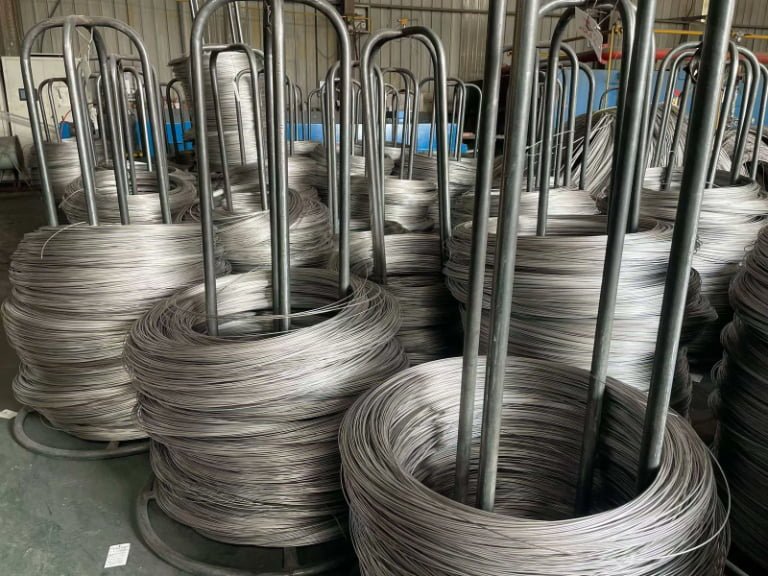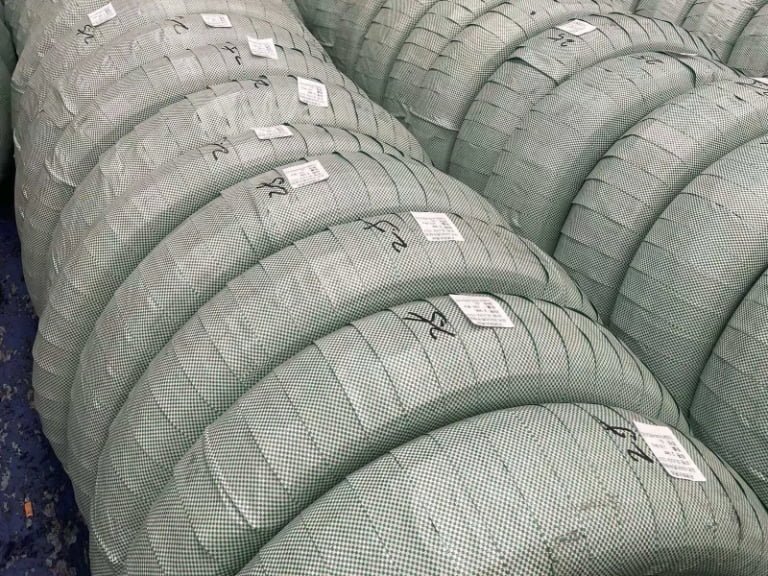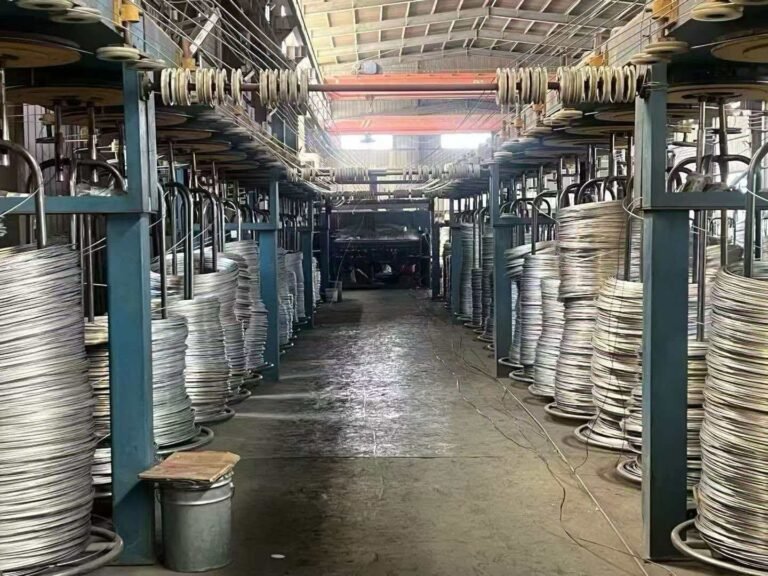



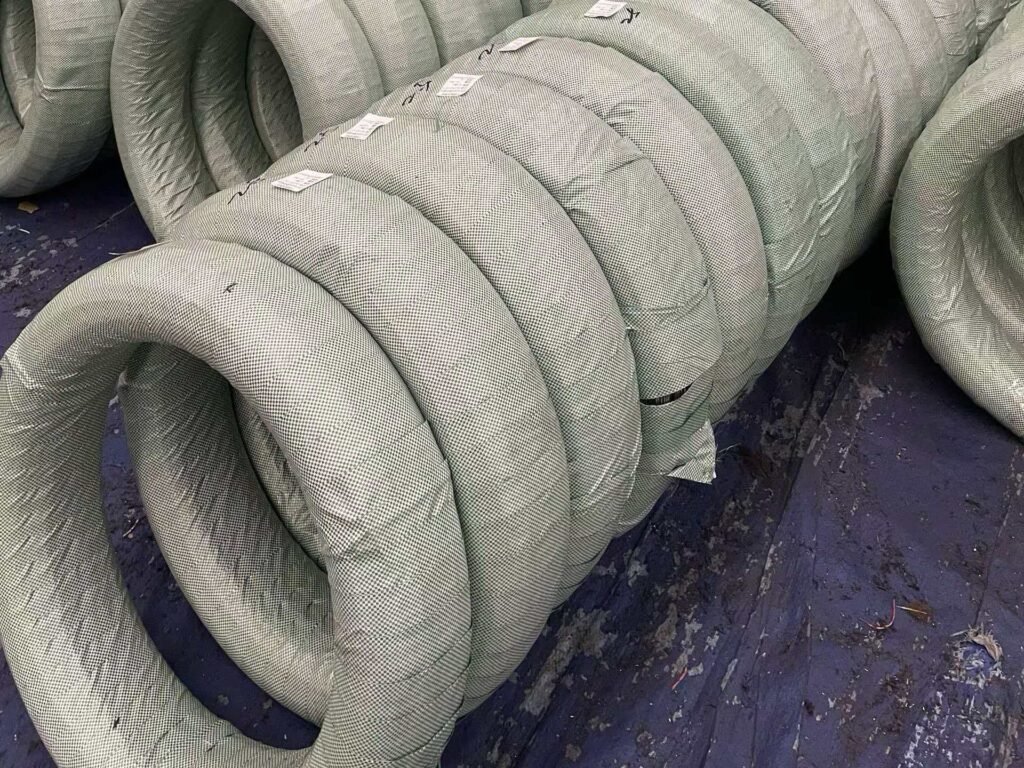
Kenya's rainy seasons test every building material. For contractors and importers, the choice between galvanized and 201 stainless steel wire comes down to one question: is the lower purchase price worth the long-term cost of rust? Here is a real-world comparison based on projects in Nairobi.
For importers like Sam, understanding the true performance gap between galvanized and 201 stainless steel wire under Kenya's climate is what turns a trial order into a long-term sourcing decision. Visit our product page for detailed specifications: https://mfgwiremesh.com/metal-wire/201-stainless-steel-wire/.
Your construction project is facing delays because of rust. The humid, rainy season is destroying your materials, costing you money and time. You need a reliable solution that works.
For Kenya's long and humid rainy seasons, 201 stainless steel wire is a much better choice than galvanized wire. Its rust resistance comes from the steel itself, so it doesn't wear off. Galvanized wire relies on a coating that quickly fails in constant moisture, leading to rust.
Let me tell you a story about a client that perfectly shows this difference. His name is Sam, and he is a building materials supplier in Nairobi. His experience taught us both a valuable lesson about choosing the right material for the local climate. I think his story will help you avoid the same expensive mistakes.
Why does galvanized wire fail so badly in high humidity?
You chose galvanized wire because it was affordable. But now, you see rust appearing on your projects after a long rain, causing major problems. You need to understand why this happens.
Galvanized wire is just carbon steel with a thin zinc coating. This zinc layer protects the steel by sacrificing itself. In constant high humidity, like Kenya's rainy season, this protective layer gets used up very quickly, exposing the steel underneath to rust.
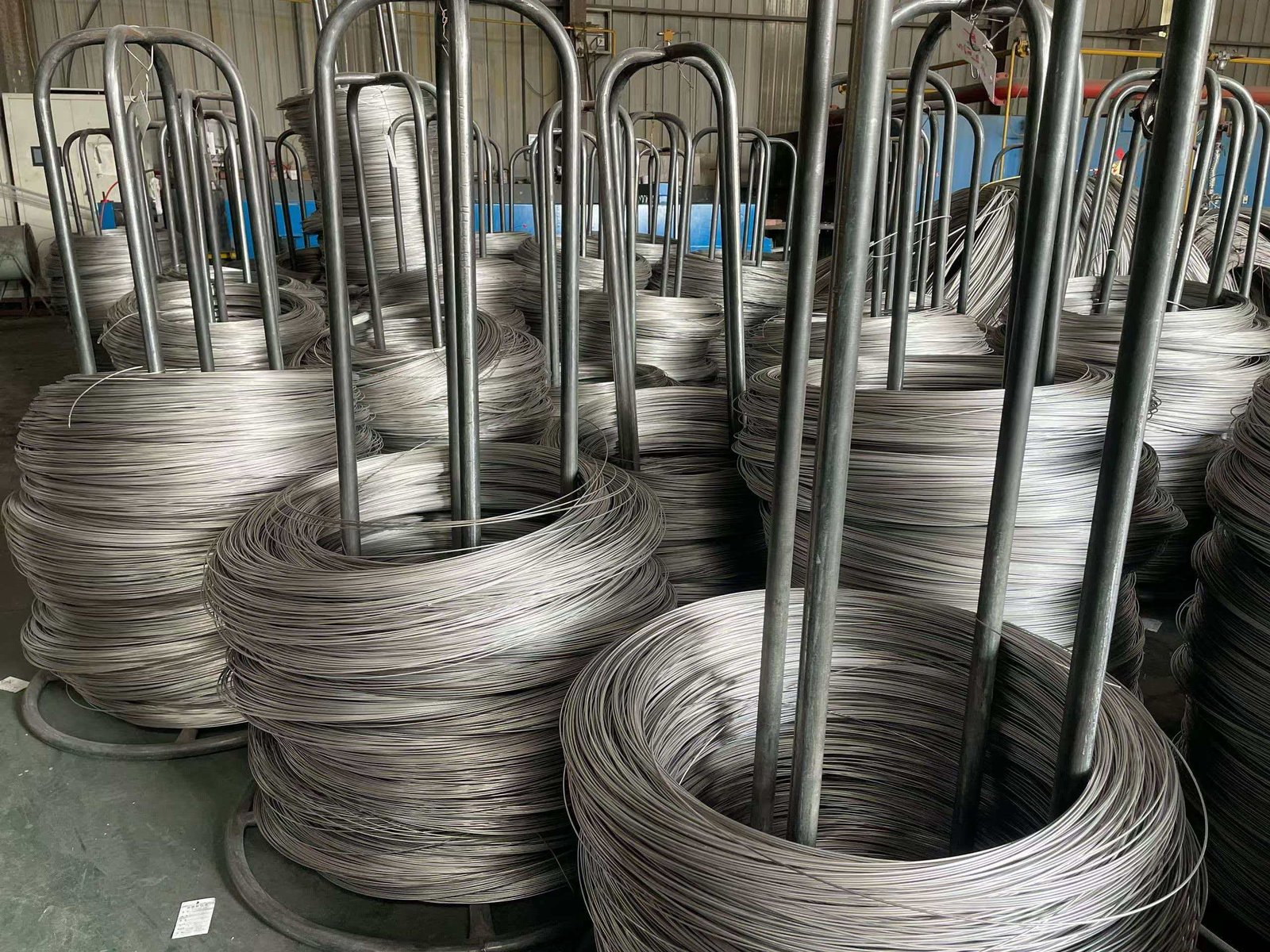
Let me explain this more simply. The process of galvanizing involves dipping regular steel wire into melted zinc. This creates a protective jacket around the steel. The zinc is more reactive than the steel. So, when exposed to moisture, the zinc corrodes first. This is a good thing, but the protection is limited. The zinc layer is like a battery with a finite charge. In a dry environment, that charge lasts a long time.
But in Nairobi, the rainy season can mean months of over 70% humidity. This constant dampness is a big enemy of galvanized wire. It forces the zinc layer to work overtime, and it gets consumed much faster than expected. Sam found this out the hard way. His new stock of galvanized wire started showing white rust while it was still in his warehouse. The air itself was wet enough to start the corrosion process. Once that thin zinc layer is gone, you are left with simple carbon steel wire, which can rust completely in just a few days.
| Feature | Galvanized Wire |
|---|---|
| Core Material | Carbon Steel |
| Protection | Zinc Coating (External) |
| Mechanism | Sacrificial Coating |
| Weakness | Coating depletes in high humidity |
| Ideal Environment | Dry or low-humidity areas |
How does 201 stainless steel offer a permanent solution?
You are tired of worrying about rust every time it rains. You need a material that you can trust to last, without constant checks and repairs. You need a real, permanent solution.
201 stainless steel wire contains chromium, which is mixed into the steel itself. This chromium creates a passive, invisible, self-healing layer on the surface that prevents rust from starting. This protection is built-in, not a coating that can wear off.
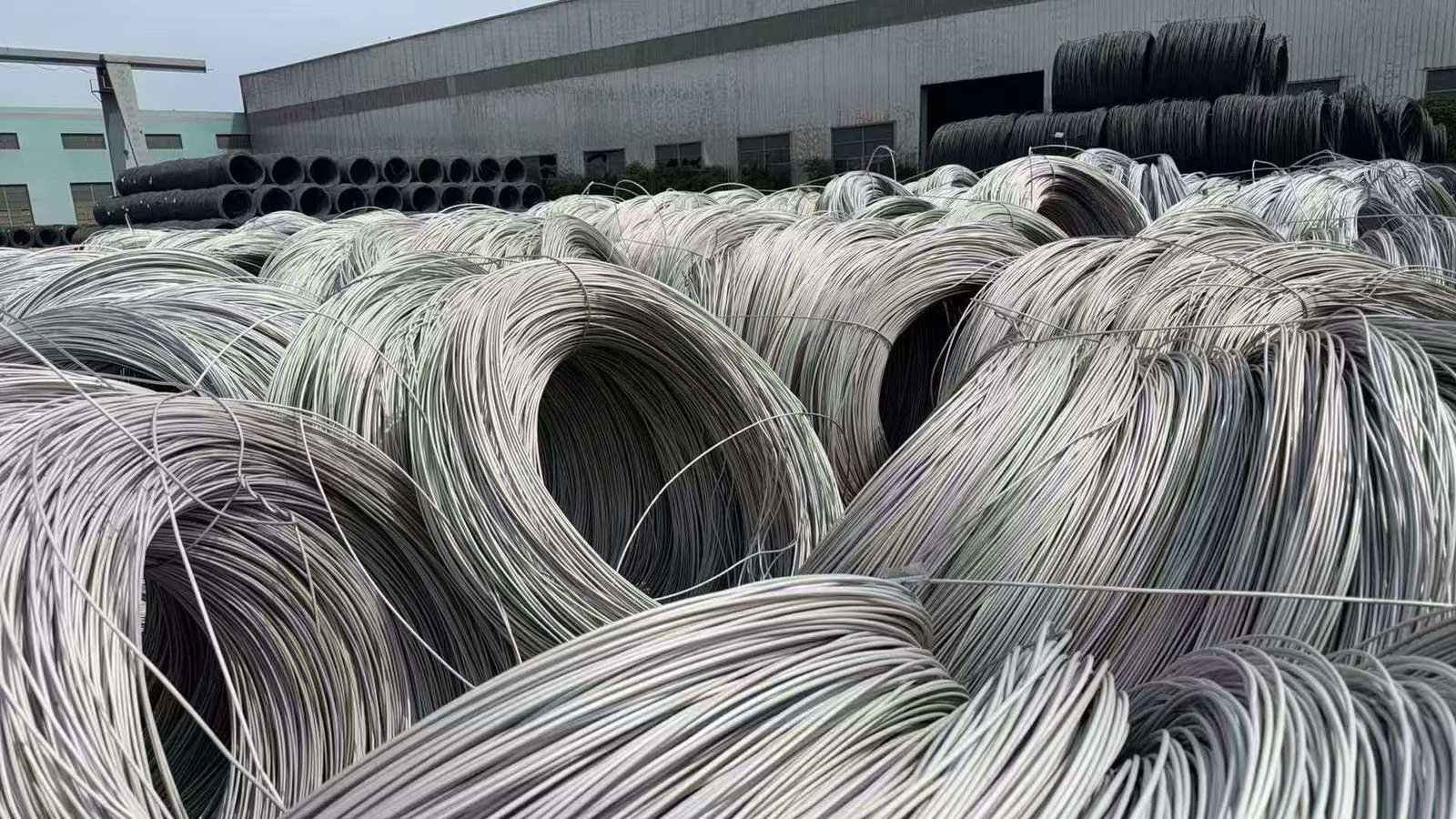
When Sam came to me with his rust problem, this is the first thing I explained to him. Unlike galvanized wire, the rust protection in stainless steel is not a jacket; it is part of its DNA. The chromium in the alloy reacts with oxygen in the air. This reaction forms a very thin, tough, and stable film called chromium oxide all over the wire's surface. This film is the key. It acts as a perfect barrier, stopping water and oxygen from reaching the iron in the steel.
The best part is that this layer is self-healing. If the wire gets scratched or cut, the newly exposed surface will immediately react with oxygen and rebuild that protective film. This is why stainless steel stays bright and clean, even in harsh conditions. There is no coating to get used up. The protection is always there. This is what we proved with Sam's test. After three months of rain, the galvanized wire was staining the rebar with rust. The 201 stainless steel wire looked just as new as the day it was installed.
| Feature | 201 Stainless Steel Wire |
|---|---|
| Core Material | Stainless Steel Alloy (with Chromium) |
| Protection | Chromium Oxide Layer (Inherent) |
| Mechanism | Passivation (Self-Healing Surface) |
| Weakness | Higher initial purchase price |
| Ideal Environment | Wet, humid, and corrosive conditions |
Is the higher price of 201 stainless steel wire really worth it?
You see the benefits, but then you see the price. 201 stainless steel costs more upfront than galvanized wire, and nobody wants to overspend. You wonder if the extra cost is justified.
Yes, the higher initial cost is worth it. It saves you much more money in the long run. It eliminates the costs of project delays, repairs, replacement materials, and the damage to your reputation caused by using a product that fails.
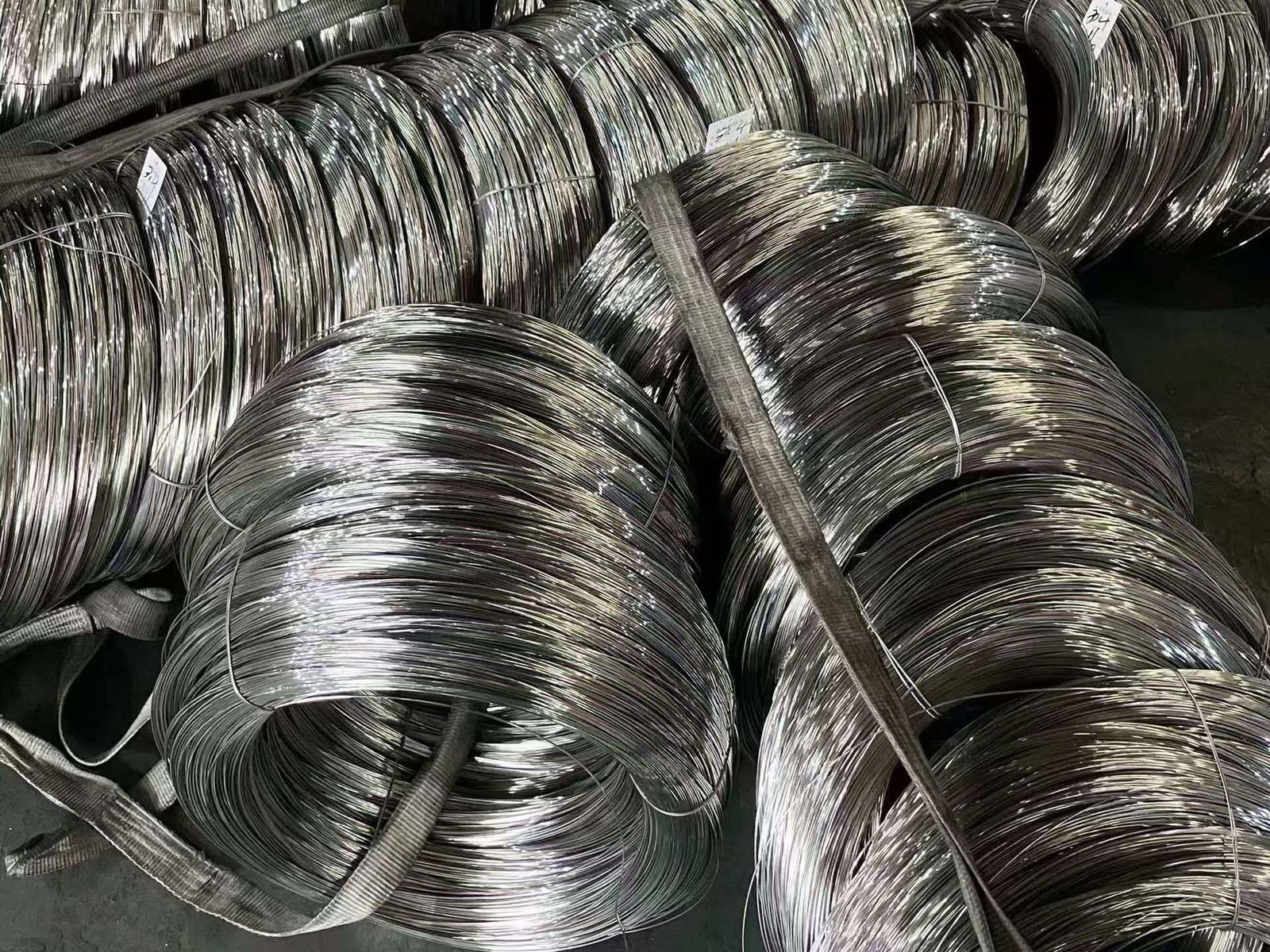
Thinking only about the purchase price is a common mistake. You have to look at the total cost. Sam’s story is a perfect example. One of his projects was completely stopped by the site supervisor because of the rusty wire. Think about the cost of that. He had to pay his idle workers. He faced potential penalties for delaying the project. And he had to buy new material to fix the problem. The money he "saved" by buying cheap galvanized wire was gone in an instant, and then he had to spend even more.
This doesn't even include the cost to his reputation. A supplier who provides rusty materials doesn't get trusted for the next job. Sam told me something that I will never forget. He said, "In a country with long rainy seasons like Kenya, the cheapness of galvanized wire is borrowed. You have to pay it back with interest later." He is exactly right. The higher price of 201 stainless steel is not a cost; it's an investment. It is an investment in reliability, peace of mind, and the long-term success of your business. Today, Sam is one of my most loyal customers. He knows that paying a little more upfront means he never has to worry about the rainy season again.
Conclusion
For Kenya's rainy seasons, 201 stainless steel wire is the only reliable choice. It prevents rust, saves money in the long run, and protects your business's reputation.
Sam switched after one rainy season and has never gone back. Read more stories from Kenyan importers on our blog https://mfgwiremesh.com/blog/ or reach out via https://mfgwiremesh.com/contact/.
If you are sourcing 201 stainless steel wire for Kenya, Tanzania, or Uganda, we are happy to provide a specification-based quotation. Contact us via WhatsApp: +86 15383180672.
FAQ:
Q1: Why does galvanized wire rust so fast during Kenya's rainy seasons? A1: Galvanized wire relies on a zinc coating for rust protection. In Kenya's rainy seasons, humidity consistently above 70 percent gradually consumes this zinc layer. Once the zinc is gone, the carbon steel core begins to rust within days. 201 stainless steel wire contains chromium, which forms a built-in rust-resistant layer that does not wear away. Sam observed this difference firsthand: after three months, the galvanized-tied building showed rust at rebar nodes, while the 201-tied building remained spotless.
Q2: Is 201 stainless steel wire strong enough for construction use compared to galvanized wire? A2: Yes. Our 201 stainless steel wire has a tensile strength of 650 to 750 MPa, which meets or exceeds the requirements for standard rebar tying applications. The 2.0 millimeter diameter is the most commonly used specification for construction across Kenya, and it performs identically to galvanized wire in terms of tying strength while adding the benefit of rust resistance.
Q3: What is the cost difference between galvanized and 201 stainless steel wire? A3: Galvanized wire has a lower purchase price, but Sam's experience showed that hidden costs from rust-related rework, material replacement, and project delays make it more expensive over the full project cycle. 201 stainless steel wire costs more upfront but eliminates rust-related expenses entirely. Sam now uses 201 exclusively and has not experienced a single rust complaint since switching.