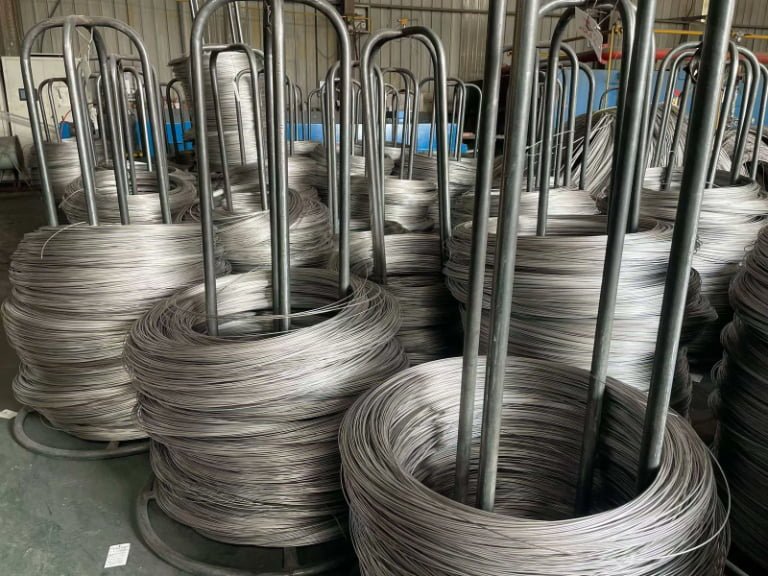



Tanzania's import market for 201 stainless steel wire has its own dynamics. From Dar es Salaam port conditions to inland distribution patterns, knowing the key sourcing points before you order can save time, money, and damaged goods. Here are four practical points based on a Tanzanian wholesaler's experience.
Amani has been importing stainless steel wire into Tanzania for six years. Buyers like him, who need reliable specifications and port-ready packaging, use our product page to confirm parameters before every order: https://mfgwiremesh.com/metal-wire/201-stainless-steel-wire/.
Sourcing wire in Tanzania can be tricky. Simple mistakes can cost you money and time. Here's how to avoid the four biggest traps my client shared with me.
Focus on four key areas: strict wire diameter tolerance (±0.03mm), robust three-layer moisture-proof packaging, a smart mix of popular and niche specifications, and having all customs clearance documents (like CO and test reports) ready before shipment. These points are crucial for success.
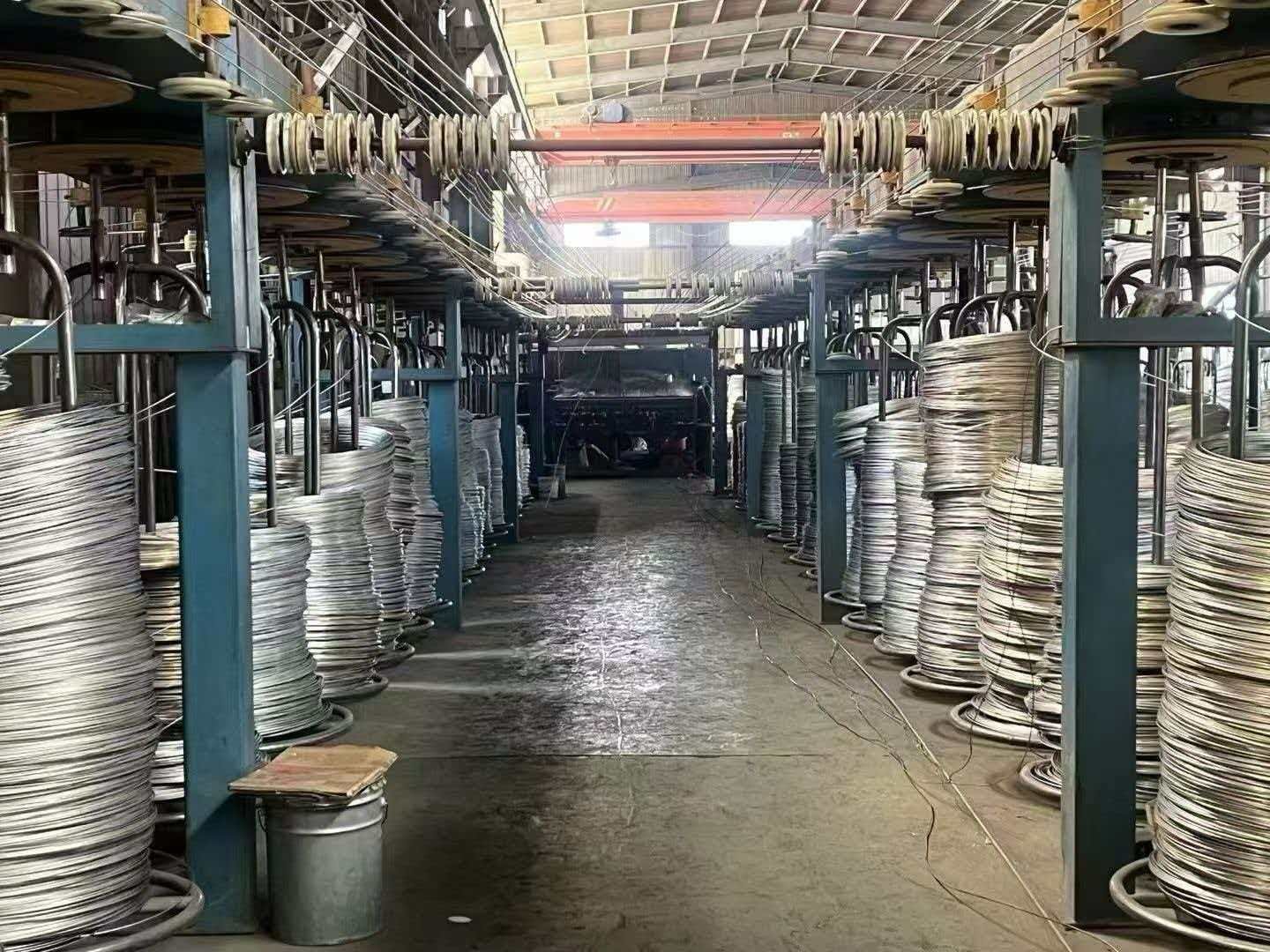
Last month, a client of mine, Amani, visited our factory. He's a building materials wholesaler from Dar es Salaam and has been importing for over six years. Over tea, I asked him what the biggest pitfalls are for Tanzanian buyers sourcing 201 stainless steel wire. He shared four points that were so insightful, I knew I had to write them down. These lessons, learned the hard way, can save you a lot of trouble. Let's get into the first one.
Is Inconsistent Wire Diameter Hurting Your Business?
Tired of wire that breaks or is hard to work with? Inconsistent diameters from different suppliers can cause major headaches and waste for your workers. It doesn't have to be this way.
Insist on a diameter tolerance of ±0.03mm. Amani, my client, found that this standard eliminates issues with manual tying. Wires won't be too thin and break, nor too thick and difficult to handle. This small detail ensures consistent quality and less waste.
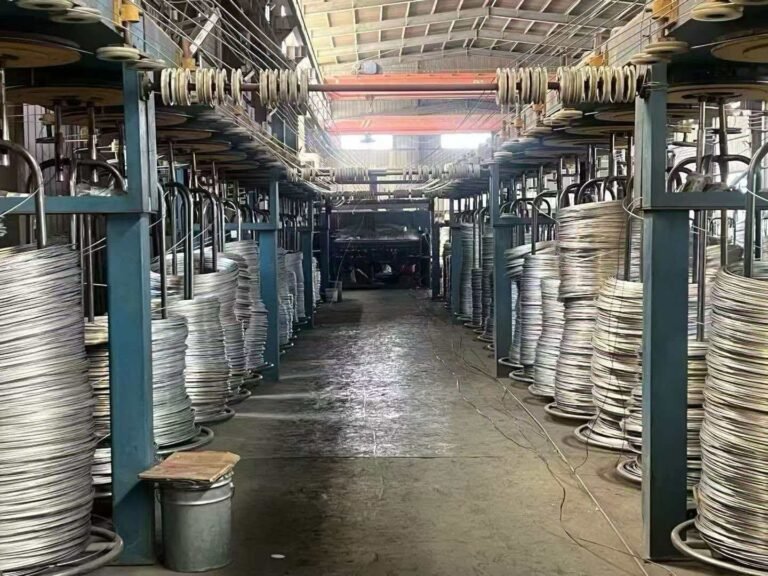
Amani told me one of his biggest early frustrations was with wire diameter. He explained that some agents in Tanzania source their wire from many different factories. So, even if he ordered 2.0mm wire, the actual thickness in one batch could vary by as much as 0.1mm. This created huge problems for his customers. When workers were manually bundling materials, the thinner sections of the wire would snap under pressure. The thicker sections were too stiff and difficult to tie properly. It slowed down work and created a lot of waste. Now, he only works with factories that can guarantee a tight tolerance. He specifically looks for a diameter tolerance of ±0.03mm. This simple quality check saves him and his customers from future headaches. At our factory, we use automatic cold drawing and precision annealing to control our wire diameter to a tolerance of ±0.01mm, which gives customers like Amani complete peace of mind.
Is Port Humidity Damaging Your Imported Wire?
Worried about your wire arriving rusted or stained? The humidity at Dar es Salaam port is a real threat. Improper packaging can ruin your entire shipment before it even reaches your warehouse.
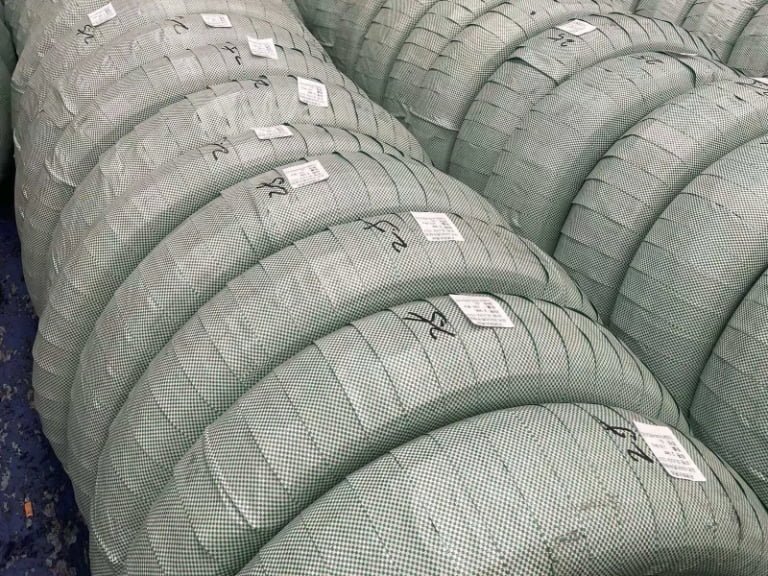
The solution is a non-negotiable three-layer moisture-proof packaging system. Amani insists on it. First, waterproof paper directly on the wire. Second, a sealed plastic film wrap. Third, a durable outer woven bag. This protects your investment.
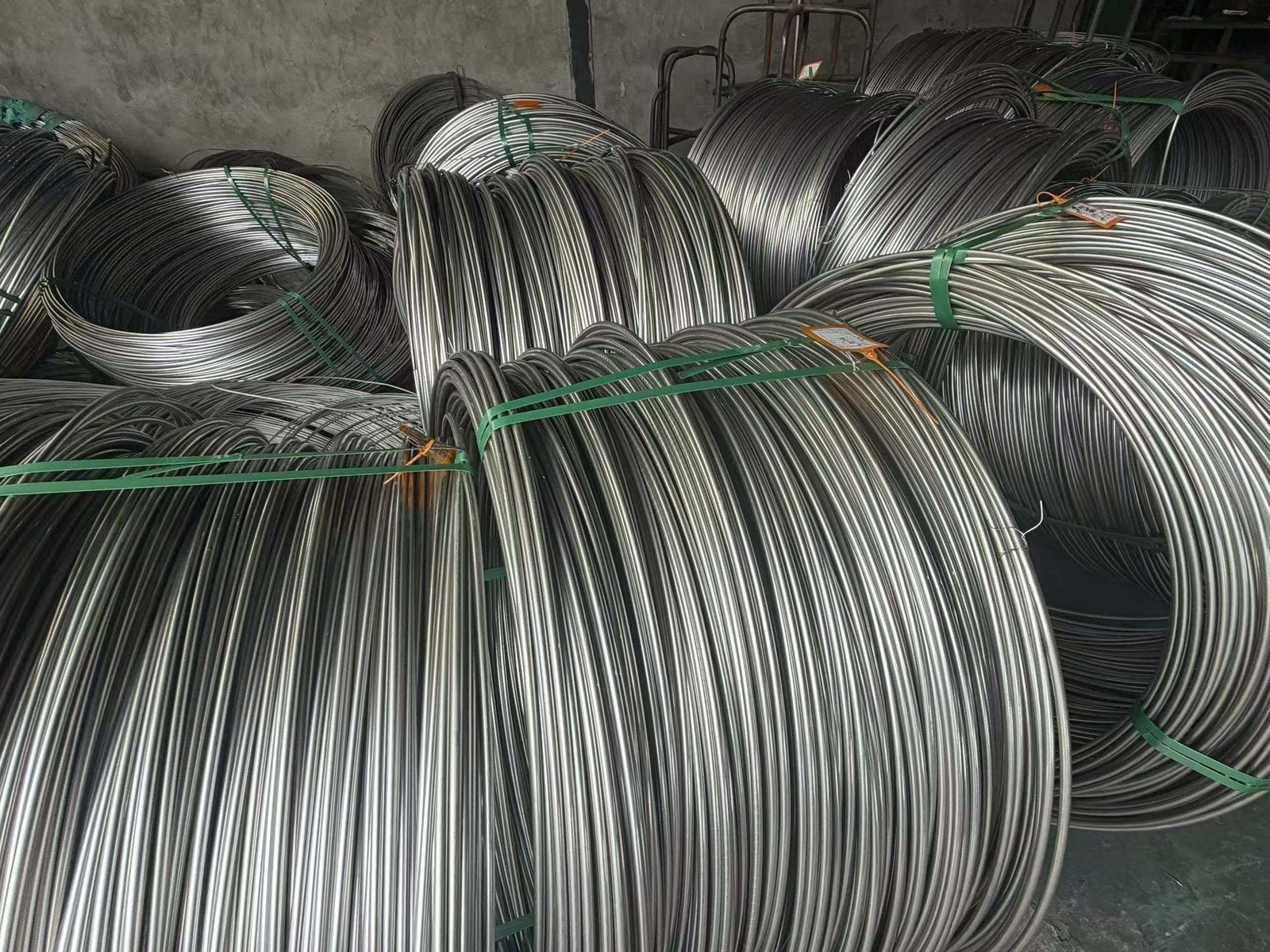
Dar es Salaam is a port city, and as Amani pointed out, the humidity is no joke. He said it's common for containers to sit at the port for several days before they can be moved. In the past, he received shipments where the packaging wasn't good enough. By the time he opened the container at his warehouse, the outer coils of wire already had water stains and signs of rust. This meant he couldn't sell them as prime quality. To solve this, he developed a strict rule he calls his "three-layer bottom line." He will not accept any shipment unless it has:
- Waterproof paper wrapped directly around the wire coil.
- A layer of plastic film sealed around the paper.
- A strong woven bag as the final outer layer. He says if any one of these layers is missing, he won't take the goods. We take it a step further by palletizing the coils and stretch-wrapping the whole pallet, making it even more secure and easier to handle.
Are You Stocking the Right Mix of Wire Sizes for the Tanzanian Market?
Are you missing out on sales? Stocking only the most popular wire sizes might seem safe, but it could mean losing valuable customers. A strategic product mix is key to maximizing your profit.
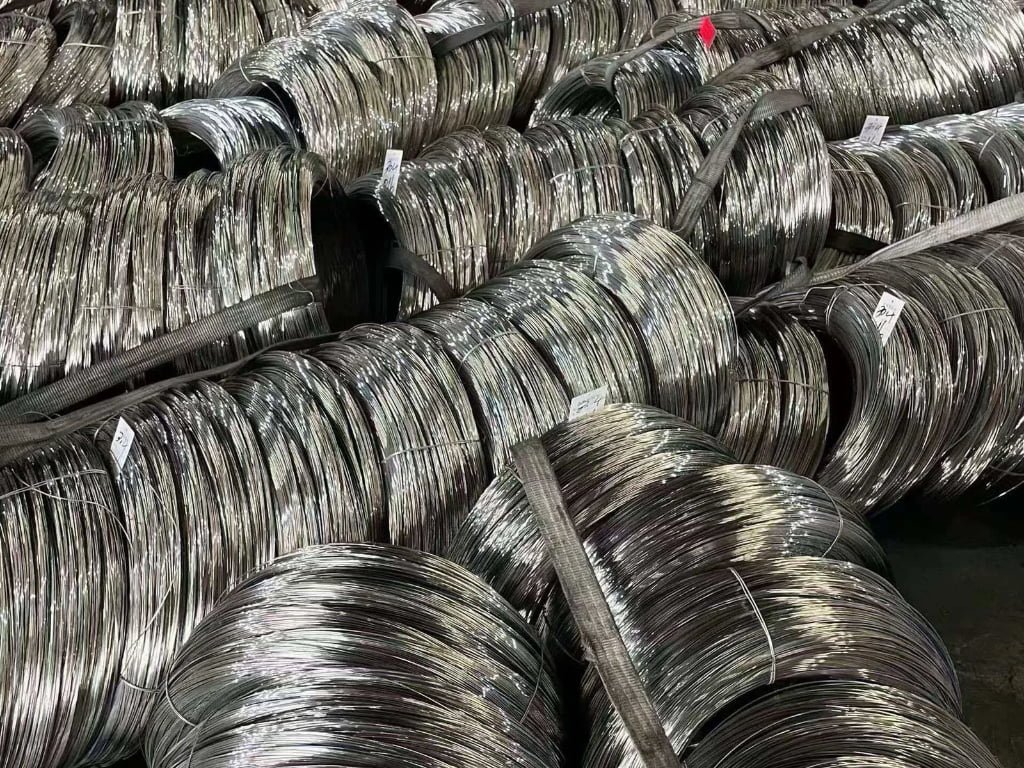
Amani's experience shows that while 2.0mm and 1.5mm are bestsellers, you must also stock 1.2mm (for agriculture) and 1.0mm (for welding mesh). Inland customers specifically seek these sizes. A mixed container ensures you capture the entire market.
This was a brilliant insight into the local market. Amani knows that 2.0mm and 1.5mm 201 stainless steel wire are the most popular sizes and make up the bulk of his sales. However, he learned that some of his most important customers are sub-dealers in inland cities like Arusha and Mwanza. These customers often need smaller, specific sizes like 1.2mm for agricultural uses and 1.0mm for making welded mesh. He told me, "If I don't have the 1.2mm wire, I don't just lose the sale for the 1.2mm. I lose the entire order for the whole truck." So, he developed a smart loading strategy. In each container, he'll order the majority as 2.0mm and 1.5mm. Then, he'll add a few tons each of the 1.2mm and 1.0mm sizes. When the container arrives in Dar es Salaam, he can serve his main market and also supply his inland dealers with the special sizes they need. This keeps everyone happy and ensures he never loses a sale.
Are Your Shipments Getting Stuck in Customs at Dar es Salaam?
Shipment delays at the port are frustrating and costly. Waiting for customs clearance can disrupt your supply chain and tie up your capital. There is a simple way to speed this up.
Ensure your supplier provides a complete set of clearance documents, especially the Certificate of Origin and detailed test reports, before the ship sails. Amani's pro tip: send electronic copies to your clearing agent three days before arrival for pre-declaration.
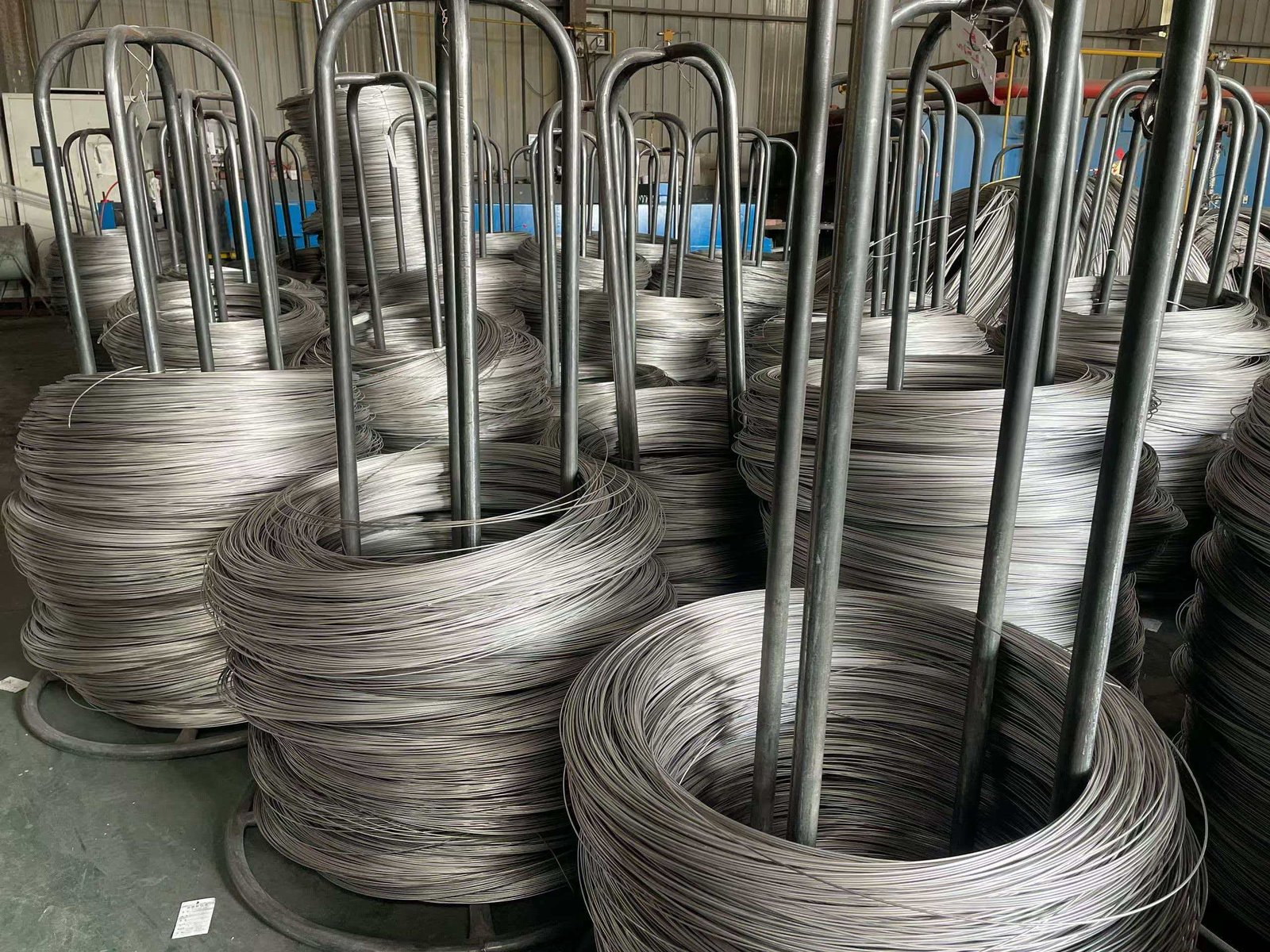
Finally, Amani stressed the importance of paperwork. He said that Tanzania has specific requirements from its standards bureau for imported metal materials. Getting this wrong can mean your container is stuck at the port for weeks. His advice is simple: be proactive. Before the shipment even leaves the factory in China, he confirms that we have prepared a complete set of documents. The two most critical documents are the Certificate of Origin and the material Test Reports. But here is his secret to fast clearance: he doesn't wait for the ship to arrive. He has us send him electronic copies of all documents as soon as the container is on its way. He then forwards these to his clearing agent. The agent uses these digital copies to file a pre-declaration with customs, three days before the vessel docks. Because of this, the paperwork is already processed, and his container is often released on the same day it arrives. This incredible efficiency gives him a huge advantage.
Conclusion
Amani's insights, born from hard-won experience, are a valuable guide. Focusing on tolerance, packaging, product mix, and documents will set you up for success in the Tanzanian market.
Amani's four points come from six years of real experience at Dar es Salaam port and beyond. Read more supplier stories on our blog https://mfgwiremesh.com/blog/ or reach out via https://mfgwiremesh.com/contact/.
Looking for a factory-direct supply of 201 stainless steel wire for your East African market? Reach out on WhatsApp at +86 15383180672.
FAQ:
Q1: What diameter tolerance should Tanzanian importers expect from quality 201 stainless steel wire? A1: Quality 201 stainless steel wire should maintain a diameter tolerance within plus or minus 0.03 millimeters. Amani has encountered suppliers whose 2.0 millimeter nominal wire varied by over 0.1 millimeters between batches, causing frequent breakage during manual tying. Consistent tolerance ensures uniform strength and workability across every coil.
Q2: What packaging is required for shipments arriving at Dar es Salaam port? A2: Dar es Salaam port has humidity conditions similar to Mombasa. Amani requires triple-layer packaging as a minimum standard: waterproof paper directly on the wire surface, sealed plastic film as the middle layer, and a woven polypropylene outer bag, with the entire pallet stretch-wrapped. This protects against moisture during port waiting periods and inland transport to cities like Arusha and Mwanza.
Q3: What is the best specification mix for a container bound for Tanzania? A3: Based on Amani's distribution experience, 2.0 millimeter and 1.5 millimeter make up the bulk of demand across Tanzania's construction market. However, 1.2 millimeter for agricultural trellising and 1.0 millimeter for welded mesh production should also be included to serve inland customers. His standard container mixes all four specifications, with 2.0 and 1.5 as the main volumes and smaller quantities of 1.2 and 1.0 for secondary distribution.
Q4: What documents should be prepared before shipment to Tanzania? A4: Tanzania requires certificate of origin and factory test reports for imported metal materials. Amani recommends sending electronic copies to the clearing agent three days before vessel arrival for pre-clearance submission. With complete documentation ready, clearance at Dar es Salaam port can be completed on the day of arrival.