


Kenya's customs clearance process can feel daunting for first-time importers of 201 stainless steel wire. But the process becomes predictable once you understand three key steps. Here is a practical guide based on a Nairobi importer's experience with multiple successful shipments through Mombasa port.
Njeri has been importing from our factory for over a year. Buyers like her, who need accurate documentation and factory support for Kenya customs clearance, can find detailed product specifications and shipping support on our product page: https://mfgwiremesh.com/metal-wire/201-stainless-steel-wire/.
leading paragraph: Importing from China seems profitable, but the thought of your goods getting stuck at the Port of Mombasa is a real worry. Delays and extra fees can ruin your budget. But what if you could master the process with just three key steps?
snippet paragraph: To easily clear 201 stainless steel wire through Kenyan customs, focus on three critical actions. First, ensure all your shipping documents are 100% accurate before shipping. Second, arrange for a pre-shipment inspection. Third, have your agent file a pre-declaration before the vessel arrives in Mombasa.
Transition Paragraph: This might sound simple, but getting it right makes all the difference. I learned this from one of my clients, Njeri in Nairobi. The first time she imported 201 stainless steel wire directly from our factory, she was more worried about customs than quality. She used to buy from middlemen who handled everything. Doing it herself was a new challenge. She told me she was constantly on the phone, terrified her container would be stuck in Mombasa, costing her money every single day. Now, she's a pro. After a few shipments, she boiled down her success to a simple, repeatable process.
LOOP START
Why Are Your Shipping Documents So Important for Kenyan Customs?
leading paragraph: A small typo on a document seems like no big deal. But for Kenyan customs, that tiny error can cause major rejections and costly delays. Let's look at how to get your paperwork perfect from the very start.
snippet paragraph: For Kenyan customs, your commercial invoice, Bill of Lading, and packing list must perfectly match your company's registered details. Even a misplaced comma can cause the system to reject your entry. Always send your supplier your official details and double-check everything before the goods are shipped.
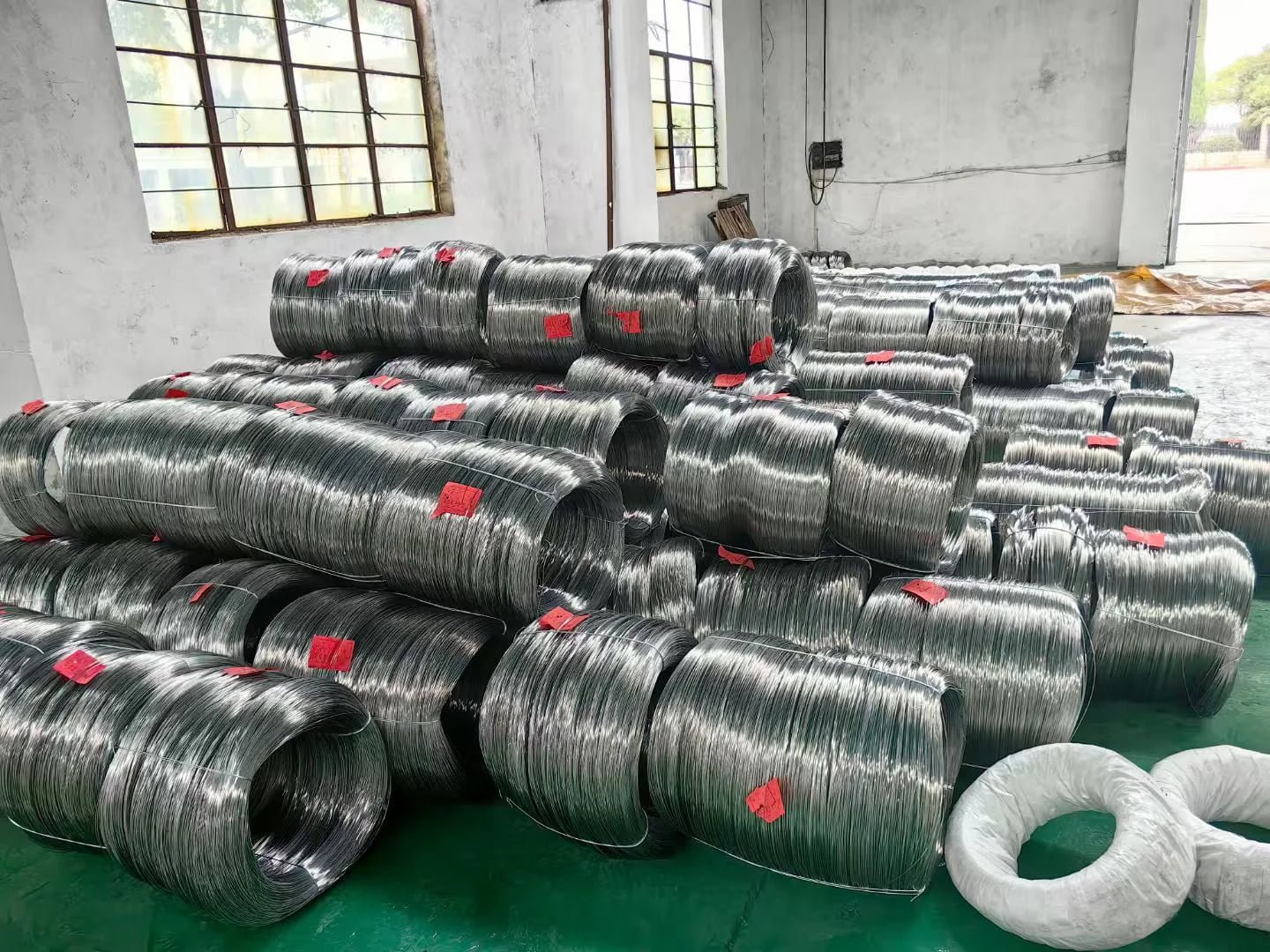
Dive deeper Paragraph: Njeri told me this was the most important lesson she learned. On her first shipment, her commercial invoice was rejected because it was missing a comma in her company name. The name on the invoice didn't exactly match the name on the Bill of Lading and her official company registration. Her clearing agent had to resubmit the declaration twice. Now, she avoids this problem completely. Before we even start production, she sends us a clear scan of her company registration certificate, her KRA PIN, and her Importer Code. Our team uses these documents to prepare the final paperwork. We check every letter and punctuation mark to ensure a perfect match. This simple step of preparing documents correctly is the foundation for smooth customs clearance. It prevents the most common and frustrating delays right at the source.
| Document | Purpose for Kenyan Customs | Key Details to Check |
|---|---|---|
| Commercial Invoice | Declares the value of the goods for tax assessment. | Importer/Exporter name & address, KRA PIN, exact product description, value. |
| Bill of Lading (B/L) | Proof of ownership and contract of carriage. | Must match invoice details exactly. Consignee information is critical. |
| Packing List | Details the contents, weight, and volume of the shipment. | Helps customs verify the physical goods against the declaration. |
| Certificate of Origin | Certifies the goods were produced in China. | May be required for specific trade agreements or regulations. |
LOOP END
LOOP START
Do You Need to Get Your Stainless Steel Wire Inspected Before Shipping to Kenya?
leading paragraph: You’ve found a great supplier for your stainless steel wire. But then you hear about a required inspection. Getting this wrong could mean your shipment is denied entry, turning your investment into a total loss.
snippet paragraph: Yes, for most imported goods, Kenya requires a Pre-Export Verification of Conformity (PVoC). This inspection confirms your stainless steel wire meets Kenyan standards. It must be completed by an approved agency in the country of origin before shipping to avoid costly delays or re-exportation.
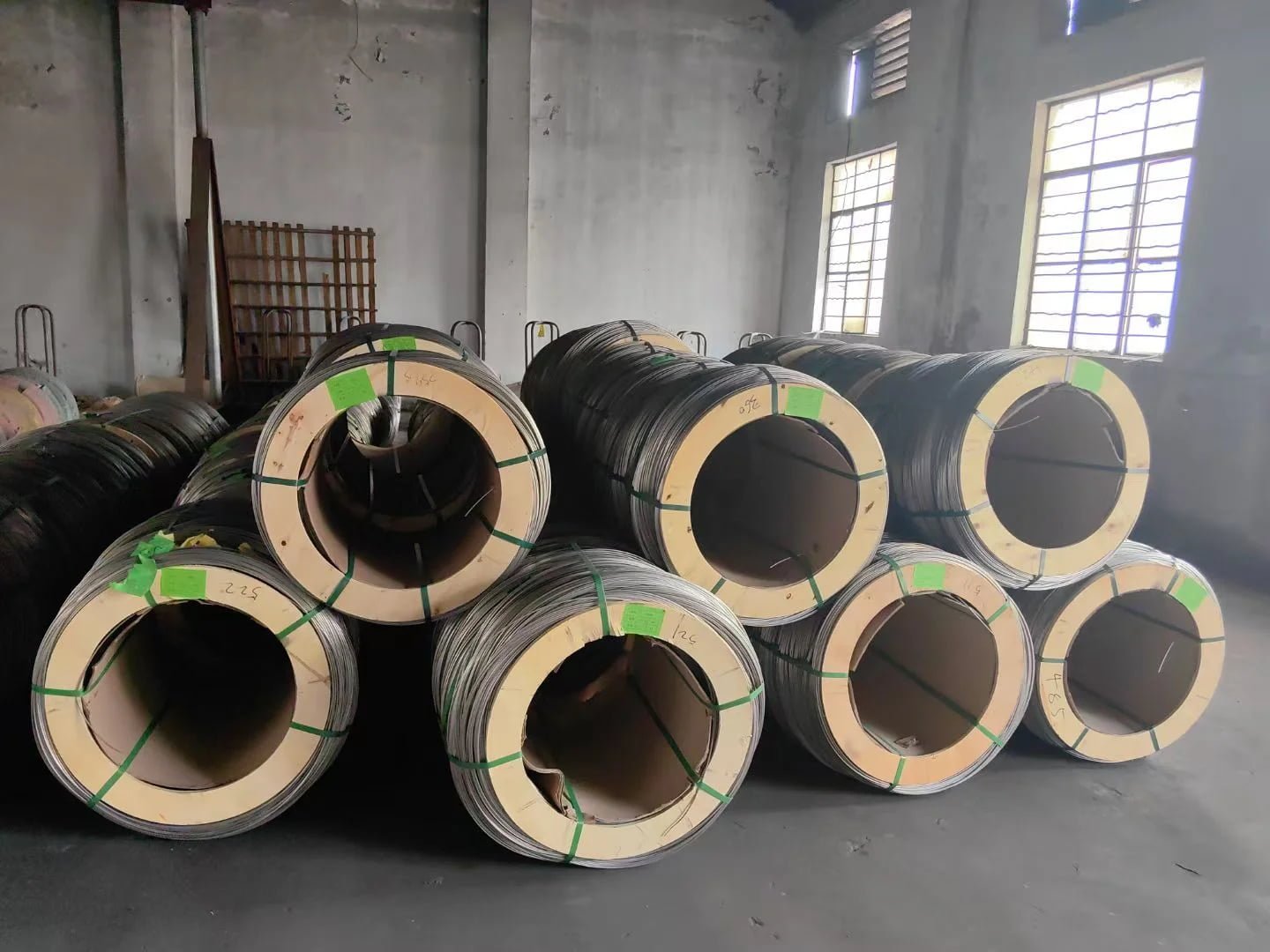
Dive deeper Paragraph: Njeri’s advice is simple: never ship without the inspection report. The PVoC program is run by the Kenya Bureau of Standards (KEBS) to protect consumers from unsafe and low-quality products. For materials like 201 stainless steel wire, they need to be sure it meets the required specifications. Waiting to do this inspection in Mombasa is risky and expensive. The best way is to handle it at the source. At our factory in Anping, we make this easy for our clients. Once the goods are ready, we help coordinate with a KEBS-approved inspection agency, like SGS or Intertek. Their inspector comes directly to our facility. They take samples of the stainless steel wire, check the diameter, tensile strength, and chemical composition against the Kenyan standards. Once everything passes, they issue a Certificate of Conformity (CoC). This CoC is a critical part of your shipping documents. When your container arrives, you can present this certificate to customs, proving your goods are already compliant. This avoids forced, expensive inspections at the port and guarantees entry.
How Can You Speed Up Clearance Once Your Shipment Reaches Mombasa?
leading paragraph: Your container has finally arrived at the Port of Mombasa. But now it sits in a long queue, racking up storage and demurrage fees every day. There is a simple trick to get your goods released in record time.
snippet paragraph: The secret is pre-declaration. Your clearing agent in Kenya should use the electronic shipping documents to submit the customs declaration before the vessel even docks. This allows customs to process the entry in advance, enabling a quick inspection and release as soon as the container is offloaded.
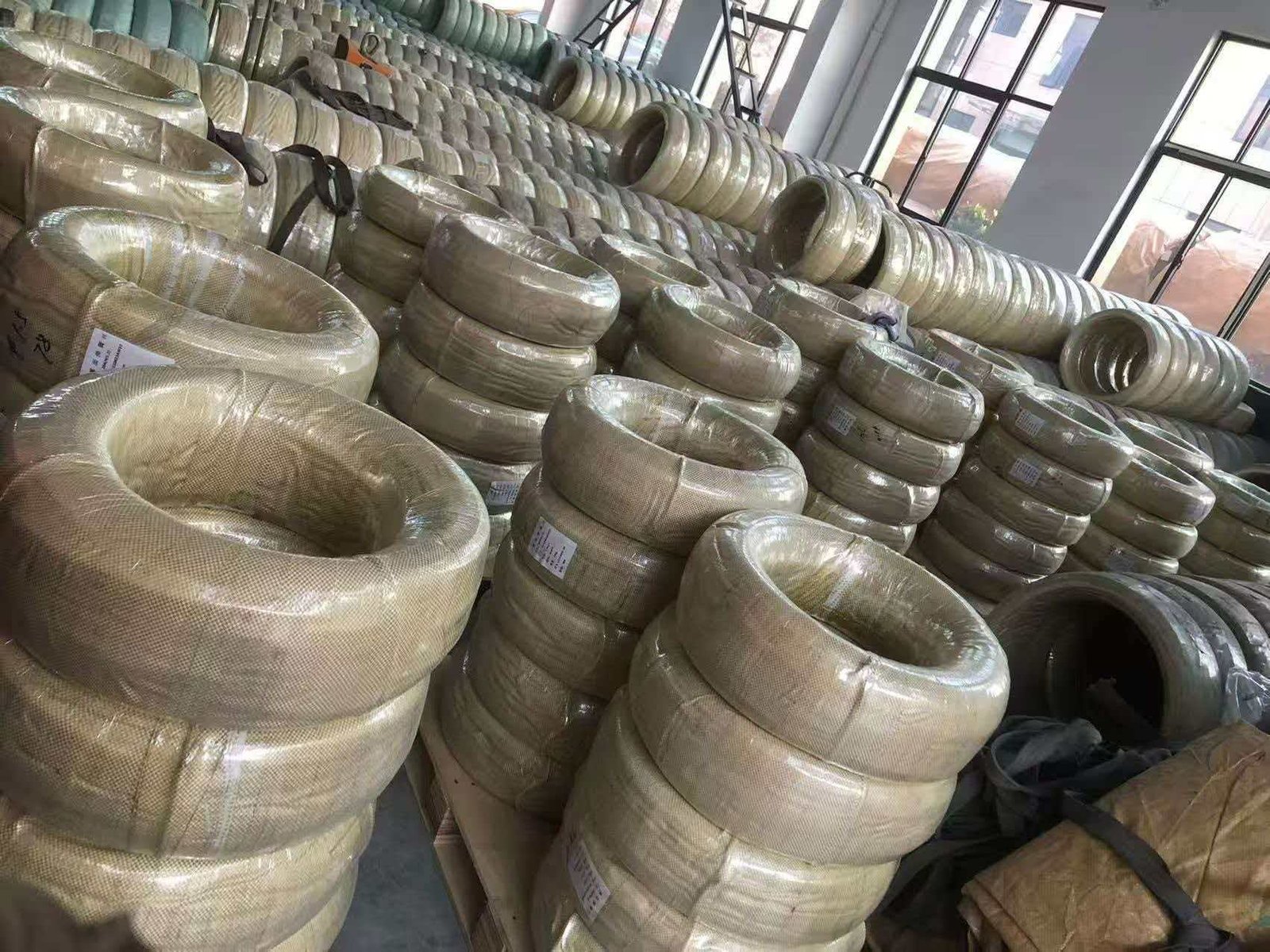
Dive deeper Paragraph: This final step is what ties everything together. Njeri told me her first shipment took a total of 35 days from our factory to her warehouse in Nairobi. Now, she consistently gets it done in 32 days. Where did she save those three days? At the port. Her clearing agent no longer waits for the ship to arrive. As soon as we prepare the documents, we email digital copies of the Bill of Lading, invoice, packing list, and the Certificate of Conformity directly to her and her agent. While the ship is still at sea, her agent uses these documents to log into Kenya's customs system and file a pre-arrival declaration. By the time the vessel docks at Mombasa, customs has already reviewed the entry. They have either cleared it electronically or flagged it for a routine physical check. Because all her paperwork is perfect from Step 1 and she has the CoC from Step 2, any physical inspection is fast. The container is often released the same day it's unloaded. This proactive approach minimizes port dwell time, which saves a significant amount of money on storage fees.
LOOP END
Conclusion
Clearing customs in Kenya is all about preparation. Get your documents right, complete the inspection before shipping, and file a pre-declaration. Follow these steps, and your import process will be smooth, predictable, and efficient every time.
Njeri now clears her containers within a day of arrival at Mombasa. Read more stories from Kenyan importers on our blog https://mfgwiremesh.com/blog/ or reach out via https://mfgwiremesh.com/contact/.
If you are sourcing 201 stainless steel wire for Kenya, Tanzania, or Uganda, we are happy to provide a specification-based quotation with complete shipping documentation support. Contact us via WhatsApp: +86 15383180672.
FAQ:
Q1: What is the most common documentation mistake Kenyan importers make on their first shipment? A1: The most common mistake is a mismatch between the company details on the commercial invoice and the importer's official Kenya registration. Even small differences—a missing comma, an abbreviation instead of the full company name—can cause the clearing agent's submission to be rejected. Njeri experienced this on her first shipment and now sends her KRA PIN, importer code, and certificate of incorporation before every order so we can match all documents exactly.
Q2: Does Kenya require pre-shipment inspection for stainless steel wire? A2: Kenya Bureau of Standards may require pre-shipment inspection for imported metal products. Njeri recommends arranging this before container loading rather than waiting until the goods arrive. Our factory can coordinate with inspection agencies to complete the inspection at our Anping facility, and the certificate travels with the shipping documents.
Q3: How can importers speed up customs clearance at Mombasa port? A3: Pre-clearance submission is the most effective way to speed up the process. Njeri's clearing agent receives electronic copies of all shipping documents three days before vessel arrival and submits them to the customs system in advance. When the container is offloaded, clearance can be completed within a day. Her first shipment took 35 days total, and her current shipments are consistently around 32 days from order to Nairobi warehouse.