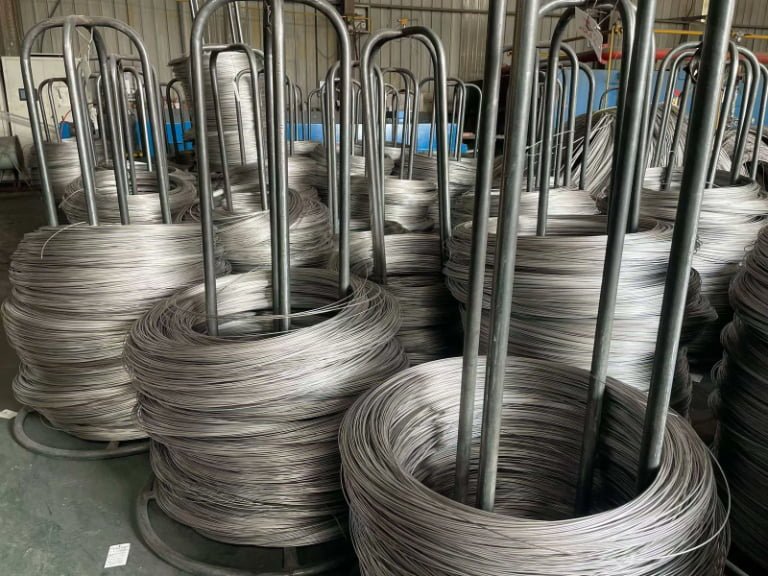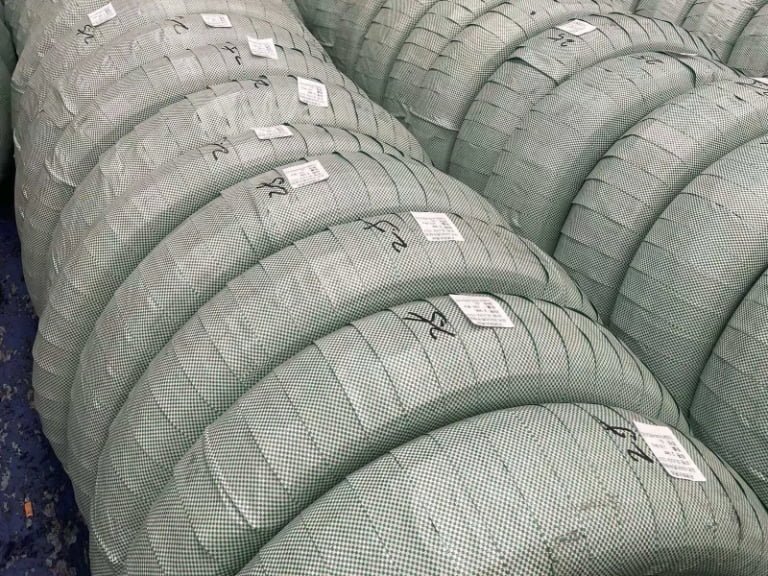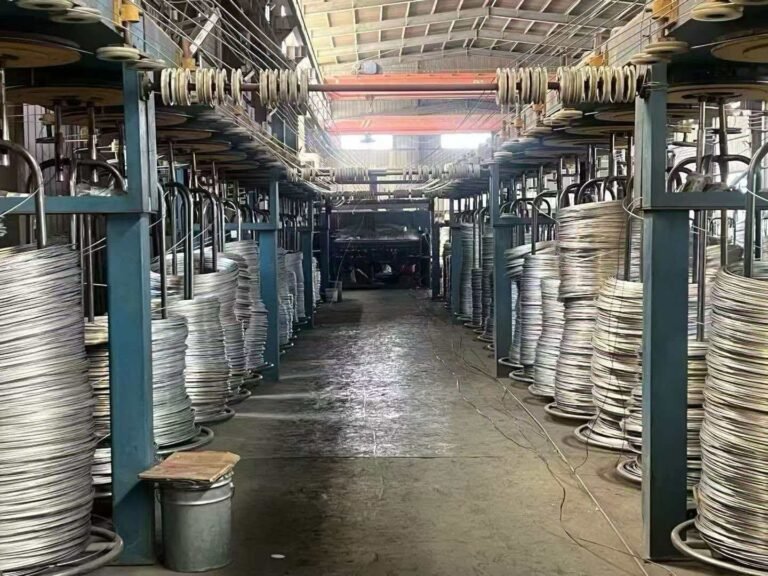



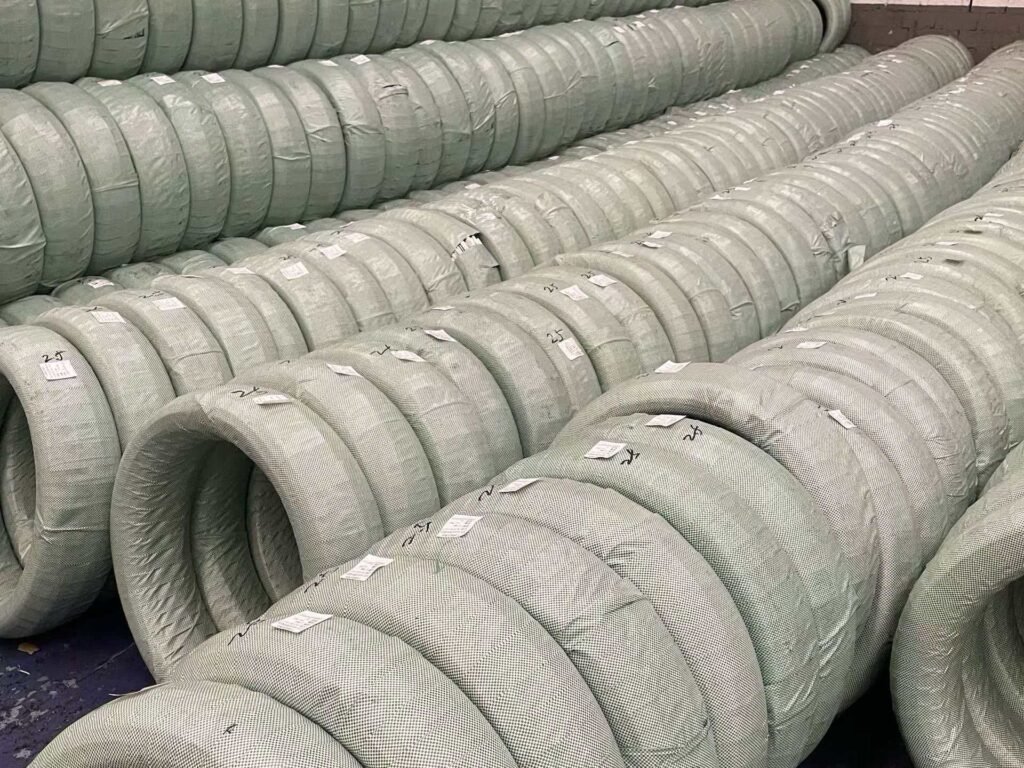
Uganda's construction sites use 201 stainless steel wire across multiple tasks, from heavy rebar tying to fine conduit fixing. Knowing which specifications are in steady demand helps importers and contractors stock the right inventory. Here are the four most common specifications based on a Kampala contractor's daily operations.
Moses has been building in Kampala for five years. Contractors like him, who need reliable specifications with consistent quality across every diameter, can check detailed parameters on our product page before ordering: https://mfgwiremesh.com/metal-wire/201-stainless-steel-wire/.
Struggling with rusty, weak wire on your construction site? It wastes time, fails inspections, and costs you money. Knowing the right specs is the key to avoiding these problems.
The four most common 201 stainless steel wire specifications for Ugandan construction are 2.0mm for rebar tying, 1.5mm for fencing, 0.8mm for fine binding, and 1.2mm for general auxiliary tasks. These sizes provide the perfect balance of strength, corrosion resistance, and workability.
Just last week, I got a message from Moses, a construction contractor in Kampala. He sent me a photo from his new shopping mall project. The picture showed a dense web of rebar cages for the foundation. His workers were busy tying them together with our 2.0mm 201 stainless steel wire. He told me he showed the photos to the project supervisor, who was very impressed. The supervisor said the work was clean, the tie ends were neat, and there wasn't a single spot of rust. This is the kind of feedback that makes my day. Moses has been in the business for five years and only switched from galvanized wire to our stainless steel wire last year. It was a big decision for him, but he’s never looked back. I was curious, so I asked him which specs he uses the most on his sites in Uganda. He broke it down for me, and his experience is too valuable not to share. Let’s dive into the four essential wires he can't work without.
Why Is 2.0mm The Go-To Wire For Rebar Tying?
Are your rebar ties snapping or coming loose? This is a serious problem. It can compromise the building's structure and cause major delays if you have to redo the work.
2.0mm 201 stainless steel wire is the best choice for rebar tying in Uganda. Its high tensile strength of 650-750 MPa means it won't break, even on thick rebar. It is also flexible enough for workers to tie it securely by hand.
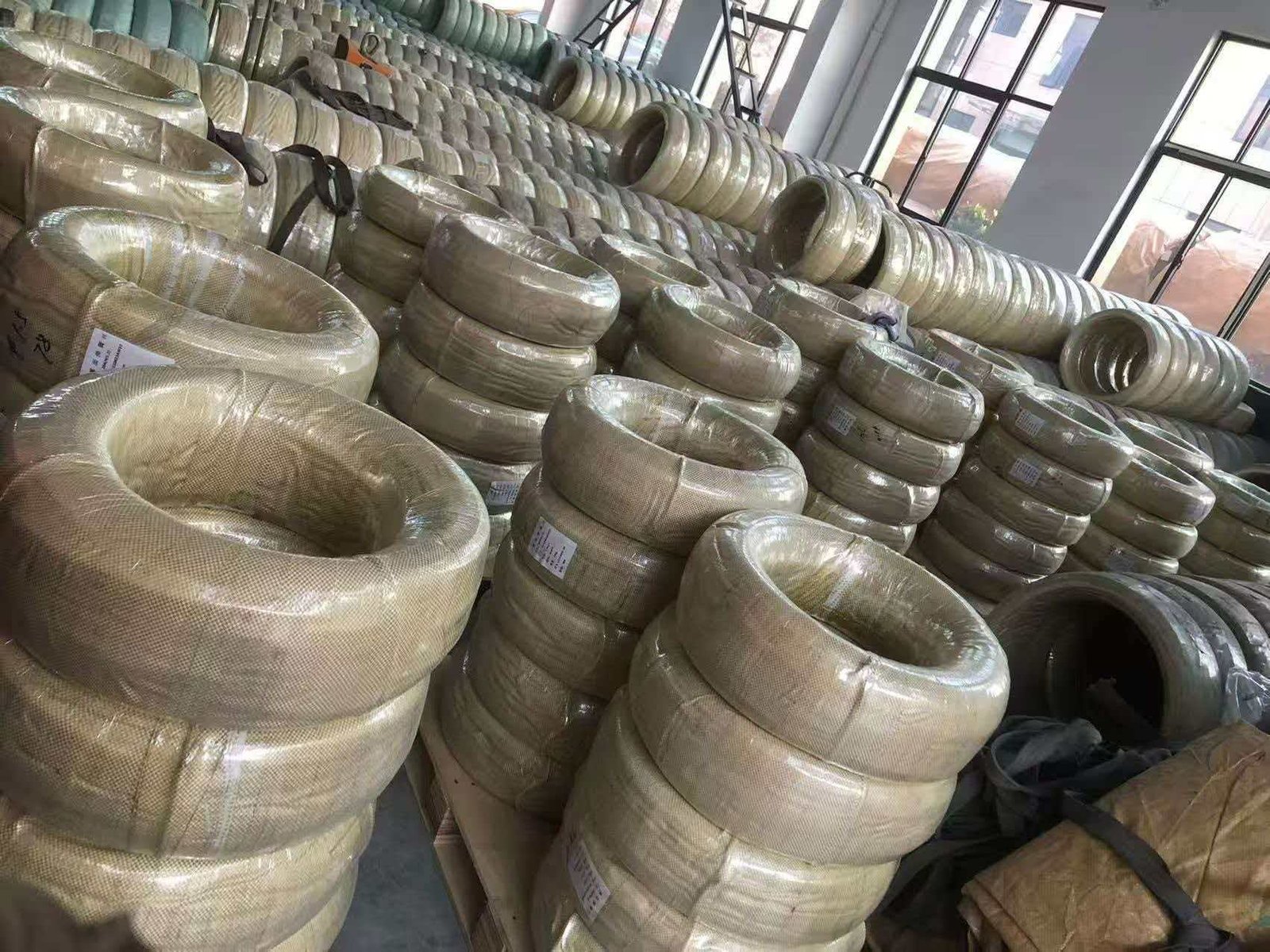
Moses told me that this is his number one wire. Construction is booming in Uganda, with new shopping malls, office buildings, and apartment complexes going up everywhere. Almost all of them use concrete frame structures, which rely on strong steel rebar cages. The 2.0mm wire is the workhorse for tying these cages together. Moses explained that for a single large project, he can easily use five or six tons of this wire. Workers find it has the perfect feel for manual tying. It’s strong enough not to break but not so stiff that it’s hard to work with. This combination of strength and usability is critical for keeping a project on schedule. The supervisor's comment about the clean, rust-free ties is also a huge point. In Uganda's climate, rust can appear quickly on inferior wires, but our 201 stainless steel holds up.
| Feature | Specification | Benefit for Ugandan Construction |
|---|---|---|
| Diameter | 2.0mm | Ideal balance of strength and flexibility for manual tying. |
| Tensile Strength | 650-750 MPa | Strong enough for heavy rebar without snapping. |
| Material | 201 Stainless Steel | Resists rust in humid conditions, ensuring clean, strong ties. |
| Typical Consumption | 5-6 tons per project | A staple material for any large-scale concrete construction. |
Is 1.5mm Stainless Steel Wire The Best Choice For Fencing In Uganda?
Is your galvanized site fence already covered in rust after just one year? This looks unprofessional, weakens your security, and means you'll have to spend more money to replace it.
Yes, 1.5mm 201 stainless steel wire is perfect for fencing in Uganda. It is flexible enough to be woven into a tight mesh but strong enough to remain taut. Unlike galvanized wire, it resists rust for years, making it a smarter long-term investment.
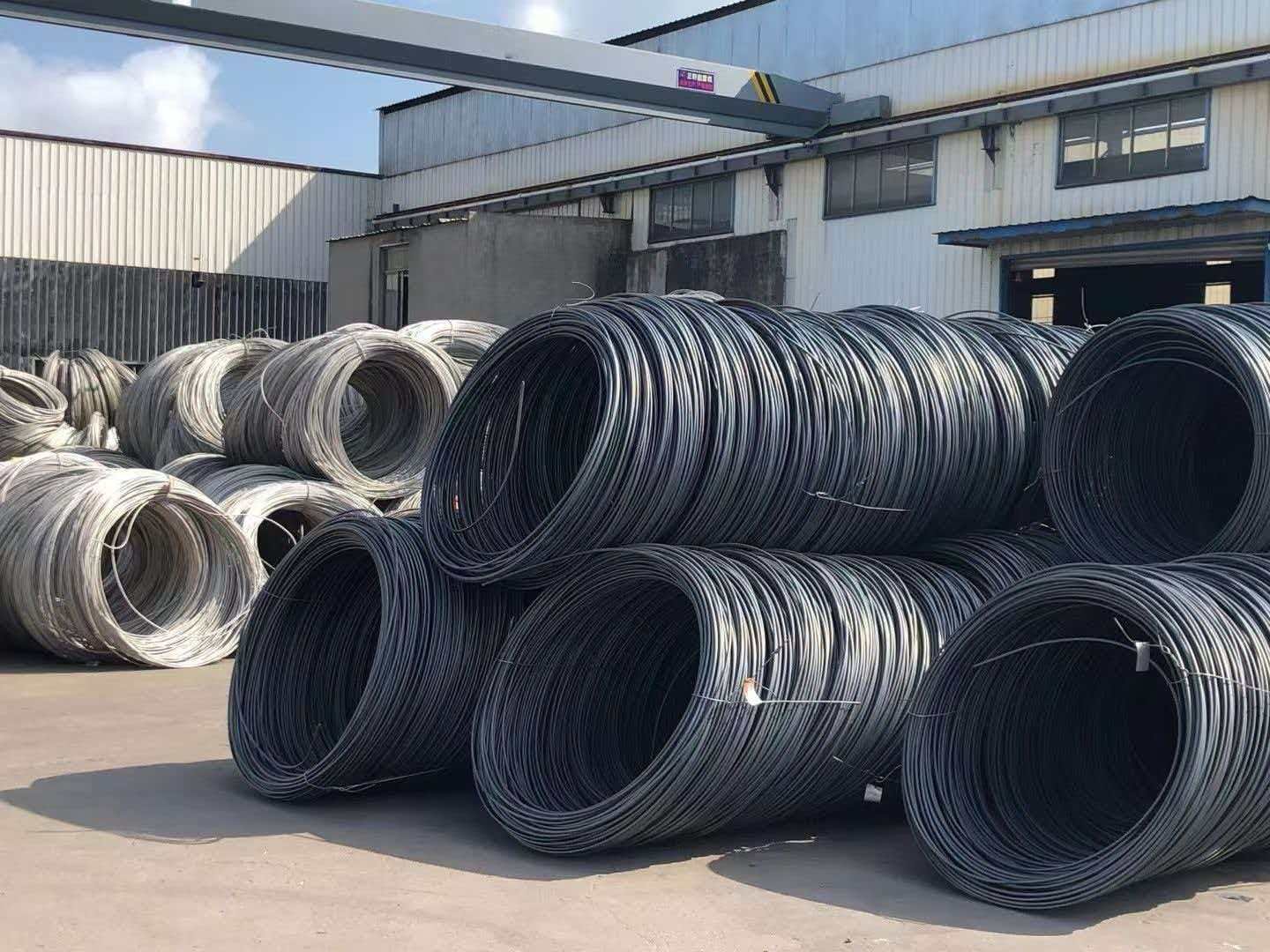
The second wire Moses relies on is the 1.5mm spec. On any construction site, you need fences. First, you need temporary fencing to secure the site during the build. Then, many projects require permanent fencing when the job is done. Moses used to use galvanized wire, but he told me it was a constant headache. After just one year, the fences would be rusted and look terrible. He switched to 1.5mm 201 stainless steel wire because it solves this problem completely. The wire has the perfect balance of softness and hardness. It's easy for workers to weave into chain-link fencing, and the resulting mesh is strong and tight. Most importantly, it looks good for years. For his clients, this means a durable, low-maintenance fence that adds value to their property instead of becoming an eyesore. It’s a clear example of how choosing a quality material upfront saves money and trouble down the road.
| Feature | Specification | Why It Matters for Fencing in Uganda |
|---|---|---|
| Wire Diameter | 1.5mm | Soft enough to weave, strong enough to hold tension. |
| Material | 201 Stainless Steel | Provides long-term corrosion resistance, unlike galvanized wire. |
| Application | Site Security & Permanent Fences | A versatile solution for both temporary and final needs. |
| Long-Term Value | High | Avoids the cost and labor of replacing rusted fences. |
When Do You Need 0.8mm Wire On A Construction Site?
Are you trying to secure small pipes or conduits with thick, clumsy wire? This leads to loose fittings, damaged materials, and a lot of frustration on delicate jobs.
You need 0.8mm 201 stainless steel wire for all the detailed tasks. It’s essential for securing electrical conduits and plumbing lines inside walls or fixing formwork with precision. It’s thin enough for tight spaces but strong enough not to slip or break.
This was an interesting one. Moses told me that while the quantity he uses isn't huge, the 0.8mm wire is absolutely essential. He said, "Without it, a lot of the fine work just can't get done." This is the wire you need for jobs that require precision. Think about securing electrical conduits and water pipes before the walls are plastered. You need a wire that is thin, flexible, and can be wrapped tightly without damaging the pipe. Thick wire just won't work. The same goes for fixing small pieces of formwork or other detailed tasks where a bulky tie wire would get in the way. Even though a project might only use a few coils of 0.8mm wire, its role is critical. It’s the wire that ensures the details are done right, which is what separates a good job from a great one. It’s a small part of the project, but it has a big impact on the final quality.
| Task | Why 0.8mm 201 Stainless Steel Wire is Ideal |
|---|---|
| Securing Conduits & Pipes | Thin and flexible, allows for tight wrapping without damaging materials. |
| Fixing Formwork Details | Provides a secure hold for precise adjustments without being bulky. |
| General Fine Binding | Strong enough to hold firm but easy for workers to handle and twist. |
| Overall Impact | Essential for high-quality finishing work on a construction site. |
What Makes 1.2mm The Ultimate Auxiliary Wire?
Do you need a wire for general tasks, but find that some are too weak and others too heavy? Your workers end up wasting time looking for the right material for small jobs.
The 1.2mm 201 stainless steel wire is the ultimate auxiliary wire because it is perfectly balanced. It’s much stronger than fine binding wire but lighter and more flexible than heavy rebar wire. This makes it ideal for hundreds of general-purpose tasks.
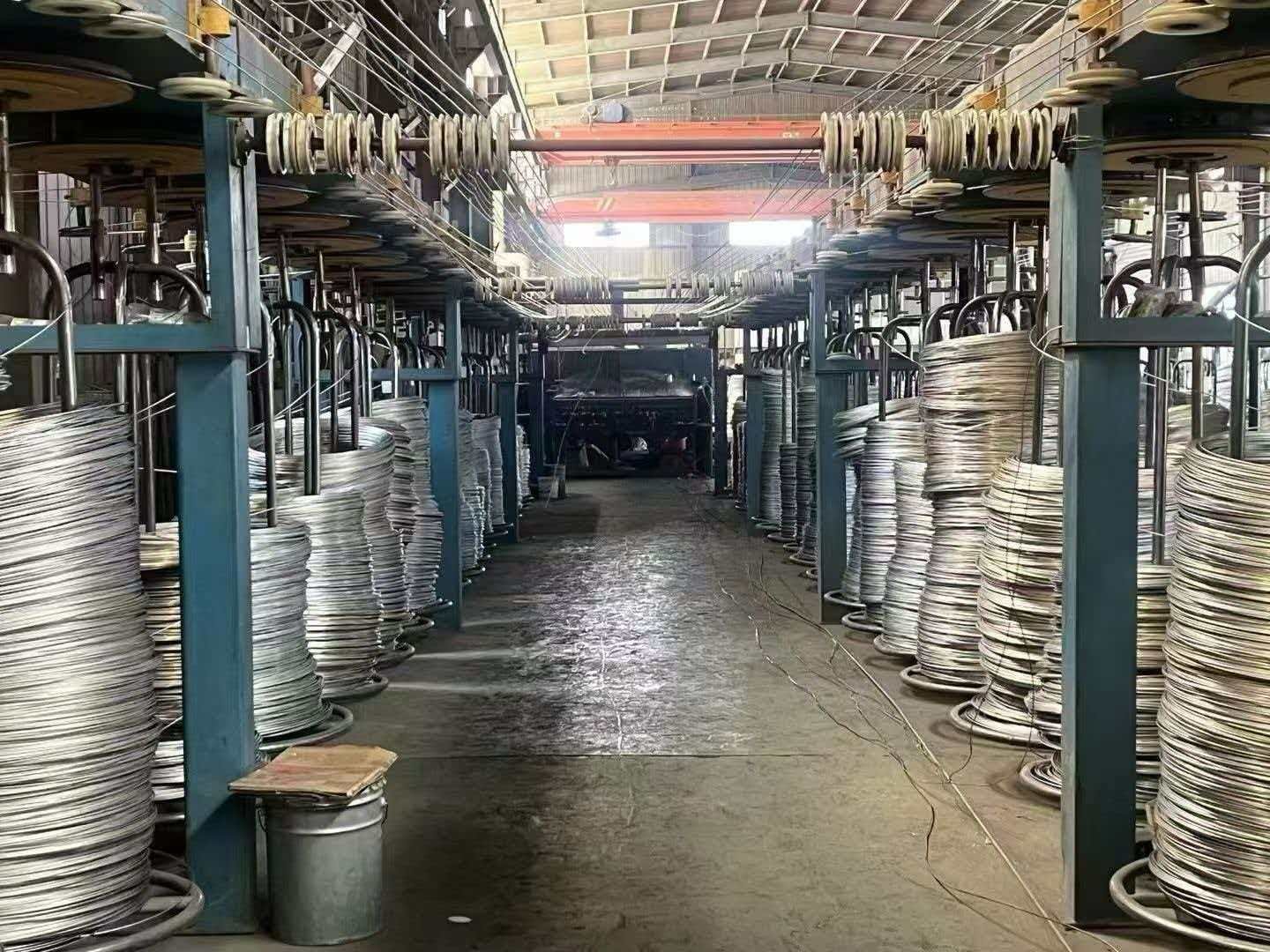
This is the fourth wire Moses swears by, and he calls it his "do-it-all" wire. It’s the perfect middle ground. It’s not as strong as the 2.0mm wire, but you don't need that much strength for most general tasks. It’s much stronger than the 0.8mm wire, making it far more versatile. So what does he use it for? Everything in between. He uses it for building temporary sheds for his workers, securing scaffolding boards so they don't shift, and tying down small precast concrete components. It’s the wire his team reaches for when they need to quickly fix, hang, or secure something. Moses said, "The amount we use is always larger than I think." He has to reorder several tons of 1.2mm wire every month because it gets used everywhere for all sorts of tasks. It proves that having a versatile, reliable, jack-of-all-trades wire on site is just as important as having specialized ones.
| Wire Diameter | Primary Strength | Main Drawback for Auxiliary Use |
|---|---|---|
| 0.8mm | Flexibility | Not strong enough for heavier tasks like securing boards. |
| 1.2mm | Versatility | The perfect balance of strength, flexibility, and cost. |
| 2.0mm | Strength | Too heavy, stiff, and expensive for most small jobs. |
Conclusion
Choosing the right wire is a simple decision that has a huge impact. From 2.0mm for rebar to 0.8mm for details, these four 201 stainless steel specs get the job done.
Moses keeps all four specifications on his sites and reorders every month. Read more supplier stories on our blog https://mfgwiremesh.com/blog/ or reach out via https://mfgwiremesh.com/contact/.
If you are sourcing 201 stainless steel wire for Uganda's construction market, we are happy to provide a specification-based quotation. Contact us via WhatsApp: +86 15383180672.
FAQ:
Q1: Which specification of 201 stainless steel wire is most heavily used on Uganda construction sites? A1: 2.0 millimeter diameter is the primary specification for rebar tying on Uganda's concrete frame structures. With a tensile strength of 650 to 750 MPa, it handles heavy rebar without snapping and feels comfortable for manual tying. Moses estimates that a single mid-size project can consume five to six tons of 2.0 millimeter wire, making it the highest-volume specification by a significant margin.
Q2: What is the 0.8 millimeter wire used for if it accounts for such a small volume? A2: 0.8 millimeter wire handles fine, detailed work that thicker wires cannot do. This includes securing electrical and plumbing conduits before concrete pouring, fixing formwork, and other precision tasks. While the total volume is smaller than 2.0 millimeter wire, Moses notes that a site cannot function without it. Missing this specification means certain tasks simply cannot be completed.
Q3: Why is 1.2 millimeter wire ordered more than many contractors initially expect? A3: 1.2 millimeter wire fills the gap between heavy rebar tying and fine conduit work. It is used extensively for temporary structures like site sheds, scaffolding board fixing, and small precast element binding. Moses initially underestimated his 1.2 millimeter consumption and now budgets several tons per month for this specification alone.
Q4: How does 1.5 millimeter wire for fencing compare to galvanized alternatives in Uganda? A4: Galvanized fencing wire in Uganda's rainy climate typically shows rust within a year. 1.5 millimeter 201 stainless steel wire provides the same weaving flexibility but maintains its integrity for many years. Moses now specifies 201 stainless steel wire for both temporary site hoarding and permanent perimeter fencing on all his projects.