


Tanzania importers who switch from galvanized to 201 stainless steel wire often do so after calculating more than just the purchase price. The full cost picture includes customer complaints, product returns, and lost repeat business. Here is a real cost comparison based on an Arusha wholesaler's experience.
Juma has been importing building materials into Tanzania for five years. Buyers like him, who need to compare the full-chain costs of galvanized versus 201 stainless steel wire, can find detailed specifications and factory-direct pricing on our product page: https://mfgwiremesh.com/metal-wire/201-stainless-steel-wire/.
Are you watching profits wash away with the rainy season? Choosing cheap galvanized wire seems smart, until rust complaints start costing you customers and your reputation.
The cheaper upfront cost of galvanized wire is misleading. For Tanzanian importers, 201 stainless steel wire is often the more cost-effective choice in the long run by eliminating hidden costs from rust, customer complaints, and lost business.
This is a story I hear often, but one case really stands out. A client of mine, Juma, a building materials wholesaler in Arusha, recently called me. He was facing a tough situation and needed to rethink his whole business model. His story perfectly shows why the cheapest invoice price isn't always the lowest total cost. Let's break down his journey, because I think it will help you too.
How Much Cheaper is the Upfront Purchase Price?
Tired of comparing invoices that only tell half the story? You see the price gap but suspect there's more to it. There is a smarter way to look at it.
On paper, galvanized wire can look 20-30% cheaper. A Tanzanian importer might see a price of $850/ton for galvanized wire versus $1100/ton for 201 stainless steel. But this simple comparison ignores crucial factors like middlemen and quality.
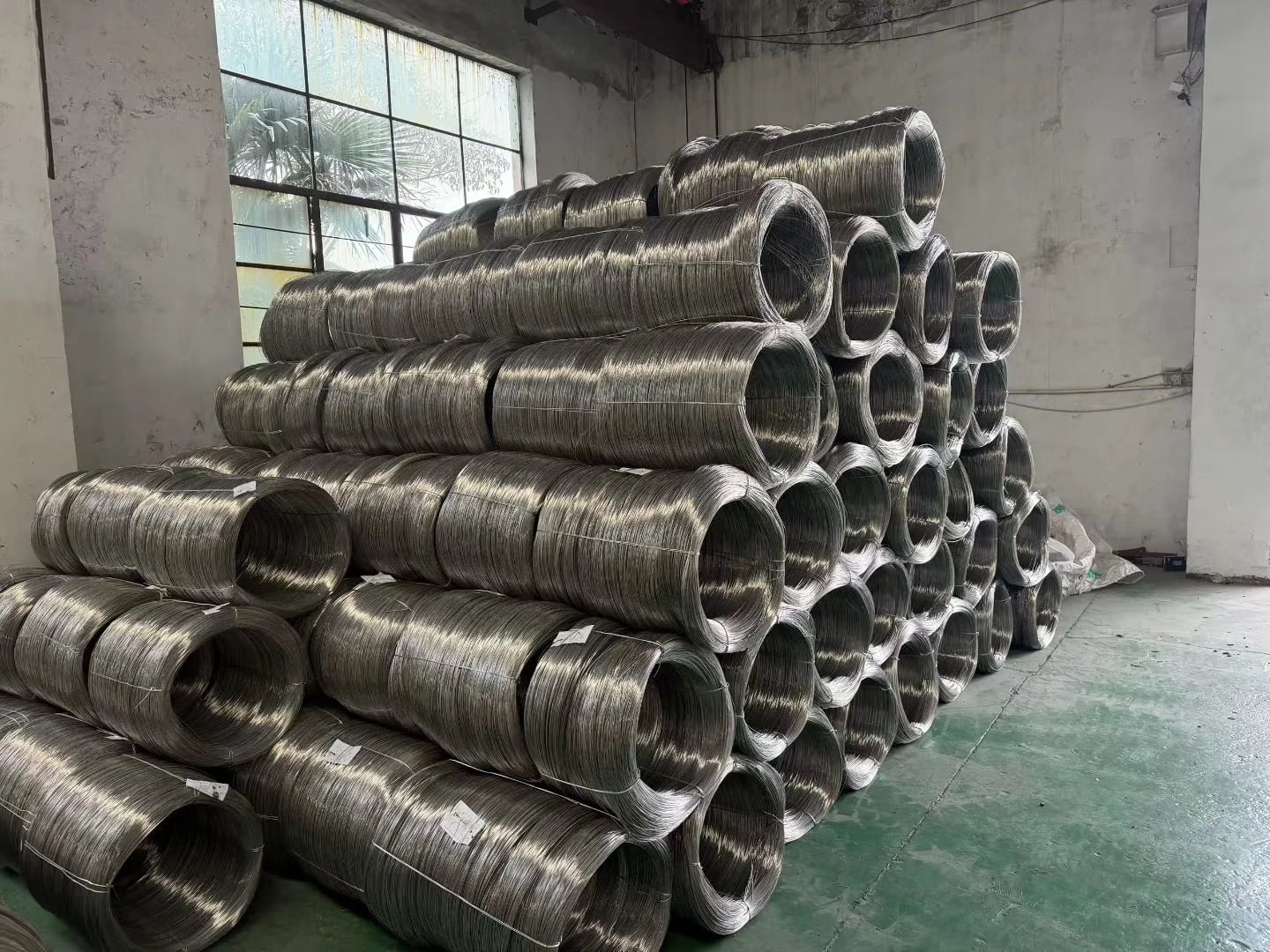
For five years, Juma imported galvanized wire from a middleman in Dubai. The price was always attractive. He told me he was paying about $850 per ton. When he asked me about our 201 stainless steel wire, I quoted him a direct factory price of around $1100 per ton. He said, "That's over 20% more. How can I compete?" This is a fair question, and it’s the first thing most importers think about.
Price at a Glance
| Wire Type | Sourcing Method | Price per Ton (Approx.) |
|---|---|---|
| Galvanized Wire | Through Middleman | $850 |
| 201 Stainless Steel Wire | Direct from Factory | $1100 |
Looking at this table, the choice seems obvious. A $250 saving per ton is significant. But this is only the beginning of the cost story. Juma was buying from a trader, which means an extra layer of profit was already built into his price. Buying direct from a manufacturer like us closes that gap. More importantly, this simple calculation ignores all the costs that happen after the wire lands in Dar es Salaam.
What are the Hidden Costs of Using Galvanized Wire in Tanzania?
Worried about customer complaints after the rainy season? The nightmare of replacing rusted wire and dealing with unhappy clients can destroy your profits. There is a way to avoid this.
The hidden costs of galvanized wire in Tanzania's climate are huge. They include handling customer complaints, replacing failed products, and losing stock to rust. These after-sales expenses often erase any initial savings compared to 201 stainless steel.
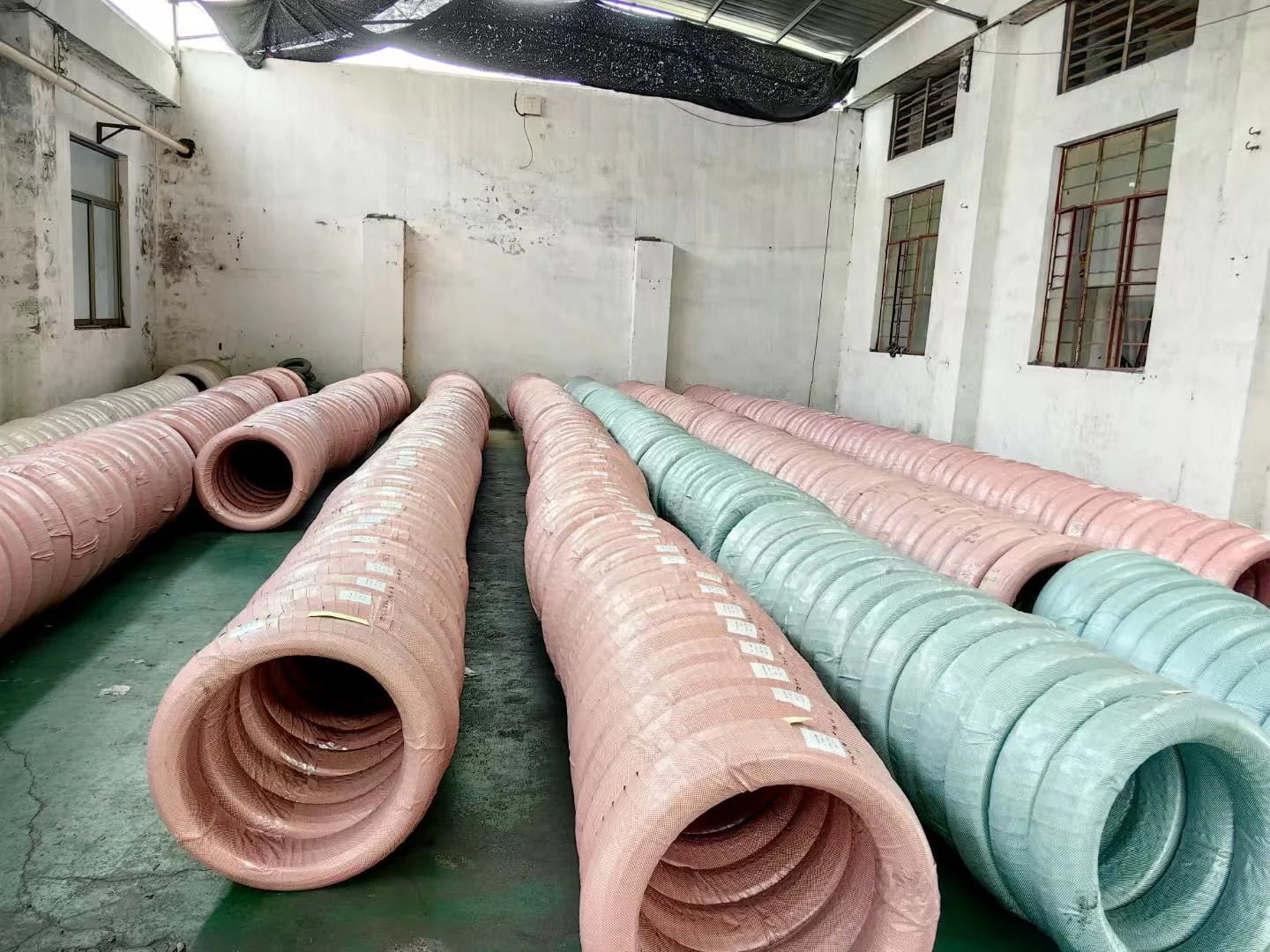
Last year, the real problems started for Juma. After the rainy season, three different customers called to complain about rust. This is where the "cheap" price of galvanized wire began to look very expensive.
After-Sales Nightmares
One of Juma’s customers exports tomatoes. He used the galvanized wire to build trellis systems for the plants. The wire rusted so badly that it stained the tomato stems, causing the entire shipment to fail its export inspection. The loss was huge. To handle this and two other complaints, Juma had to:
- Refund the cost of two tons of wire.
- Pay out of his own pocket to replace one customer's failed wire with 201 stainless steel as an emergency fix.
From Invoice to Ledger
The costs just kept adding up. He also had to account for wire that got damaged by moisture during shipping and storage before it was even sold. When he added up all the refunds, replacements, and wasted stock, the number was shocking. It was far more than the $250 per ton he had "saved" on the purchase price. He said something to me that I'll never forget: "The low price of galvanized wire is on the invoice. The high cost is in the after-sales ledger."
How Does Wire Choice Impact Long-Term Customer Loyalty?
Losing a good customer hurts, especially a long-term one. What if your choice of material is slowly pushing your best clients to your competitors? Here's how to secure their business.
Using rust-prone galvanized wire can destroy customer trust and loyalty. A single bad experience can erase years of business, costing you huge future revenue. Switching to reliable 201 stainless steel is an investment in keeping your customers.
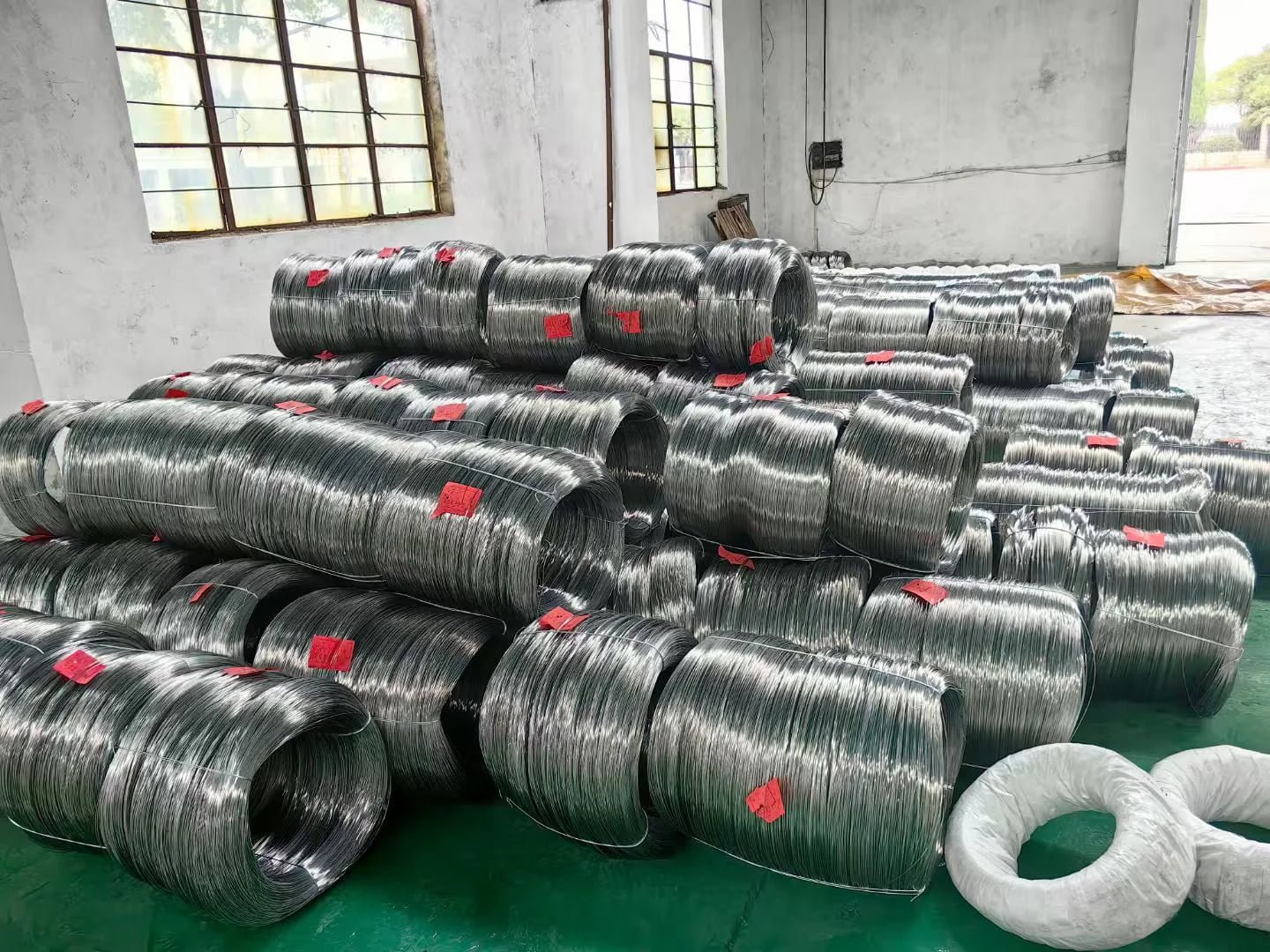
The financial hit from refunds was bad, but what happened next was worse. Of the three customers who complained, two of them stopped ordering from Juma completely. They just disappeared.
The Real Cost of a Lost Customer
These weren't small buyers. Juma told me each of them bought around ten tons of wire from him every year. They were his bread and butter. By trying to provide them with a low-cost option, he ended up giving them a low-quality product that failed. It broke their trust, and now they are likely buying from his competitor. He didn't just lose three sales; he lost two long-term customers.
Calculating the Long-Term Impact
Let's look at what that really means in numbers.
| Metric | Calculation | Annual Impact |
|---|---|---|
| Customers Lost | 2 | - |
| Annual Volume per Customer | 10 Tons | - |
| Total Lost Annual Volume | 2 Customers x 10 Tons | 20 Tons |
Juma lost 20 tons of guaranteed sales, year after year. That's not a one-time loss; it's a permanent hole in his annual revenue. After we went through all these numbers, the decision became very clear for him. Last week, he sent us his first order: a full 40-foot container of 2.0mm and 1.5mm 201 stainless steel wire. He is investing in quality to protect his business for the long term.
Conclusion
Choosing 201 stainless steel isn't about spending more. It’s an investment in quality, your reputation, and the long-term profitability of your business in the Tanzanian market.
Juma ran the numbers and switched his entire order to 201 stainless steel wire. Read more cost comparison stories from East African importers on our blog https://mfgwiremesh.com/blog/ or reach out via https://mfgwiremesh.com/contact/.
If you are sourcing 201 stainless steel wire for Tanzania, Kenya, or Uganda, we are happy to provide a specification-based quotation. Contact us via WhatsApp: +86 15383180672.
FAQ:
Q1: What is the purchase price difference between galvanized and 201 stainless steel wire? A1: The purchase price gap is approximately 23 percent, with galvanized wire at around 850 dollars per ton through Middle Eastern intermediaries and 201 stainless steel wire at around 1,100 dollars per ton factory-direct. However, Juma's analysis showed that this headline difference is only part of the story. His actual costs from rust-related complaints, returns, and replacements made up a far larger figure over the course of a single year.
Q2: What hidden costs do importers face with galvanized wire in Tanzania's climate? A2: Tanzania's rainy seasons and high humidity create significant hidden costs for galvanized wire importers. Juma faced three categories of unplanned expense: customer compensation for rust-damaged products, replacement shipments of rejected material, and transport losses from moisture damage during storage and delivery. When he totaled these costs, they exceeded the purchase price savings he had achieved by buying galvanized wire.
Q3: Can switching to 201 stainless steel wire affect customer retention for Tanzanian importers? A3: Yes. Juma lost two of three customers who complained about rust issues. These two customers had been purchasing roughly ten tons each per year. The value of these lost long-term orders far exceeded any savings from buying lower-cost galvanized wire. Juma now views 201 stainless steel wire as an investment in customer retention, not just a material choice.