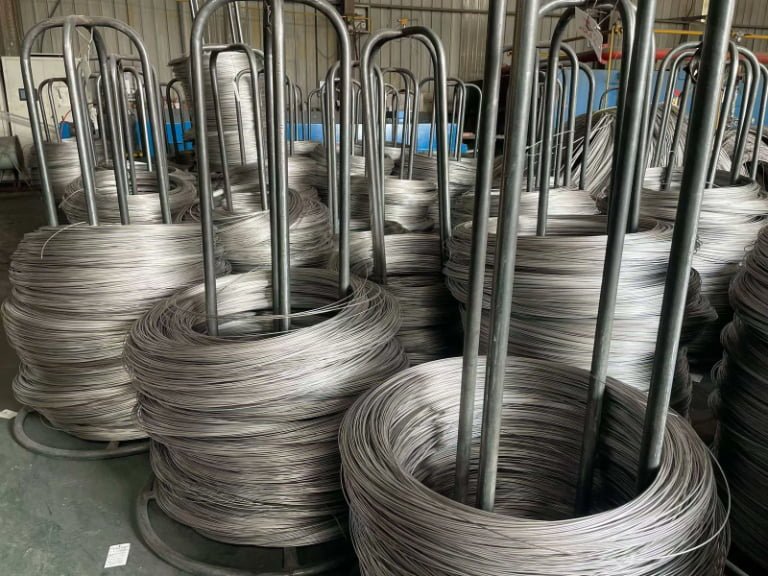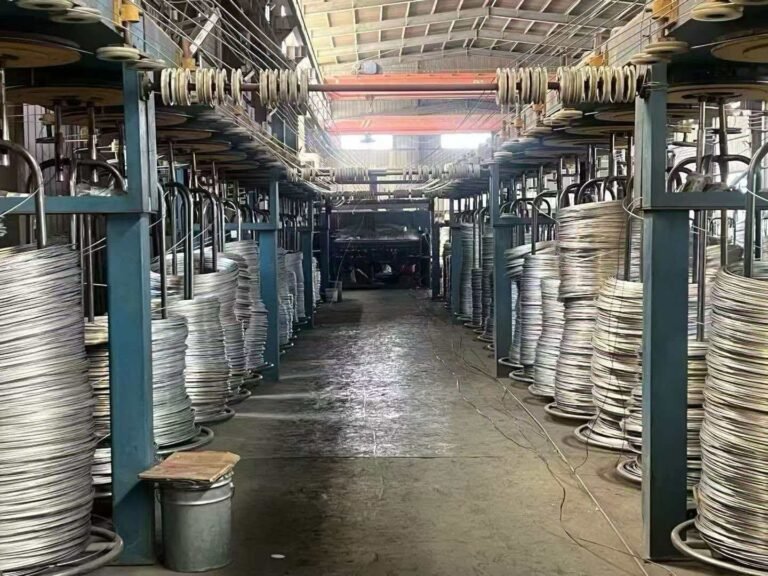



Not all 201 stainless steel wire on the market meets the same quality standards. For Kenya buyers sourcing directly from China, knowing how to identify quality wire before placing an order can prevent costly mistakes on the job site. Here are four practical checks based on a Nairobi importer's experience.
Amina learned the hard way that the lowest price often comes with hidden quality problems. Buyers like her, who want reliable quality with factory test reports and consistent specifications, can find detailed product parameters on our product page: https://mfgwiremesh.com/metal-wire/201-stainless-steel-wire/.
Are you tired of buying 201 stainless steel wire that rusts and breaks? This problem costs you time and money. Here’s how you can easily spot quality wire before you buy.
To identify quality 201 stainless steel wire, you must check four key things. First, use a caliper to verify the wire has a consistent diameter. Second, inspect the surface for a bright, uniform finish. Third, examine the packaging for professional standards. Finally, always demand a factory test report.
A few weeks ago, I got a call from a client in Nairobi named Amina. She was very frustrated. She had just bought a batch of 201 stainless steel wire from a new supplier because the price was 15% lower than the market rate. But when her crew took it to the construction site, they found the wire was too brittle and kept snapping when they tried to tie rebar. Amina measured it herself and found the wire, which was supposed to be 2.0mm, was only about 1.8mm. The worst part? It started showing rust in less than a month. She asked me if all 201 stainless steel was this bad. I told her the problem wasn't the 201 grade, but the fact that she received a low-quality, non-standard product. These simple checks I shared with her will help you avoid the same expensive mistake.
How Can You Check the Wire Diameter Tolerance Correctly?
Is your wire breaking on the job site? This might be due to an inconsistent wire diameter. This issue can cause project delays and waste materials, hurting your business.
Use a digital caliper to check the wire diameter. Measure at least three different spots on each coil. The numbers should be very close to each other and within the specified tolerance, which is usually ±0.03mm for quality 201 stainless steel wire.
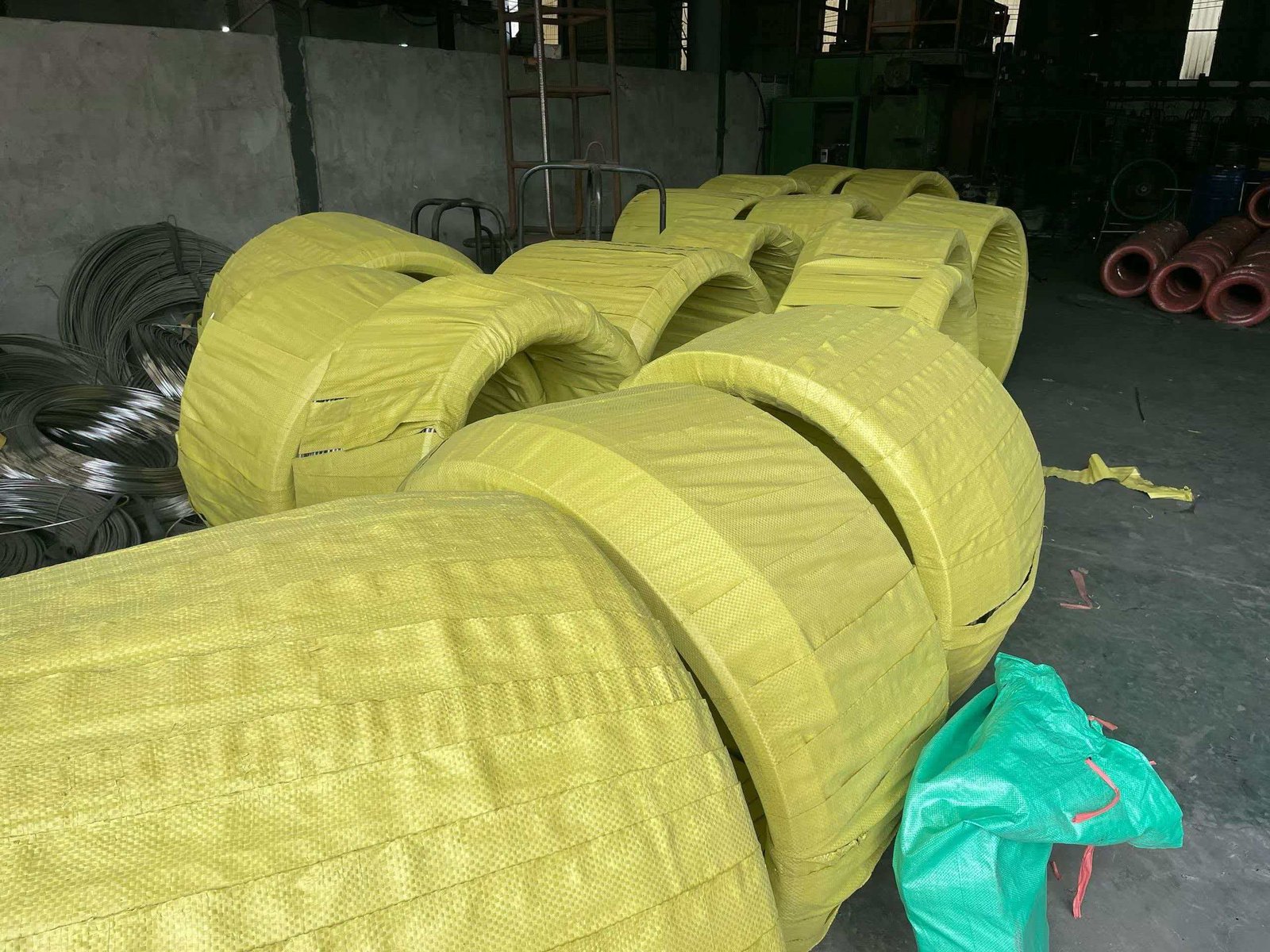
The first thing I told Amina to check is the wire diameter and its tolerance. "Tolerance" is just a technical word for the small, acceptable variation in size. No manufacturing process is perfect, but a good factory keeps this variation extremely small. For quality 201 stainless steel wire, the diameter shouldn't vary by more than ±0.03mm. Amina's wire was sold as 2.0mm, but she measured it at 1.82mm in some spots. This small difference has a huge impact. The strength of a wire is related to its cross-sectional area. A wire with a 1.82mm diameter has about 17% less material and strength than a 2.0mm wire. This is why her workers found it was breaking so easily. A simple check with a caliper would have revealed this problem immediately. Don't just measure once. Take measurements from the start, middle, and end of a coil to ensure it's consistent.
| Feature | Low-Quality Wire (Amina's Case) | High-Quality Wire (Standard) |
|---|---|---|
| Specified Diameter | 2.0 mm | 2.0 mm |
| Actual Measured Diameter | As low as 1.82 mm | 1.97 mm - 2.03 mm |
| Tolerance | > 0.18 mm (unacceptable) | ≤ ±0.03 mm |
| Result | Breaks easily, insufficient strength | Strong, reliable for intended use |
What Does Good Surface Quality on 201 Wire Really Look Like?
Are you worried that your "stainless" steel wire is starting to show rust spots? This can ruin your project's appearance and long-term durability, and the problem often starts with a poor surface.
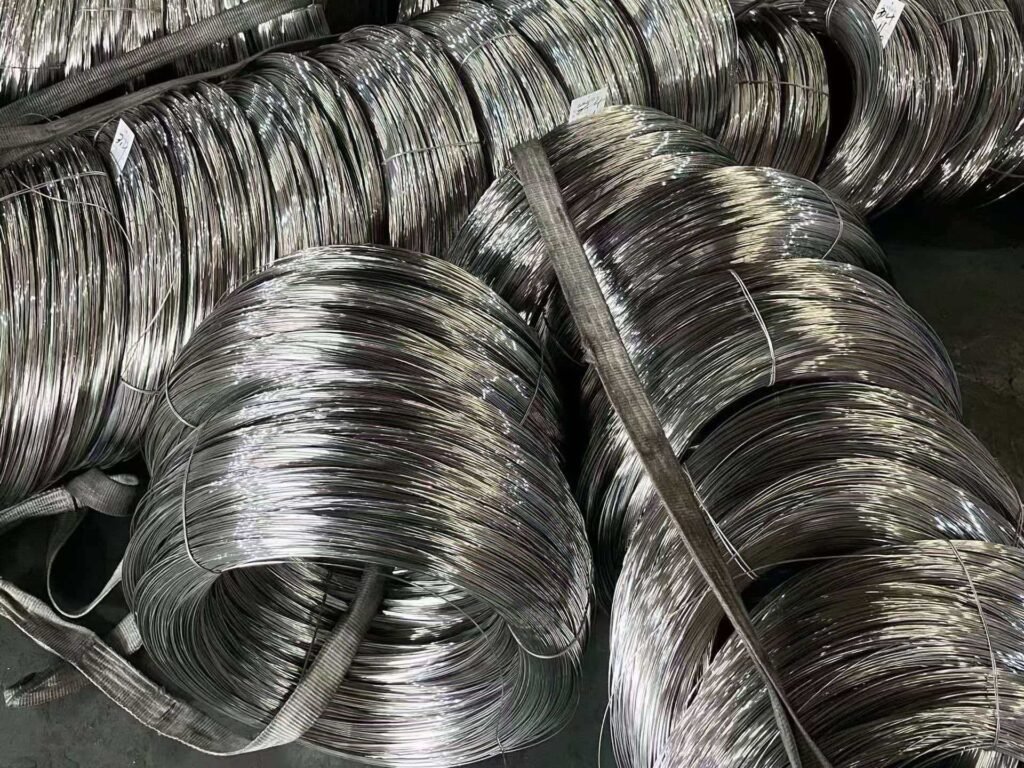
Quality 201 stainless steel wire has a bright, smooth, and uniform surface. It should be completely free from any scratches, deep lines, pits, or dark spots. A dull or already rusting surface indicates poor raw materials or improper manufacturing.
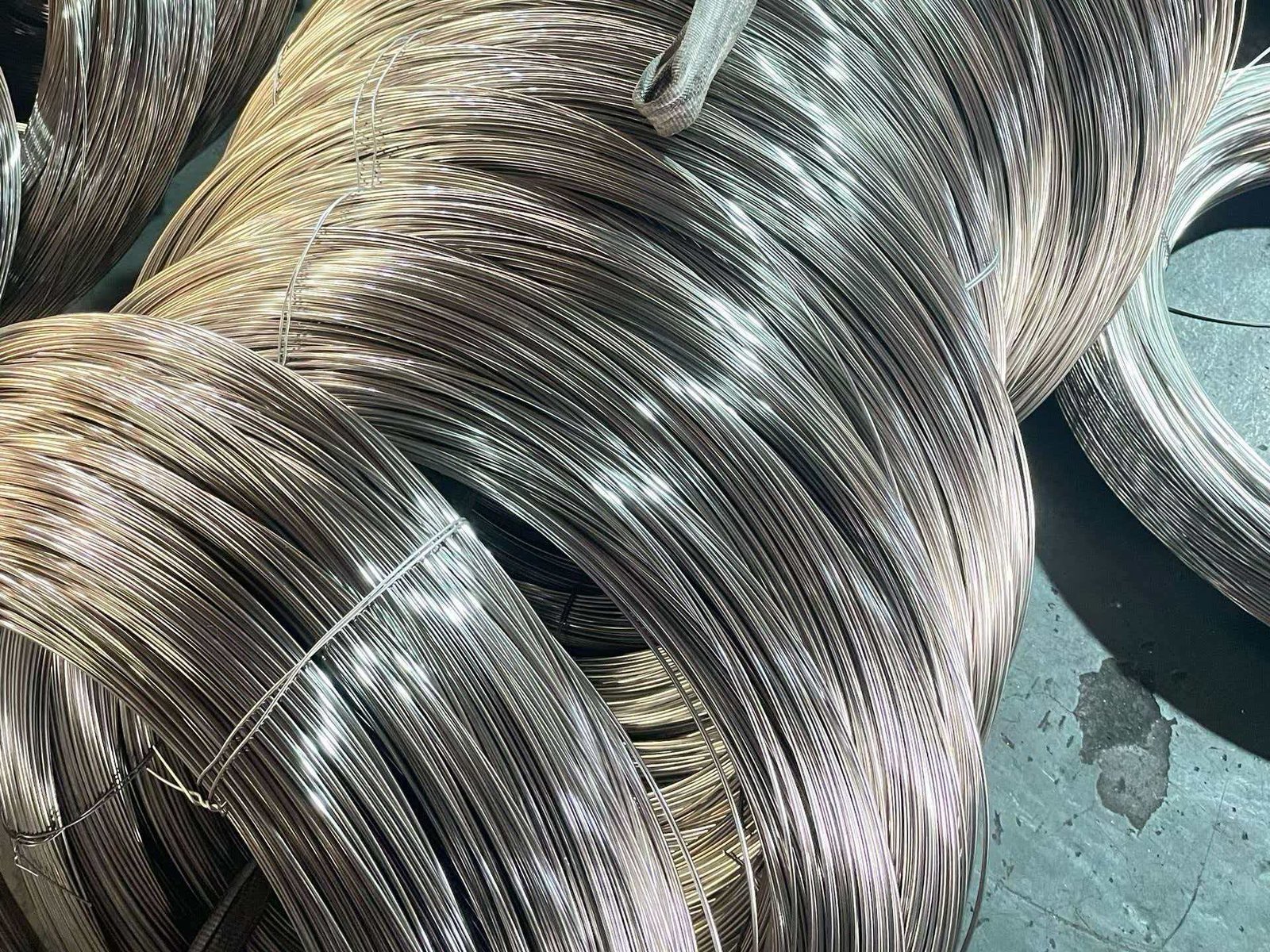
The look of the wire tells you a lot about its quality. When Amina opened her package, she noticed the wire looked dull and dark. On closer inspection, she even saw tiny rust spots. This is a huge red flag. True stainless steel gets its corrosion resistance from elements like chromium and nickel in the metal mix. If the surface is already rusting, it often means the manufacturer used substandard raw materials with the wrong chemical composition to cut costs. A professional manufacturer also ensures the wire has a smooth, polished finish. This isn't just for looks; a smooth surface is more resistant to corrosion. High-quality 201 wire should be bright and shiny, almost like a mirror. Even if it's been stored in a warehouse for a few months, as long as the packaging is intact, it should still look perfect when you open it. If it looks dull, dark, or patchy, you should be very suspicious.
| Visual Cue | What It Means |
|---|---|
| Bright, uniform shine | Good raw material, proper polishing, high quality. |
| Dull, dark surface | Poor quality raw material, or improper processing. |
| Scratches or pits | Poor handling during manufacturing or storage. |
| Rust spots (even tiny ones) | Incorrect chemical composition, will not be corrosion resistant. |
Why Is Proper Packaging More Than Just a Wrapper?
Have you ever received a shipment of wire that was damaged or rusted in transit? Poor packaging is often the direct cause. This leads to unusable product and unexpected costs for your project.
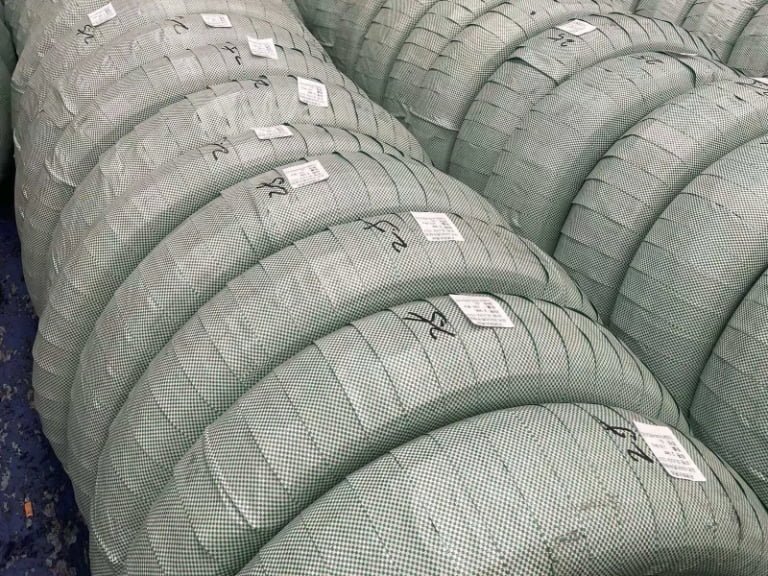
Professional packaging is a key part of the quality control process. Look for a multi-layer system: waterproof paper against the wire, a sealed plastic film, and a durable outer woven bag. This protects against moisture and damage during shipping.
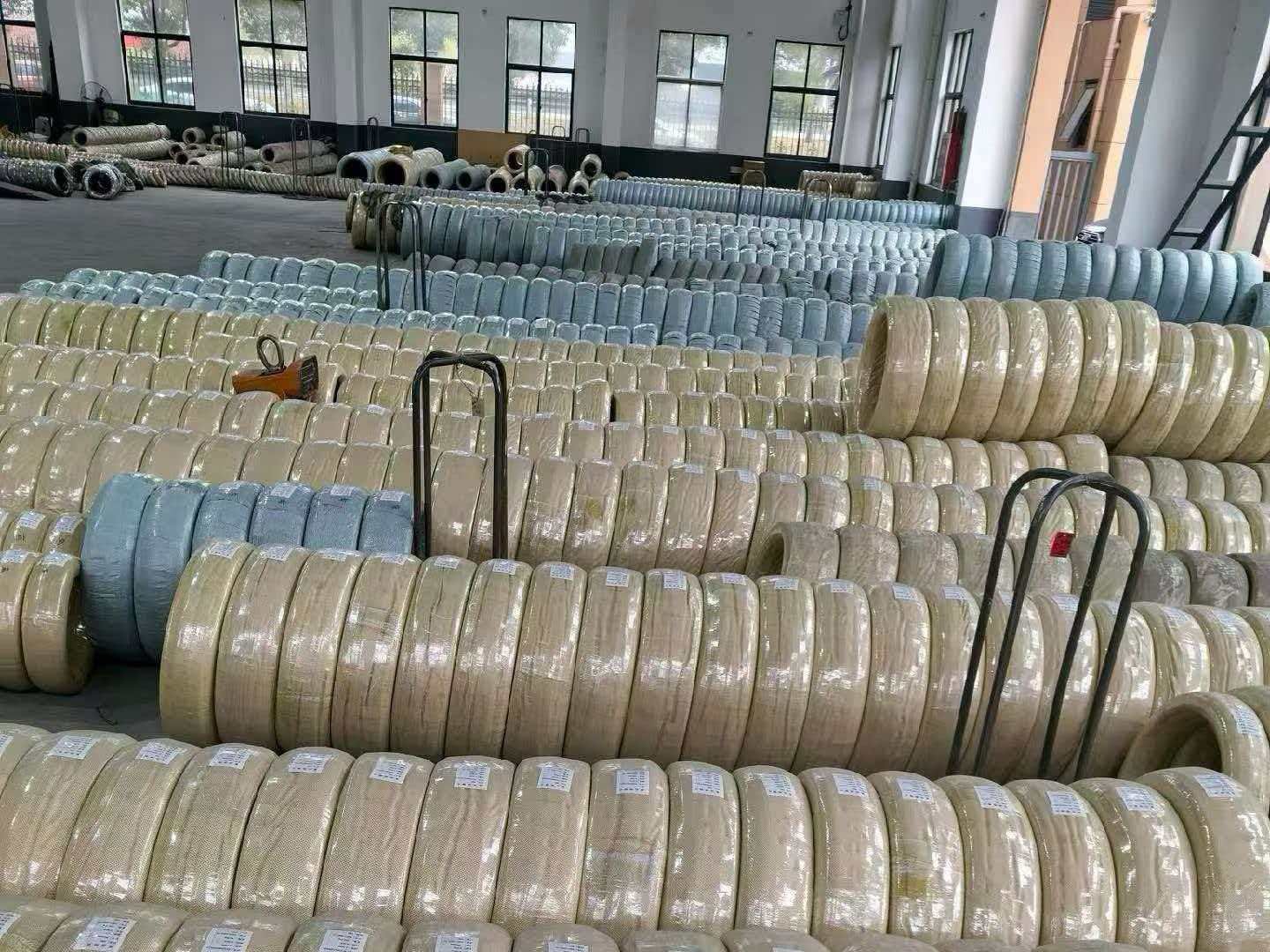
When I asked Amina about the packaging, she said the wire just came in a simple woven bag that was a bit torn. This confirmed my suspicions. A good manufacturer knows that their product is only as good as the condition it arrives in. They don't spend money on high-tech machinery and quality control just to have their wire ruined by a bit of rain during shipping. A reputable factory will always follow a standard packaging procedure. Typically, the wire coil is first wrapped tightly with a layer of waterproof paper. Then, it's sealed in a plastic film to keep all moisture out. Finally, it's placed in a tough woven bag to protect it from rips and punctures during handling. If the order is large, these coils are then neatly stacked on a pallet and secured with stretch film. When you see this level of care in packaging, it's a strong sign that the company cares about its product and its customers. Simple or sloppy packaging is a warning that the supplier is cutting corners everywhere.
Why Should You Always Ask for a Factory Test Report?
Buying wire without a test report is a huge gamble. You are simply trusting the supplier's word without any proof. This can easily lead to you receiving a product that doesn't meet your needs.
A factory test report, or Mill Test Certificate (MTC), is your proof of quality. It is a formal document from the manufacturer that details the wire's key properties like chemical composition, tensile strength, and exact diameter. Never accept a batch without one.
This was the biggest lesson for Amina. When her supplier couldn't provide a test report, she didn't think it was a big deal at the time because the price was so good. Now she knows it was the biggest warning sign of all. A factory test report is like a birth certificate for the wire. It's a guarantee from the manufacturer that the product meets specific standards. Any professional and honest supplier will provide one for every batch they ship. When you get the report, you should check a few key things. Look at the chemical composition to make sure the percentages of chromium, nickel, and manganese are correct for the 201 grade. Check the mechanical properties, especially the tensile strength, which tells you how strong the wire is. Finally, confirm that the physical dimensions, like the diameter, match what you ordered. If a supplier hesitates or makes excuses when you ask for this document, you should walk away. It means they either don't do any testing or they know their product won't pass.
| Section of Test Report | What to Check | Why It Matters |
|---|---|---|
| Chemical Composition | % of Cr, Ni, Mn, C | Confirms it's genuine 201 grade and will be corrosion resistant. |
| Mechanical Properties | Tensile Strength (MPa) | Confirms the wire is strong enough for your application. |
| Physical Dimensions | Diameter (mm) & Tolerance | Confirms you are getting the size and amount of material you paid for. |
Conclusion
To avoid costly mistakes, use these four simple checks for diameter, surface, packaging, and test reports. They will help you secure quality 201 stainless steel wire every time.
Amina now checks four things before every order and has not had a quality issue since. Read more Kenya sourcing tips on our blog https://mfgwiremesh.com/blog/ or reach out via https://mfgwiremesh.com/contact/.
If you are sourcing 201 stainless steel wire for Kenya, Tanzania, or Uganda, we are happy to provide a specification-based quotation with complete factory test reports. Contact us via WhatsApp: +86 15383180672.
FAQ:
Q1: What diameter tolerance indicates quality 201 stainless steel wire? A1: Quality 201 stainless steel wire should maintain a diameter tolerance within plus or minus 0.03 millimeters. Amina's problematic batch measured as low as 1.82 millimeters on a nominal 2.0 millimeter specification, indicating poor manufacturing control. Buyers can check this easily with a caliper—measure each coil at three different points, and the readings should be consistent. Inconsistent diameter causes frequent breakage during manual tying and indicates the wire is not up to standard.
Q2: How can buyers check the surface quality of 201 stainless steel wire? A2: Quality 201 stainless steel wire has a bright, uniform surface free of scratches, pits, or rust spots. Amina's rejected batch had a dull surface with visible micro-rust spots straight out of the packaging, indicating problems with the material composition itself. Well-made 201 wire stored properly should remain bright and clean even after months in a warehouse, as long as the packaging is intact.
Q3: Why is the factory test report important when sourcing 201 stainless steel wire? A3: A factory test report provides verified data on wire diameter, tensile strength, and chemical composition for each batch. This is the single most reliable indicator of quality. Amina's supplier could not provide any test report for the rejected batch—a clear warning sign. Legitimate manufacturers provide these reports as standard documentation with every shipment. Buyers should treat the absence of a test report as a reason to walk away.
Q4: What packaging standards indicate a professional 201 stainless steel wire supplier? A4: Professional packaging follows a standard process: waterproof paper directly on the wire surface, sealed plastic film as the middle layer, woven bag as the outer layer, and palletized with stretch wrap. Simple or sloppy packaging often indicates either old stock or a factory without proper quality control. Amina now considers packaging quality as part of her supplier evaluation before placing any order.