


Tanzania's agricultural sector is a significant consumer of metal wire, from tomato trellising in Moshi to flower greenhouses in Arusha. Switching from galvanized iron wire to 201 stainless steel wire is changing how growers manage crop support, reduce replacement costs, and protect export quality. Here are three applications driving adoption among Tanzanian farmers.
Amani runs a large farm near Moshi and switched entirely to 201 stainless steel wire after a rust-damaged export shipment. Buyers like him, who need agricultural-grade wire with proven rust resistance, can find detailed specifications on our product page: https://mfgwiremesh.com/metal-wire/201-stainless-steel-wire/.
Struggling with rusty wires that damage your crops and need constant replacement? This leads to lost profits and wasted time, season after season, especially in a demanding climate.
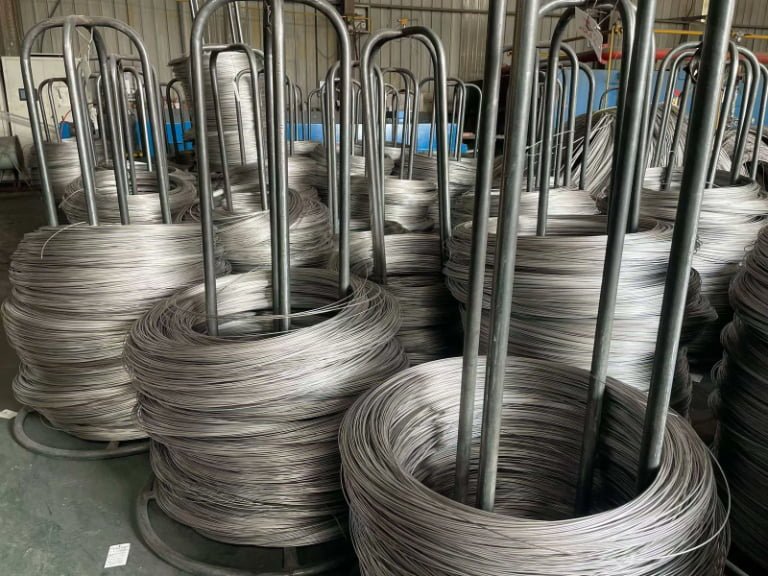
For agricultural use in Tanzania, 201 stainless steel wire is primarily used for constructing durable tomato trellises, building high-humidity greenhouse support systems, and creating long-lasting bean climbing frames. Its main benefit is superior rust resistance, which protects crops from damage and significantly reduces long-term replacement costs.
I recently worked with a client who completely transformed his farm's profitability by making a single, simple change. Amani, a produce exporter in Moshi, was facing a disaster with his galvanized wire supports. His story is a perfect example of how the right material can make all the difference, and I want to walk you through exactly how he did it.
Can 201 stainless steel wire replace galvanized wire for tomato trellises?
Your tomato trellises rust, staining the fruit right before harvest. This single issue can cause an entire export shipment to be rejected, wiping out your profits instantly.
Yes, 1.2mm 201 stainless steel wire is the perfect replacement for galvanized wire in tomato trellises. It provides the same flexibility for easy setup but offers complete rust resistance, protecting your tomatoes from stains and lasting for many seasons, not just one.
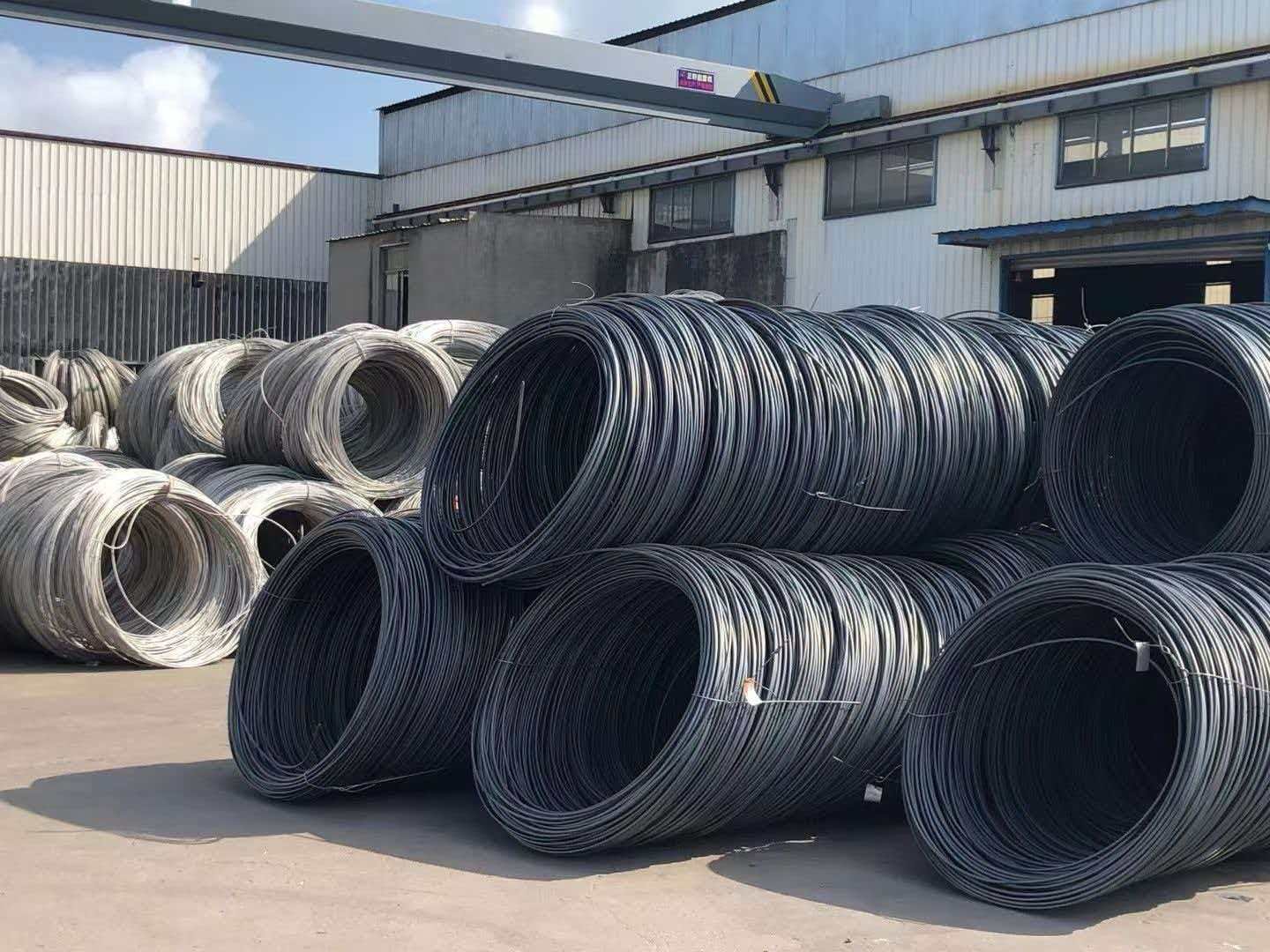
Amani’s biggest problem started with his tomatoes. He runs a 200-acre plantation at the foot of Mount Kilimanjaro, and a huge part of his business is exporting tomatoes. He called me after a whole container of his product was sent back. The reason? Rust stains on the tomato skins from his support wires. The traditional method in the Moshi and Arusha regions is to build horizontal trellises using 1.2mm galvanized iron wire. This works fine until the long Tanzanian rainy season begins. The constant moisture caused his galvanized wires to rust completely through in just one season. The rust not only weakened the structure but, as he discovered, it ruined his product.
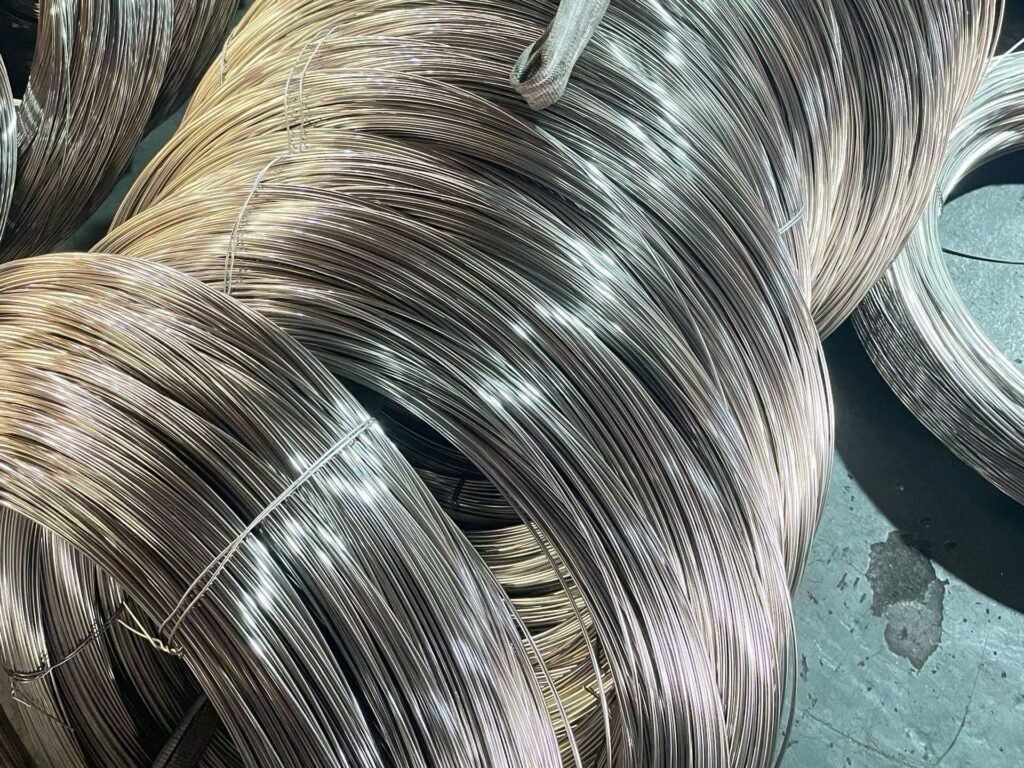
I suggested he switch to our 1.2mm 201 stainless steel wire. He was worried it might be too stiff, but it has excellent flexibility, just like the galvanized wire his workers were used to. They could bend and tie it easily without it breaking. The real test came after two full growing seasons. Amani reported the wires were still as bright and shiny as the day he installed them. No rust, no breakage, and no more rejected shipments. He told me the best part is that he no longer has to buy and rebuild trellises every single year.
| Feature | Galvanized Wire | 201 Stainless Steel Wire |
|---|---|---|
| Lifespan | 1 Season | 5+ Seasons |
| Rust Resistance | Poor | Excellent |
| Impact on Crop | Stains fruit, causes rejection | No impact, keeps fruit clean |
| Long-Term Cost | High (annual replacement) | Low (one-time investment) |
Is 201 stainless steel wire suitable for high-humidity greenhouses?
The support wires inside your flower greenhouse are constantly dripping rust onto your products. This staining makes your beautiful cut flowers look flawed and unacceptable for the high-end export market.
Absolutely. 201 stainless steel wire thrives in high-humidity environments like greenhouses. Its inherent corrosion resistance prevents any rust from forming, protecting delicate flowers from stains and ensuring they maintain their premium quality for export.
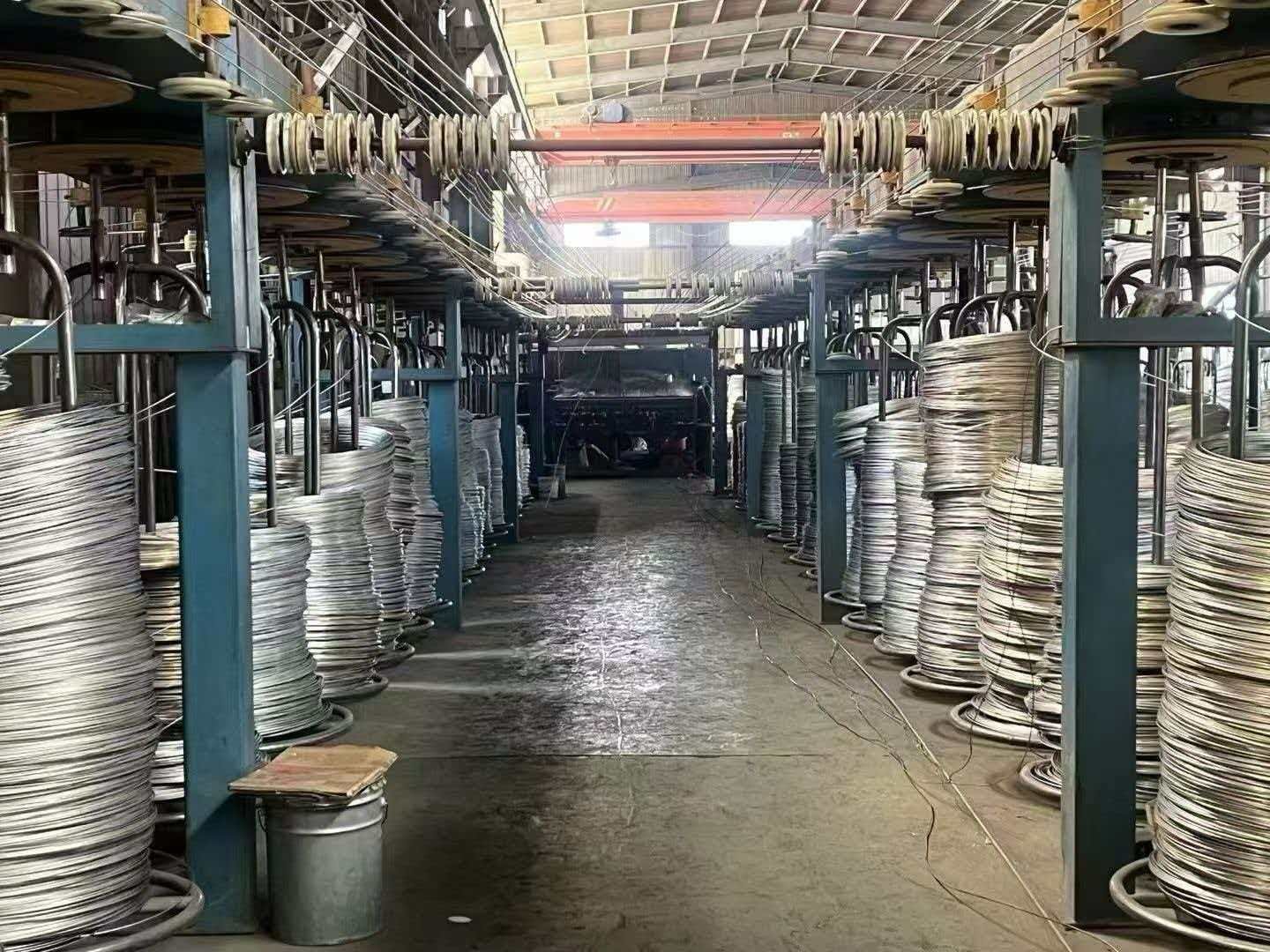
Amani’s business wasn't just about tomatoes; he also had several greenhouses for growing roses and carnations for export. Inside a greenhouse, the humidity is always high, creating a perfect storm for rust. His old galvanized support wires would start showing rust spots within six months. This wasn't just an ugly sight. The rust would mix with condensation, drip down the wires, and leave stubborn stains on the flower stems and petals. This cosmetic damage was enough to get his cut flowers rejected by international buyers.
He needed a two-part solution: strong, rust-proof support lines inside the greenhouse and a durable fence on the outside. Based on his needs, I recommended two different specifications. For the internal support lines that hold the weight of the growing flowers, we used a slightly thicker 1.6mm 201 stainless steel wire. For the external insect-proof fencing, a 1.5mm wire was sufficient. Six months later, he inspected everything. The result was perfect. There was zero rust inside the greenhouse, and his cut flowers were finally passing every quality check without issue. The reason 201 stainless steel performs so well is the chromium in the alloy. It creates a passive, invisible layer that protects the iron from oxidizing, even when it's wet all day long.
| Greenhouse Application | Wire Specification | Key Benefit |
|---|---|---|
| Internal Support Lines | 1.6mm 201 Stainless Steel | Strong, holds weight, 100% rust-proof in high humidity |
| External Fencing | 1.5mm 201 Stainless Steel | Durable, weather-resistant, provides secure barrier |
Why use stainless steel wire for bean trellises instead of bamboo?
You are using traditional bamboo and rope for your bean trellises. But these materials rot, break, and even attract pests, forcing you to constantly repair and replace them.
Stainless steel wire is superior to bamboo because it lasts for years, not months. It doesn't rot, it doesn't attract insects, and its smooth surface allows bean vines to climb without being damaged, resulting in a healthier, more productive crop.
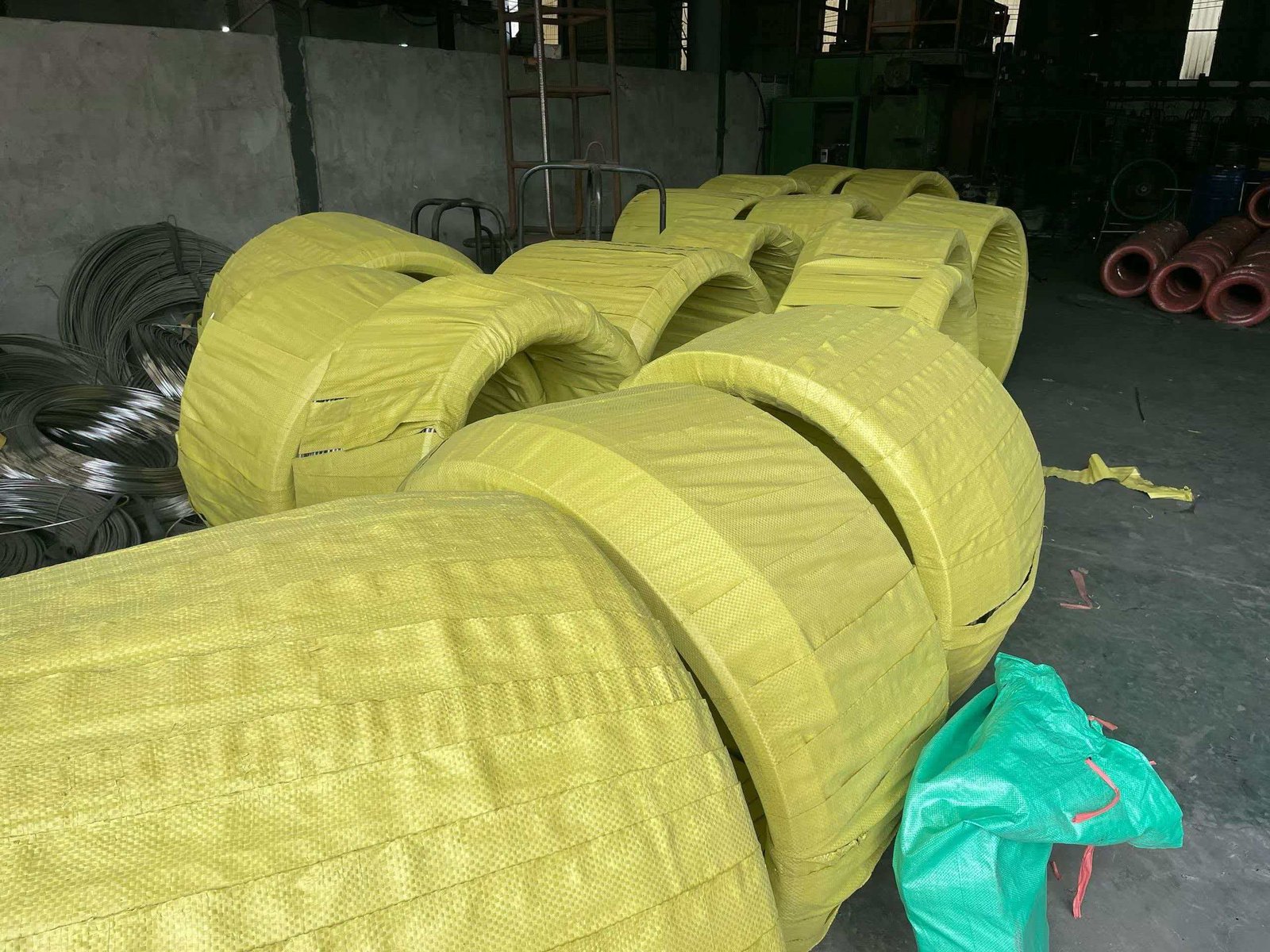
The final piece of the puzzle on Amani's farm was his bean crop. While not as large as his tomato operation, it was an important part of his business. For climbing beans, many local farmers, including Amani, had been using what was cheapest and most available: bamboo poles and natural fiber rope. But this "cheap" solution came with hidden costs. Amani said the bamboo would start to rot during the rainy season, and the rope would fray and snap. Worse, the porous nature of the wood and rope could harbor insects and fungal diseases that would then spread to his plants. The rough surfaces also scraped the delicate vines as they grew.
He needed something permanent and clean. For this, I recommended he use the same 1.2mm 201 stainless steel wire from his tomato trellises. The switch was a game-changer. The stainless steel framework is incredibly durable and will last for many years with zero maintenance. Its smooth surface is gentle on the climbing vines, preventing the kind of physical damage that can stress the plant and reduce yields. And because steel is inorganic, it offers no home for pests or rot. Amani effectively built a permanent, healthier growing environment for his beans. He told me these three solutions covered nearly every wire-related need on his entire farm. Last week, he placed his third order, and mentioned several neighboring farm owners are planning to switch after seeing his results.
| Feature | Bamboo & Rope Trellis | 201 Stainless Steel Wire Trellis |
|---|---|---|
| Durability | Poor (rots and breaks) | Excellent (lasts for many years) |
| Pest Resistance | Poor (can harbor pests) | Excellent (inorganic and clean) |
| Maintenance | High (frequent replacement) | Virtually None |
| Vine Health | Can scrape and damage vines | Smooth surface protects vines |
Conclusion
Switching to 201 stainless steel wire for agriculture in Tanzania prevents rust, protects crops, and saves significant money in the long run, making it a wise investment for farmers.
Amani has now placed three orders and says neighboring farms are following his lead. Read more agricultural supply stories from East Africa on our blog https://mfgwiremesh.com/blog/ or reach out via https://mfgwiremesh.com/contact/.
If you are sourcing 201 stainless steel wire for agricultural or construction use in Tanzania, Kenya, or Uganda, we are happy to provide a specification-based quotation. Contact us via WhatsApp: +86 15383180672.
FAQ:
Q1: What diameter of 201 stainless steel wire is best for tomato trellising in Tanzania? A1: 1.2 millimeter diameter is the standard for tomato trellising in Tanzania's growing regions around Moshi and Arusha. It offers the same flexibility as traditional galvanized iron wire for easy bending and shaping around support structures, but lasts multiple growing seasons instead of rusting through after a single season. Amani's farm has now used the same 1.2 millimeter 201 wire for two complete growing seasons with no rust and no breakage. Farmers report that the longer replacement cycle makes 201 wire cheaper than galvanized wire over time.
Q2: Can 201 stainless steel wire be used in flower greenhouses with high humidity? A2: Yes. Flower greenhouses for roses and carnations have high internal humidity that rapidly corrodes galvanized wire. Amani uses 1.6 millimeter 201 stainless steel wire for internal support lines and 1.5 millimeter for external insect-proof fencing around his greenhouses. After six months of continuous high-humidity exposure, the wire surface showed zero rust. More importantly, his cut flower exports have had no rejections due to rust stains since making the switch.
Q3: How does 201 stainless steel wire compare to traditional bamboo and rope supports for bean trellising? A3: Traditional bamboo and rope supports are biodegradable, attract pests, and require seasonal replacement. 1.2 millimeter 201 stainless steel wire provides a permanent trellising solution. The smooth stainless steel surface does not damage climbing vines, and the rust resistance ensures the structure remains intact through multiple growing seasons. Amani has replaced all bamboo and rope supports on his farm with 201 wire.