


Kenya importers with multiple projects often face a specification dilemma: is 304 stainless steel wire worth the premium, or will 201 do the job? The answer depends on your project's location, application, and exposure conditions. Here is a practical decision framework based on real project comparisons.
Amina manages material procurement for multiple construction projects across Kenya. Buyers like her, who need clear guidance on when 201 is sufficient and when 304 is genuinely necessary, can find detailed specifications on our product page: https://mfgwiremesh.com/metal-wire/201-stainless-steel-wire/.
Struggling to pick between 201 and 304 stainless steel wire for your Kenyan construction project? Choosing wrong can be a costly mistake. Let's find the right fit for you.
For most construction projects in Kenya, including rebar tying in Nairobi or even coastal areas like Mombasa, 201 stainless steel wire is the best choice. It offers sufficient strength and corrosion resistance at a much lower cost than 304, providing the best value for your money.
I get this question all the time, and a recent experience with a client from Nairobi really highlights the answer. Her name is Amina, and she’s an importer of building materials. She was caught between two opinions for two different projects, and the solution we found ended up saving her client a huge amount of money. Her story shows why the most expensive option isn't always the best one. Let’s dive into what happened and what it means for your projects.
Is 201 Wire Strong Enough for Nairobi Construction Projects?
Are you worried that 201 stainless steel wire might not be strong enough for your high-rise building? This doubt can lead to overspending on materials you don't really need.
Absolutely. For applications like tying rebar in concrete frames, 201 stainless steel wire is more than strong enough. Its tensile strength meets engineering standards, making it a reliable and cost-effective choice for urban construction projects throughout Kenya and beyond.
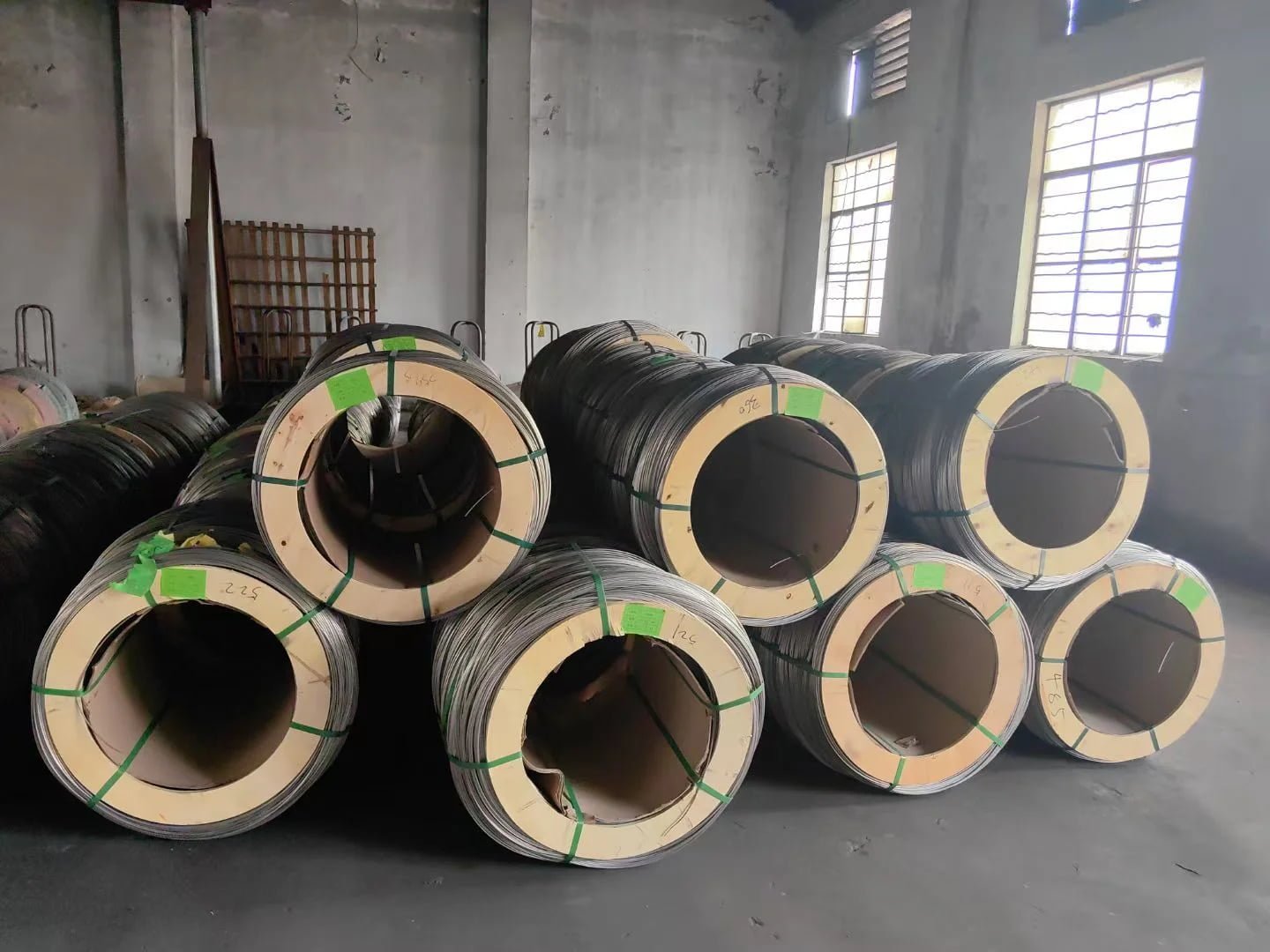
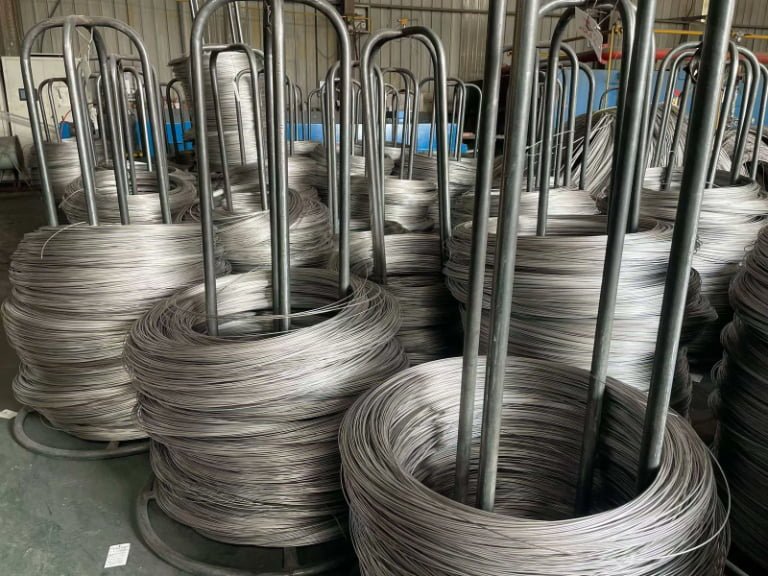
Amina’s first project was a large commercial complex in Nairobi. It was a standard high-rise building with a concrete frame. The contractor needed 2.0mm wire to tie the rebar together from the basement all the way to the top floor. Some on her team felt that only 304 wire would do, but I asked her to consider the actual job the wire performs. Its purpose is to hold steel bars in place just long enough for the concrete to be poured and to set. Once the concrete hardens, the wire’s structural job is done.
Understanding the Technical Needs
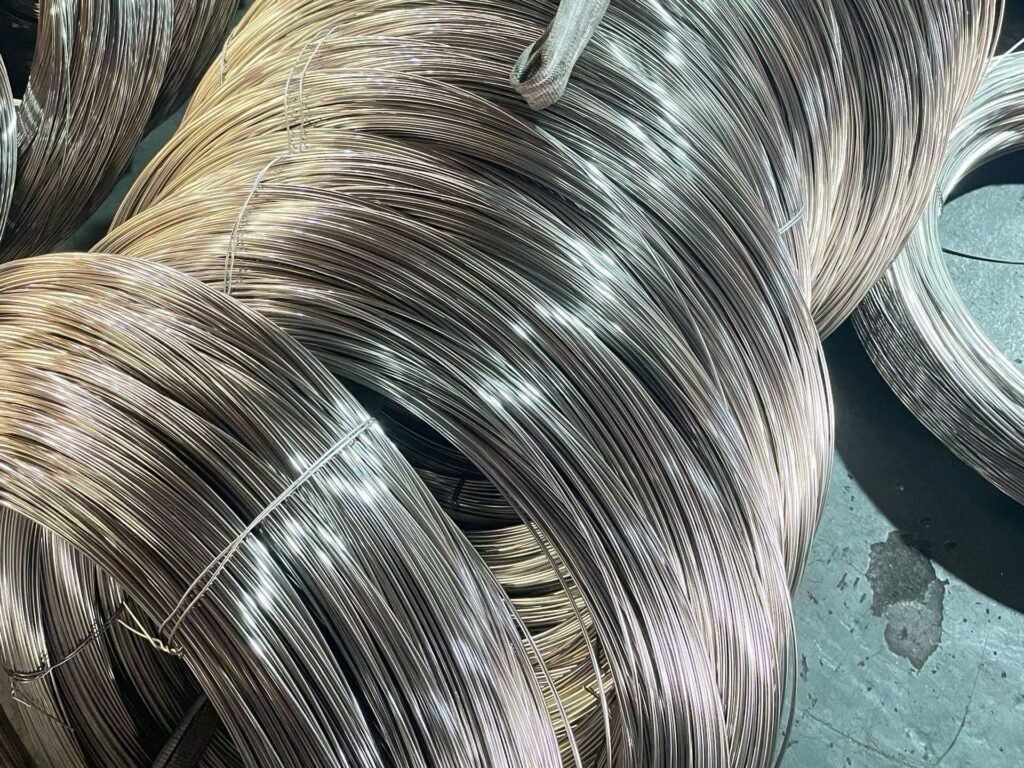
The key factor here is tensile strength. This is the amount of force a wire can take before it breaks. My 201 stainless steel wire has a tensile strength between 650 and 750 MPa. This is more than enough to hold heavy rebar securely in place during construction. The idea that you need a "stronger" wire is often a misunderstanding. In this case, 304 wire doesn't even offer a significant strength advantage for this task.
The Cost-Benefit Analysis
The real difference between the two is cost. Here’s a simple breakdown:
| Feature | 201 Stainless Steel Wire | 304 Stainless Steel Wire |
|---|---|---|
| Tensile Strength | 650-750 MPa (Excellent for rebar) | 520-720 MPa (Also sufficient) |
| Primary Use Case | General Construction, Rebar Tying | Food Grade, Chemical Plants, Marine |
| Relative Cost | Base Price | Up to 50% Higher |
When I presented this to Amina, the choice for the Nairobi project became obvious. Why pay almost double for a feature—in this case, extreme corrosion resistance—that you don't need in a standard urban building? Her Nairobi contractor agreed immediately. It was a simple case of smart engineering saving a lot of money.
But What About Coastal Rust in Mombasa? Isn't 304 Better?
Building near the sea in Mombasa? The fear of rust from salty air is real. You might think 304 stainless steel is the only safe bet, but is that always true?
Not necessarily. For buildings located a few hundred meters from the shoreline, 201 stainless steel wire is sufficient. The level of salt in the air is not high enough to cause significant corrosion, especially when the wire is embedded in concrete.
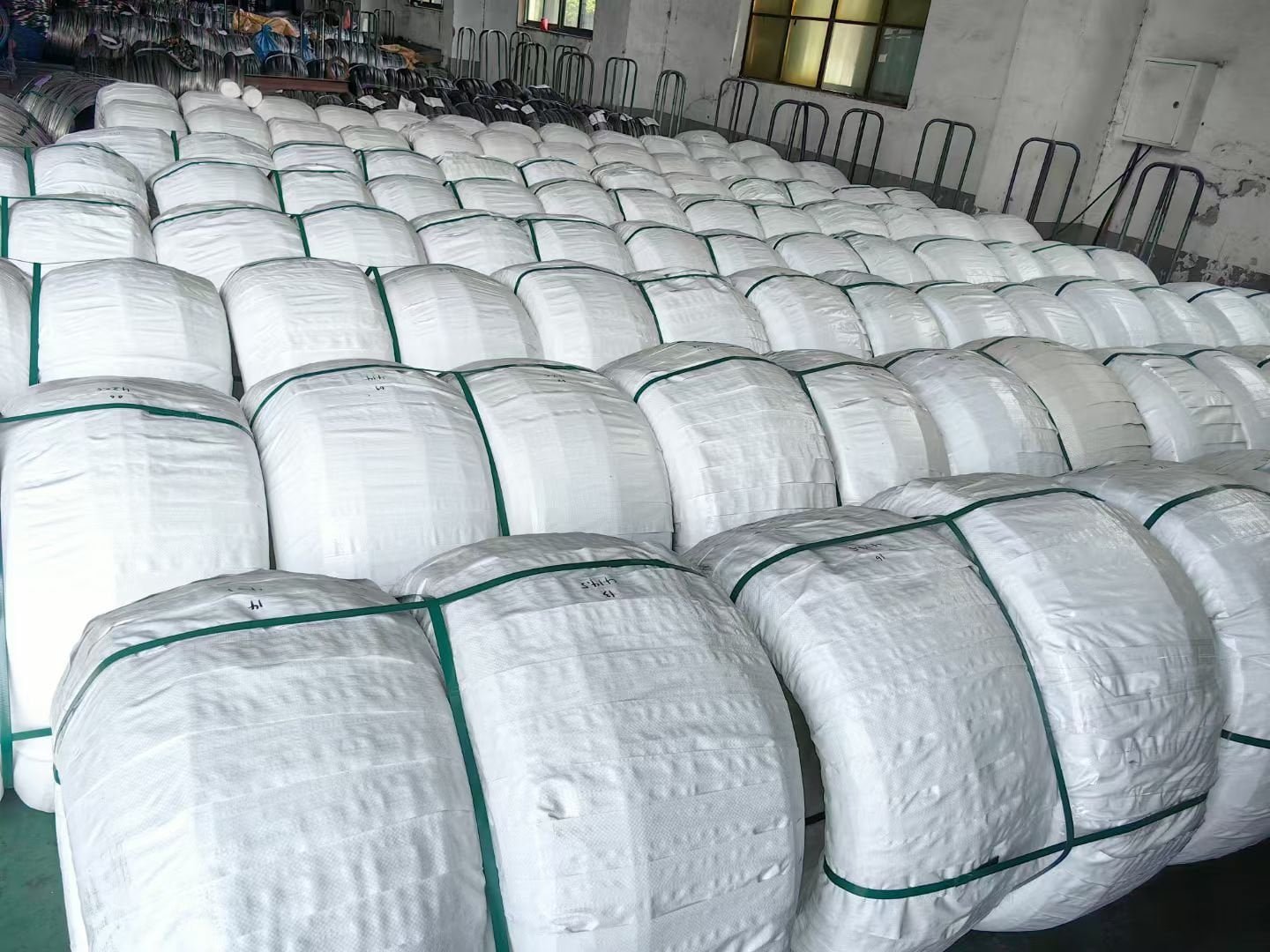
This was the tricky part for Amina. Her second project was a holiday resort in Mombasa. The contractor there insisted on 304 wire because of the proximity to the ocean. On the surface, their concern makes sense. Salt is extremely corrosive. However, context is everything. I asked Amina for the exact location. The resort's main buildings were several hundred meters away from the shoreline, not directly in the splash zone. This detail changes everything.
Deconstructing Corrosion Resistance
The main reason 304 stainless steel is so corrosion-resistant is its high nickel content. This makes it perfect for equipment in chemical plants, food processing lines, or structures directly exposed to saltwater. It's designed for the harshest conditions. 201 stainless steel has less nickel but is still a "stainless" steel. It has excellent resistance to atmospheric corrosion, which is all it would face in this scenario. The light, salty breeze a few hundred meters from the sea is not a serious challenge for 201 wire, especially when its ultimate destination is inside a wall of concrete.
Protection Before, During, and After
| Environment | Recommended Wire | Why? |
|---|---|---|
| Direct Ocean Splash Zone | 304 or 316L Grade | Constant saltwater exposure requires maximum protection. |
| Coastal (meters from sea) | 201 Grade | Airborne salt is minimal; wire is protected by concrete after use. |
| Inland Urban (e.g., Nairobi) | 201 Grade | No significant environmental corrosion factors exist. |
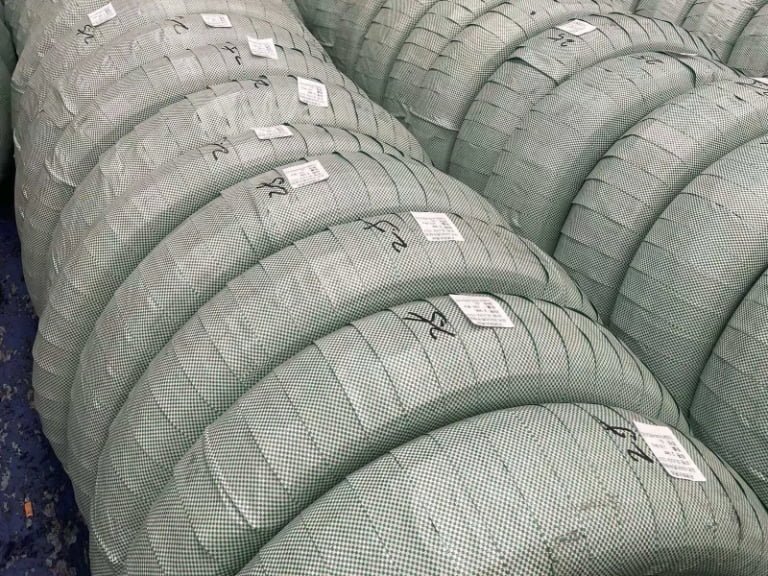
The Mombasa contractor was still skeptical. Their biggest fear was the wire rusting on-site before it was even used. I understood completely. That's why I explained my packaging process. All our wire sent to coastal clients is wrapped in a three-layer moisture-proof packaging and then film-wrapped on the pallet. This ensures it arrives in perfect condition, no matter how long the sea journey. To finally convince them, I sent Amina case studies and contact information for several other clients in Mombasa who built similar resorts using my 201 wire. Two years later, their projects show zero signs of rust. Seeing that proof was all they needed.
How Does Smart Specification Save Real Money?
Your project budget is tight, and every shilling counts. Over-specifying materials like wire seems like a small thing, but the financial impact can be huge. Are you paying for performance you don't need?
By choosing the correct material for the job, you avoid overpaying. For Amina's projects, selecting 201 wire instead of 304 saved her client nearly $80,000 on a single order. This is a direct result of matching the wire's performance to the project's actual needs.
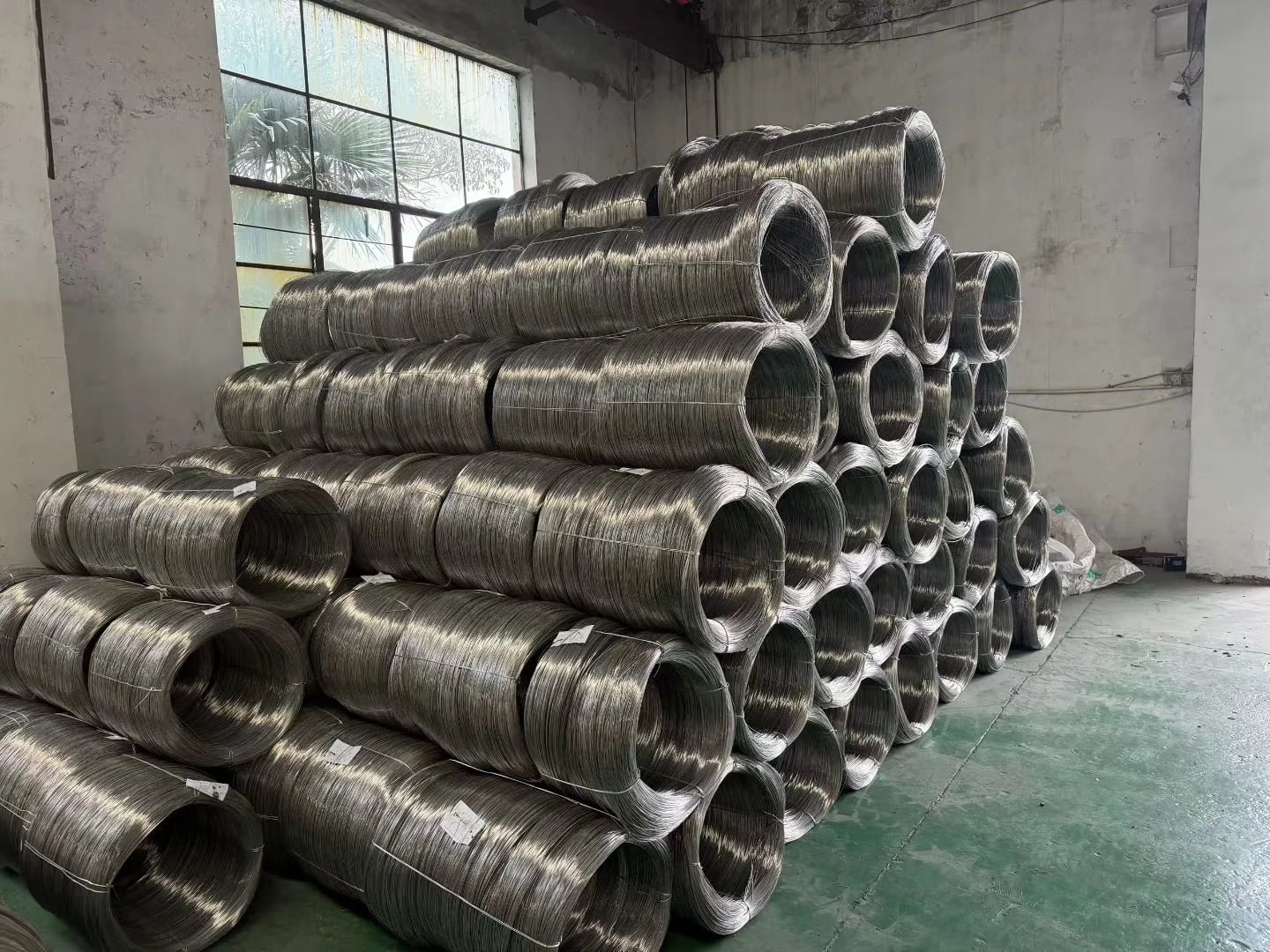
The story ends well. Last week, Amina sent me an order for a full 40-foot container of 2.0mm 201 stainless steel wire for both projects. By combining the orders and choosing the right material, she saved her clients a combined total of almost $80,000 in material costs. That’s a huge win. This wasn't about being cheap or cutting corners. It was about being smart.
A Partner, Not Just a Supplier
The savings came from a simple principle: don't pay for performance you don't need. The high nickel content in 304 wire makes it expensive. If your project doesn't require that level of chemical or marine resistance, you are throwing money away. My job as a supplier isn't just to sell you a product; it's to help you succeed. That means:
- Consulting: I take the time to understand the specific needs of your project.
- Educating: I provide the technical data and clear explanations so you can make an informed choice.
- Providing Proof: I share case studies and examples from my 25+ years of experience to back up my recommendations.
The ultimate goal is to provide value. Sometimes, value means using a premium product. But most of the time, it means using the right product. For general construction in Kenya, from the heart of Nairobi to the shores of Mombasa, 201 stainless steel wire is that product.
Conclusion
Choosing between 201 and 304 wire is about understanding your project's real needs. Don't overpay for features you won't use. Smart specification, based on facts, always leads to savings.
Amina saved her clients nearly eighty thousand dollars by choosing the right specification. Read more project comparison stories from Kenya on our blog https://mfgwiremesh.com/blog/ or reach out via https://mfgwiremesh.com/contact/.
If you are sourcing 201 stainless steel wire for construction projects in Kenya, Tanzania, or Uganda, we are happy to provide a specification-based quotation. Contact us via WhatsApp: +86 15383180672.
FAQ:
Q1: When is 201 stainless steel wire sufficient for Kenya construction projects? A1: 201 stainless steel wire is sufficient for all standard construction applications in Kenya, including rebar tying for concrete frame structures, fence weaving, and general binding. With a tensile strength of 650 to 750 MPa, it handles heavy-duty tying without snapping. Even in coastal cities like Mombasa, as long as the building is not directly in the splash zone or exposed to industrial chemicals, 201 wire with proper moisture-proof packaging performs without rust issues throughout the construction cycle.
Q2: When does a Kenya project genuinely need 304 stainless steel wire instead of 201? A2: 304 stainless steel wire is necessary only for specialized environments: chemical processing plants, food-grade production facilities, or structures permanently submerged in seawater. The higher nickel content in 304 provides enhanced resistance to acid and alkali corrosion. For general construction—including most coastal projects set back from the shoreline—201 wire offers the required corrosion resistance at roughly half the cost of 304.
Q3: How much can a project save by choosing 201 over 304 stainless steel wire? A3: The cost difference is approximately 40 to 50 percent, with 304 being significantly more expensive due to its higher nickel content. Amina's two-project comparison in Kenya—a Nairobi commercial complex and a Mombasa resort—saved nearly eighty thousand dollars by using 201 wire for both. The resort project was set back from the coastline, and 201 wire with triple-layer moisture-proof packaging has performed without any rust issues over two years of monitoring.