


Tanzania construction projects use 201 stainless steel wire across multiple applications, but selecting the right diameter for each task makes a significant difference in efficiency and cost. Here are the most common specifications ordered by Tanzanian contractors.
Buyers like Fatima, who need clear specification guidance for 201 stainless steel wire across different site applications, are turning to our product page for detailed parameters: https://mfgwiremesh.com/metal-wire/201-stainless-steel-wire/.
Struggling with galvanized wire that rusts in the rainy season? This causes delays and adds costs, forcing you to replace materials and compromise your project's quality and appearance over time.
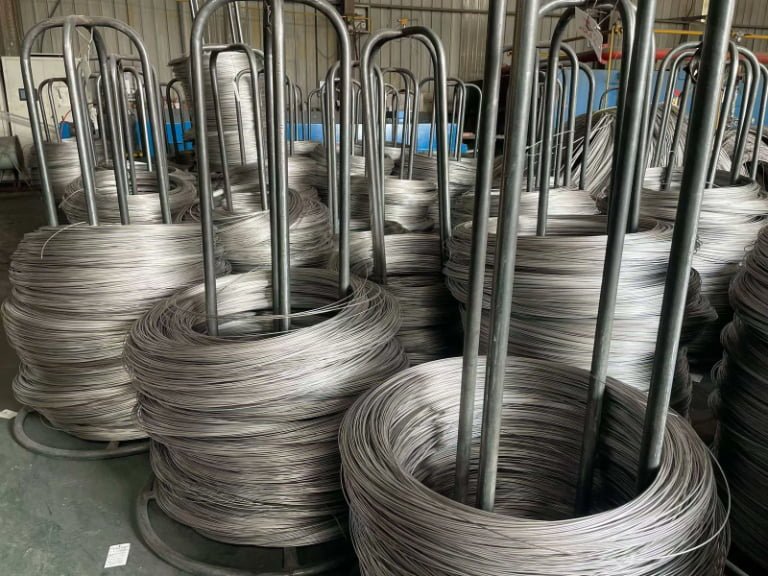
For Tanzanian construction sites, the top 201 stainless steel wire specifications are 2.0mm for rebar tying, 1.5mm for weaving fences, 0.8mm for fixing fine conduits, 1.2mm for agricultural supports, and 1.0mm as raw material for welded mesh. Choosing the correct spec prevents rust and ensures structural integrity.
I want to tell you about a conversation I had recently. It really shows why this topic is so important. A construction contractor from Dar es Salaam, Fatima, contacted me. She was working on a large government housing project and was tired of the constant battle with rust. Her team used galvanized wire, but the rainy season always caused problems. She sent me her material list and asked for my advice on switching to 201 stainless steel wire. I told her the key was to match the wire specification to the exact job on site. Her story is a perfect example of a problem many contractors in the region face. Let’s look at the solutions I shared with her.
What Are The Best Specs For Structural Tying and Fencing?
Using the wrong wire for rebar or fences can lead to structural weakness. A weak tie can compromise your concrete, and a weak fence offers no real security or durability.
The best specifications are 2.0mm wire for rebar tying and 1.5mm wire for fence weaving. The 2.0mm wire provides the high tensile strength needed for concrete work, while the 1.5mm wire offers the perfect balance of flexibility and strength for creating durable, rust-proof fencing.
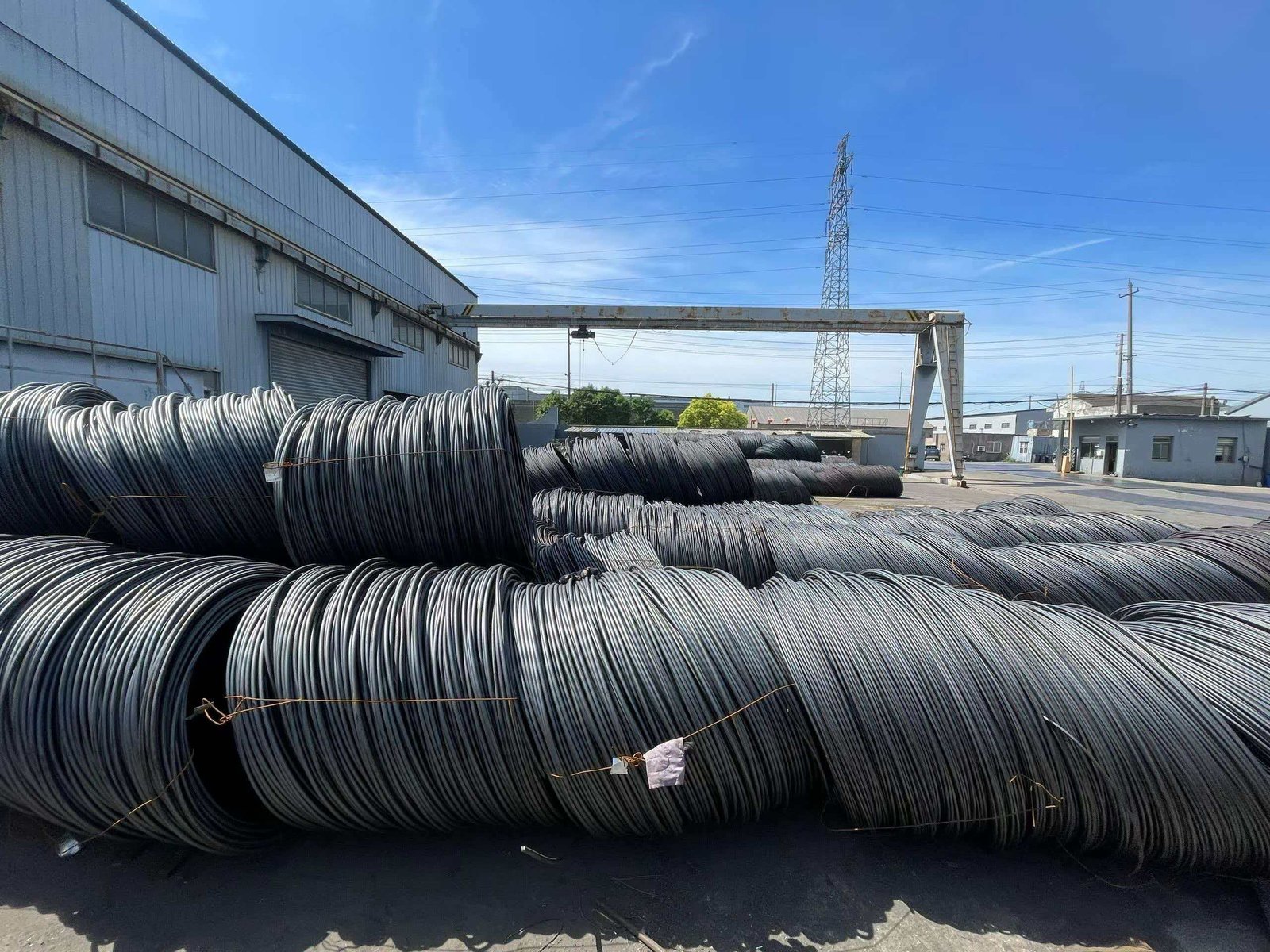
Fatima’s project, like most in Tanzania, involved a lot of concrete work. This is where the first two major specifications came into play. For any project involving concrete foundations, beams, and columns, the wire that ties the steel rebar together is incredibly important. If that wire rusts away, the structural integrity is compromised. This is why I immediately recommended our 2.0mm 201 stainless steel wire. It's the workhorse for concrete structures.
Her project also needed extensive fencing, both for temporary site security and for permanent barriers around the completed housing units. Galvanized chain-link fences are common, but they start showing rust streaks after just one rainy season. I showed her how our 1.5mm 201 stainless steel wire is the ideal material for weaving strong, long-lasting, and corrosion-resistant fences that will look good for years.
Here’s a simple breakdown to help you choose:
| Specification | Primary Use | Key Benefit | Why it Works for Tanzania |
|---|---|---|---|
| 2.0mm | Rebar Tying | High Tensile Strength (650-750 MPa) | Strong enough to secure heavy rebar, yet soft for manual tying without breaking. Resists rust in concrete. |
| 1.5mm | Fence Weaving | Balance of Softness & Strength | Flexible enough for weaving machines or manual work. Strong enough to hold tension. Won't rust in the rain. |
What About Finer Wires for Detailed Work and Agriculture?
Small fixtures and farm structures also need reliable wire. Using a wire that is too thick is wasteful, while a wire that is too thin or weak will break and fail.
For fine, detailed work, 0.8mm wire is perfect for securing conduits without slipping. For agricultural uses, like building trellises, the flexible and durable 1.2mm wire is the ideal choice. Both offer strength and excellent corrosion resistance in a smaller diameter.
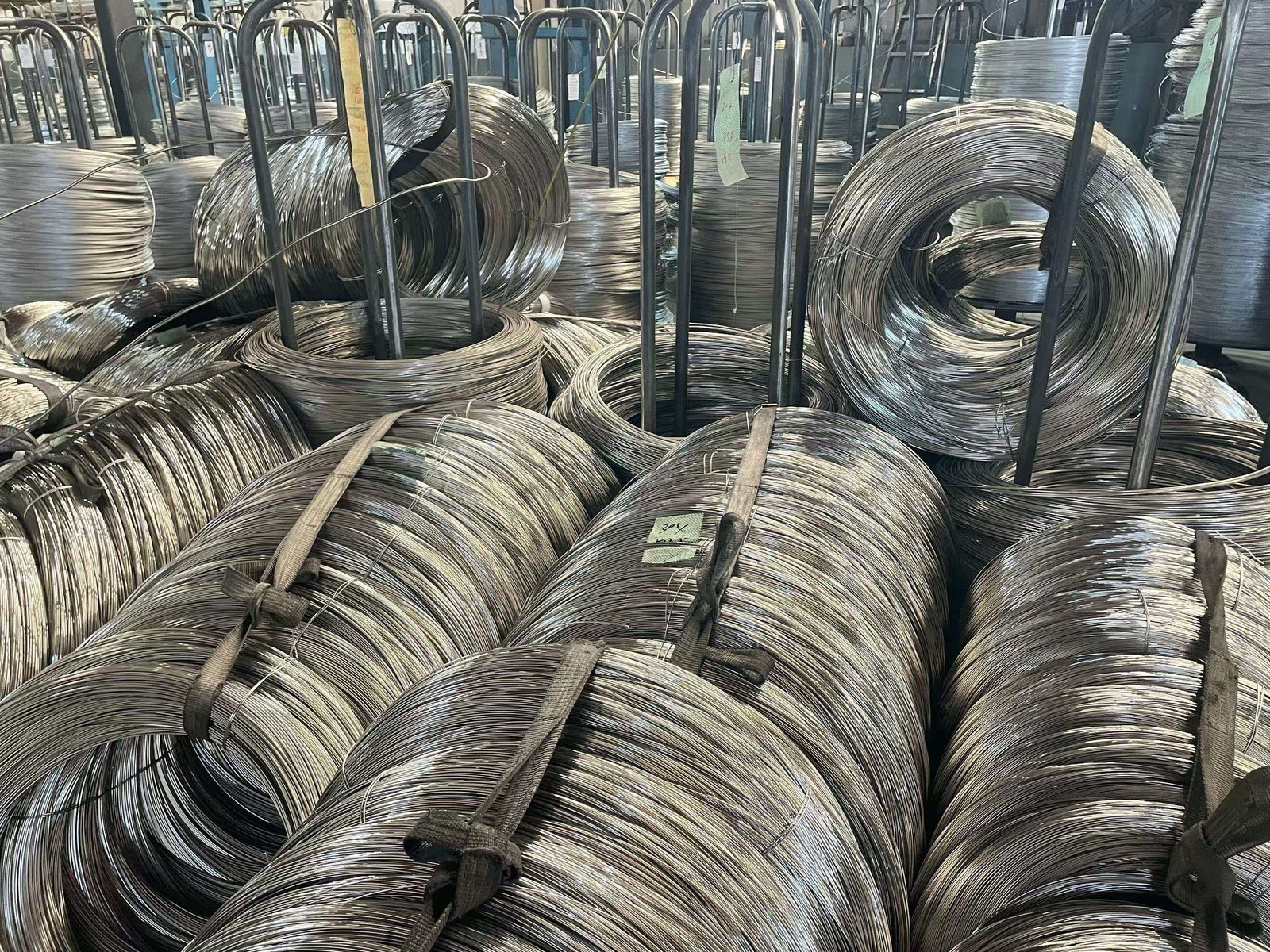
Not all wiring on a construction site is heavy-duty. Fatima’s housing project also involved running electrical and plumbing lines through the walls and floors before the concrete was poured. These conduits need to be held securely in place. Using a thick wire is clumsy and unnecessary. This is the perfect job for our 0.8mm 201 stainless steel wire. It’s thin enough to be wrapped easily around pipes and rebar, but it’s very strong for its size and won't slip or snap.
I also know that many construction projects in Tanzania are near agricultural areas. We often get asked for wire to build simple farm structures. For this, I recommended the 1.2mm specification to Fatima, as it’s a versatile wire she could offer to nearby communities. It is used to build frames for tomatoes and climbing beans. Its key feature is flexibility. You can bend and shape it without it becoming brittle or breaking. And, most importantly, it can survive many rainy seasons without rusting away, saving farmers money.
| Specification | Primary Use | Key Benefit | Why it Works for Tanzania |
|---|---|---|---|
| 0.8mm | Conduit Fixing | Thin but Strong | Perfect for securing electrical and plumbing lines before pouring concrete. It grips tightly and doesn't rust. |
| 1.2mm | Agricultural Frames | Flexible & Reusable | Bends easily to create trellises. It is durable enough to last for several planting seasons, even in wet conditions. |
Can We Use This Wire to Manufacture Other Products Locally?
Importing finished products like welded mesh can be expensive and inflexible. You miss the opportunity to create jobs, add value locally, and control your own supply chain.
Absolutely. Our 1.0mm 201 stainless steel wire is designed as a high-quality raw material. Local factories in Tanzania can feed it into their welding machines to produce custom-sized welded mesh for construction, fencing, and other applications, reducing costs and increasing flexibility.
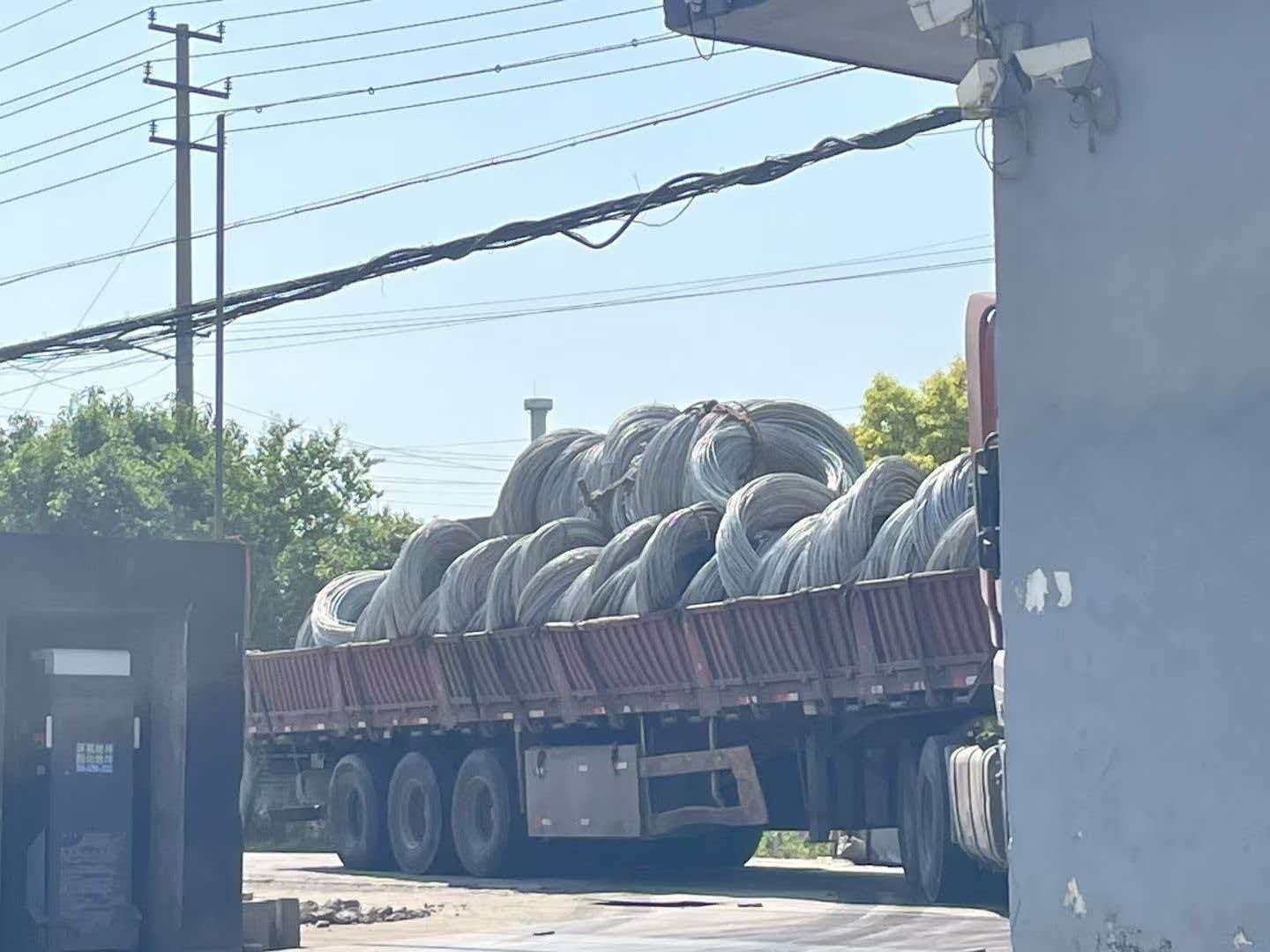
This was a point that really interested Fatima. Beyond her immediate project needs, she saw an opportunity. Many smaller workshops in Tanzania produce welded wire mesh, which is used for concrete reinforcement, animal cages, and security screens. Often, they struggle with inconsistent quality of the wire they import, which causes their machines to jam and results in a weak final product. I explained that we supply our 1.0mm 201 stainless steel wire in large coils specifically for this purpose.
The key here is consistency. Our wire has a uniform diameter (tolerance of ±0.01mm) and consistent mechanical properties. This means it runs smoothly through automatic welding machines, producing strong, reliable welds every time. By using our wire as a raw material, local manufacturers can produce a high-quality, rust-proof welded mesh that is far superior to anything made from standard galvanized wire. This creates a new business opportunity and strengthens the local supply chain.
| Input (Our Product) | Process | Output (Local Product) | Benefit for the Local Market |
|---|---|---|---|
| 1.0mm 201 SS Wire | Automatic Welding | High-quality welded mesh sheets and rolls | Creates a superior, rust-proof product for construction and fencing, supporting local manufacturing. |
Conclusion
In the end, Fatima placed an order for a full container. She focused on the 2.0mm and 1.5mm specs for her immediate project needs and was very happy. Her teams found the correctly labeled wires made their work faster and more efficient.
Choosing the right 201 stainless steel wire, from 2.0mm for rebar to 1.0mm for mesh production, ensures your Tanzanian construction project is strong, efficient, and rust-free for years.
From a single specification query to a container covering five different diameters, stories like Fatima's show how matching wire specs to real site needs saves time and money. Explore our full specification range on our product page https://mfgwiremesh.com/metal-wire/201-stainless-steel-wire/ or reach out via https://mfgwiremesh.com/contact/.
Looking for a factory-direct supply of 201 stainless steel wire for your East African market? Reach out on WhatsApp at +86 15383180672.
FAQ:
Q1: What are the most commonly used diameters of 201 stainless steel wire in East African construction? A1: Based on our shipments to Tanzania, the five most ordered diameters are: 2.0mm for heavy-duty rebar tying, 1.5mm for fence weaving, 1.2mm for agricultural trellising, 1.0mm for welded mesh production, and 0.8mm for fine binding like plumbing and electrical conduit fixing. All specifications offer consistent tensile strength of 650-750 MPa. Fatima's order covered multiple diameters for her housing project, with 2.0mm and 1.5mm making up the bulk of her container.
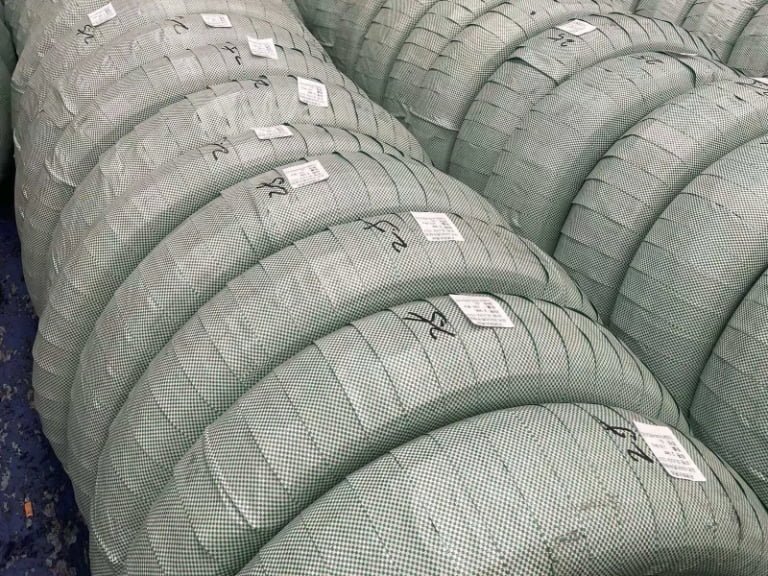
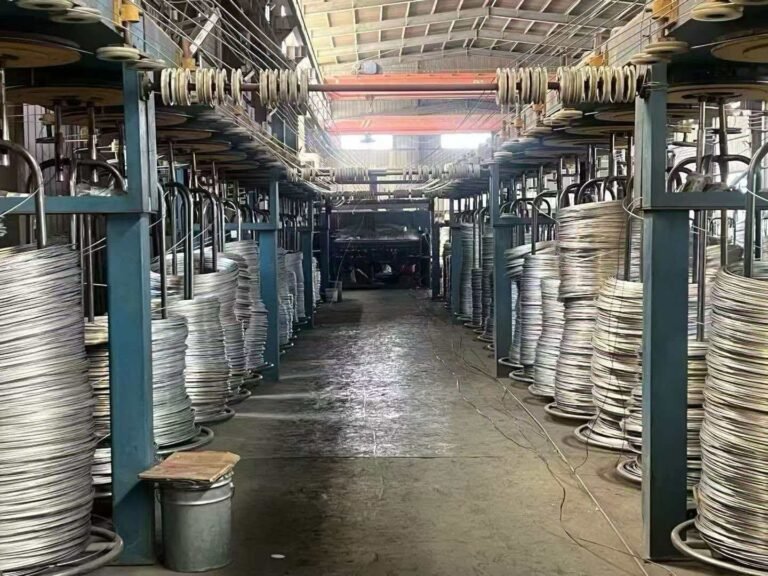
Q2: What production capacity and diameter range can your factory supply? A2: Our Anping factory produces 201 stainless steel wire in the full 0.8mm to 2.0mm range, with 10 automated production lines ensuring stable supply for both mixed-spec orders and single-diameter bulk shipments. Fatima's container combined five different diameters in one shipment, with each coil clearly labeled by specification for easy distribution on site.
Q3: How does 201 stainless steel wire perform in Tanzania's climate? A3: Tanzania has a tropical climate with distinct rainy and dry seasons, particularly along the coast and in agricultural regions. Our 201 stainless steel wire offers excellent humidity resistance compared to galvanized wire, which often develops white rust during storage. For applications like agricultural trellising and construction binding, 201 wire maintains its integrity through multiple growing seasons or the entire construction cycle without rust-related quality issues.