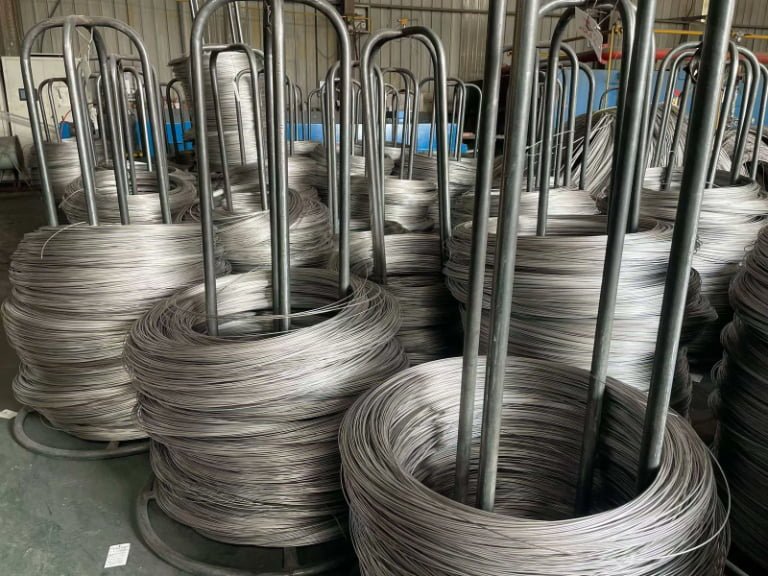



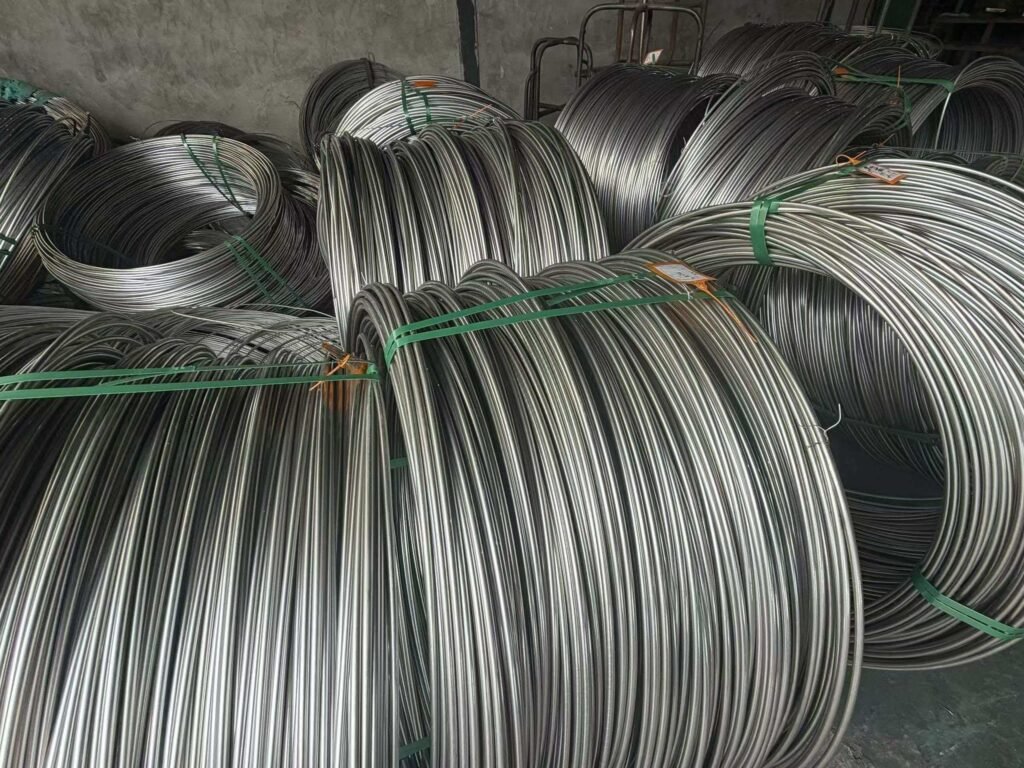
Kenya's construction import regulations can feel complex for first-time buyers, but understanding a few key requirements makes the customs clearance process manageable. Here's what importers of 201 stainless steel wire need to know before shipping to Mombasa.
Buyers like Amina, who need reliable guidance on Kenya import compliance for steel wire, are turning to our product page for specifications and factory support documents: https://mfgwiremesh.com/metal-wire/201-stainless-steel-wire/.
Worried your stainless steel wire shipment will get stuck at Mombasa port? Unexpected fees and project delays can be a nightmare for any importer. You need a clear plan.
To import 201 stainless steel wire into Kenya, you primarily need a Certificate of Conformity from a Pre-shipment Inspection (PSI). This ensures compliance with Kenya Bureau of Standards (KEBS). Other key documents include a Commercial Invoice, Packing List, Bill of Lading, and a Certificate of Origin.
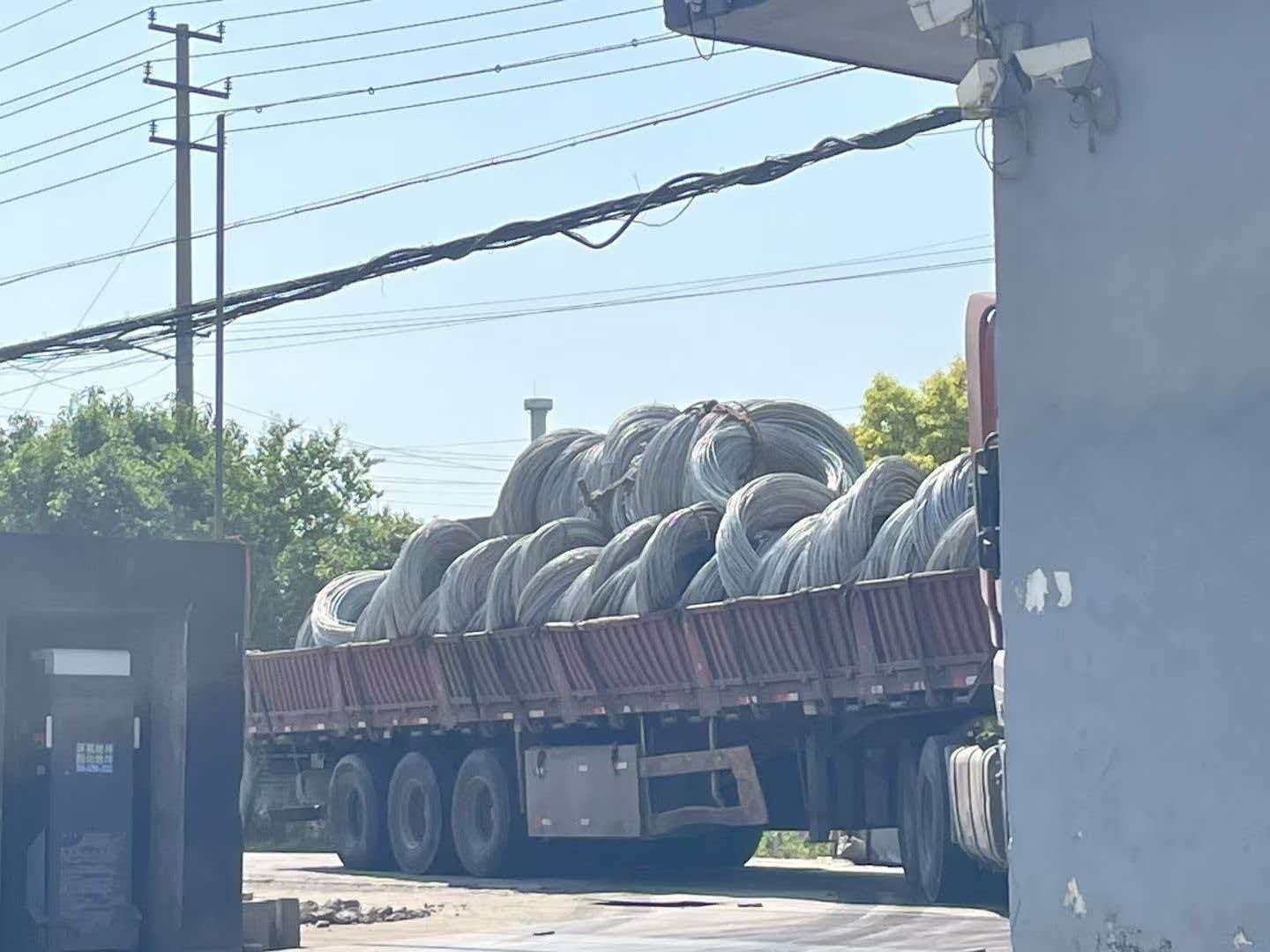
Navigating the import process can seem complex, but it doesn't have to be. I remember when Amina, a first-time importer from Nairobi, contacted us. She was transitioning from buying locally to importing directly from our factory in China. Her biggest fear was customs clearance. She was afraid her 201 stainless steel wire would get held up in Mombasa, costing her time and money. By breaking down the process step-by-step, we helped her gain the confidence to import smoothly. Let me walk you through the same steps we took with her, starting with the most critical requirement.
How Can You Ensure Your Shipment Meets Kenyan Standards (KEBS)?
Your shipment arrives, but it's flagged for non-compliance. This is a common fear. Kenyan standards are strict, and failing to meet them can halt your entire project.
To meet Kenyan standards, your 201 stainless steel wire must have a Certificate of Conformity (CoC). This is obtained through a Pre-shipment Inspection (PSI) by an authorized agency. The inspection verifies that your goods comply with the relevant Kenya Bureau of Standards (KEBS) regulations before they even leave China.
When Amina first came to me, her main concern was KEBS. I explained that for metal materials, Kenya requires proof of compliance. The best way to handle this is with a Pre-shipment Inspection (PSI). We work with KEBS-approved inspection agencies here in China. Before we even load the container, an inspector comes to our factory. They check the wire against the Kenyan standards, verifying its chemical composition and mechanical properties. Once the goods pass, the agency issues a Certificate of Conformity (CoC). This certificate is mandatory for customs clearance in Kenya. Without it, you face delays, re-exportation, or even destruction of your goods. We made sure Amina's shipment had this CoC before it sailed. This single step is the most important part of ensuring a smooth entry at the Port of Mombasa. It turns a potential roadblock into a simple checkpoint.
What Documents Are Essential for a Smooth Customs Clearance in Mombasa?
Your container is at the port, but your documents have errors. A small mistake on paper can cause big delays and extra costs, turning a profitable venture into a loss.
For a smooth clearance in Mombasa, you need a complete and accurate document set. This includes the Commercial Invoice, Packing List, Bill of Lading (B/L), Certificate of Origin (CO), and the Certificate of Conformity (CoC). Each document must be consistent and precise to avoid any customs queries.
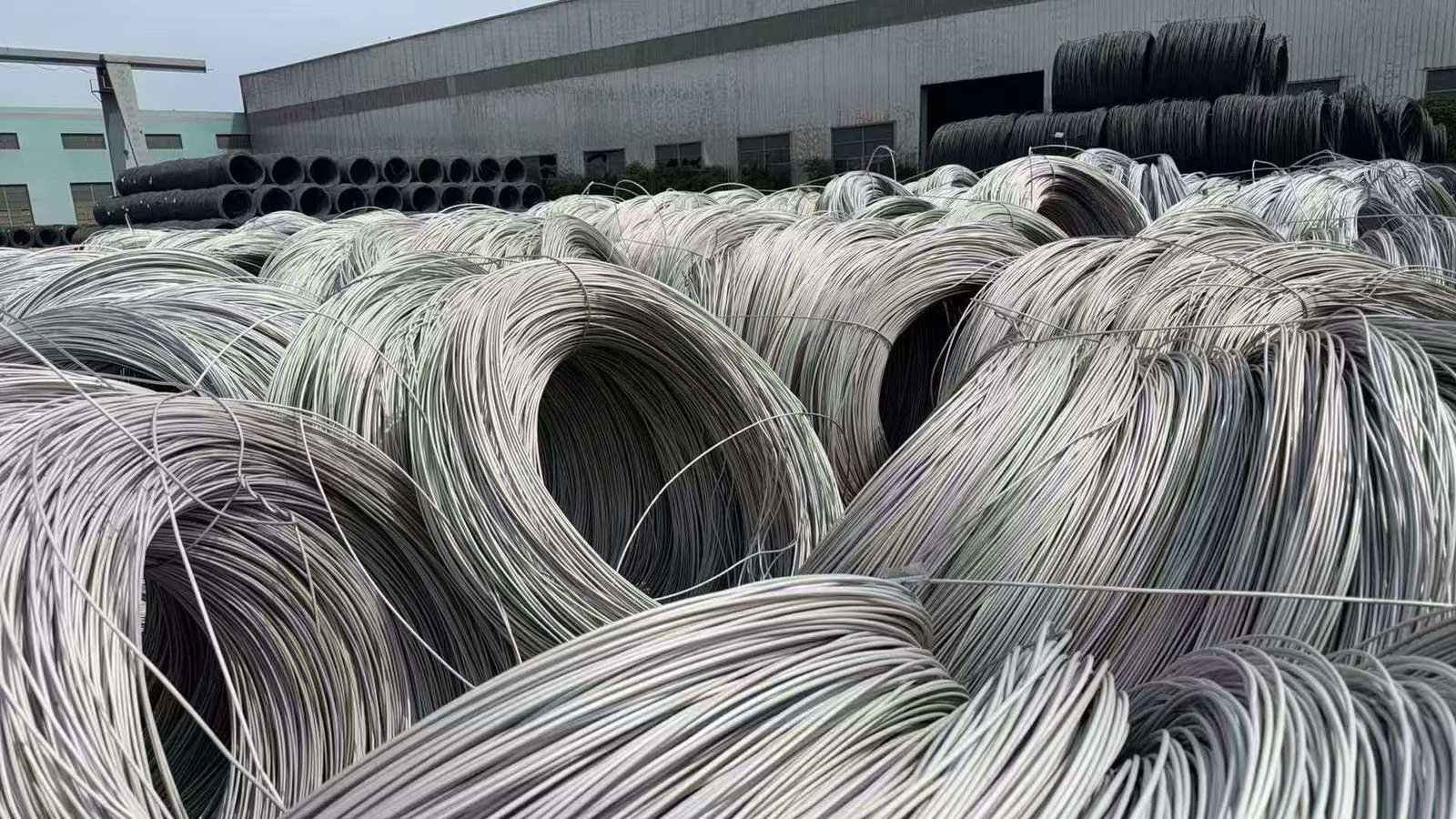
After sorting out the KEBS inspection, Amina and I focused on the paperwork. I emphasized that every detail matters to Kenyan customs. Here’s a breakdown of what we prepared for her:
Key Document Checklist
| Document | Key Details | Why It's Important |
|---|---|---|
| Commercial Invoice | Detailed product description (201 stainless steel wire), HS code, quantity, and accurate unit/total value. | Kenyan customs are very sensitive to undervaluation. Truthful declaration is key. |
| Packing List | Specifies the weight of each coil, number of coils per pallet, and total gross/net weight. | Helps customs verify the shipment's contents quickly without full unpacking. |
| Bill of Lading (B/L) | The consignee's name and address must perfectly match their company registration details in Kenya. | Any discrepancy can lead to the shipment being held until corrected. |
| Certificate of Origin | We helped process this document, certifying the goods were manufactured in China. | It can be required for tariff purposes and proves the goods' origin. |
We sent digital copies of all these documents to Amina and her clearing agent in Mombasa for pre-verification before the ship arrived. This proactive check ensured there were no surprises.
Why is Proper Packaging a Secret Weapon for Kenyan Imports?
Your steel wire arrives rusty and damaged. The humid coastal air of Mombasa can ruin your product, and improper packaging can lead to customs disputes and fumigation hassles.
Proper packaging protects your 201 stainless steel wire from rust and damage during transit. It also helps you avoid customs issues. Using fumigation-free pallets bypasses the need for a fumigation certificate, and strong moisture-proof wrapping ensures the product arrives in perfect condition, satisfying customs inspectors.
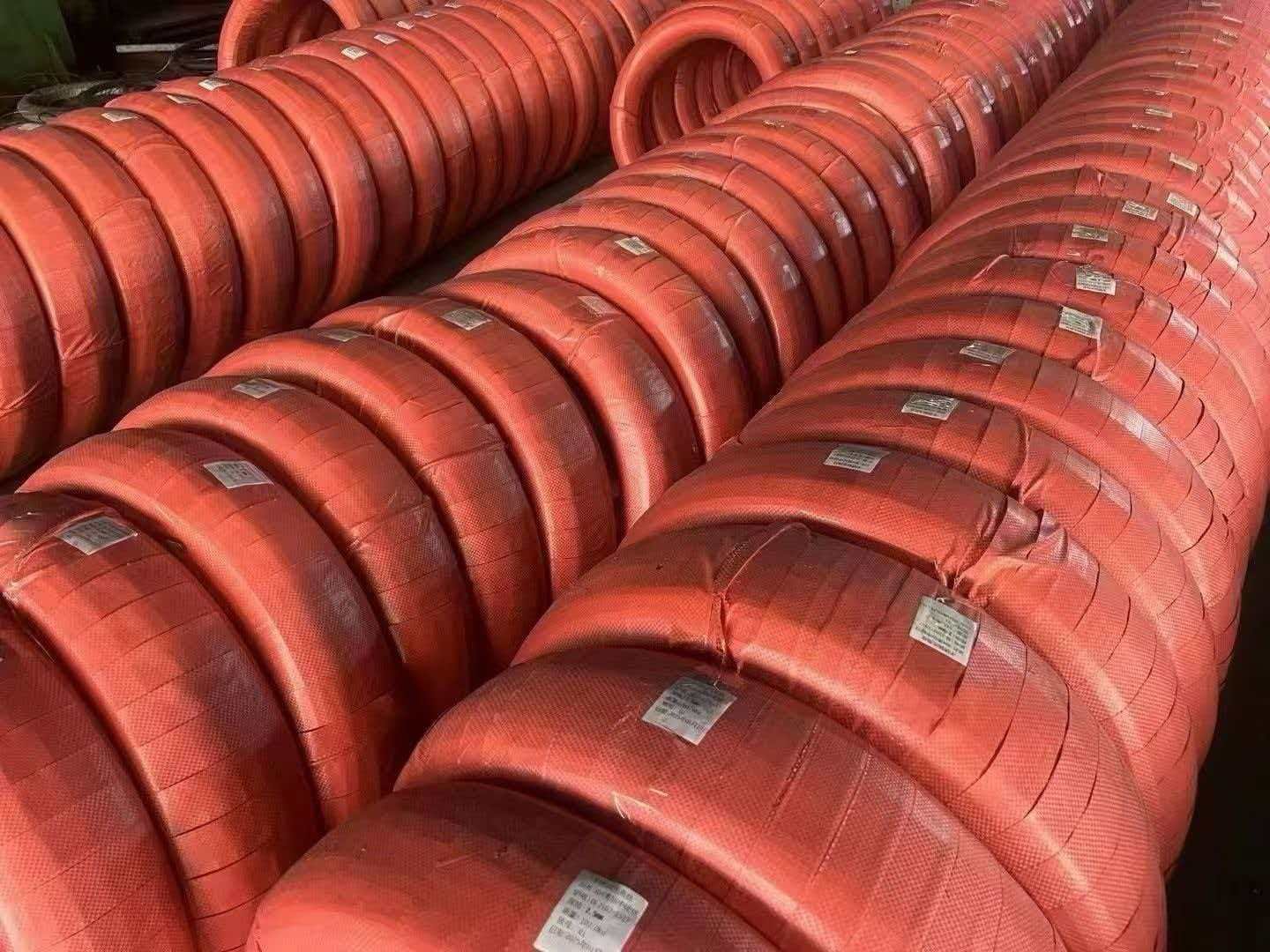
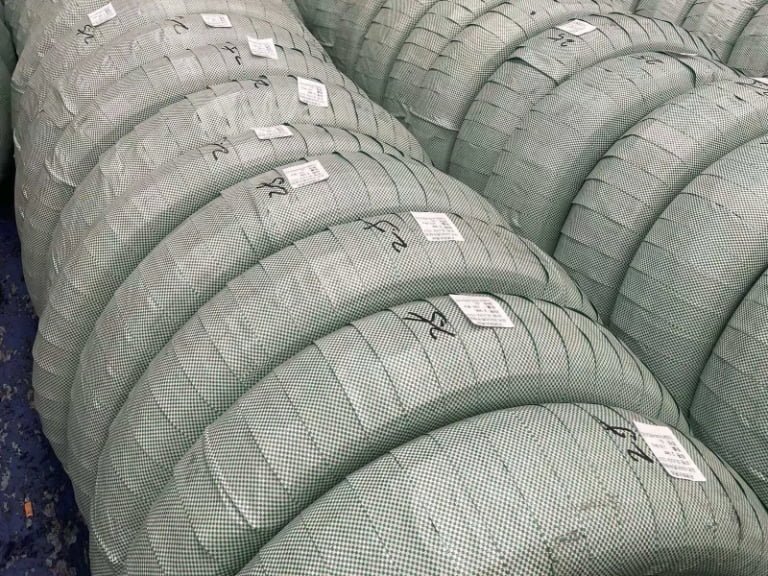
Packaging is an often-overlooked part of customs clearance. I told Amina about two crucial packaging details for shipments to Kenya. First, Kenyan customs require all wooden packaging, like pallets or crates, to be fumigated and certified. This adds an extra step and cost. To make things simpler, we use sturdy, fumigation-free plastic pallets for all our shipments to Kenya. This completely removes the need for a fumigation certificate. Second, Mombasa is a port city with high humidity. Stainless steel, especially the 201 grade, can show surface rust if exposed to moisture for long periods. To prevent this, we use a three-layer moisture-proof wrapping system. When customs officials open the container and see clean, dry, and well-protected coils, it gives them confidence in the quality of the goods. It prevents them from questioning the condition of the wire and ordering further inspections. For Amina's shipment, the pristine condition of the packaging helped ensure a quick release.
Conclusion
Importing stainless steel wire to Kenya is straightforward with the right preparation. Focus on KEBS compliance, accurate documents, and proper packaging, and your shipment will clear customs without any issues.
From trial order anxiety to smooth quarterly shipments, stories like Amina's repeat daily. If you're preparing your first 201 stainless steel wire shipment to Kenya, start with our product page https://mfgwiremesh.com/metal-wire/201-stainless-steel-wire/ or reach out via https://mfgwiremesh.com/contact/.
Our factory has been serving East African importers for over 10 years. Tell us your wire diameter and destination port, and we'll prepare a quote within 24 hours. WhatsApp: +86 15383180672.
FAQ:
Q1: What certifications are required to import 201 stainless steel wire into Kenya? A1: Kenya requires compliance with KEBS standards for imported metal products. A pre-shipment inspection by an authorized agency is recommended before container loading in China. We can coordinate with inspection agencies to complete verification at our Anping factory. Amina's first shipment cleared Mombasa port in just three days because all inspection reports were prepared before the vessel arrived. We also provide certificate of origin, commercial invoice, packing list, and bill of lading—all aligned with Kenya Revenue Authority requirements.
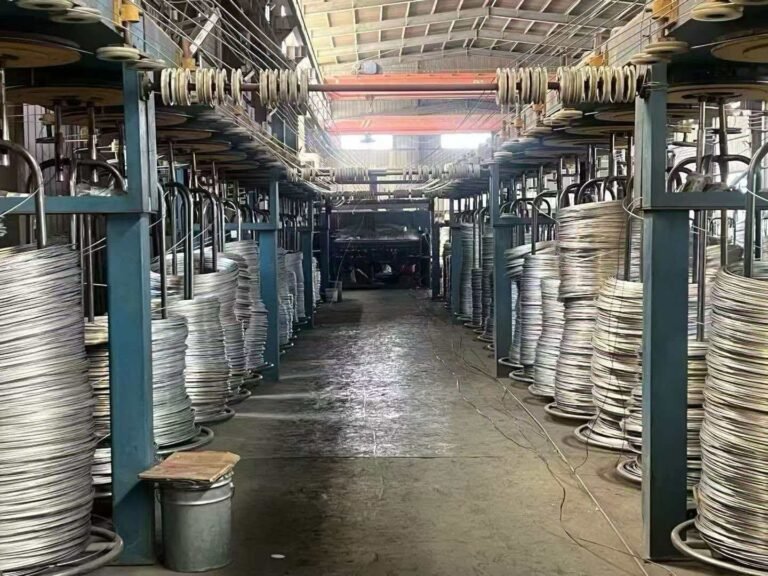
Q2: How does factory-direct supply help with customs documentation? A2: As the manufacturer, we provide accurate and complete export documentation directly—no middlemen to introduce errors or delays. Our commercial invoices clearly state product descriptions, HS codes, quantities, and values. Packing lists detail coil weights and pallet specifications. For Kenya-bound shipments, we use fumigation-free plastic pallets to eliminate the need for wood fumigation certificates, streamlining port inspection at Mombasa.
Q3: What packaging precautions are needed for shipments to Mombasa port? A3: Mombasa has high humidity, so moisture-proof packaging is critical. We use triple-layer protection: waterproof paper, plastic film, and woven bag, plus palletization with stretch wrap. All pallets are plastic, avoiding wood fumigation requirements. In Amina's case, the container arrived at Mombasa with all packaging intact—no moisture damage, no customs queries about cargo condition, and no demurrage charges from inspection delays.