


For Uganda importers new to direct sourcing from China, the process can seem complex at first. From spec selection to container delivery, here are the key steps to ensure a smooth procurement experience.
When Moses first reached out, he had one clear demand: a reliable factory-direct source for 201 stainless steel wire that eliminated the 18% markup he'd been paying to Kenyan middlemen. That's exactly the kind of buyer we serve on our product page: https://mfgwiremesh.com/metal-wire/201-stainless-steel-wire/.
Are you paying high markups to middlemen for your stainless steel wire? This cuts into your profits and makes your pricing uncompetitive. Sourcing directly from a Chinese factory is easier than you think.
To import 201 stainless steel wire to Uganda, you first need to confirm your required specifications and quantity. Then, find a reliable Chinese manufacturer like us. We guide you through production, packaging, shipping to Mombasa, and preparing the necessary documents for customs clearance in Uganda.
This whole process might sound complicated, but it's pretty straightforward when you break it down. I recently helped a client, Moses from Kampala, do this for the very first time. He's a building materials merchant. Let me walk you through the exact steps we took together. This way, you can see how you can do it too.
What specifications and quantities should you consider for your first wire order?
Unsure what wire specs or order size to start with? Ordering too much or the wrong type ties up your cash. Let's clarify what's best for a trial order.
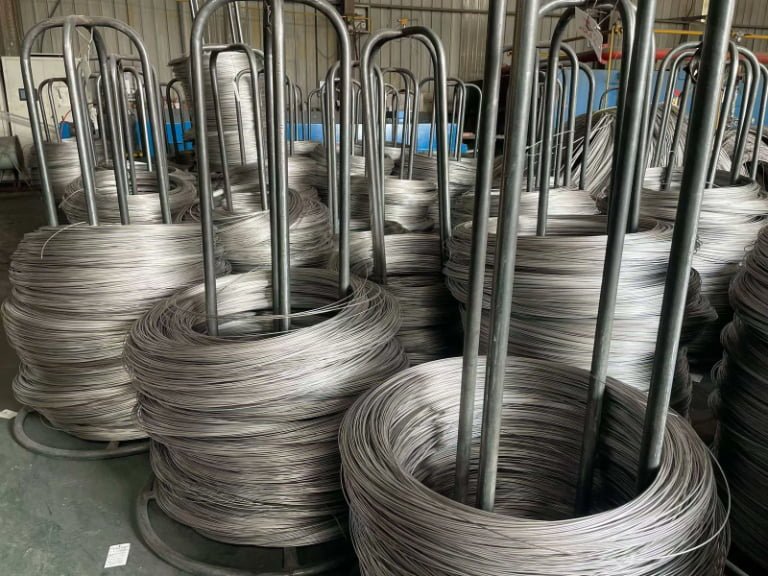
For general construction in Uganda, 2.0mm and 1.5mm 201 stainless steel wire are popular choices. For a first order, a 20-foot container (about 18 tons) is a good starting point to balance shipping costs and manage inventory risk effectively.
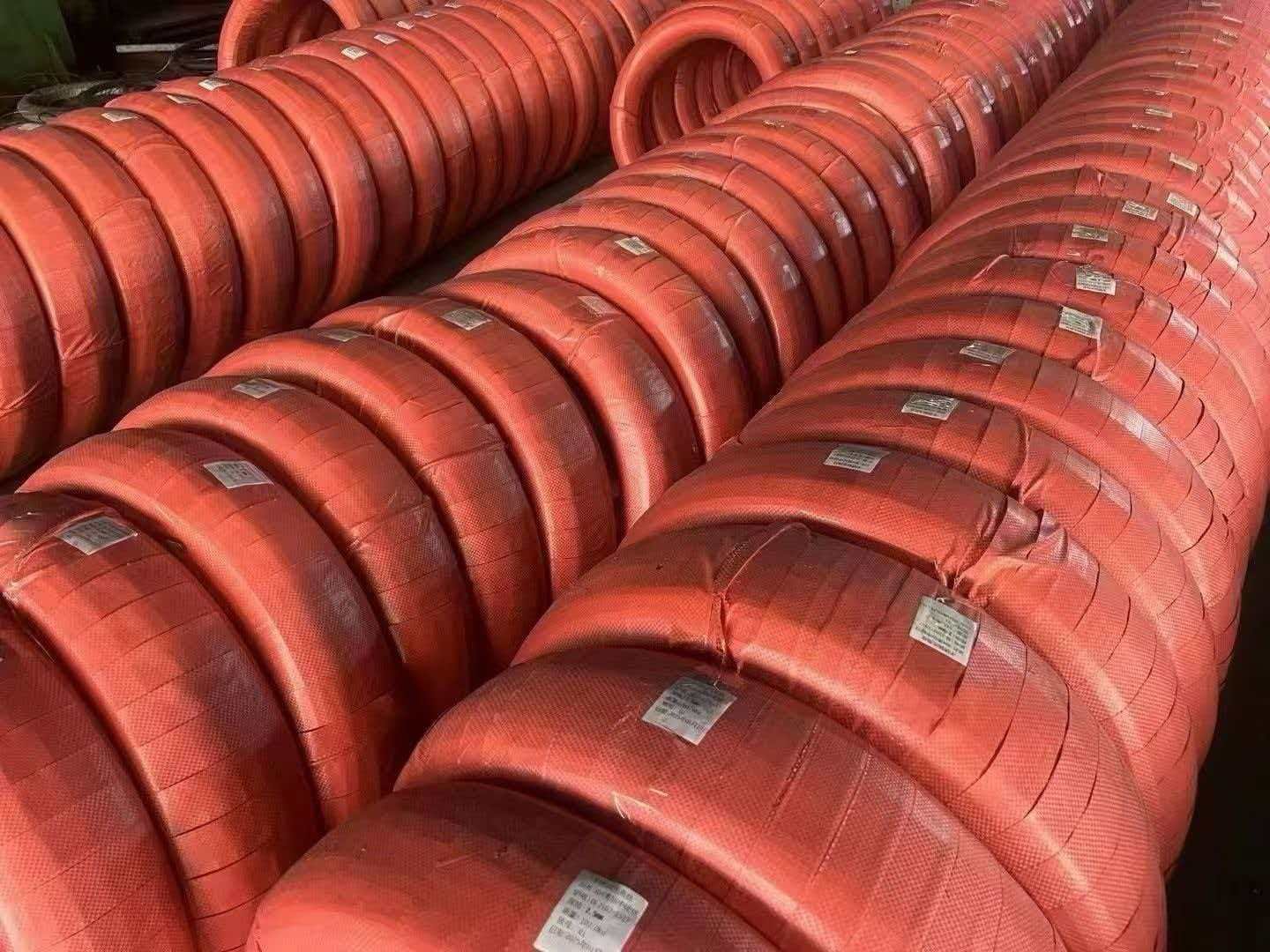
When Moses first contacted me on LinkedIn, his main goal was to cut out the middleman in Kenya who was adding a nearly 18% markup. But before we could talk about price, we had to get his requirements right. I asked him what he used the wire for. He told me his main customers were working on residential projects around Kampala. Based on that, we quickly determined his needs.
He needed two main sizes:
- 2.0mm: This is a common size for tying rebar in concrete construction. It's strong enough for the job but still flexible for workers to handle.
- 1.5mm: This size is perfect for weaving chain-link fences and other general-purpose applications.
For quantity, Moses was unsure. I suggested a 20-foot container for his first trial order. This size holds about 18 tons of wire. A full container (FCL) is much more cost-effective for sea freight than shipping smaller amounts (LCL). With a full container, the cost of shipping is spread across all 18 tons, making the price per kilogram much lower. This was important for Moses to stay competitive. This quantity was also a safe starting point that wouldn't tie up too much of his capital in inventory.
| Order Type | Pros | Cons |
|---|---|---|
| FCL (20ft Container) | Lower shipping cost per kg. | Higher initial investment. |
| Goods are sealed at the factory. | Requires more storage space. | |
| LCL (Less than Container) | Lower initial investment. | Higher shipping cost per kg. |
| Good for very small quantities. | Higher risk of damage or loss. |
How do shipping and logistics from China to Uganda actually work?
Are you worried about the complex journey from a factory in China to your warehouse in Kampala? Delays can halt your projects. Here’s a clear breakdown of the logistics chain.
We ship from Tianjin Port, China, to Mombasa Port, Kenya. The sea journey takes about 18 days. From there, your clearing agent arranges inland transport to Kampala. The entire process, from placing the order to receiving it, typically takes around 35 days.
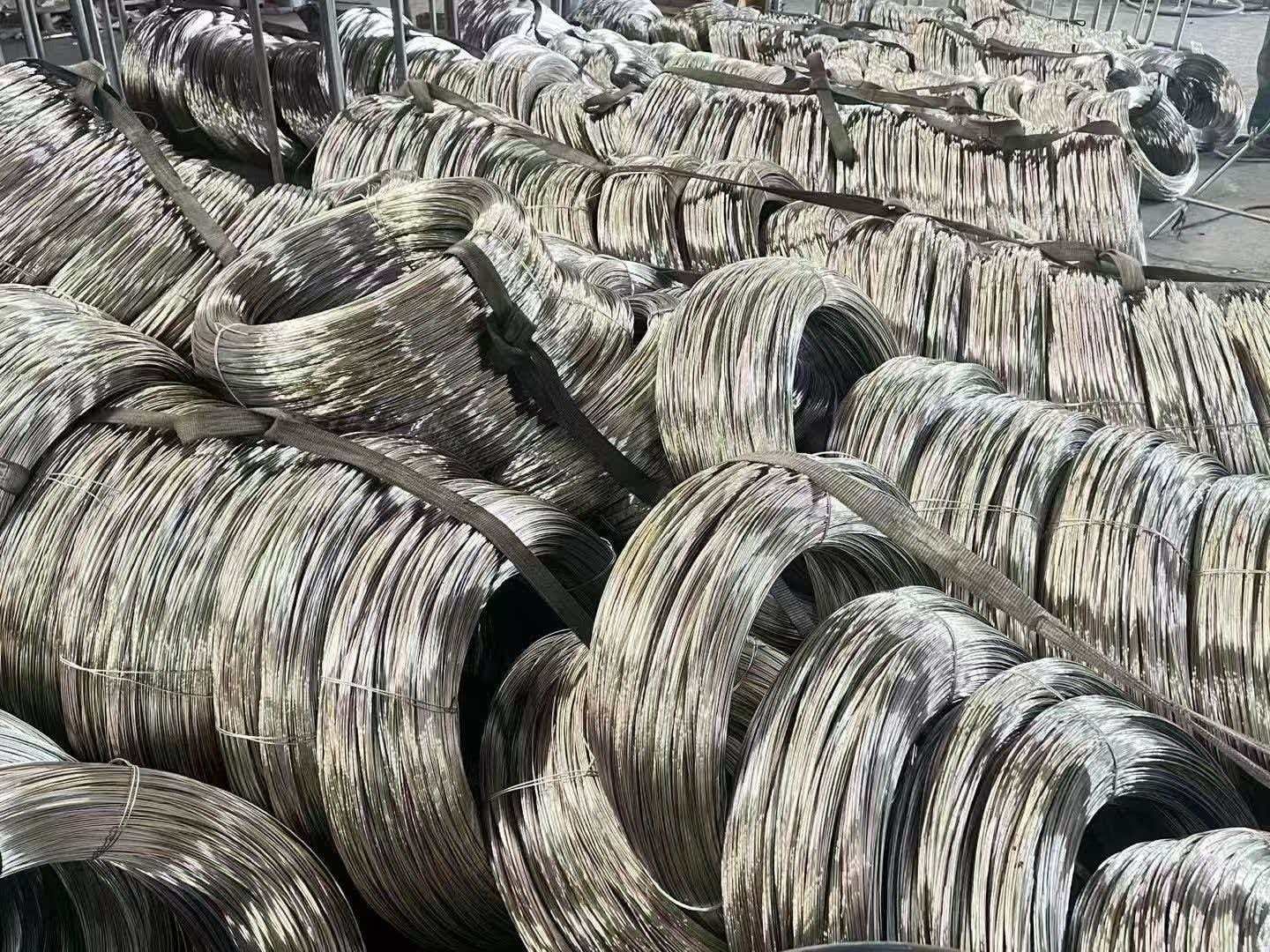
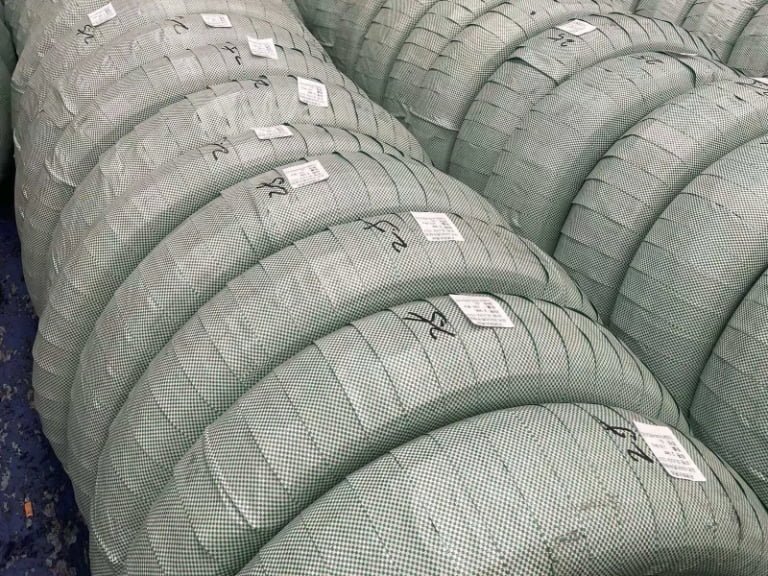
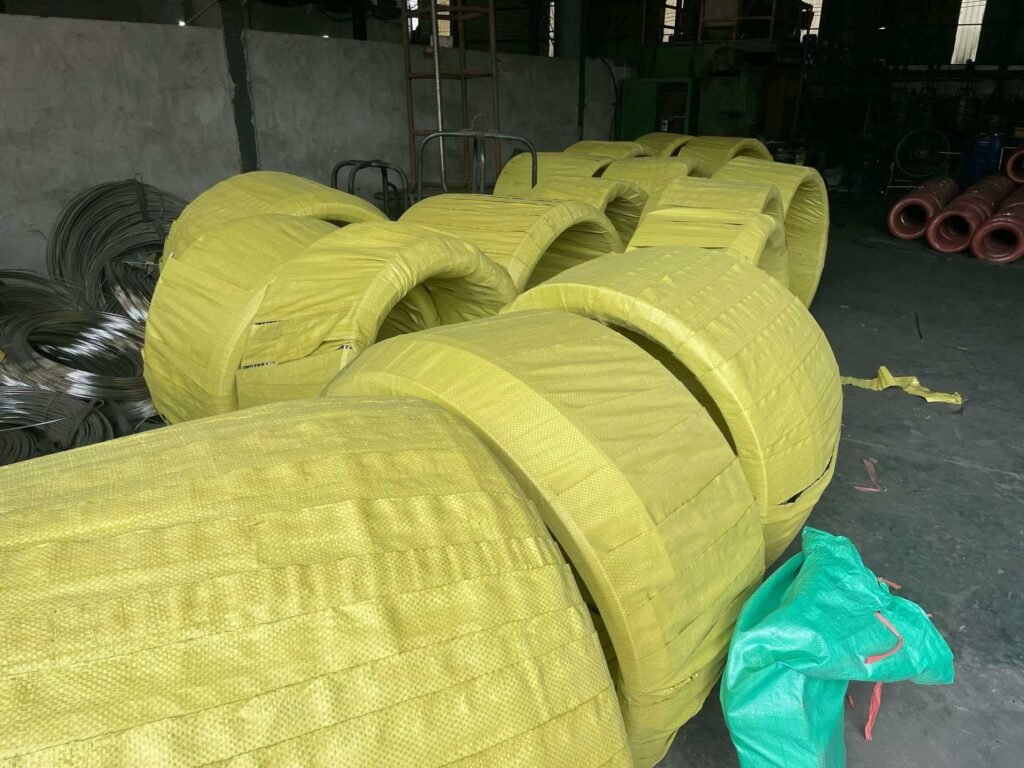
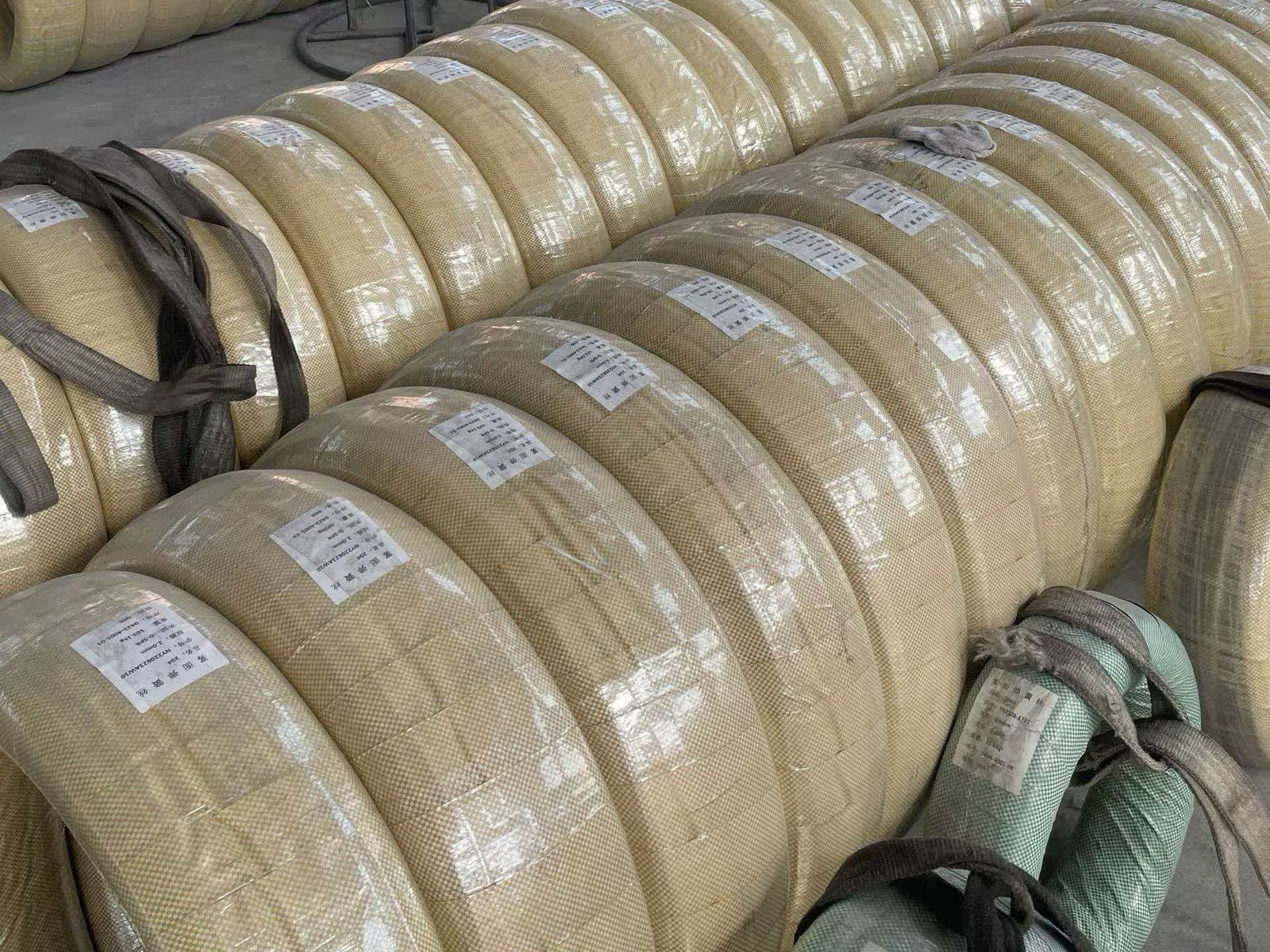
Once we confirmed the order with Moses, my team at the factory in Anping got to work. The 2.0mm wire he needed was in stock, so we prepared everything in just three days. Packaging is a step we take very seriously. For Moses's order, each coil of wire was first wrapped in waterproof paper, then covered with a plastic film, and finally put into a woven bag. We then stacked these coils securely on pallets and shrink-wrapped the entire pallet. This multi-layer protection is critical to prevent rust and damage from moisture during the long journey to a landlocked country like Uganda.
From our factory to the port in Tianjin, it took about a week to get everything ready and loaded into the container. The sea journey from Tianjin to Mombasa, Kenya, is about 18 days. The final leg is the overland journey from Mombasa to Kampala. This part is managed by the importer's clearing agent. Moses had to decide whether to clear customs in Mombasa and then truck the goods to Kampala, or use a bonded transport service to clear customs directly in Kampala. He worked with his agent to figure out the best option for him.
Here is a simple breakdown of the timeline:
| Step | Duration | Responsibility |
|---|---|---|
| Order Confirmation & Prep | 3-5 days | Factory (Us) |
| Trucking to Tianjin Port | 2-3 days | Factory (Us) |
| Sea Freight to Mombasa | ~18 days | Shipping Line |
| Customs & Inland Transport | 7-10 days | Importer (You) |
| Total Estimated Time | ~35 days | Joint Effort |
Moses's first shipment arrived at his warehouse in Kampala about 35 days after he placed the order.
What documents are needed to clear customs in Uganda?
Is the fear of paperwork and unexpected taxes stopping you from importing directly? Customs issues can be a nightmare. Let's demystify the essential documents and costs involved.
We provide the key documents: Commercial Invoice, Packing List, and Bill of Lading. A Certificate of Origin can also be supplied. The importer is responsible for paying Uganda's import duties, which should be budgeted for in advance to ensure smooth clearance.
This was Moses's biggest worry. He had never handled international documents before. I assured him it was our job to provide all the necessary export paperwork. The three most important documents are:
- Commercial Invoice: This lists the goods and their value. Ugandan customs will use this to calculate the import duties and taxes you need to pay.
- Packing List: This document details the contents of the shipment, including the number of coils, the weight of each, and the total weight. It helps customs officials verify the cargo.
- Bill of Lading (B/L): This is the most important document. It acts as a receipt from the shipping company and is the title to the goods. Moses needed the original B/L to claim his container from the shipping line in Mombasa.
I also told him we could arrange for a Certificate of Origin (CO) if his clearing agent said it was needed.
The most critical advice I gave him was about taxes. As the exporter in China, we handle all procedures here, and there are no extra export taxes on our end. However, he, as the importer, is responsible for all costs in Uganda. This includes import duties, VAT, and any other local fees. I strongly recommended that he speak with his clearing agent before the shipment left China. This allowed him to get a clear estimate of the total tax amount. By budgeting for this cost upfront, he avoided any surprises and had the money ready. This prevented delays at the port, which can lead to expensive storage charges. After our talk, he felt much more confident.
Conclusion
Sourcing 201 stainless steel wire directly from China is a clear path to better profits. By understanding specs, logistics, and documents, you can successfully import and grow your business.
Moses' first container reached Kampala on schedule, and his follow-up order was a 40ft high-cube. If you're sourcing 201 stainless steel wire for Uganda, start with our product page https://mfgwiremesh.com/metal-wire/201-stainless-steel-wire/ or reach out via https://mfgwiremesh.com/contact/
Looking for a factory-direct supply of 201 stainless steel wire for your East African market? Reach out on WhatsApp at +86 15383180672.
FAQ:
Q3: What is the typical MOQ and lead time for a trial order? A3: Our standard MOQ is 1,000 kg, but for first-time importers testing the market, we can start from 500 kg. For cost-effective shipping, we recommend a 20ft container (about 18 tons). Lead time from order confirmation to Tianjin Port loading is 3-10 days, with ocean freight to Mombasa around 18 days. Including customs clearance and inland transport to Kampala, total transit is approximately 35 days. Moses' first trial container to Uganda followed this exact timeline.
Q6: Who handles customs clearance and import duties when importing from China? A6: The buyer is responsible for customs clearance and import duties in the destination country. As the factory, we provide all necessary export documents—commercial invoice, packing list, bill of lading, and certificate of origin if required. We recommend working with a local clearing agent who understands Uganda's import procedures, especially for shipments transiting through Mombasa port to Kampala.
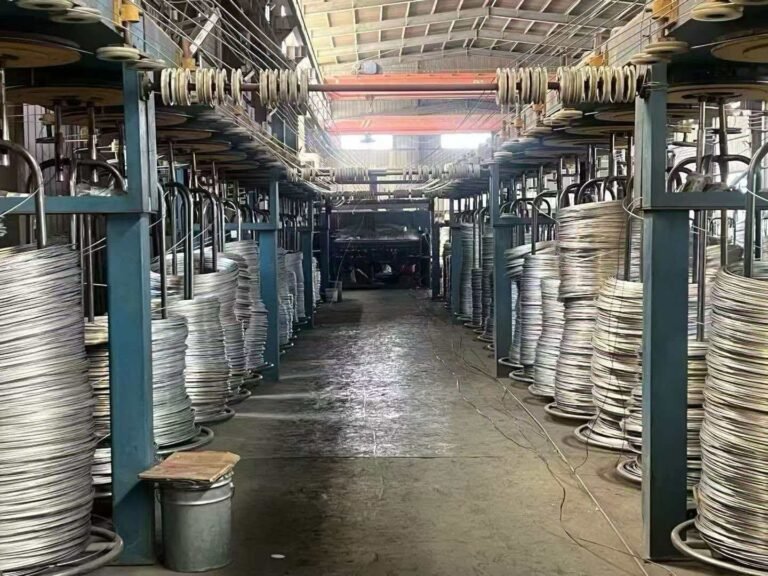
Q7: How does buying directly from your factory eliminate middleman costs? A7: We are a self-owned factory in Anping, China. In Moses' case, he had been sourcing through Kenyan intermediaries who added an 18% markup before the goods even reached Kampala. By ordering factory-direct, he eliminated that entire margin. We handle production, quality inspection, container loading, and export documentation—no trading company involved, full cost transparency