


Tanzania's construction market is booming, and importers often face a key decision: should they pay extra for 304 stainless steel wire, or is 201 sufficient for their projects? The answer depends on your specific application.
For procurement managers like Juma, sourcing 201 stainless steel wire that balances corrosion resistance and cost is a constant challenge — one our main website addresses directly: https://mfgwiremesh.com/
Choosing the right stainless steel wire is tough. The wrong choice means you either overspend or face rust issues. I will show you how to pick the right one.
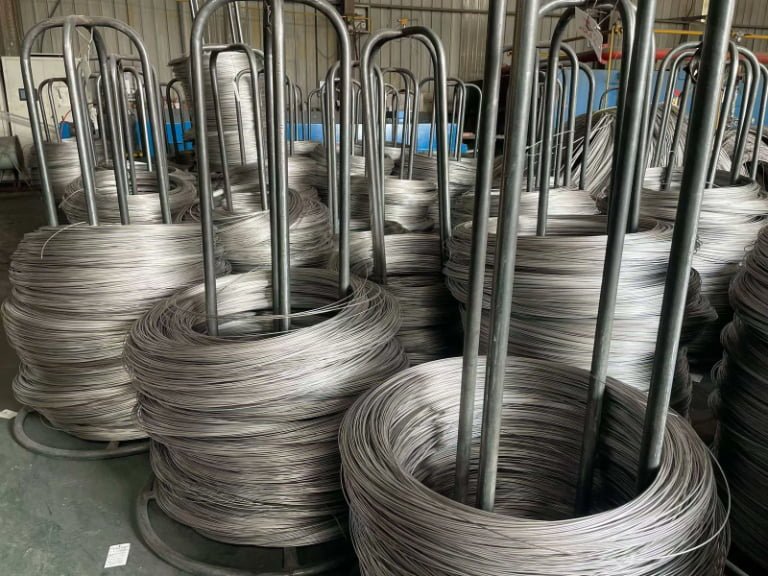
For most construction jobs in Tanzania, like rebar tying, 201 stainless steel wire is the best choice. It has enough strength and corrosion resistance for the local climate. It is also much more cost-effective than 304 stainless steel wire.
Just last month, a client from Dar es Salaam named Juma sent me a long email about this. He was stuck choosing between 201 and 304 wire for two big projects. His final decision saved him thousands of dollars. Let me break down why he made that choice, so you can make a smart decision too.
Is 201 Stainless Steel Wire Strong Enough for Construction in Tanzania?
You might worry that 201 wire is not strong enough for your job. Using a weak wire could fail inspections and create safety risks. Let's look at the facts.
Yes, it is strong enough. For tasks like rebar tying, our 2.0mm 201 stainless steel wire has a tensile strength of 650-750 MPa. This is more than enough to bind rebar securely in standard concrete structures and pass all construction inspections in Tanzania.
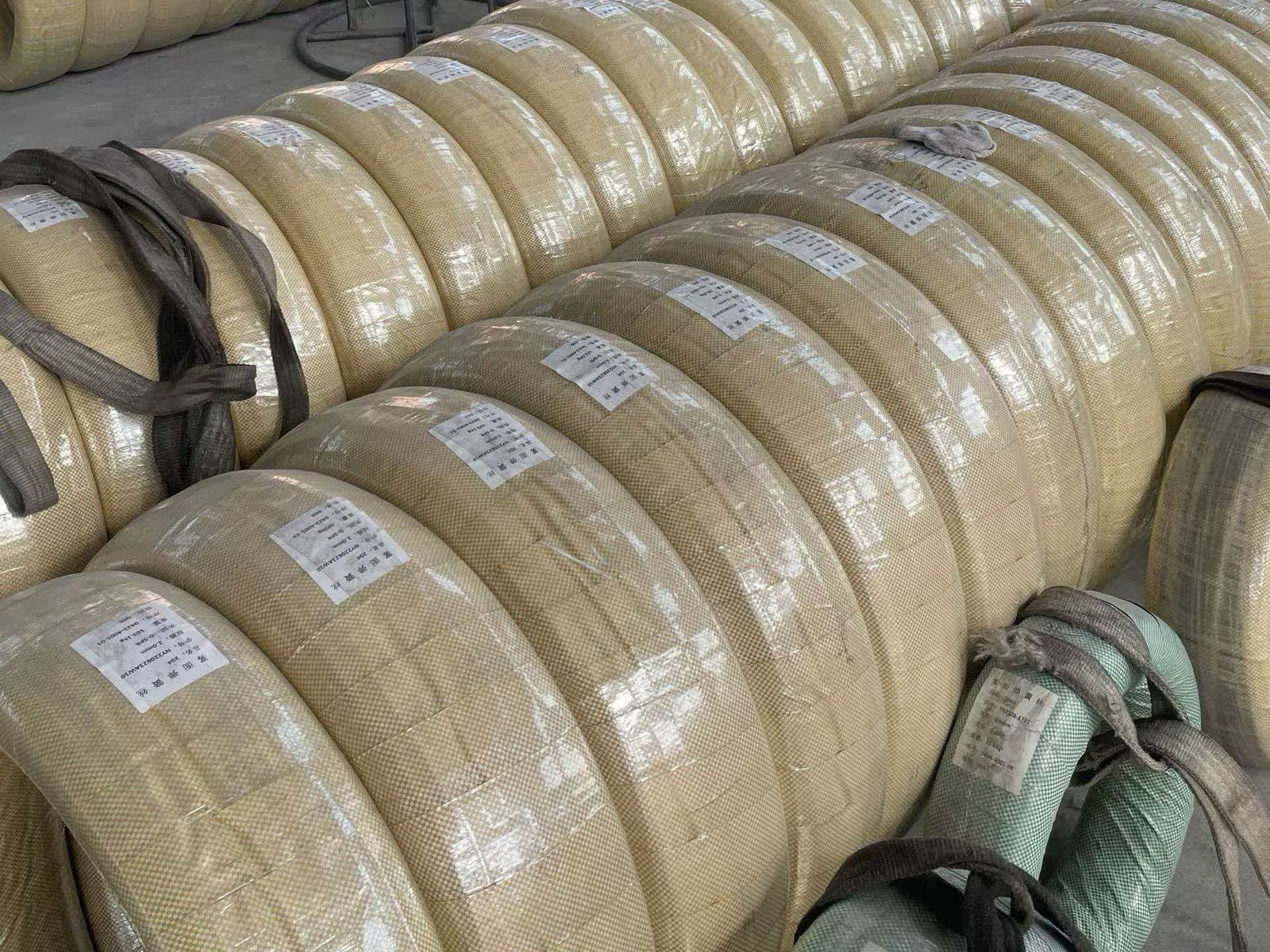
Juma had two projects starting at the same time. One was a commercial complex in the city of Dar es Salaam. The other was an agricultural storage center in Morogoro. Both needed wire for tying rebar. His commercial building was a standard high-rise concrete frame structure. The storage center was made of precast slabs and a steel frame. Both jobs required strong tying wire. I told him that our 2.0mm 201 stainless steel wire was perfect for both. Its strength is more than enough for securing rebar. Using 304 would not add any necessary strength for this type of work. In fact, for tying applications, the higher tensile strength of 201 is often a benefit. You are paying for performance you actually need.
| Property | 201 SS Wire (2.0mm) | 304 SS Wire (2.0mm) | Rebar Tying Needs |
|---|---|---|---|
| Tensile Strength | 650-750 MPa | ~520 MPa | Sufficient |
| Corrosion Resistance | Good | Excellent | Good is enough |
| Relative Cost | ~40% Cheaper | Base Price | Lower is better |
Will 201 Stainless Steel Wire Rust in Tanzania's Climate?
You fear that the cheaper 201 wire will rust on your project. Rusted wire can weaken your structure and shorten its life. Here’s why 201 is fine for Tanzania's environment.
No, it will not rust under normal construction conditions. For most of Tanzania's tropical savanna climate, 201 gives enough rust protection. It is not for coastal or chemical areas, but for general building in places like Dar es Salaam or Morogoro, it works perfectly.
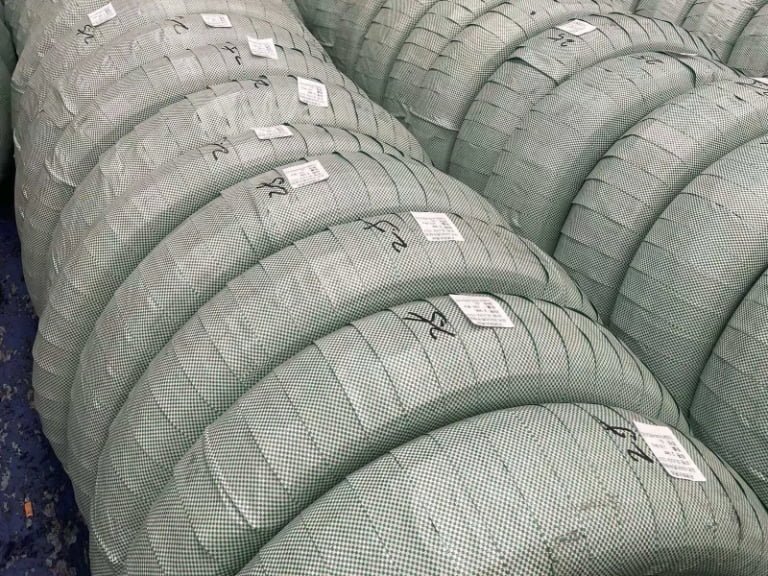
Juma was still worried about rust. He asked me if 201 could really handle the weather. I explained that most of Tanzania has a tropical savanna climate with clear wet and dry seasons. The buildings are not sitting in salt water all day. 304 wire is for extreme conditions, like in a chemical plant, a food factory, or right on the coast. For his projects, it was not necessary. I also told him how we protect the wire during shipping. We use a three-layer moisture-proof packaging and put the coils on pallets. This system stops any moisture damage during the sea journey to the Port of Dar es Salaam. Once at the construction site, if you store it properly, it stays rust-free. We have never had a project fail an inspection because of rust on our 201 wire.
How Much Can You Really Save by Choosing 201 Over 304?
You want to save money but are not sure of the real impact. Spending too much on high-spec materials eats into your profit. Let's look at the real numbers.
You can save over 40% on your material costs. For a normal project, this can be thousands of dollars. My client Juma saved more than $6,000, which he used to buy other materials. The savings are very real and can make a big difference.
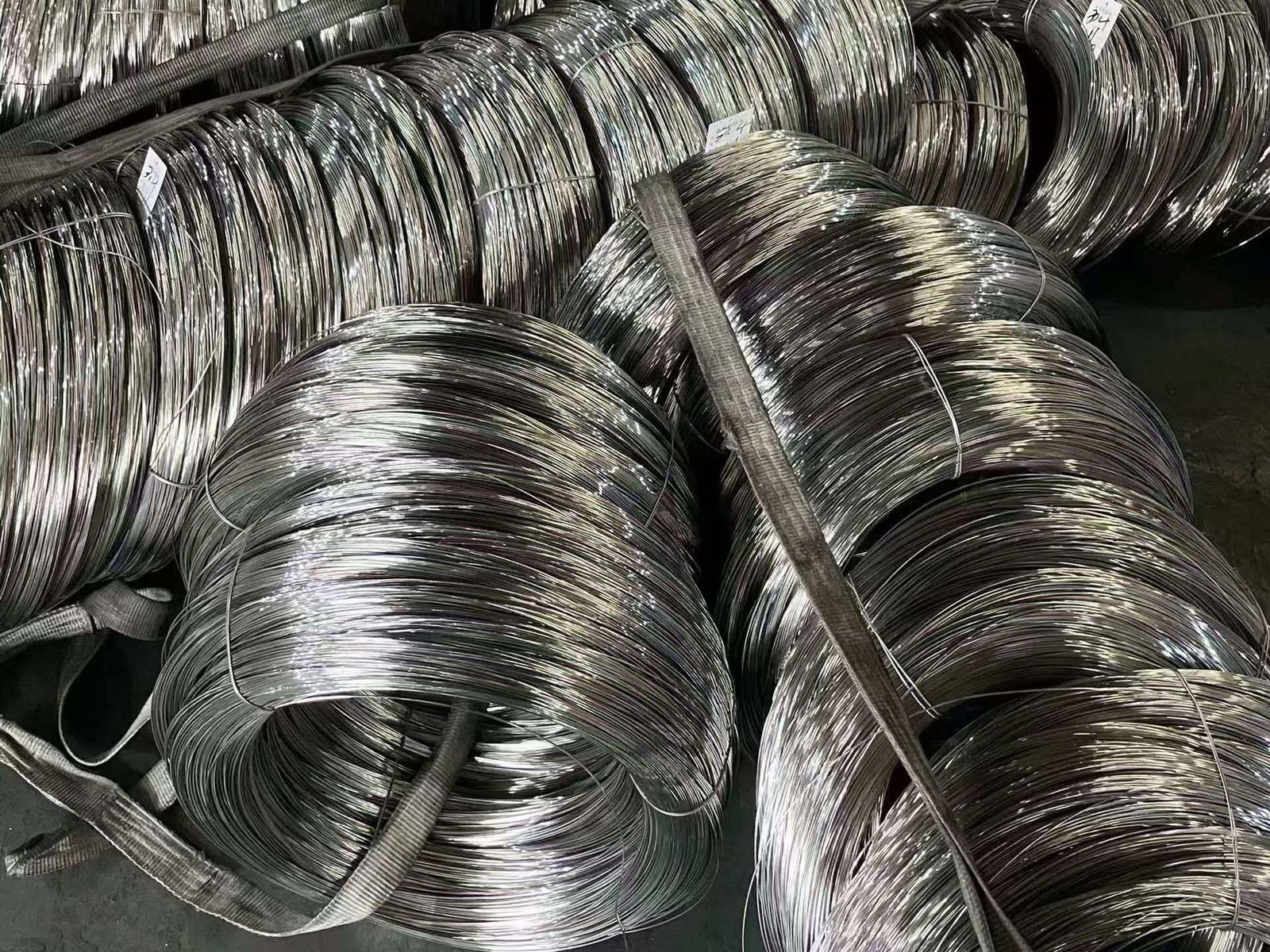
The price difference is simple. 304 stainless steel wire costs at least 40% more than 201. Juma's case is a perfect example. He needed wire for two large projects. By choosing 201 for both, he cut his material budget by over $6,000. This saving was not just a number on paper. He told me he used that exact money to buy another batch of galvanized wire. He needed it to build temporary fences for his workers. This shows how saving money on one big item can free up cash for other important needs on your project. It is a smart business decision. Why should you pay extra for extreme corrosion resistance if your project does not need it? That would be like buying a heavy winter coat to wear in Dar es Salaam. It just doesn't make sense. Last week, we shipped his full 40-foot high cube container.
Conclusion
For most construction in Tanzania, 201 stainless steel wire is the smarter choice. It is strong, handles the local climate well, and saves you a lot of money over 304.
One inquiry from Juma turned into a 40ft high-cube container order and a clearer procurement strategy for his future projects. For your next bulk order, visit https://mfgwiremesh.com/metal-wire/201-stainless-steel-wire/ or connect via https://mfgwiremesh.com/contact/
Our factory has been serving East African importers for over 10 years. Tell us your wire diameter and destination port, and we'll prepare a quote within 24 hours. WhatsApp: +86 15383180672.
FAQ:
Q2: When should I choose 201 stainless steel wire over 304 grade? A2: Choose 201 for standard construction applications like rebar tying, concrete reinforcement, and general fencing—especially in inland climates like most of Tanzania, Uganda, and Kenya. Our 2.0mm 201 wire offers 650-750 MPa tensile strength at about 40% lower cost than 304. Only upgrade to 304 if your project involves chemical exposure, food-grade environments, or permanent coastal submersion. In Juma's case in Dar es Salaam, two large projects saved over $6,000 by using 201 instead of 304, with zero quality issues.
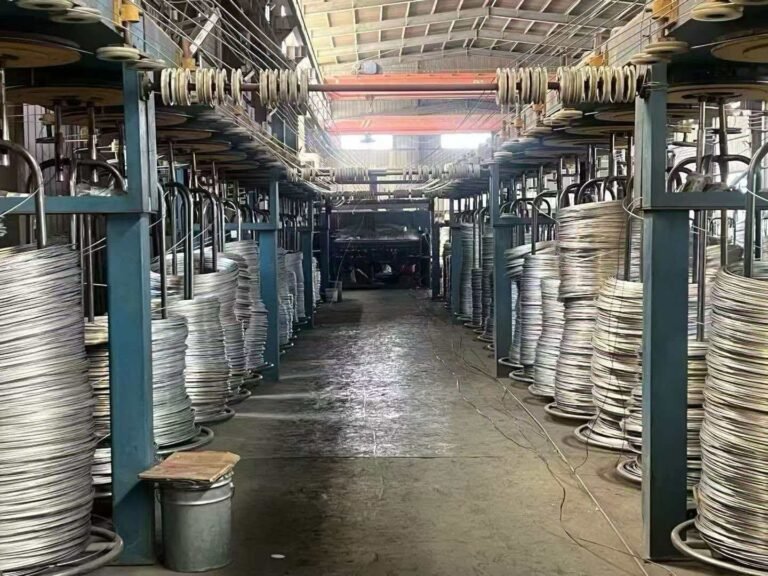
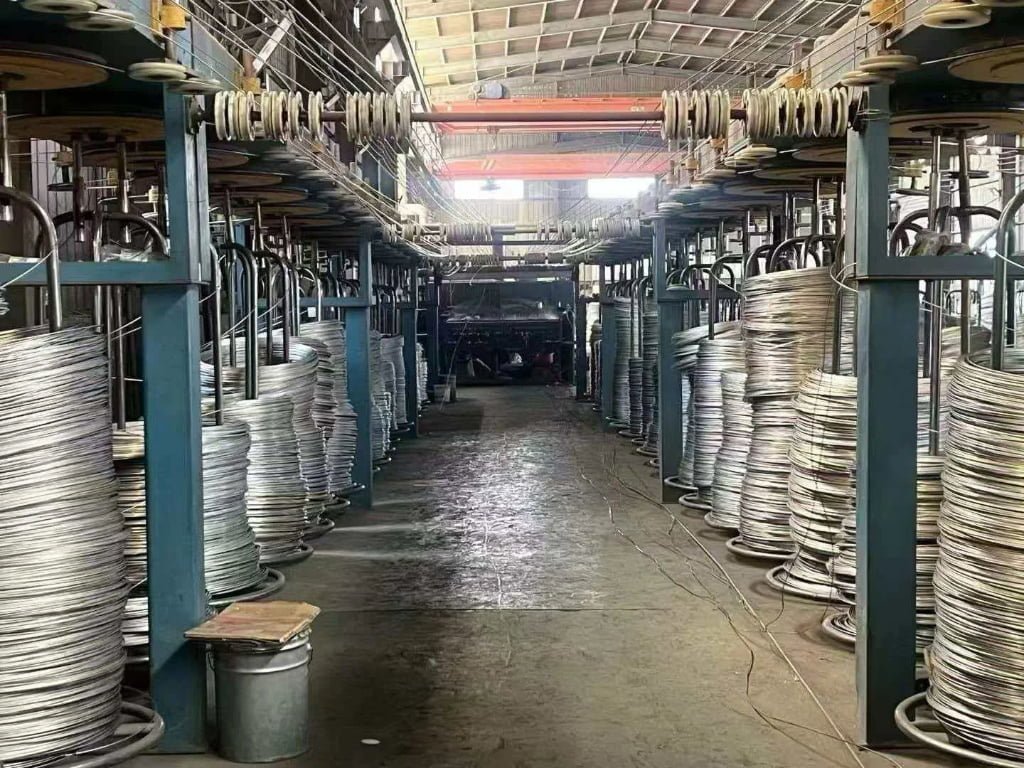
Q8: What production capacity and diameter range can your factory supply? A8: We produce 201 stainless steel wire in diameters from 0.8mm to 2.0mm, with consistent tensile strength of 650-750 MPa. Our Anping factory operates 10 automated production lines, ensuring stable supply for both trial orders and bulk container shipments to East Africa.
Q7: How does buying directly from your factory eliminate middleman costs? A7: We are a self-owned factory in Anping, China. No trading companies or intermediaries add markup to your order. The price you receive is the factory price, and we manage the entire process—production, quality inspection, container loading, and export documentation. In the Tanzania case, Juma saved over $6,000 on two projects by sourcing 201 wire factory-direct instead of going through an intermediary who pushed unnecessary 304 upgrades.