


Kenya's construction sector is growing fast, driving demand for reliable binding materials that can handle the country's variable climate. Here's what buyers need to know about why 201 stainless steel wire is becoming the preferred choice.
Contractors across Kenya are increasingly searching for a galvanized wire replacement that actually holds up in coastal conditions, and many, like Mwangi, are finding answers on our main website: https://mfgwiremesh.com/
Struggling with galvanized wire rusting on your coastal construction sites? This common issue leads to costly rework and project delays, eating into your profits and timeline.
Kenyan contractors are switching to 201 stainless steel wire for its superior corrosion resistance in salty, humid coastal environments like Mombasa. Unlike galvanized wire that rusts quickly, 201 stainless steel ensures structural integrity throughout the construction cycle, saving significant costs on rework and delays.
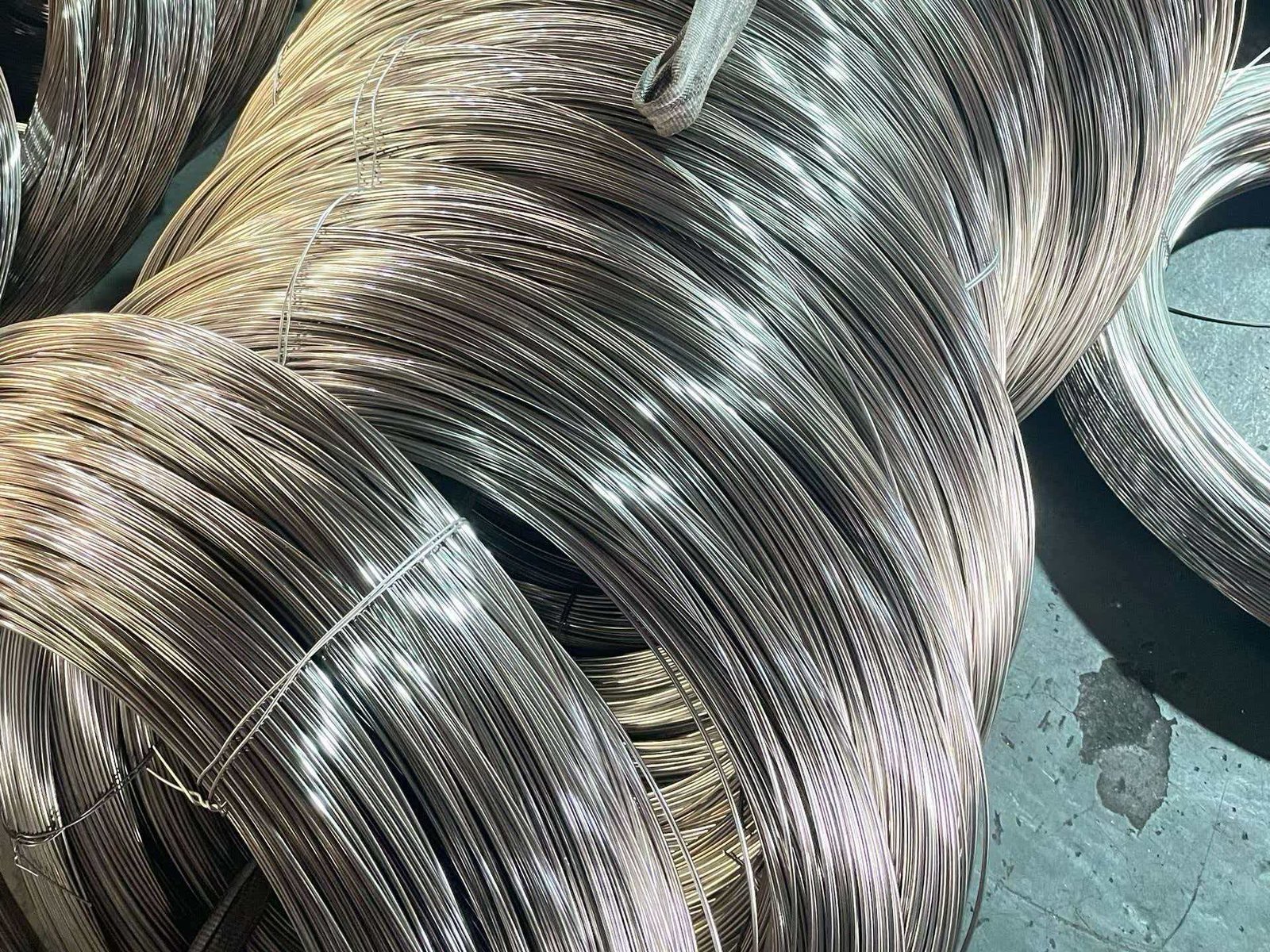
I saw this problem firsthand on a business trip to Mombasa last month. I was visiting Mwangi, a client I've worked with for three years. He runs a building materials wholesale business near the port, and he was facing a serious issue. His story really highlights why a small change in material can make a huge difference. Let me break down why this switch makes so much sense, not just for quality but for your bottom line.
Is Galvanized Wire Really Cost-Effective in Coastal Environments?
You chose galvanized wire because the initial cost was low. But now you are dealing with rust, material returns, and frustrated project supervisors before the work is even done.
No, galvanized wire is often not cost-effective in coastal areas. While its upfront price is low, its thin zinc coating corrodes very quickly in salty air. The resulting costs from material replacement, labor for rework, and project delays usually outweigh any initial savings you made.
When I met with Mwangi, the first thing he told me was, "The return rate for galvanized wire on job sites is too high lately." In a place like Mombasa, the air is full of salt. He showed me wire that had been in his warehouse for less than two months. When he opened the package, you could already see white rust. It was even worse on site. He had photos of rebar cages where the tying points were covered in rust stains. The project supervisor had issued a formal notice to correct the work. Mwangi had been sourcing his galvanized wire from India because the price was cheap, but it just couldn't handle the wet, salty environment of the coast. The cheap price tag was causing expensive problems.
| Cost Factor | Galvanized Wire | 201 Stainless Steel Wire |
|---|---|---|
| Upfront Cost | Low | Higher (~12%) |
| Material Waste | High (due to rust) | Very Low |
| Rework Labor | High | None |
| Project Delays | High Risk | Low Risk |
| Total Cost | Deceptively High | Predictable & Lower |
How Does 201 Stainless Steel Wire Perform in High Humidity and Salt?
You need a tying wire that will not fail in a harsh marine climate. A weak, corroded wire can compromise your entire structure's integrity and damage your professional reputation.
201 stainless steel wire performs exceptionally well in high humidity and salt. Its specific blend of chromium and manganese creates a passive, self-healing layer that resists corrosion far better than a simple zinc coating. This ensures it remains strong and rust-free throughout the project.
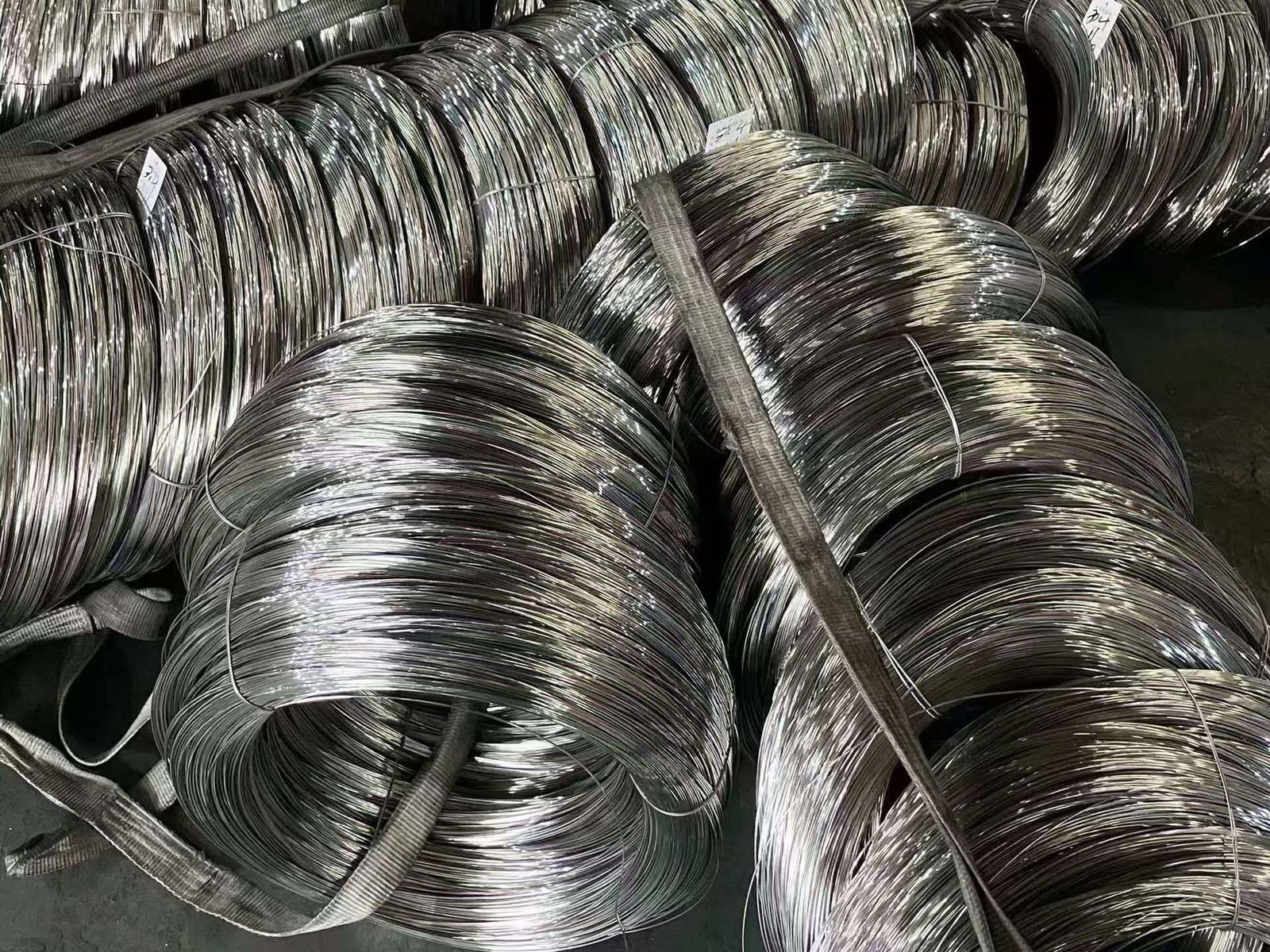
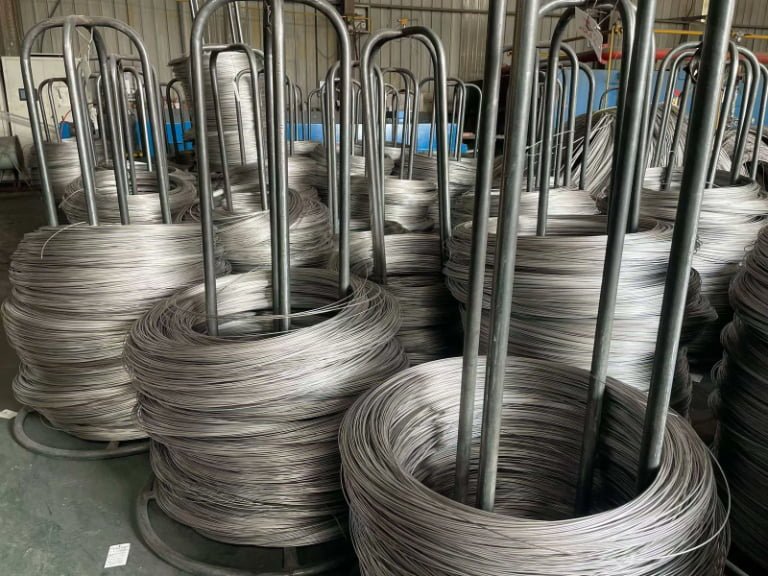
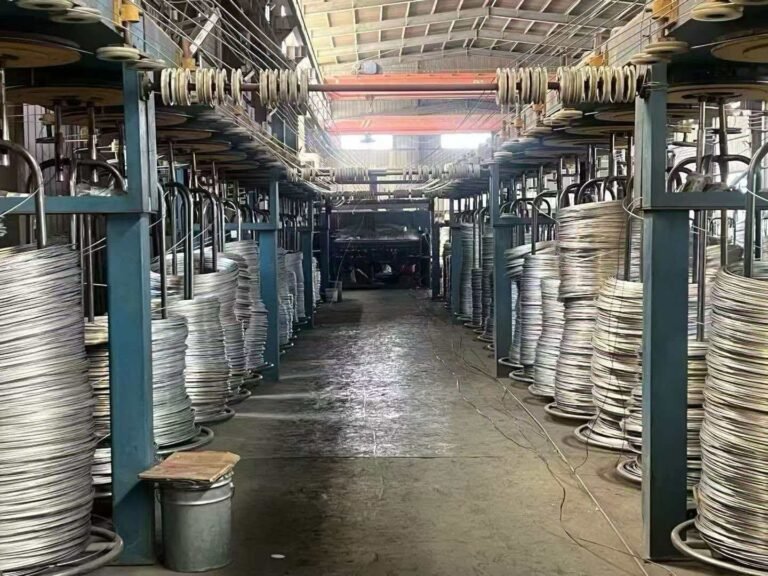
I told Mwangi he should have made the switch a long time ago. The 201 stainless steel wire from our factory in Anping is made exactly for these kinds of conditions. We produce it in diameters from 0.8mm to 2.0mm. The 2.0mm wire, which he uses most often, has a stable tensile strength of over 650 MPa. This means it's strong. At the same time, it has the right softness, so it's easy for workers to handle without breaking or cutting their hands. But the most important benefit is its corrosion resistance. It is simply in a different league than galvanized wire. In a place like Mombasa, our 201 wire is guaranteed to last through the entire construction period without rusting. It easily passes our internal 96-hour salt spray tests, which mimic these harsh coastal conditions.
Can Switching to a More Expensive Wire Actually Save You Money?
Your budget is tight, and you see the higher price of stainless steel wire. But the hidden costs of using cheaper materials are already eating away at your project's profitability.
Yes, switching to a more expensive wire like 201 stainless steel can definitely save you money. The initial material cost might be about 12% higher, but it completely eliminates the huge costs of rework, wasted material, and project delays caused by rusting galvanized wire.
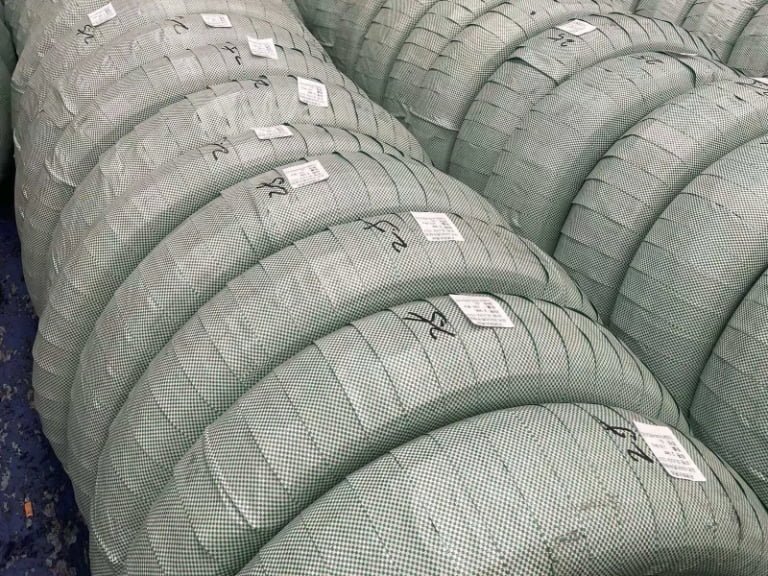
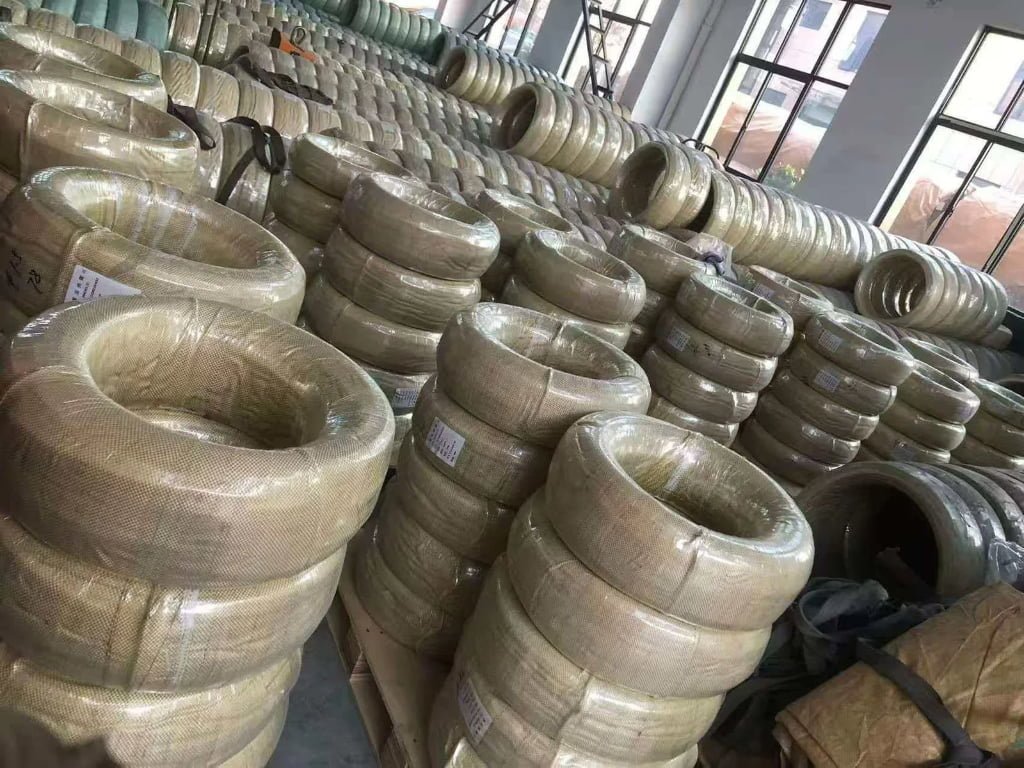
I did the math for Mwangi right there in his office. I laid it out clearly. "Yes, the price per kilogram for 201 stainless steel is about 12% more than what you pay for galvanized wire," I explained. "But think about the hidden costs you're paying now." First, there's the cost of the returned wire itself. That's a complete loss. Second, there are the labor costs. You have to pay your crew to stop their work, cut off all the rusty ties, and then re-tie everything. That's double the work for zero progress. Third, and most importantly, are the project delays. When a supervisor issues a stop-work order, the clock is still ticking. These delays can lead to penalties and damage your relationship with the main contractor. When you add up all these costs, the 12% premium for 201 wire starts to look like a very cheap insurance policy. Mwangi agreed. He decided on the spot to place a trial order for a 20-foot container. The container arrived at Mombasa port last weekend. He sent me a video after he opened it. The triple-layer packaging was perfect, and when he cut open the plastic film, the wire was as bright and shiny as the day it left our factory. He said if this batch holds up through the rainy season, he's switching to 201 for all his projects.
Conclusion
For coastal projects, switching to 201 stainless steel wire is not an extra cost. It is a smart investment that prevents rust, eliminates rework, and protects your project's budget.
Mwangi's trial container is now on its way to his warehouse. If your project faces similar corrosion challenges, start with our product page https://mfgwiremesh.com/metal-wire/201-stainless-steel-wire/ or reach out via https://mfgwiremesh.com/contact/
If you're sourcing SS201 binding wire or 201 stainless steel wire for Kenya, Tanzania, or Uganda, we're happy to provide a specification-based quotation. Contact us via WhatsApp: +86 15383180672.
FAQ:
Q1: What is the key advantage of 201 stainless steel wire over galvanized wire for East African construction projects? A1: The key advantage is corrosion resistance in harsh climates. Galvanized wire develops white rust quickly in humid or salty conditions—like Kenya's coastal Mombasa area—while 201 stainless steel wire maintains its integrity throughout the construction cycle. Our 2.0mm 201 wire offers 650-750 MPa tensile strength, handling heavy-duty rebar tying without snapping, and costs only about 12% more than quality galvanized wire, avoiding hidden costs from rework and material rejection.
Q5: How do you ensure the wire arrives in good condition after long ocean freight? A5: We use triple-layer moisture-proof packaging: waterproof paper first, then plastic film, then woven bag. Each coil is palletized with stretch wrap. The shipment in our Kenya case went from Tianjin Port to Mombasa Port—after the full ocean journey, the client unwrapped the packaging and the wire surface was clean and rust-free.
Q10: Why is demand for construction materials like 201 stainless steel wire growing in East Africa? A10: East Africa's infrastructure investment is accelerating—Kenya's housing projects, coastal resorts, and road networks are all expanding. Contractors face increasing pressure to deliver durable structures while controlling costs. Materials like 201 stainless steel wire meet both requirements: affordable enough for large-scale use, yet reliable enough to pass strict site inspections in challenging climates.